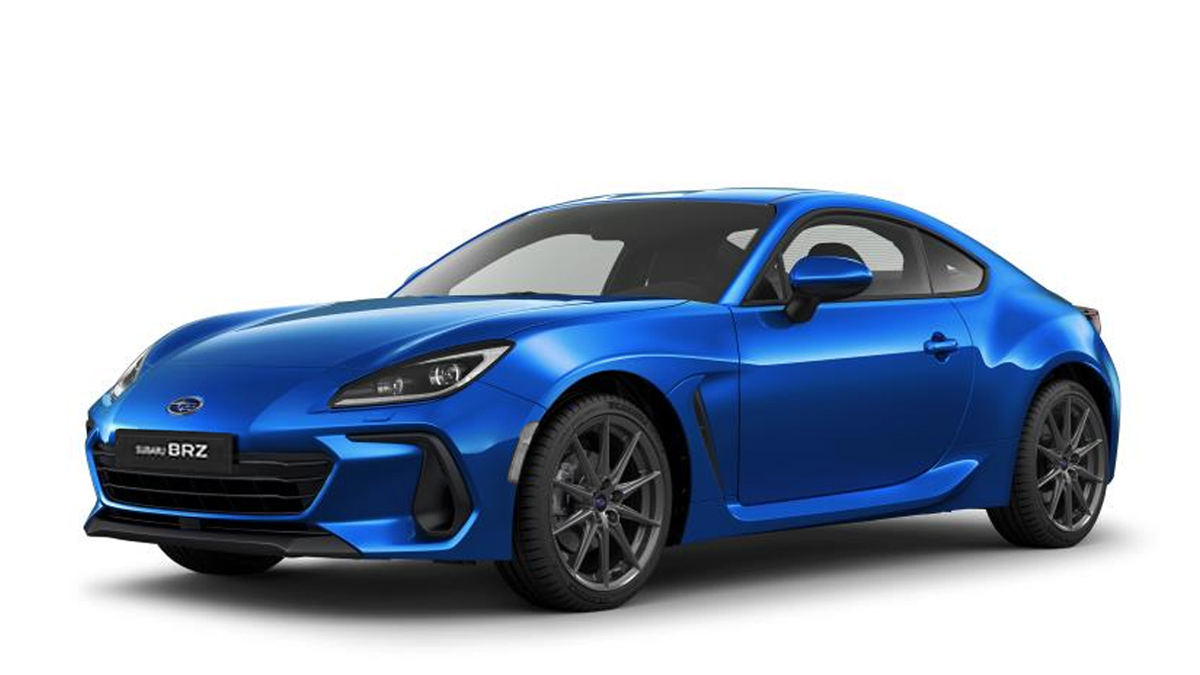

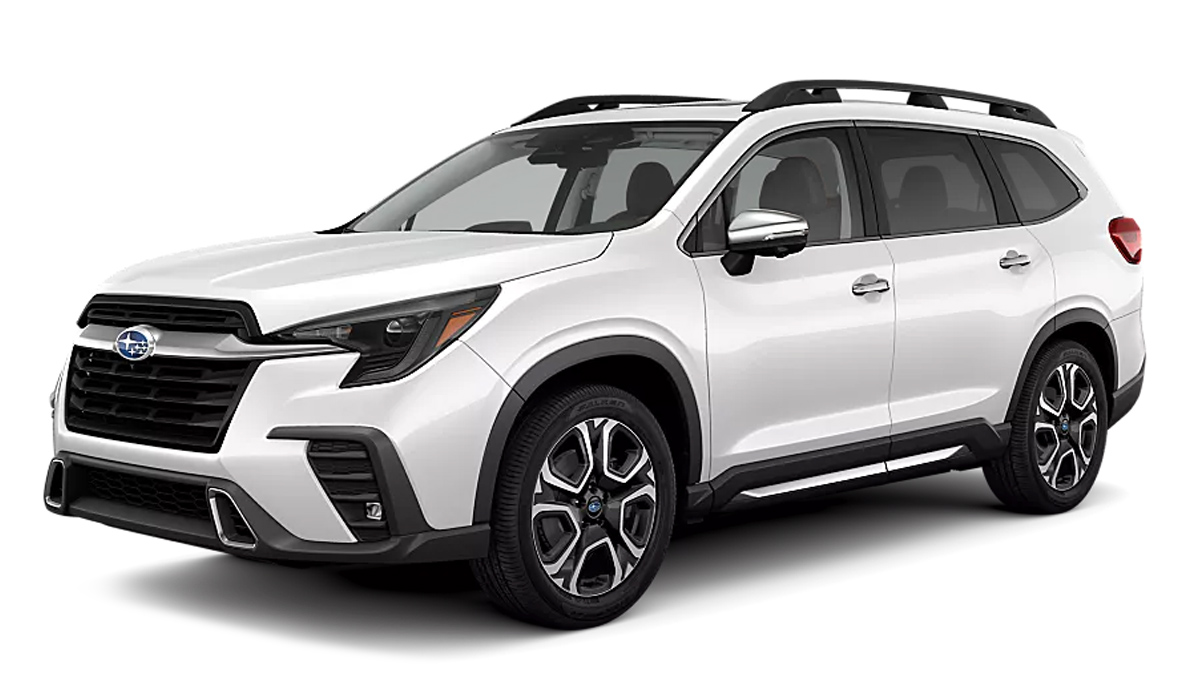
2023 is a big year for Subaru. Not only does it have several all-new models planned in the pipeline, it’s also the brand’s 70th anniversary in the business of making cars. Even though it’s a relatively small automaker compared to its compatriots (Toyota, Honda, Mitsubishi), Subaru has enjoyed success around the world and has gained fans since.
Tracing the roots
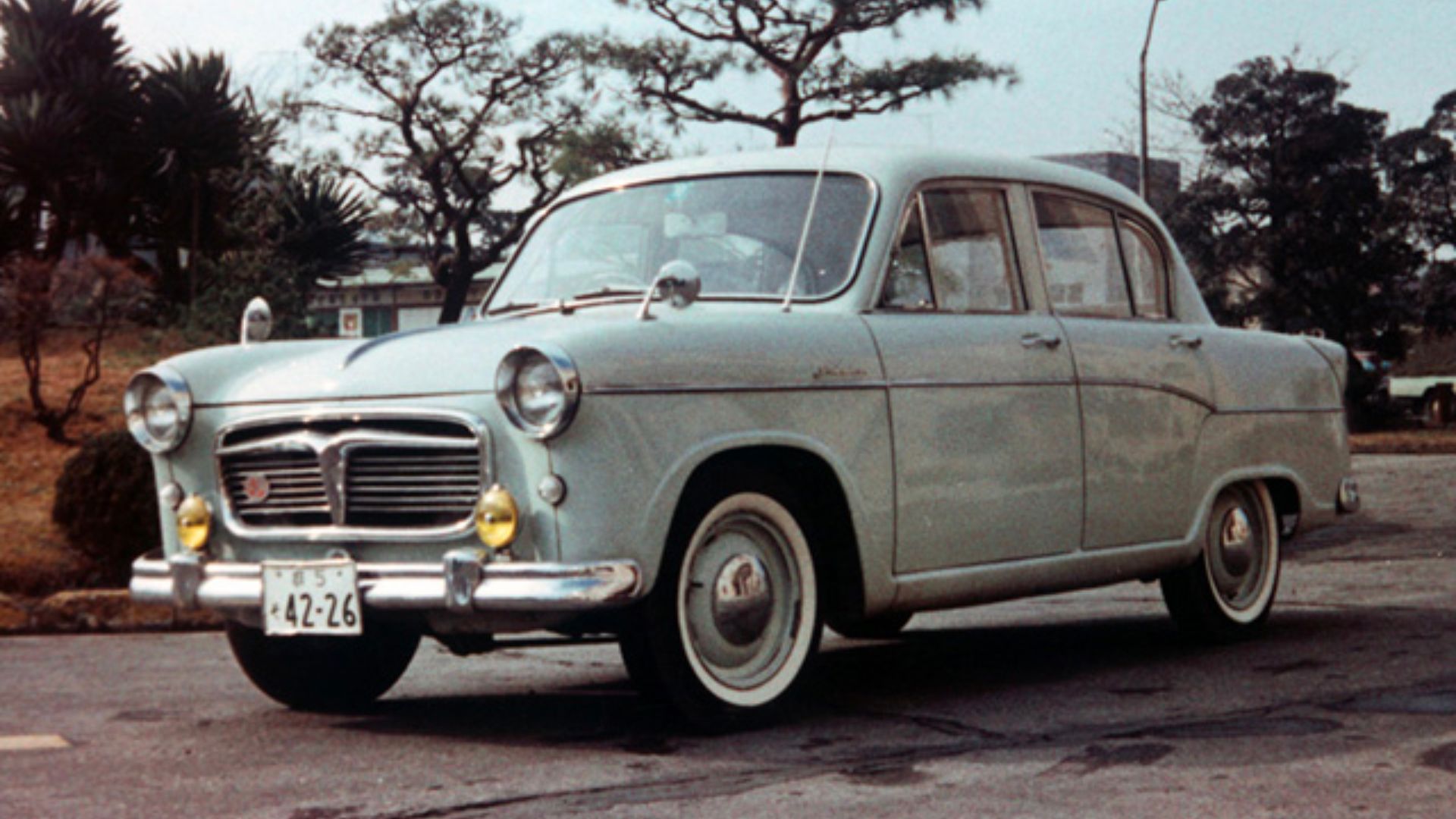
But before its establishment on July 15, 1953, Subaru traces its roots back to the Aircraft Research Laboratory established in 1917, which later became Nakajima Aircraft Co. Ltd. After a series of reorganizations, it eventually became Fuji Heavy Industries Ltd (FHI). FHI was a result of a merger of five companies, Fuji Kogyo, a scooter manufacturer, Fuji Jidosha (coachbiolding), Omiya Fuji Kogyo (engine manufacturing), Utsunomiya Sharyo (chassis) and the Tokyo Fuji Sangyo trading company.
OTHER STORIES YOU MIGHT HAVE MISSED:
In Paris, SUVs will pay more for parking beginning next year
Here’s why you’ve been seeing Brad Pitt dressed as an F1 driver
Early beginnings
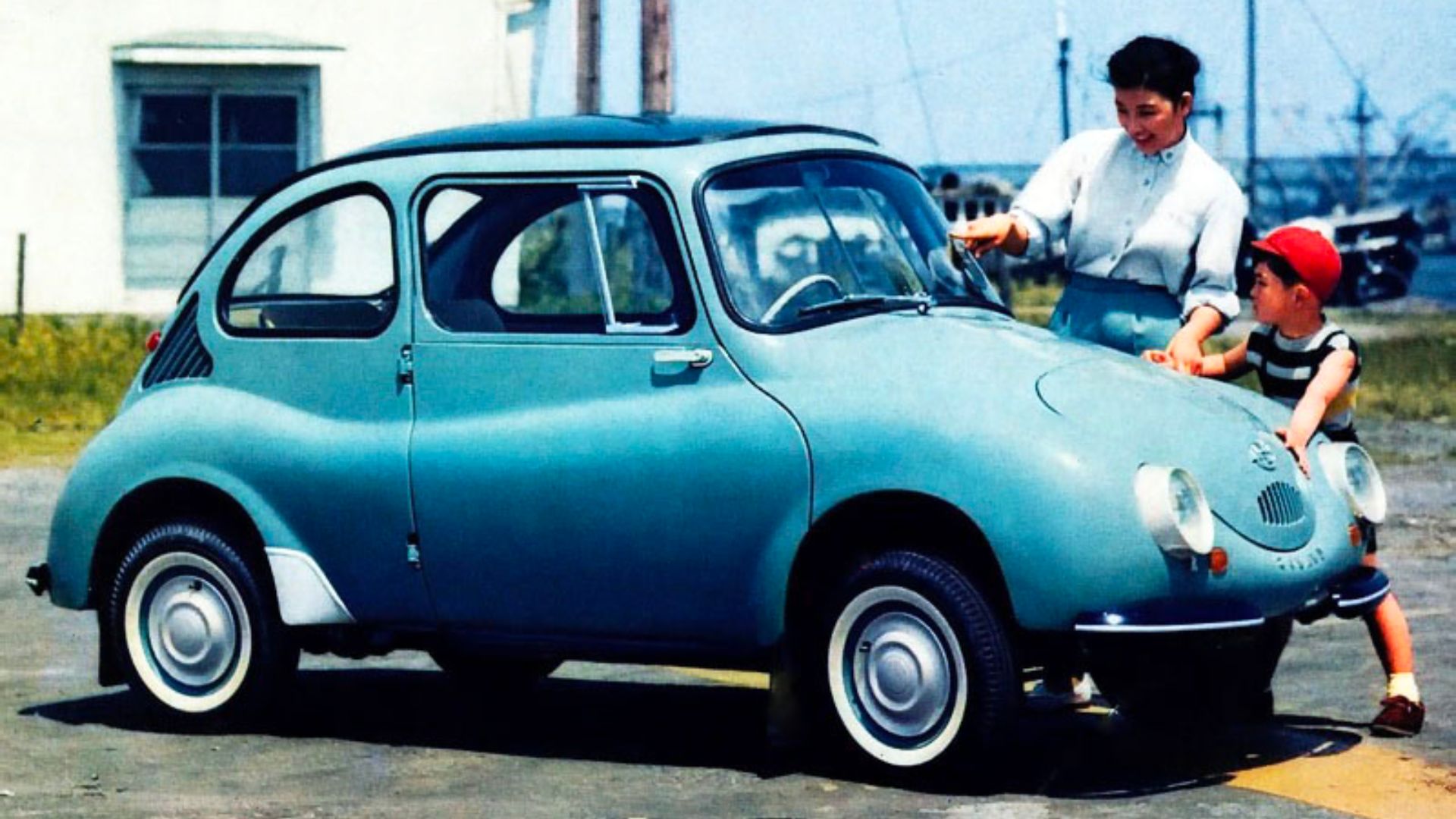
Soon after FHI was established, then-CEO Kenji Kita wanted the company to get involved in automobile manufacturing. Kita’s decision prompted the development of Subaru’s first car, the 1500 that was launched in 1954. After the 1500, Subaru launched the 360 kei car in 1958, followed by the Sambar van in 1961, and the 1000 in 1965. The 1000 would set the blueprint for successive Subaru models, as it was the first car in its history to have the now familiar boxer engine. Subaru would stick to those models until the early ‘70s.
Coming to America...and Australia
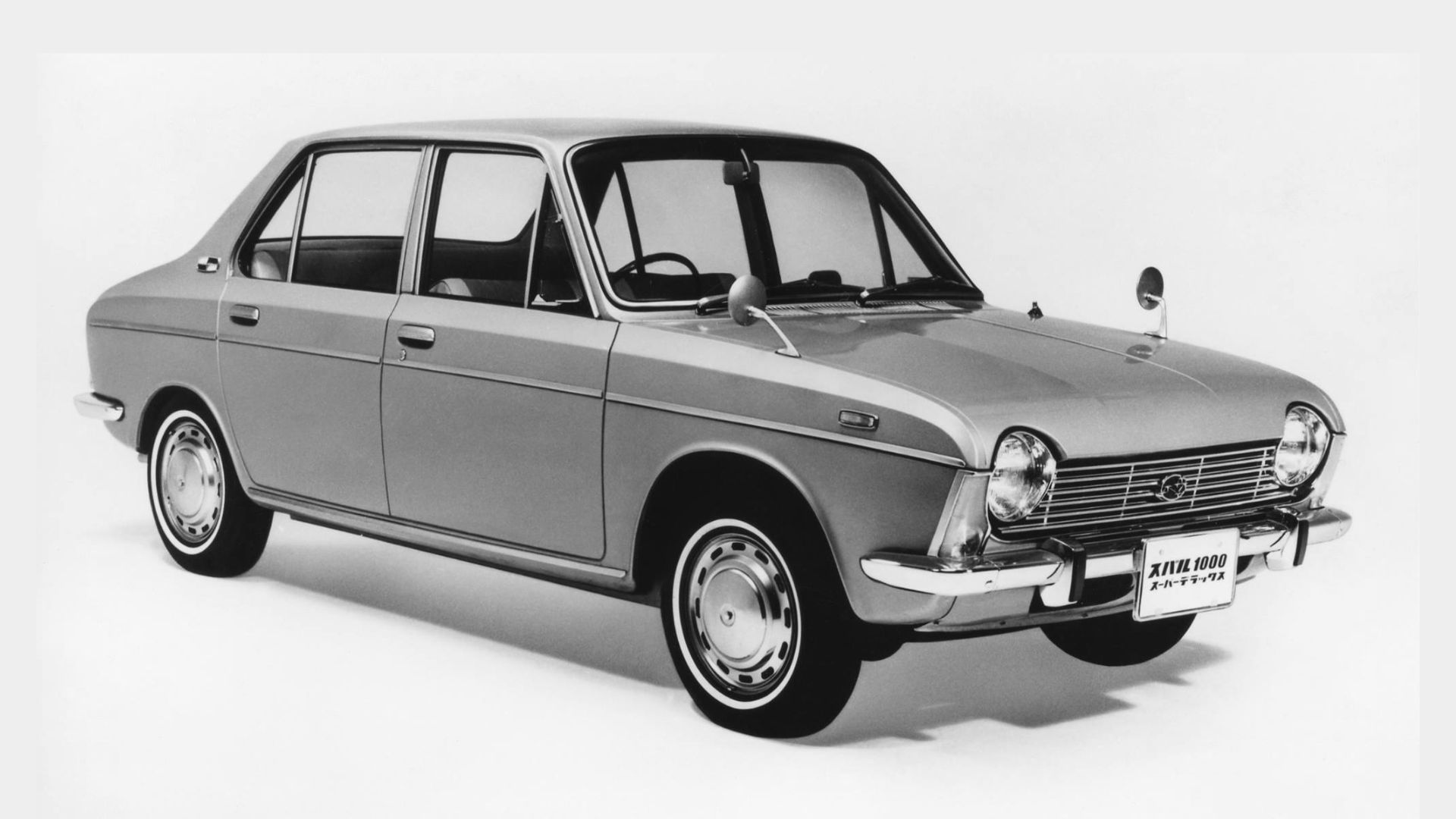
Subaru didn’t exactly have export ambitions when it was established in the ‘50s. However, Subarus started trickling out of Japan with Australia being its first unofficial export market around the mid-’50s. Then, in 1967, American entrepreneur Malcom Bricklin approached Subaru with the offer of selling its products in the world’s biggest market at the time, the US. Subaru sold its first car, the 360 kei car, in the US from 1968 until 1970. The larger (and more appropriately sized) 1000 series was eventually brought in 1970.
Growth and AWD
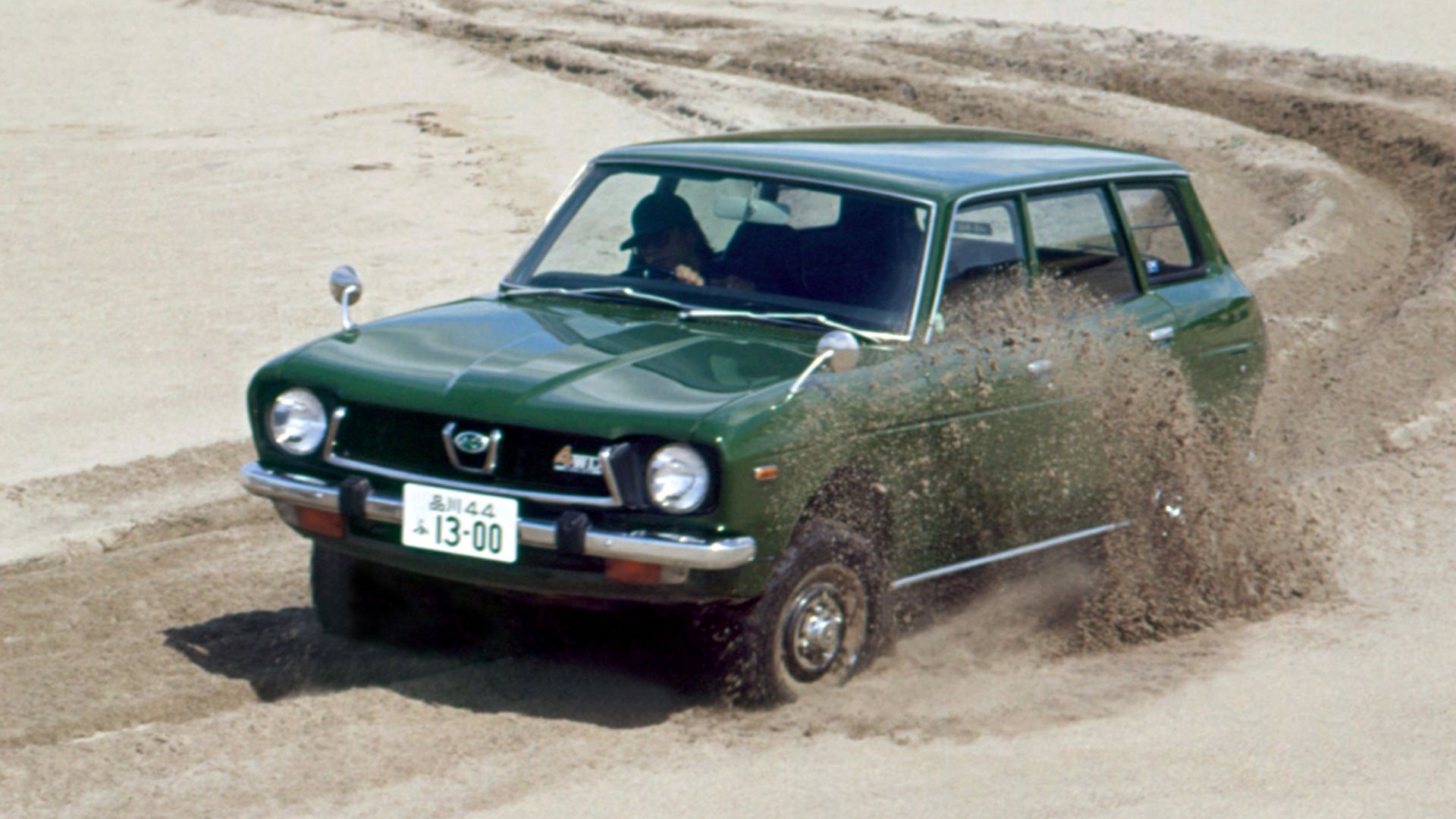
Subaru’s lineup evolved greatly in the ‘70s. The 360 was retired and replaced by the R-2 (and eventually, the Rex), the 1000 series was succeeded by the Leone, and it even introduced its first pickup, the BRAT. But Subaru wouldn’t be where it is today thanks to a little thing called all-wheel drive. In 1972, the company first put that technology in its compact sedan, wagon, and coupe, the first-generation Leone.
With that, Subaru was responsible for Japan's first mass-produced AWD passenger car. The all-wheel drive Leone came out in late 1972 and paved the way for future Subaru models. It was a bit of a success too, proving to be a popular option for those who lived in snowy regions.
Into the ‘80s
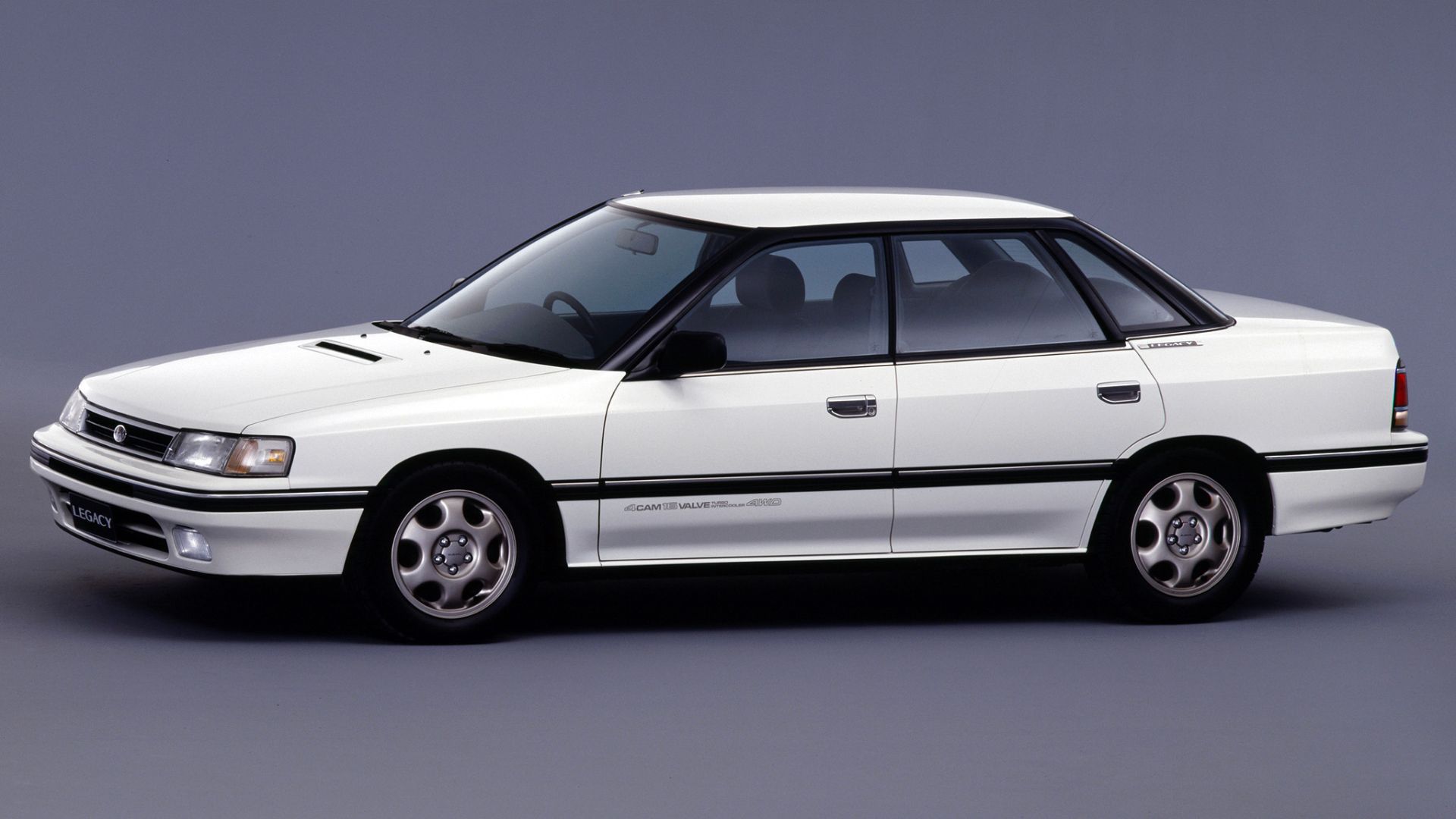
With the Leone raking in decent sales for Subaru, the company decided to make something a wee bit sportier. In 1985, Subaru surprised the world by debuting the unmistakably ‘80s-looking XT. This was Subaru going bold and daring, grabbing attention from mainstream automakers. But the brand’s main turning point was in 1989 when it took a gamble with the release of the first-generation Legacy.
The Legacy was unlike any other Subaru that came before it. It was an executive sedan with plush trimmings and luxury appointments, something that couldn’t be said about the now-aging Leone. There were also high-performance derivatives that kicked off Subaru’s illustrious career in the world of rallying.
Flying high in the ‘90s and ‘00s
Subaru realized that it can’t rely on the Legacy as their sales driver. At the same time, the Leone was outdated, especially compared to contemporary models such as the fourth-generation Honda Civic and the seventh-gen Toyota Corolla. Boosted by the success of the Legacy, Subaru retired the Leone and went to work on their next-generation compact car, the one we all know and love as the Impreza.
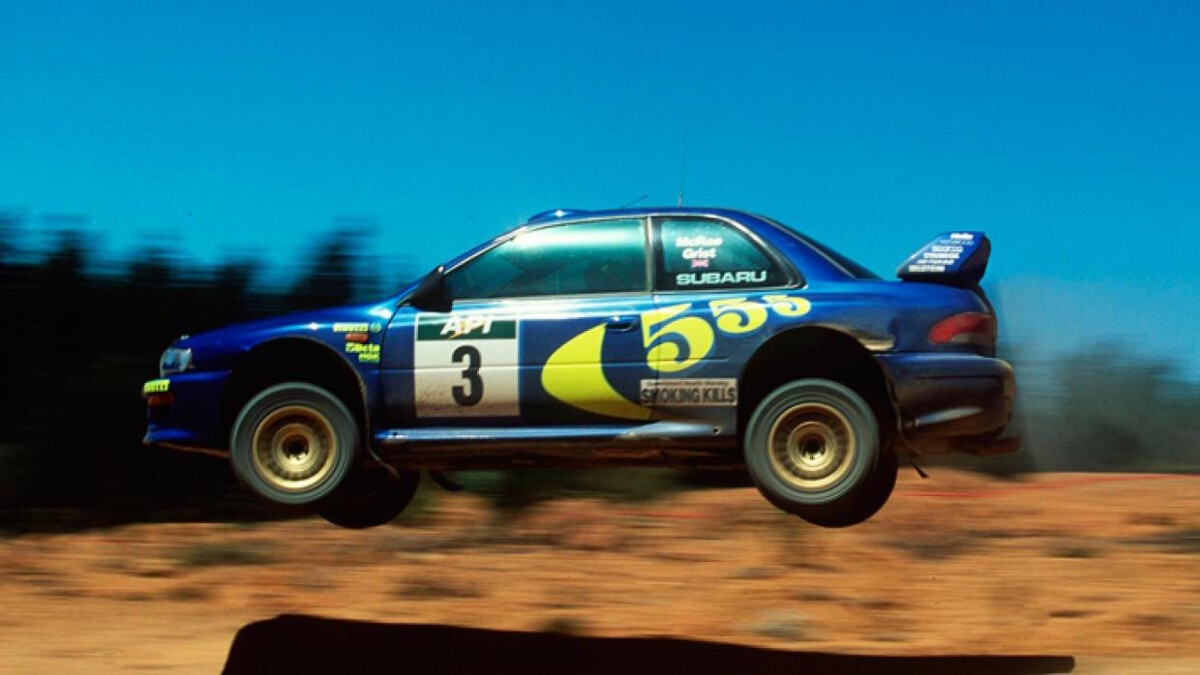
The Impreza was launched in 1992 and was yet another success story for Subaru. But the real party started when Subaru decided to stick a turbo on the Impreza. Like the Legacy, it was entered in the World Rally Championship, and the lighter and nimbler chassis of the Impreza put Subaru and its team drivers on the world stage.
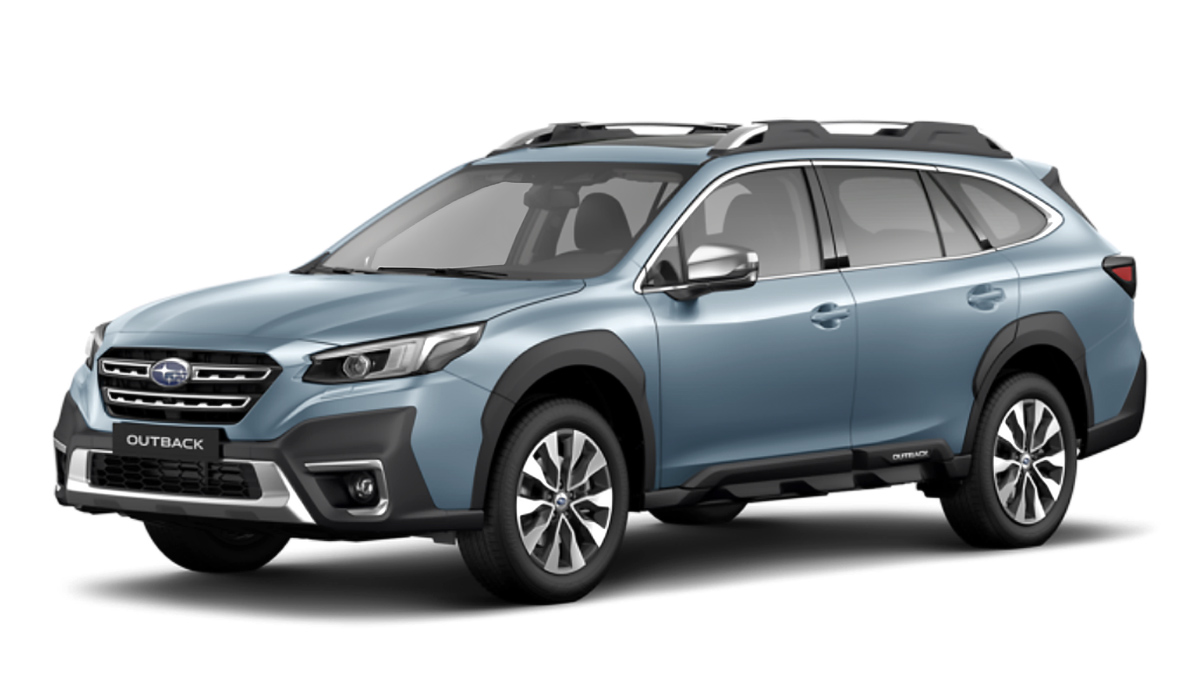
At the same time, the sport-utility vehicle was taking the world by storm, and Subaru wanted in on the action. Subaru’s first attempt was in 1994 with the introduction of the Outback. Simply put, it was a Legacy wagon with extra ground clearance and body cladding to make it look more like an SUV. It’s a formula Subaru still follows today with the current Outback.
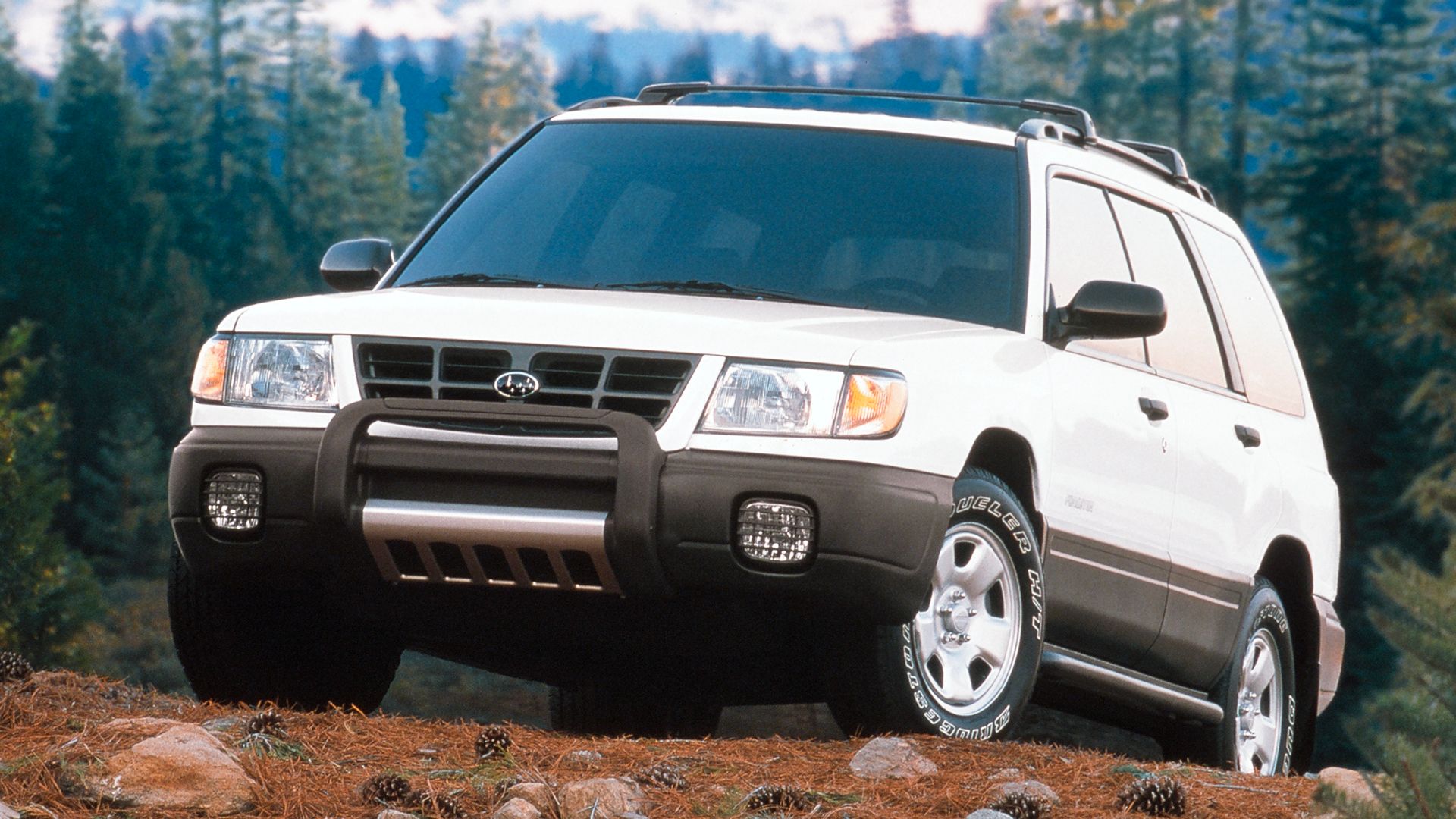
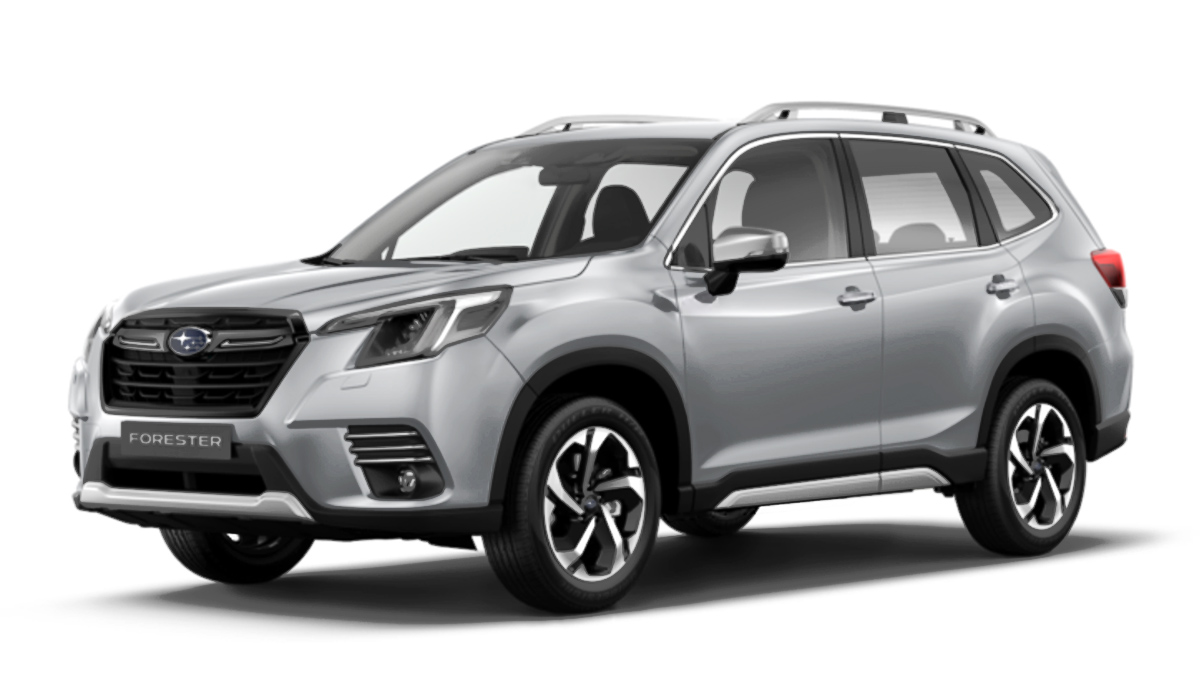
But the real breakthrough arrived in 1997 in the form of the Forester, and it’s more than an Impreza wagon on stilts. The Forester had a different body, tuned suspension, and more utility than the Impreza. The first-gen model was aimed squarely at the Toyota RAV4 and Honda CR-V, making the Forester one of the pioneers of the crossover as we know it today.
Subaru in the Philippines

Subaru landed in the Philippines in the mid-’90s with Columbian Autocar Corporation being the official distributor. It only sold two models at the time, the Legacy wagon and, yes, the Impreza WRX. Those models weren’t exactly massive hits in the country, and Subarus were later sold under General Motors Philippines. The only car it sold was the second-generation Forester.
But after two slow starts, Subaru finally got a grasp of the local market when Motor Image took hold of distributorship. The Philippines finally got most of the good stuff, from the standard Impreza, the turbocharged Forester, and the STI.
These days, Subaru Philippines offers the recently released Crosstrek, Forester, Outback, WRX, WRX wagon, Evoltis, and BRZ.
-
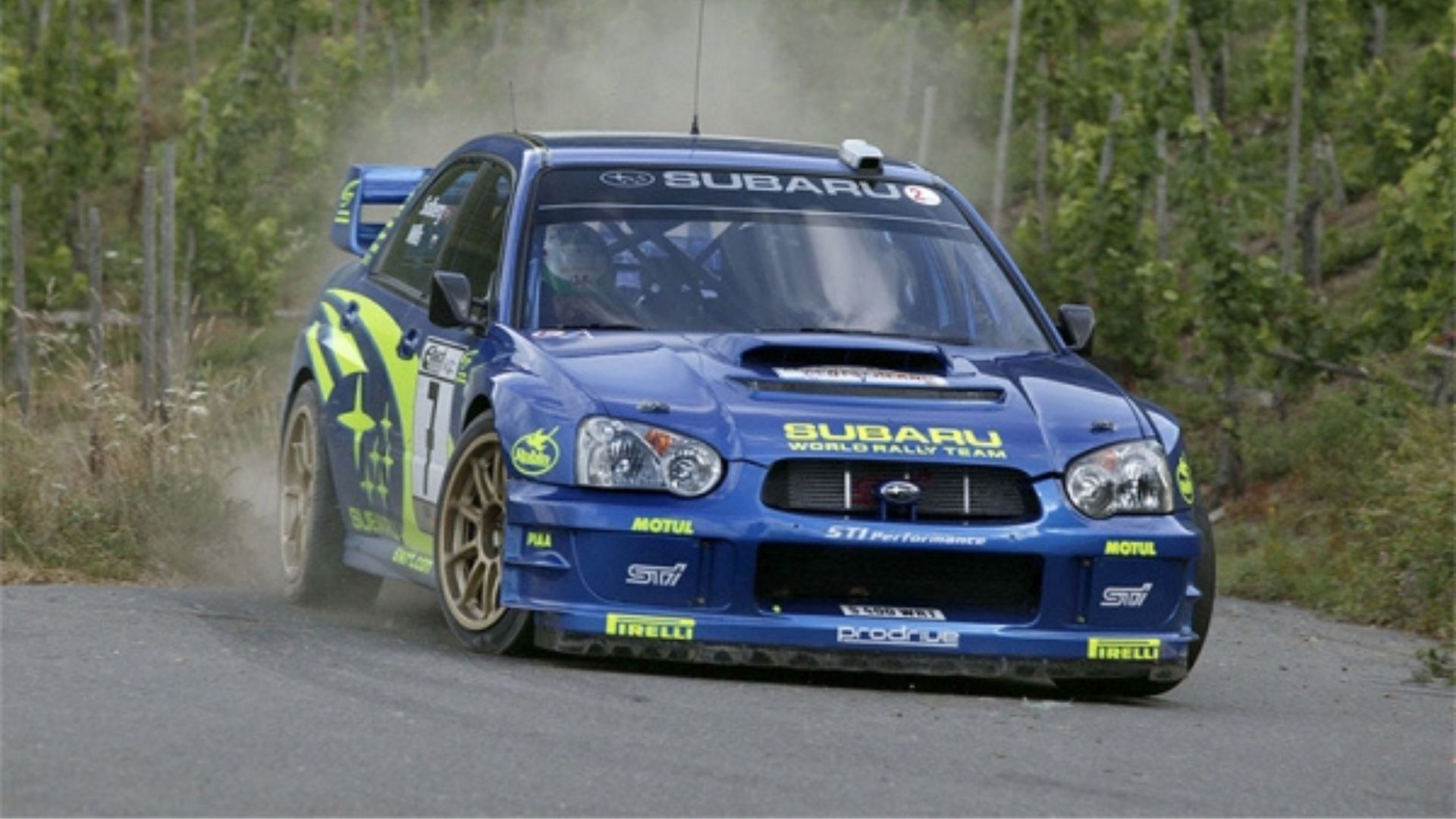
The past 70 years have been quite a ride for Subaru. From the 1500 to the dinky 360, it didn't seem likely that Subaru was to be a massive hit worldwide. But through constant innovation and all-wheel drive, the brand now has a global reach with legions of fans thanks to its motorsport exploits.
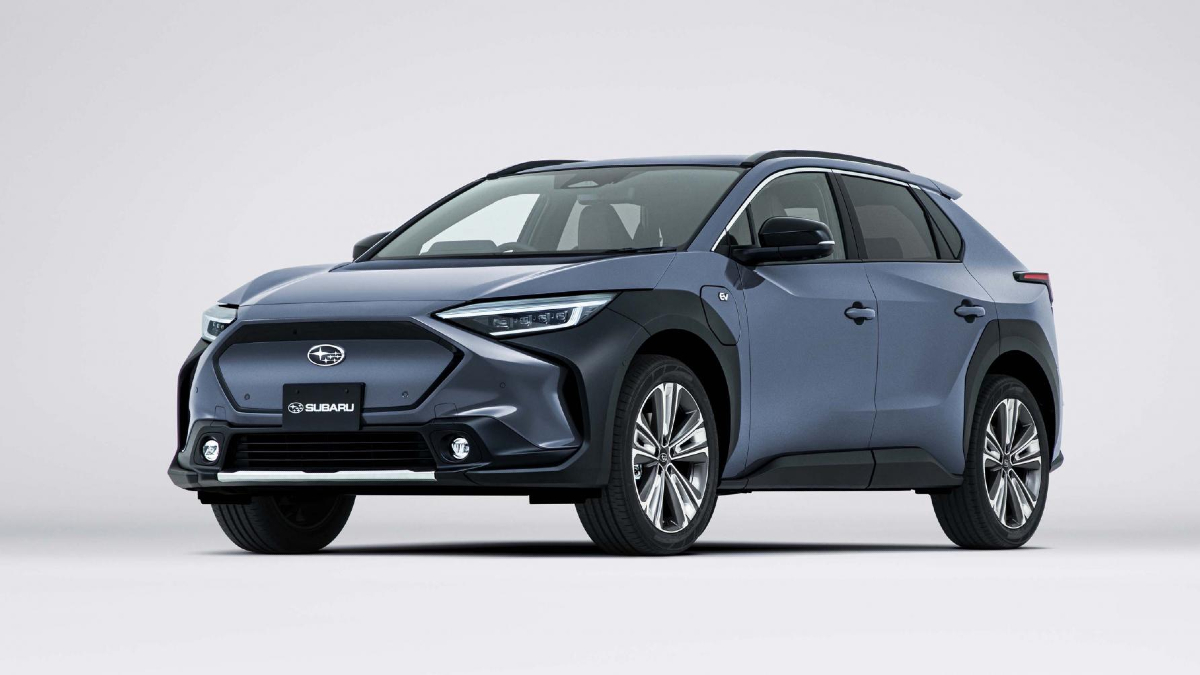
So, what's next for Subaru? Like most automakers, its future is looking more and more electric. Well, here's to hoping the brand stays close to its roots and stay strong for the next 70 years.