It’s been a while since the announcement of the Subaru Legacy’s discontinuation came out. 2025 marks the final year of Gunma’s all-wheel drive midsize sedan, wrapping up 36 years of production. Blame it on the rise of SUVs and crossovers of all shapes and sizes for the decline of the traditional midsize sedan.
The seventh-generation Subaru Legacy was introduced in 2019 and, to put it bluntly, sales haven’t been spectacular. In the US, the car’s largest and primary market, Subaru shifted less than 30,000 units in the last couple of years. In comparison, the Honda Accord and Toyota Camry see around 200,000 to 300,000 units in the states.
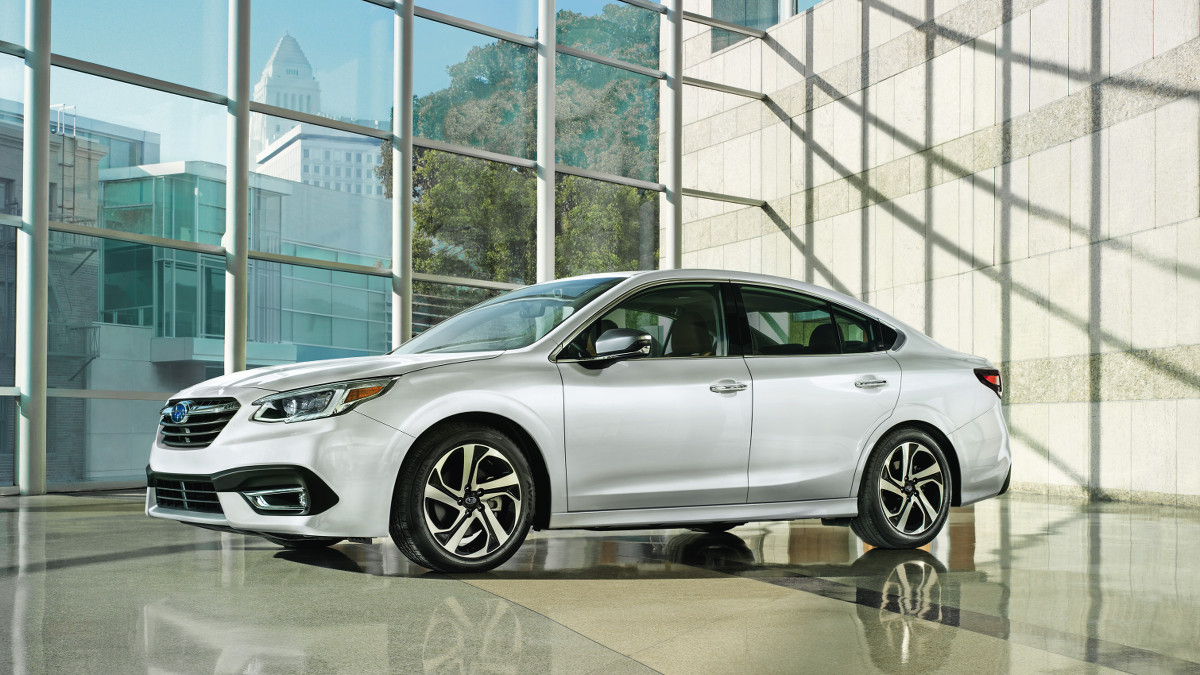
With that, the move to axe the Legacy is a rational decision. Why keep building a car that won’t sell? But there was a time when it was Subaru’s most important car. It was the one that pivoted Subaru to new heights and help sustain its growth over the years. Even though it doesn’t seem like it now, the Legacy was Subaru’s turning point in the modern era and, without it, it wouldn’t be the brand we recognize today.
OTHER STORIES YOU MIGHT HAVE MISSED:
2025 BMW X3 gets a bolder, more aggressive face
Lynk & Co rolls out its first EV, the Z10
Subaru Legacy: The origin
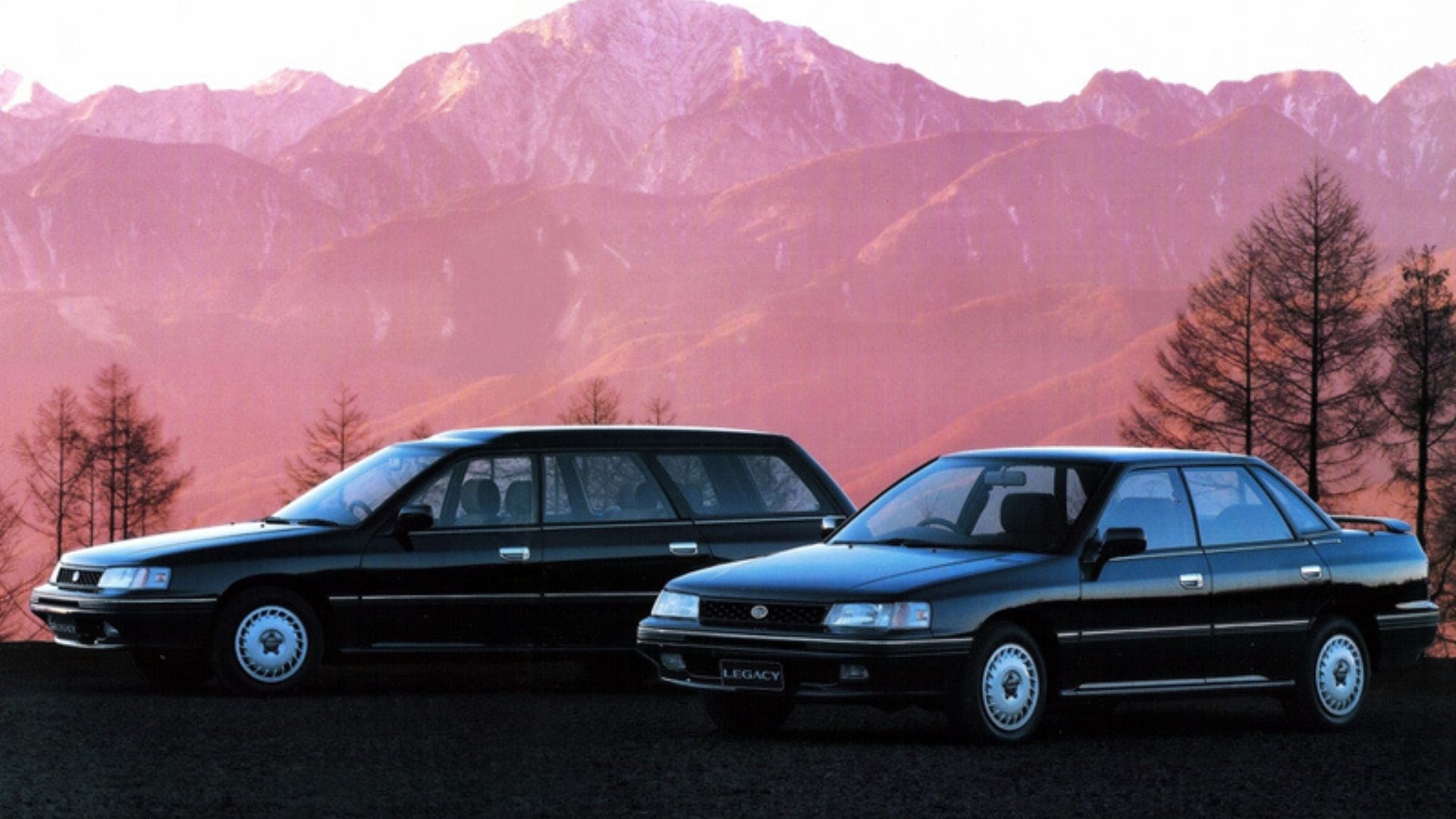
Before the Legacy, there was, well, nothing. Before the ‘90s, Subaru was best known for its quirky compacts with boxer engines and, occasionally, all-wheel drive. Yes folks, all-wheel drive wasn’t always standard on Subarus.
So what drove Subaru to build the Legacy? Well, there was a time the midsize sedan market was a lucrative one, especially in North America. Back in the ‘80s, the company wanted a bigger slice of the US market which was, at the time, the world’s biggest in terms of volume. They also wanted a push upmarket that, well, sold in good numbers.
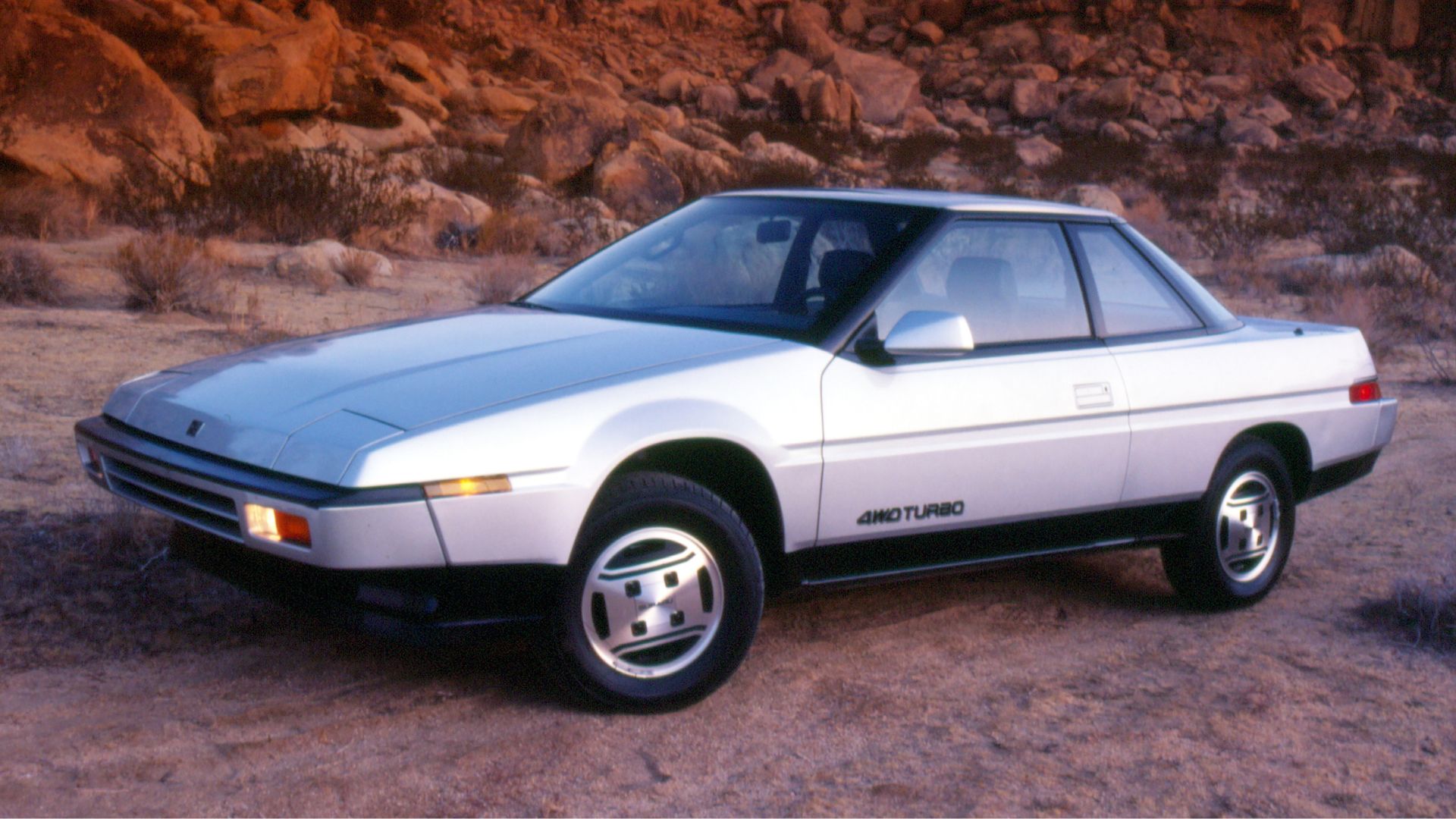
Prior to that, Subaru sold the quirky XT which primarily targeted North American consumers. It had a whole host of innovations such as height adjustable suspension, a digital dashboard, and a pod-mounted control system. In typical Subaru fashion, it had a flat four engine and available all-wheel drive. All those things put together made it, well, rather expensive. It wasn’t the sales success that the company had hoped for.
For the brand to be taken seriously in the US, Subaru needed a car that could go up against the best-sellers at the time: The Toyota Camry and Honda Accord. The result of that ambition was, well, the Legacy.
A break from tradition
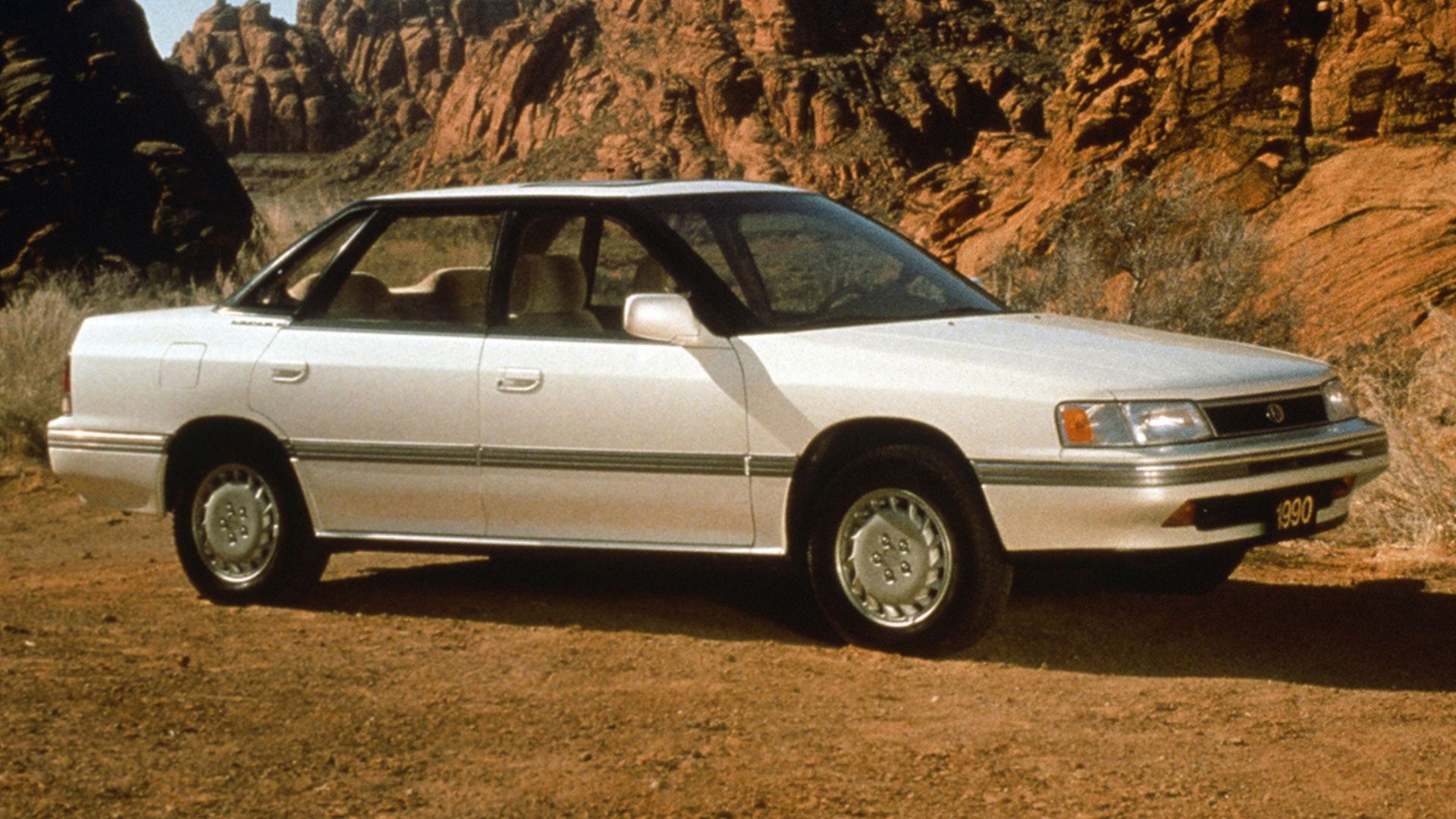
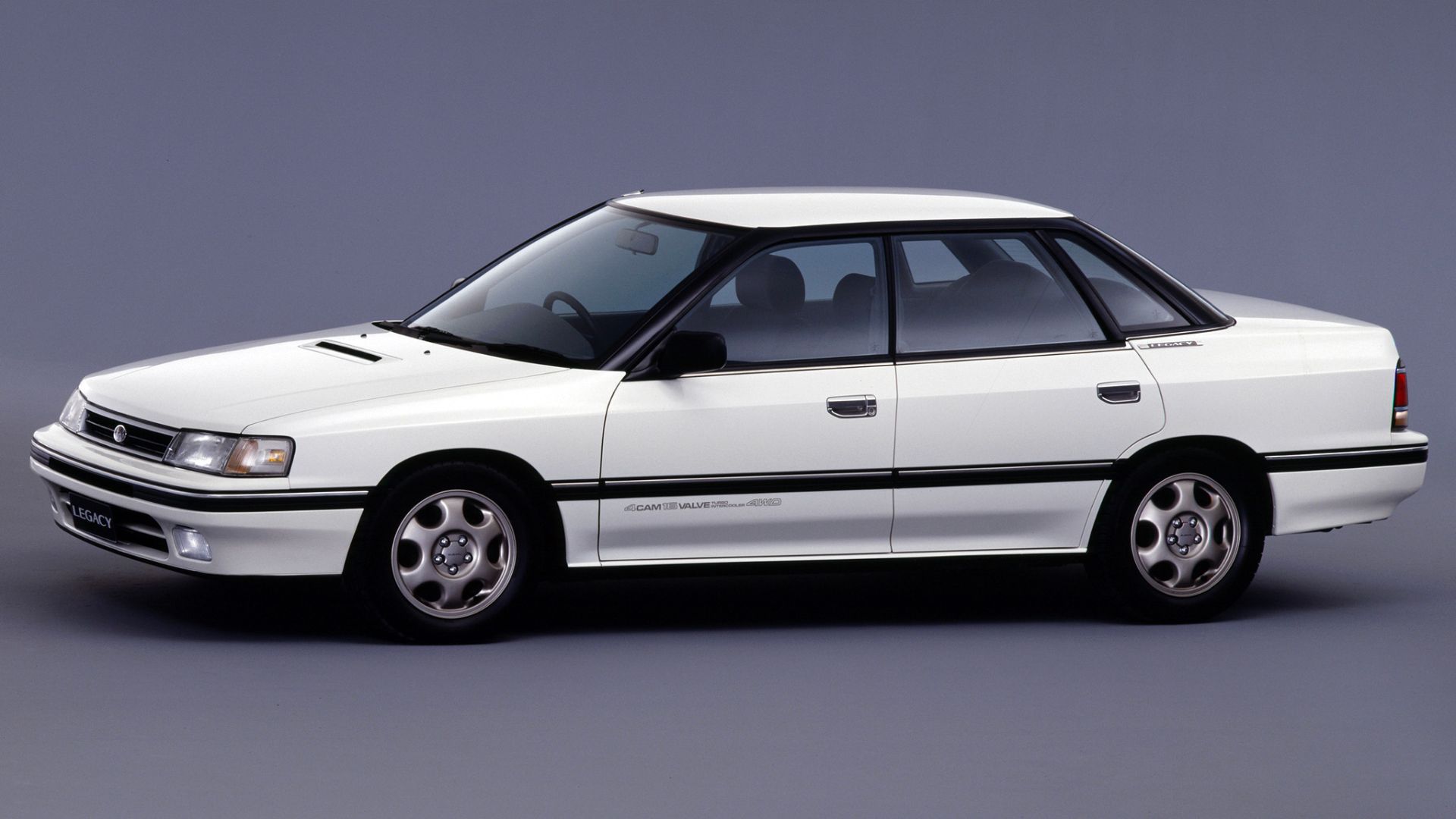
While Subaru hallmarks such as the boxer engine and all-wheel drive were present, the Legacy was actually a huge break from Subaru tradition. For staters, it was the company’s first-ever attempt at an executive midsize sedan. Compared to other Subaru models sold at the time, it was smooth and streamlined, not hard-edged and boxy.
Just for this model, the company even changed the logo and gave it a snazzier appearance. Also, the spare tire was no longer under the hood. Yes, Subarus prior to the Legacy had their spares sharing the same space as the engine.
It sounds conventional by all means, but it was actually a huge gamble for Subaru at the time. Not only was the brand entering uncharted territory, they were also risked alienating the Subaru faithful from decades past.
Thankfully, it all worked out.
The turning point
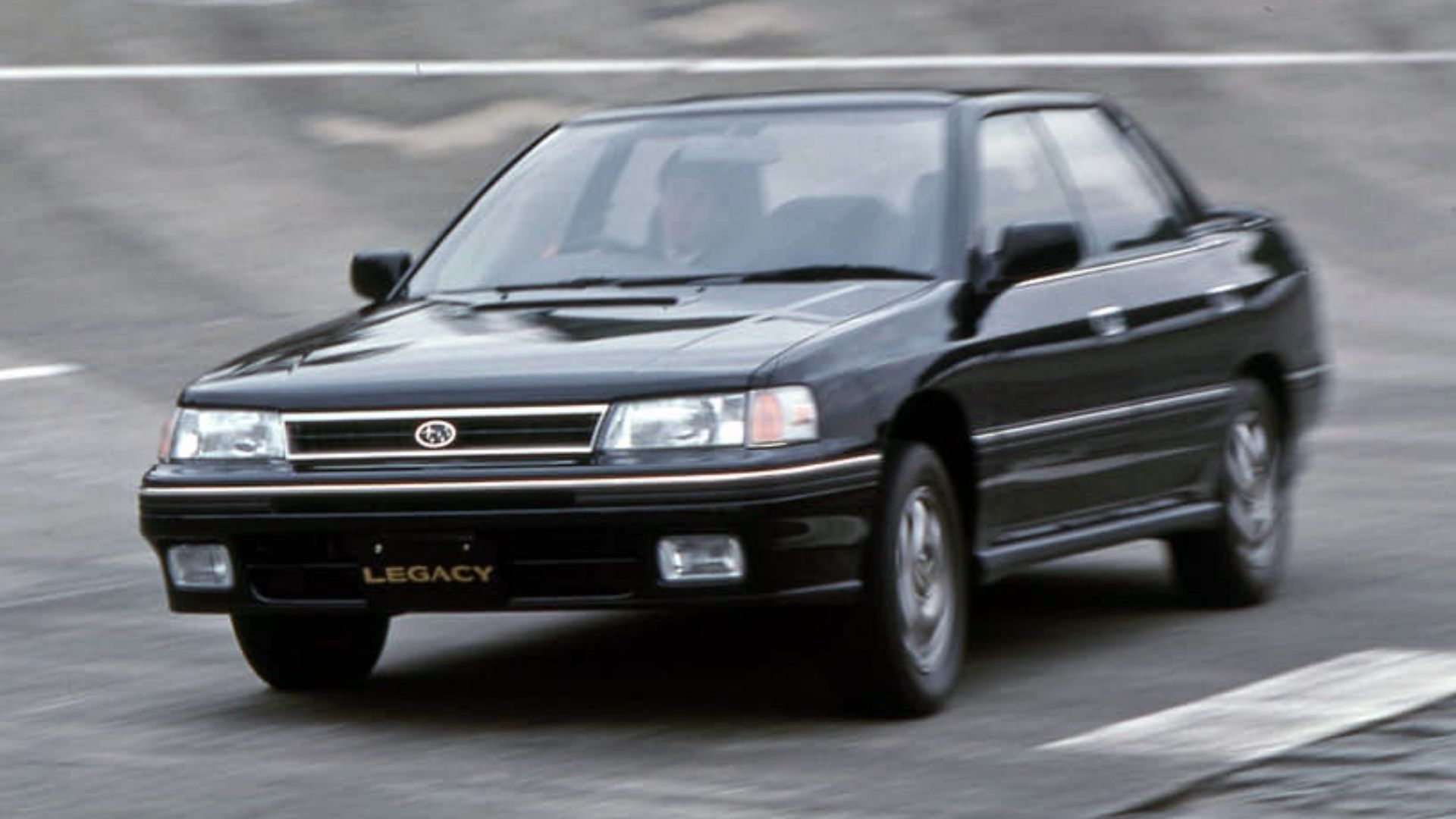
Launched in 1989, the first-generation Subaru Legacy when all out immediately. Both sedan and wagon versions were shown, along with a wide variety of engine options. The Legacy also kicked off the long-running Subaru EJ engine, one that would be in service for 30 years.
From a humble 1.8-liter all the way to a 2.0-liter turbo, there was a Legacy for everyone. The best part was, those can be mixed and matched to both sedan and wagon body styles, giving the buyer more freedom of choice. On paper, the Legacy had a simple formula, but it’s one that worked not just in Japan but also in the US.
Thanks to the Legacy, Subaru finally entered the mainstream market in the US. It was no longer just a left-field choice or a quirky alternative to other Japanese cars sold there. The mid-size sedan (and wagon) was a true contender in its class. It also became the brand’s best-seller worldwide in countries where it was sold.
Rally pedigree
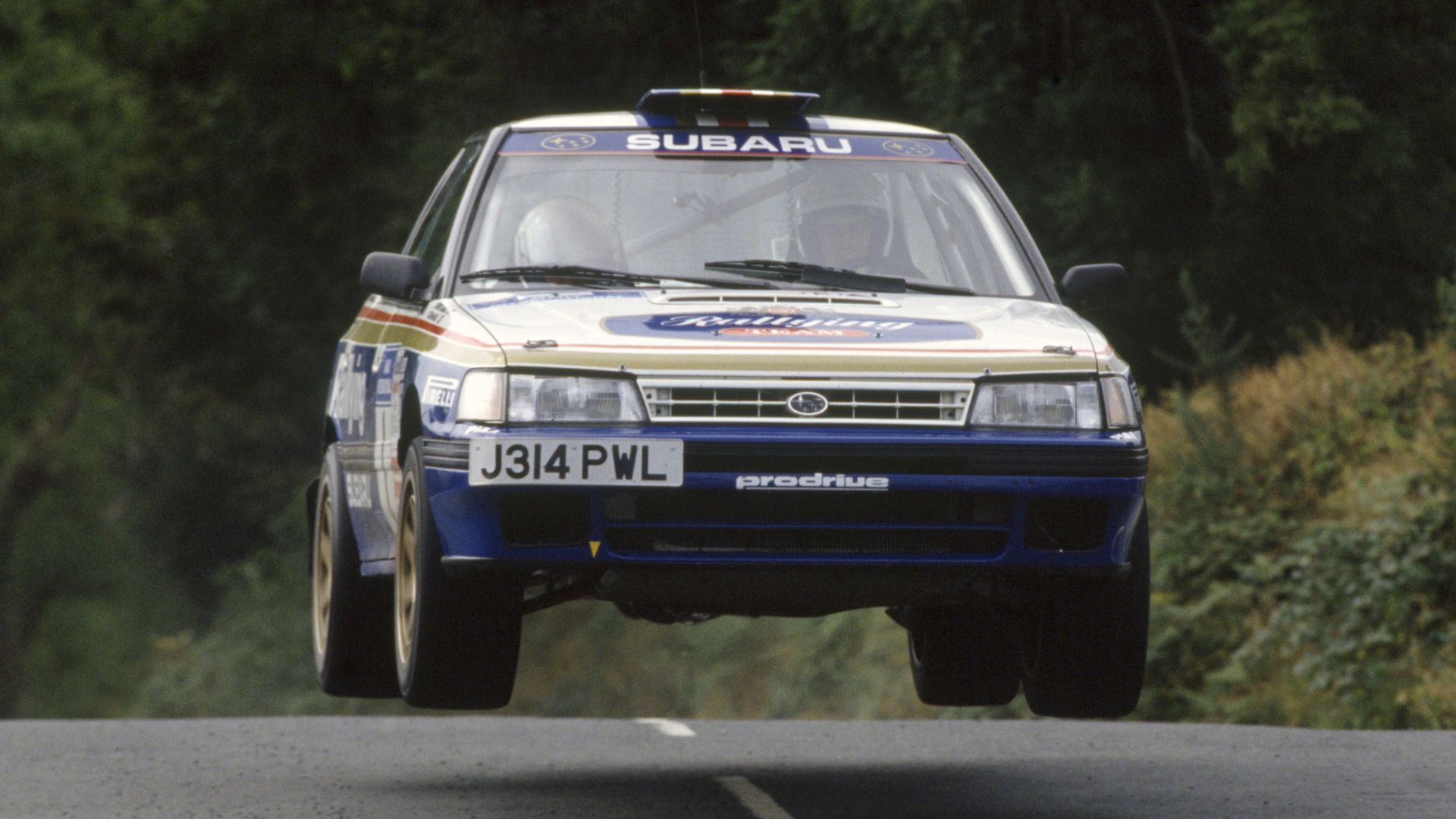
It’s odd to think of midsize executive sedans competing in motorsports, but Subaru was keen to prove a point at the time. To show off its durability and dependability, they entered the Prodrive-prepped Legacy RS in the World Rally Championship. Its first season was in 1990 and saw moderate success but no wins.
However, the car would rise to the occasion in the 1991 season of the British Rally Championship. The car would bring a certain Scotsman by the name of Colin McRae to glory by winning the title that year. McRae did a hat trick in 1992 with back-to-back titles.
If that wasn’t enough, McRae and Subaru would win their first-ever World Rally Championship event in ’93 in New Zealand. Granted, the Legacy only won one WRC round, but it was the start of the brand’s successful campaign in the sport.
Successive generations
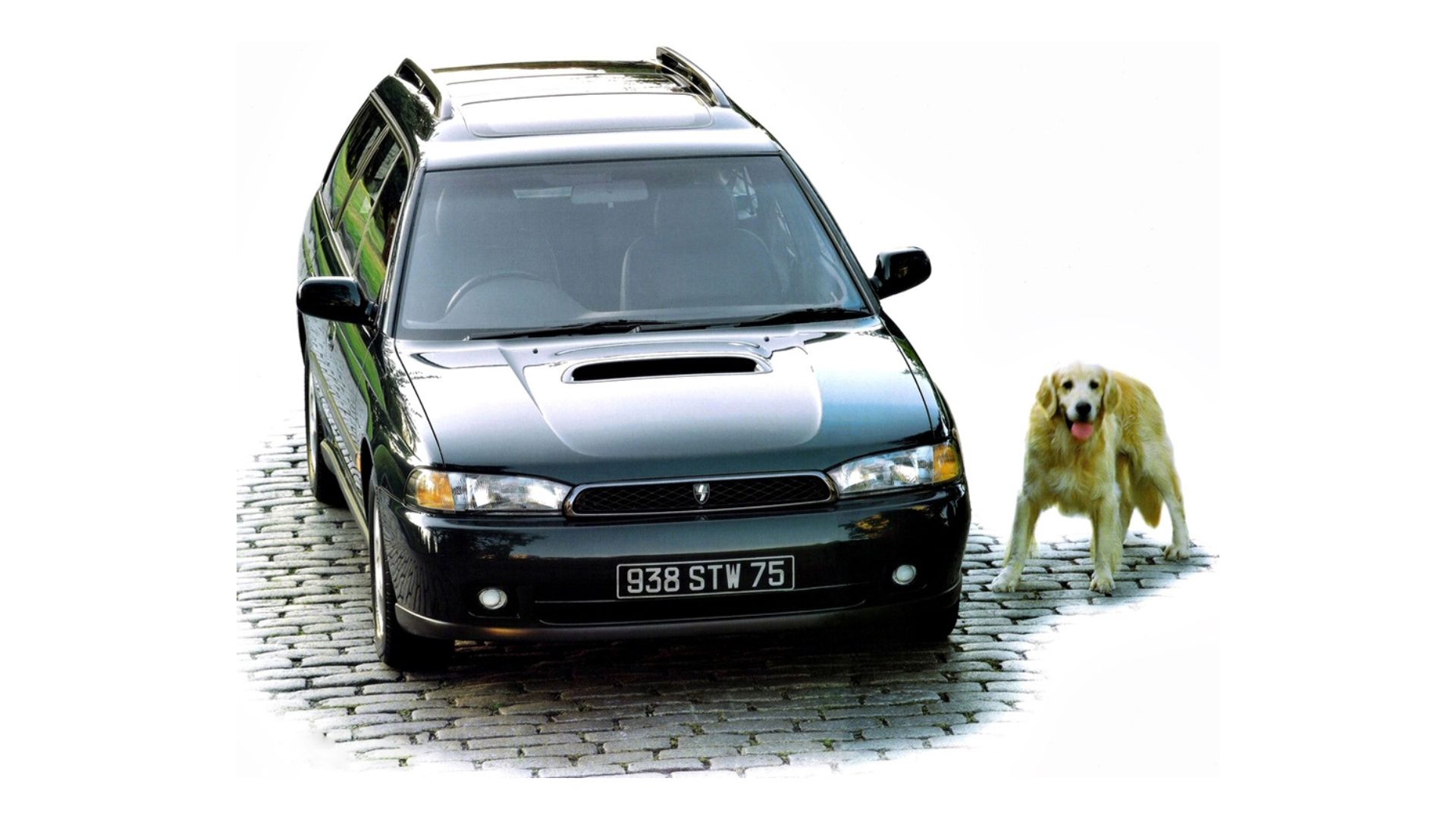
Subaru no longer entered the Legacy in other form of motorsports after the first generation. Still, the following generations still offered sporting models, along with more sensible offerings.
The second-generation, launched in 1993, further refined the first-gen Legacy’s formula. Longer, wider, and taller, the larger dimensions were crucial for the North American market. At the same time, this model ushered in another model line, the Outback. This model was also sold in the Philippines in the mid-‘90s, albeit only as a station wagon.
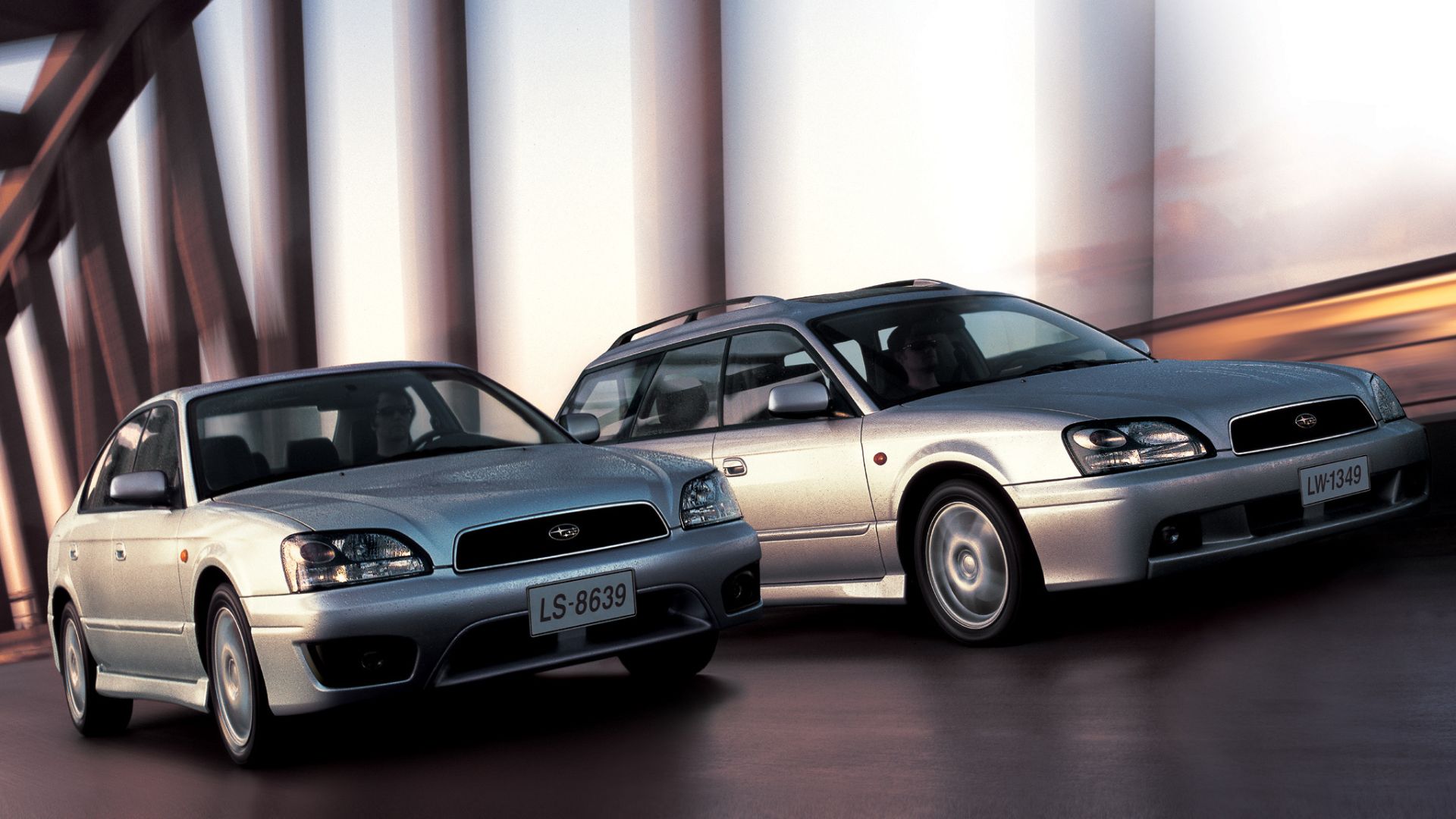
The Legacy moved upmarket even more by the third-generation that was introduced in 1998. Six-cylinder models joined the range, along with even more powerful turbocharged versions. The Outback family grew, and was even turned into a pickup as the Baja for the US.
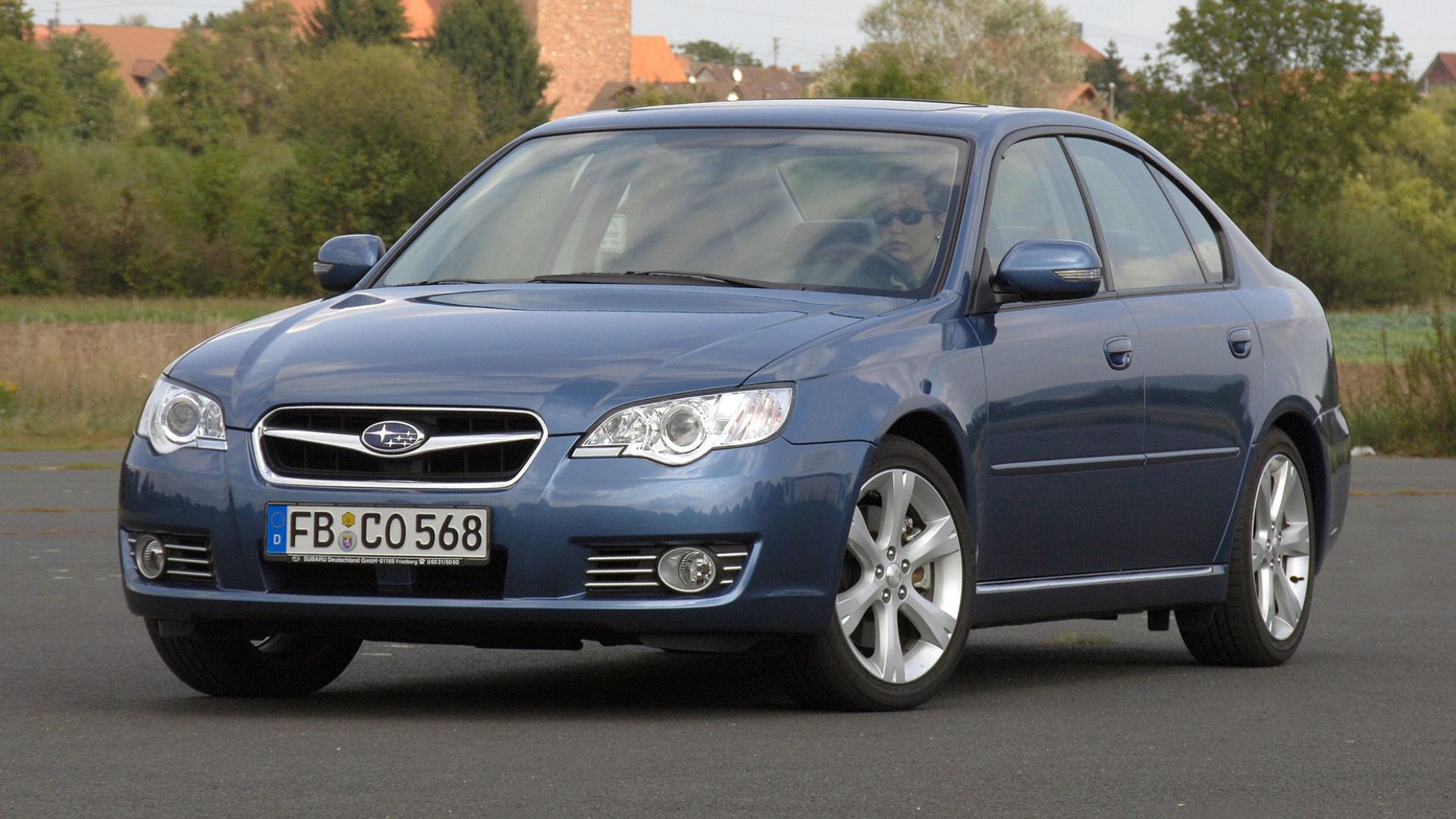
Moving to the fourth-generation, it was lauded as Japan Car of the Year after its launch in 2003. It managed to fend off the Toyota Prius and Mazda RX-8 for the crown, but it wasn’t just in Japan where it was getting praises. Various US publications adored this era of Legacy, praising its ride, handling, and dynamics, all in a stealthy, practical, and elegant package.
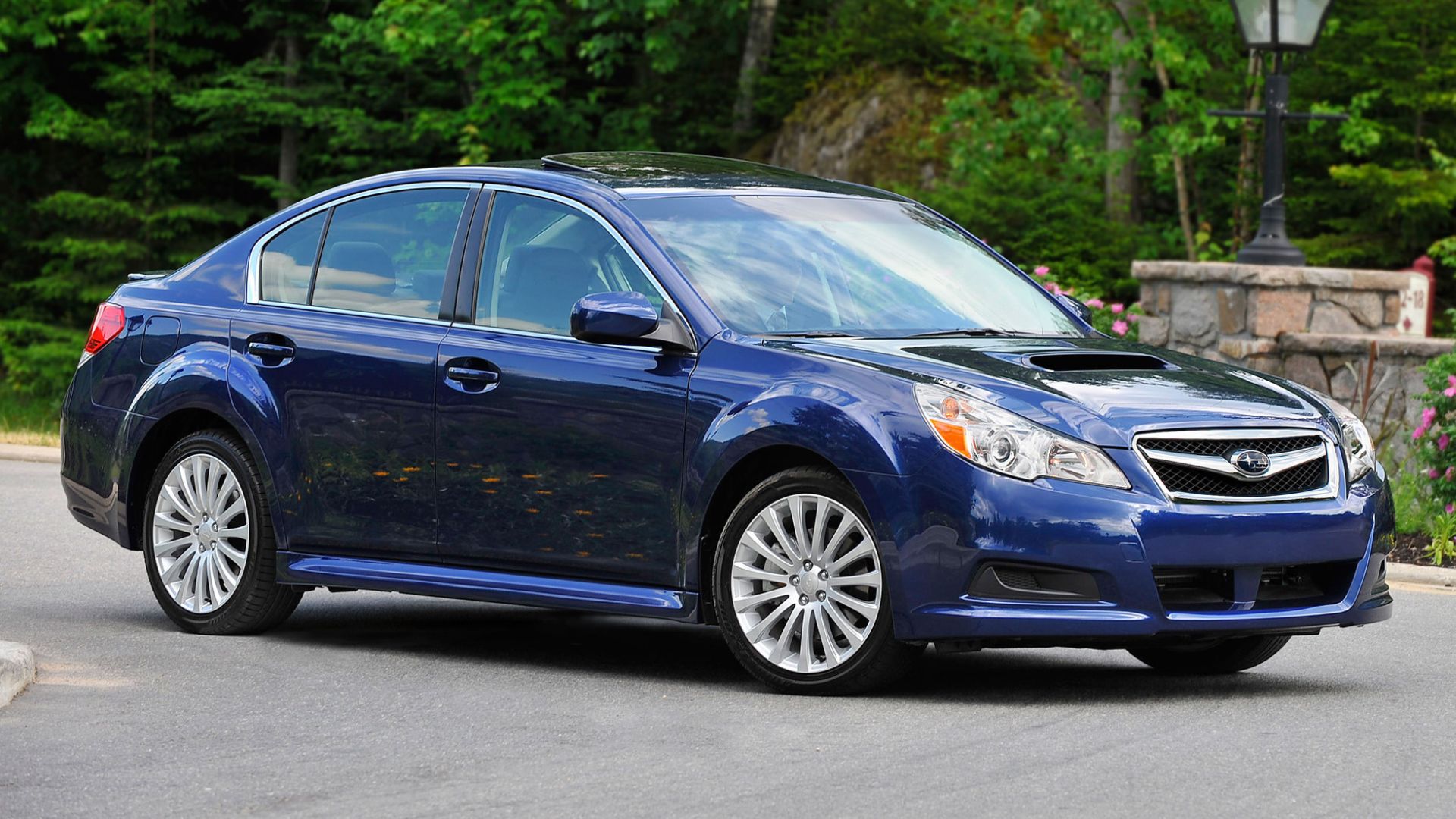
However, the Legacy’s time in the limelight was beginning to be overshadowed be a certain kind of vehicle: The SUV. The fifth-generation, as good as it was, couldn’t fend off the declining sales of midsize executive sedans. Sales were even slower by the sixth-generation to a point that it was discontinued in its home market. By the seventh, only North America had it, but even then, its volume wasn’t enough to have it around in the lineup.
The legacy of the Legacy
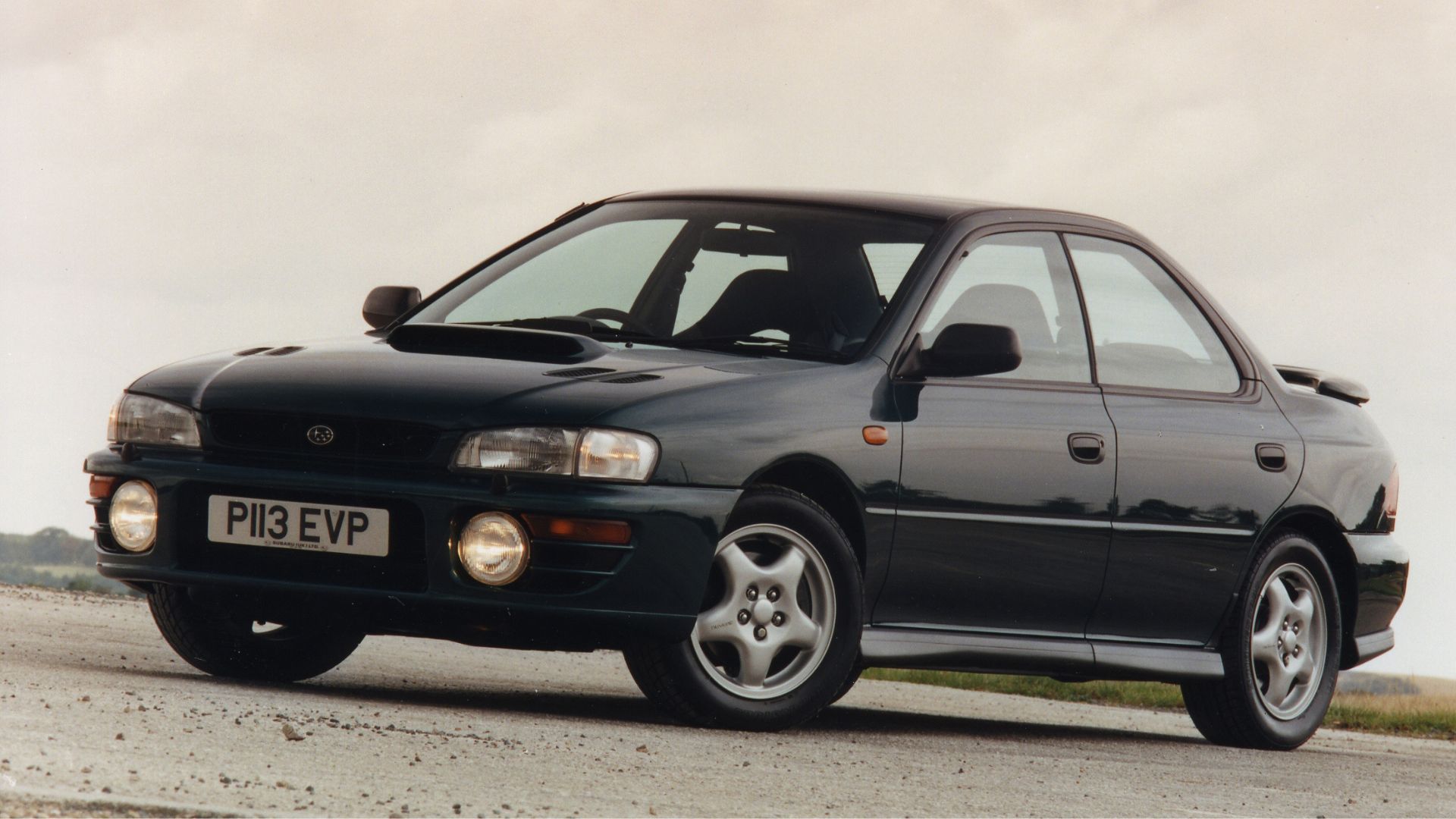
However, the sales of the first-generation Legacy gave the brand more than enough funds (and confidence) to build another car that would eventually be loved by millions, the Impreza. Using a ‘chopped’ Legacy platform, the Impreza would inherit most of its big brother’s traits and outshine it in motorsports.
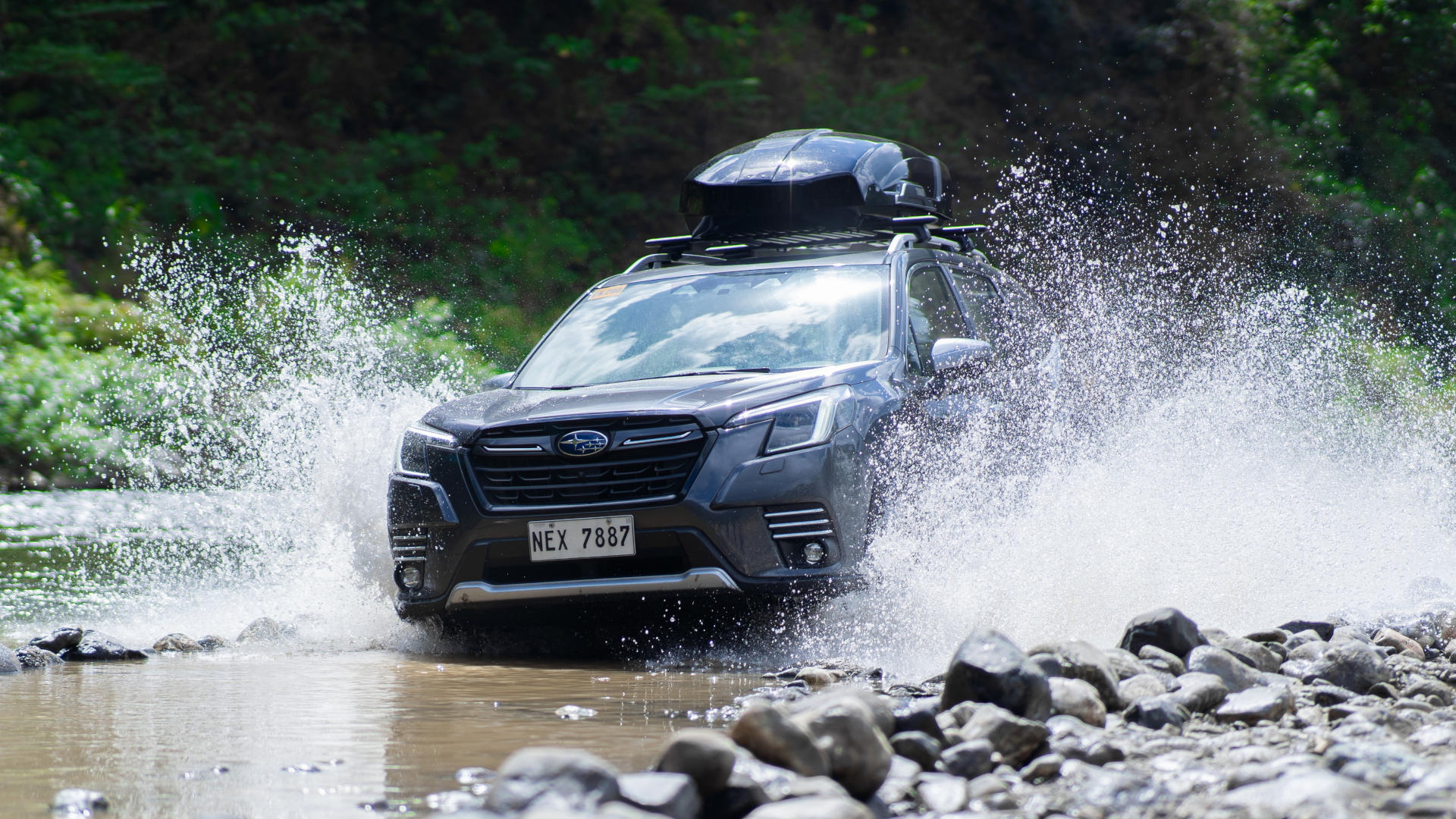
Had the first Legacy flopped, Subaru wouldn’t even have enough to develop the Impreza, totally changing the course of the brand. No Impreza would’ve also meant the Forester wouldn’t exist as it’s based on the compact sedan. Given that the Forester would eventually become the main sales driver of Subaru, the brand wouldn’t be where it is today if it weren’t for that gamble over 30 years ago.
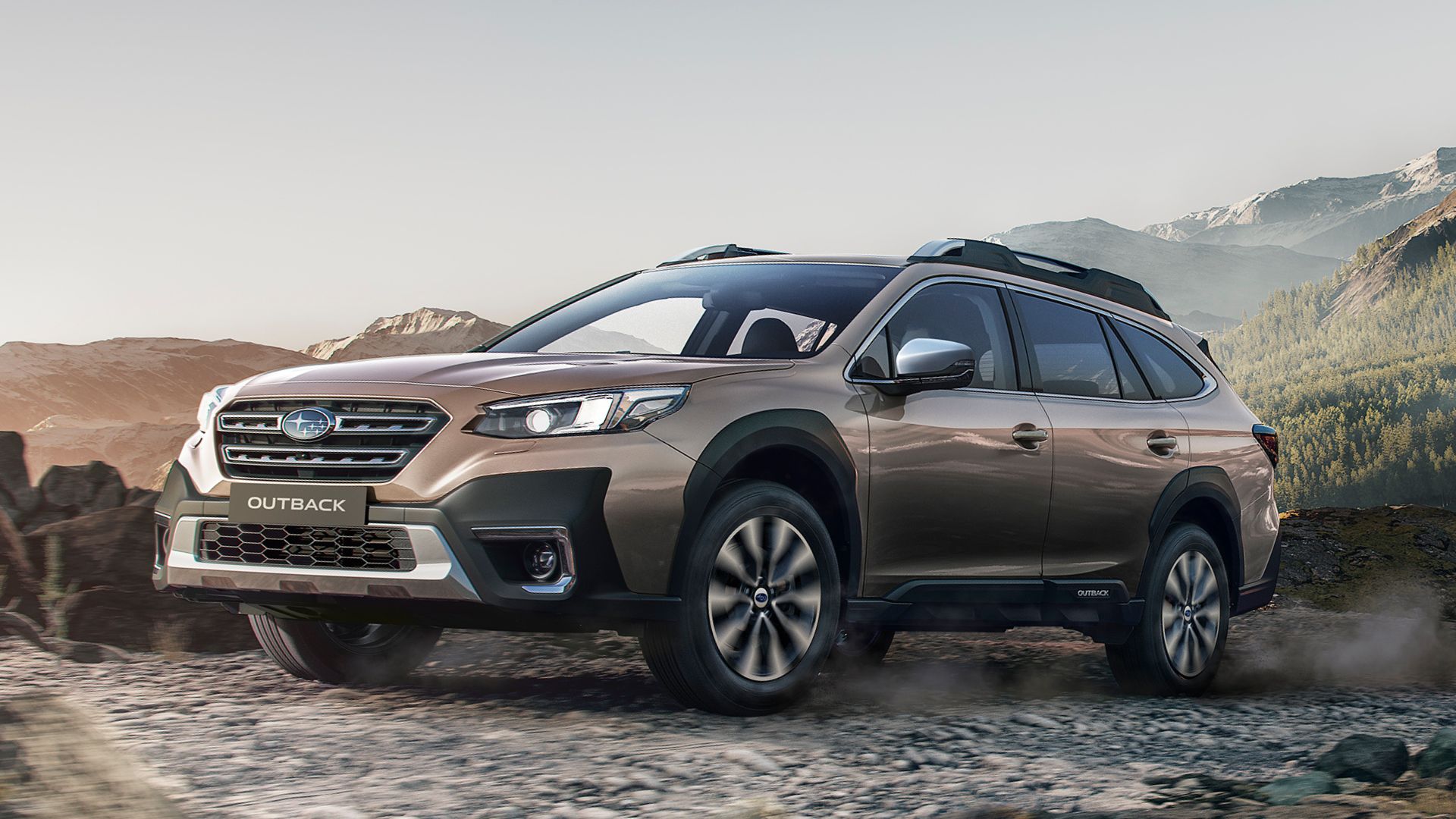
But, perhaps ironically, the Legacy lives on through another model that contributed to its discontinuation. The Outback, which started out as a jacked-up Legacy wagon, was matured into its own product. It outsold the Legacy by a huge margin in countries where it’s offered, further proving that high ground clearance equals higher sales these days, apparently. The fact that the Outback is still sold in Japan speaks volumes, too.
So, for those who miss the Legacy, the only way to go now is with the Outback. We’re not complaining, though. We wouldn’t say no to a boosted, high-riding station wagon that can out-accelerate most regular cars on the road.