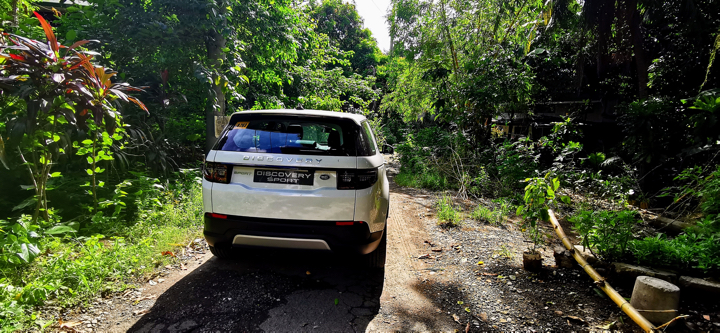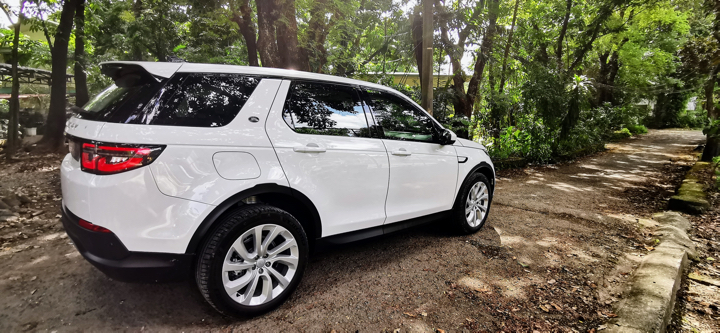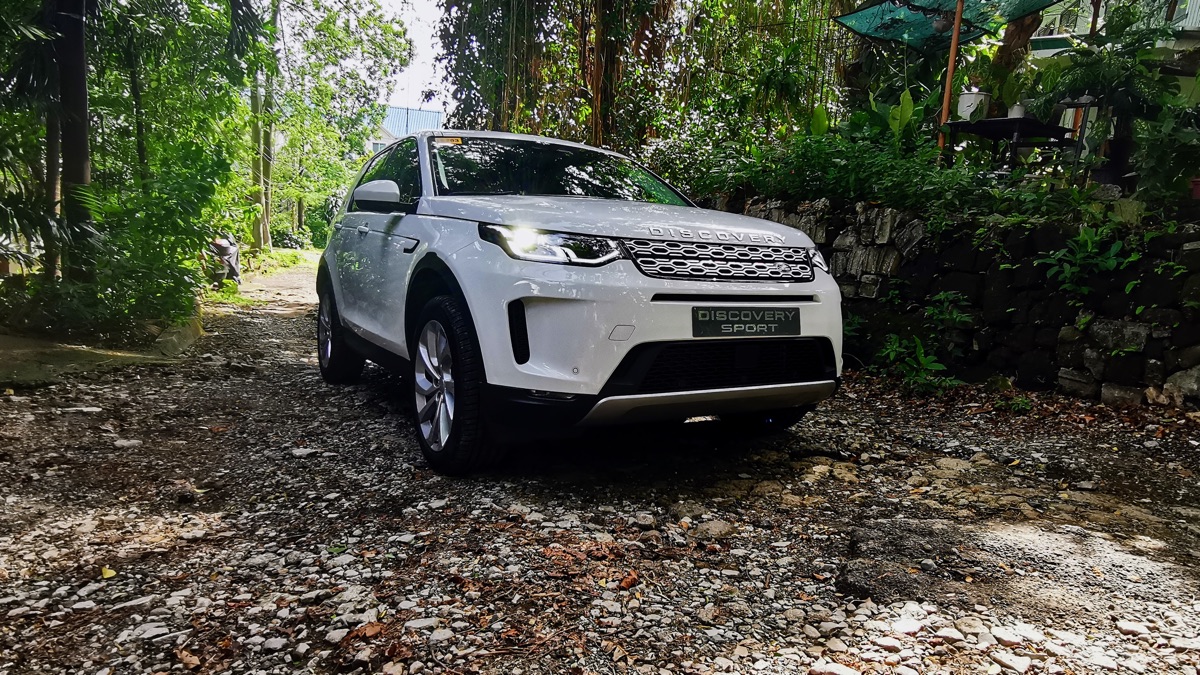
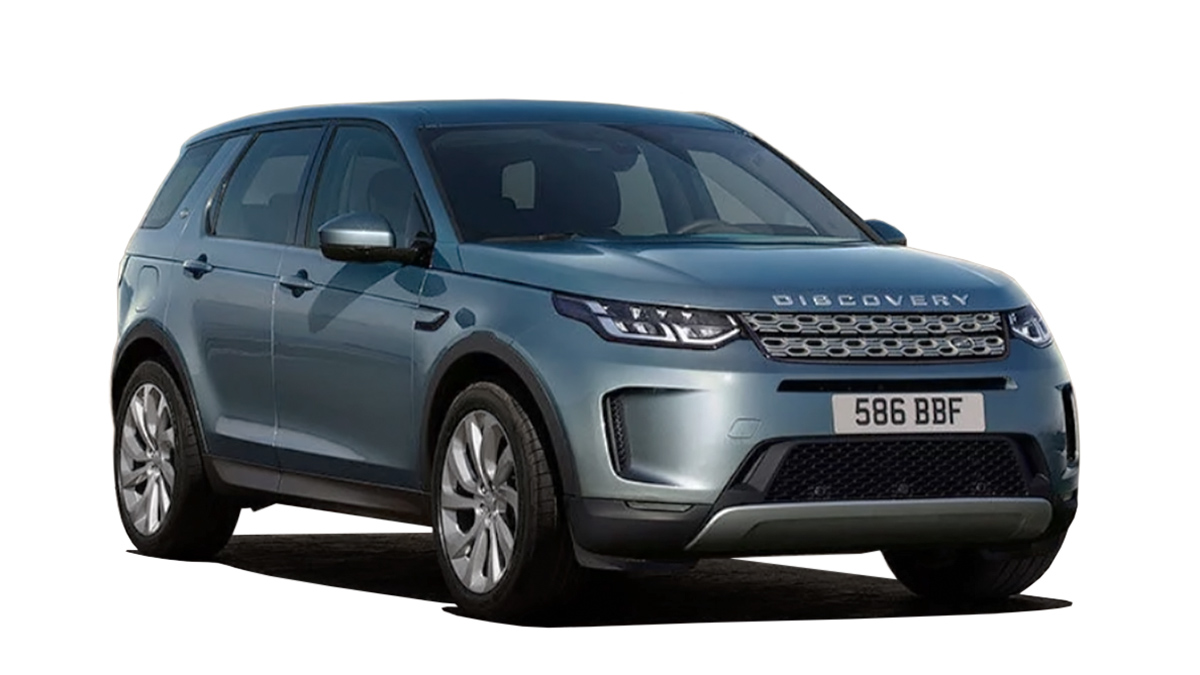
There is a good reason the Discovery Sport replaced the Freelander as the best-selling Land Rover worldwide. Designed as a versatile SUV for an adventurous household, it even has what it takes to compete with uber luxurious SUVs from other marques. It could do it all and more.
What sets it apart from its most upscale competitors is its Terrain Response feature. SUVs in this segment will rarely get driven off paved roads, the Discovery Sport included. But that didn’t prevent Land Rover engineers from equipping it with its unequaled Terrain Response system—the same technology fitted on the all-terrain Defender.
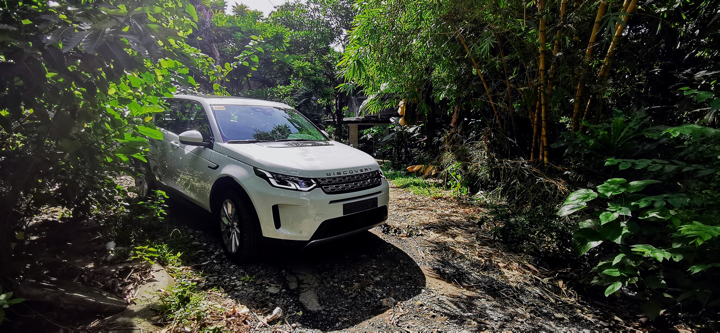
As a concession to its sport utility classification, it’s shod with Michelin Pilot Sport 4S tires, a tarmac-biased performance tire. The compromise ended there, as they beefed up the Jaguar Land Rover Premium Transverse Architecture platform for rugged use.
The turbocharged diesel engine has plenty of torque, yet noise and vibration and harshness levels are appropriate for a luxury tourer. It’s so quiet inside the cabin that I had the impression it was running a gasoline engine, until the start-stop system cranked it up. The noise gave it away. It’s difficult to muffle the distinctive sound and shaking of high compression pistons sucking and squeezing oil and air.
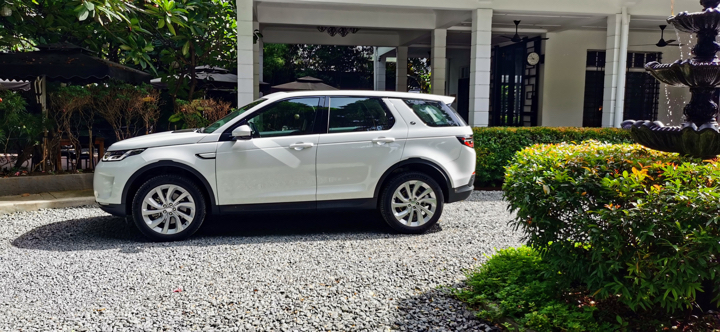
The 9-speed automatic transmission doesn’t drive like a conventional automatic. It's more like a dual-clutch manual gearbox, especially with the use of the paddle shifters and sport mode. The steering wheel-mounted paddles are cast aluminum, none of those ubiquitous plastic shifters. Thanks to the abundant and immediate torque, it is programmed to launch from a standstill in second gear. Then it quickly runs out of revs and pace, typical for a turbocharged diesel.
First gear is mostly for crawling on difficult topography. For the higher gears, I haven’t driven it far enough to feel how ninth gear overdrives. With the adaptive cruise control and speed limiter, abiding with expressway speed limits and not tailgating that slow car ahead becomes automatic. I’ve never driven a car that has hill descent control; too bad I couldn’t find a steep hill to test that feature.
The infotainment system has all the expected smartphone connectivity. The wireless charger on the center console cubby works great. I did find the sound quality from the Bluetooth connection lacking. Once wired up, however, the system plays digital media remarkably well though its multiple speakers. Adjust the tone controls and the playback will impress even discerning audiophiles.
The onboard navigation with an updated Philippine map is fine, but it won’t be able to replace your favorite traffic-avoidance app that has all the obscure waypoints added by users. The electronic chip shortage may be blamed for the mix of analog gauges and LCD on the instrument cluster, although for me that’s a good thing. I do wish it had a tire pressure monitoring system.
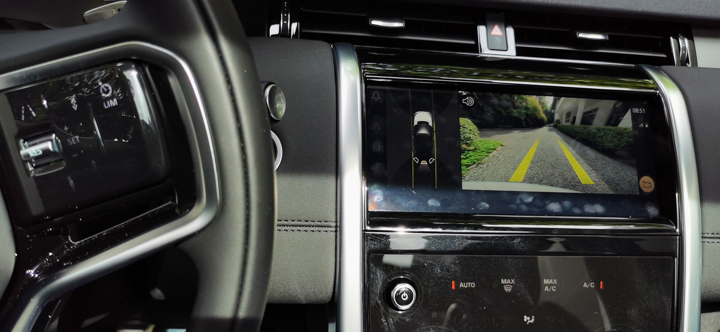
The infotainment controls are minimal yet intuitive. Any member of the family will appreciate how easy it is to use, as well as the considerable number of charging ports for everyone's devices. For the touch switches, it’s a mix of analog buttons and scroll-wheels with a few capacitive buttons. No haptic feedback on the capacitive buttons though, which would have been very helpful. The 10-inch screen picks up fingerprints easily but has no glare at all, even with the moonroof open at midday. The wealth of information available on the center screen and on the meter cluster LCD are effortlessly legible.
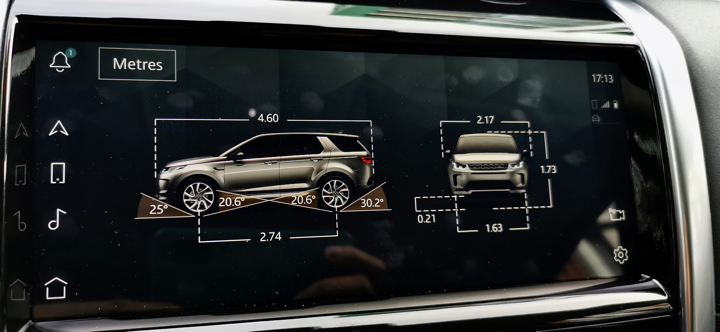
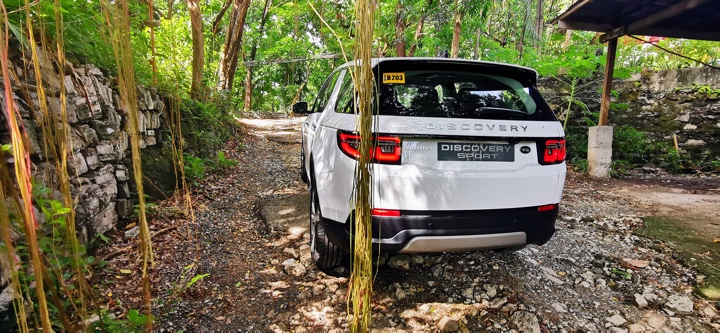
The aluminum tailgate is light, but massive enough to require power-assisted opening and closing. Baggage space is adequate for a family traveling on a weekend holiday. The leather seats are firm and cozy even for three passengers in the back. The aluminum hood and roof saves weight without giving up rigidity, as that is assured by the steel monocoque body construction. This stiffness is noticeable when negotiating unibody-twisting, unpaved ground that its owners may not even drive on.
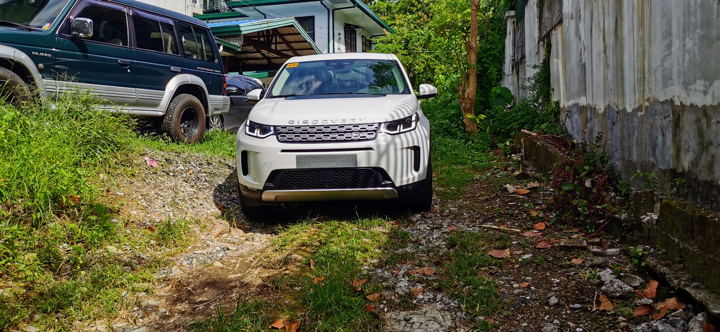
On pavement, the electric steering becomes lighter and gives the impression of a nimble SUV. Which the Disco Sport is! I can’t give too much credit to the Michelins, as it’s truly agile for a tall vehicle. Maybe because it shares the PTA platform with the smaller Jaguar E-Pace and the Range Rover Evoque. The suspension is supple and soaks up high speed bumps well, exactly what a compact SUV ride should do. Given that, the MacPherson struts up front and multi-links on the rear are not too compromised on trails.
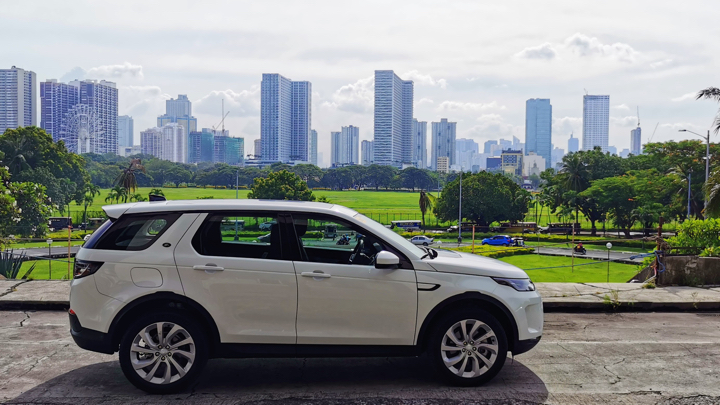
On trails is where the Terrain Response system indulges the driver. On Auto, it instinctively chooses the apt driving mode: mud and rut, sand, grass/gravel/snow. Those modes could also be manually selected on a dial. According to the conditions, each mode reconfigures to an appropriate transmission response, suspension setup, traction, steering and ABS settings. Even when on less than ideal surfaces, the tarmac tires feel planted. I can only imagine how much better it performs with the correctly matched tires.
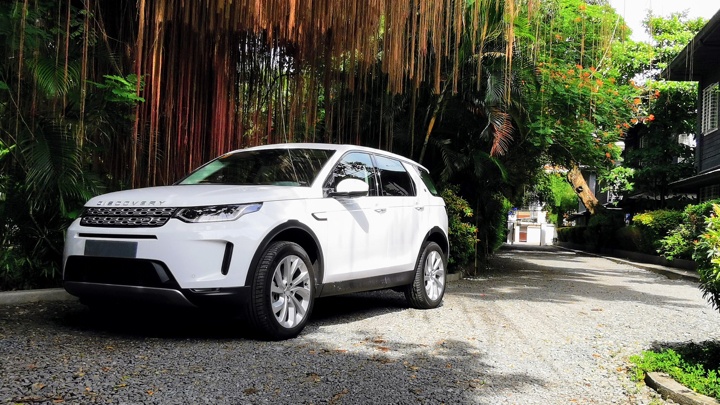
In its category, at any price-range, the award-winning terrain management system makes a big difference. The P4,890,000 Land Rover Discovery Sport is suited for anyone looking for a comfortable, luxurious, and capable compact SUV.