What makes the Toyota AE86 so special?
Throughout its history, Toyota has made several iconic and legendary cars. You have hyper exotics such as the 2000GT and the Lexus LFA, along with the other ‘everyday sports cars’ like the MR-2, Celica, and Supra.
So, it’s a bit interesting how a small, economy car-based liftback could be mentioned in the same league as those cars. As the AE86 turns 40 this year, now is a good time to look at the history and figure out why a lot of folks hold it in such high regard.
A fateful decision
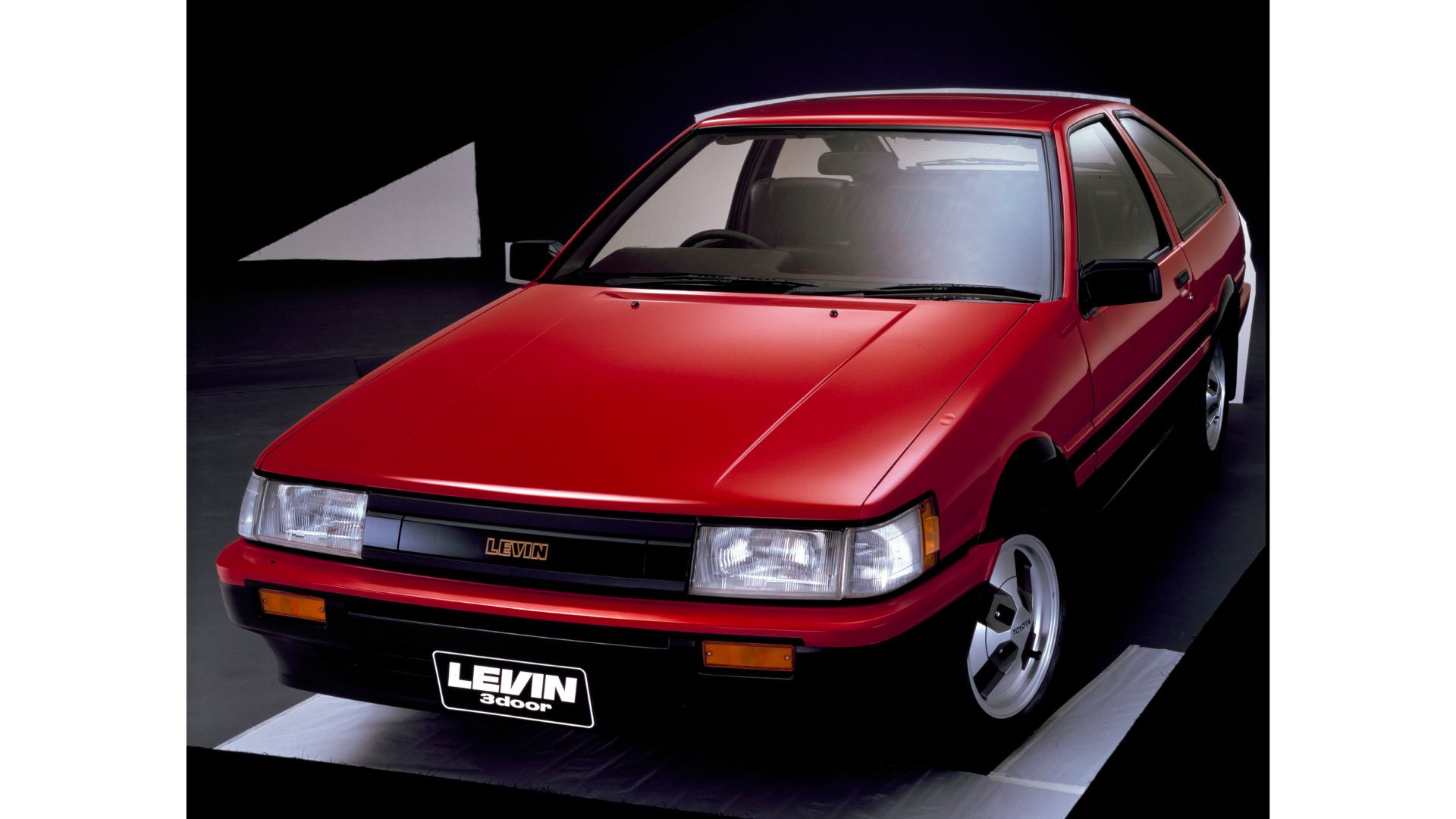
When Toyota launched the fifth-generation Corolla and Levin in 1983, the brand had a rather interesting approach for the product range. It was the first year the Corolla was offered with front-wheel drive, but Toyota hung on to the rear-wheel drive layout for the coupe and liftback models.
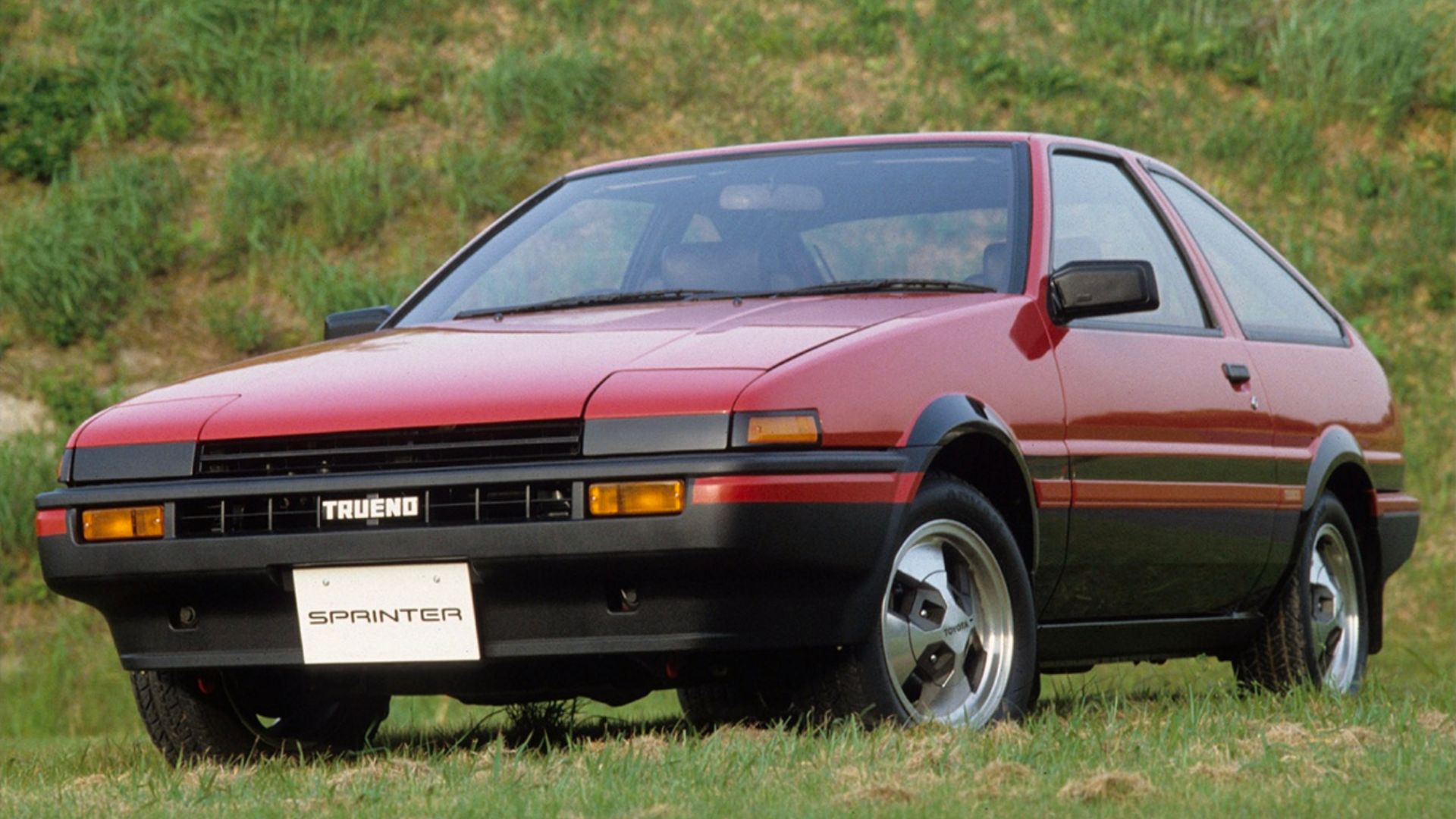
The reasons for that are unknown but whoever convinced the Toyota board to keep the Levin and Trueno rear-wheel drive certainly deserves credit. Had Toyota opted for a full front-wheel drive lineup for the fifth-gen Corolla, there would be no story to tell today.
OTHER STORIES YOU MIGHT HAVE MISSED:
Transport strike ended as Malacañang promises to review jeepney phaseout guidelines
This modern jeepney gets new tech but keeps the old looks
Not quite the sports car recipe...
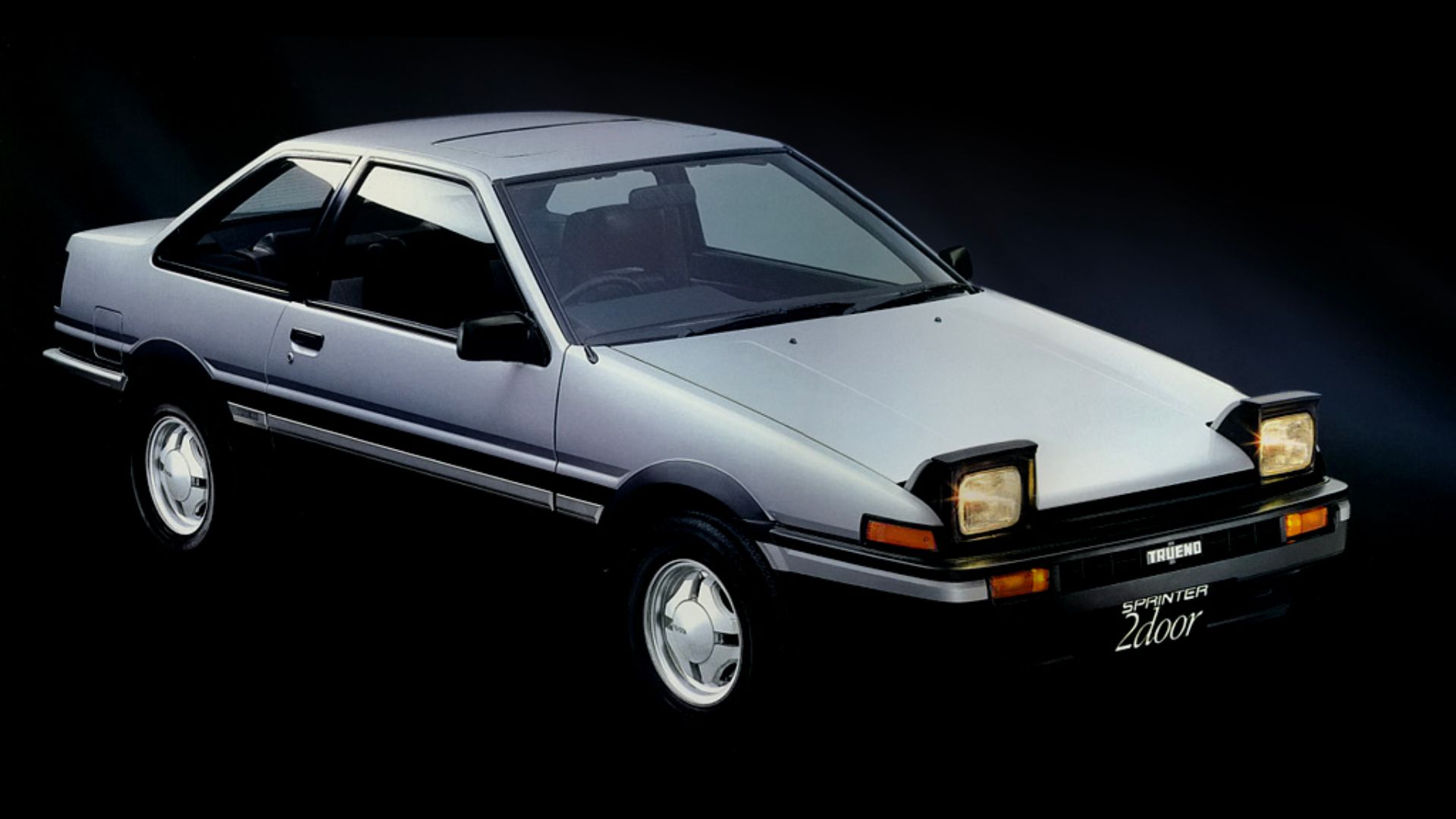
Did Toyota go out of its own way to develop a special chassis to make the AE86 (and AE85)? Well, no. Believe it or not, the 85 and 86 are actually mostly based on the previous-generation E70 Corolla. And if you’re wondering what the E70 Corolla is, that would be the boxy ‘DX’ version sold from 1979 until around the mid-’80s. So, while the 85 and 86 looked swoopy and futuristic (by ‘80s standards), underneath, it was a car that was developed in the mid-’70s.
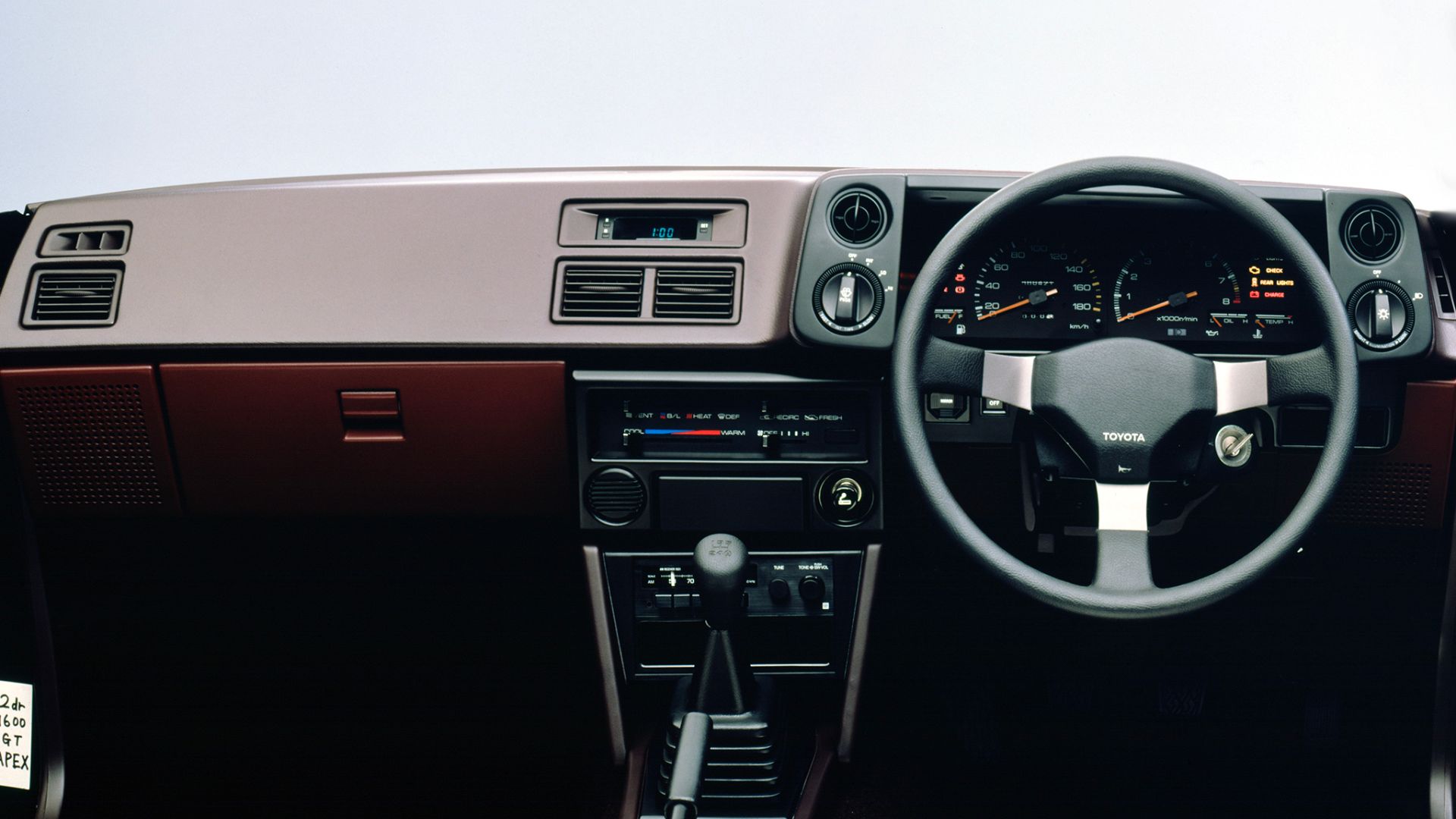
It’s not like the Levin and Trueno had any magic in its chassis either. The suspension layout was fairly basic with struts at the front and a live axle at the back. Sure, that was the norm in the ‘60s and ‘70s, but independent rear suspension was becoming more mainstream by the ‘80s. Even the engine lineup wasn’t that exciting. The base models didn’t even make 90hp, and the US versions were choked to 110hp thanks to stringent emissions regulations.
...But it worked
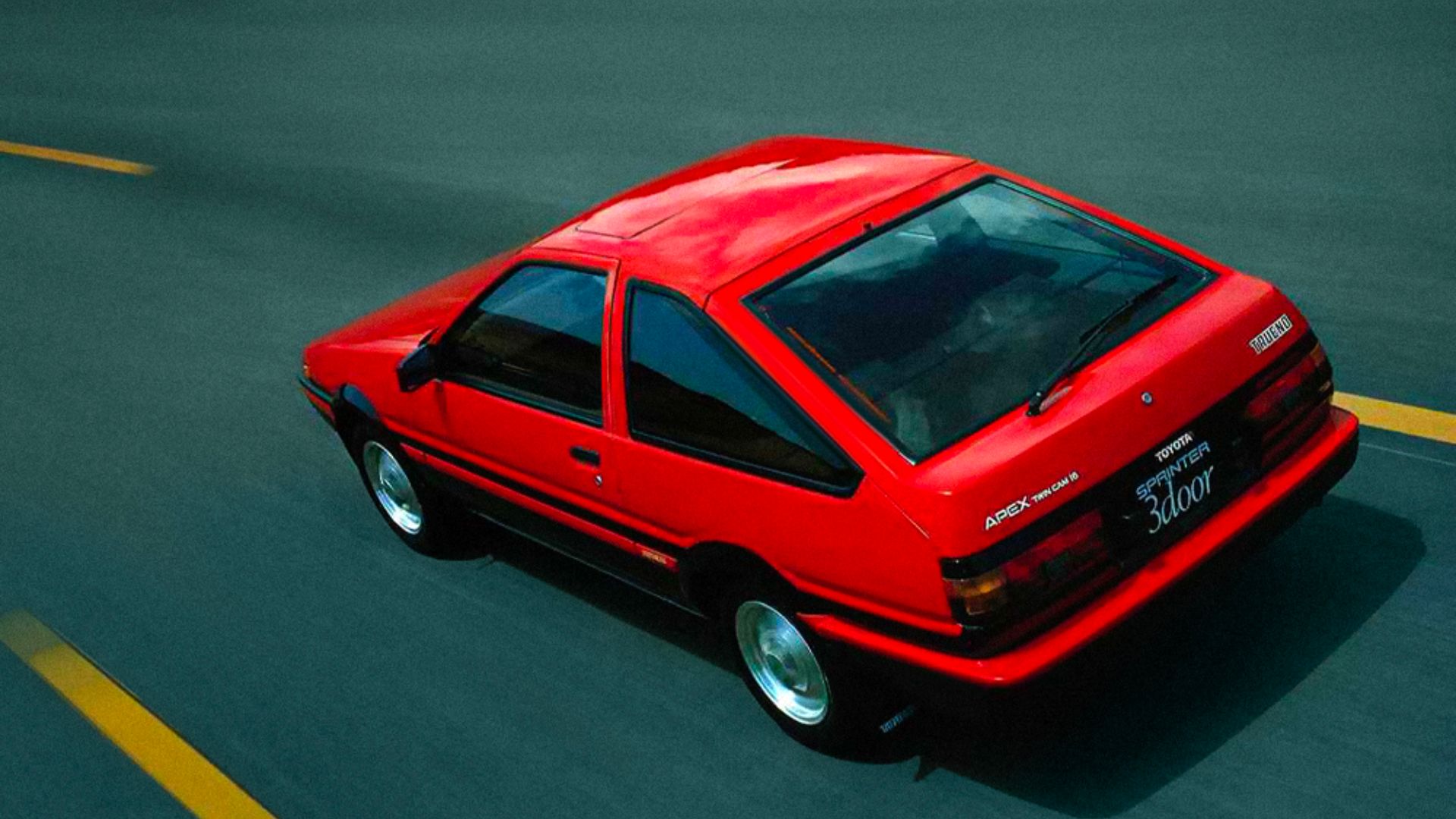
So, it had a chassis from the ‘70s, a suspension layout from the ‘60s, and horsepower ratings that don’t exactly scream performance. However, the AE86 did have a few tricks up its sleeve that made it a solid choice for amateur and professional racing drivers.
First, it had the option of being fitted with a factory limited-slip differential. Second is that Yamaha-engineered, high-revving, 1.6-liter twin-cam engine with up to 128hp. Also known as the 4A-GEU, that engine helped build the legacy of the AE86.
A star on the track, and on the screen
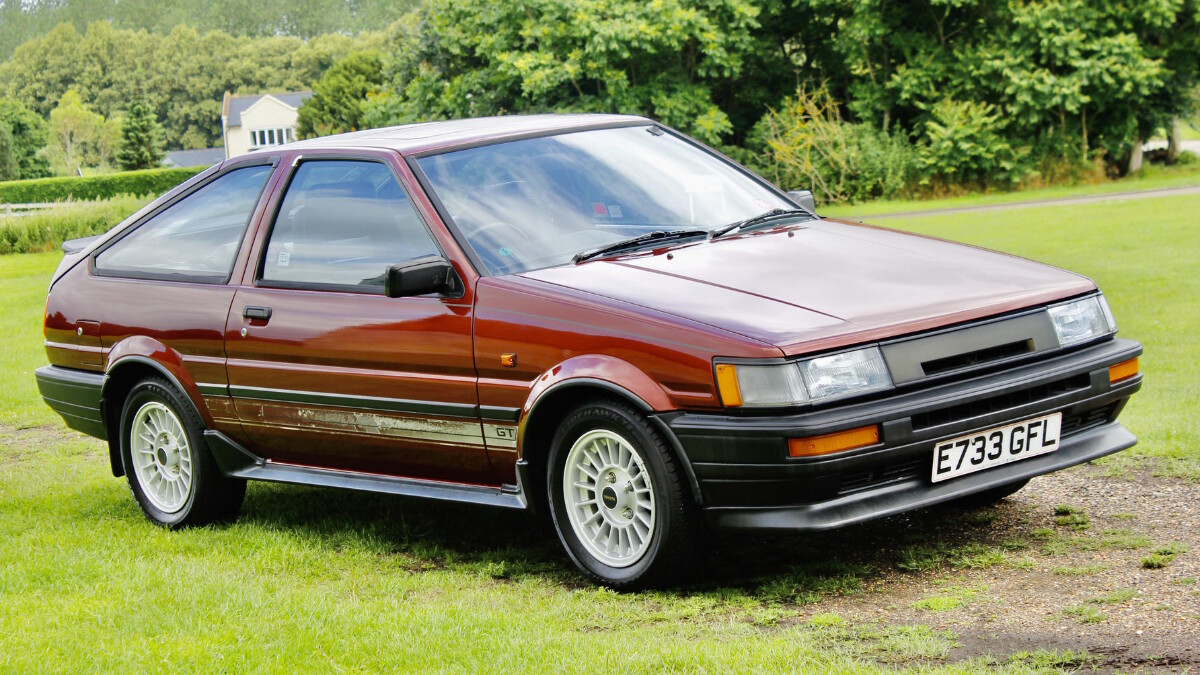
The things that hindered the AE86 on paper also worked brilliantly in its favor. Because it had older (and simpler) mechanicals, it meant that it was cheap to buy and easy to fix. Also, that live rear axle didn’t prove to be a liability thanks to its suspension tuning. It also helped that the 4A-GEU was solid, reliable, and easily tunable.
Soon, the AE86 would become a common sight at rallies, touring car races, autocrosses, and, um, the occasional ‘spirited’ drive up and down a Japanese mountain road. And let’s not forget that the AE86 (and Keiichi Tsuchiya) was instrumental in popularizing drifting. Oh, and an anime called Initial D basically cemented the AE86 in pop culture.
Happy 40th, AE86. Stay legendary.