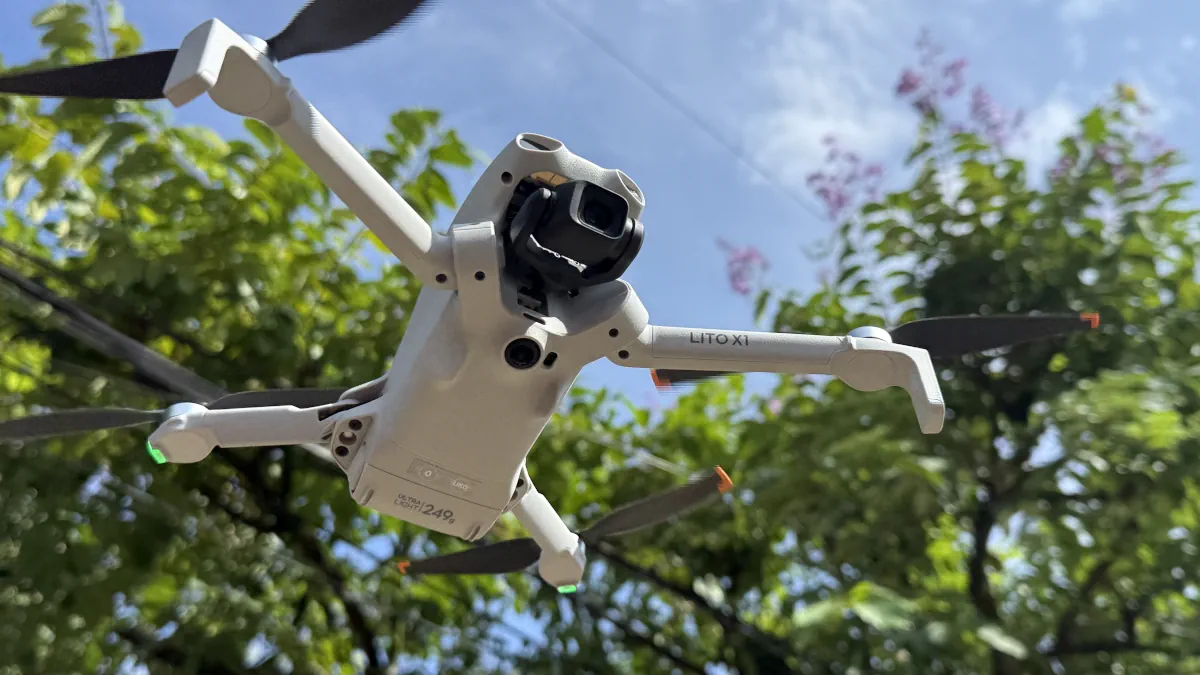
I‘ve never actually flown a drone prior to this assignment. It was never my wheelhouse for a variety of reasons: perceived difficulty of operation, potential consequences of pilot error, and even just the plain lack of practical use. All of those have put me off from getting into drone flight, no matter how cool or impressive it looks.
Apparently, having zero flight time under my belt makes me the perfect candidate to review the DJI Lito X1. This one went my way since it was billed as a drone for total beginners, featuring plenty of safety features and assists to make flight as approachable as possible. Let’s see if the drone can live up to DJI’s promise in the real world.
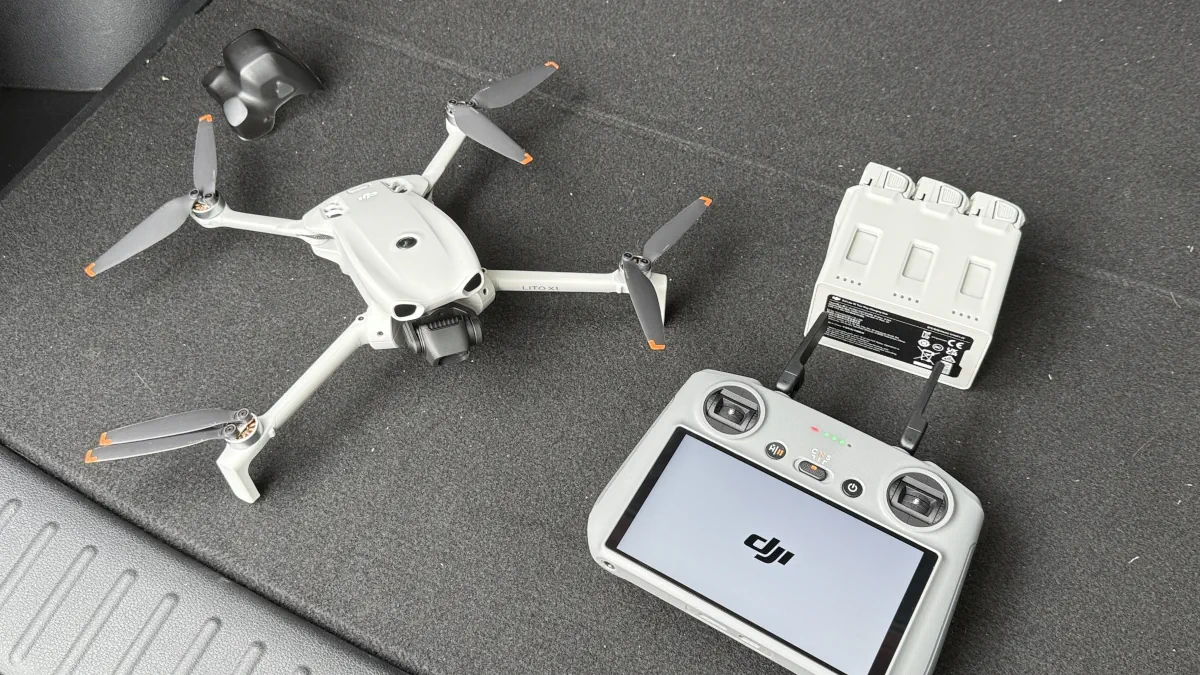
As with anything in life, a little prep goes a long way. In my case, it was a five-minute orientation from our video team head Charles Banaag. “This is how you take off, this stick controls strafing, other stick controls rotation and altitude, make a landing like this. Good? Good.” All in five minutes. I’m sure both of us would have preferred extra time to really get into the nitty-gritty of drone handling, but we were just squeezing this in during downtime on a media drive with a hectic schedule.
OTHER STORIES YOU MIGHT HAVE MISSED:
Hot gear: Is the DJI Avata 360 a fad or the next big thing for drones?
Hot gear: The DJI Power 1000 Mini has something for everyone
After the quick explainer, I packed the gear back up in the bag it came in. The DJI Lito X1 comes in a dedicated sling pouch to hold the drone, its battery hub, and the controller. There’s a couple of side pockets to hold things like extra blades and other small miscellaneous equipment. But it’s a compact package overall that should easily fit into most carry-on luggage.
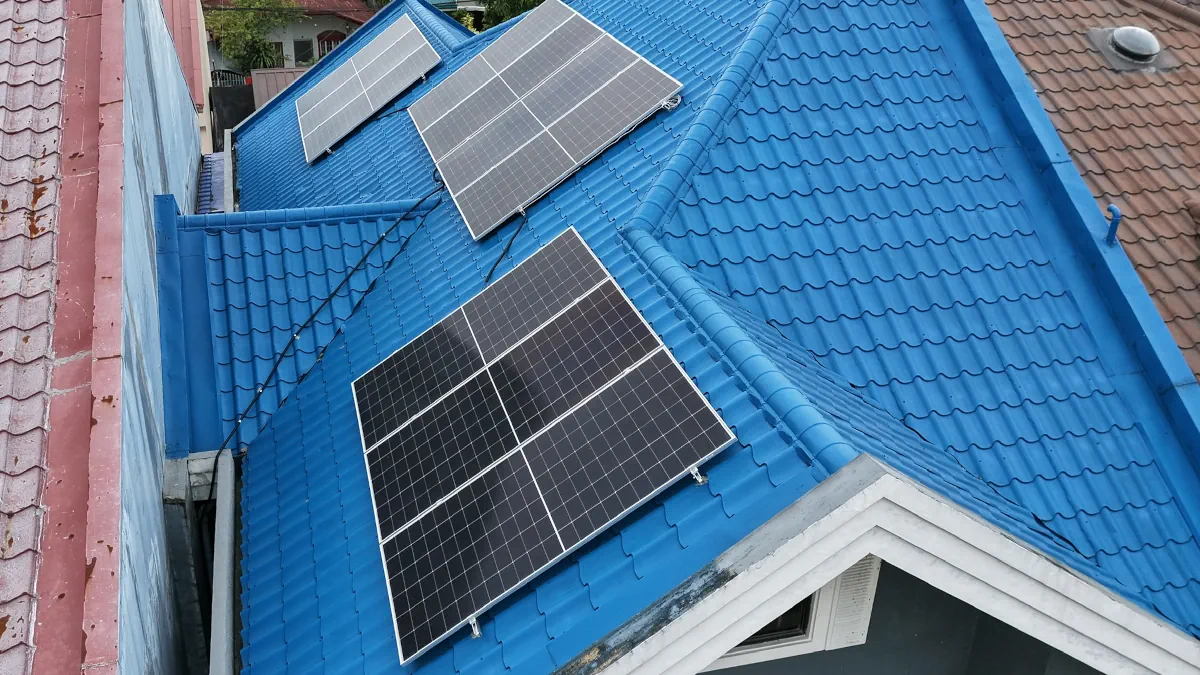
The first time I flew the drone on my own was at home. We recently had solar panels installed on our roof, and checking them out seemed like a reasonable goal for my first flight. All it took was recalling the instructions I was given, and voila—I was up in the air in no time staring at the solar panels. Looking back on the experience now, taking off is such a frictionless process that I’m probably taking it for granted. There was no fiddling with pairing modes and signal channels; just turn everything on and they should recognize each other almost instantly. Easy.
Another takeaway is being entrusted with a drone makes you hyper-aware of your surroundings, and the obstacles and hazards that come with it. Even before I had taken off, I was assessing our street for hazards: tree branches in the way of my flight path, power lines that could snag the drone if I didn’t see them in time, that sort of stuff. In that regard, the Lito X1’s obstacle detection was helpful, even if its sensors were a bit too sensitive. It’s like the parking sensors on certain cars these days that sound off at the tiniest hint of approaching objects—but it’s more reassuring than annoying like this. It’s good to know that the drone is looking out for itself in case you miss anything.
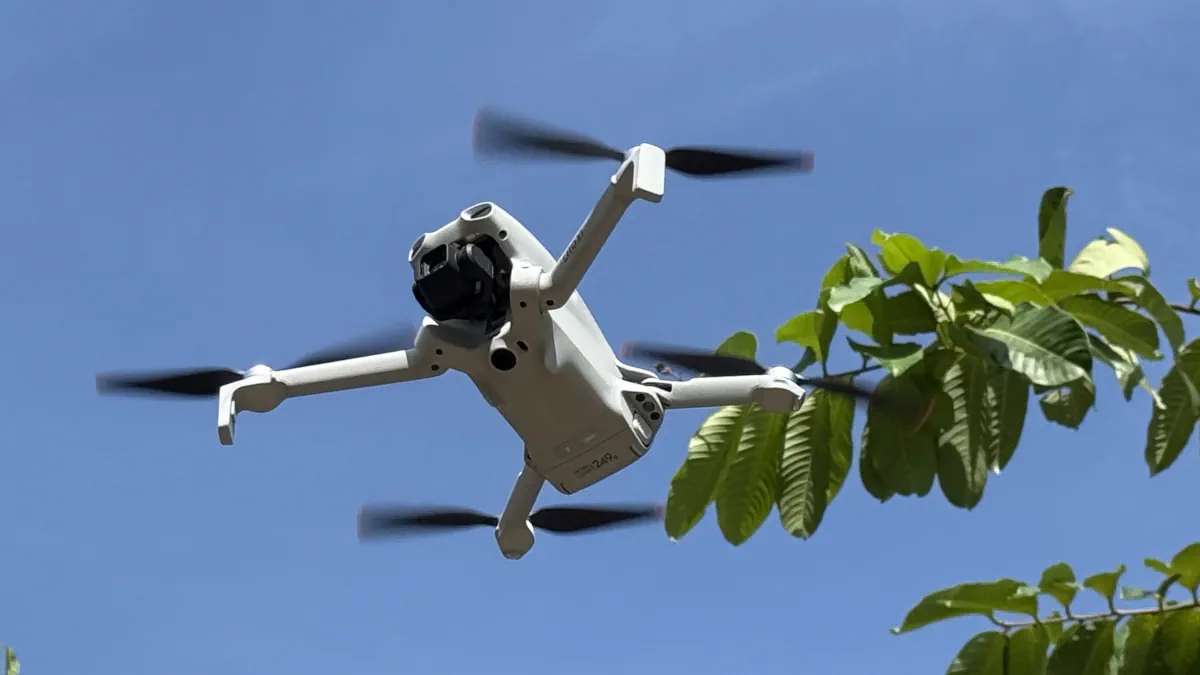
That said, the obstacle avoidance system has its own quirks. By default, it automatically slows itself down while approaching obstacles to provide enough leeway to change course. It’s generally good for avoiding solid surfaces like ledges and fence posts, but there are edge cases where it doesn’t work as intended.
In one case, I was trying to fly the Lito X1 over a fence to do a lap around the neighborhood block. I visually confirmed it had plenty of clearance to pass through, but the drone’s sensors were picking up the fence below it as well as posts on either side. It made the call to refuse going forward, even with my sticks at full tilt. Don’t get me wrong: The system’s more helpful than it is annoying, but these scenarios are bound to happen in tighter spaces.
Other than that, the drone is a breeze to cruise with. From my experience, being familiar with a gamepad controller layout helps you understand how the twin-stick drone controls work. It just takes a little bit of practice to adapt your muscle memory to DJI’s control scheme, but after that you’re good to go.
For beginners like myself, I suggest sticking with the Cinematic mode since it caps the drone’s speed and smooths out movement inputs. Even at this setting, the Lito X1 can be astonishingly agile, especially with gaining or losing altitude. Be careful how far you push those sticks. I would also advise against turning on Sport mode, which fully unlocks the drone’s speed capabilities at the cost of limited obstacle avoidance. Best to leave that to skilled pilots with precise maneuvering.
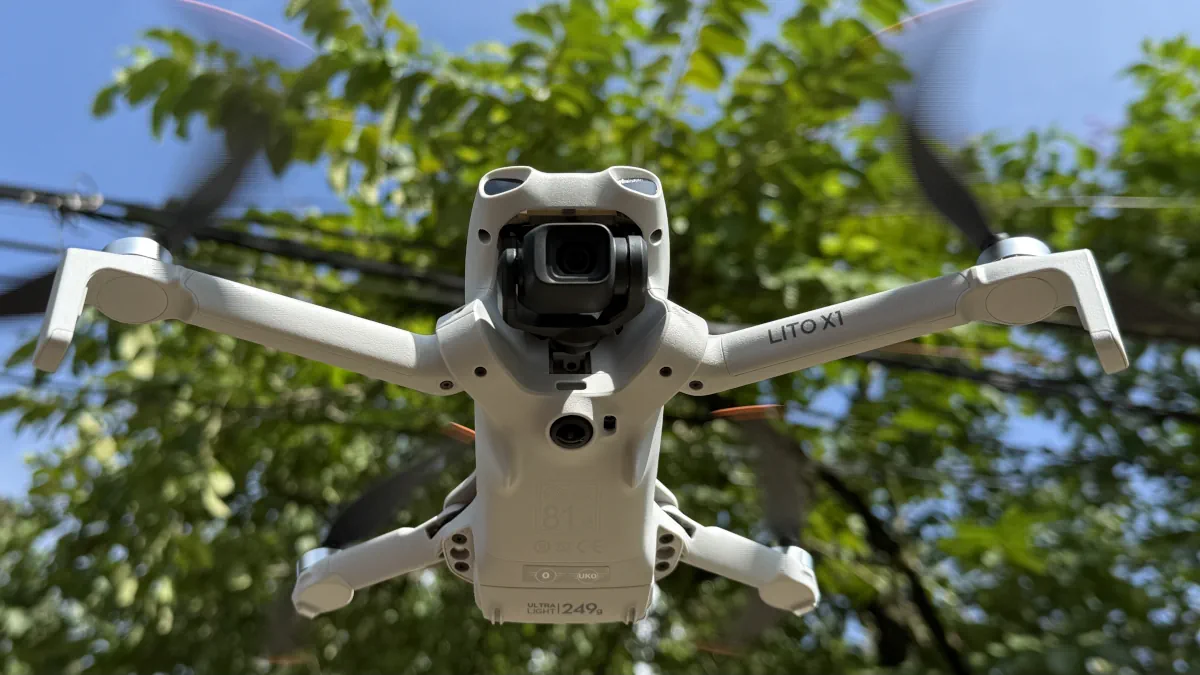
I also found myself impressed with the quality of the drone’s 48-megapixel camera. Admittedly, cameras aren’t my specialty, but to my untrained eye the pictures look sharp and vibrant. Video recording is also incredibly stable thanks to the gimbal counteracting both jerky controls and gusts of wind. The Lito X1 also comes pre-programmed with flight paths that automatically execute common maneuvers like dronies and orbits. The drone doesn’t do all the work for you (which it shouldn’t), but it still has a good eye for framing to get the most of these shortcuts. The drone also needs plenty of space to execute the more dramatic shots, so watch out for that.
Unfortunately, I didn’t get as much flight time with the Lito X1 as I would have liked given the torrential rain over the past few weeks. As capable as this drone is, it’s just as vulnerable to the weather. Instead, I turned to the simulator app built into the controller. Despite the rudimentary graphics, it actually does do a good job illustrating the drone’s features like obstacle detection and pre-programmed maneuvers. It also shows you the drone’s limitations, like limited agility when directing it to move forward and strafe side-to-side at the same time. Beyond that, it’s also a good sandbox to train yourself with getting used to the twin-stick controls. While nothing beats real-life practice and experience, the simulator still acts as a good learning supplement.
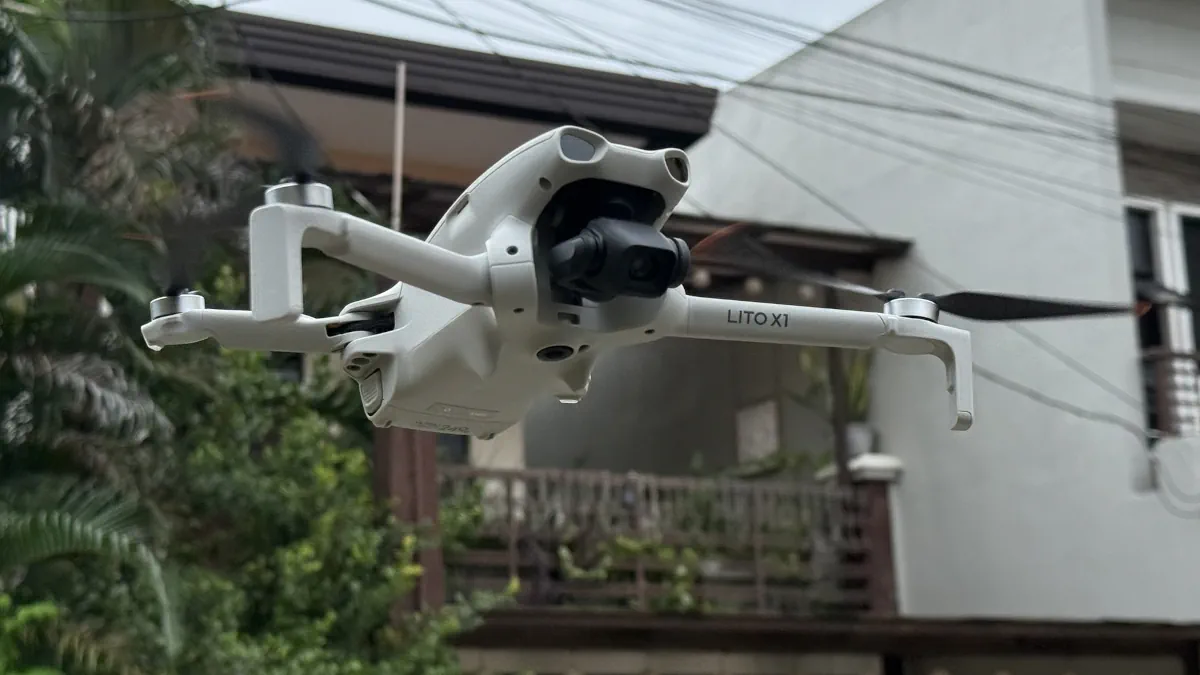
DJI categorizes the Lito X1 as an entry-level drone. Specialized features like sophisticated cameras and acrobatic maneuverability are reserved for the other drones further up the brand’s product stack. But I think most people will find everything they need with the Lito line. The ease of use is there, but it doesn’t slack off with its feature set. In the hands of a skilled operator, I’m confident that it can capture some quality footage. You don’t need to take my word for it on this one—check out our coverage of an event earlier this month. You’ll notice a few bird’s-eye-view shots scattered throughout the video, which were taken with the very same Lito X1 drone lent out to me:
Watch: A Top Gear Philippines video with footage captured from the DJI Lito X1
Wrapping up this review, I’m actually looking forward to flying the Lito X1 out in the field, maybe during a shoot for a review or Big Test. Of course, I’m still primarily a writer for Top Gear Philippines, but if the video team says they need an extra pair of hands to fly the drone, you already know I’m the first one volunteering to get on the controller.