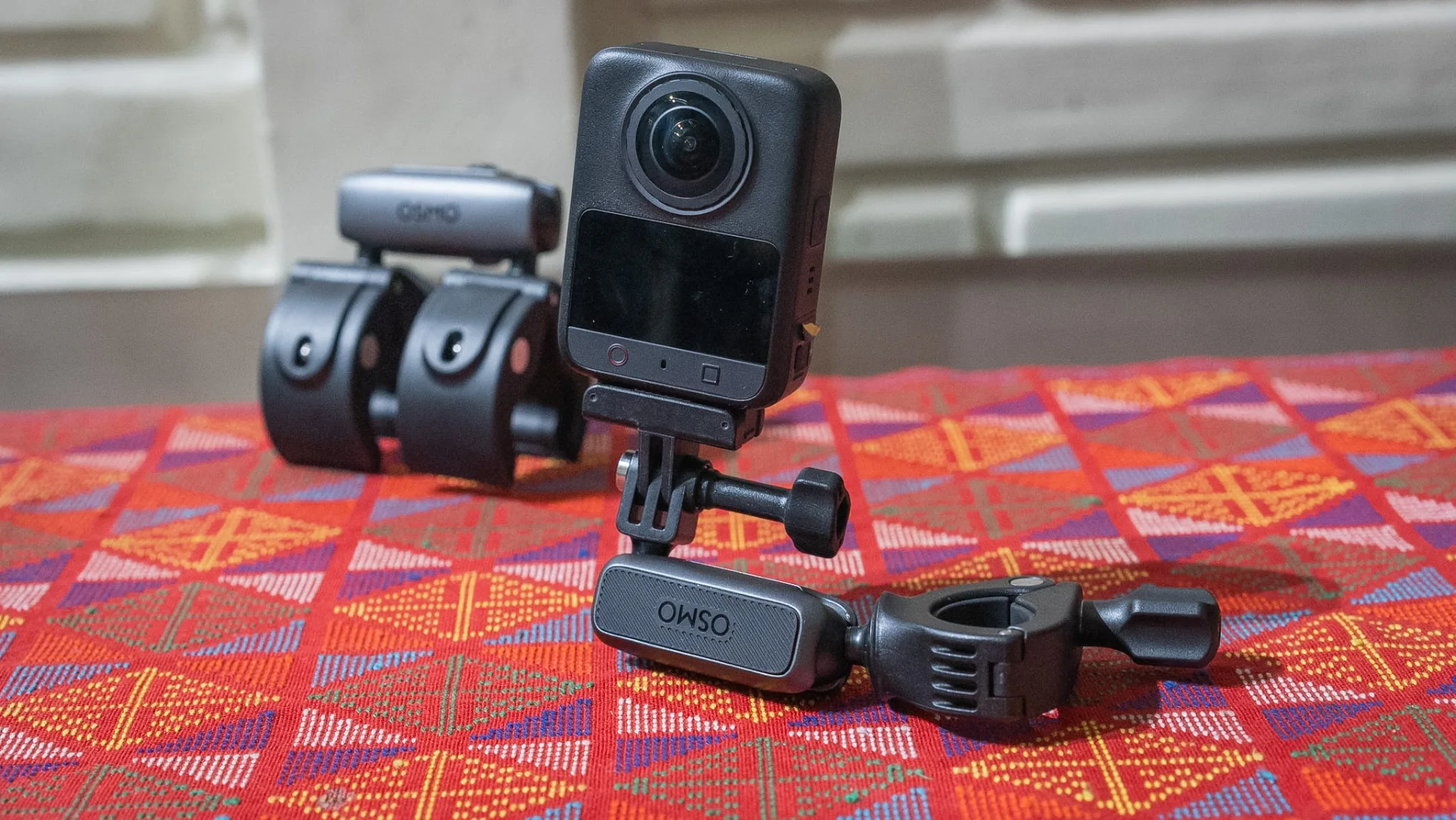
Despite establishing a foothold in the drone and action-camera markets, DJI was a bit late to the 360 camera game. It wasn’t until mid-2025 that the brand had released its own 360 unit, the DJI Osmo 360.
Just a year later, however, the brand already came up with an updated version, aptly named the Osmo 360 II. Frankly, the naming makes it sound like ‘362’ rather than a second version of an earlier 360, but I digress. The important bit to know is that DJI has made some improvements, albeit not without the added costs.
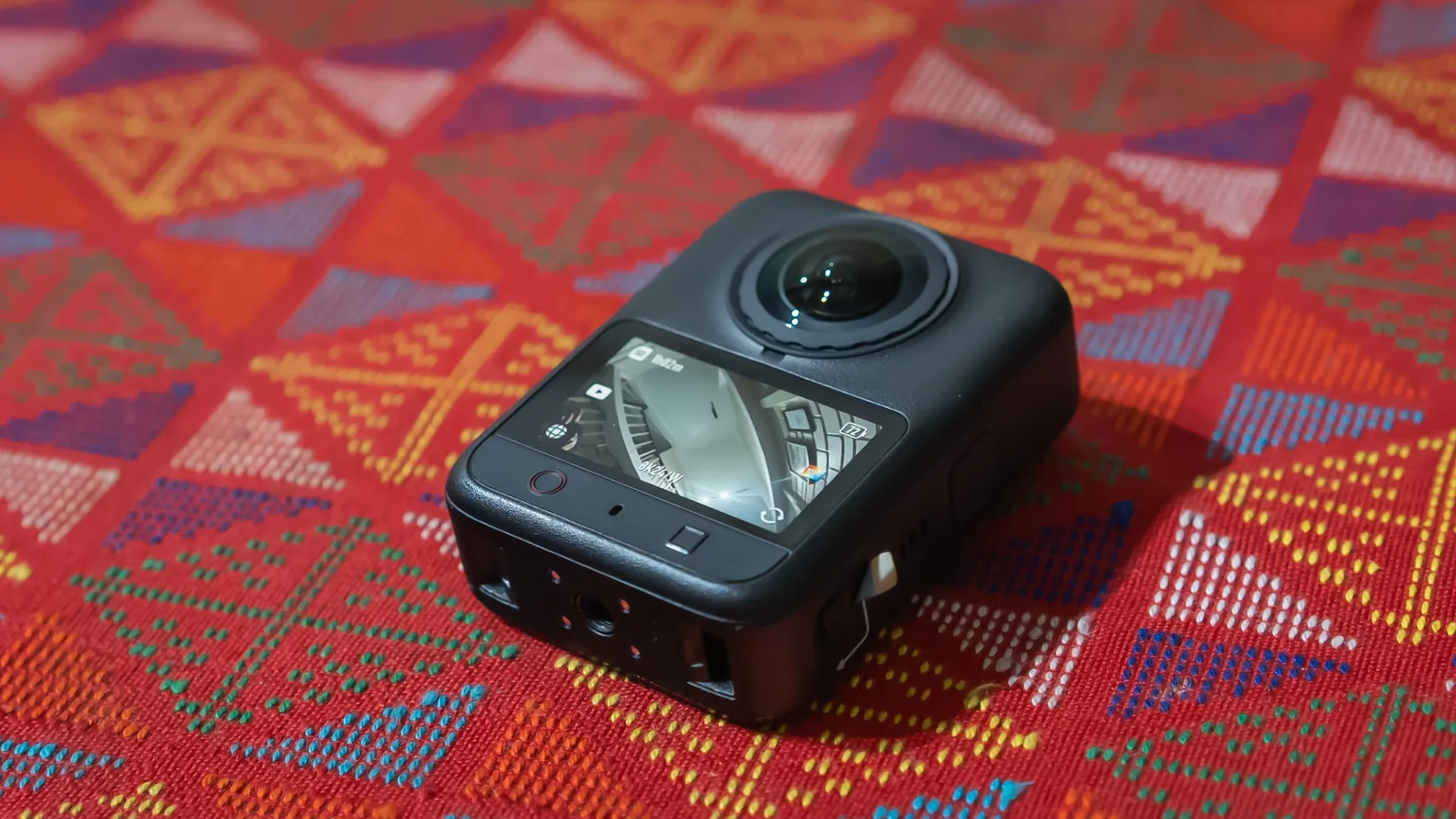
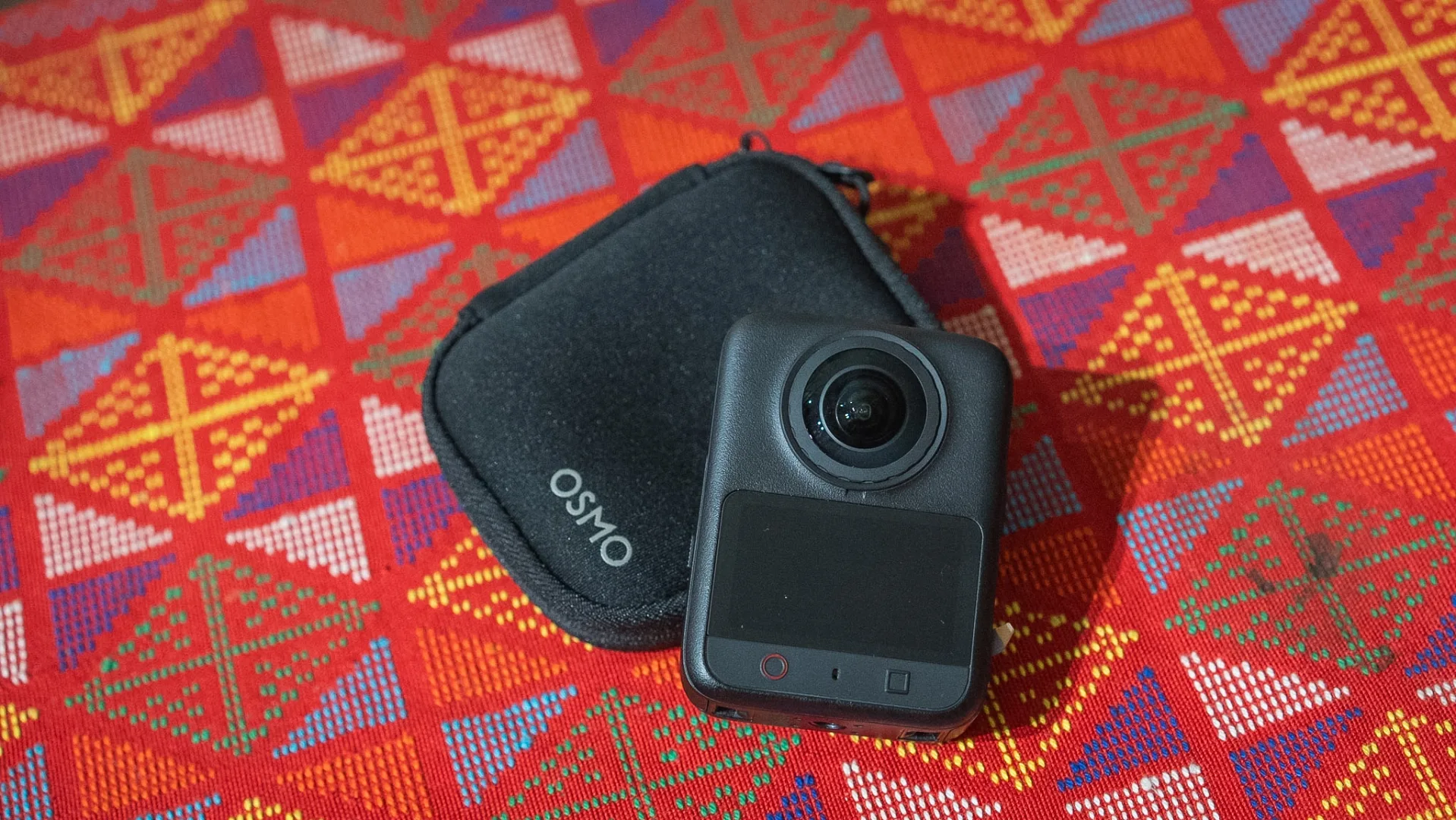
Before I dive deeper into how I used the Osmo 360 II, know that a camera like this has a wide range of use cases. I ride motorcycles, and it was precisely for riding footage that I got to use DJI’s second-gen 360 camera. If you ride bicycles—whether on the road or on the trail—the use case should be similar. I’ll preface this by saying that if you’re not into two-wheelers but you’re interested in the DJI Osmo 360 II, you might not find my insights too useful.
OTHER STORIES YOU MIGHT HAVE MISSED:
Look: National Museum–themed beep cards are now available
Manila Auto Salon 2026 recap: Some of our favorites from this year’s show
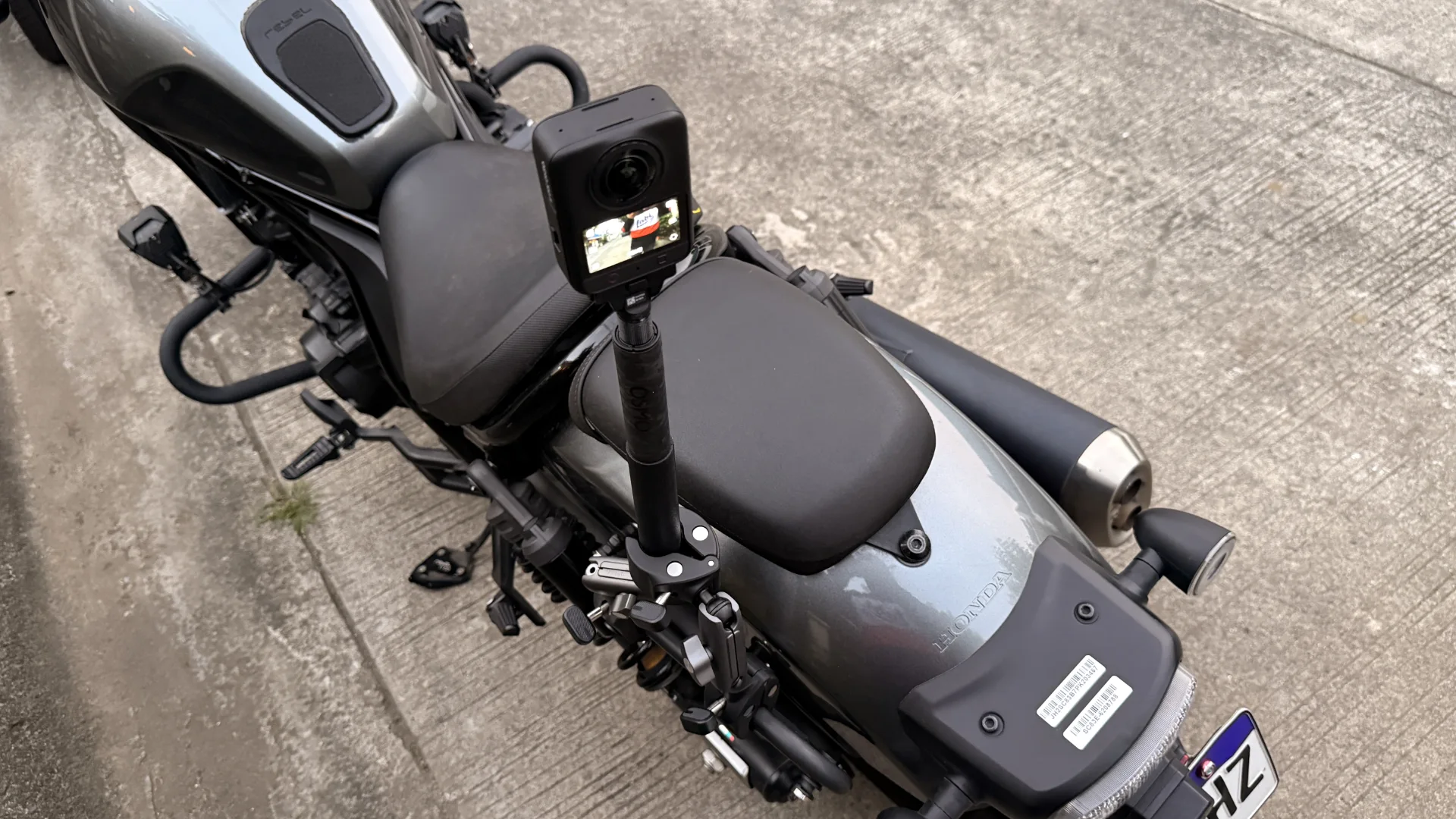
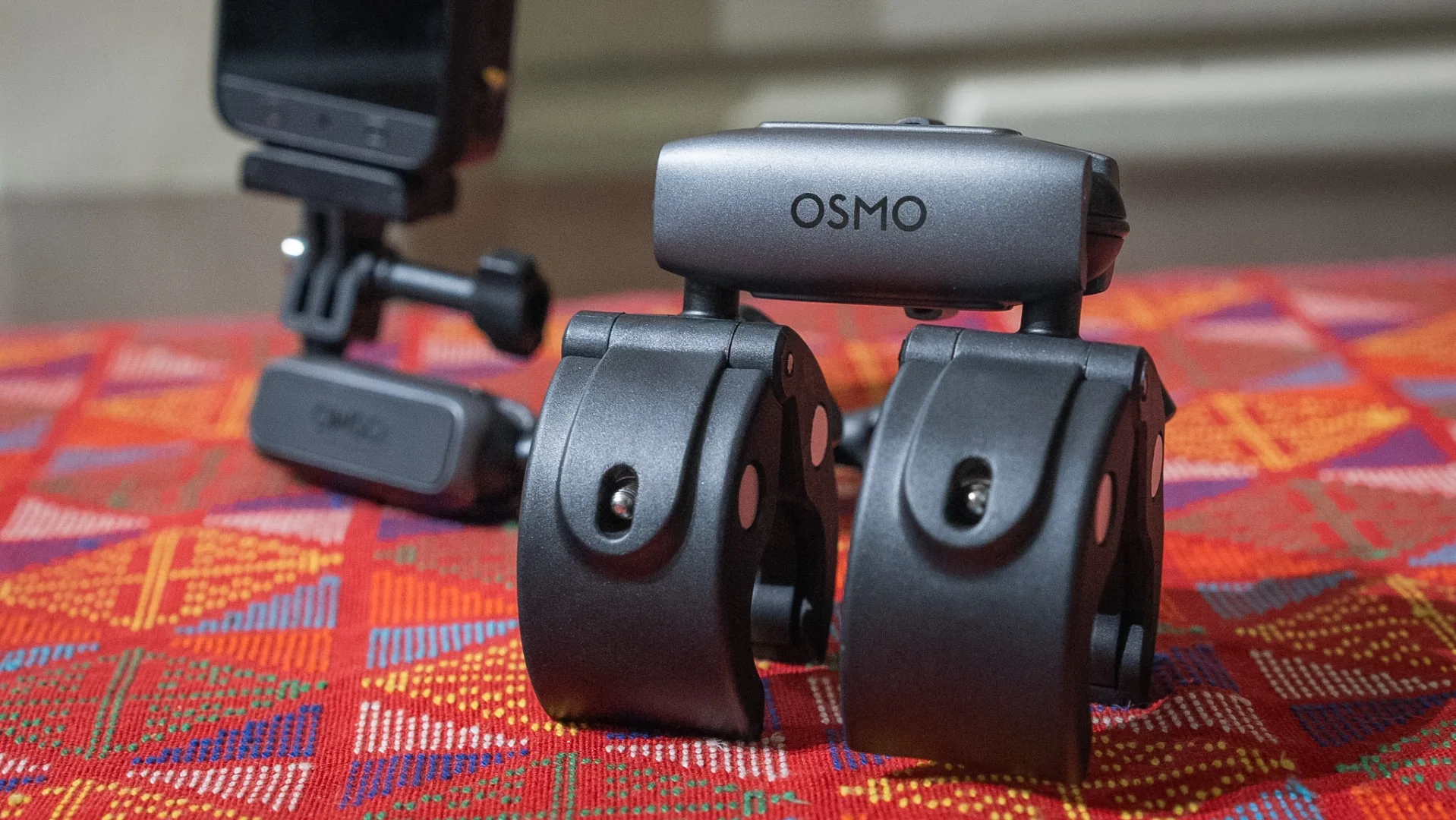
Such is the versatility of this camera. You could be using this for travel, as a main camera for vlogging, or a mounted camera for in-car footage. You can also use this for various reels, as the usable angles are virtually unlimited in true 360 fashion. That was something I was able to utilize fully, since it isn’t always easy to record riding footage when you’re alone. The available mounts made it possible to mount the Osmo 360 II behind the pillion seat of my motorcycle, which can be a bit complicated. With multiple mounts and several clamps available, I was able to secure the camera even at awkward angles.
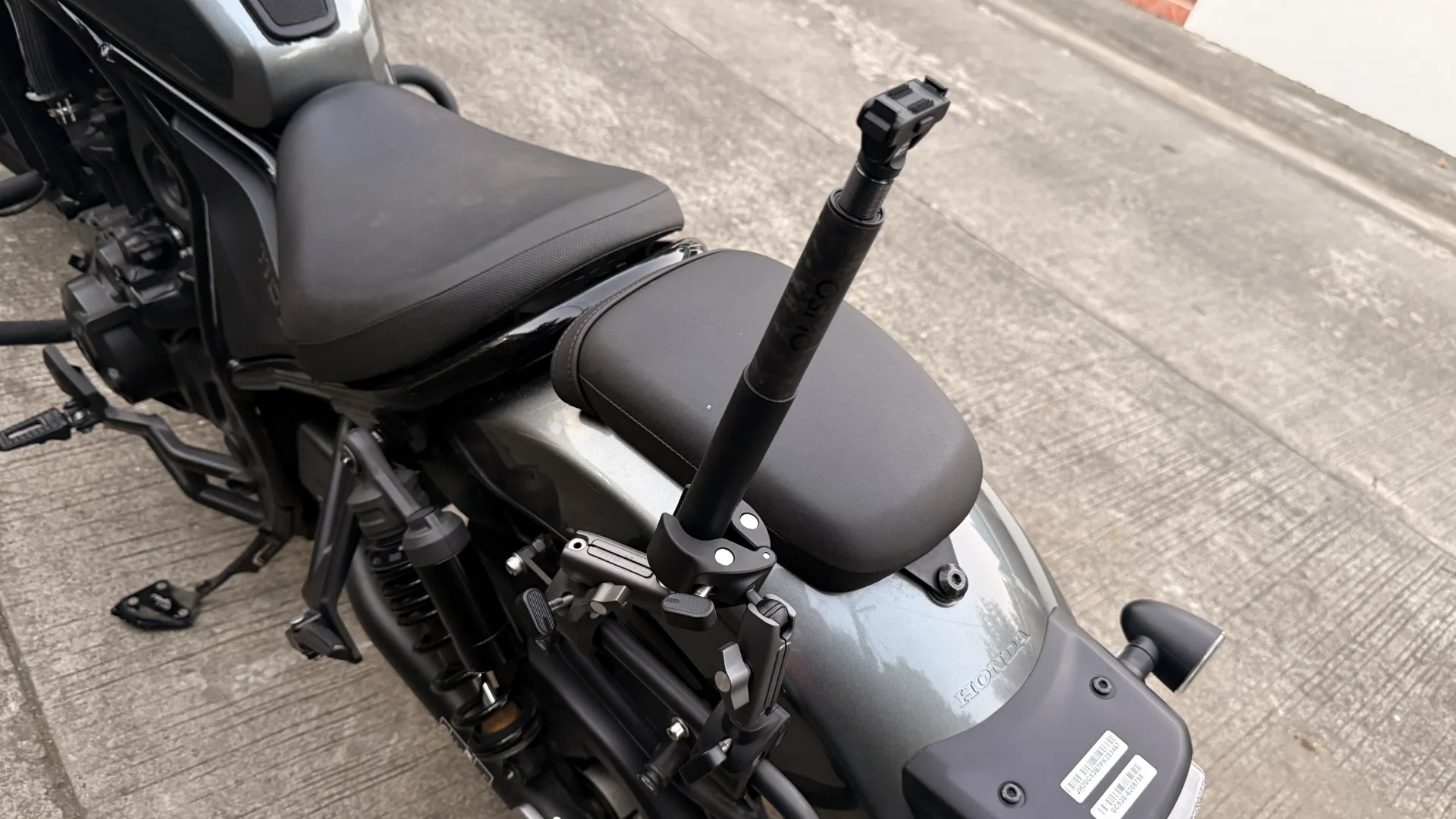
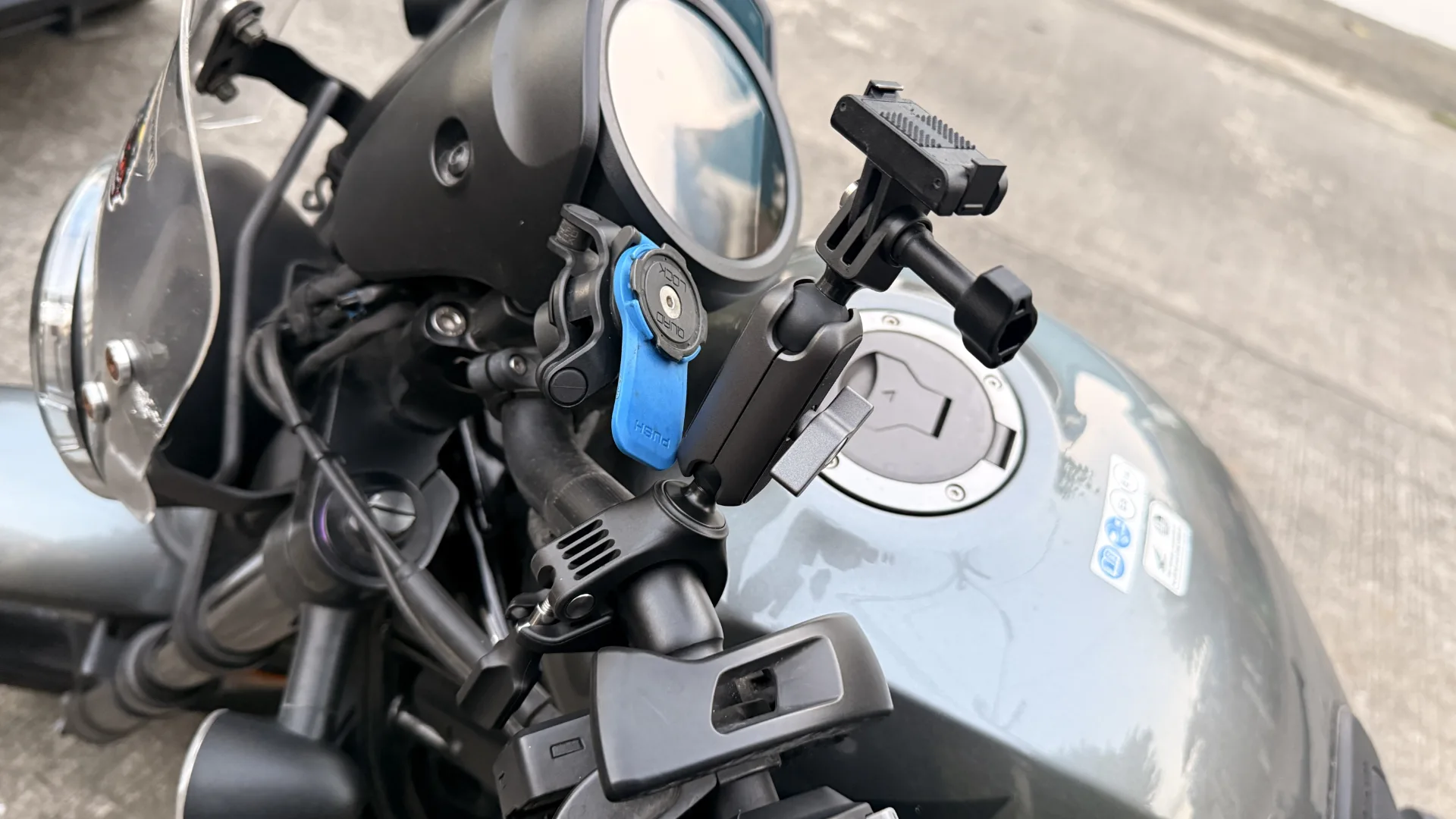
When I first tried mounting the camera behind me, I also positioned a second clamp on the bike’s handlebar. Since DJI makes use of a magnetic mechanism to make it easier to detach and move around the cameras, it was a cinch to shift from the rear mount to the front and vice versa.
The ease of changing angles made for more dynamic clips, especially since the footage the camera captures is clear and crisp, so there was more space to zoom in and out in post. Speaking of which, editing videos is easy through the DJI Mimo app. I’ve had this app for years but never used it to edit 360 footage. But when I first gave it a go, it was very straightforward. The controls and functions for editing the 360 videos are intuitive, and it was easy to come up with the footage I wanted to create.
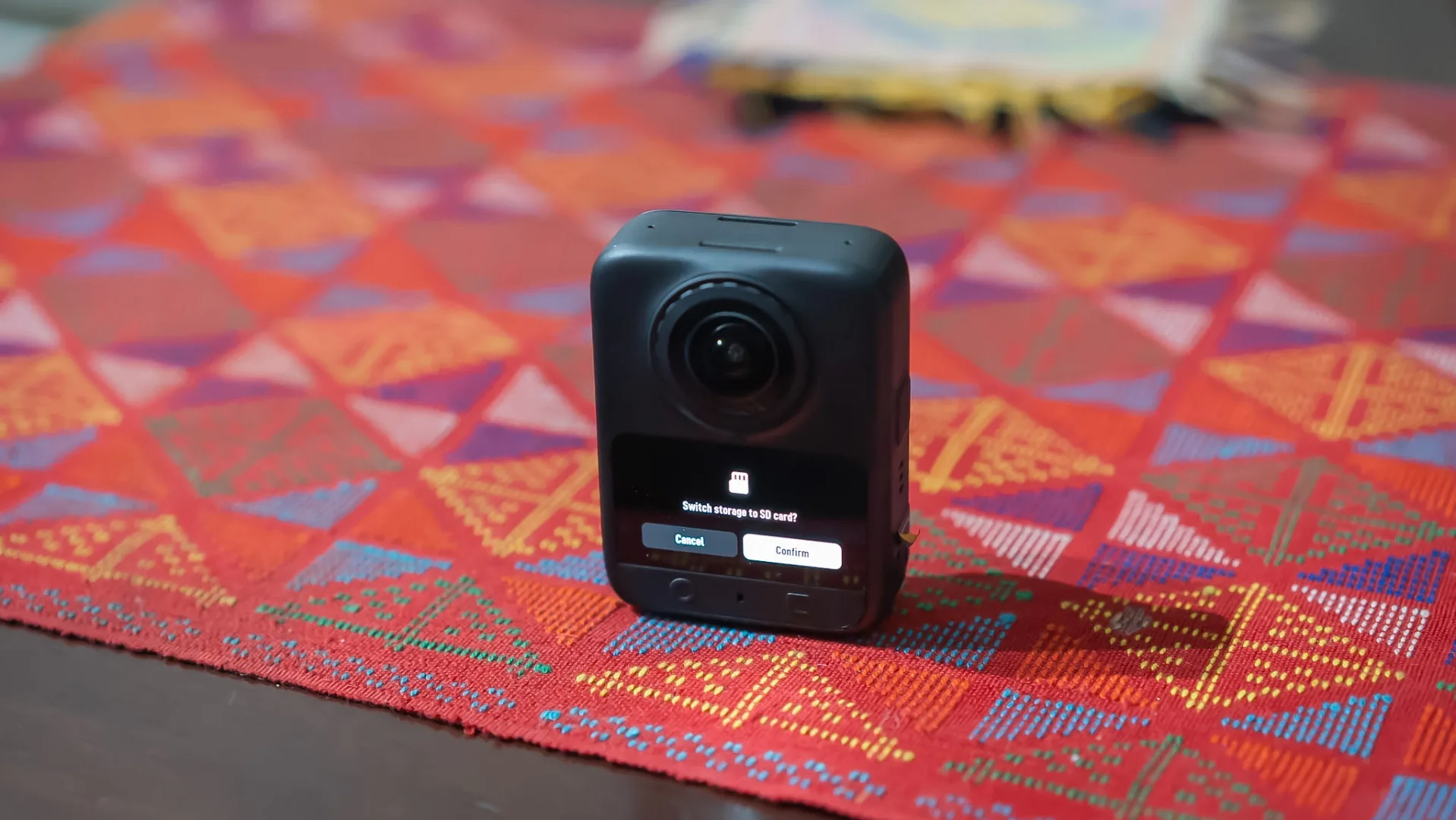
Worth noting as well is that the DJI Osmo 360 II now uses an interchangeable lens. A camera being used for two-wheelers is prone to damage, and having a replaceable lens is a welcome luxury. In the first version, this wasn’t available, so this alone makes it worth the upgrade. I also didn’t experience any overheating issues, but then again my camera was basically being cooled down by the wind the entire time as I rode.
Personally, a big bonus with the DJI Osmo 360 II is that it connects to my helmet intercom and its mic via Bluetooth. Of course, the 360 camera still connects seamlessly to DJI’s mics—which we regularly use—but the ability to record spiels directly using my intercom’s mic is very much appreciated.
Clearly, if you’re into the two-wheeled lifestyle, the DJI Osmo 360 II will be a nifty tool in your arsenal. I’d say if you’re just a general outdoorsy person and you like shooting videos, this would work for you, too. Now, if you’re either of these two and you already have existing DJI products in your toolkit, getting this should be a no-brainer.
The DJI Osmo 360 II Standard Combo is listed at P32,490 in several Philippine shops. Opting for the Adventure Combo still won’t get you all the motorcycle/bike mounts and attachments, though, so expect to shell out even more if you want the full-on moto/bike vlogger package. That said, it’s still more affordable than other 360 cameras without compromising on quality—and with the prices of microSD cards at an all-time-high, the DJI Osmo 360 II’s built-in storage is a big plus. So if this specific product is what you’re in the market for, it’s definitely worth considering.