
Wait, can EVs really overheat?
The short answer is yes—but rarely, and not in the same way that an internal-combustion engine does.
Like all complex battery-powered devices, the battery pack in an EV is designed to operate within an optimal thermal range as you use the car. There are dedicated systems in place to ensure that the battery remains within the ideal temperature—typically below 45 degrees Celsius—including active liquid cooling and thermal management systems.
Okay, so what happens if the battery gets too hot?
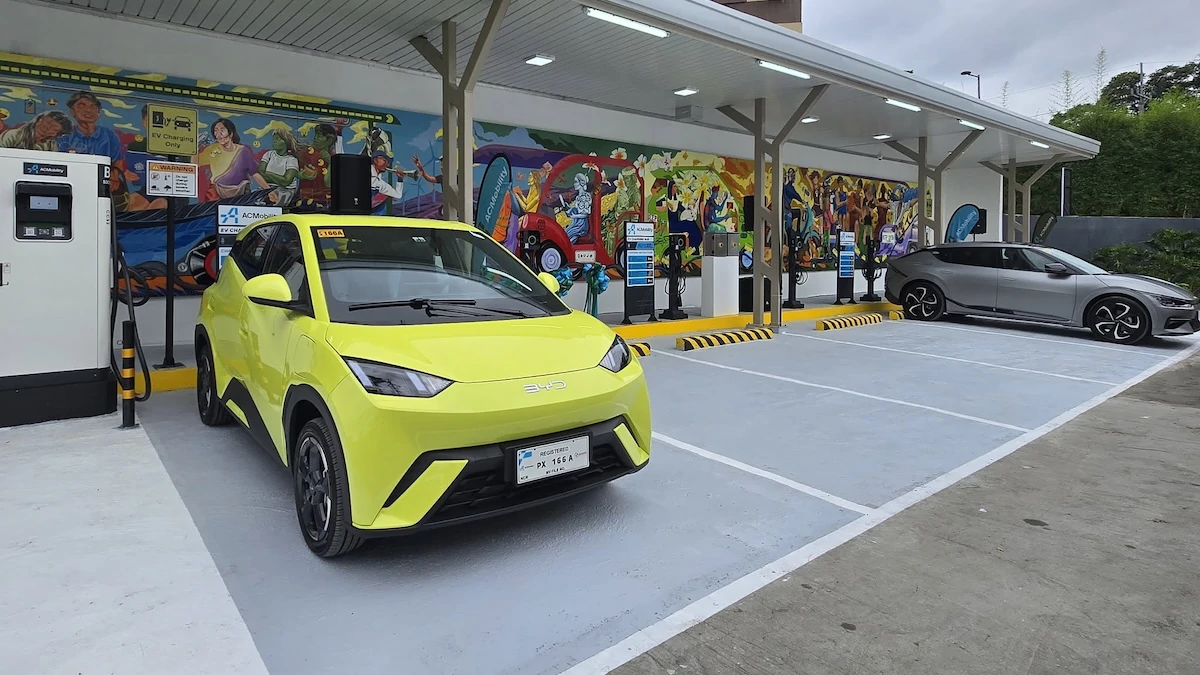
In the rare case that an EV does overheat, the effects can be felt in charging performance and range. The EV will intentionally slow down charging to prevent heat-related damage to the battery, while driving range may decrease as the system manages higher temperatures and increased cooling demands.
OTHER STORIES YOU MIGHT HAVE MISSED:
Spec-sheet brawl: Geely EX5 EM-i Max vs. BYD Sealion 6 DM-i
Fuel-crisis guide for commuters: All the free rides around Metro Manila
In the absolute worst case, damage to the battery can result in severe overheating, which can cause a self-sustaining heat-temperature-reaction loop that eventually leads to thermal runaway—in simple terms, this can mean fire. But again, this is the worst-case scenario, the equivalent of a blown head gasket in an internal combustion engine.
Thermal runaway doesn’t just happen instantly. There are multiple steps before a battery is in danger of catching on fire. It starts with solid electrolyte interphase (SEI) decomposition, which occurs at around 80 degrees Celsius. SEI decomposition produces ethene, carbon monoxide, and carbon dioxide, causing the battery cell casing to swell.
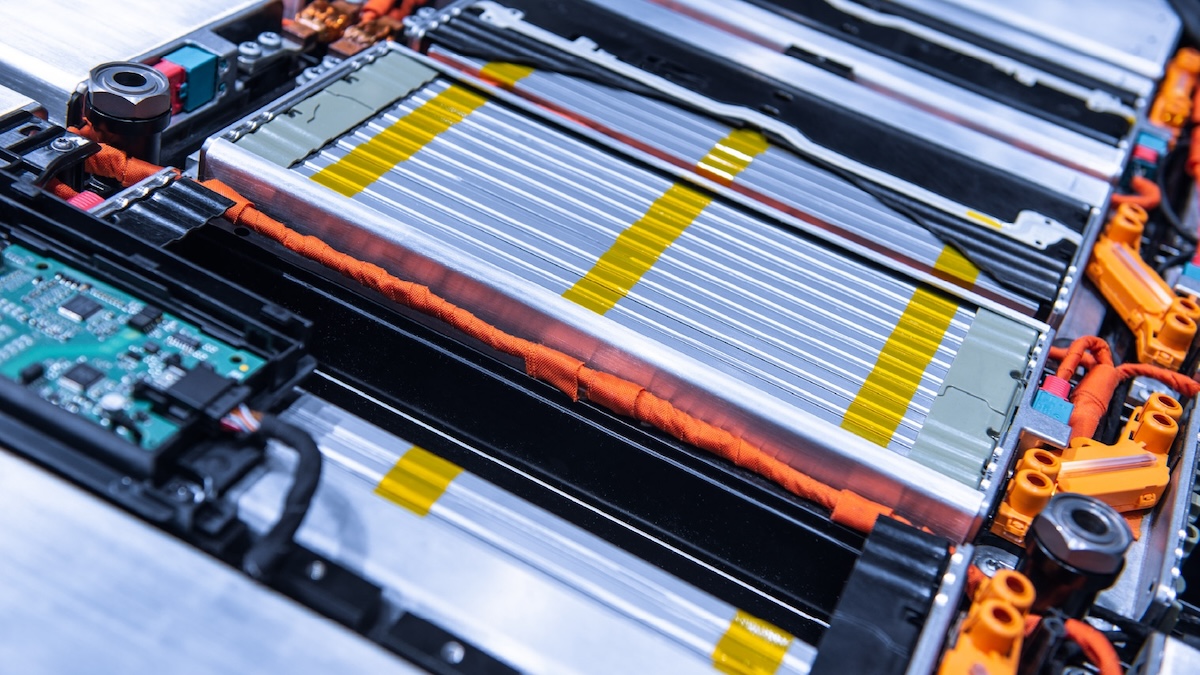
At around 100 degrees Celsius, the electrolyte will decompose, the separator will begin to melt, and hot gases will continue to build up, resulting in a short circuit. Above 130 degrees Celsius, the cathode begins to break down and generates oxygen. Thermal runaway is entered when the temperature exceeds 150 degrees Celsius.
It’s worth noting that modern EVs’ battery thermal management systems are very effective at regulating battery temperature. Liquid cooling systems circulate coolant through channels that make direct contact with the battery cells, while air cooling systems use forced air to transfer heat away from the battery. Both these systems work while driving and while charging.
What can I do if my EV suddenly overheats?
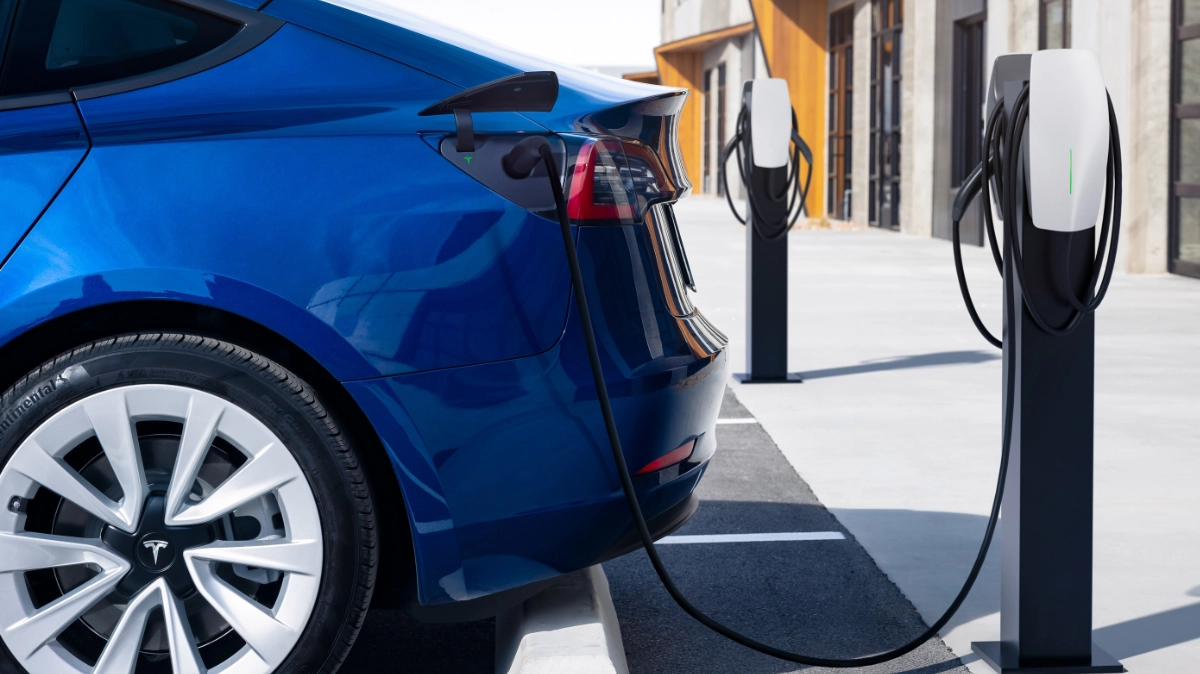
Modern EVs automatically reduce the power if the battery is operating at high temperatures. This helps the battery use less energy, giving the cooling system a chance to catch up. However, if the battery temperature warning light appears, it’s time to pull over to somewhere safe and allow the system to cool down for a few minutes.
Similar to an ICEV, prevention and maintenance are key to keeping problems at bay. Familiarize yourself with your EV’s optimal charging practices, keep up to date with your PMS schedule, and avoid driving hard all the time—especially in the summer heat.

Additionally, keeping your EV under the shade and easing off on the accelerator during extremely hot weather can help keep the battery healthy as you rack up the mileage.
Summer in the Philippines can be brutal on us and our cars, with temperatures easily reaching 42 degrees Celsius and above. Any kind of car—whether fuel or electric-powered—can overheat, but with the right maintenance and practices, both EVs and ICEVs can brave the summer heat without a sweat.