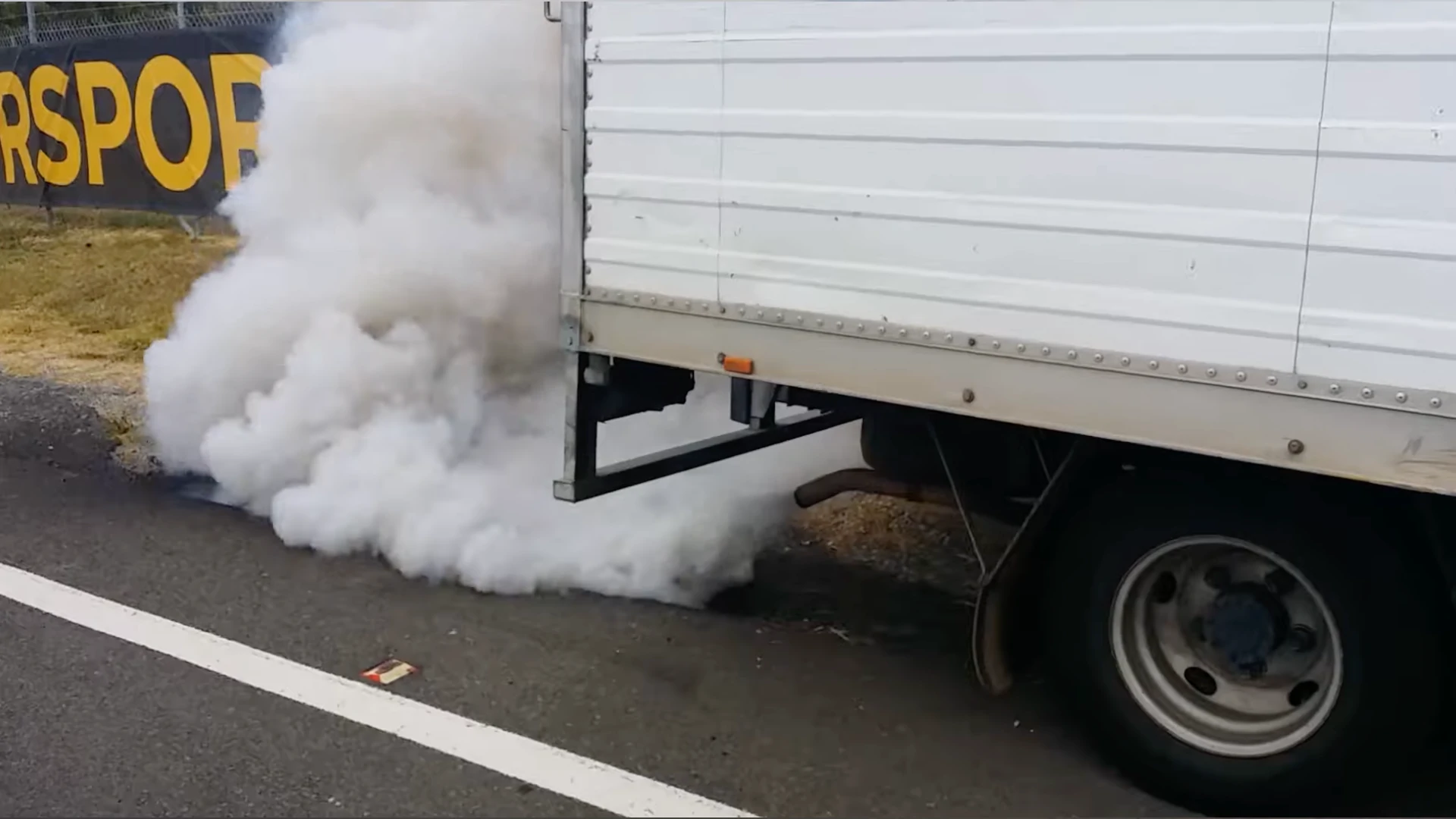
Disclaimer: Diesel runaway can be a dangerous situation. This article is meant to provide information, not to be used as a strict protocol. Always prioritize personal safety.
A diesel-engine runaway—also referred to as a diesel runaway or a runaway diesel—is a condition where a diesel engine continues running at very high RPM even after the ignition has been switched off. It’s often accompanied by high engine temperatures and thick white smoke pouring out of the exhaust. It can be a scary situation, but in this article, we’ll run through why it happens and what to do if it ever happens to you.
Unlike a gasoline engine, which uses spark plugs to ignite fuel, a diesel engine relies on air, compression, and fuel to complete the combustion cycle—no spark plugs needed. This means it can continue running as long as it has access to air and a combustible source.
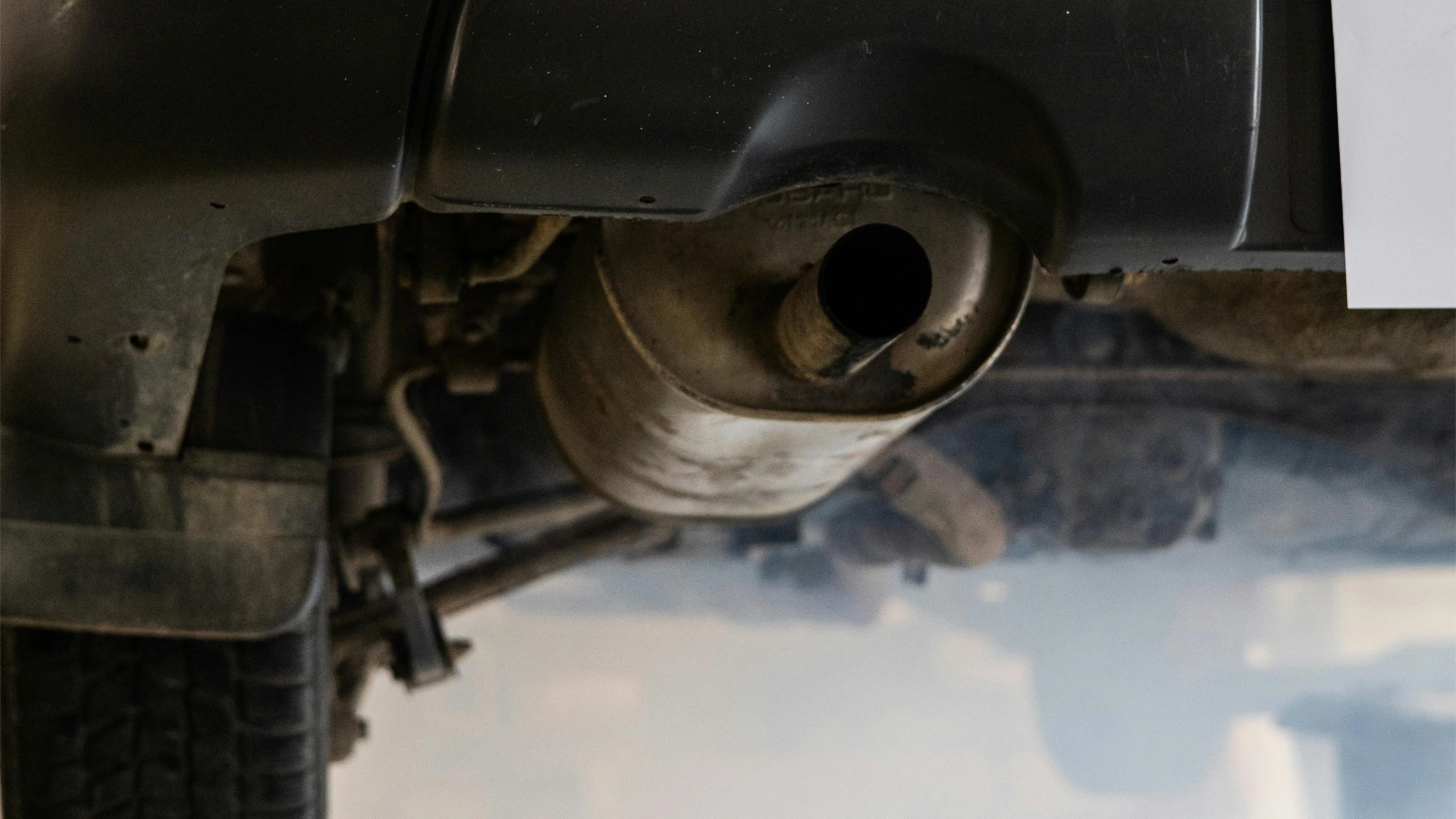
Diesel runaway is often caused by engine oil being sucked into the combustion chamber. This can happen due to worn piston rings, turbo seal damage, or excessive engine blow-by. When this happens, the engine uses its own oil as a combustible source, leading to uncontrolled combustion. So what should you do if this happens to you?
OTHER STORIES YOU MIGHT HAVE MISSED:
6 Things to check on your car after volcanic ashfall
Seven things you should know before placing your car in hibernation
1) Stall the engine
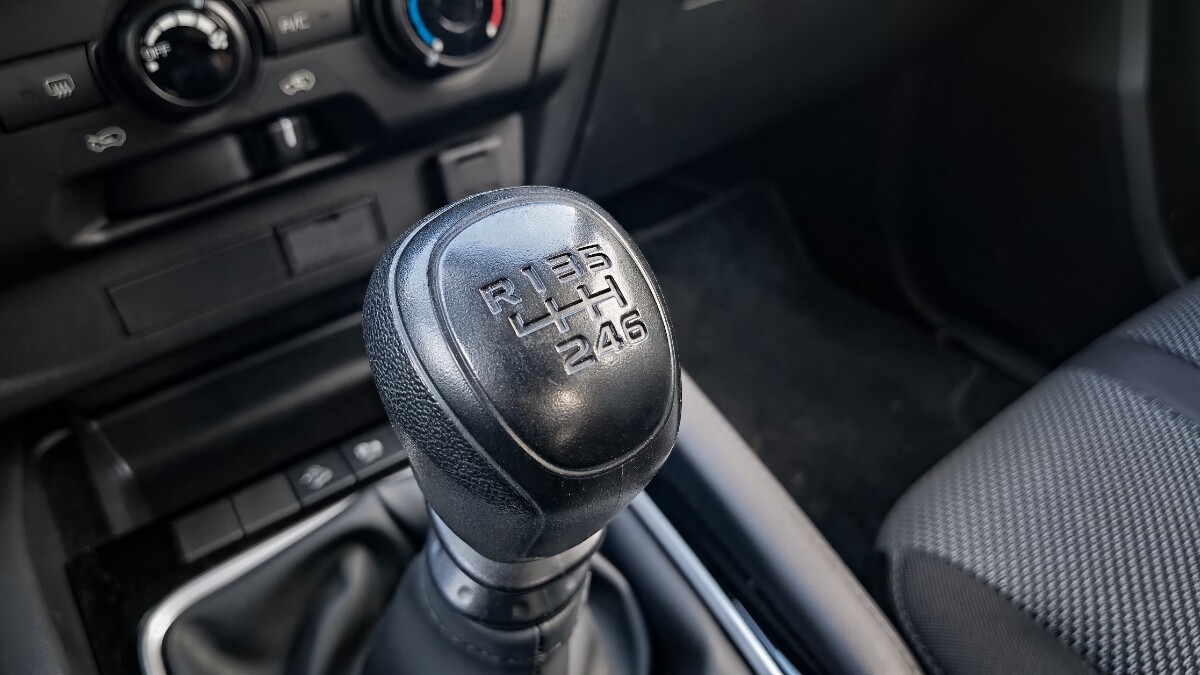
If your car has a manual transmission, the first thing you should do if a diesel runaway happens is to stall the engine. Quickly bring your car to a stop, maintain your foot on the brake, pull the hand brake, put the shifter in 5th gear (or whichever your highest gear is), and dump the clutch. If done quickly, this can effectively switch off the engine.
2) Let it run its course
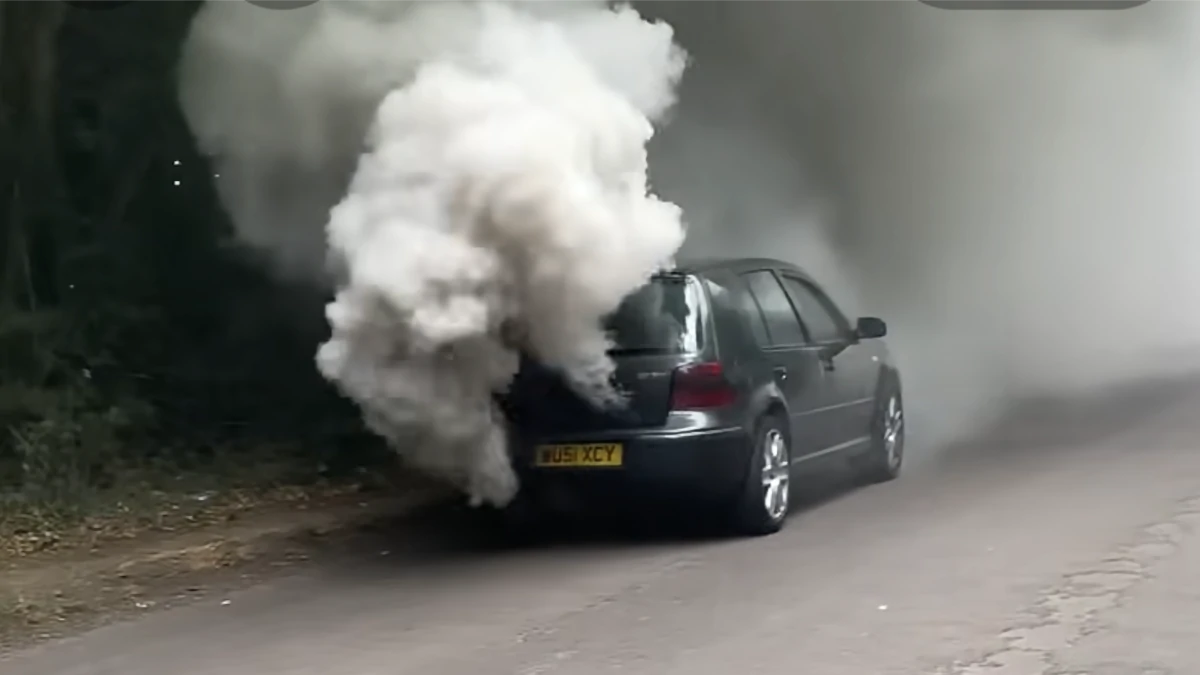
If stalling the engine did not work, or if you drive an automatic, calmly but swiftly take your keys and walk to a safe distance away from the smoke and call emergency services to alert them of the situation. A runaway diesel can run for a few minutes before it eventually runs out of oil.
In catastrophic cases, during high RPM, the engine can take enough damage for the engine block to crack and explode. Always prioritize your safety. Your car will understand.
What you shouldn’t do
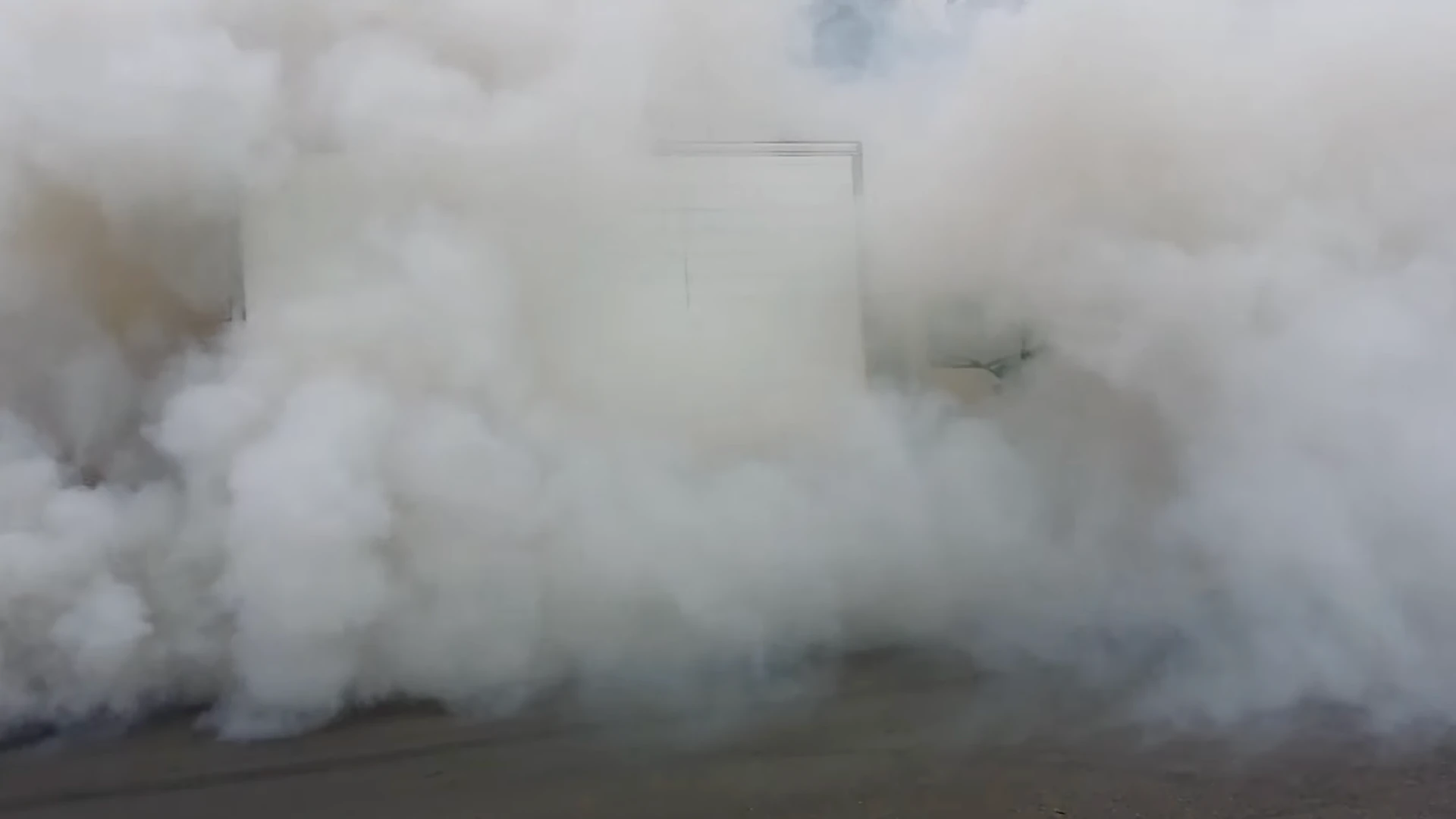
We do not recommend attempting to block the air intake with a rag or a damp cloth if you are not a trained mechanic. During a runaway diesel, the engine gets very hot, and you could easily burn yourself or worse.
If you are determined to block the air intake, only attempt to do so with a CO2 fire extinguisher. Lifting the hood and directing high-pressure CO2 towards the air intake can cut the combustion cycle and stop the engine. But again, always prioritize your own safety.
Diesel runaway prevention
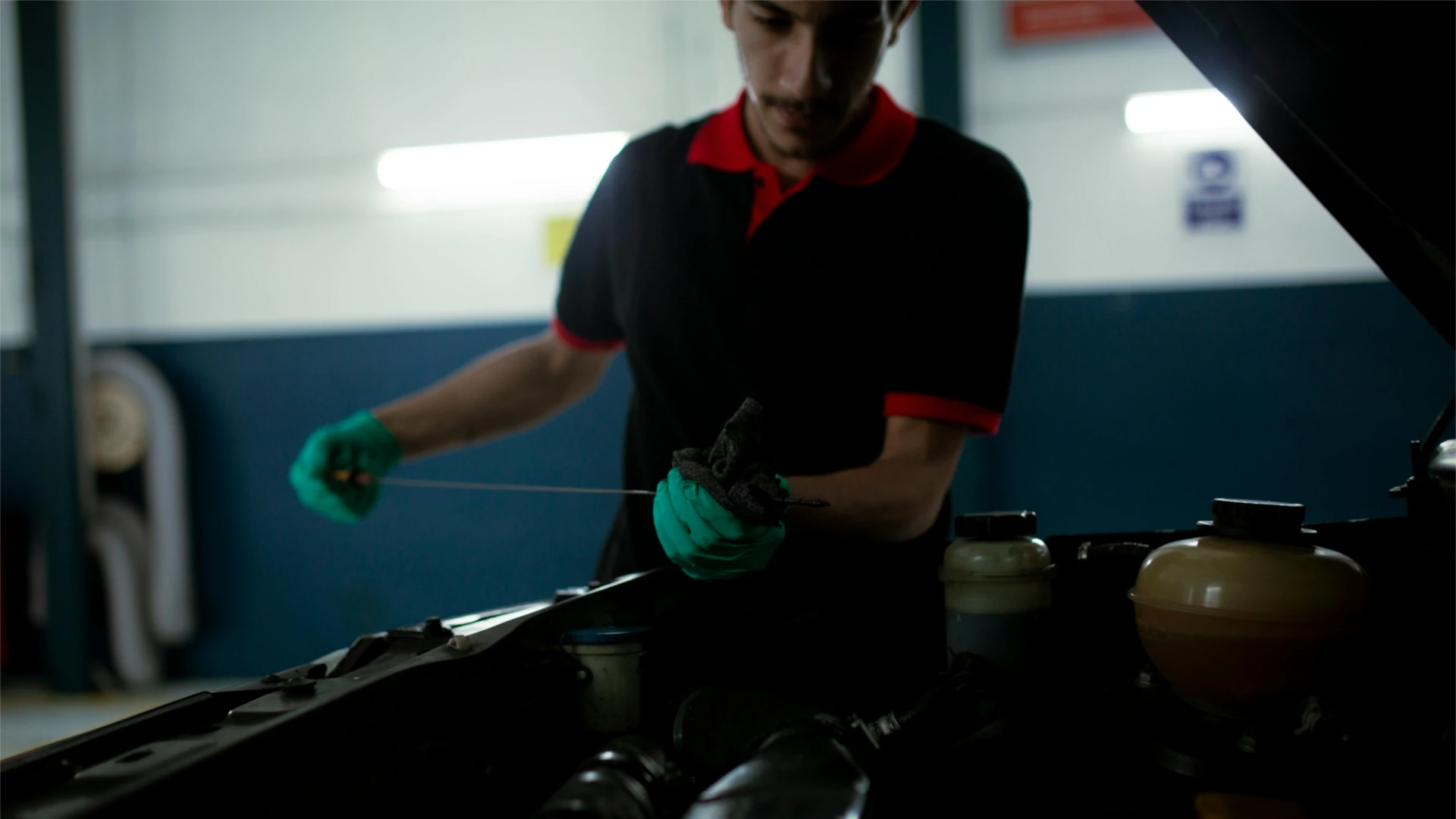
As in most cases, prevention is better than cure. Modern diesel cars have advanced electronic safety features and mechanical fail-safes to prevent diesel runaway. Keeping on top of your diesel engine’s maintenance—especially the turbocharger, crankcase ventilation, and oil levels—greatly reduces the risk of a diesel runaway happening to you.