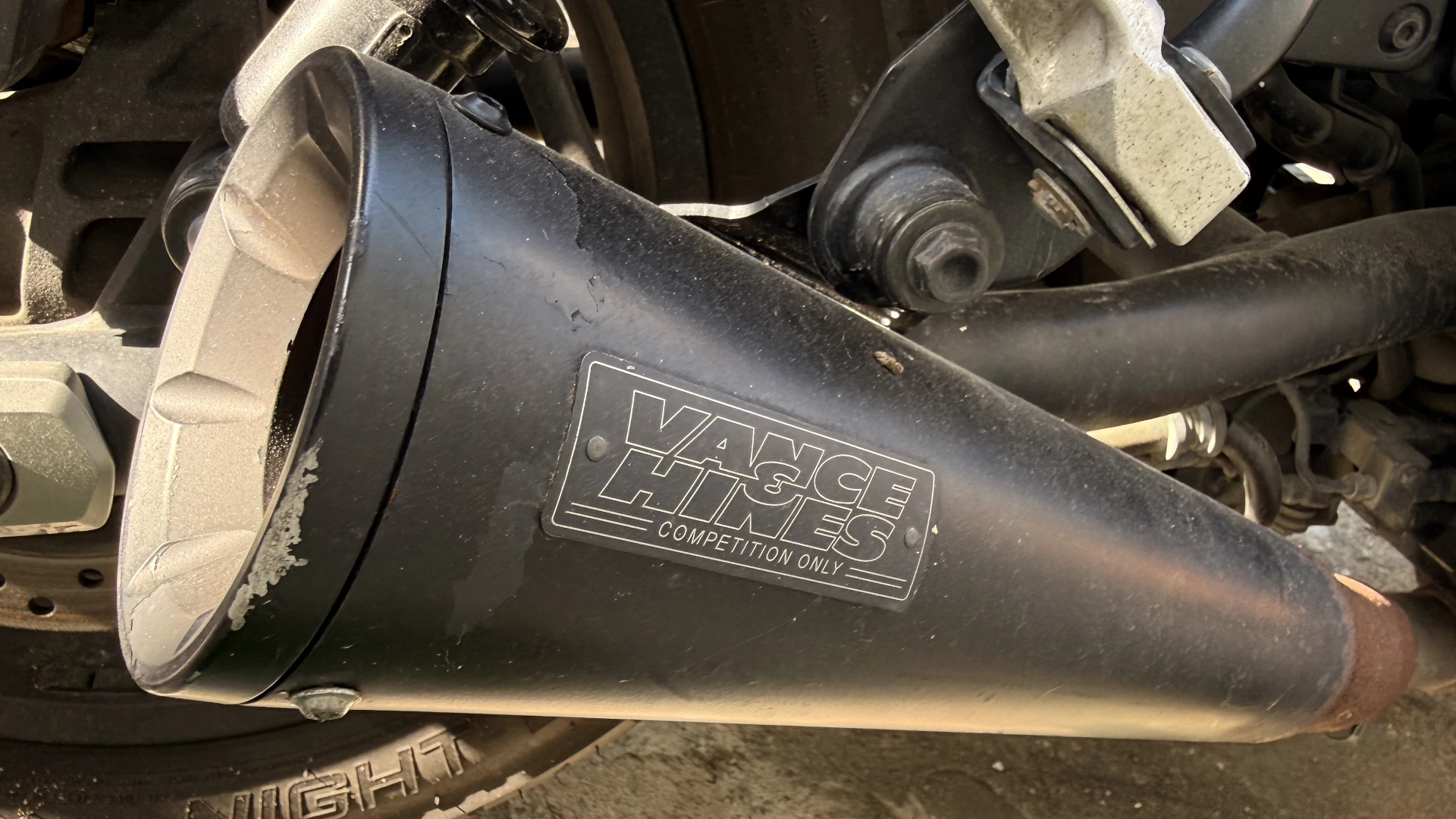
Where we’re from, there are a lot of aftermarket motorcycle exhausts. From small scooters and stripped-down underbones to big bikes, it’s normal to see all sorts of mufflers and tailpipes fitted onto them.
Despite that being the norm, though, do people actually know what an exhaust ‘upgrade’ actually does? We know they’re all loud, but how does a motorcycle really benefit from a modified exhaust?
In this article, we discuss what an exhaust is and how modifying it can affect a motorcycle’s performance.
ALSO READ:
4 Reasons you shouldn’t buy fake motorcycle gear
Here’s what you should do if your motorcycle catches fire
What is a motorcycle exhaust?
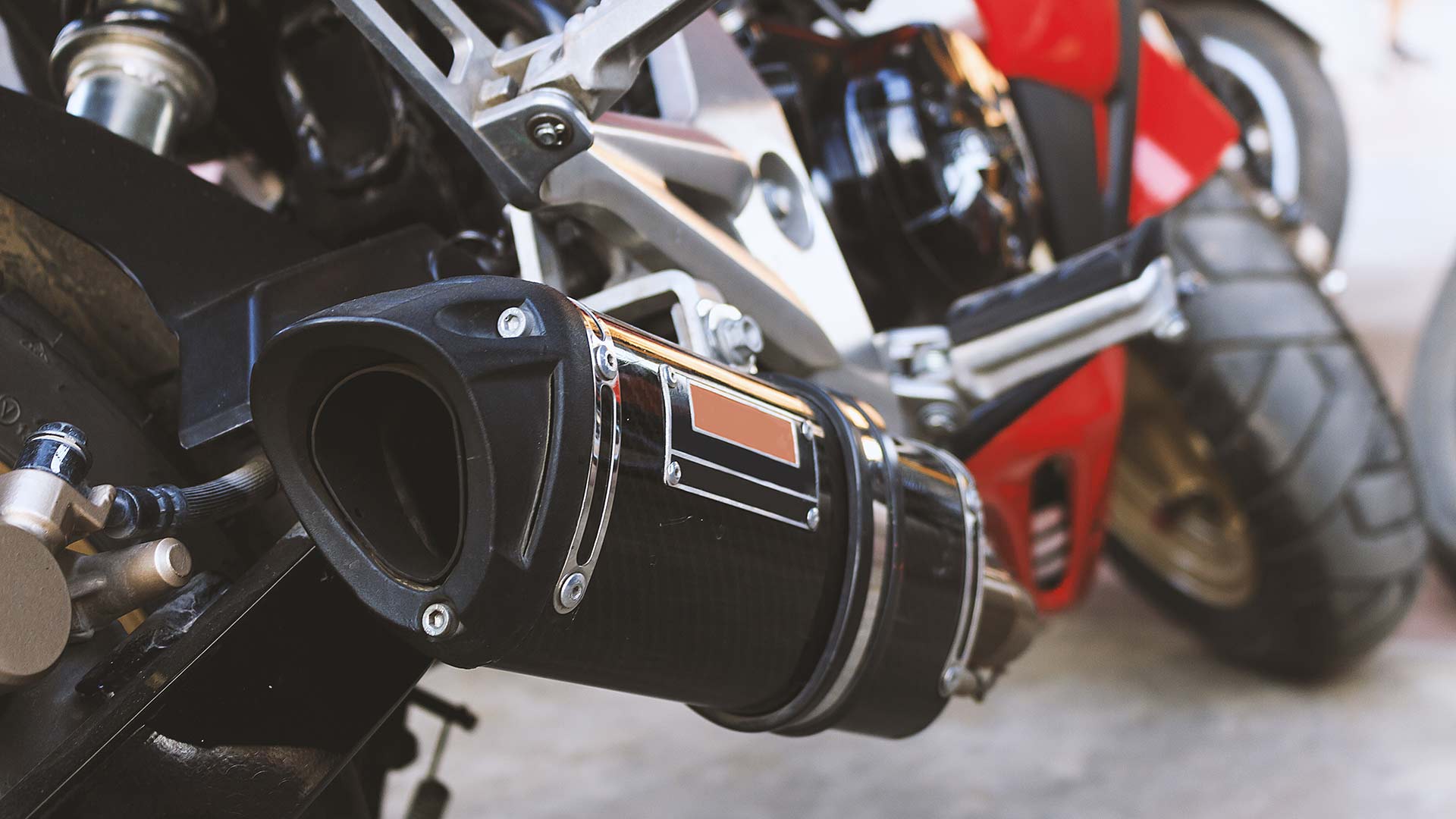
The purpose of an exhaust is as the name implies—it exhausts gases from the motorcycle’s engine. These gases are produced from the combustion chamber which then travel out via the pipes. It ensures proper airflow in your bike’s engine. To understand how a motorcycle exhaust works, you must know its parts.
What are the parts of a motorcycle exhaust?
An exhaust system consists mainly of the header pipe, collector, catalytic converter, oxygen sensor, butterfly valve, and muffler.
How does a motorcycle exhaust work?
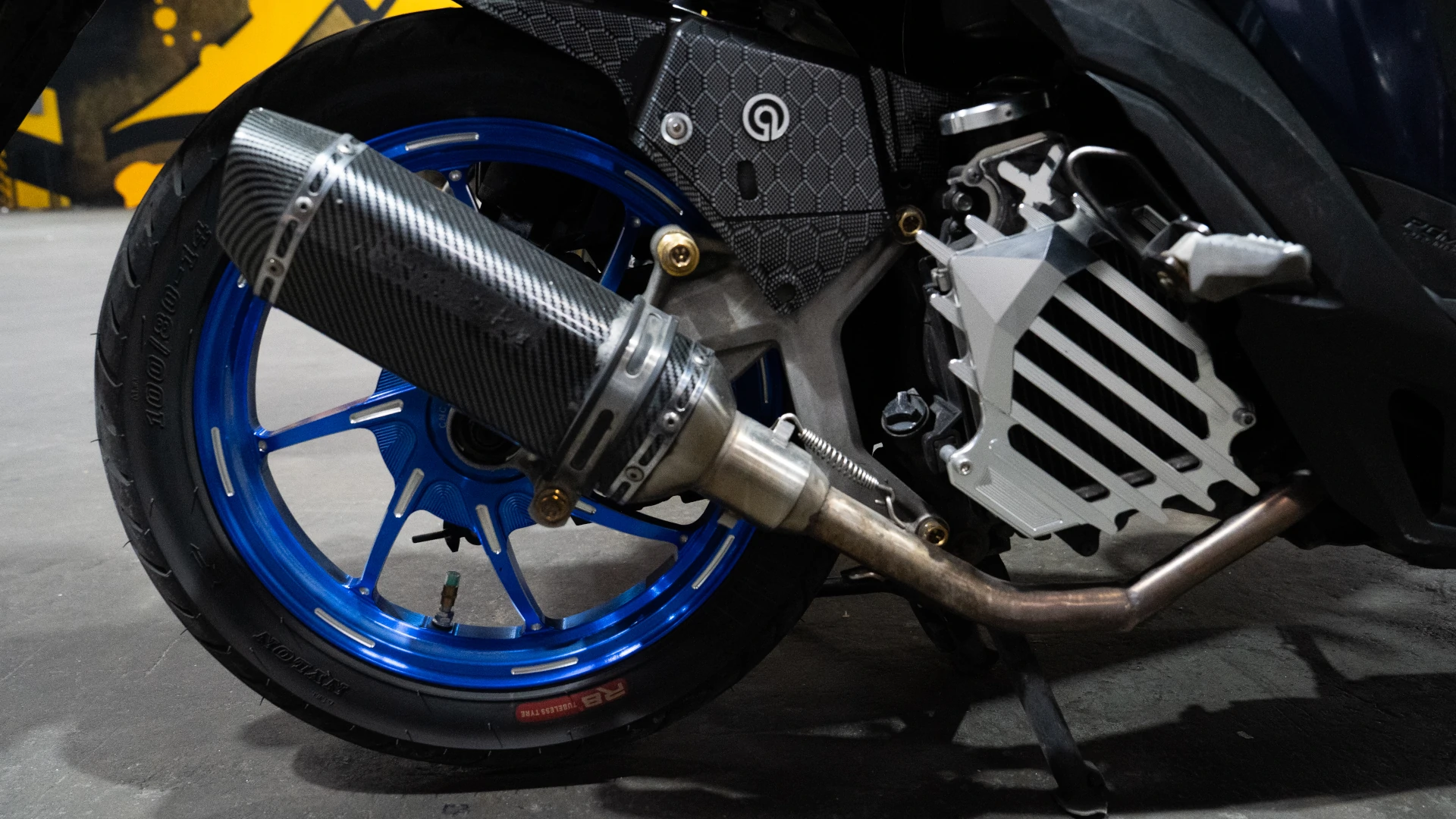
The header (or headers, in the case of multiple-cylinder engines) is what’s directly connected to the engine. It sends the gases from the combustion chamber all the way to the collector, which then houses the catalytic converter. The cat converter turns toxic emissions from the engine’s internal combustion into harmless gases that can be released into the environment.
The oxygen sensor connected to the collector analyzes the exhaust gases and sends information back to the ECU so the latter can make fuel adjustments based on factors such as altitude and air temperature.
Contrary to what some of you might think, an exhaust’s job is also to suppress the noise that the engine produces. This is done by both the butterfly valve and the muffler. The butterfly valve controls the flow of gases out from the collector using a serve motor-operated valve, and this reduces both the noise and back pressure that the exhaust produces. Back pressure is also important in the actual performance of a bike.
The muffler, meanwhile, is the final part of the exhaust where gas passes through before it’s released, and it silences the exhaust note to ensure compliance with different regulations. Removing or tweaking these parts is what causes an exhaust to become loud. If you’ve ever heard of the term ‘open-pipe’—it’s quite common in the Philippines—that’s another term for a modified exhaust.
What is an ‘open-pipe’ exhaust?
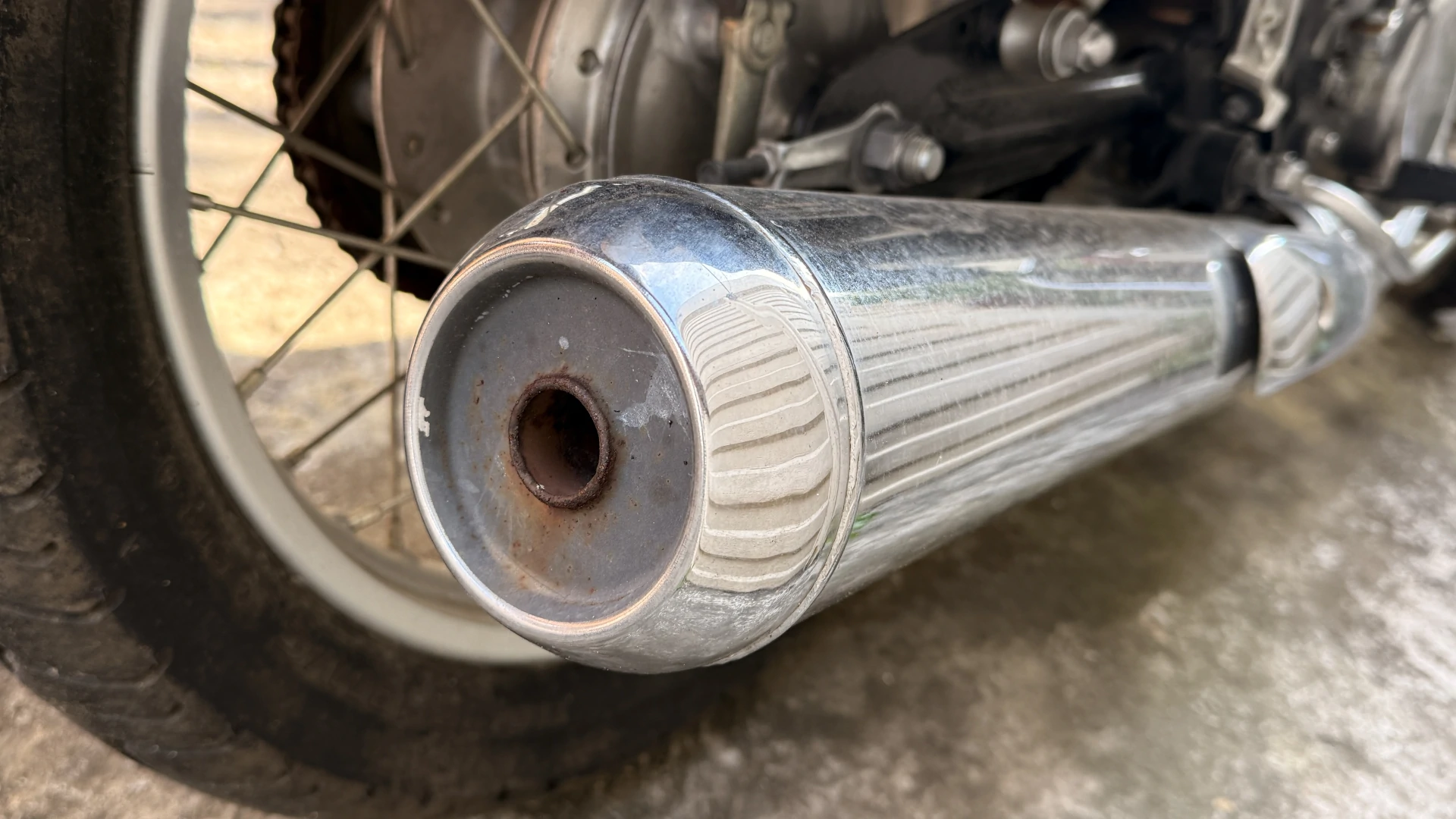
An open-pipe exhaust essentially removes some or all of the parts. This includes the muffler, the collector, and the catalytic converters. Either a short or long pipe will be left connected to the engine. The result is an obnoxiously loud exhaust system, devoid of any form of sound reduction, often classified as illegal due to the sheer decibels it produces.
How do you properly upgrade a motorcycle exhaust?
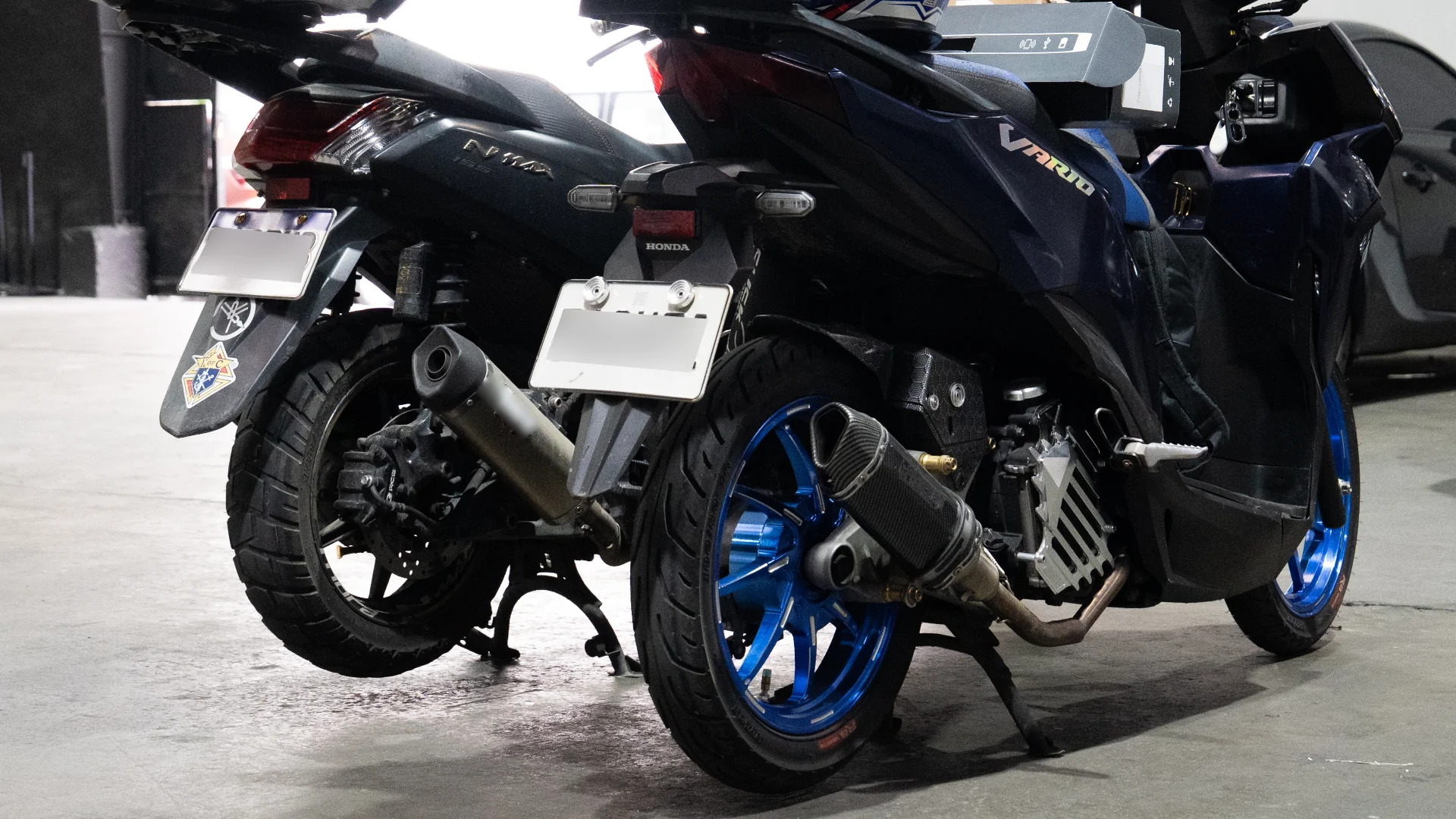
There are mainly two types of aftermarket exhaust upgrades: A muffler upgrade and a full system upgrade. Muffler upgrades only entail replacement of the actual muffler, and they’re often referred to as slip-on or bolt-on mufflers. In smaller motorcycles, these only slightly change the sound and are mainly used for their looks. Slip-on mufflers also rarely affect performance.
Full system upgrades, also referred to as ‘full exhausts,’ modify everything from the headers and collectors all the way to the actual muffler. These will also require changes in the system’s fuel management, which is why it’s more complicated than just a bolt-on piece of metal. It will require proper tuning. Upgrades like these, however, often result in significant performance boosts as well as improved sound.
Why upgrade to an aftermarket exhaust or muffler?
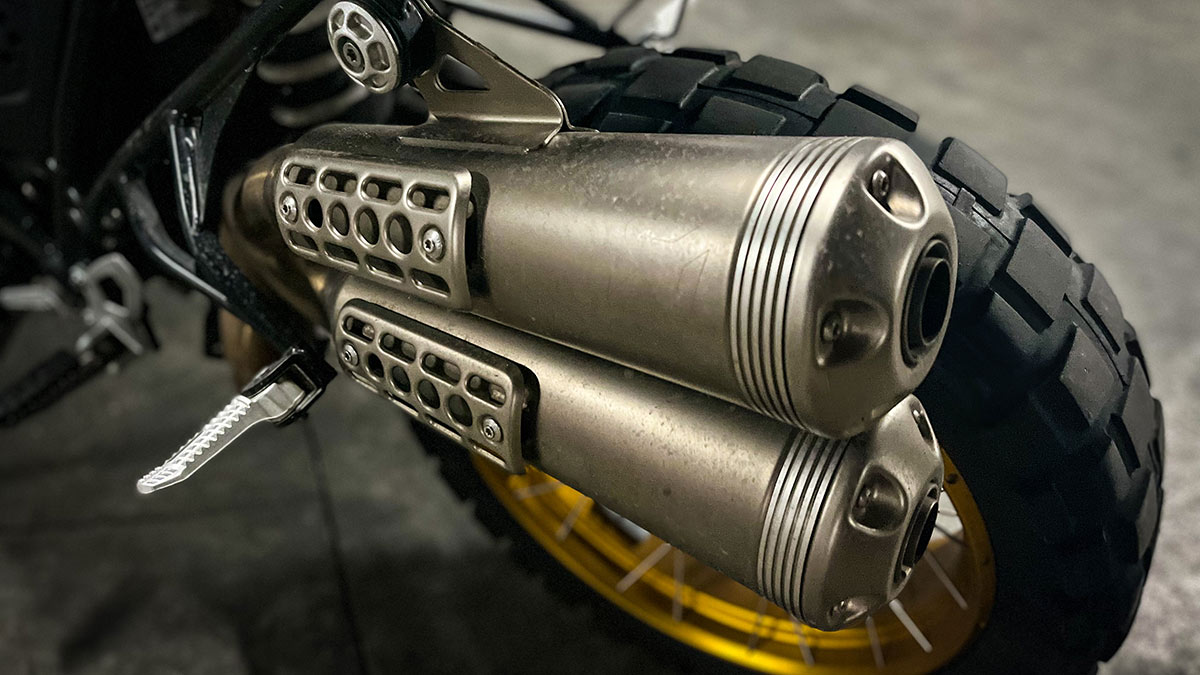
As mentioned, upgrading a motorcycle exhaust can result in better performance from an engine as well as improved sound. For a lot of riders, the latter alone is incentive enough. It also enhances a bike’s look.
Aftermarket exhausts and mufflers are also often lighter than stock parts, and if, say, you’re riding fast on track, every gram matters in going faster and cutting lap times. Lighter components can also improve a bike’s fuel economy.
Generally, however, stock motorcycle exhausts are already properly engineered themselves. They’ve been designed to do what they need to do, and at an optimal level at that. While sticking to stock might make your bike look a little less cool, it’ll help you avoid any issues in the future, whether legal or mechanical.