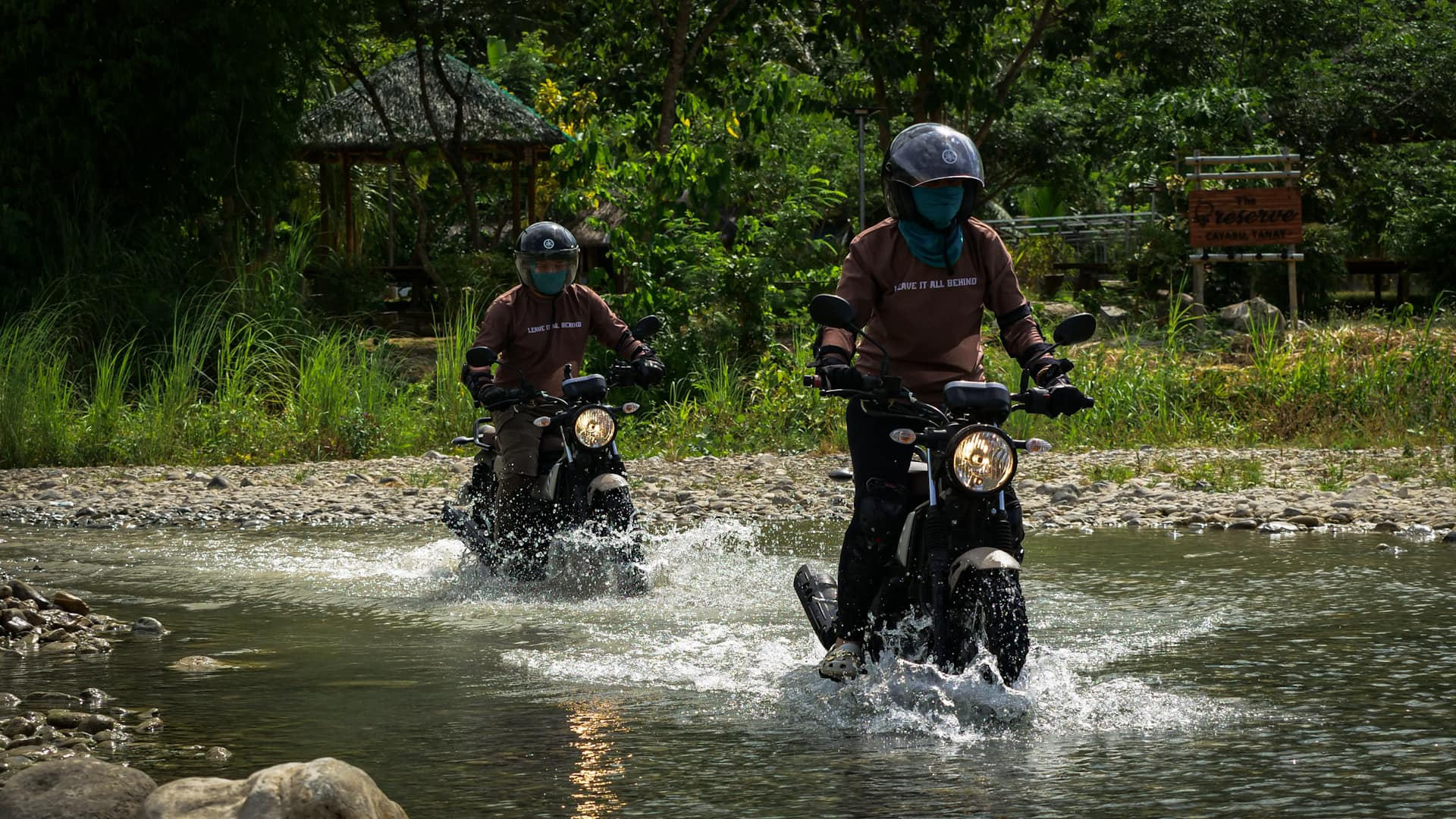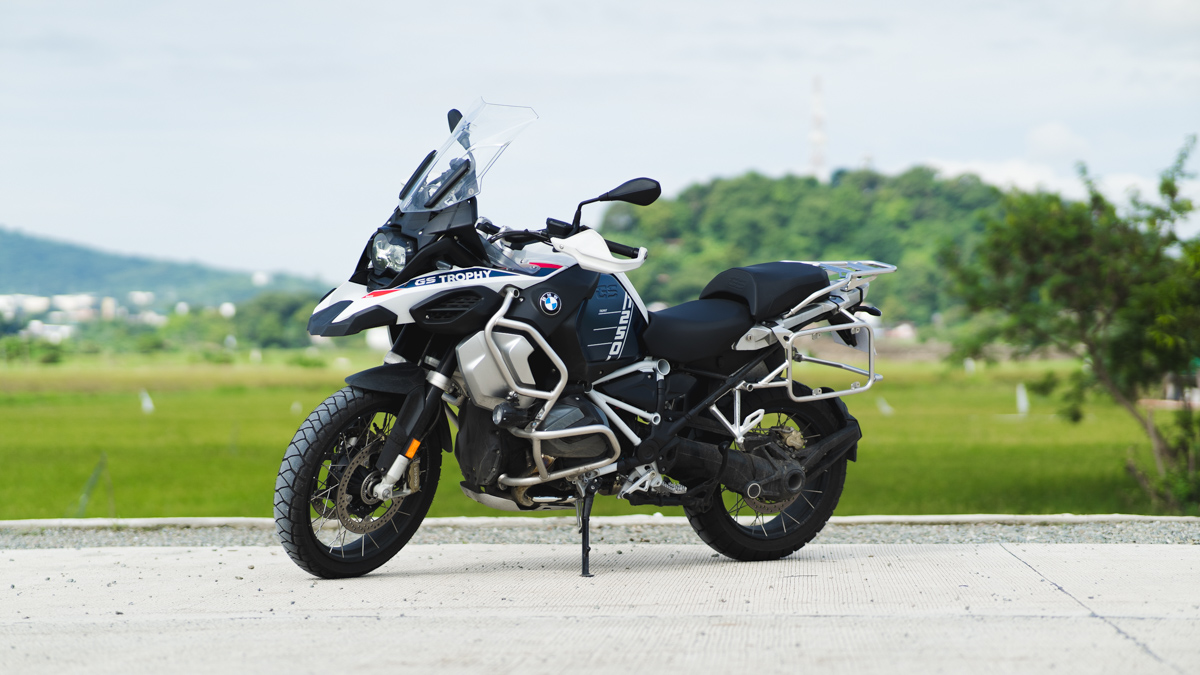
While the warm and dry season may soon be coming to an end, many parts of the country continue to face high levels of heat and humidity during the day, which can take a toll on motorcycle riders.
According to the Motorcycle Safety Institute, those who ride motorcycles during hot weather increase their risk of dehydration, which can lead to heat exhaustion or heat stroke. It’s not just a matter of thirst and comfort, but performance. Dehydration can cause dizziness, fatigue, and loss of concentration. This, in turn, can affect a rider's decision-making abilities, reaction time, and overall performance, leading to accidents on the road.
Here are some tips to deal with for motorcycle riders to beat the heat.
ALSO READ:
Riders, here’s a full guide on the motorcycle dress code in PH
Motorcycle safety tips for aspiring riders in the Philippines
1) Recognize the danger signs
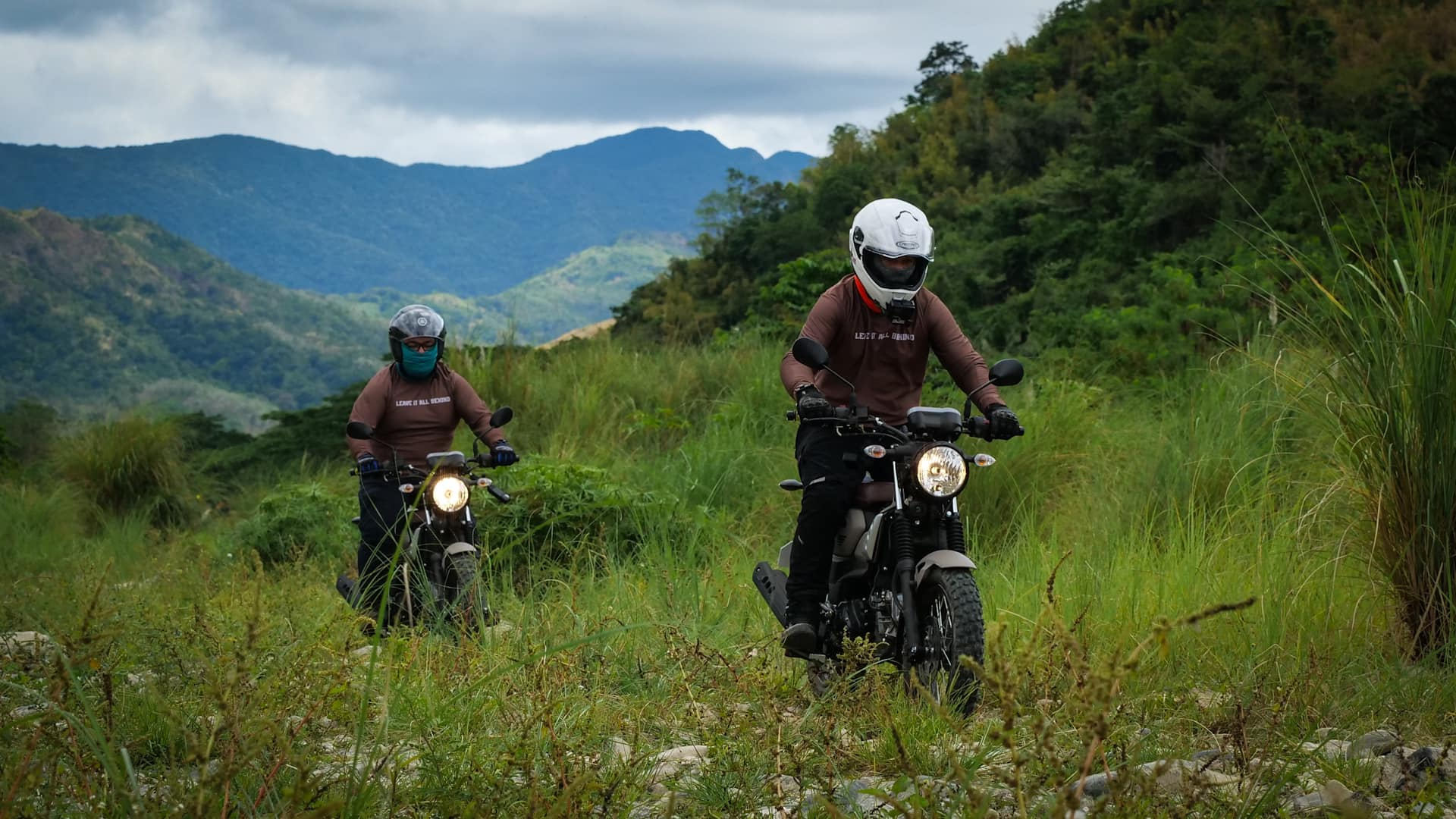
First of all, riders need to know the signs of dehydration and heat exhaustion, so they can take preventive measures. Dehydration signs to watch out for include dry mouth and lips, excessive thirst, dizziness, dark-colored urine, and peeing less.
The Department of Health (DOH) warned the public that extreme heat can lead to heat cramps and heat exhaustion, with symptoms like fatigue, dizziness, headache, vomiting, light-headedness, and muscle cramping.
If you feel any of these symptoms, it’s best to find a safe and shaded place to stop, park your motorcycle, cool down, drink water, and rest. Prolonged heat exposure increases the probability of heat stroke, a serious condition characterized by loss of consciousness, confusion, or seizures, which can be deadly if left untreated.
2) Stay hydrated
Staying hydrated before, during, and after riding a motorbike is critical for safe riding as it boosts physical stamina and mental clarity, which are essential when navigating traffic at high speeds.
Be sure to drink lots of water before heading out. While it may seem like a hassle to bring, it helps to stash a flask/tumbler of water with ice in your backpack or inside your motorcycle storage compartment. Health officials advise the public to avoid diuretics, such as coffee, tea, and alcohol as these drinks can dehydrate you faster. Aside from water, riders can also opt for electrolyte drinks like Pocari Sweat or Gatorade, especially for longer rides.
“In addition to water, replenish your electrolytes by consuming drinks like sports drinks, coconut water, or using electrolyte tablets. Electrolytes are essential for body functions and can help avoid cramps,” advises the Motorcycle Safety Institute.
3) Pick the right riding gear
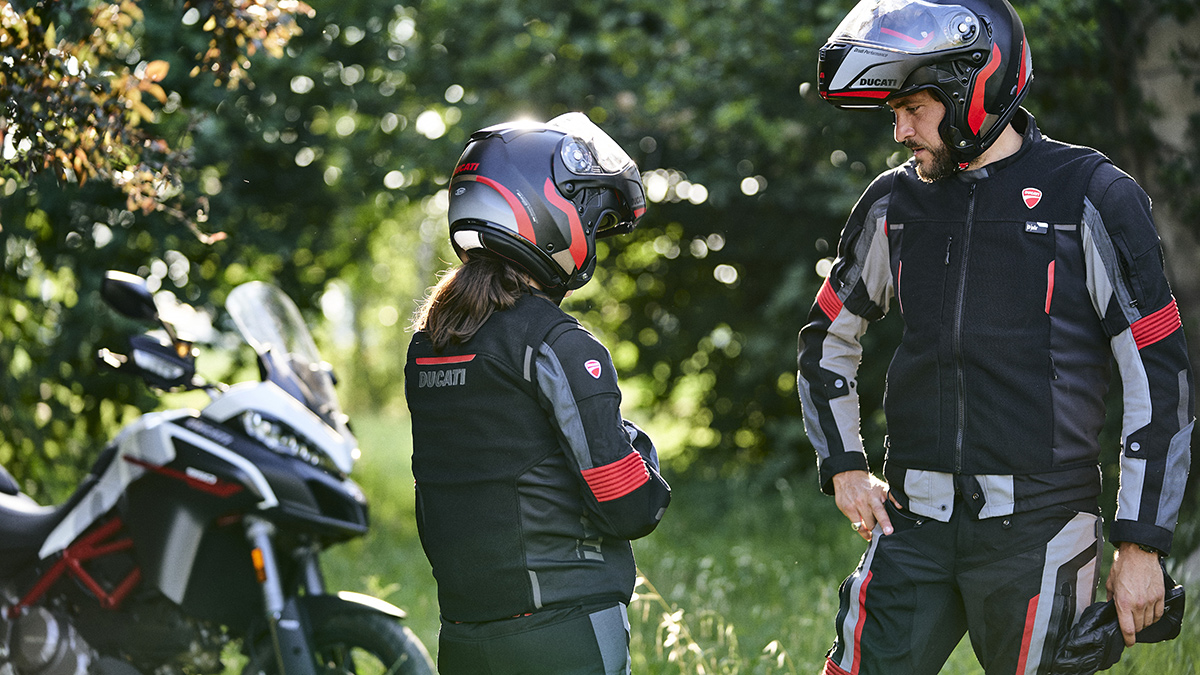
While it’s common to see motorcycle riders in other countries suiting up in heavy leather jackets and riding pants, these aren’t the best option given the country’s tropical weather, especially in urban areas and during the dry season. While safety gear is essential, riders in the Philippines can opt for breathable, moisture-wicking clothing that helps keep you cool and reduces sweating.
TJ Ibay, an XSR 900 rider who regularly rides his motorcycle for work and leisure, recommends mesh riding gear for newbies, especially for urban rides.
“I made this mistake when I started riding. Tiis pogi without realizing na marami naman mesh riding gear na fashionable din. Parang dito sa Pinas, mesh riding jackets lang talaga ang practical na option. I would also suggest avoiding cotton shirts, lalo ’pag naka-jacket. Since learning that lesson, I’ve stuck to dry-fit shirts and jerseys under my protective gear,” he told TopGear.com.ph.
Some riding gear provides ventilation while offering protection. Ibay recommends Grit riding pants, which are affordable, functional, quick-drying, and presko while still offering enough padding in case of accidents.
4) Keep your head cool

While full-face helmets are recommended for big bike riders traversing expressways, those who ride smaller displacement bikes can opt for helmets that offer more ventilation.
Vespambata Convenor and PX150 user Mon Corpuz, who has been riding for more than 30 years, recommends using a half-face helmet paired with a mesh jacket and popular locally-manufactured riding pants instead of jeans.
“Since riding a smaller-displacement motorcycle means you're limited to municipal or provincial roads, a half-face helmet is sufficient. If you're planning on investing in a half-face lid, consider a model that comes with a tinted visor to protect your eyes from UV,” Corpuz told TopGear.ph.
Speaking of helmets, did you know that the color of your helmet can aid in heat management? Motoring website AGVSport points out that wearing a black helmet on a hot day can absorb more heat, causing your head to feel much hotter, compared to a white or silver helmet, which reflects more heat from the sun.
Consider the colors if you’re buying a lid for the first time, and take note of extra helmet features like built-in vents, which can help airflow while you’re riding. If your helmet doesn’t have a visor, be sure to use sunglasses to keep the glare off the road when riding during harsh daylight.
5) Plan your routes
Taking back roads and side streets can reduce time spent in stop-and-go traffic, which can be tiresome. In the cities, streets with no traffic lights and tree-lined residential areas, though less direct, are often favorable to riders compared to the main thoroughfares.
For longer leisure rides on small displacement bikes, Corpuz recommends taking detours along diversion roads to avoid town centers, as well as stopping by roadside stalls that sell cold drinks, fresh fruits and other coolers.
“If traveling northwest to Zambales or Pangasinan via McArthur Highway, there are stalls selling ice-cold buko juice before San Fernando welcome arch. You may want to avoid city traffic and take a detour via San Simon – Arayat and exit to Concepcion. Watch out for freshly picked watermelons and local halo-halo by the roadside for a quick pitstop,” Corpuz said.
6) Start early
Many motorcycle groups schedule their take-off for breakfast rides at 4:30 or 5:30 am so that they can get back home by 9:00 or 10:00 am before it gets too hot out. If you’re planning to go on longer leisure rides, it’s also advisable to leave as early as possible in the morning and resume riding in the afternoon to escape the harshest heat.
If you’re not an early bird, you can also opt for quick sunset rides to destinations with overlooking views and night rides when the weather is cooler.
7) Take frequent breaks
While it can be tempting to just ride for hours on end to make good time, it’s important to take regular breaks to rest, cool down, hydrate and stretch your legs. This isn’t just for you, it’s to prevent your motorcycle from overheating as well.
If you’re just riding around the city, parking in the shade under trees or idling outside a mall with aircon on full blast can help cool you down quickly. You could also make a beeline for the nearest convenience store to buy a drink or sit down. Fast food joints also offer good stops for restroom breaks where you can splash your face with water.
For longer rides, shaded al fresco cafes with good views offer scenic pit stops where you can remove your helmet, jacket, and other heavy gear. Gasoline stations with decent comfort rooms are also essential for restroom breaks and water refilling.
8) Head to cooler destinations
When it’s too hot in the city, mountain getaways are your best bet for a respite from the sizzling city heat, says Ibay. Places like Tagaytay, Baguio, Tanay, and Caliraya, where climes are cooler, are always popular for leisure rides.
Corpuz also recommends exploring scenic backroads outside the metro, especially those that lead to rivers, falls and nature spots.
“For long rides to the beach, Calatagan, Batangas via Nasugbo-Ternate offers a variety of riding experiences from tunnels (tree tunnels and a real one), zigzag, long stretch of coastal roads if Baler, Aurora is too far for you. Another alternative on the eastern seaboard is Infanta, Quezon where half of the journey is traversing the Sierra Madre, offering plenty of rest stops from cafes, view decks, rivers and waterfalls to cool down,” he said.
There you have it. Hopefully these tips will motorcycle riders beat the heat. Got any tips to share? Let us know in the comments section.