
The EV revolution marches on as the Aboitiz Power Corporation (AboitizPower) recently launched its EV fleet transformation program in Quezon City. The event is part of AboitizPower's support for Republic Act 11697, or the Electric Vehicle Industry Development Act (EVIDA), that has spurred the use of electric vehicles in the country. While EVIDA has mostly benefited private cars so far, now we're seeing the use of EVs for utility purposes.
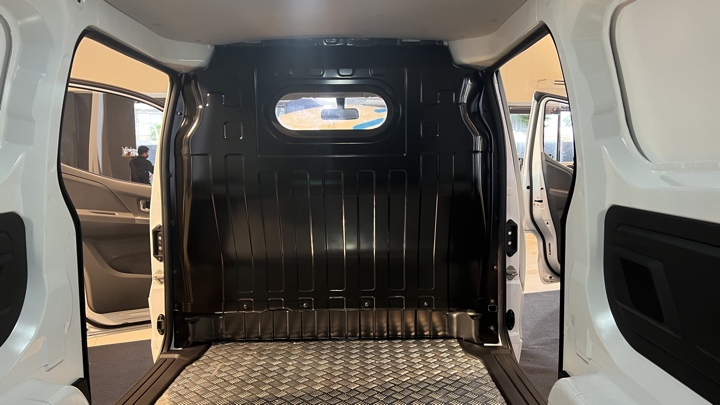
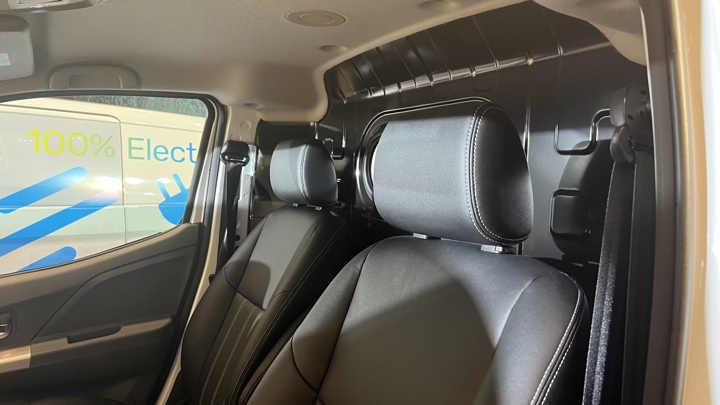
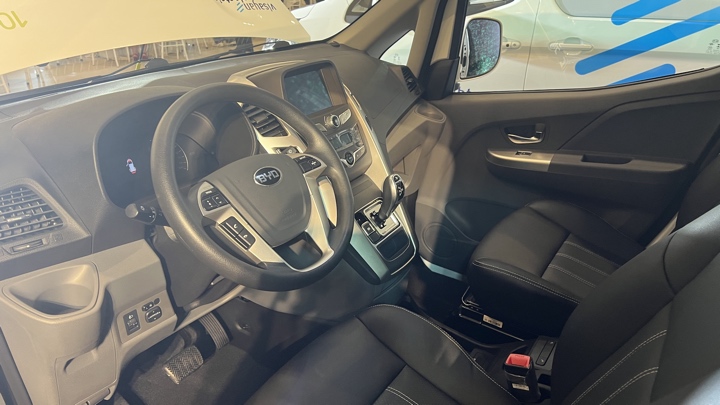
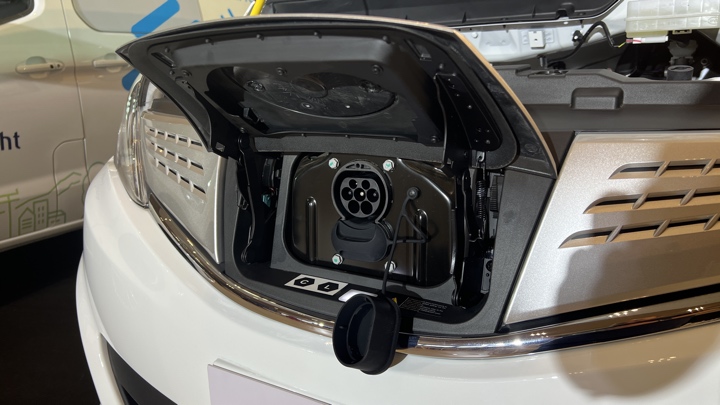
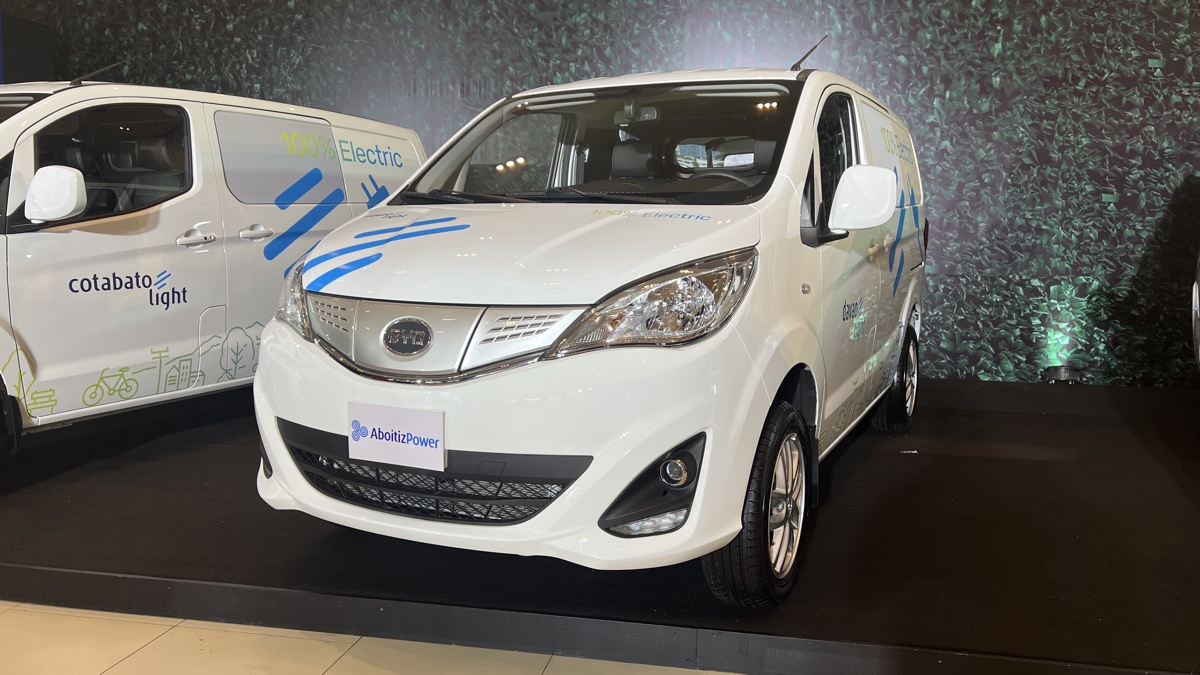
Unveiled during the event were the first fleet of fully electric vans that will be used by AboitizPower. Built by Chinese carmaker and EV pioneer BYD, the vans will be deployed in AboitizPower's distribution utilities, namely Visayan Electric, Davao Light, and Cotabato Light.
We also noticed that BYD has been on a roll ever since it was acquired by the Ayala Group. It has had three events in August alone. Further proof that the EV movement is shifting gears.
The EVIDA law mandates that industrial and commercial companies have 5% of their fleet be comprised of EVs. But AboitizPower has grander plans than that.
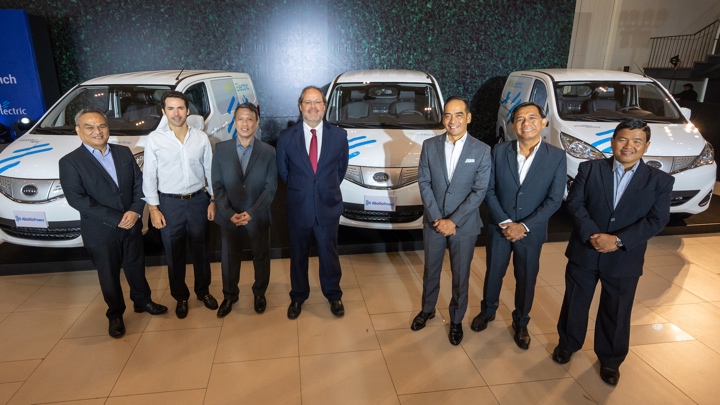
“Bound to be deployed in the franchise areas we serve in Visayas and Mindanao, with land areas more than six times the size of Metro Manila, these vehicles are geared to prove their efficiency and reliability in this new age of electric mobility,” said AboitizPower Distribution Utilities COO Anton Percides. “We aim to achieve 40% electrification for our four-wheeled vehicles and motorbikes by 2030, and finally transform and electrify 100% of the AboitizPower DU fleet by 2040.”
One of the biggest questions about operating electric vehicles in the Philippines has been our power grid and its dependence on coal power sources. AboitizPower also plans to address this by adding 3,700 megawatts of renewable energy—geothermal, wind, solar—in its portfolio in the next 10 years.
“As a leader in the energy industry, we want to incorporate innovations that will improve the efficiency and sustainability of our operations. The world is facing developments in climate change, global connectivity, population growth, urbanization, and digitalization, and these changes demand that businesses like ours transform to remain relevant,” said AboitizPower President and CEO Manny Rubio.
“The mobility sector has always had a history of being the highest energy-consuming sector in the country. In fact, the sector accounts for 31.3% of total final energy consumption with over 11 million tons of oil equivalent. Globally, it is a major contributor to air pollution and greenhouse gas emissions,” he added.
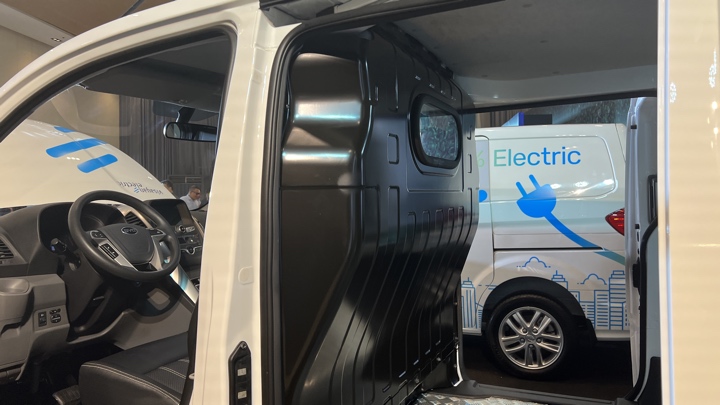
While we have seen a proliferation of electric cars in our market, vans and trucks have so far resisted electrification for the most part. This is due to one weakness of EVs—cargo hauling. A heavy load saps the batteries faster, affecting range which is a crucial aspect of businesses. But for AboitizPower's purposes, electric vans work because the job isn't as load-dependent. And businesses in other countries have already rolled out electric vans extensively.
“Electrifying our fleet will help us further reduce carbon emissions, lower operating costs, and contribute to cleaner air in the cities where we operate. This way, we are also helping empower the evolution of the cities we serve,” Percides said.