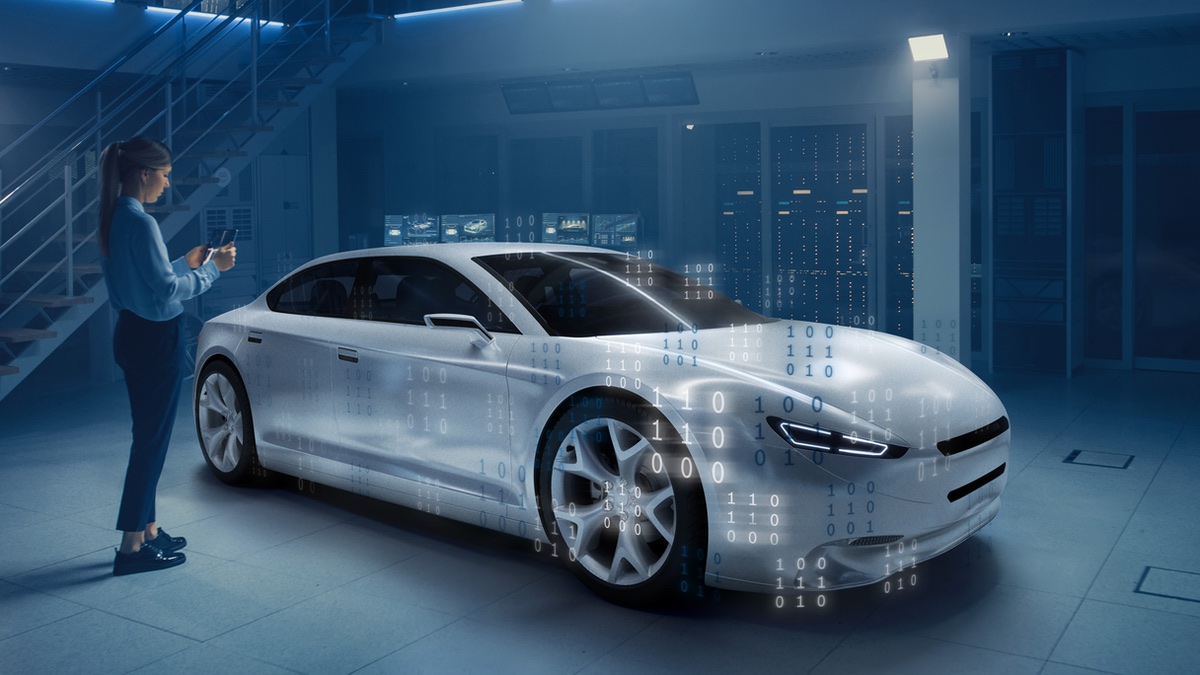
Notice the infotainment screen on your car growing lately? Actually, notice how you have so many LCD screens now? From basic screens a decade ago showing your music’s album art, our vehicle displays have grown to iPad levels.
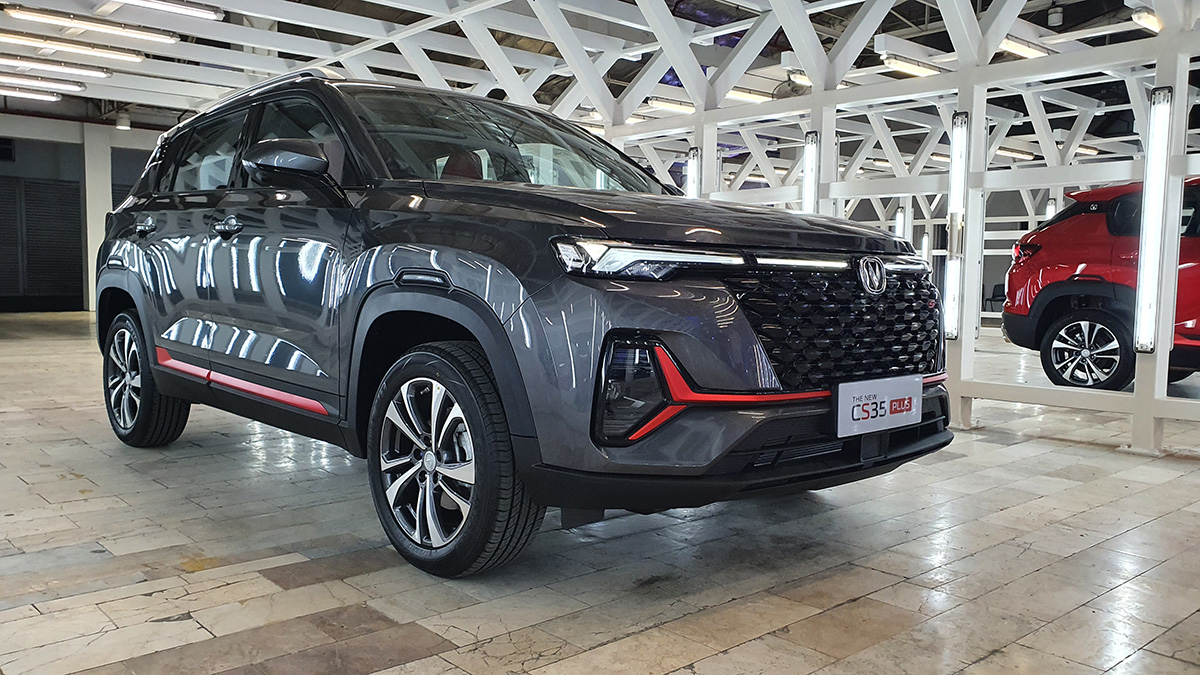
And from basic audio controls, and maybe a few vehicle functions, infotainment screens now command more features like ventilation, fuel economy, and car settings. For now, big screens and fully digital controls are still relegated to new models in the mid to upper tiers, but that number will grow. The aggressive Chinese brands seem to have an affinity for these big screens popularized by Tesla.
What’s controlling all of these displays is the next frontier in the evolution of the automobile: software. And as one screen controls more features, these features need better software to harness their power.

At the Bosch Tech Day 2024 here in Stuttgart, the German conglomerate announced its big plans for automotive software moving forward. “For quite some time now, Bosch has also been a software company,” said Dr. Stefan Hartung, chairman of the Bosch board of management. “Across the company, our extensive domain expertise allows us to put lines of code directly into products. The software in our products is technology that is ‘Invented for life,’ improving our customers’ lives.”
Bosch as a company needs no introduction. Chances are, you already have a Bosch component in your car. The common-rail turbodiesels in most, if not all, SUVs in the Philippines today are running using Bosch systems.
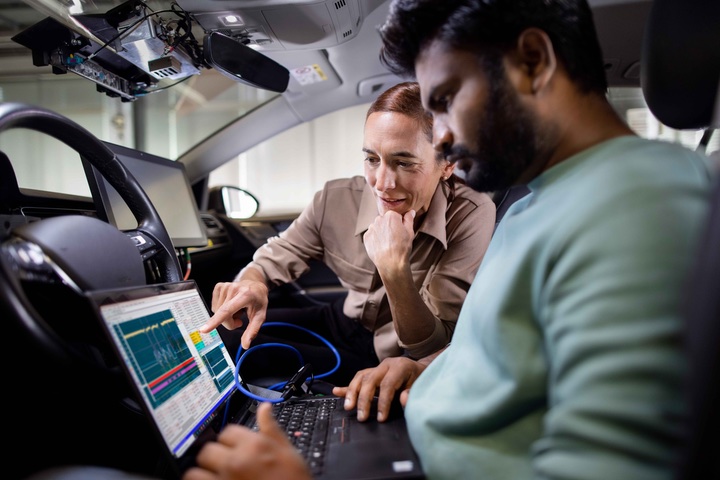
Now, Bosch wants to expand its footprint in the vehicle software space, which is a natural evolution if you think about it. It already has 48,000 associates involved in software engineering. The merging of software and hardware has long been a goal of any company that wants to provide the most seamless customer experience. Just ask the biggest company in the world: Apple.
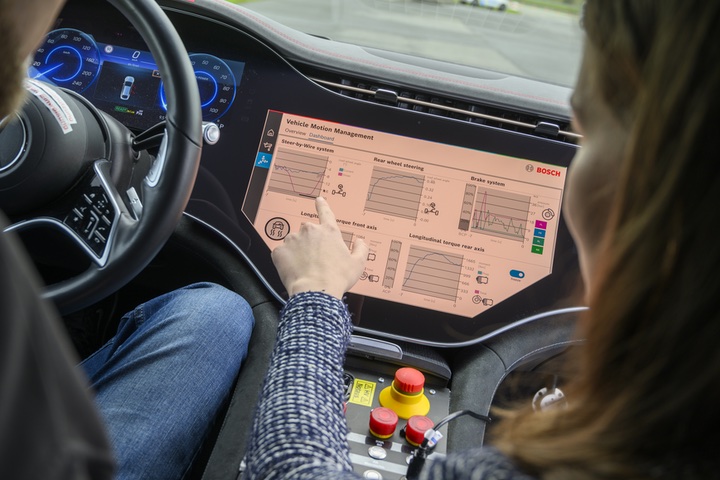
“In the future, cars will be seamlessly integrated into the digital world. As a result, they will be one thing more than anything else—updateable,” added Dr. Markus Heyn, member of the board of management of Bosch and chairman of the Mobility business sector. This feature is quite new to the Philippine and ASEAN market, but Tesla owners are already familiar with over-the-air (OTA) updates. It’s similar to how smartphones do it, actually.
Bosch uses its eBike Flow app as an example. Since the end of 2021, it has already rolled out roughly 70 new features and modifications via eBike Flow—from an alarm and tracking feature to new riding modes. Maybe Bosch can install anti-kamote features in its software for Philippine e-trikes. That would really be a big help.
This software-driven evolution apparently has a name: software-defined vehicle. The global market for automotive software and electronics will reach $462 billion by 2030, according to a McKinsey study. From 2023 it is estimated that the software in vehicles will triple.
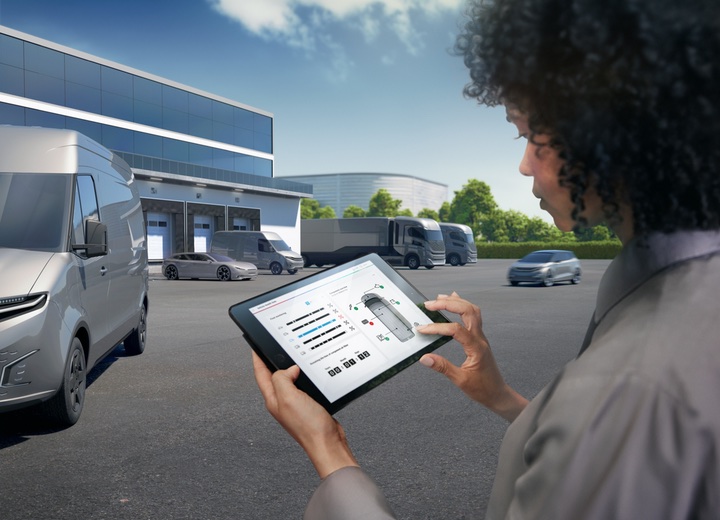
Another example Bosch is already doing in this space is Vehicle Health, a fleet management cloud solution that combines diagnostic hardware with in-house software to predict, well, vehicle health. This system is so accurate it can anticipate mechanical problems before they occur.
For the future, Bosch has developed a system called ‘eBrake to Zero’ that will allow a car to autonomously brake to a stop with zero lurch. Yes, zero. We tried it and it’s the damnedest thing (more on this in future articles).
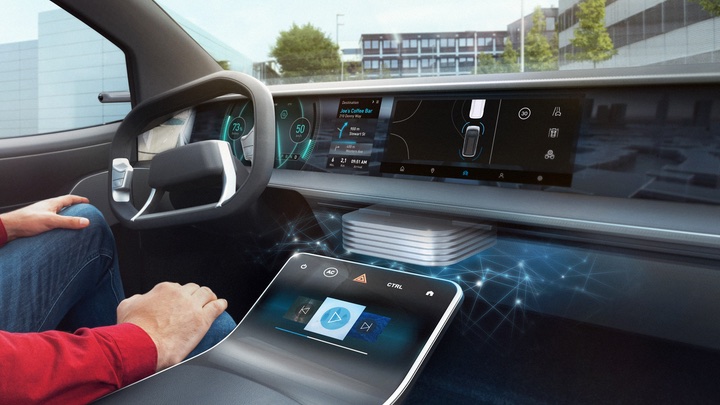
These growing software needs demand more computing power, and that means more computer chips. The pandemic showed how fragile the industry’s computer chip ecosystem is, as car factories ground to a halt when the supply of chips dried up. Bosch will address these two matters with one solution: a centralized and cross-domain vehicle architecture that uses more powerful chips but less in number. From about a hundred chips in cars today, Bosch’s system will cut that down to less than one dozen.
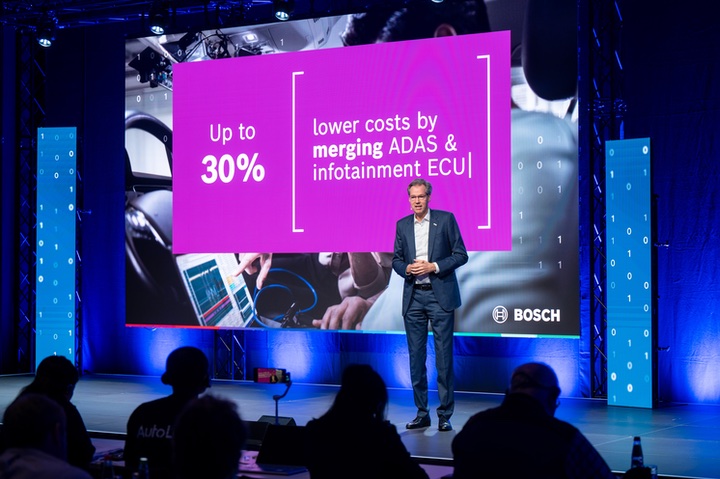
Already, Bosch and Qualcomm presented a new vehicle computer this year that combines infotainment and driver assistance functions—features that used to require completely separate hardware. For automakers, systems like this reduce not only installation space, cables and weight, but more important, lower costs. (We just hope the lower costs are passed on to us motorists.) In these control units, merging infotainment and driver assistance can save as much as 30% in cost. It’s in these vehicle computers that Bosch has earned the aforementioned 4 billion euros in three years.
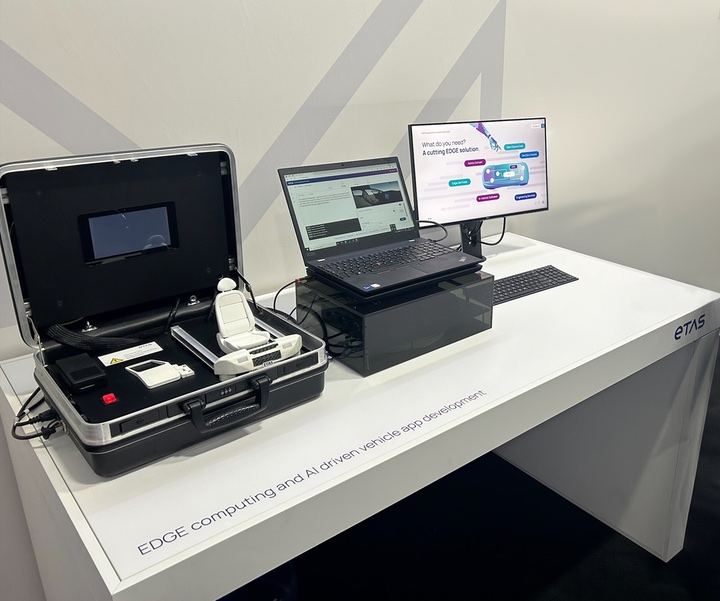
It is still inevitable that software and systems in a car will be made by different companies, as much as Bosch wants to supply it all. To fill the gaps in communication between car systems, Bosch subsidiary ETAS can provide the middleware—translation software between car components and application software, regardless of which supplier built the components.
It’s hard to say how and when all this tech will benefit us directly. Like I said earlier, we’re probably already using Bosch components in our daily cars. Bosch can’t confirm which manufacturer is currently utilizing its tech, nor where its tech will go, because of confidentiality agreements. But it’s still good to know advancements are being made. We need all the hope we can get for the future.