China is smashing it out of the metaphorical park when it comes to electric vehicle adoption. According to figures published by London-based research house Rho Motion, China sold over one million EVs in August 2024 alone.
Globally, the number of plug-in hybrid and battery-electric cars being sold is up by 20% year-to-date, with 9.8 million sales in total. China accounts for six of those millions, with growth up by 33% in the same timeframe in 2023.
OTHER STORIES YOU MIGHT HAVE MISSED:
VinFast VF3 to be launched in PH on September 17
Nissan shoots down idea of Patrol and Pajero using the same platform
Comparatively, the US and Canada recorded 9% growth, while Europe and the UK’s numbers (as an economic region) dipped by 4% in the same period. It’s the first time the area has recorded negative sales. Oh, dear.
Despite Portugal, Belgium, the UK, and France all having higher EV sales than last year, Germany has really struggled to shift away from pure fuel—so much so that the 23% fall in that market has skewed the figures for the whole area, and it has prompted the German government to introduce tax breaks for companies.
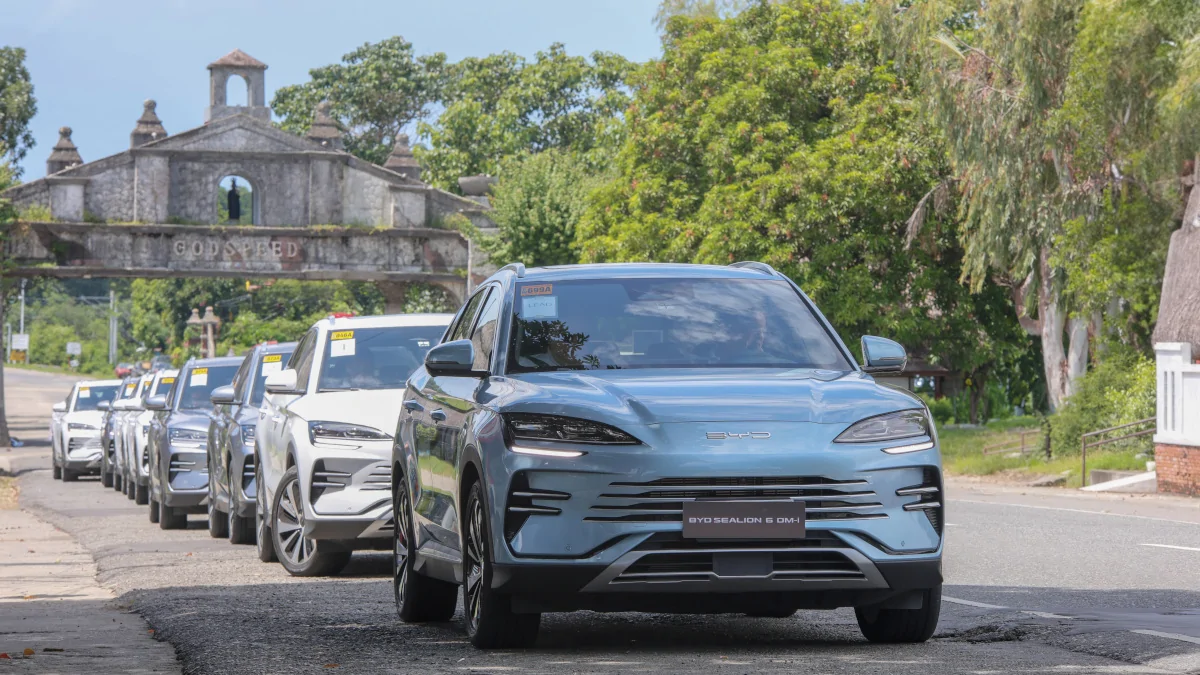
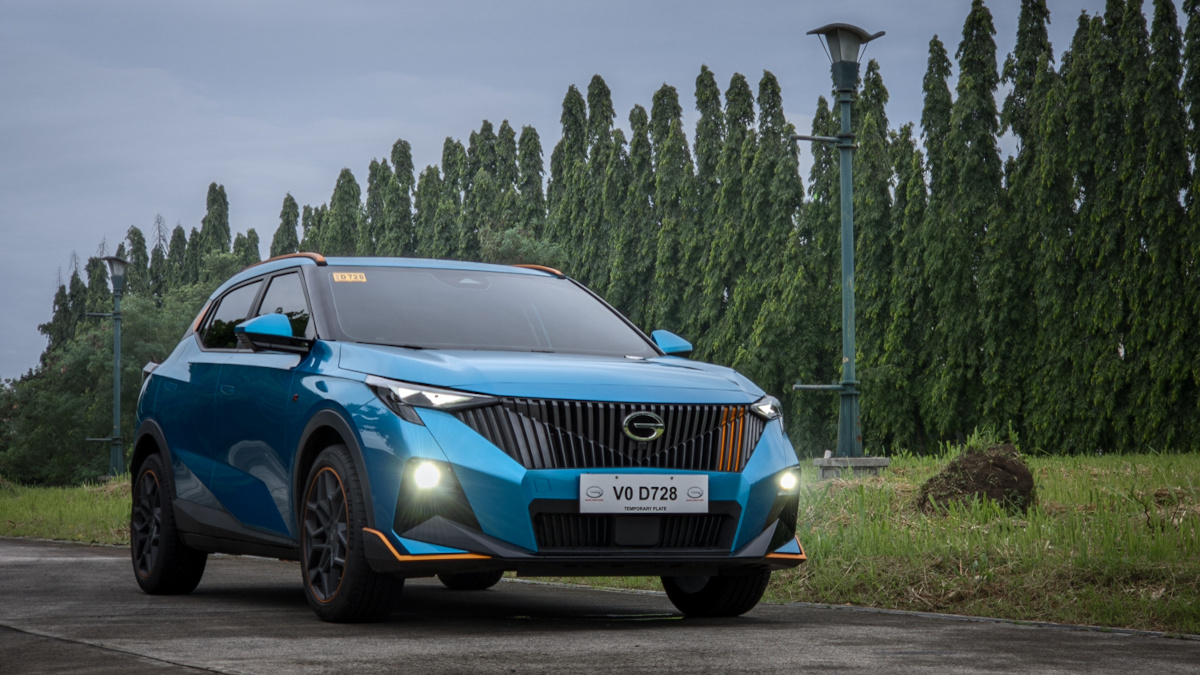
Despite facing potentially higher import tariffs, brands such as BYD, Jaecoo, and Hongqi don’t seem phased by the continent’s lack of battery-electric enthusiasm, bringing models and big ambitions to Europe as we speak. This after penetrating ASEAN markets like the Philippines over the past year, as we saw from the sheer number of Chinese manufacturers at the Manila International Auto Show in April.
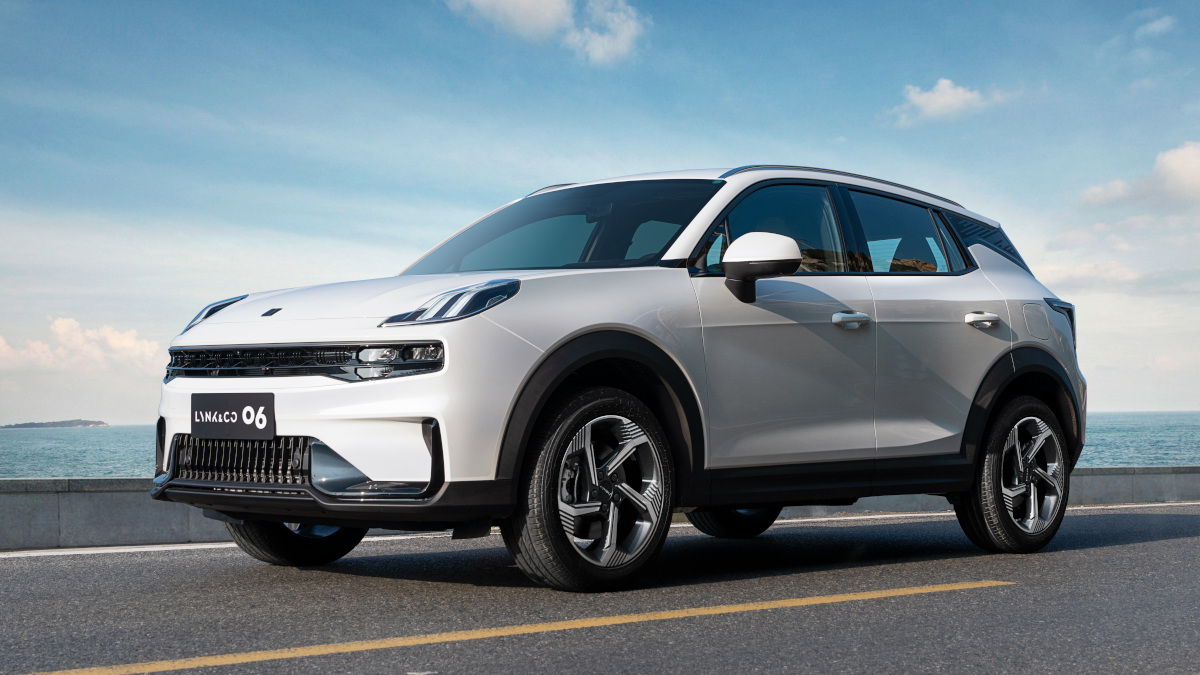
It’s not all electric avenue, though. Earlier in the month, Volvo publicized plans to prioritize hybrids over fully-electric cars in the coming years. Chinese brand Omoda has brought gasoline powertrains, acknowledging that they’ll still be relevant during this historic automotive transition.
NOTE: This article first appeared on TopGear.com. Minor edits have been made.