President Ferdinand Marcos Jr. is in talks with Congress to be granted the authority to reduce excise taxes on petroleum products should Dubai crude exceed $80 per barrel amid the Middle East crisis.
These “emergency” powers, however, won’t come into play the minute prices of Dubai crude hit the said threshold.
“Even if it exceeds $80 per barrel, [it] doesn’t mean we react right away,” said Secretary Frederick Go of the Department of Finance. “It also has to exist for a certain period of time. Kasi kung tumaas ang presyo ng $80, isang araw lang, [at] bumaba naman next day ulit ng $77, ba’t tayo mag-re-react?”
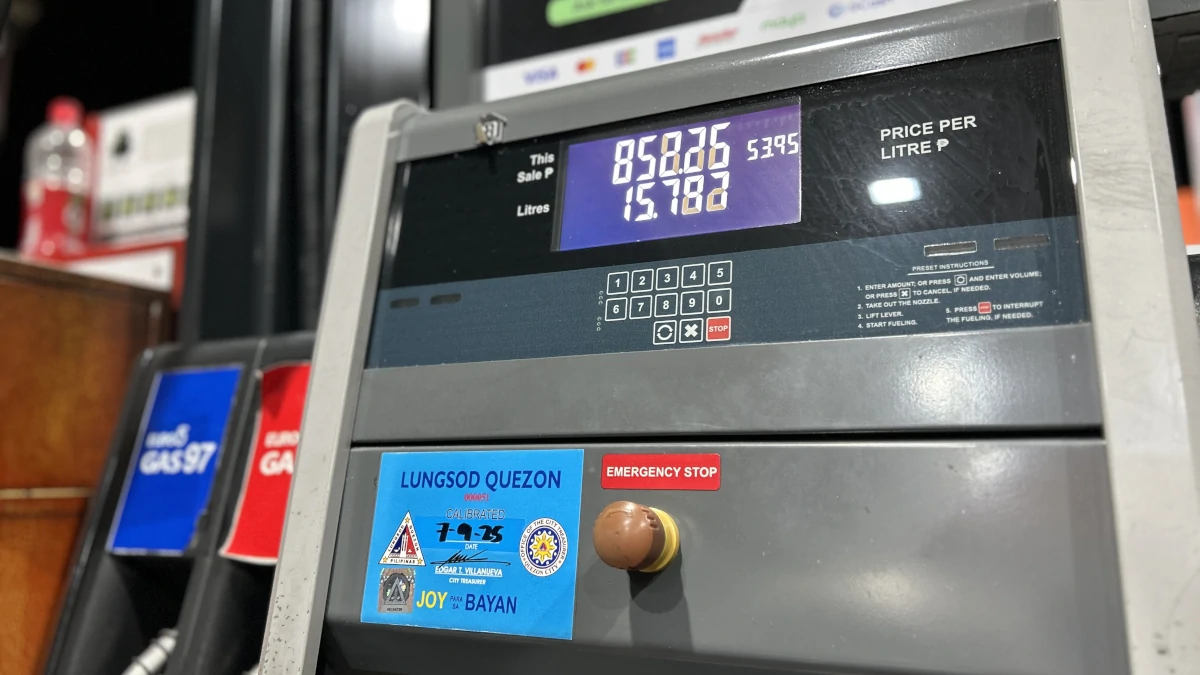
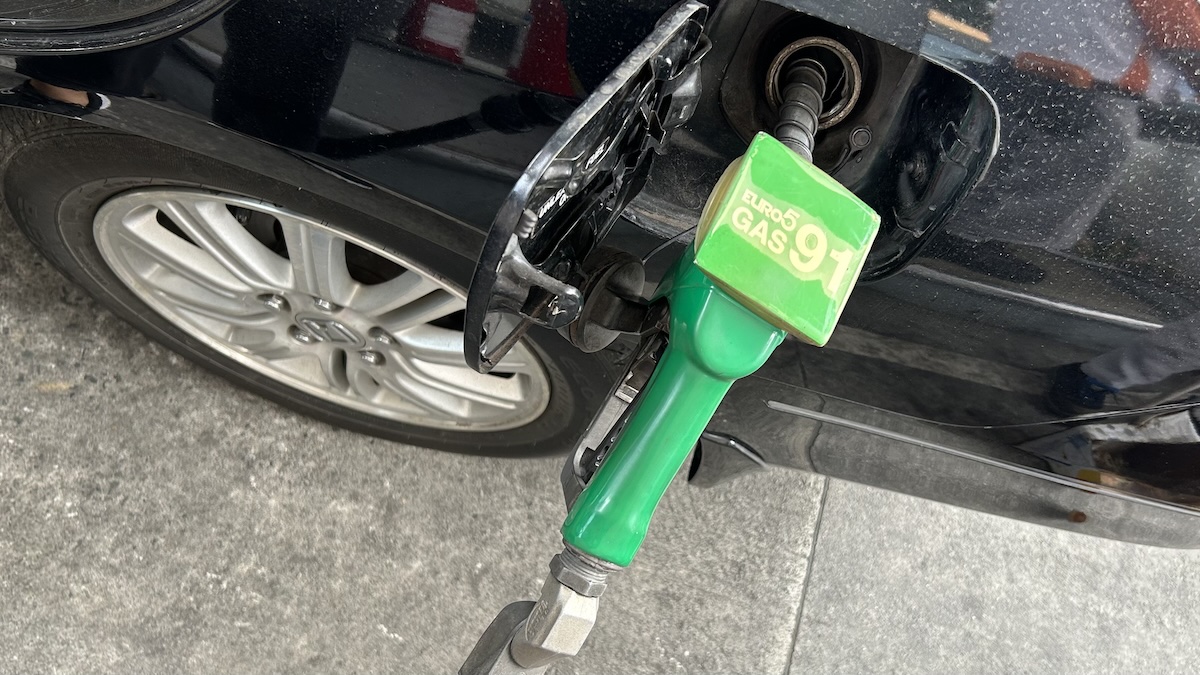
At present, trading prices range from $77 to $78. This week alone, local gasoline prices shot up by P1.90 per liter, while diesel had a price hike of P1.20 per liter.
Marcos stressed that the emergency measure will not be permanent, and “will be something that we will dispose of as soon as the crisis is over.”
OTHER STORIES YOU MIGHT HAVE MISSED:
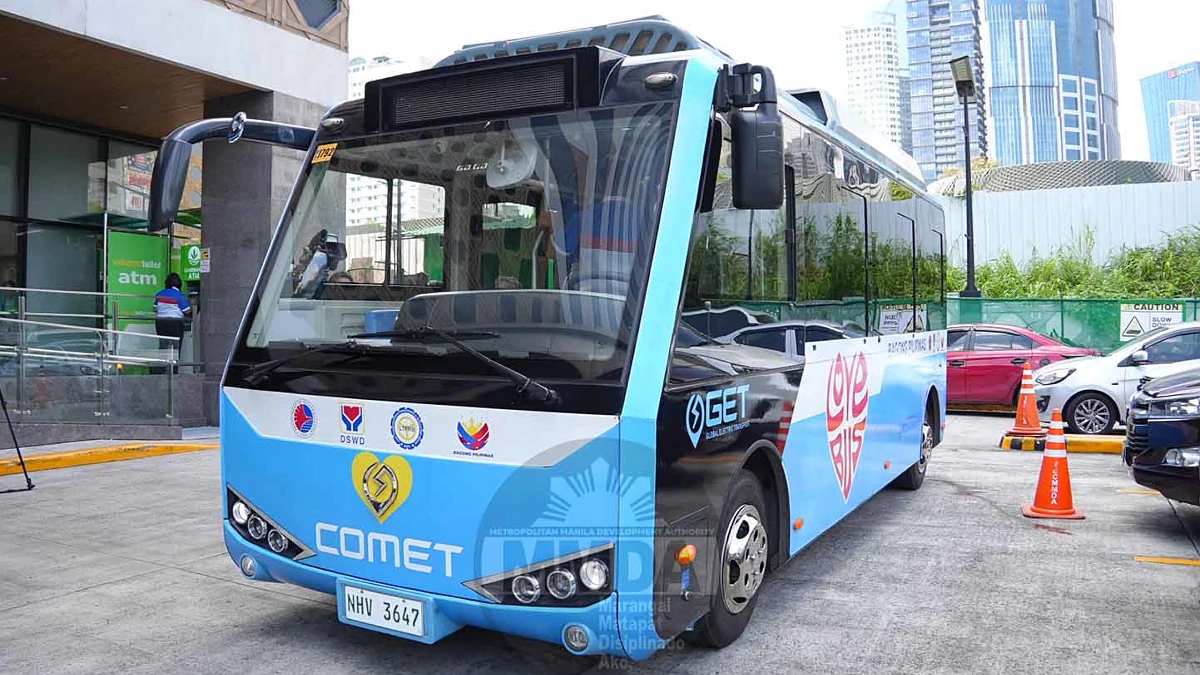
New Electric Love Bus route to operate between Robinsons Galleria and Eastwood City
PH fuel price update: Gasoline to go up by P1.90/L, diesel by P1.20/L on March 3
He also reported the country’s current stockpiles of petroleum products, saying “we have a sufficient supply”: 29 days for LPG, 50.5 days for diesel, 51.5 days each for gasoline and fuel oil, 58 days for jet fuel, and 67.5 days for kerosene.
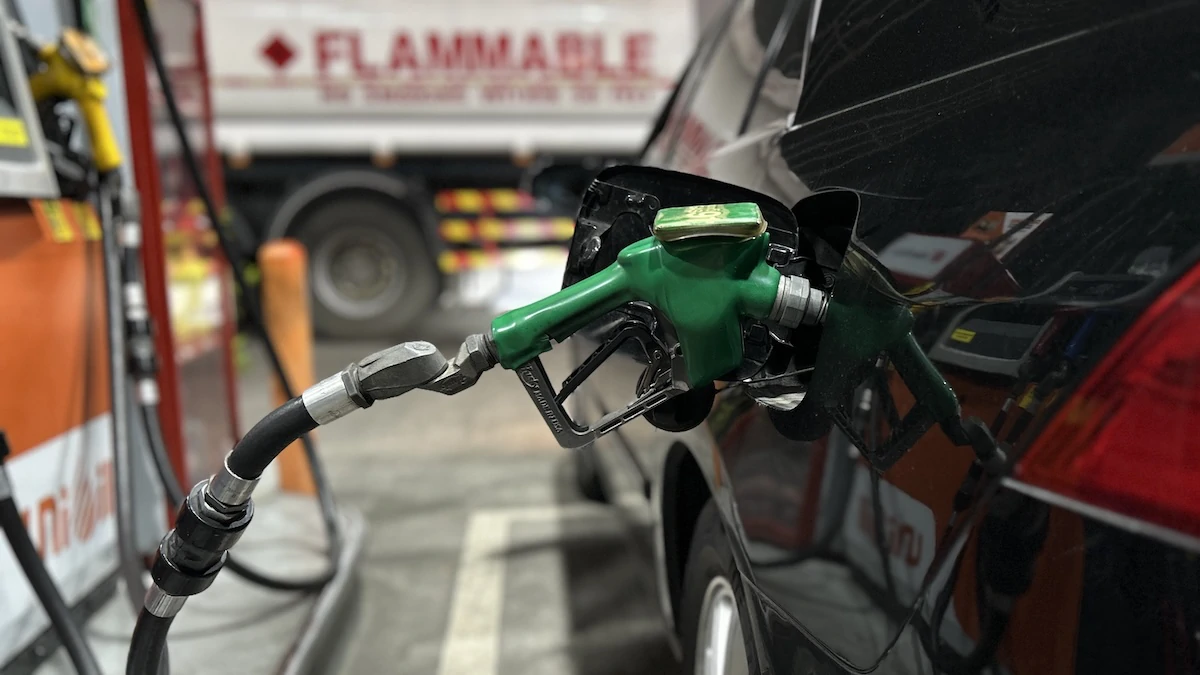
Inevitable fuel price hikes, meanwhile, will be implemented in a staggered manner, the President added, with the Department of Energy (DOE) already coordinating with oil companies to mitigate the effect on consumers.
In case the war in the Middle East persists and Dubai crude prices shoot up to a range of $80 to $90 for two months, the government has also made contingency plans to aid the most affected sectors. For instance, the transport, agricultural, and fisheries sectors may be given fuel subsidies sourced from Pantawid Pasada and other existing programs, to limit the domino effect of rising fuel costs on the prices of basic goods and services.
To aid the commuting public, the government may also offer libreng sakay on major routes and look into measures to stabilize public transport fares.