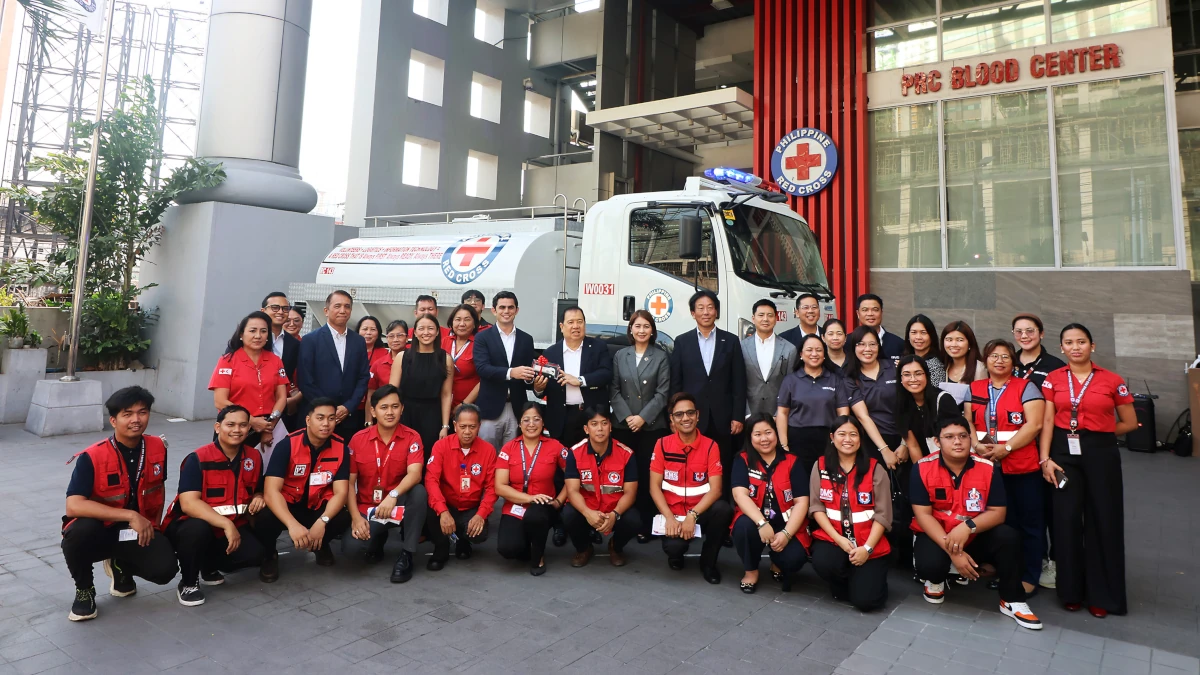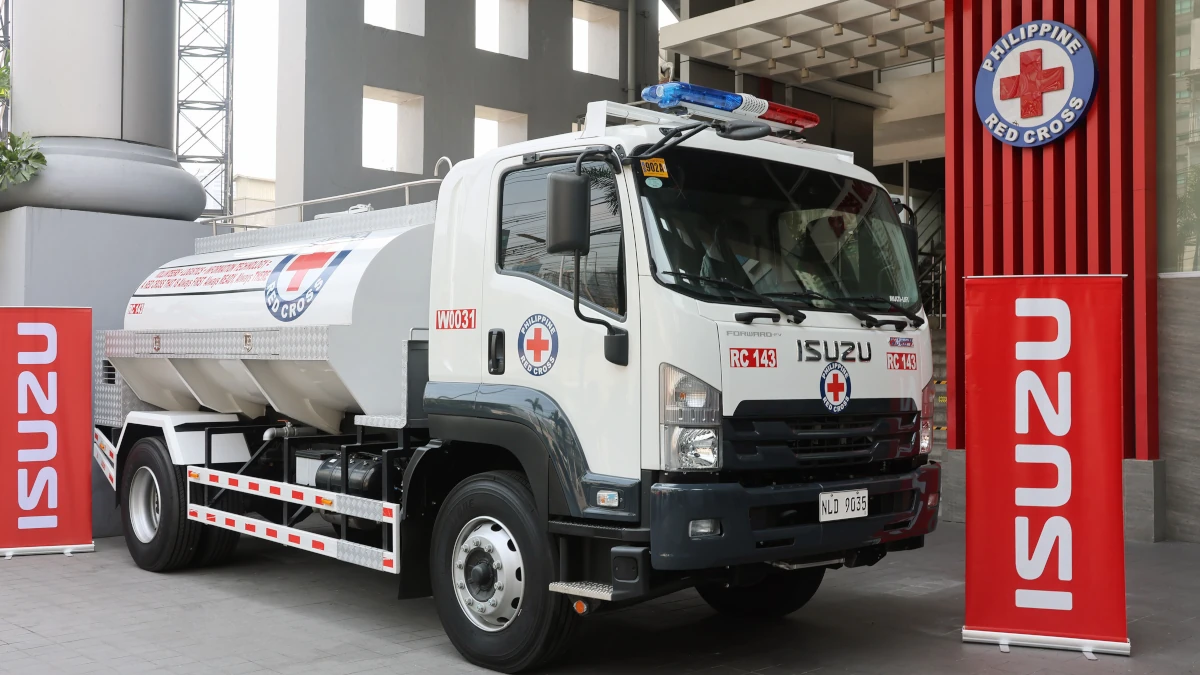

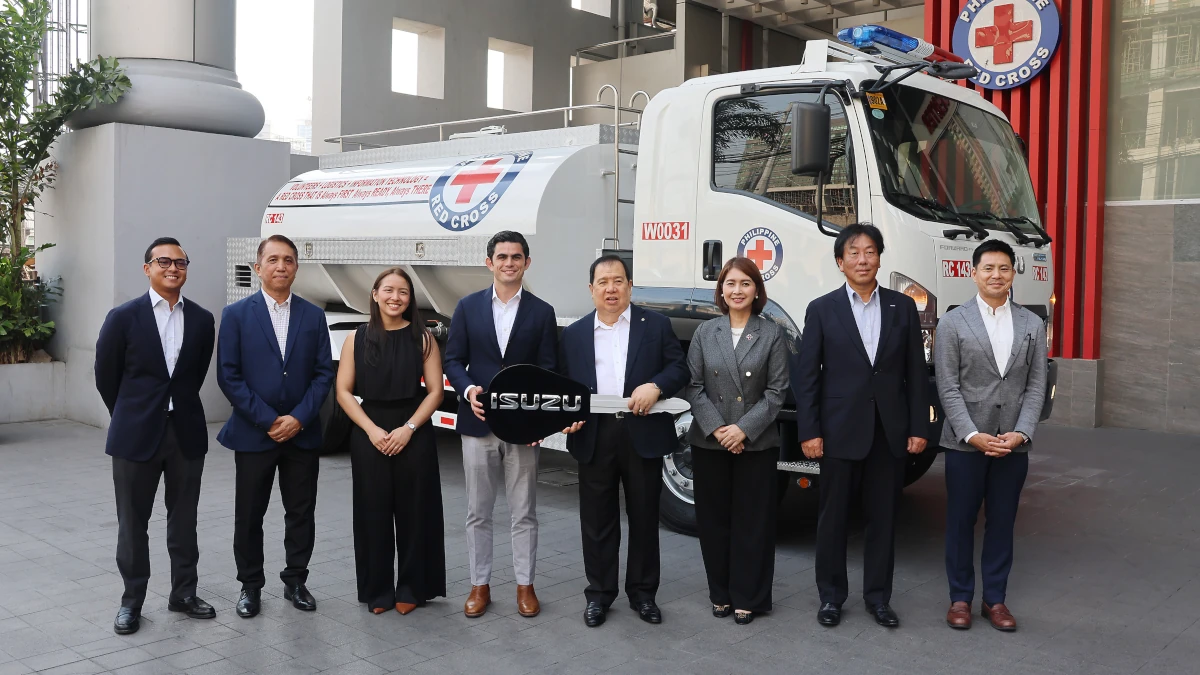
The Philippine Red Cross (PRC) recently received an Isuzu six-wheeler water tanker from longtime Isuzu dealer group ACMobility and Isuzu dealer principal Iconic Dealership. The turnover was supported by Isuzu Philippines Corporation.
The water tanker is based on an Isuzu FVR34Q medium-duty truck and can carry 8,000 liters of water. It will directly support PRC disaster management operations, especially in areas vulnerable to potable water interruptions such as Cebu.
The Isuzu F-Series lineup, which includes the donated FVR34Q-based water tanker, is the Japanese automaker’s family of medium-duty trucks. The reinforced chassis frame and high axle capacity enables it to take on loads such as the aforementioned 8,000-liter water tank.
OTHER STORIES YOU MIGHT HAVE MISSED:
Isuzu PH opens its newly improved Sta. Rosa dealership
Toyota, Isuzu are teaming up to create a hydrogen-powered light-duty truck
The F-Series is powered by a 6HK1-TCN inline-six Euro-IV compliant diesel engine, which makes 237hp and 706Nm of torque. Isuzu describes this engine as having the endurance to handle long operating hours on the field, as well as the efficiency to minimize fuel consumption.
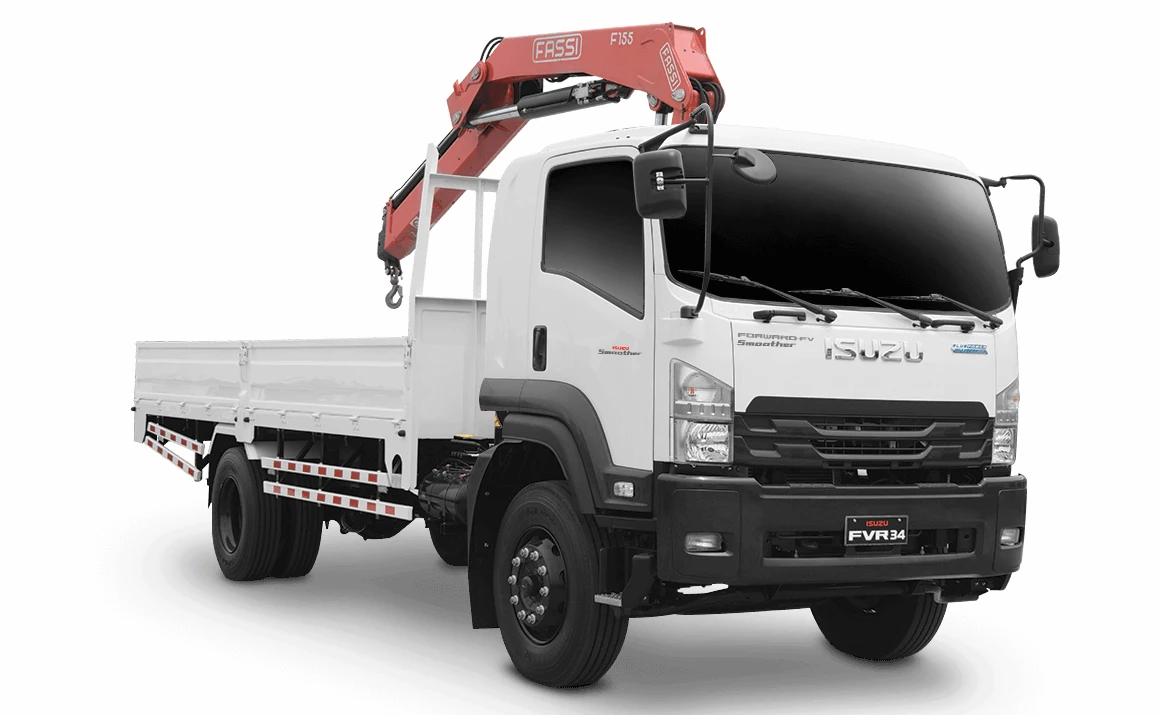
Ergonomics in the cabin have also been given consideration. Isuzu describes the cabin as spacious and comfortable, helpful for crew operating the truck for hours at a time. An accessible cab height also helps with quick ingress and egress, critical to emergency operations.
ACMobility CEO Jaime Alfonso Zobel de Ayala commented on the water tanker: “These Isuzu trucks are more than the commercial vehicles they started out as—they are mobile lifelines, purpose-built to bring relief and hope. In times of crisis, the durability, reliability, and power that Isuzu builds into every one of its vehicles gives the Philippine Red Cross the strength to push through.”
PRC chairman Richard Gordon also expressed his gratitude in a statement: “Partnerships like this allow us to respond faster and serve more people, especially in areas where water scarcity becomes a serious health risk after disasters.”