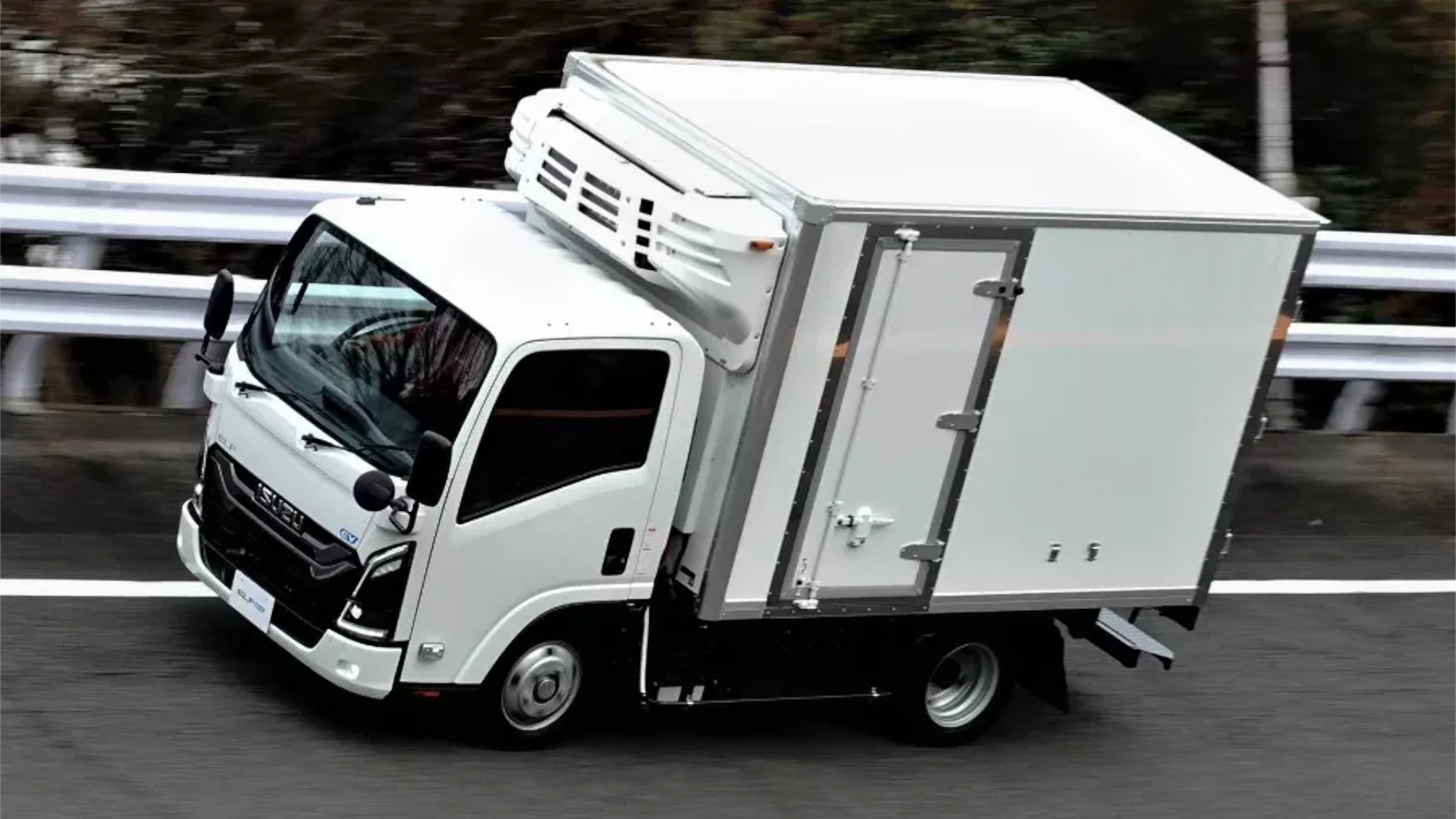


Toyota and Isuzu are teaming up with their eyes set on electrifying commercial vehicles. But not just any electrification, as the two Japanese automotive manufacturers are collaborating to develop a light-duty fuel-cell electric truck—the first to be mass-produced in Japan.
Fuel-cell electric vehicles (FCEVs) use hydrogen as a high-energy-density fuel. Compared to BEVs, which typically have longer charging times, FCEVs can be refueled in five minutes, similar to an ICEV. This makes FCEVs a suitable choice for commercial vehicles, which often operate for sustained hours, travel long distances, and make multiple deliveries per day.
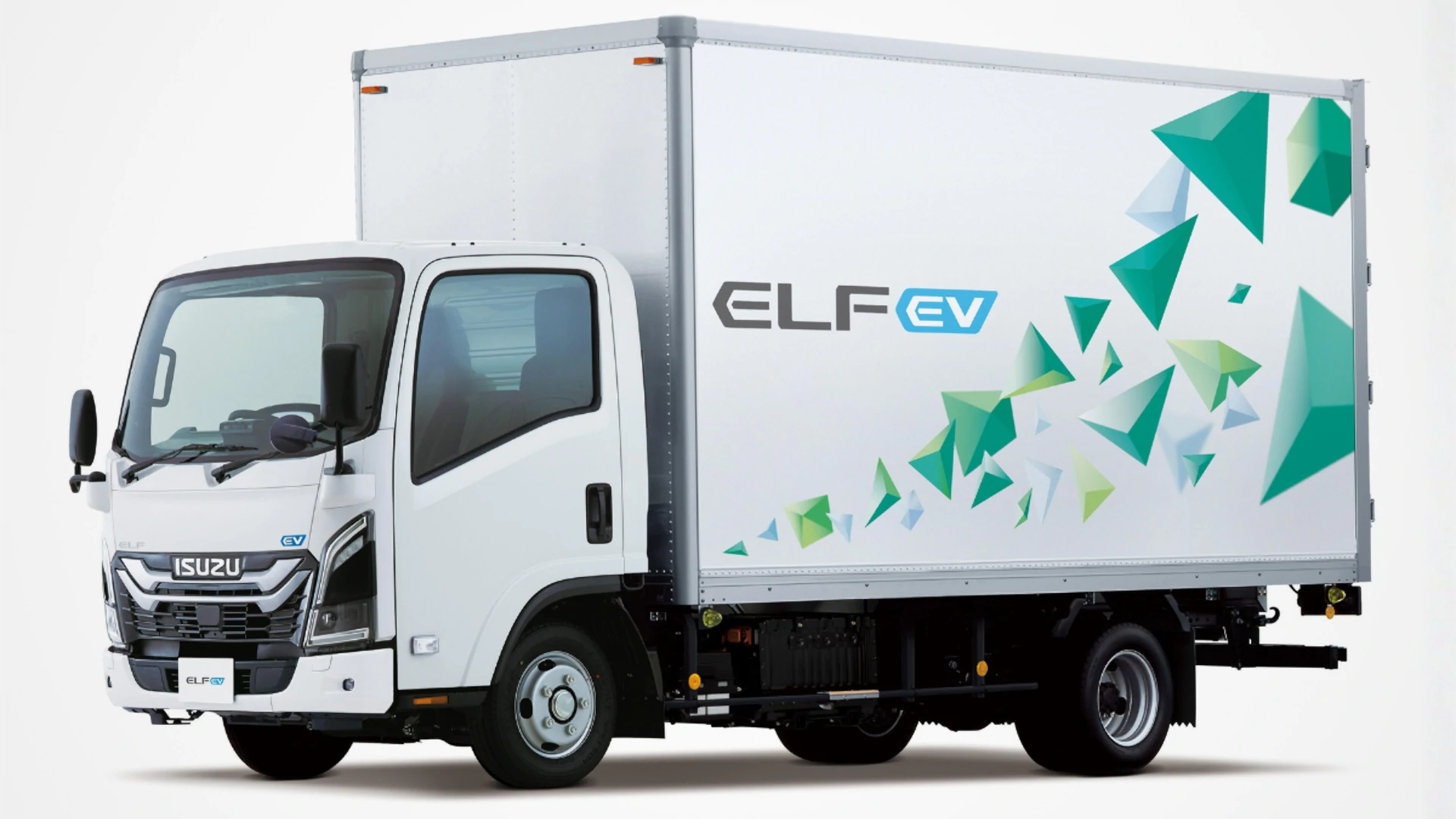
The new light-duty truck will be based on the Isuzu Elf EV and will be designed using I-MACS, Isuzu’s product development platform focused on sustainability. It will adopt Toyota’s next-generation fuel-cell stack, which Toyota has been refining in cars like the Mirai.
OTHER STORIES YOU MIGHT HAVE MISSED:
The Ativ HEV can be yours for as low as P10,741/month through Toyota’s April promo
Would you dress up your project car with these custom handcrafted emblems?
As one of the key challenges to the widespread adoption of FCEVs is their high price point, both manufacturers are working to reduce costs: Isuzu, by optimizing the vehicle’s body structure and reviewing its manufacturing processes, and Toyota, by refining fuel-cell design and its production processes.
The Japanese government wants to build a hydrogen society through its Basic Hydrogen Strategy, which aims to achieve carbon neutrality by 2050 with a hydrogen-based economy. Both Toyota and Isuzu are working with local governments to support the wider adoption of hydrogen mobility. This collaboration on hydrogen-powered commercial vehicles is one step toward that shared goal.