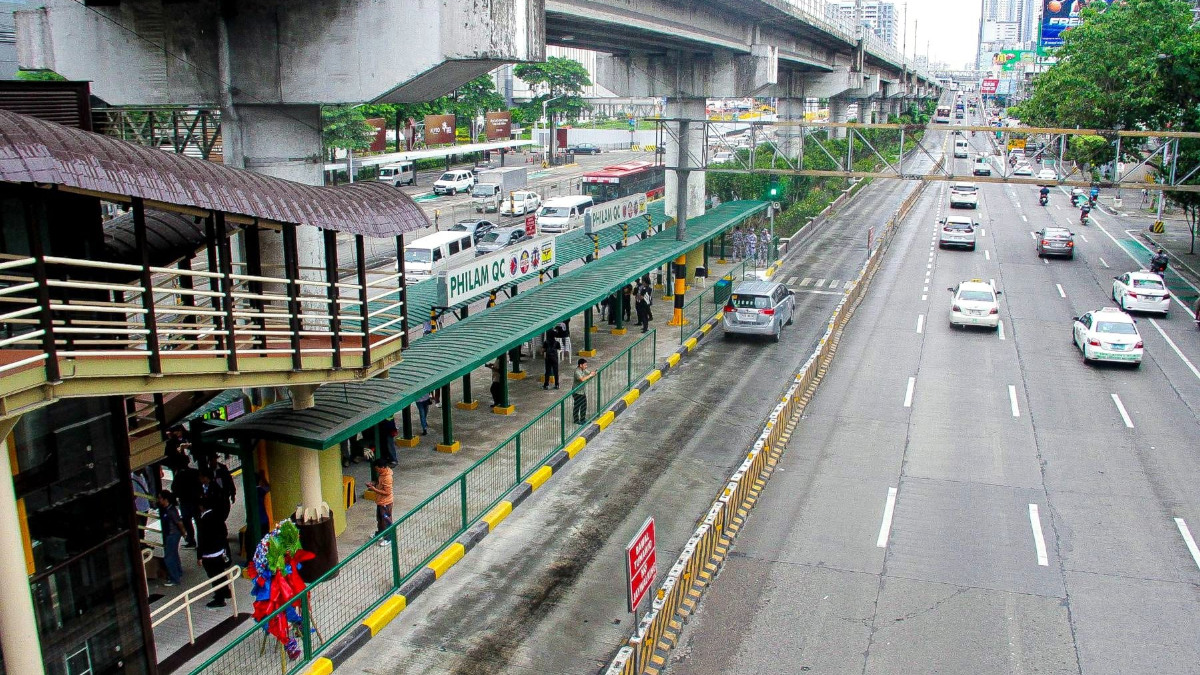
The Department of the Interior and Local Government (DILG) has proposed several changes to help decongest EDSA and encourage motorists to switch to public transport. These ideas were presented by Secretary Jonvic Remulla during a meeting with President Ferdinand Marcos Jr. to discuss the ‘Comprehensive Traffic Management Plan’ for Metro Manila.
Social media users and government agencies soon rebuked the DILG’s proposals, stating their impracticality and unfriendliness to commuters and motorists alike. Perhaps the most controversial suggestion to come out of the meeting was the possibility of removing the EDSA Busway.
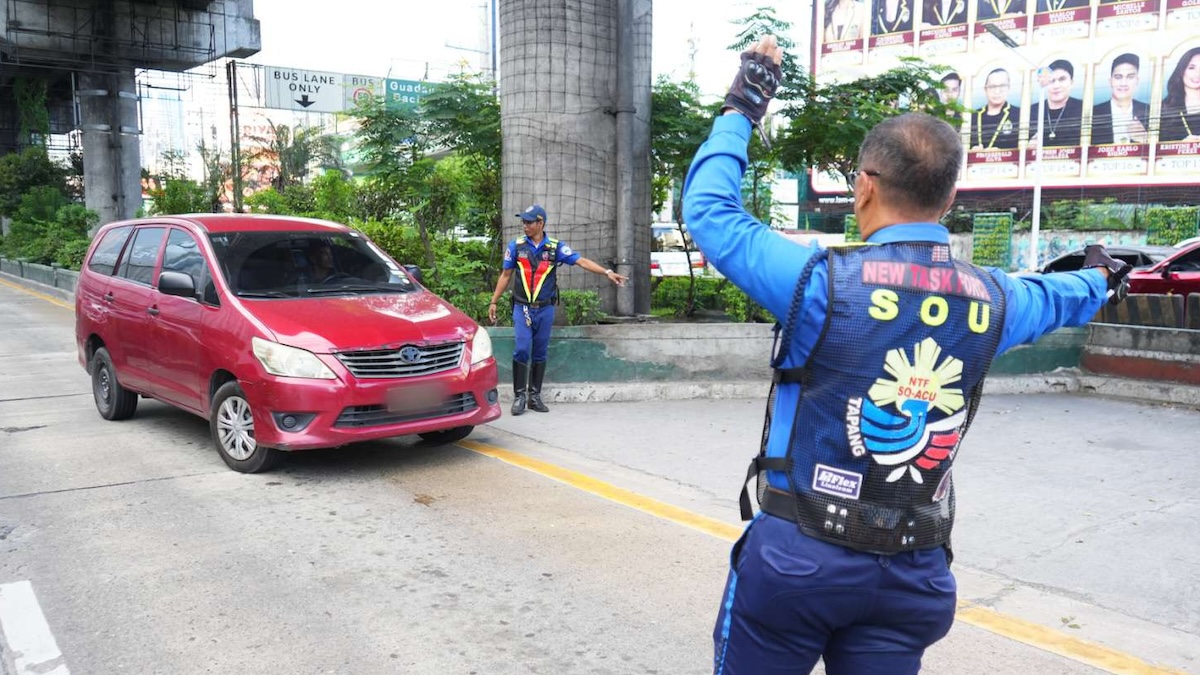
The DILG stated that after the MRT-3’s improvements are completed to increase its capacity from 300,000 passengers daily to a planned 800,000, then the EDSA Busway would not be needed anymore. Data from January 2025 showed that the EDSA Busway ferried around 177,000 passengers daily, so the potential 800,000 capacity of the MRT-3 would be more than enough to transport all public-transport users traversing EDSA.
OTHER STORIES YOU MIGHT HAVE MISSED:
It’s TCITX now—not TITE, TITex, or TITX—and it’ll open in 2028
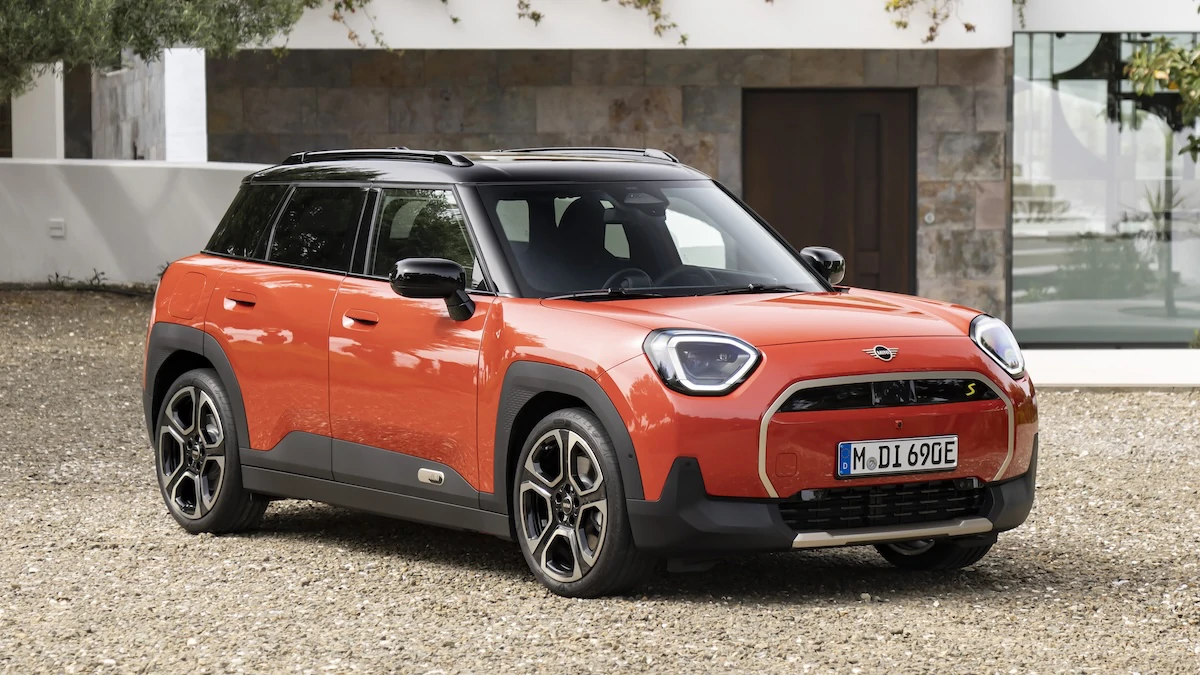
The all-electric Mini Aceman crossover is now in PH, priced at P3.55-M
Metropolitan Manila Development Authority (MMDA) chairperson Atty. Romando Artes echoed the DILG’s sentiments, suggesting that the busway could be used for other purposes once the MRT-3 improvements are completed. Specifically, he said that the busway could be used as a special carpool or multi-passenger lane.
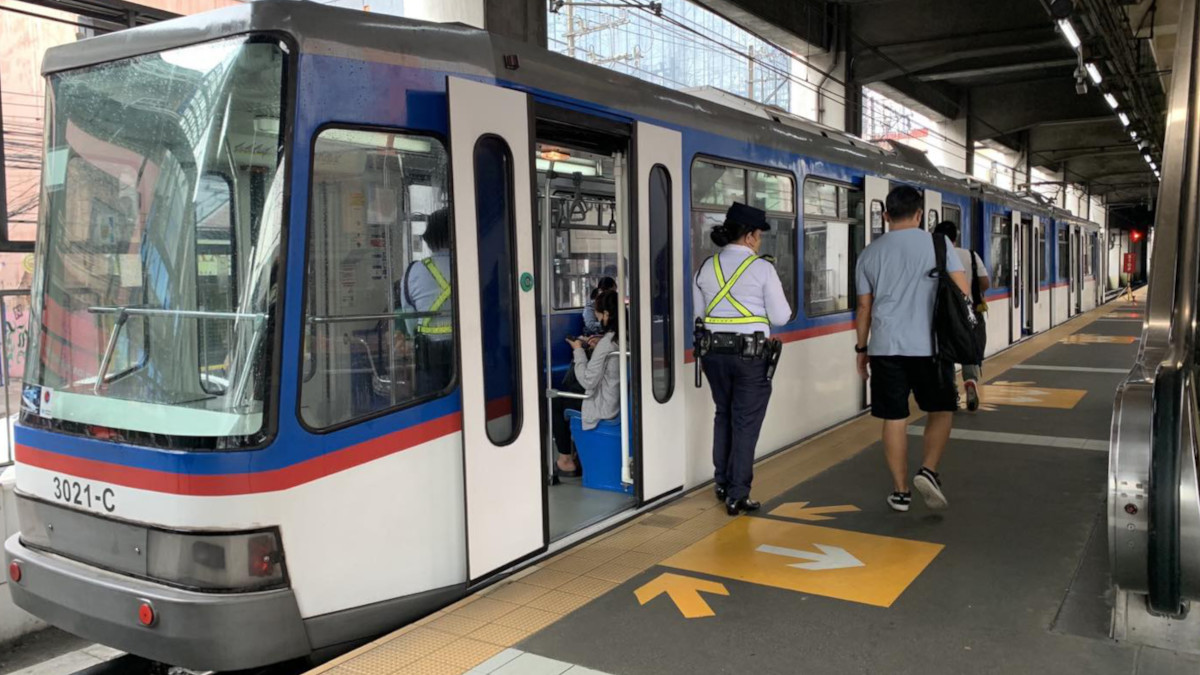
Soon after the DILG and MMDA shared their suggestions, the Department of Transportation (DOTr) released a statement stressing the EDSA Busway’s importance. The agency stated that EDSA Busway operates 24/7, unlike the MRT-3 that has to stop operations every night for maintenance and safety inspections.
“The [DOTr] believes the EDSA Busway continues to be one of the most efficient public road transport [systems] in Metro Manila,” the statement reads.
“Today, Secretary Jaime J. Bautista [of the DOTr] is waiting for the result of the feasibility study on how best to improve the EDSA Busway, tapping private sector technical and financial expertise. The goal is to improve the commuter experience without worsening existing traffic conditions.”
Both the MMDA and the DILG agreed that no extensive plans for the EDSA Busway can materialize unless the MRT-3’s upgrades have been completed. What is sure to continue is the EDSA rehabilitation project that is scheduled to start in March later this year and the ongoing Ortigas footbridge construction.
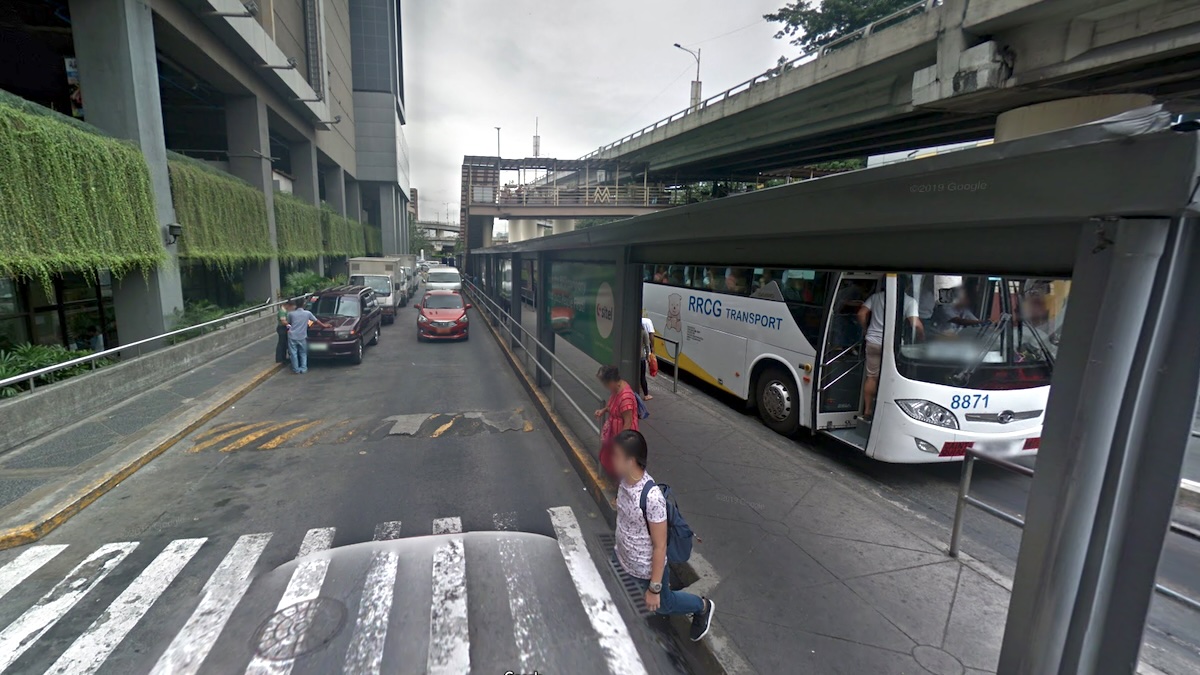
Remulla and the DILG also recommended modifying the EDSA bike lanes into ‘two-wheel’ lanes to accommodate motorcycles as well. Having bikes and motorcycles in one lane should cut down on overall congestion and make EDSA safer, according to the DILG.
The DILG also suggested that motorists using EDSA could potentially pay a fee to use the highway—like a toll fee on an expressway. In theory, the agency reasoned that this should discourage travelers from using their private cars, and instead use the MRT-3 and other available public transport.
Neither government agency commented on what these fees could look like, but again, none of these plans can come into play until the train systems are fully realized.