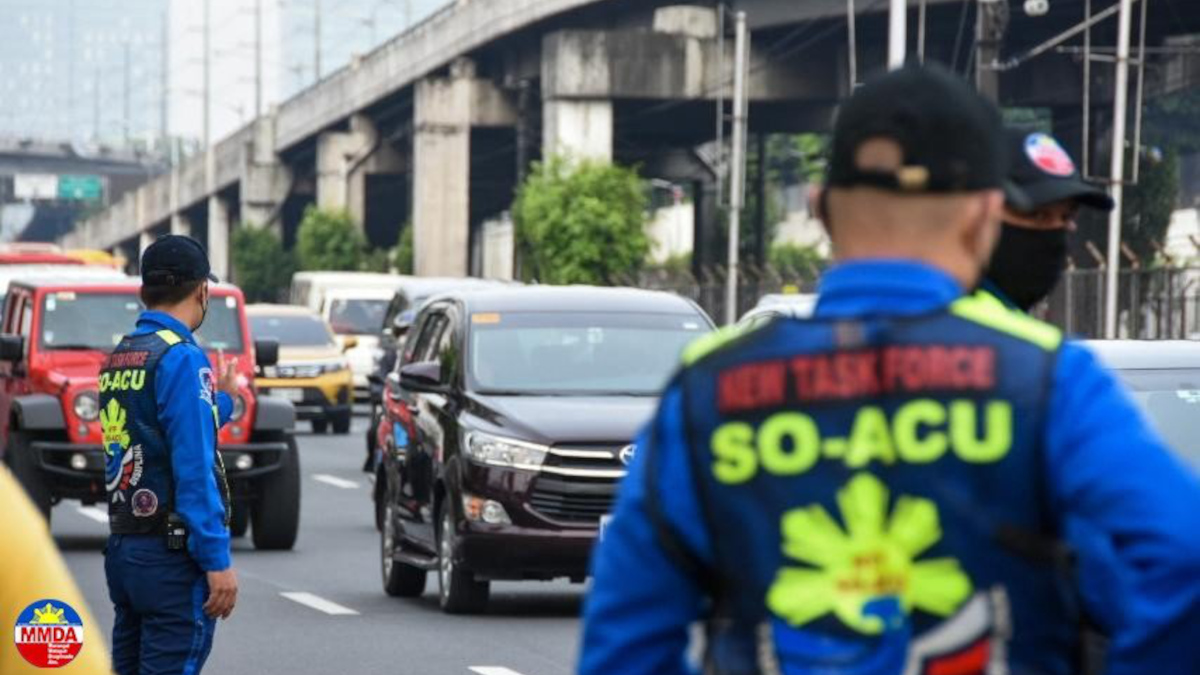
Traffic enforcers always have a tough outing day in and day out. It’s not easy having to deal with erring motorists all day—rain or shine—while keeping a cool head. Not only that, but there are various hazards to take into account as well, like road accidents and air pollution.
There’s one thing that’s seemingly overlooked, though: noise pollution. It poses serious health risks. In a recent study conducted by the University of the Philippines Manila (UPM) National Institutes of Health (NIH), it was discovered that there is a significant correlation between ‘occupational noise exposure’ and hearing problems among employees of the Metropolitan Manila Development Authority (MMDA) assigned on EDSA.
OTHER STORIES YOU MIGHT HAVE MISSED:
Facelifted Isuzu D-Max lands in PH with a P1.048-M starting price
Toyota is currently offering the non-hybrid Yaris Cross G for P13,220/month
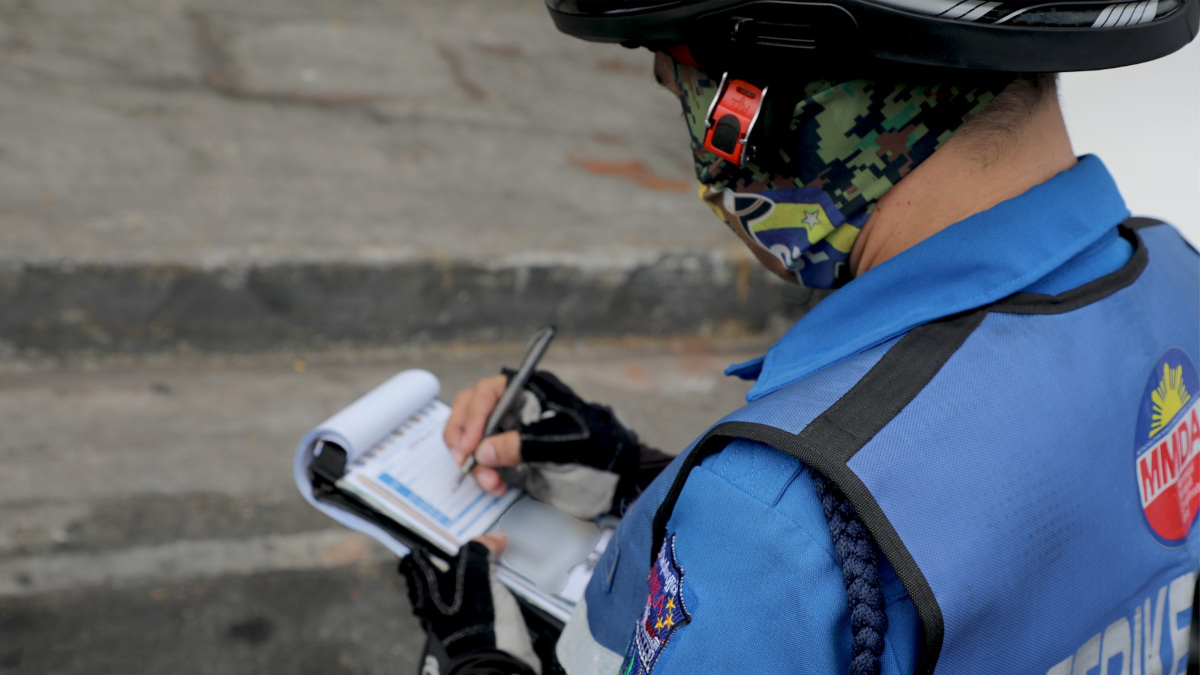
The study entitled “Association between occupational noise exposure level and pure-tone audiometry abnormalities among Metropolitan Manila Development Authority employees: A cross-sectional study” was conducted in coordination with the MMDA. The participants wore noise dosimeters to record noise levels across the regular eight-hour shift, then hearing tests were done at least 16 hours after to avoid ‘temporary threshold shift.’
“Our study showed that 13% of the research participants experienced significant noise exposure at work, and approximately 16% of the participants had moderate hearing loss or worse on at least one ear,” said Philippine National Ear Institute research assistant professor Dr. Kimberly Mae C. Ong.
According to the study, traffic enforcers who were exposed to “ 8-hour equivalent sound pressure level of more than 85 dBA were 25% more likely to experience hearing abnormalities especially at frequencies above 2,000Hz.”
“Some of them felt that their bandana provided them sufficient protection from noise,” said Ong. “This showed us that there is a need for hearing health education, which we hope can be integrated in their training.”
This study highlights the need to monitor noise exposure not just among traffic enforcers but also among those who work regularly in high-noise environments such as street sweepers, vendors, and PUV drivers. Noise pollution resulting from the usual Metro Manila traffic is a serious issue, and strategies to mitigate its effects among at-risk workers should be put in place.
I hope this research helps to create awareness about the possible effects of prolonged noise exposure, especially to road traffic noise,” Ong added.