In case you missed it, the ban on e-bikes, e-trikes, and tricycles, and other similar forms of transportation on national roads begins on April 15, 2024—here are the implementing guidelines and procedures if you haven’t seen them yet. Also on the same day, local government units in Metro Manila will adopt adjusted working hours from 7am to 4pm to help ease traffic congestion in the capital especially during rush hour.
But there are a few other things that will take effect either on April 15 or upon publication in the Official Gazette or a newspaper of general circulation. The Presidential Communications Office has released an advisory listing other ‘key measures to ease traffic congestion in Metro Manila, all of which will begin implementation next week.
OTHER STORIES YOU MIGHT HAVE MISSED:
An elevated promenade will soon rise along Elliptical Road in Quezon City
Chavit Singson apologizes for using EDSA Busway, promises reward for enforcers that issued ticket
1. Illegal parking fine of P4,000
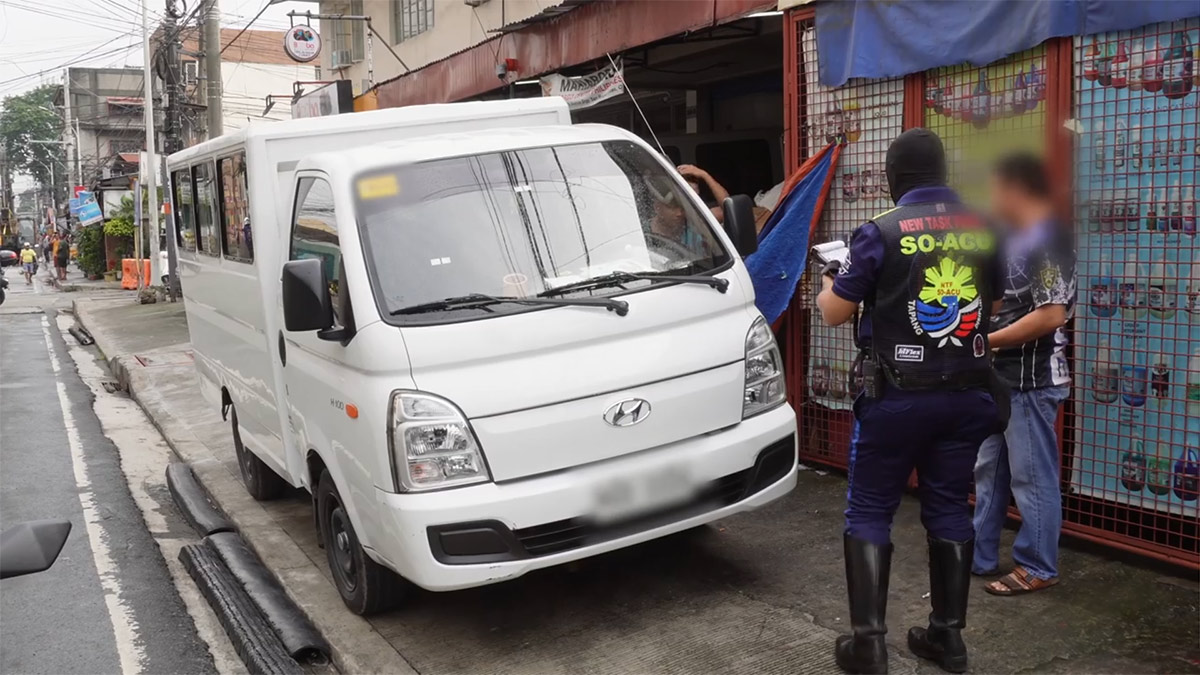
Currently, fines for illegal parking range from P200 to P2,000. The higher P4,000 penalty should be more effective at discouraging motorists from parking—whether attended or unattended—along sidewalks, bike lanes, roads, and other places where their vehicles will impede traffic flow.
The P4,000 fine will be implemented beginning April 15.
2. Regulated issuance of protocol plates to government officials
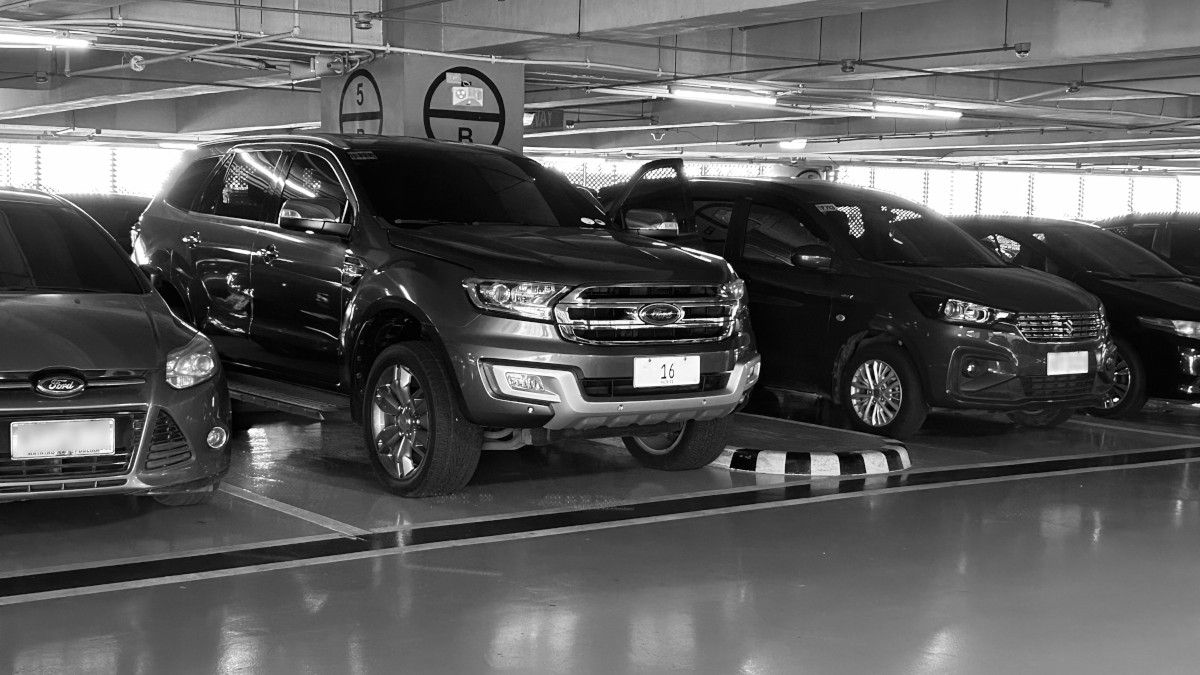
Executive Order No. 56, entitled, ‘Regulating the issuance of low-numbered (protocol) license plates to government officials,’ was published in the Official Gazette on March 25. This measure deems previously issued protocol plates under Executive Order No. 400 (Series of 2005) expired, and limits the issuance of protocol plates to the following:
- 1 and/or ‘Pangulo’ – President
- 2 – Vice President
- 3 – Senate President
- 4 – Speaker of the House of Representatives
- 5 – Chief Justice of the Supreme Court
- 6 – Cabinet Secretaries
- 7 – Senators
- 8 – Members of the House of Representatives
- 9 – Associate Justices of the Supreme Court
- 10 – Presiding Justice of the Court of Appeals (CA), Court of Tax Appeals (CTA), and Sandiganbayan, as well as the Solicitor General
- 11 – Chairpersons of Constitutional Commissions and the Ombudsman
- 12 – Chief of Staff of the Armed Forces and Chief of the Philippine National Police
Other officials with equivalent rank as the above-mentioned (excepting those with equivalent rank to Associate Justices of the CA, the CTA, and the Sandiganbayan) may be issued protocol plates, but this requires the recommendation of the Land Transportation Office (LTO) and the approval of the Department of Transportation (DOTr).
The issued protocol plates are valid only during the incumbency of the government officials, and may not be transferred to unauthorized persons or motor vehicles. The five top-ranking officials will be allowed a maximum of three pairs of protocol plates, while the rest may be given a maximum of two pairs.
3. ‘Wang-wang’ ban for government officials and personnel

Administrative Order No. 18, entitled, ‘Prohitibing government officials and personnel from using sirens, blinkers, and other similar signaling or flashing devices,’ was published in the Official Gazette on March 25, meaning it is now in effect.
The use of wang-wang has been resurgent of late, but now, violators “shall be dealt with in accordance with applicable laws, rules, and regulations.” Again, government officials and personnel are completely banned from using signaling and flashing devices; sirens, blinkers, and the like may only be used “under exigent or emergency circumstances or situations” by official motor vehicles of the Armed Forces of the Philippines (AFP), the National Bureau of Investigation (NBI), and the Philippine National Police (PNP), as well as fire trucks, hospital ambulances, and other emergency vehicles.