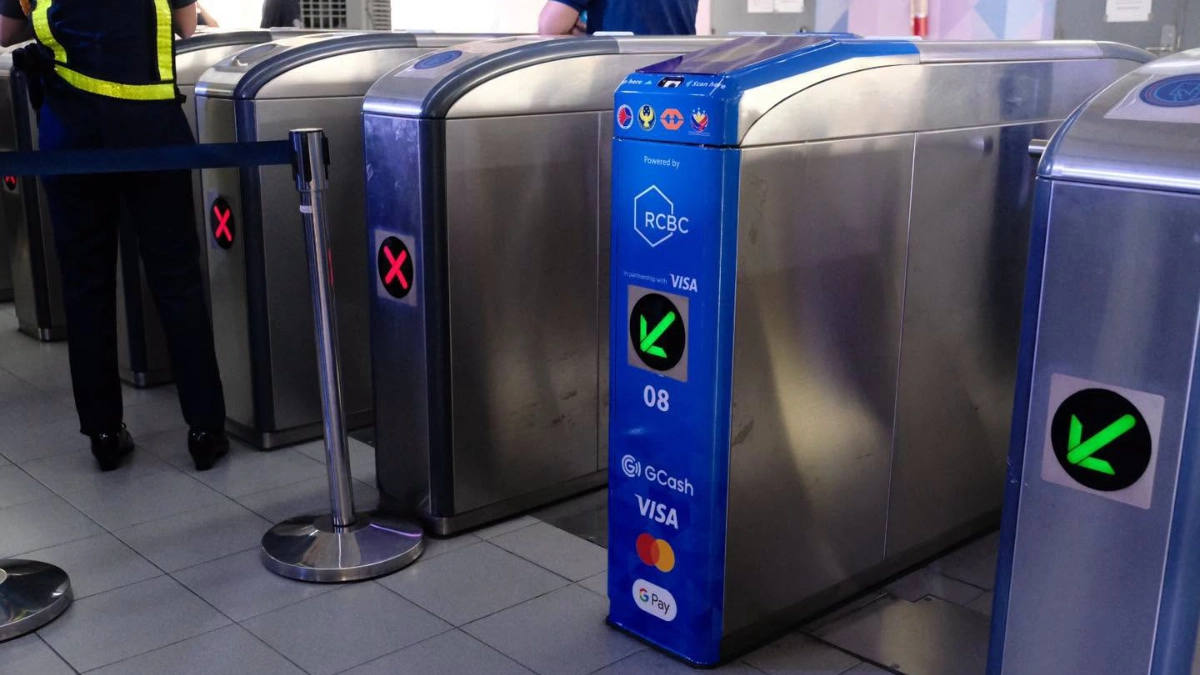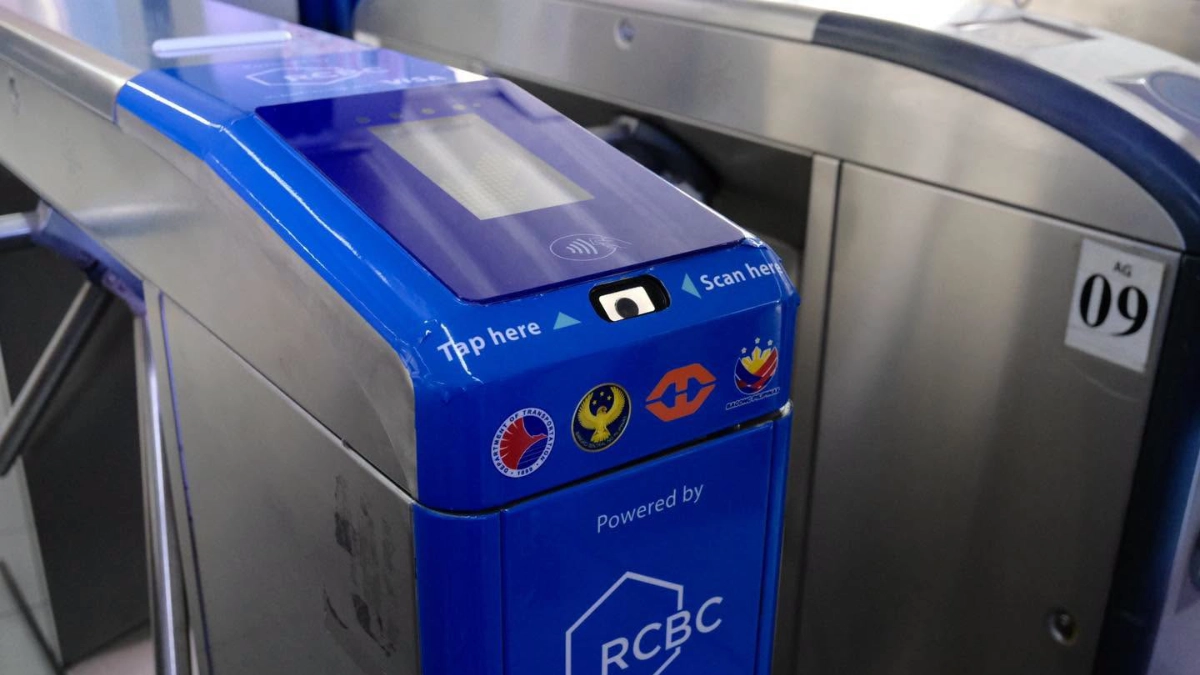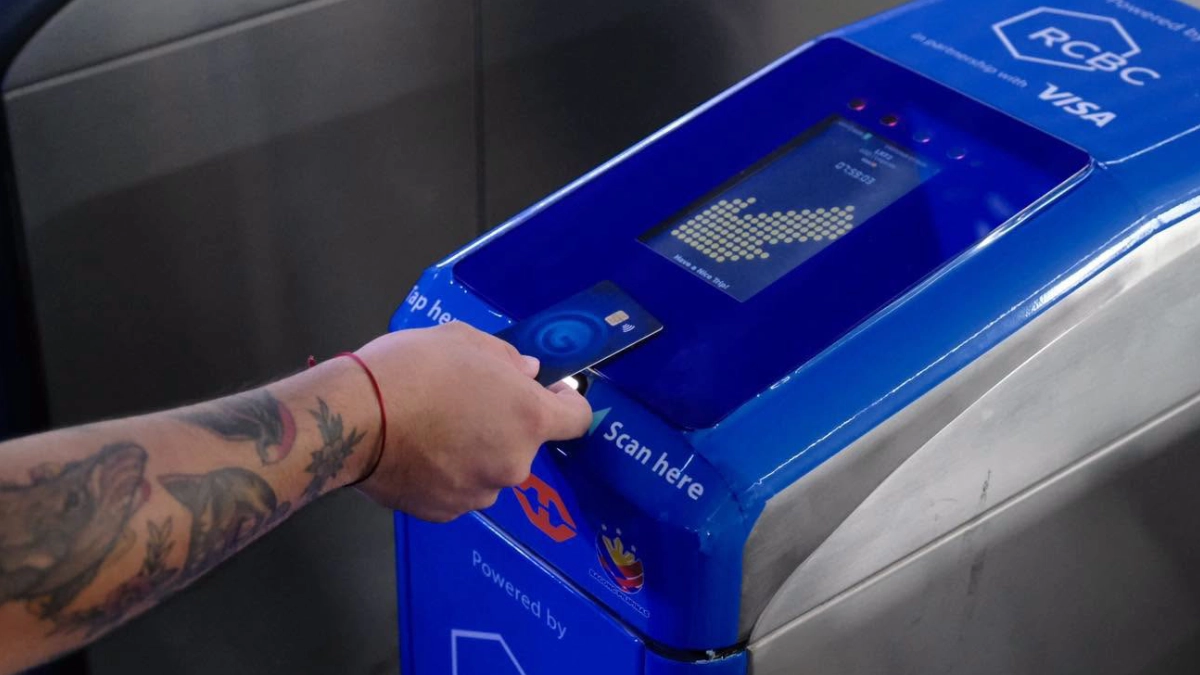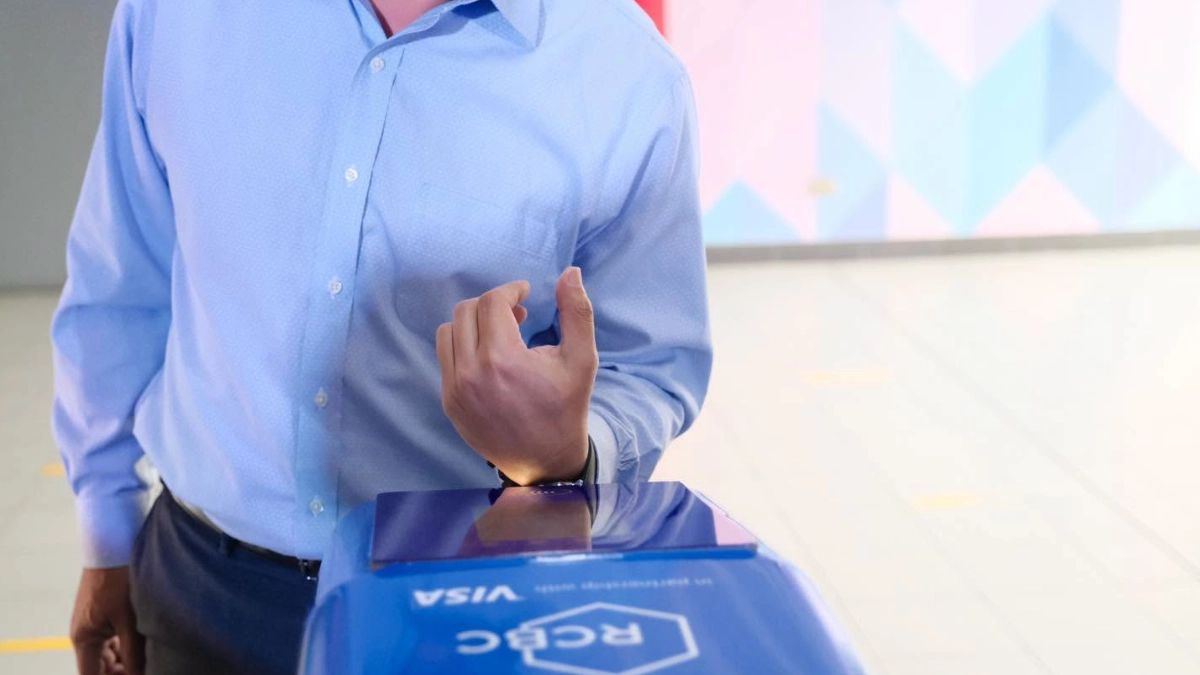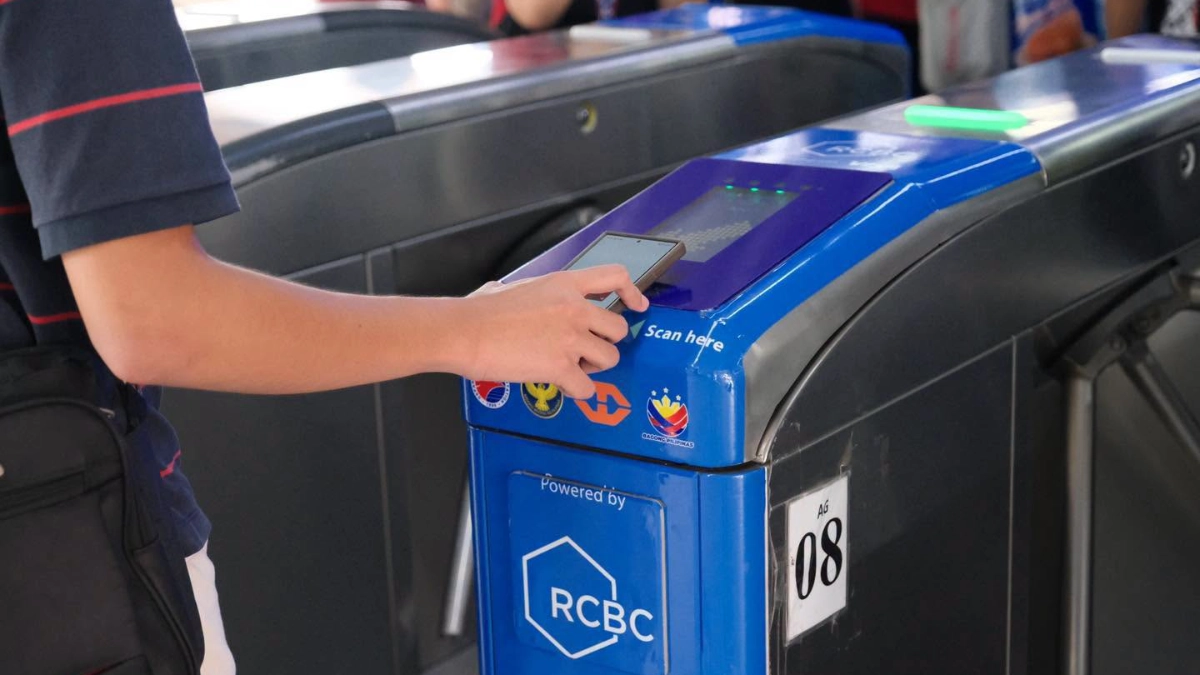
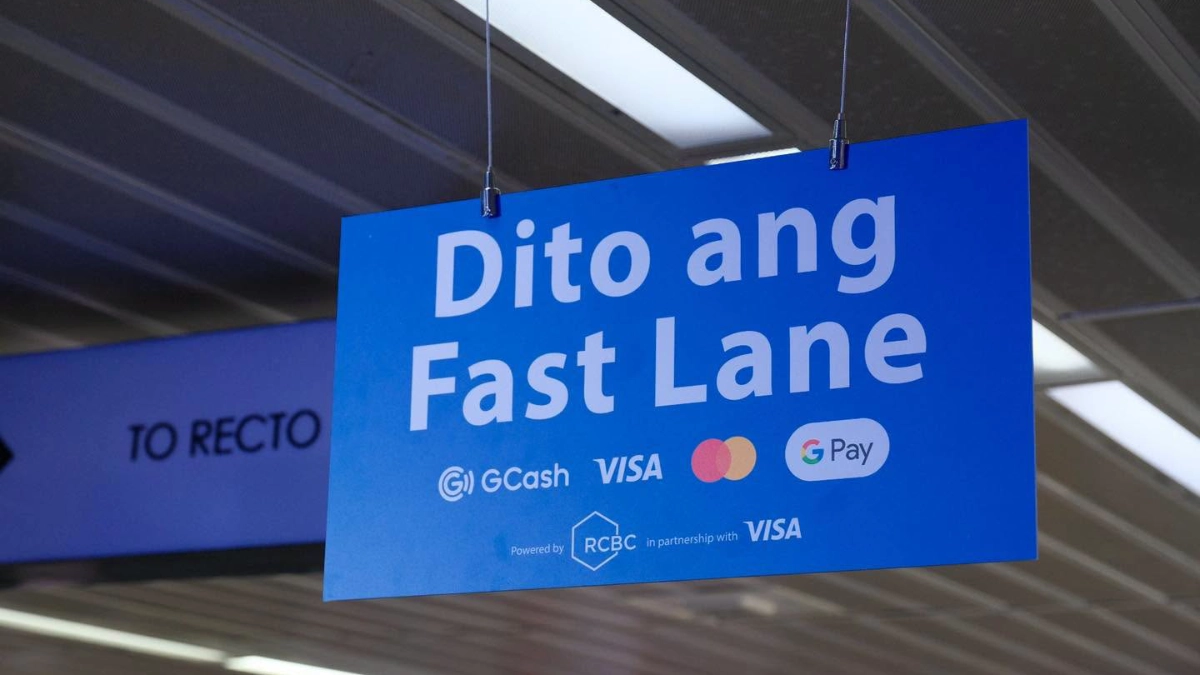
LRT-2 passengers can now use Mastercard- or Visa-branded debit and credit cards, NFC-enabled mobile or wearable devices, and other digital wallets to pay for their fare. The Department of Transportation announced that the LRT-2s cashless gates are now open, allowing passengers to save time by avoiding the lines at the service counters.
The new cashless system was made in partnership with the DOTr, Rizal Commercial Banking Corporation (RCBC), the Light Rail Transit Authority (LRTA), and the Bangko Sentral ng Pilipinas. Following the successful launch of cashless payments on the MRT-3 line, this initiative resumes the government’s efforts to digitalize public transportation transactions.
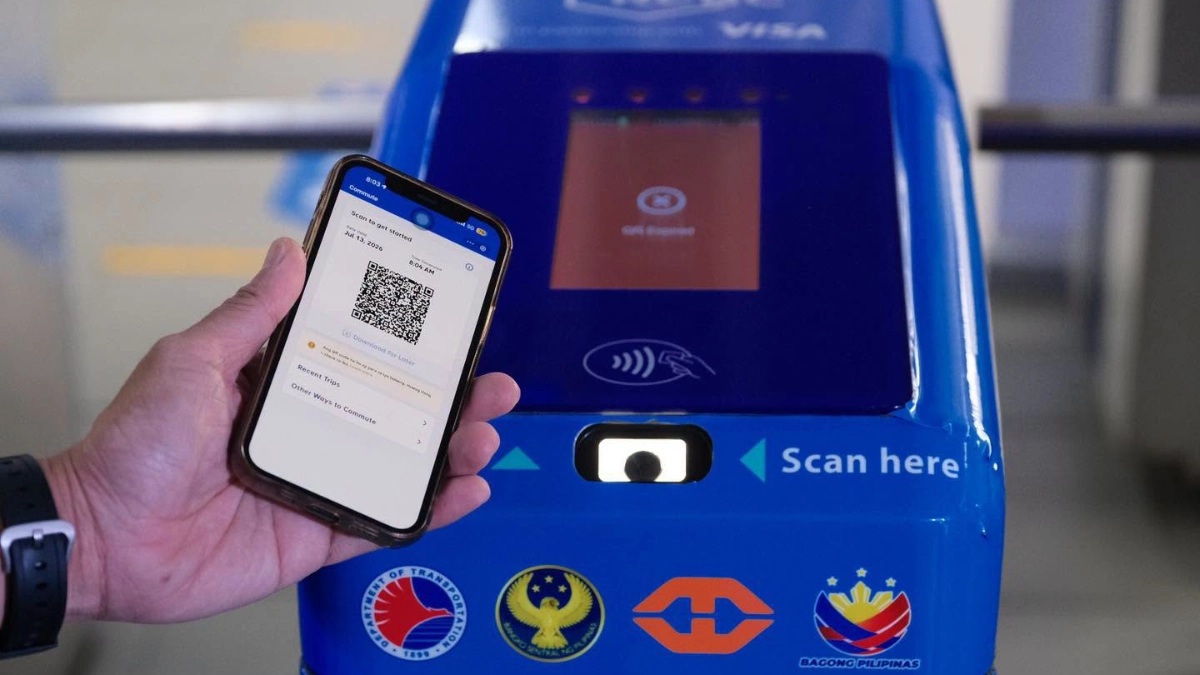
Aside from EMV contactless bank cards and NFC-enabled devices, commuters can also pay their fare using the GCash Commute QR feature at the dedicated RCBC gates upon entry and exit.
OTHER STORIES YOU MIGHT HAVE MISSED:
PH fuel price update: Increase of up to P1/L for gas, P4.60/L for diesel effective July 14
Fun fact: You can walk from one end of Pasig City to the other in just 2hr11min
In addition, from July 13 to 31, RCBC is offering a Piso Fare Cashback Promo. Using the MySSS Card Powered by RCBC DiskarTech, commuters will only need to pay P1 for qualified LRT-2 rides, with any excess fare credited to their accounts within three banking days. The promo is valid for up to eight rides per day.
Acknowledging the shortage of stored-value cards (SVC) experienced in the past, DOTr undersecretary for railways Timothy John Batan said that introducing more payment options gives commuters more flexibility by decreasing reliance on SVCs.
Batan also added that these expanded payment methods will help the government optimize routes and make more informed rail investment decisions by identifying where and when additional train trips are needed through real-time travel data from commuters.
“Dahil po sa ginagawa natin ngayon, mas mapapadali po sa gobyerno, mas mapapadali po sa DOTr at sa atin pong ibang mga ahensya ng gobyerno na malaman kung saan po nagmumula at saan po nagtutungo ang ating mga commuters,” said Undersecretary Timothy John Batan. “At real-time, malaman po natin, mas kailangan pala ng dagdag na train trips dito, ng dagdag na kailangang ruta dito, mas kailangan ng dagdag na investment sa riles dito.”
“Malaking bagay ito sa mga pasahero natin sa linya ng LRT-2 lalo na sa mga estudyante ngayong pasukan,” shared DOTr secretary Giovanni Lopez. “Mas madali na ang pag-commute dahil mayroon na tayong digital payment system. Alam naman natin na ang dinaraanan ng LRT-2 ay University Belt kaya convenient ito lalo na sa mga pasahero nating estudyante.”
Furthermore, Information and Communications Technology secretary Henry Aguda also shared that the cashless payment initiative for the LRT-2 reflects a “whole-of-government approach,” bringing together the DOTr, Social Security System, BSP, Public-Private Partnership Center, and the private sector.
Have you tried the LRT-2’s new cashless payment option? Share your experience with us in the comments.
More photos of the LRT-2 cashless gates: