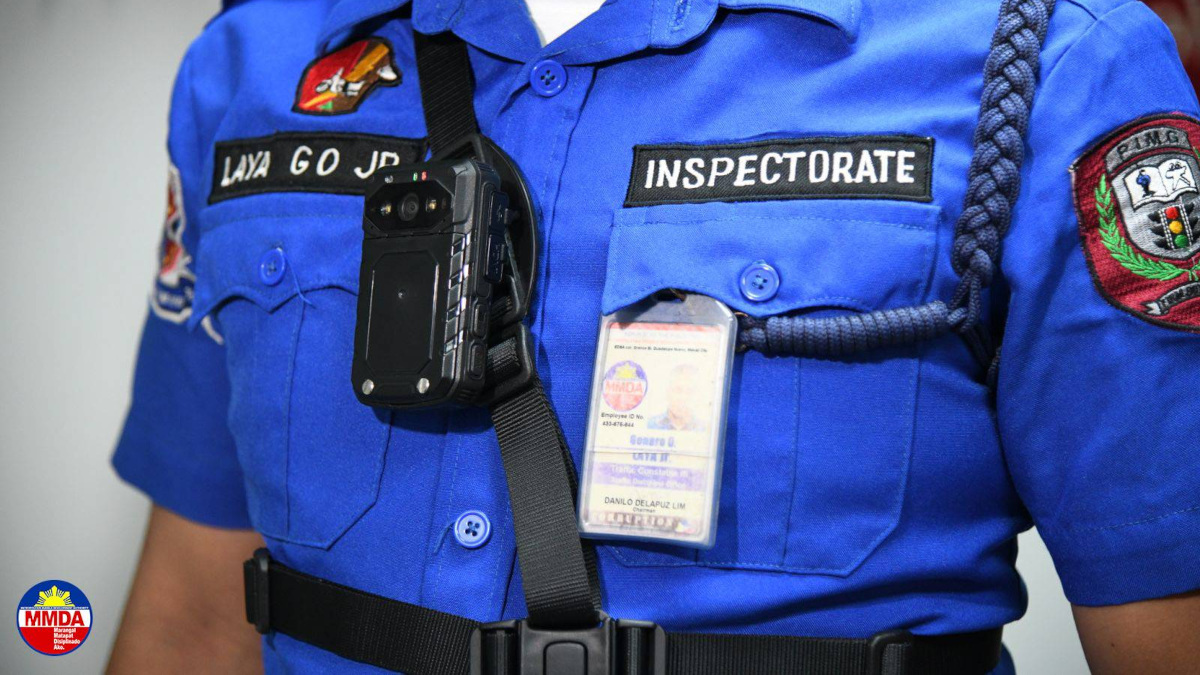
The Metropolitan Manila Development Authority (MMDA) is about to make some huge changes regarding its operations: Several of its traffic enforcers will soon begin wearing bodycams.
The agency recently held a meeting with transport groups, motorcycle organizations, members of the media, and representatives of the Automobile Association of the Philippines (AAP) to discuss the implementation of this new initiative.
AAP Trustee and Government Liaison Committee chairperson and Top Gear Philippines legal columnist Atty. Robby Consunji said that the MMDA was merely being prudent by building a consensus among stakeholders. True enough, there was no resistance from anyone present during the meeting.
OTHER STORIES YOU MIGHT HAVE MISSED:
Look: Around P4-M in cash got scattered on a Cebu highway
Toyota PH could start sales of the all-new Wigo on July 17
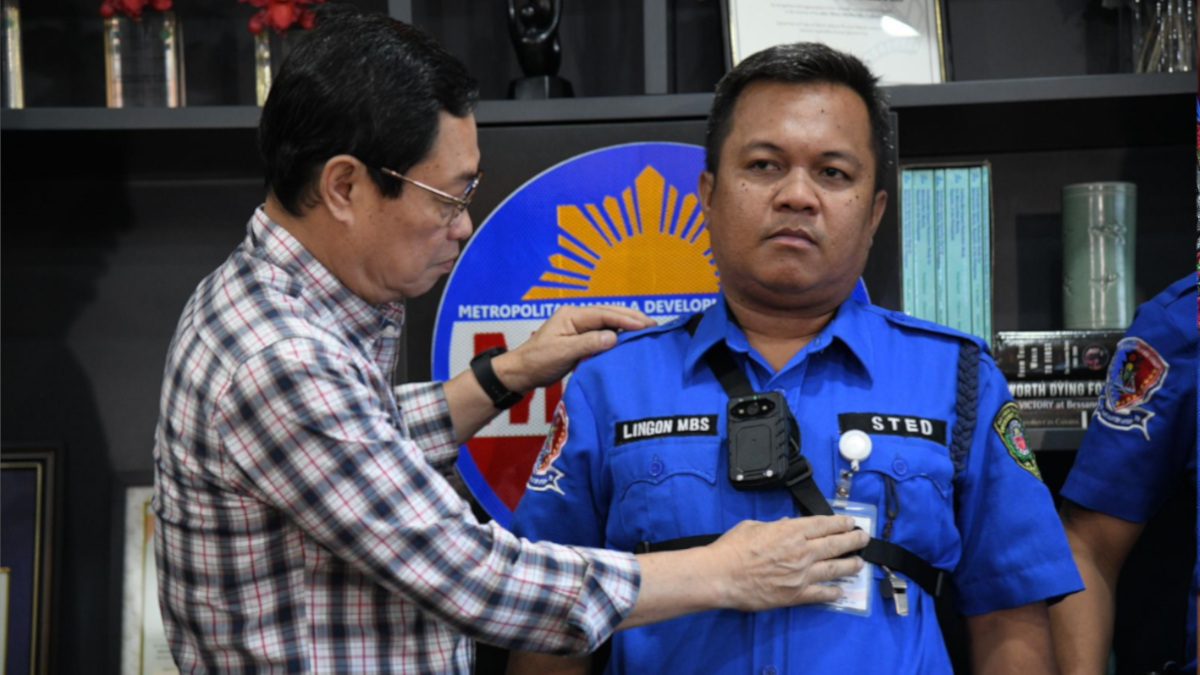
“There is no rocket science to a body-worn camera policy,” said Consunji “It is based on well-established principles of constitutional law, evidence, privacy, etc.”
The MMDA’s body cameras have six to eight hours of battery life. These are supposedly similar to devices used in the United Kingdom.
From here, the stakeholders’ comments will be consolidated and presented to the Metro Manila Council (MMC). The MMDA believes that these body cameras will help protect both enforcers and motorists alike, as these will prevent enforcers from taking bribes and road users from giving them out. However, only 120 body cameras will be distributed across the MMDA, so only enforcers holding the ticket handbook will be required to wear body cameras for now.
The MMDA has also released initial rules and regulations on the use of these body cameras. You can check out some of the most important ones below.
MMDA rules on the use of body cameras:
- Traffic enforcers shall wear the camera in conspicuous part of their uniform to maximize its ability to capture a recording of the apprehension.
- The video and audio recording functions of the camera shall be turned on at the moment the traffic enforcer arrives at his area of operation.
- It shall not be intentionally turned off unless the enforcer is: a) on official break or b) talking to an informant.
- In cases where the camera needs to be turned off, the enforcer shall state the following prior to turning off the camera: a) reason, b) date, c) time, and d) place.
-
At the end of their shift, enforcers shall return the camera to the assigned data custodian for downloading and storing of recorded data and safekeeping.
-
Only the data custodian shall have access to the data repository. Recordings shall be monitored and audited to ensure integrity.
-
Images of apprehended motorists as well as their passengers shall be blurred. Unrelated images shall be redacted before any video footage is used.
-
All personnel who have access to the recordings collected shall comply with requirements under the Data Privacy Act in handling and/or storing personal information.
The use of MMDA body cameras will not be allowed in the following instances:
- While inside the MMDA facility except when used as part of an investigation
- While inside any locker room, restroom, and other places where privacy is expected
- To record any personal activity or commercial undertaking
- To document conversations with colleagues without their knowledge and consent
- To record any activity not related to traffic and transport enforcement duties3
- Inside elementary or secondary schools
- Inside elementary or secondary schools, except when responding to imminent threat to life or health
- To record any conversation in violation of privacy laws
- Inside the residence or dwelling of a person
- When recording will be unsafe or impractical
Apprehension procedure for MMDA enforcers with body cameras
When apprehending motorists, the enforcer must follow a strict protocol. As for motorists on the receiving end, ensure that the attending enforcer will do the following:
- Identify himself
- Clearly state the place of the violation and the traffic violation observed
- Advise the motorist that the incident is being recorded and monitored in the MMDA Command and Coordinating Center
- Ask for the driver’s license for recording in the UOVR
- Advise the motorist of the protest mechanism should they desire to contest citations issued