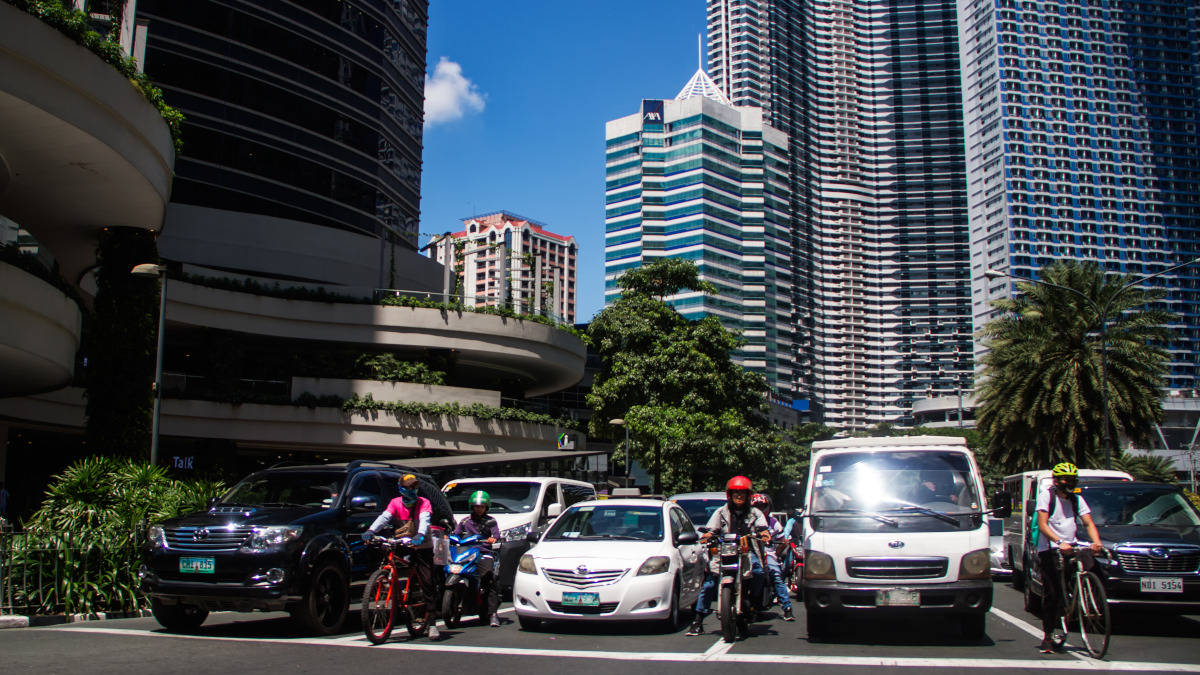
Metro Manila traffic made headlines last week after the 2023 TomTom Traffic Index ranked the country’s capital as having the worst traffic congestion among 387 metro areas in the world. Even Coldplay’s Chris Martin commented on it during the band’s concert at the Philippine Arena on January 19: “We’ve seen some traffic, but I think you have the number one [ranking for worst traffic] in the world. So thank you, thank you for making the effort to come through all that bullsh*t to be here!”
We didn’t think anyone would be surprised about that, but now the Metropolitan Manila Development Authority (MMDA) is seeking clarification on the methodologies used in the study.
“We want to know the methodology employed,” MMDA acting chairman Atty. Romando Artes said. “If there is an actual count and when did they conduct the study.”
OTHER STORIES YOU MIGHT HAVE MISSED:
Viral airport police caught on EDSA Busway suspended
Check it out: Makati gets new Hyundai Ioniq 5 response vehicles
Artes noted that TomTom named Quezon Avenue the busiest street in Metro Manila in 2023—something that conflicts with the MMDA’s findings. “Per our data, it is still EDSA as Metro Manila’s busiest road based on our regularly conducted actual count,” he explained. “With this alone, we can see that there is a difference between our data and TomTom’s. Quezon Avenue is only the third busiest road per our data.”
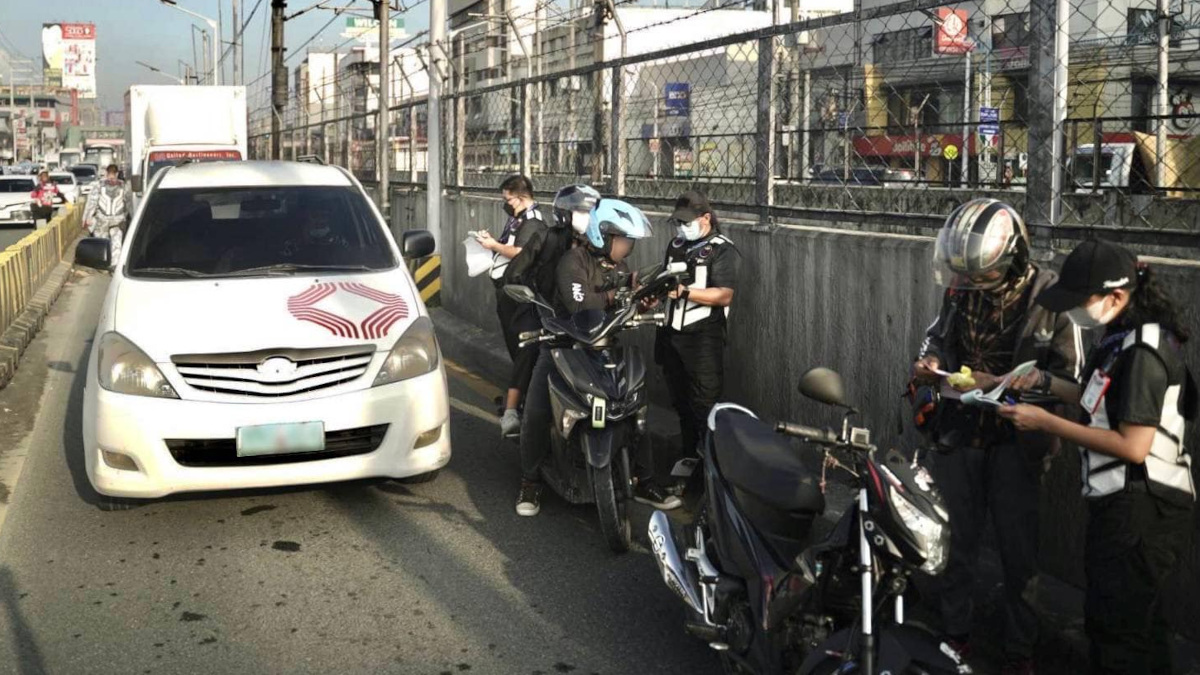
During the same press conference, the MMDA chief detailed the reasons behind Metro Manila’s notorious gridlock: vehicular volume; blocked lanes as a result of illegal parking, illegal structures, and accidents; bottleneck areas caused by road configurations or traffic conditions; roadwork and the construction of flagship infrastructure projects; and the suspension of the no-contact apprehension policy (NCAP).
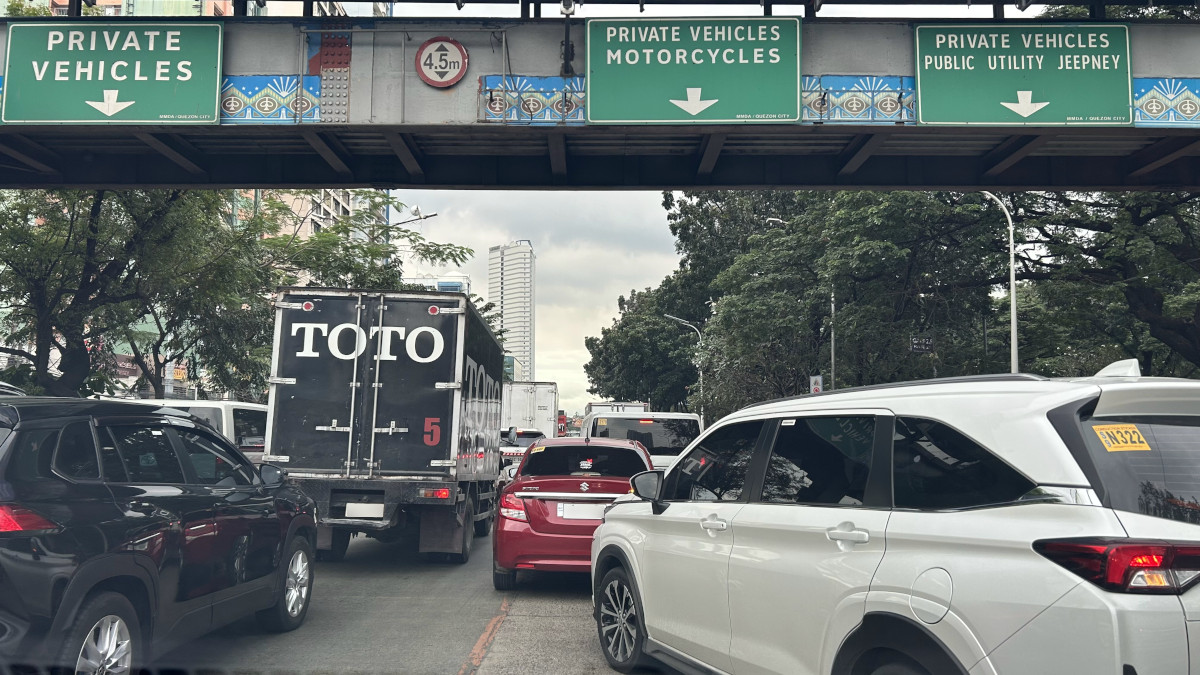
“Metro Manila has exceeded its carrying capacity for vehicles since it has 3.6 million vehicles on a 5,000km road network,” Artes explained. “In EDSA alone, there are 400,000+ vehicles traversing the highway daily, but its carrying capacity is only for 300,000 vehicles.”
So, aside from asking TomTom about the methodologies of its study, what else does the MMDA plan to do to improve traffic congestion in the metro—which is plain for all of us to see, anyway?
One of the MMDA’s solutions is the procurement of ‘covers’ that will be used to discourage motorists from rubbernecking and taking photos at accident sites. The agency has also recommended for future train lines to be subway systems, and is also studying the proposed elevated walkways on EDSA. Ongoing efforts include improvements to intersections and regular clearing operations.
Think that’s not enough? The MMDA wants the public to be part of the solution, too: “Kailangan din po namin ng tulong ng mamamayan dahil kailangan po ng disiplina sa lansangan.”
What traffic-alleviating solutions do you want to see in Metro Manila? Aside from the use of helicopters to beat congestion on the road, that is.