

In the pre-COVID era, if commuters were in a rush and traffic was terrible, the only ‘option,’ if you can call it that, were habal-habal or colorum motorcycle taxis. This illegal nature all changed in 2019, when the Land Transportation Franchising and Regulatory Board (LTFRB) technical working group (TWG) began a study on the feasibility of motorcycle taxis.
Legalizing what has already been widely adopted, the study was supposed to last for only two years, but amid the realities of a pandemic and public pressure, it had since been extended with no actual deadline.
OTHER STORIES YOU MIGHT HAVE MISSED:
The Nissan Navara finally gets the dashboard it long deserves
Honda: Expect 7 ‘0 Series’ EVs to launch globally by 2030
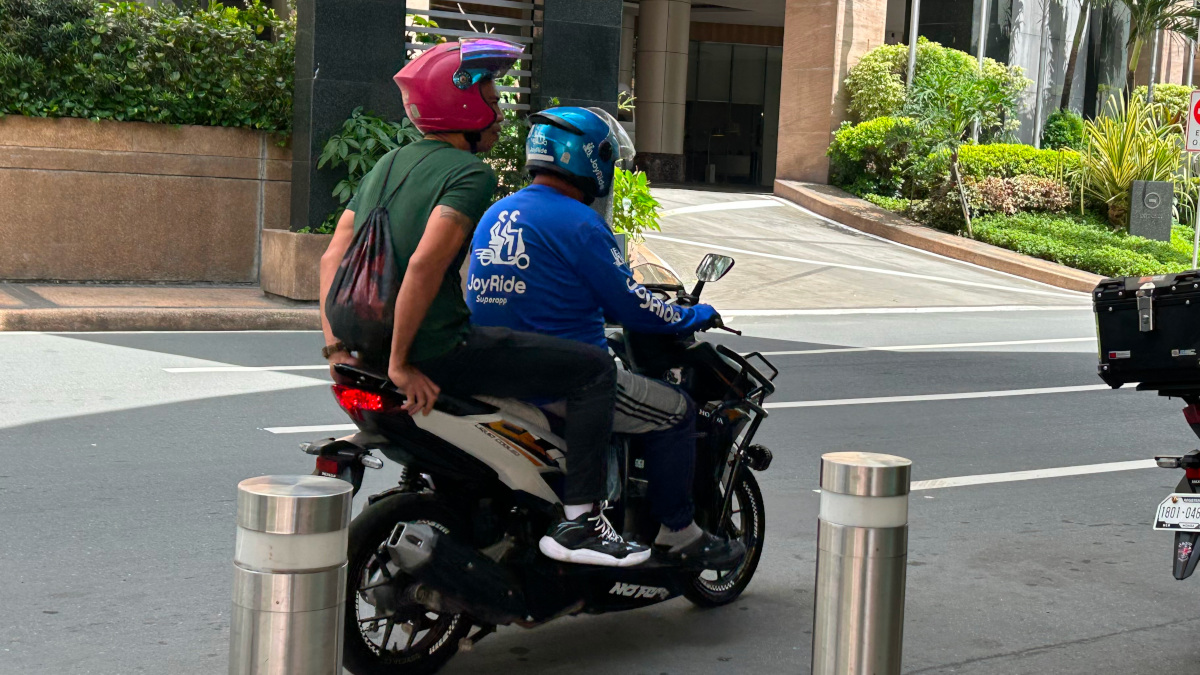
Since then, Angkas, Joyride, and Move It have maintained Manila operations for motorcycle taxis, resulting in about 45,000 jobs for Filipinos. Fast-forward to 2024 and Congress has yet to pass any law that would provide for the legal framework to operate and maintain a motorcycle taxi network.
Recently however, the LTFRB forwarded its recommendation to Congress regarding the five-year motorcycle taxi pilot program. The TWG recommended that the study be concluded, and additional slots not be awarded until the passage of the motorcycles-for-hire law, but it also proposed that the three current operators have their provisional licenses maintained until then.

This being the case, Atty. Teofilo Guadiz III, the head of the TWG and LTFRB Chairman, pointed out that theoretically, once the pilot study ends, all motorcycle-taxi operations are to end with it, at least until the law is passed, or unless Congress adopts the recommendation to maintain the provisional licenses.
Senator Grace Poe, presiding over a hearing of the Senate committee on public services, which she heads, emphasized that the public seems to have shown its overwhelming favor toward legalizing motorcycle taxis. She noted that the TWG survey reports that 96% of passengers believe the government should allow motorcycle taxis to exist and operate.
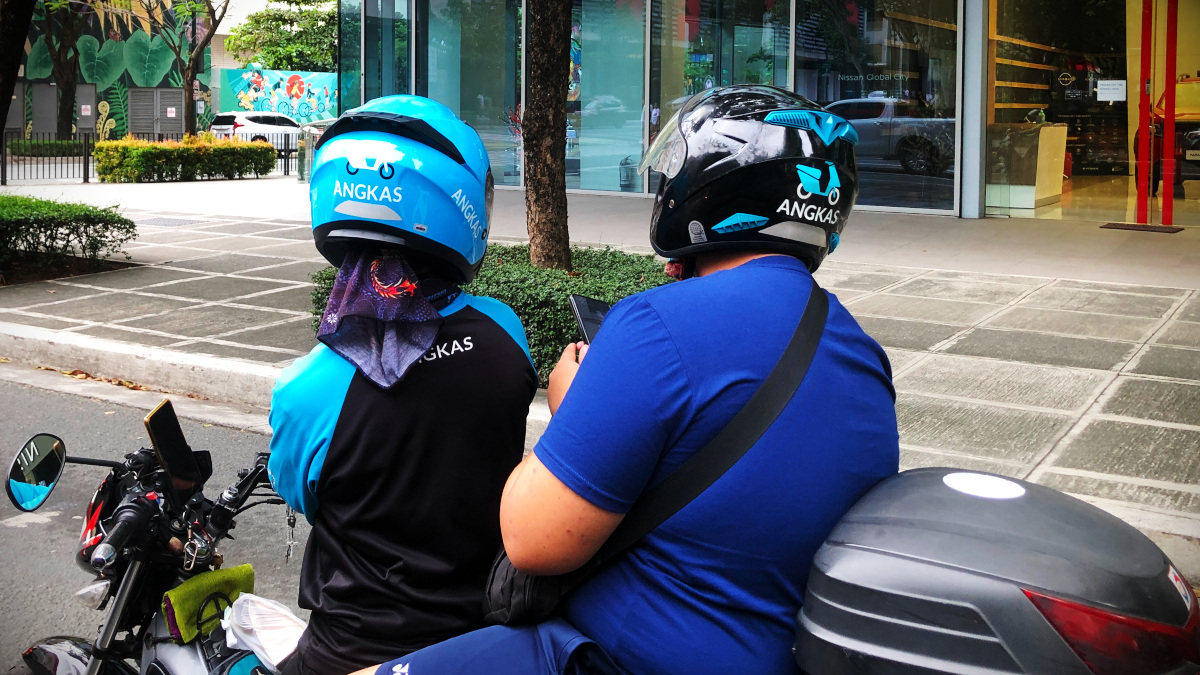
She highlighted that while there were some gaps in implementation that became evident over the course of the five-year program, the learnings from the program will help Congress pass the much-awaited motorcycles-for-hire bill. She stresses that motorcycle taxis must adhere to the highest standards of road safety in order to make motorcycle taxis a true mobility alternative.
With the livelihood of 45,000 riders at stake, it is only a matter of time until we find out the fates of those whose livelihood depends on the success of the study, and the speed of the government in deciding on this matter.





















