It’s not just the LGUs or government agencies that are preparing for the return of face-to-face classes—even tollway operators are getting ready, too.
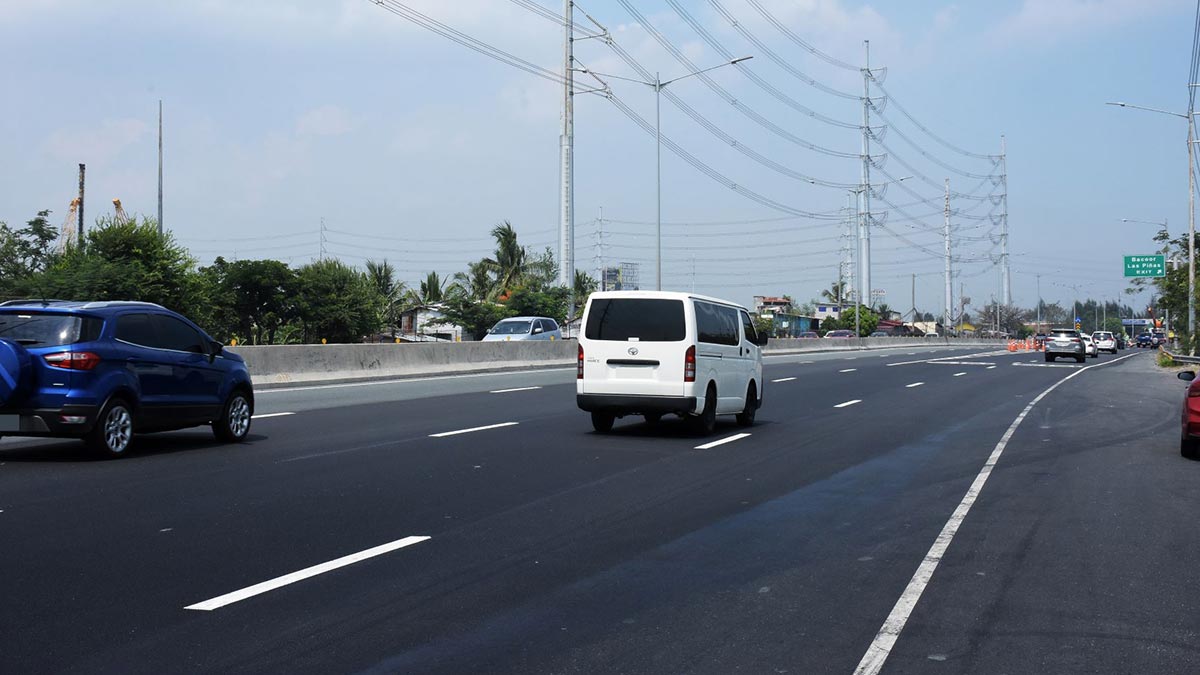
Metro Pacific Tollways Corporation (MPTC) subsidiary Cavitex Infrastructure Corporation (CIC), for its part, is expecting a 5-10% increase in daily vehicular traffic along the Manila-Cavite Expressway (Cavitex). At present, CIC says about 150,000 vehicles pass through the toll road daily.
To help manage traffic, CIC has started opening Manila-bound counterflow lanes for Class 1 vehicles during peak hours both in the morning and in the afternoon. In addition, it is continuing to encourage motorists to avail of Easytrip RFIDs as well as to use the MPT DriveHub app.
OTHER STORIES YOU MIGHT HAVE MISSED:
New ‘proof of parking’ bill proposes 50k fine, revocation of LTO registration for violators
Look: Road marking repainted after it goes viral as no-contact apprehension trap
“Our MPT DriveHub app was developed to further elevate our customer experience, so we really encourage them to download it,” said CIC president and general manager Raul Ignacio. “The app not only allows them to monitor their balance and passages but also provides them with traffic updates that are useful in planning their trips. The app may also be used to connect with us for queries or emergency roadside assistance.”
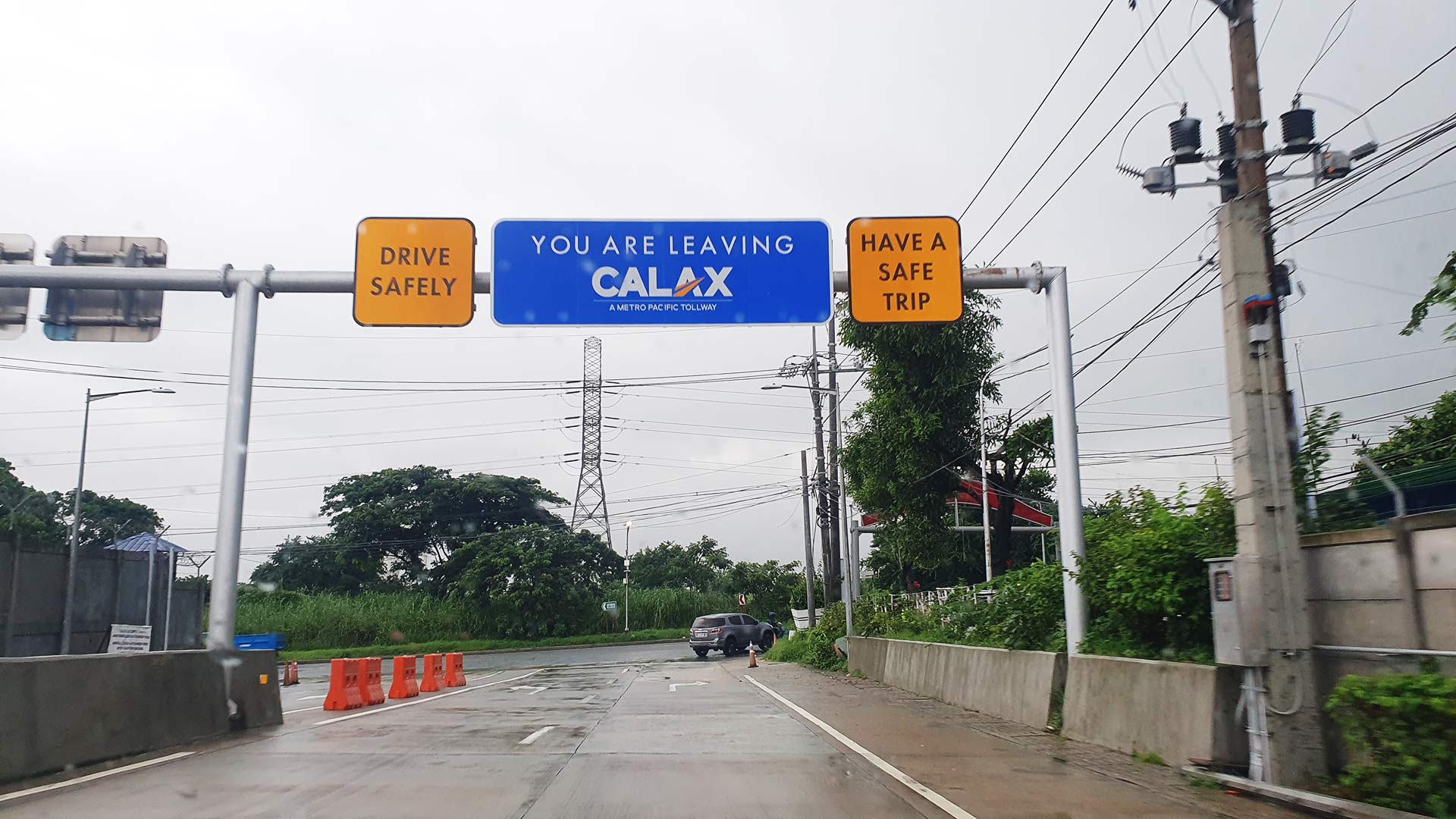
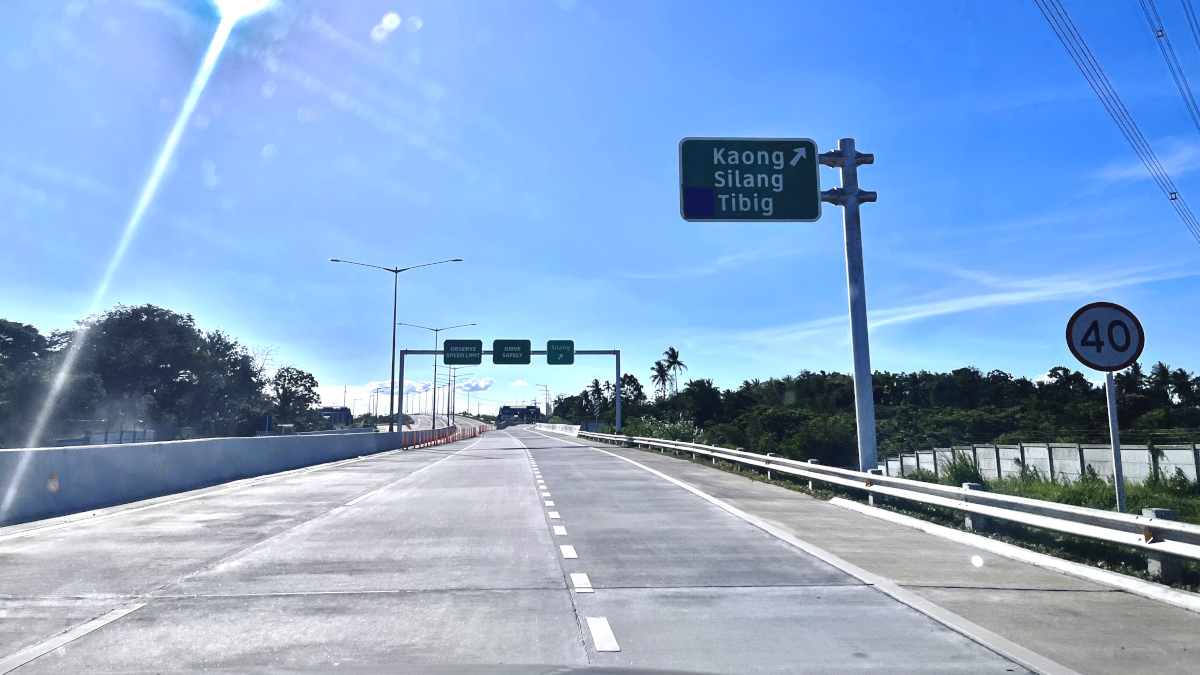
Meanwhile down south, MPTC subsidiary MPCALA Holdings shared some updates about the Cavite-Laguna Expressway (CALAX). The company reported that since the tollway’s opening in 2019, there have been zero fatalities resulting from crashes along CALAX, emphasizing its point as a ‘motorist-friendly’ road network.
The most notable of all the updates, however, is the mention of a no-contact apprehension system. MPCALA will reportedly use the existing speed cameras for contactless apprehension on CALAX. No timeline was given, but the company did say the system will be implemented “soon.”