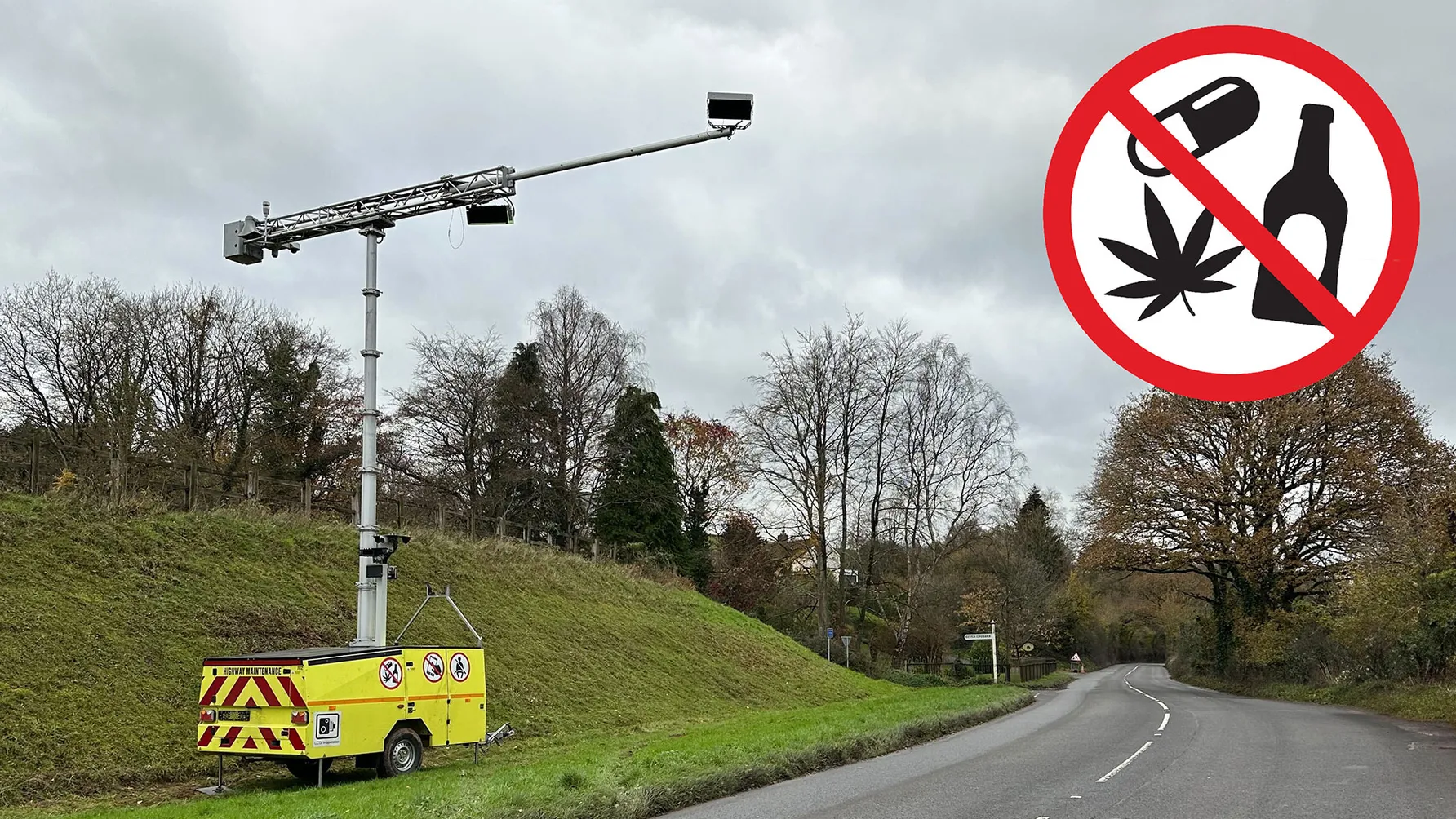
Fancy road safety cameras with artificial intelligence are being used in a new pilot to catch drivers under the influence of alcohol or drugs.
The new experiment combines the same AI-based cameras that flag drivers using their mobile phones while driving, or not wearing seatbelts, with radars and other ‘proprietary’ stuff to monitor vehicle and driver behavior. It's a joint venture between Devon and Cornwall police, and equipment manufacturer Acusensus, the latter claiming the pilot is a world first.
OTHER STORIES YOU MIGHT HAVE MISSED:
4 Ultra-luxury SUVs to get if you've got money to burn
Take note: Number coding will be lifted on specific days over the holiday season
Geoff Collins, UK general manager of Acusensus, told TopGear.com: “The technology is monitoring multiple attributes, for example, the way a car is moving down the road. If the vehicle falls outside expected behavior, the system can flag it and an intercept team further down the road can pull the driver over for further investigation, using their professional discretion.”
Much like a human monitor, the cameras and radars are looking for irregularities. Collins adds: “We don’t know how many variables we’ll need to be looking at, and we’ll need to strike a sensible balance between flagging everyone and stopping one car in every ten thousand, but we’ll try and replicate the various patterns police officers look for to identify impaired driving and make roads safer.”
Collins confirms that the system isn’t intrusive to the way folks live their lives, and the car doesn't share any info either, unlike other patents. But officers will not only stop drivers the system flags, they will also pull over other drivers exhibiting suspicious behaviour, by way of testing the system, collecting more data, and generally, er, doing their jobs.
Earlier in the year, several forces across the UK started implementing these ‘super cameras’ for seatbelt and mobile phone violations. Collins explains that when we’ve seen this technology used before, the cameras grabbed images of the violations, which – when reviewed a day, week or month later – would still be relevant and eligible for prosecution.
The challenge with impaired driving is that it is happening in real-time and the violation thusly needs to be handled immediately. But he emphasises that it’s very much early days. It’s a trial that’s being implemented over the holidays as part of the Vision Zero South West road safety partnership, which has also organized a night bus service in the same area to help folk have a top festive night out without needing a designated driver.
NOTE: This story first appeared on TopGear.com. Minor edits have been made