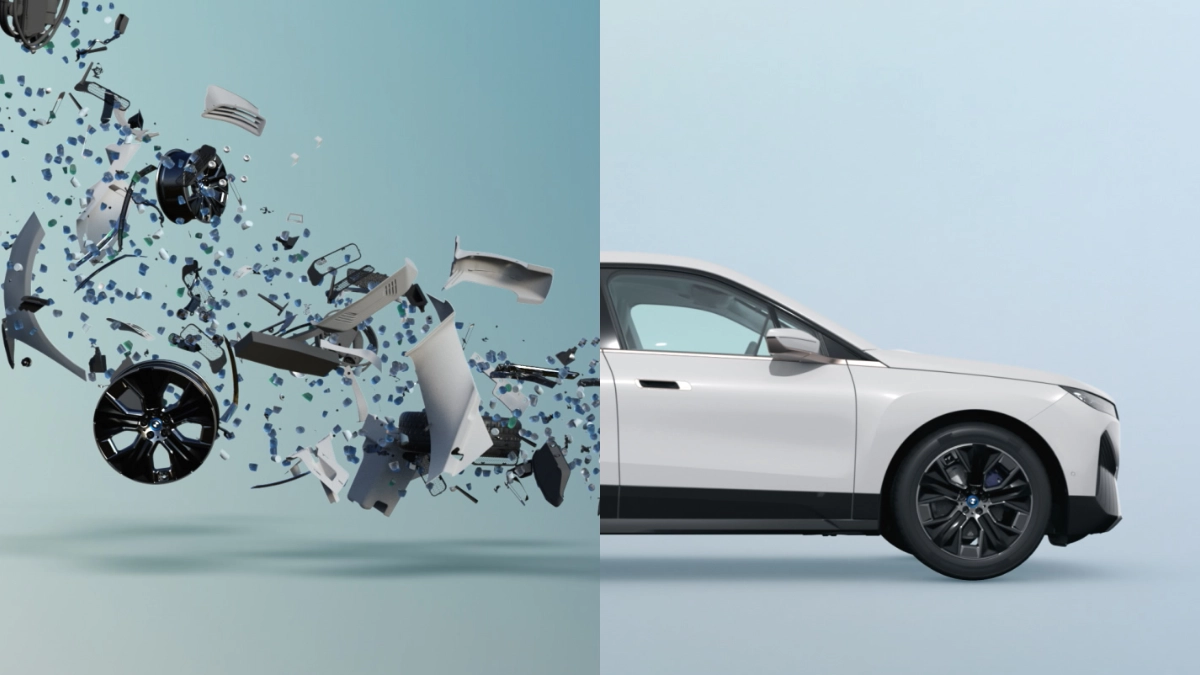

When a car reaches the end of its life, it can be processed and recycled for precious materials. Not only does it reduce the amount of metal piled in a junkyard, but it also reduces the demand for raw materials and the CO2 emissions caused by mining and manufacturing new metals. With that, BMW decided to test just how much can be recovered from a scrapped vehicle by introducing its Car2Car research project.
Car2Car is a project that focuses on recovering materials from end-of-life vehicles. It does this by improving the recovery for the vehicles being processed. This includes better pre-sorting, modifying shredding processes, classification, and sensor-based sorting.
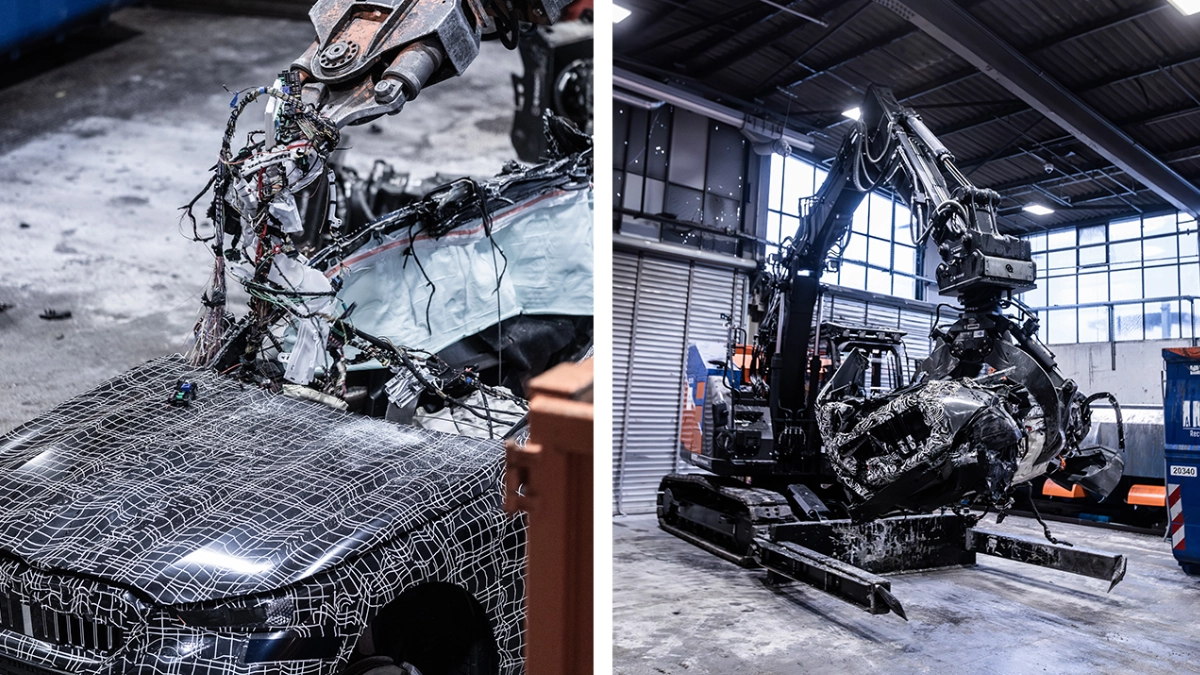
Through these optimized processes, the project showed that 51% of the materials from an end-of-life vehicle can be recovered. This is a 45% increase from the 6% rate produced through the industry’s standard material-recovery process.
OTHER STORIES YOU MIGHT HAVE MISSED:
Owner of Porsche 918 spotted on EDSA hit with show cause order for using fake plates
Toyota is offering the Zenix HEV with a P100k discount this August
Most of the materials recovered were steel, aluminum, and copper—with steel having the largest increase in recovery from 1% to 81% and more than 100,000 series parts produced for use in vehicles. The research findings confirmed that there’s considerable potential for high-quality material loops; in simpler terms, the process of recycling old materials to put them safely into a new product while maintaining their quality and usefulness.
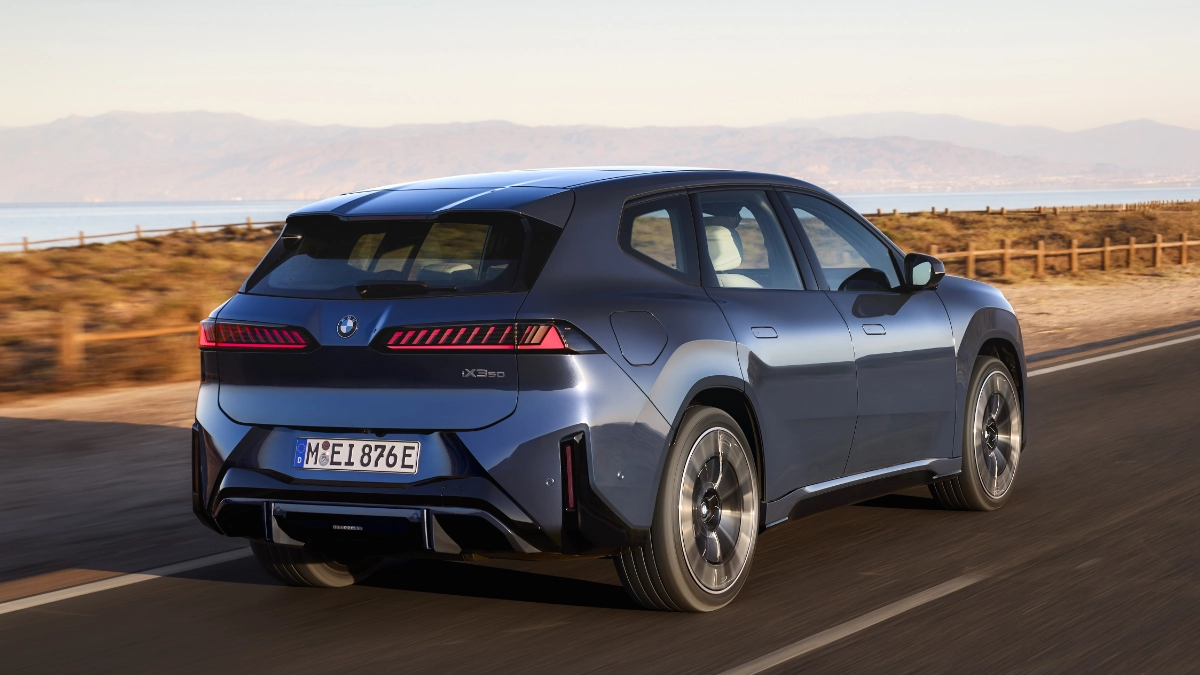
While humans have figured out effective processes for recycling steel, aluminum, and copper, BMW points out that there’s still a lack of solutions for materials like plastic and glass that meet the auto industry’s high-quality standards.
BMW further says that the findings from the Car2Car research project will be used to develop the company’s circular economy, confirm its established Design and Circularity approaches, and help in designing vehicles with high-quality material loops in mind. The company also says that its findings can help serve as an important data basis for further development of the entire automotive recycling landscape. With refined processes like these, it looks like our cars really continue serving long after we’ve stopped driving them.
“The circular economy is an integral part of the BMW Group’s corporate strategy. Car2Car shows that its full potential can be realised when the entire value chain is optimized,” said BMW Group senior vice president of business development Alexander Efthimiou. “Together with our partners, we are using the project findings to develop new processes and business models that combine environmental and economic benefits, and advance the transition towards a circular automotive industry.”