Car hi-fi speakers are heavy, bulky, and wasteful of power. Packaging the speakers in the doors or the dash is a headache. So is getting rid of the heat they generate.
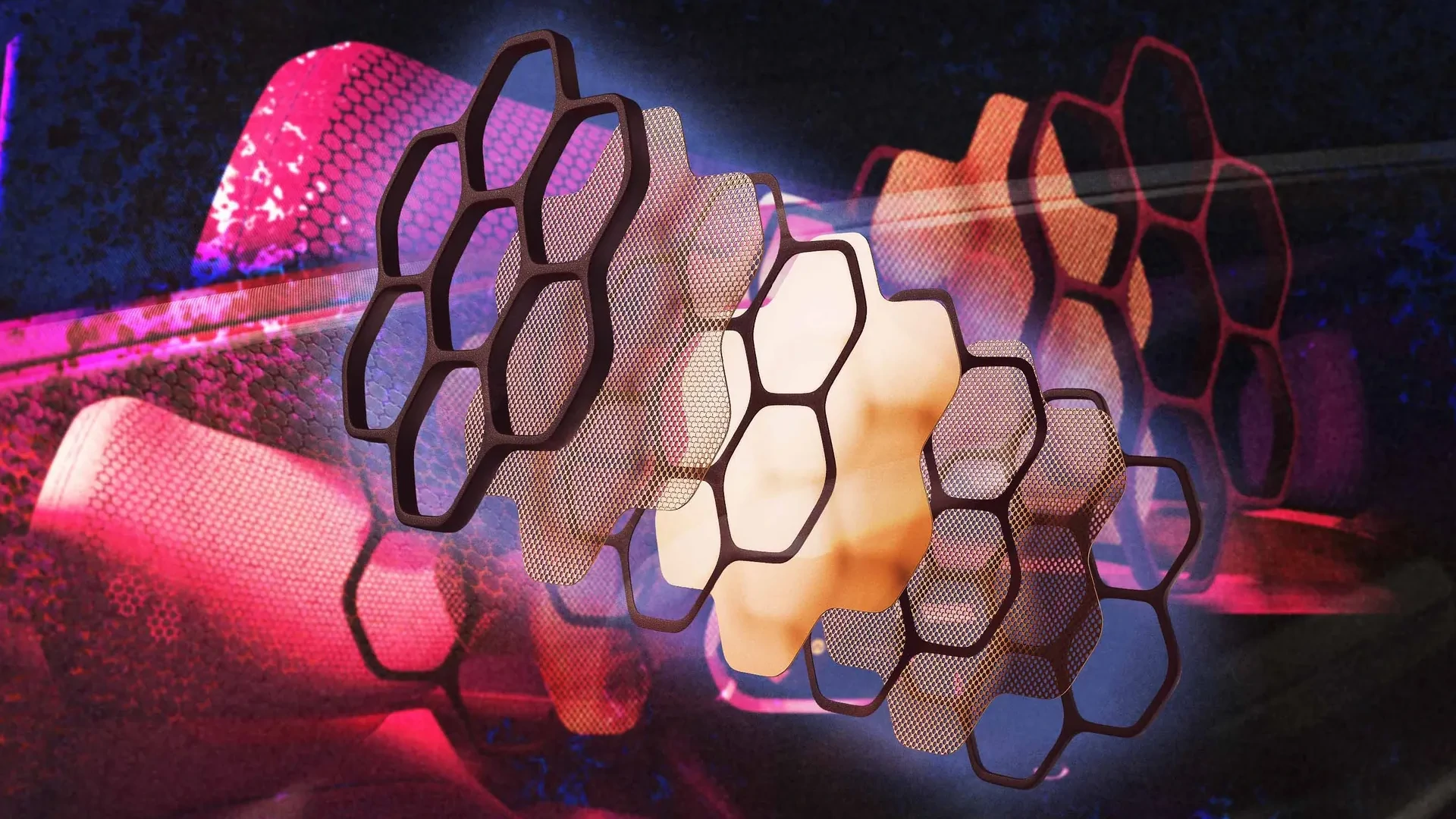
Now imagine a speaker that isn’t a cone, but a simple ultralight thin film. Instead of that heavy cone with its attached magnet vibrating back and forth, the whole film vibrates under electrostatic force that changes at the frequency of the music.
Electrostatic speakers. They have been a cult among hi-fi enthusiasts for decades, due to their natural, uncolored sound. But they are new in cars.
OTHER STORIES YOU MIGHT HAVE MISSED:
Final drive: We do one last epic road trip with the R35 Nissan GT-R in Japan
A closer look at the P24.78-M Mercedes-AMG G63
High-end ESL headphone maker Warwick Acoustics has been in the R&D phase for car systems for years, and says it will be offered in a production car this year.
One of the breakthroughs is shrinking the panels. Increasing the electrostatic charge and containing it between the stator plates that sit at a 1mm gap on either side of the vibrating membrane. Material science has enabled this. That means the sound level rises hugely per area of panel.
Large flat panels would normally be just as hard to fit into car trim as deep cones. But new smaller panels are thin enough to lie behind curved door and dash panels, or the roofliner, or even in head restraints. The possibilities for packaging and stereo imaging are hugely exciting.
They’re good for efficiency, too. A big conventional audio system can draw nearly 1kW. Imagine a big battery EV averaging 65kph and 5km/kWh—not untypical—then the audio has wasted about 30km of potential range. It’s worse in summer because the waste energy is heat radiated from the speakers, so you might have to run the air-con harder. The ESL uses less than one-fifth of that energy.
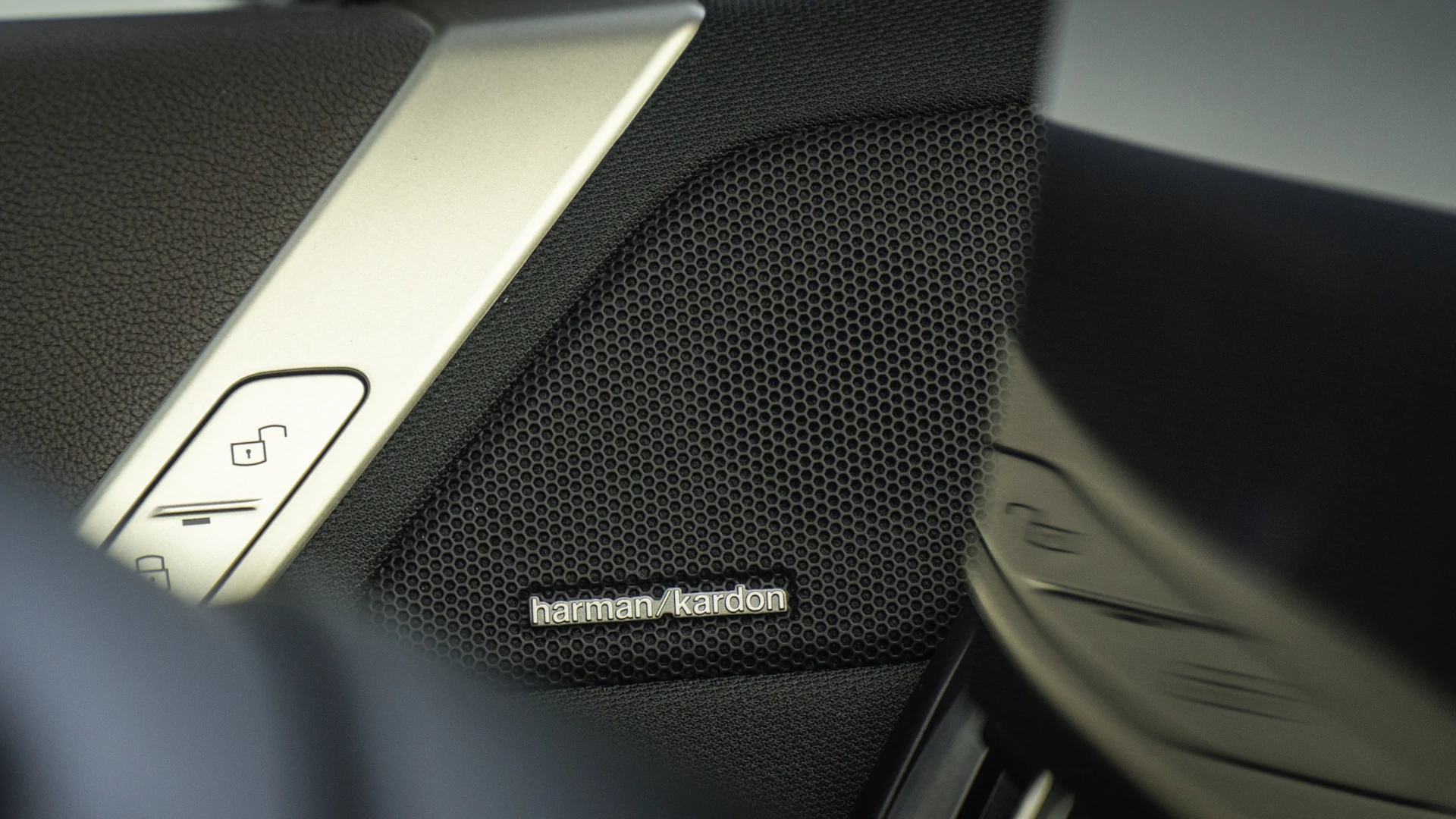
There’s also a significant manufacturing imprint. Conventional magnetic speakers contain a lot of environmentally damaging rare earth metals including neodymium and dysprosium. Even in an electric car with rare earth magnets in its motors, the hi-fi can account for 30 per cent of all the rare earths in the car.
While home ESLs have always been crushingly expensive, Warwick Acoustics says the new installations will be priced on par with, say, the high-end optional car systems such as Burmester.
NOTE: This article first appeared on TopGear.com. Minor edits have been made.