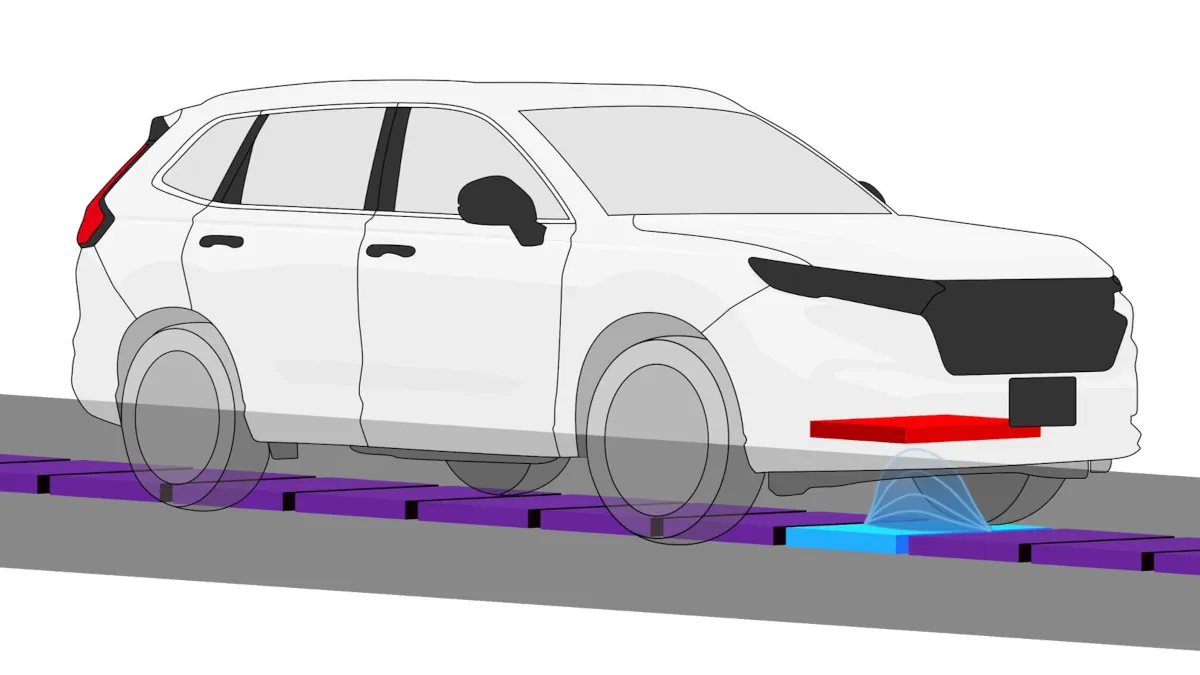

Honda has formally announced the ongoing development of wireless EV charging infrastructure, capable of transmitting power to compatible vehicles moving at expressway speed. The development of the technology is a joint effort between Honda, general construction contractor Taisei Corporation, and its road construction subsidiary Taisei Rotec Corporation.
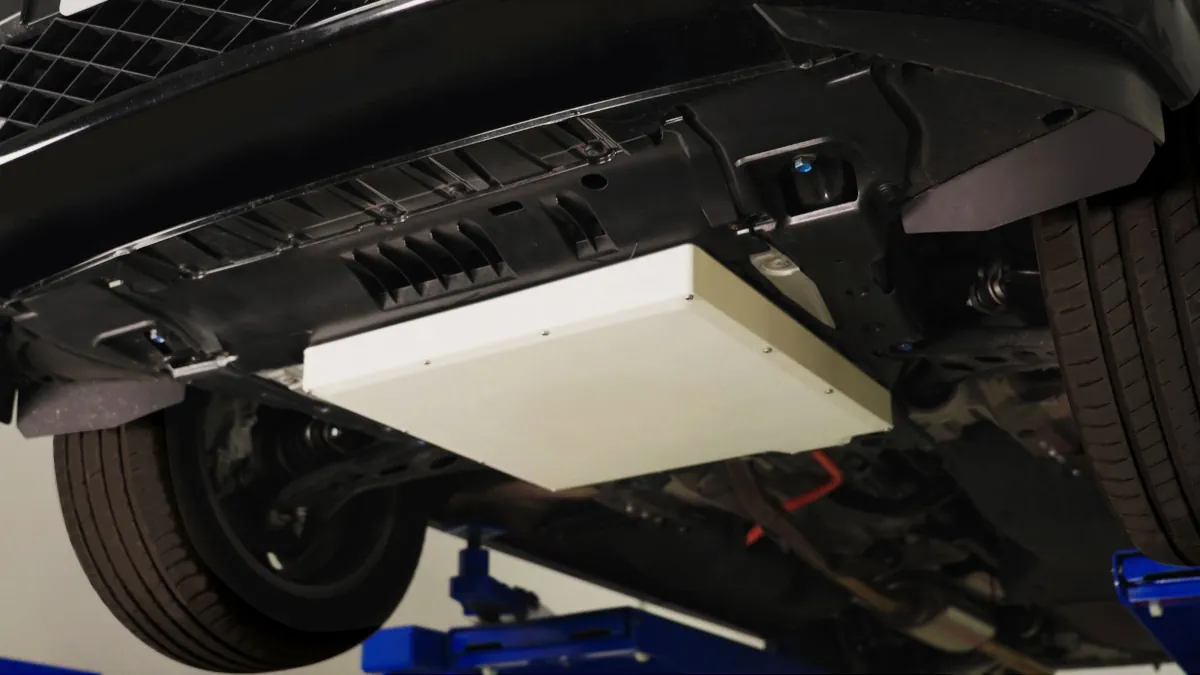
Known as dynamic wireless power transfer (DWPT) technology, the setup involves power transmitters embedded beneath pavement and power receivers mounted to EVs. As the vehicle travels along the underground transmitters, its receiver harvests energy to restore battery charge. Honda is targeting power output levels of up to 150kW for vehicles traveling at up to 120kph, the highway speed limit in Japan.
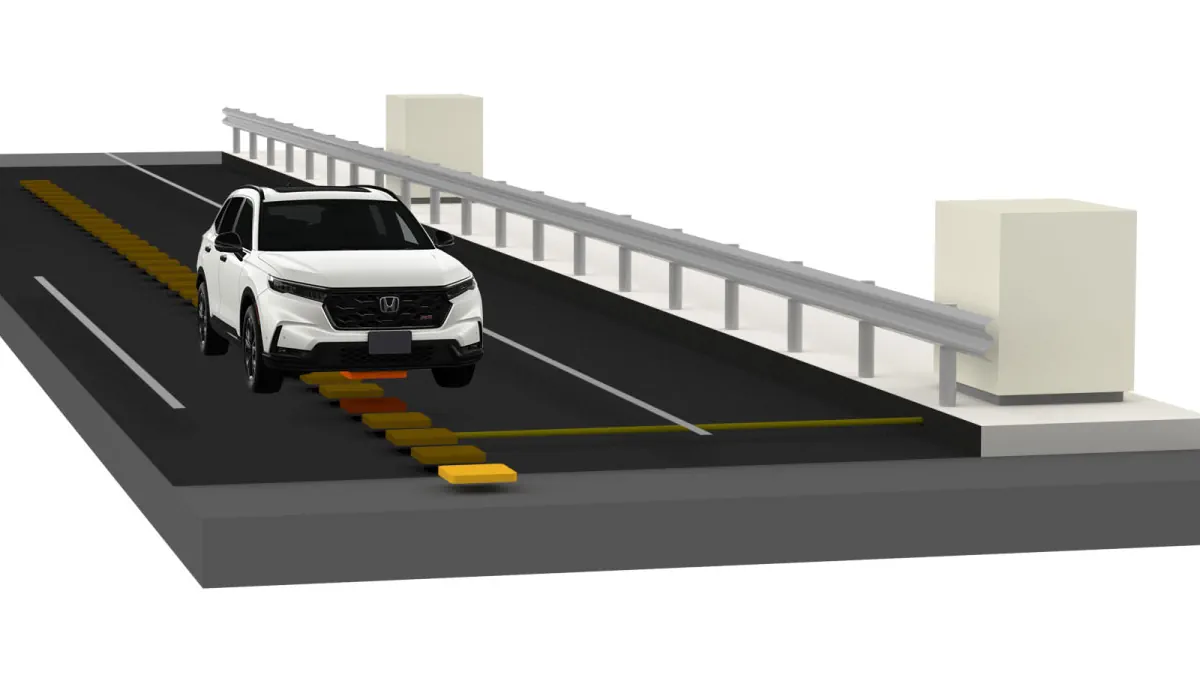
The Japanese automaker shares that the DWPT technology has been under development since 2021. Although Honda pivoted away from BEVs earlier this year, it remains committed to “pursuing the development of new technologies and offering [of] new services with an eye toward widespread use of EVs in the future.”
OTHER STORIES YOU MIGHT HAVE MISSED:
Heads-up: ACMobility’s new charging rates will take effect on Oct. 16
Tesla Model Y L units in PH are now faster, can do 0-100kph in 4.5sec
The companies developing DWPT aim to make the technology applicable to both passenger and commercial EVs. As a result, one of its key concerns is the infrastructure’s durability. Per Honda, development aims for DWPT-enabled roads to support large vehicles up to 20 tons.
Other identified requirements include stable and efficient power supply and distribution, as well as a practical method of installing, maintaining, and upgrading the infrastructure.
Honda shares that in late 2026, real-world testing of DWPT technology will commence in a controlled environment. A test drive roadway will be built to evaluate the technology’s durability and performance. In fiscal year 2027, the developing companies also plan to test the technology by deploying it on a 300-meter segment of the Tateyama Expressway in Chiba Prefecture near Tokyo.
Honda R&D chief engineer Taka Ueda believes the project will make EVs even more viable for more motorists by addressing concerns such as charging locations and range anxiety. By extension, DWPT-enabled roads could allow manufacturers to fit fewer battery cells onto vehicles, driving down cost and weight.