
For years, the only people-haulers you could consider as legitimate competitors in the van segment were from Toyota, Nissan, and Hyundai.
The Hiace was and has always been, well, the Hiace. It had a fresh start with the all-new model making its global premiere here in the Philippines one pandemic ago. The NV350 Urvan and the Grand Starex, on the other hand, were both already long in the tooth.
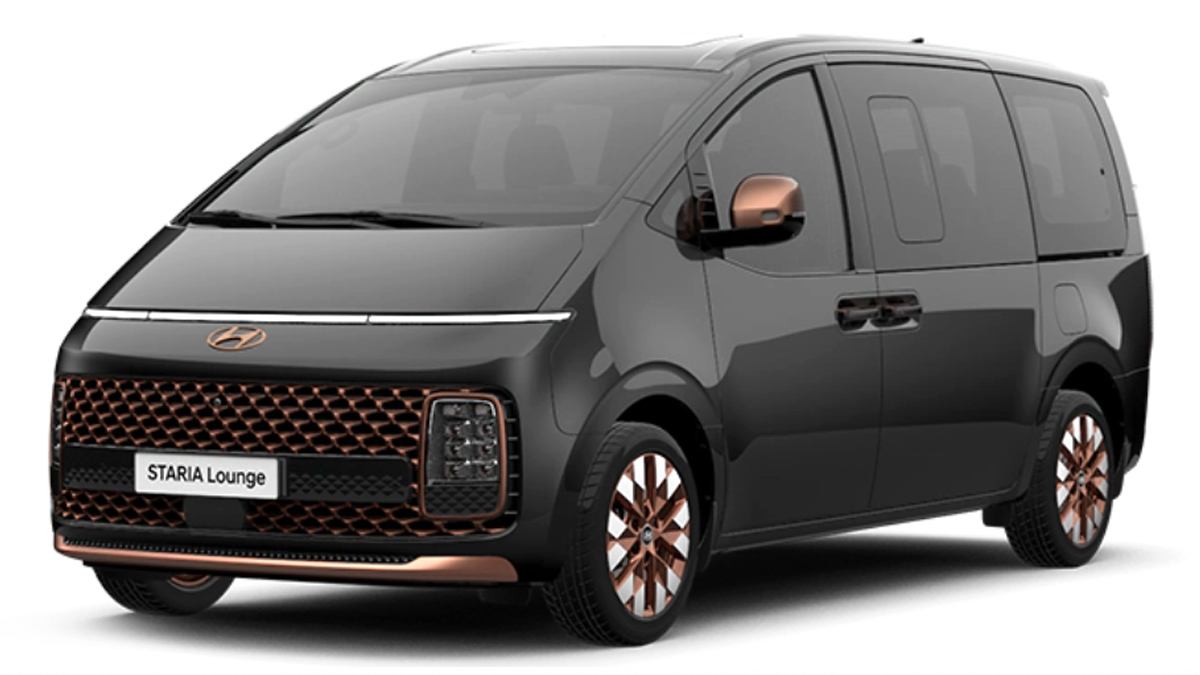
Fast forward to early 2021, Hyundai launched what was not only a seemingly worthy Starex successor but also a real threat to the Hiace: the Staria. It may have taken its time before it officially got here, but it eventually did, and now we have a full lineup of it available in the Philippines.
Recently, I was given the keys to the 11-seater version of this new Hyundai. How does it live up to all the hype?
OTHER HYUNDAI REVIEWS YOU MIGHT WANT TO CHECK OUT:
Review: 2024 Hyundai Custin Premium
Review: 2023 Hyundai Stargazer GLS Premium
Styling
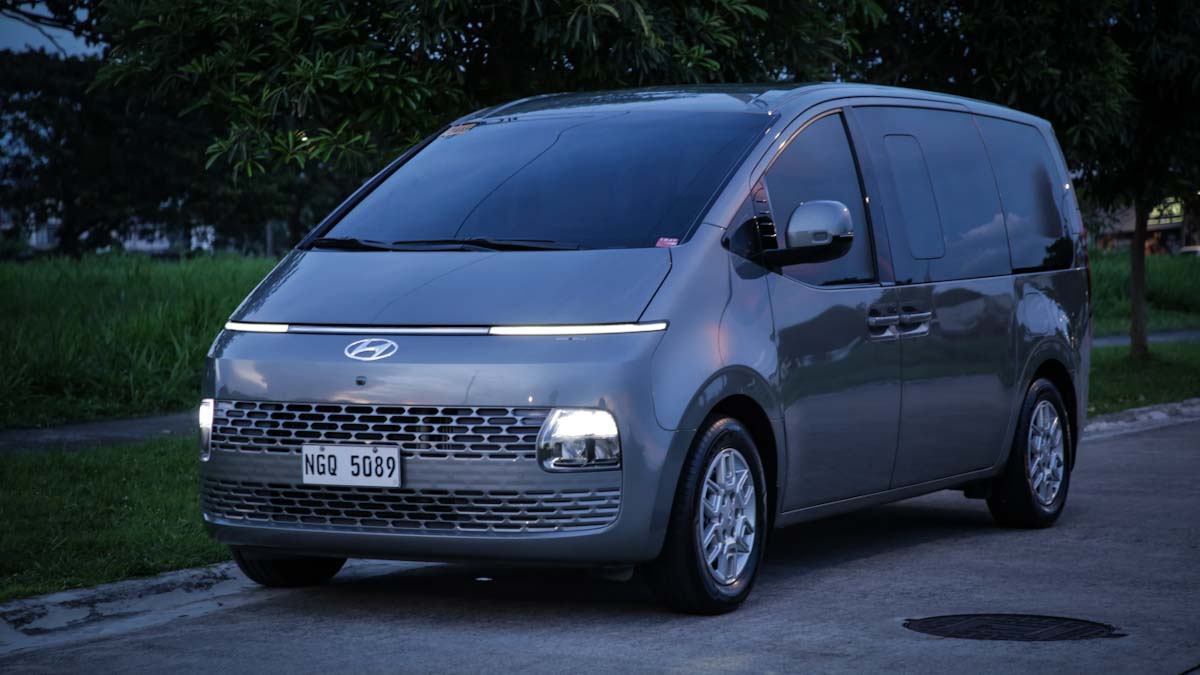
I remember the first time I saw a. Staria on the road–back when Hyundai Motor Philippines (HMPH) wasn’t officially established yet and only grey-market units were coming in–I damn near broke my neck looking at the thing on the Skyway. It looked way too futuristic to be plying Philippine roads.
To this day, part of me still thinks the Staria doesn’t belong here, and I mean absolutely no offense by that, because I think this thing looks stunning. Many of you might not agree with me on that, and that’s okay–this topic is always going to be subjective and polarizing, anyway.
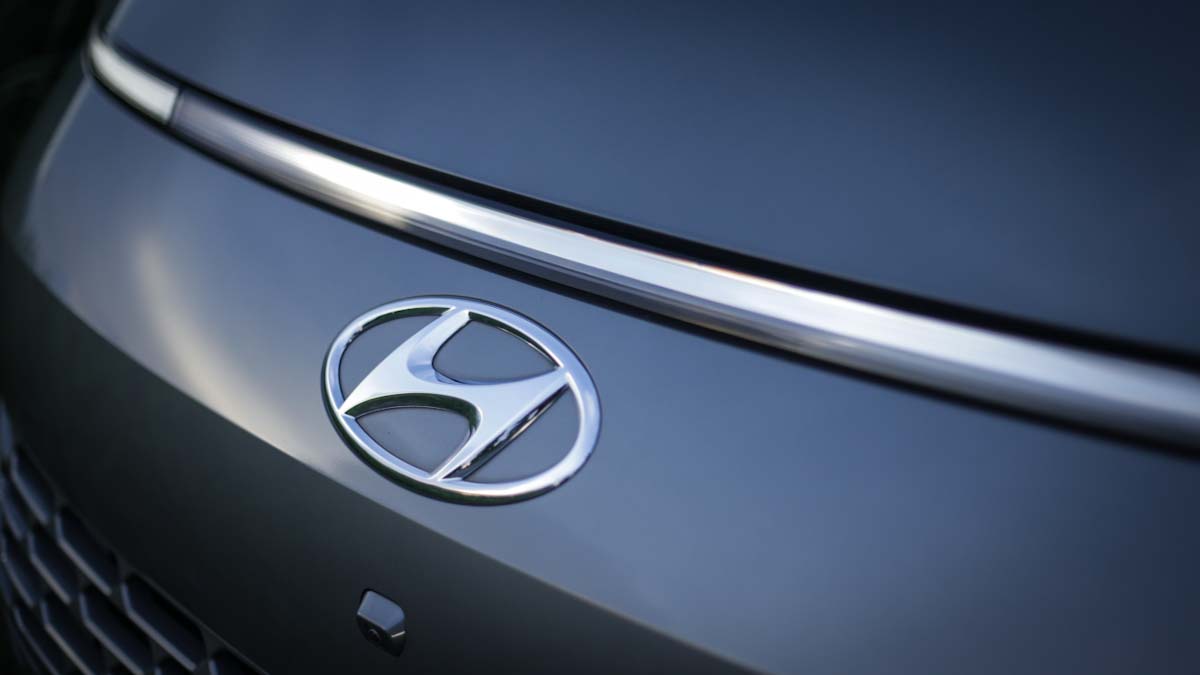
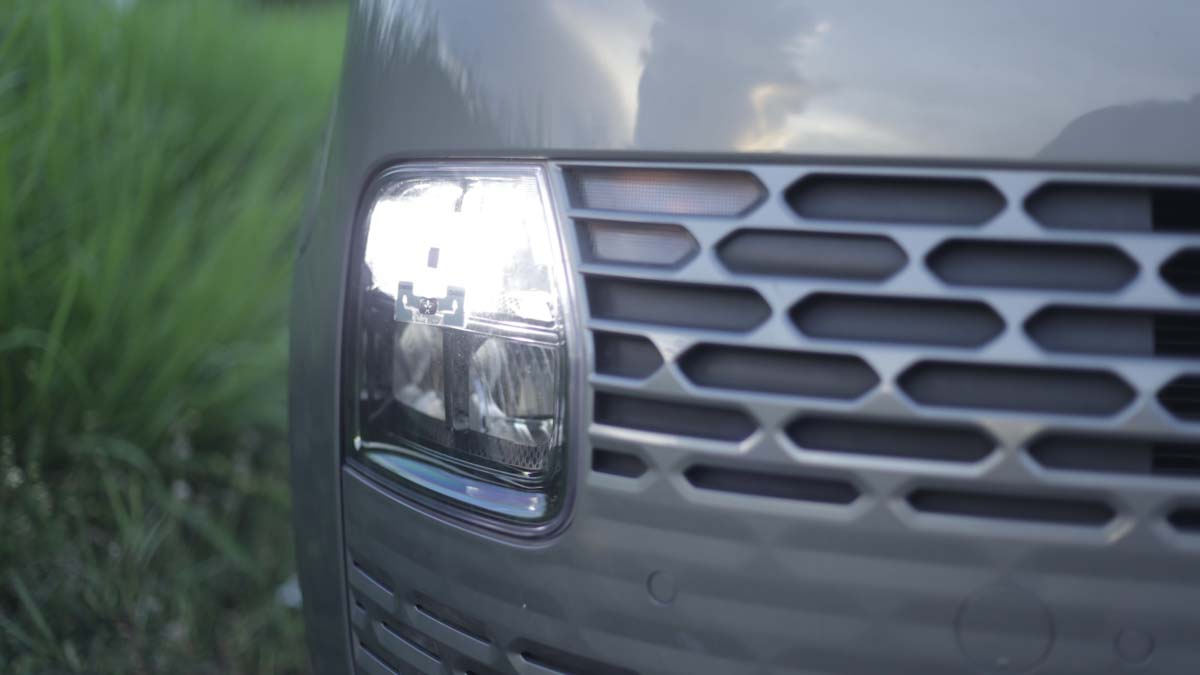
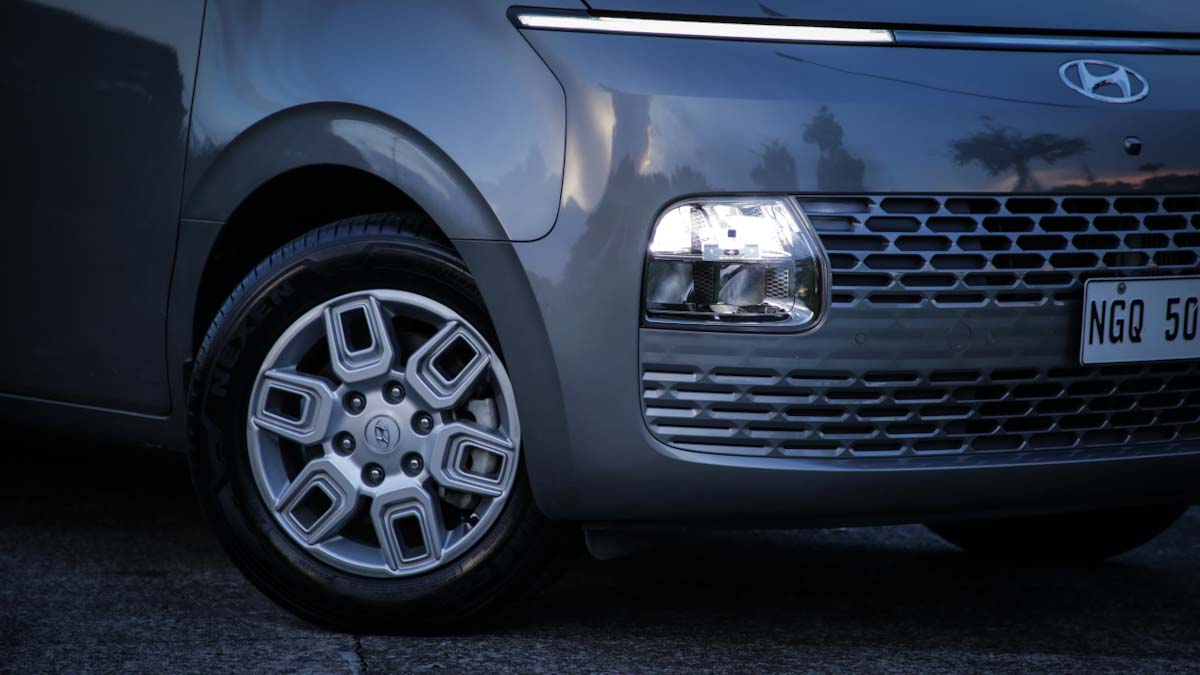
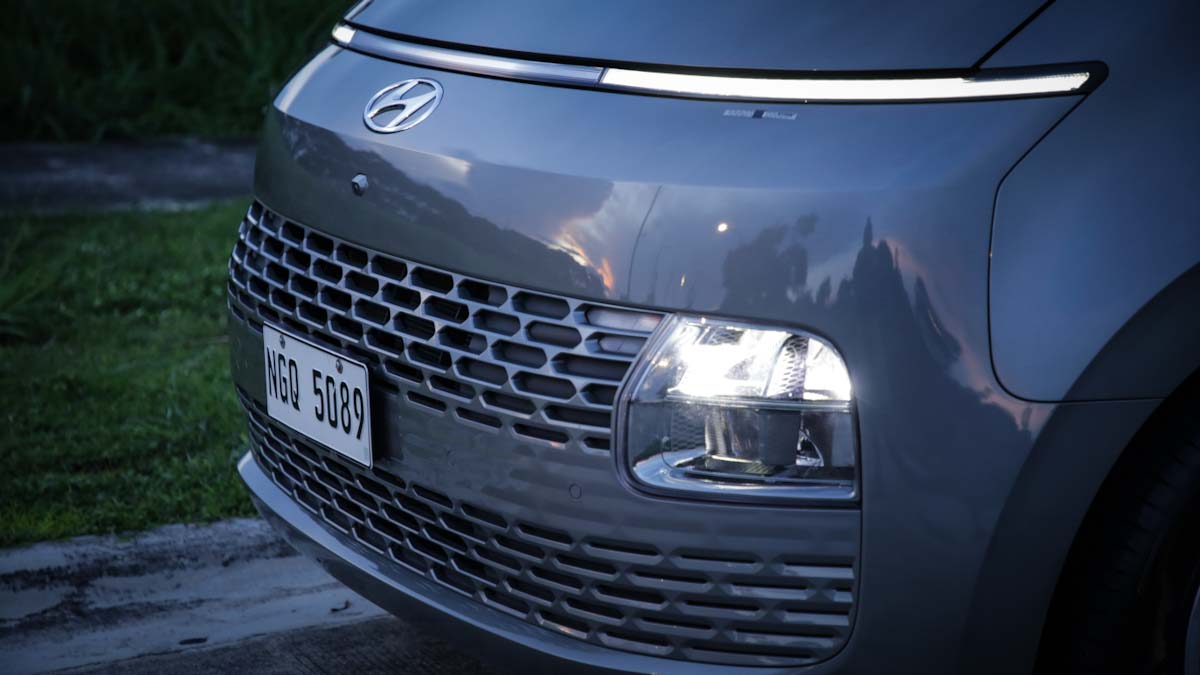
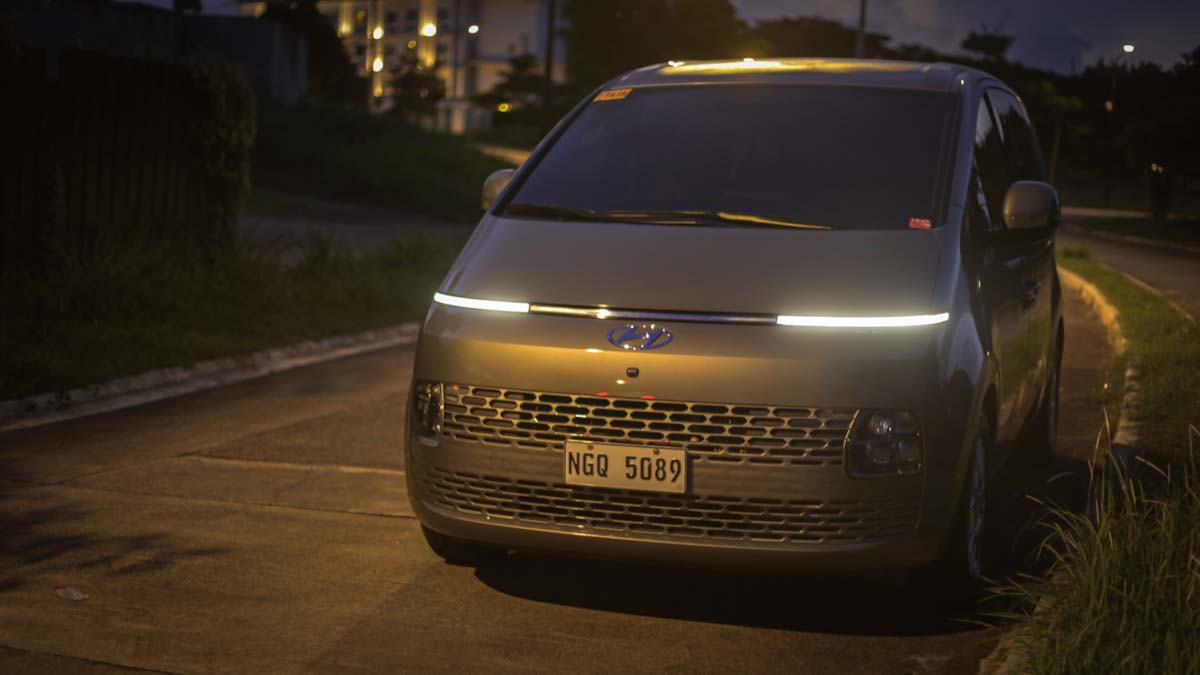
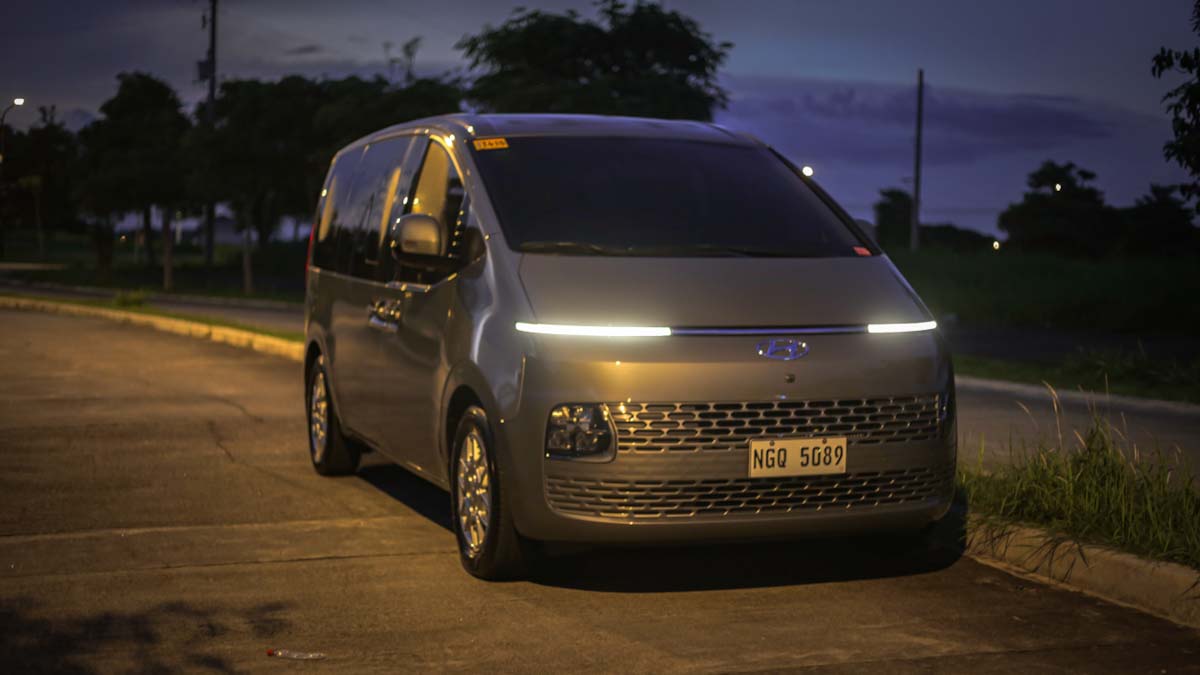
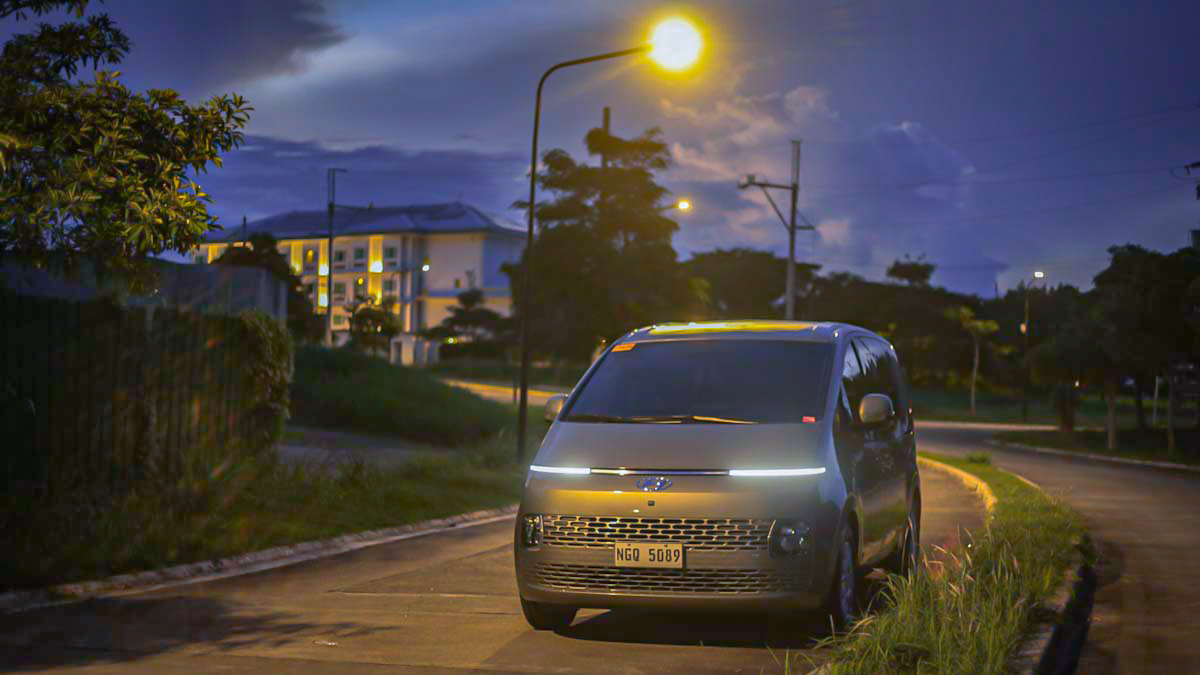
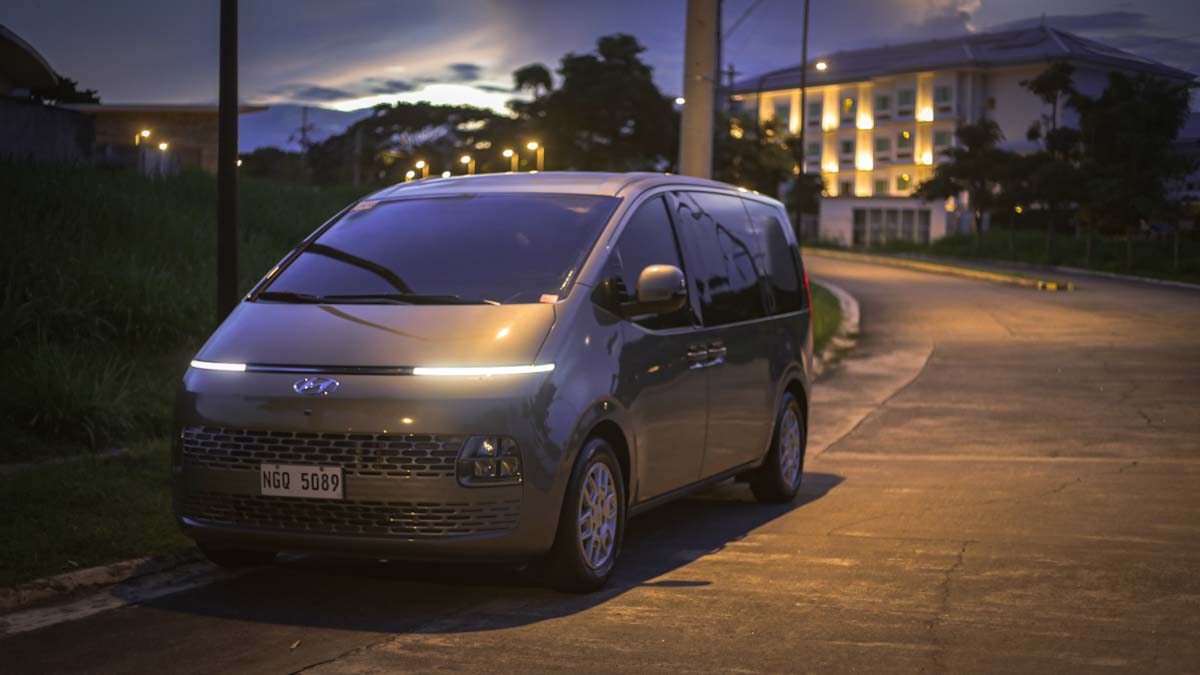
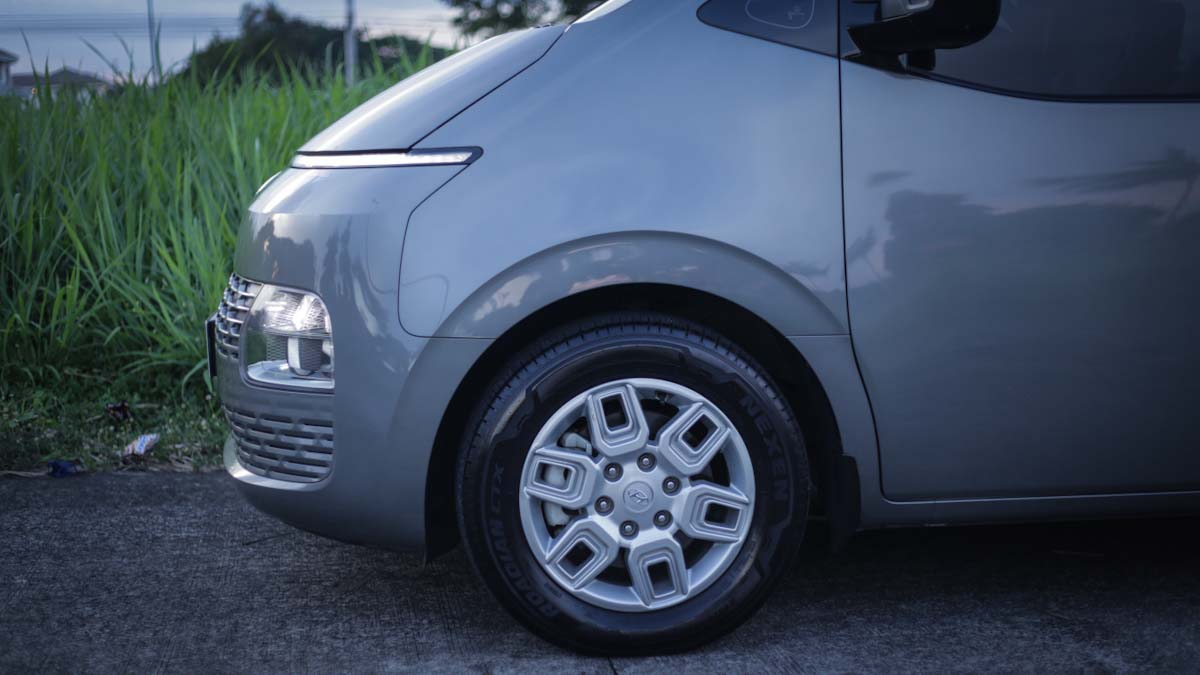
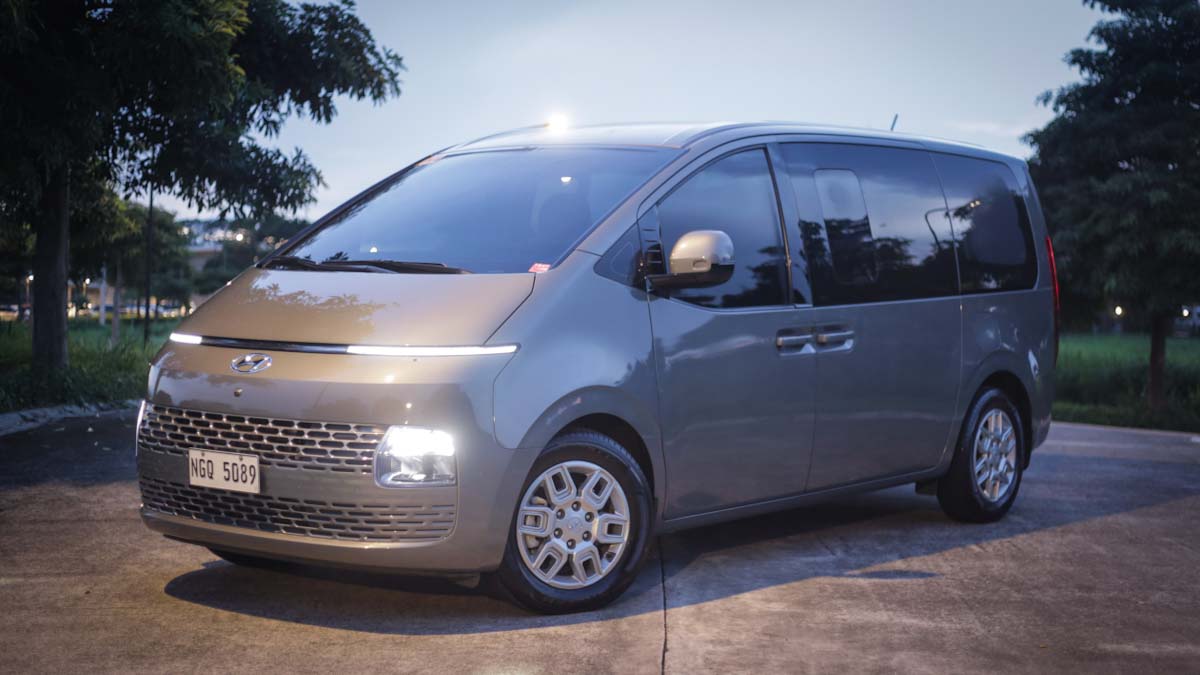
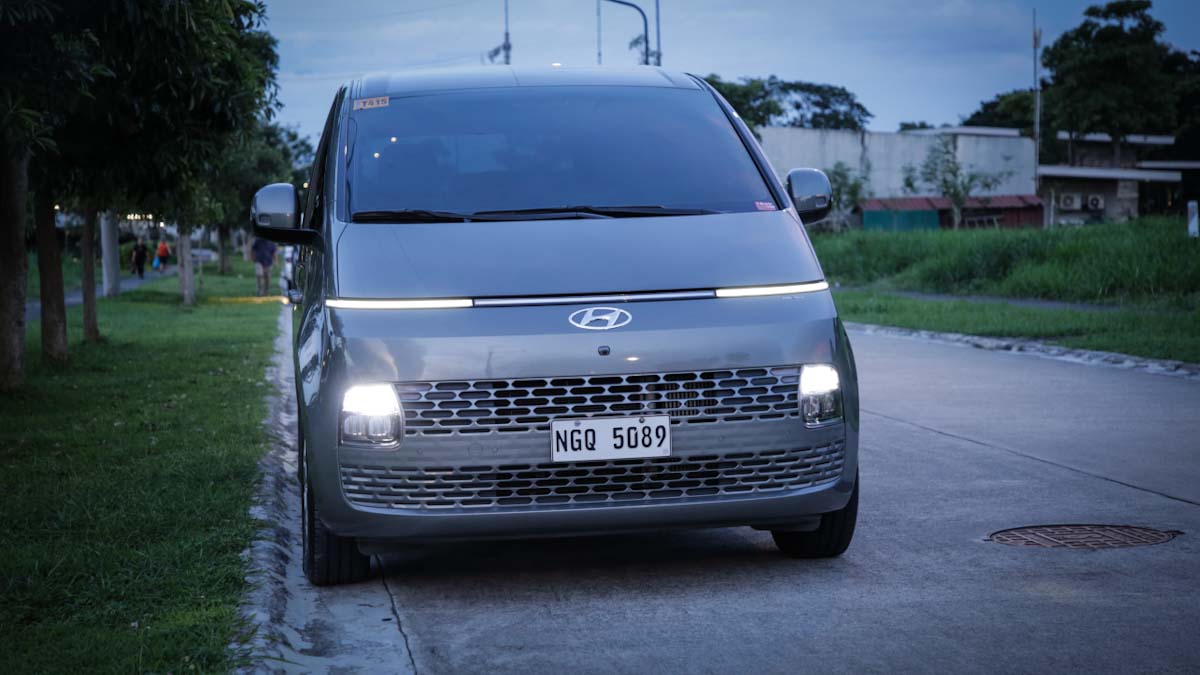
The front clip excites the senses. The long, thin DRL makes for an unmistakable light signature. The humungous grille enclosing the headlamps underneath complements the overall shape of the van quite well.
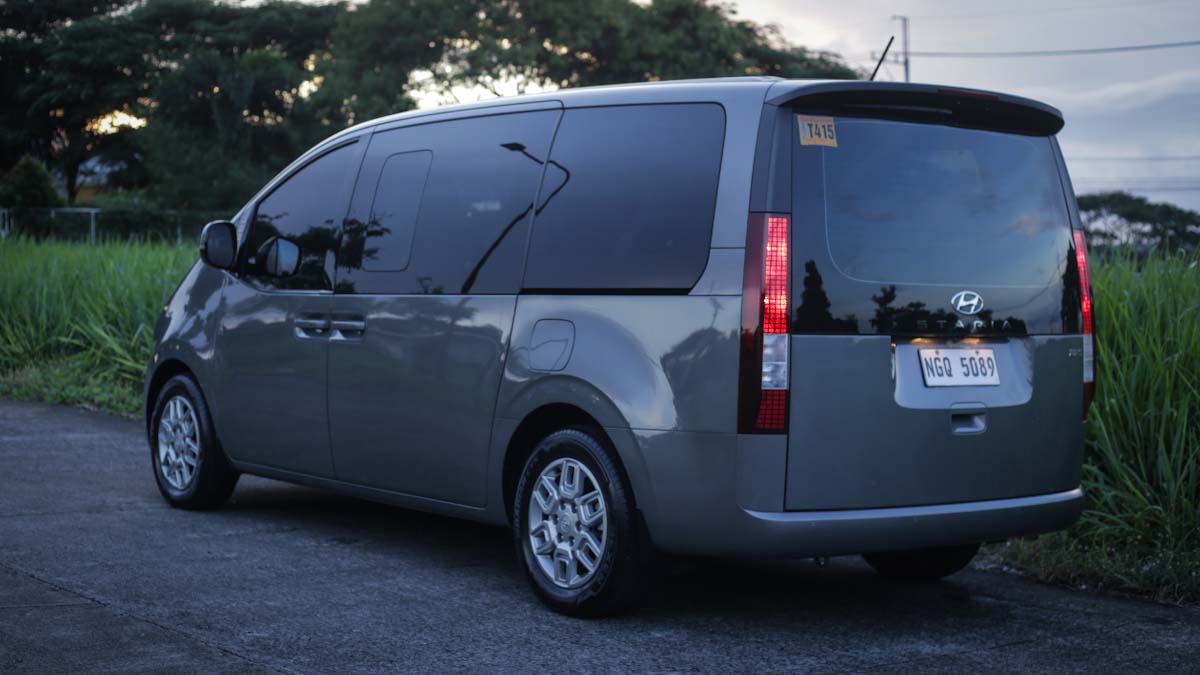
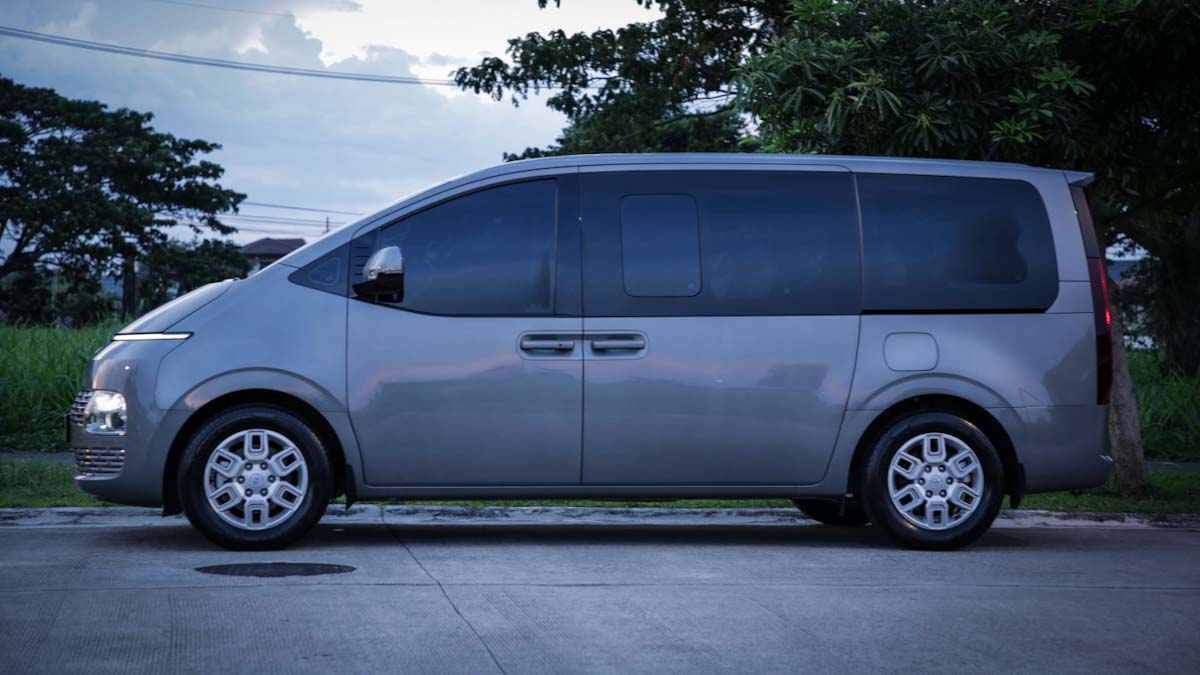
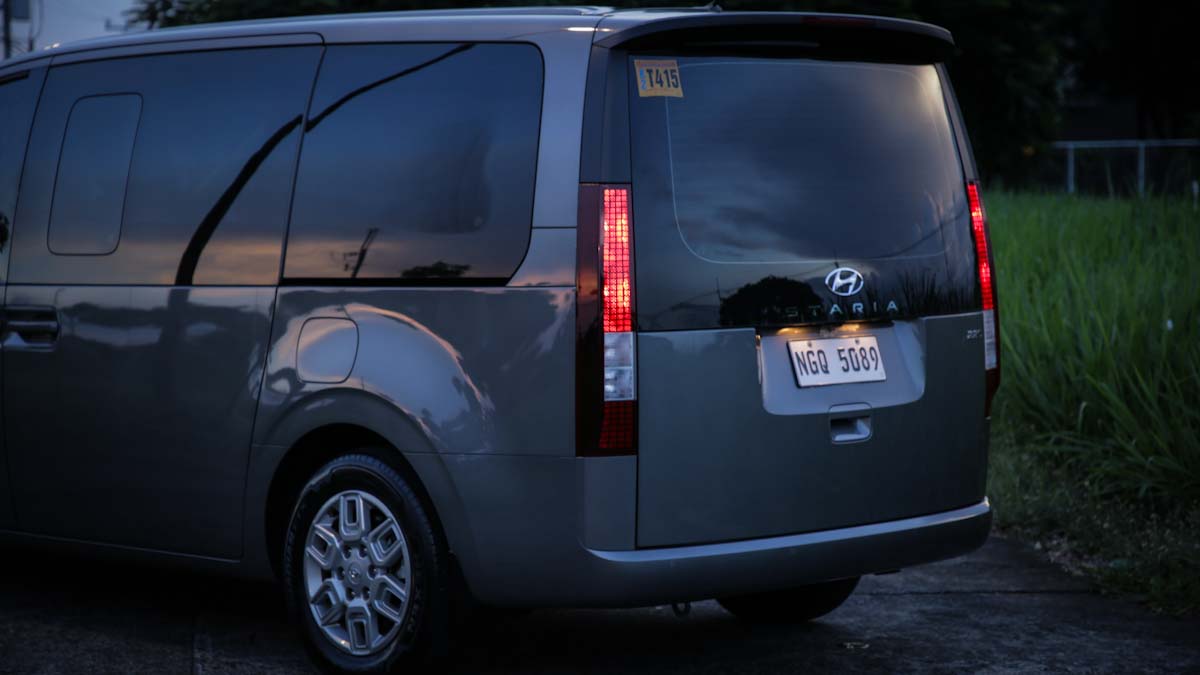
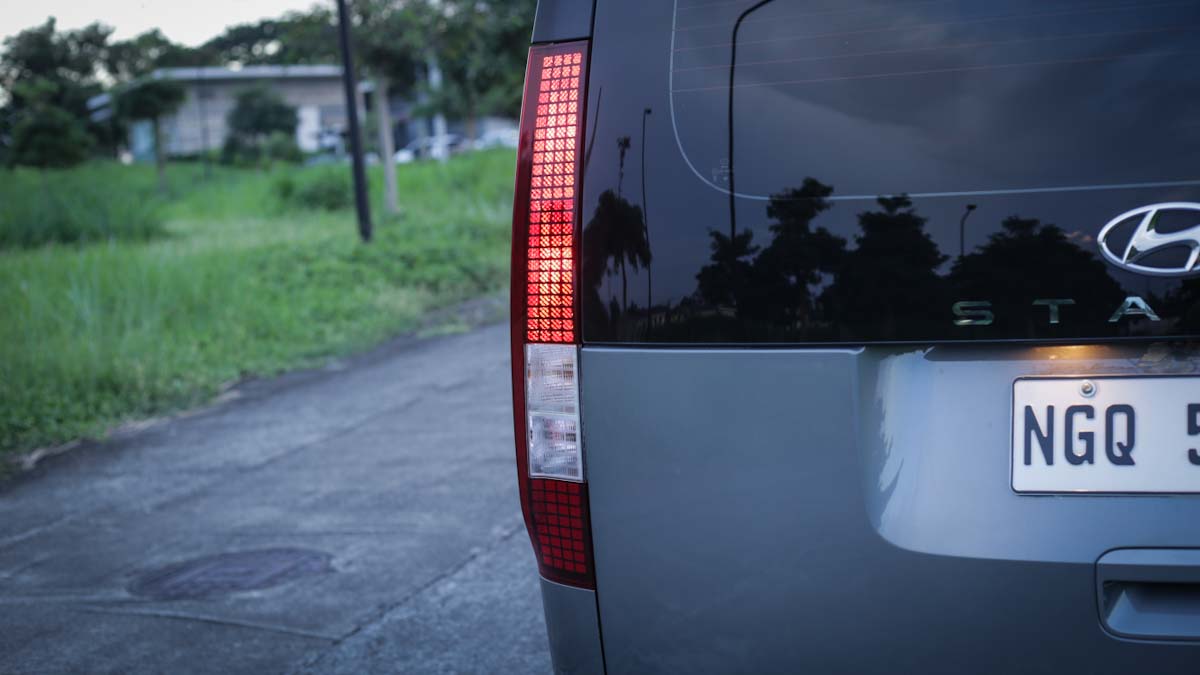
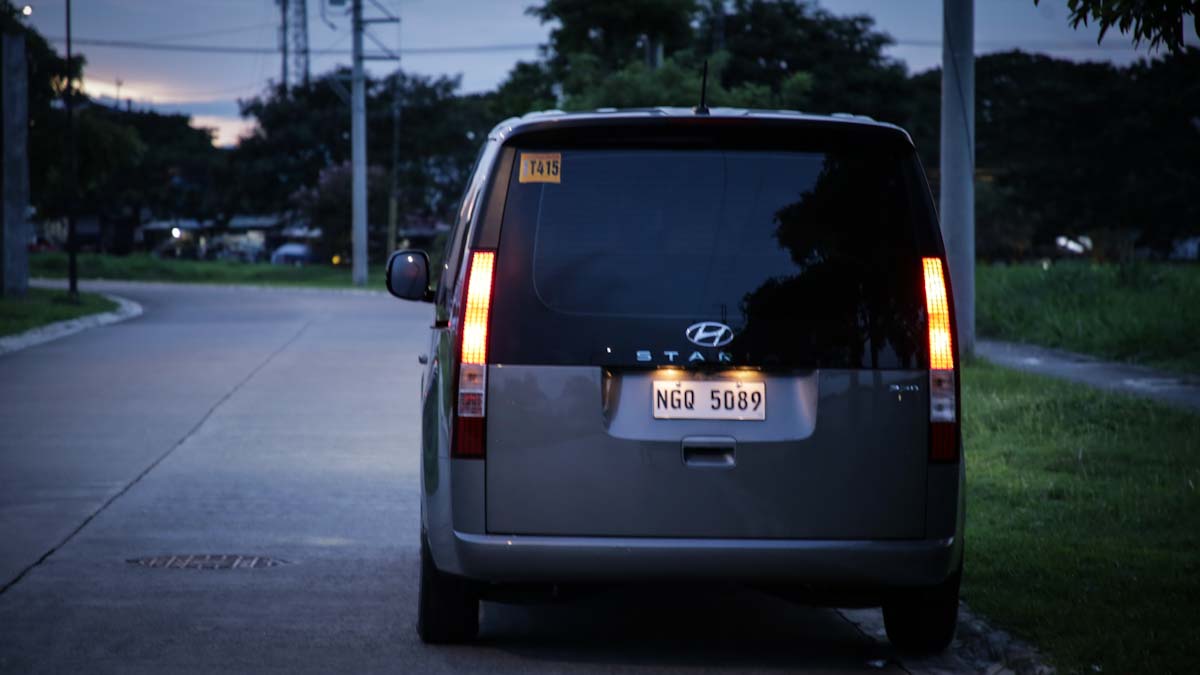
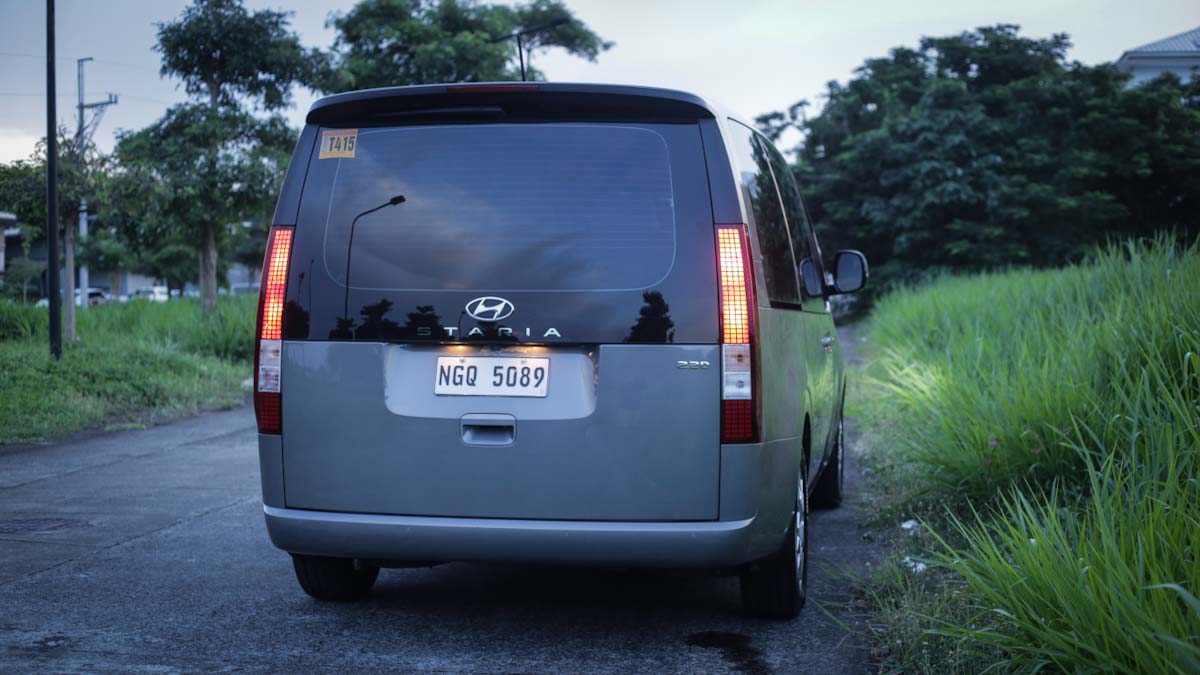
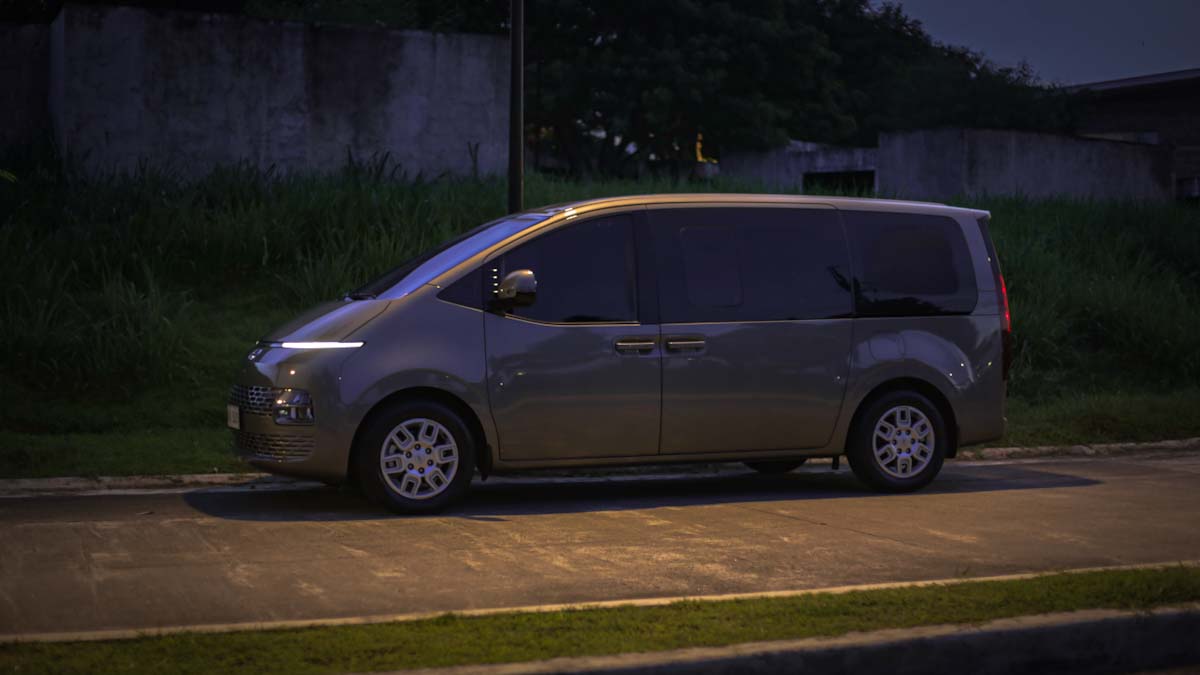
On the sides, large windows and black panels take up more than half of the real estate, giving the vehicle a bolder, bigger look. There’s an equally large glass and panel at the rear, complemented nicely by the tall, vertical taillights with that intricate square pattern.
The wheels underneath look pretty good, too. Not as nice as the wheels on the top-spec Staria, I admit, but still pretty neat.
Interior
When we featured the seven-seater Staria in our Big Test, I was disappointed at the interior. See, I had it winning against the Super Grandia, especially in the interior category, but it didn’t.
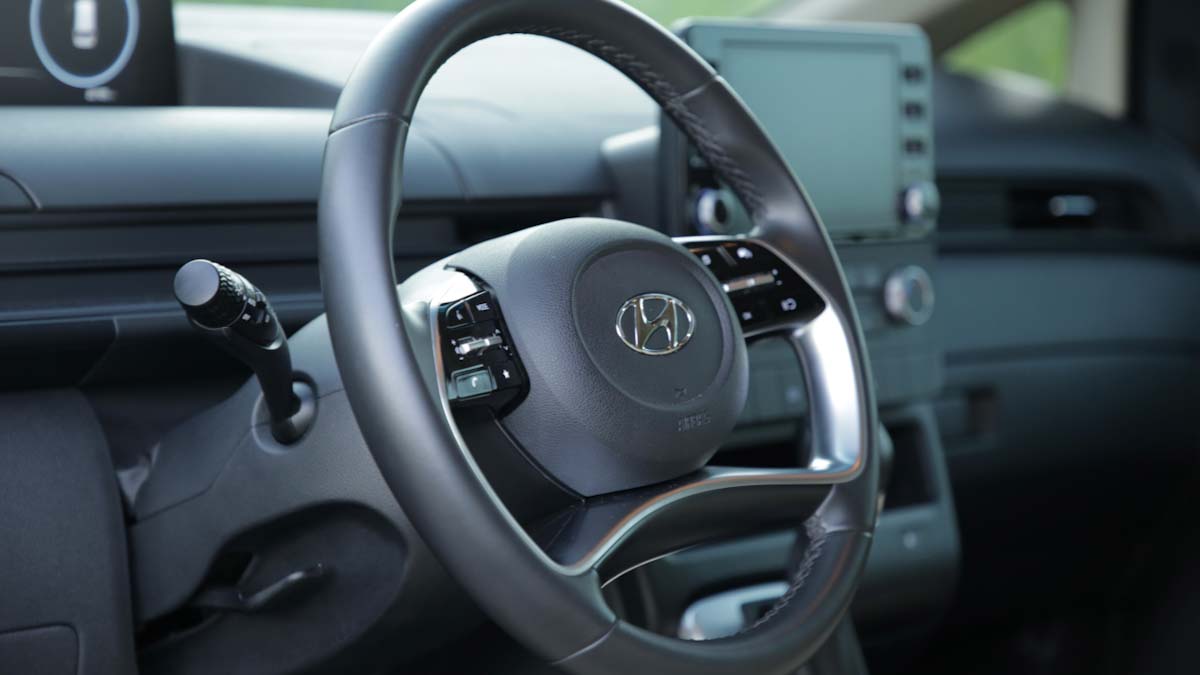
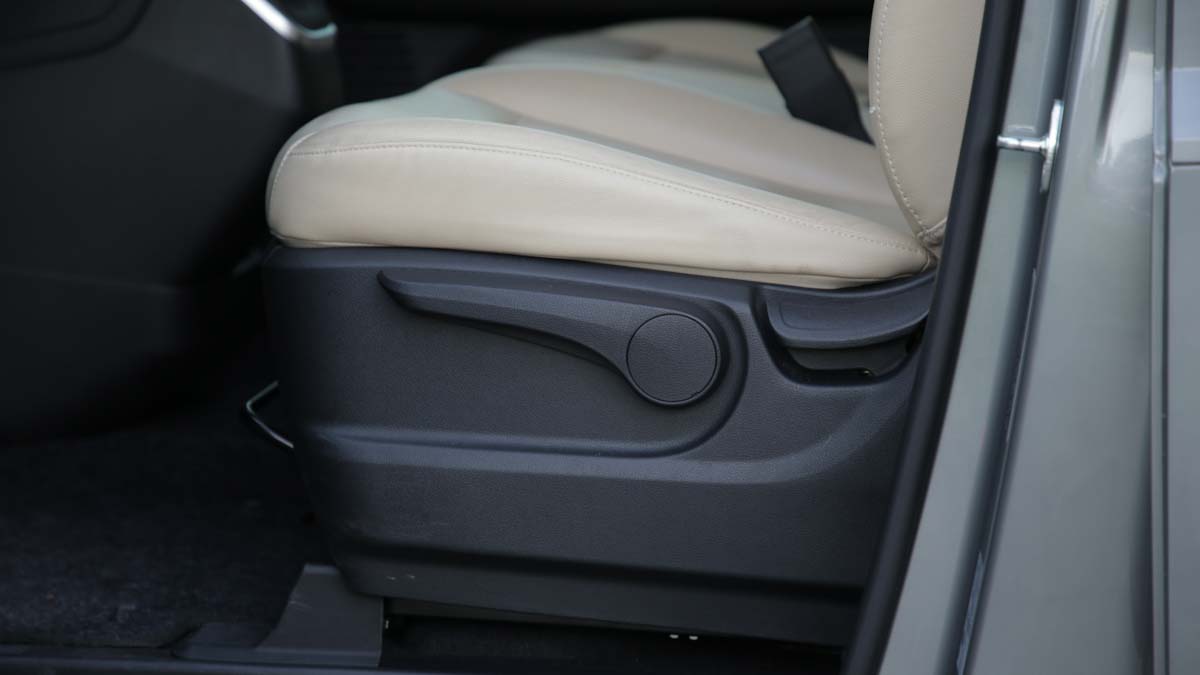
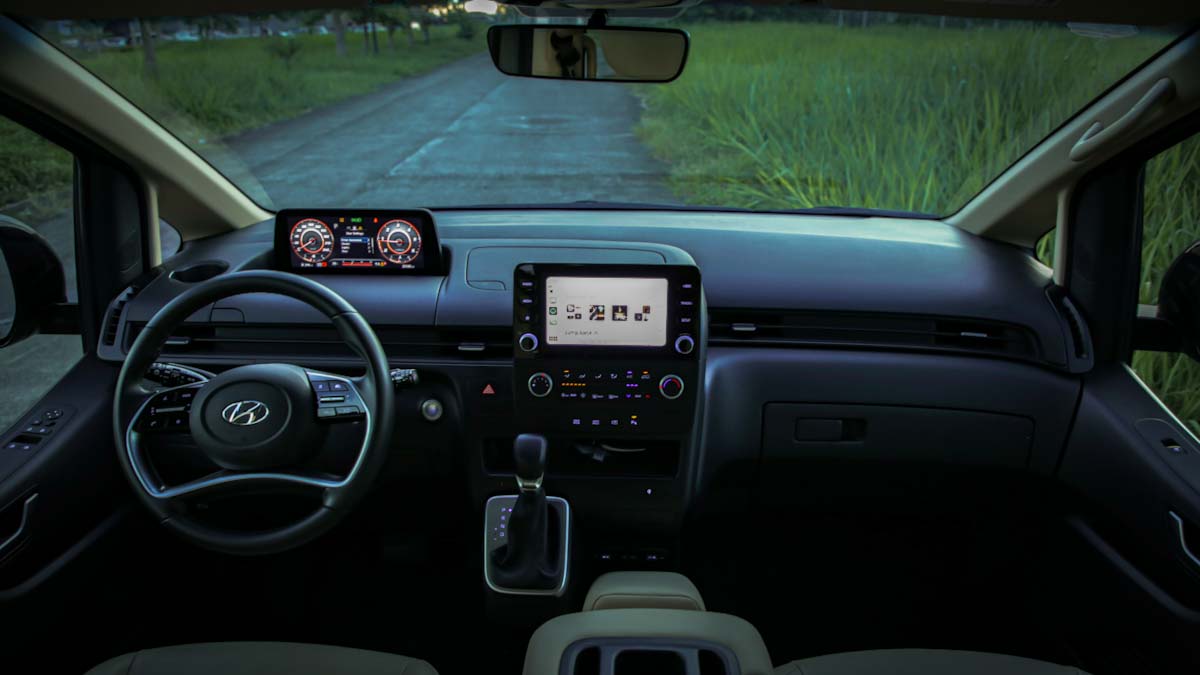
The inside of the 11-seater Staria is very similar outside of the extra seating, but this time, it doesn’t disappoint at all. Now that we’re looking at a van at a much lower price point, expectations are also much lower, and all the hard plastics from the dash in front to the side cubbies and cup holders at the back are forgiven. I still would’ve appreciated some soft-touch materials and the like to snazz up the cabin, but the plastics will do. I would’ve also liked to move the control for the electronic parking brake just to make it more intuitive to use, but that’s something would-be owners will eventually learn to live with.
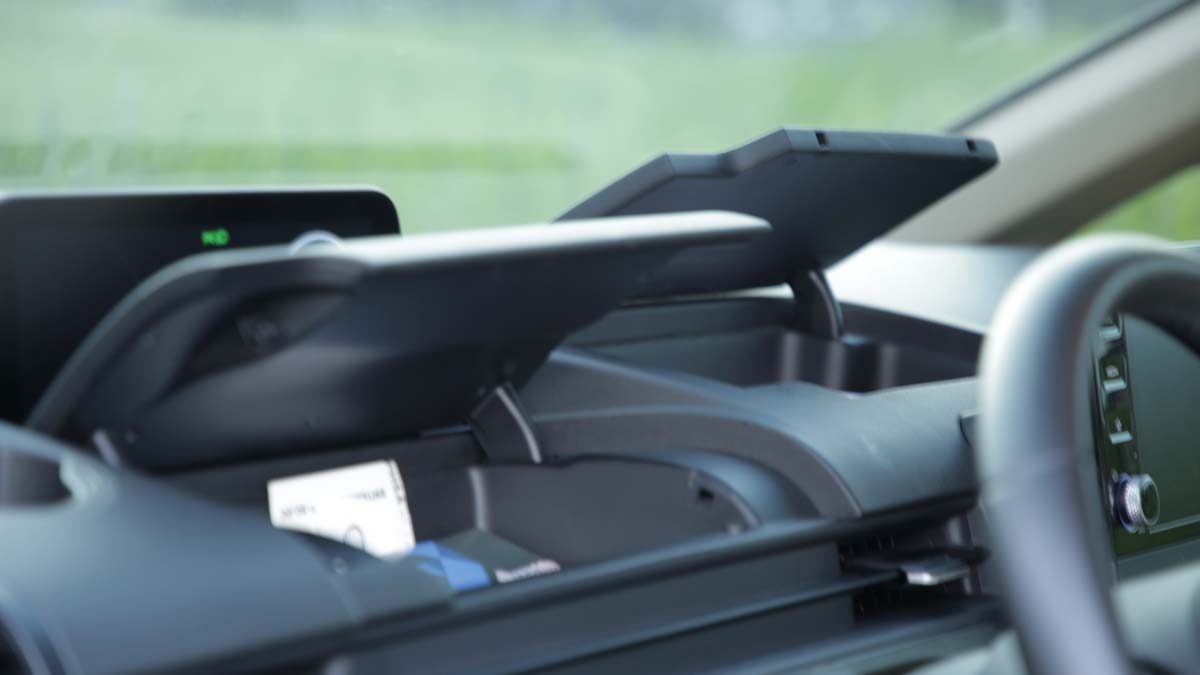
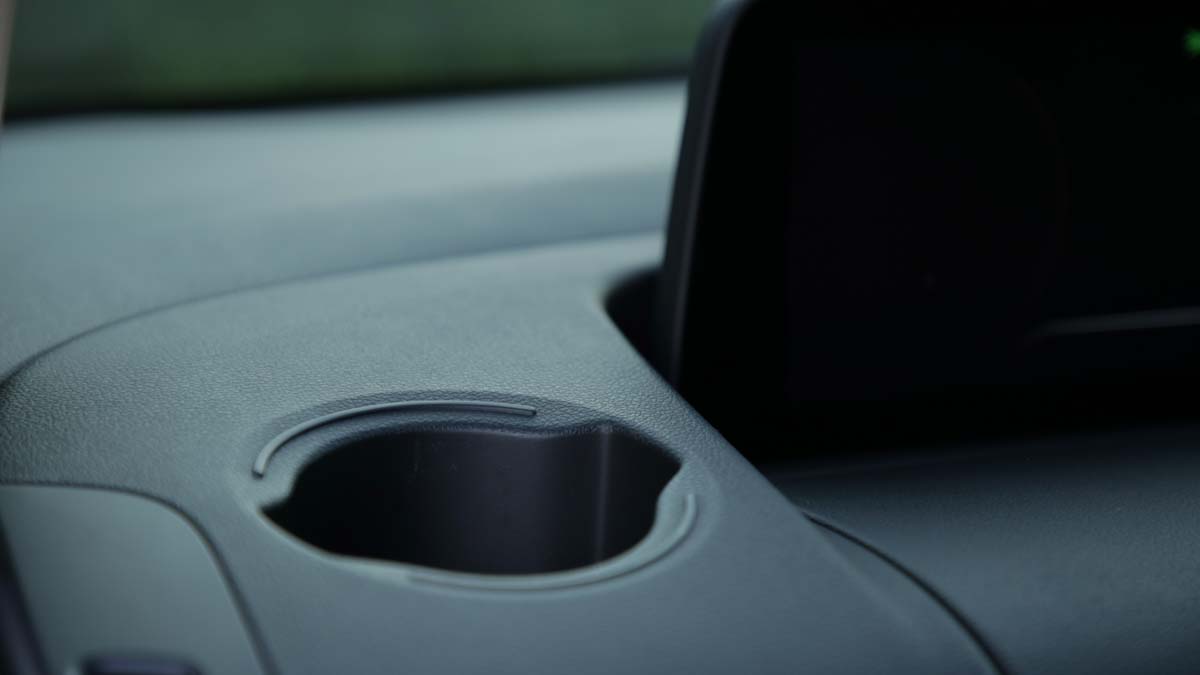
What’s good here is that all the storage spaces and the small nifty compartments are all still here. There’s plenty of space to keep all your necessities when you’re in the front row. And since legroom here is excellent, you can even have large bags in the middle–whether on the floor or the seat–without bothering the driver and the one riding shotgun.
The 11th seat in this Staria, however, is also here up front, and personally, I’m not a fan. I’d rather have that seat folded down and use the trays and cup holders. That being said, there’s still enough room here for an average-sized adult. Just don’t put three of me up front because elbow room might not be enough.
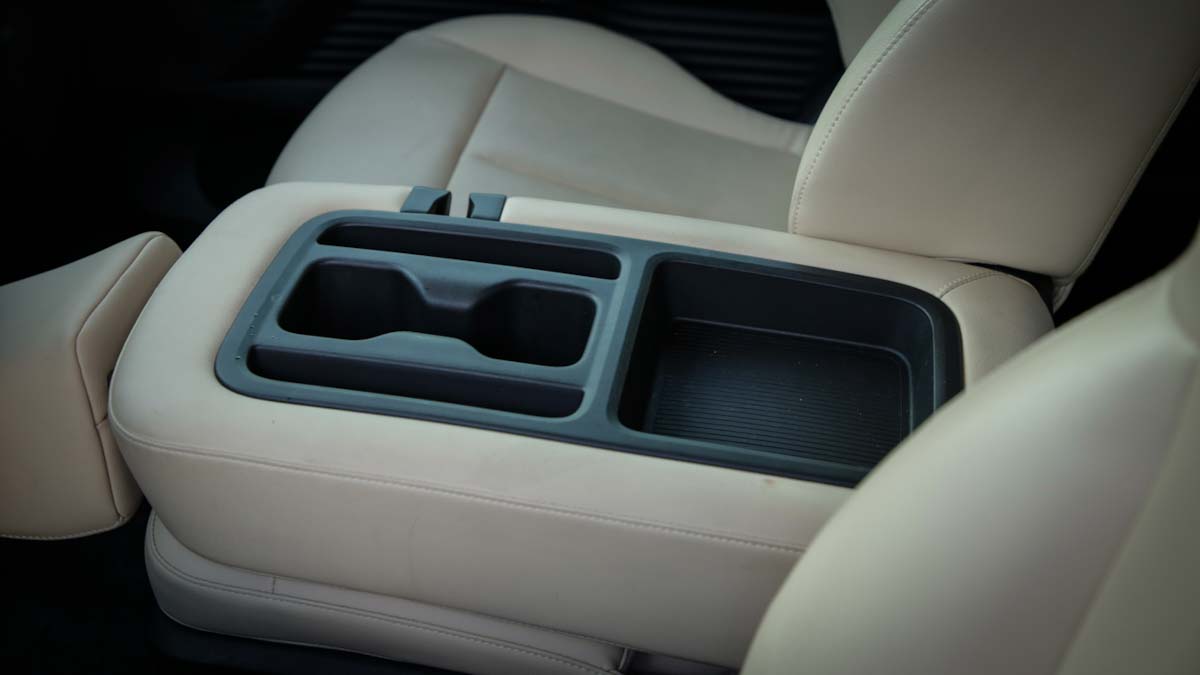
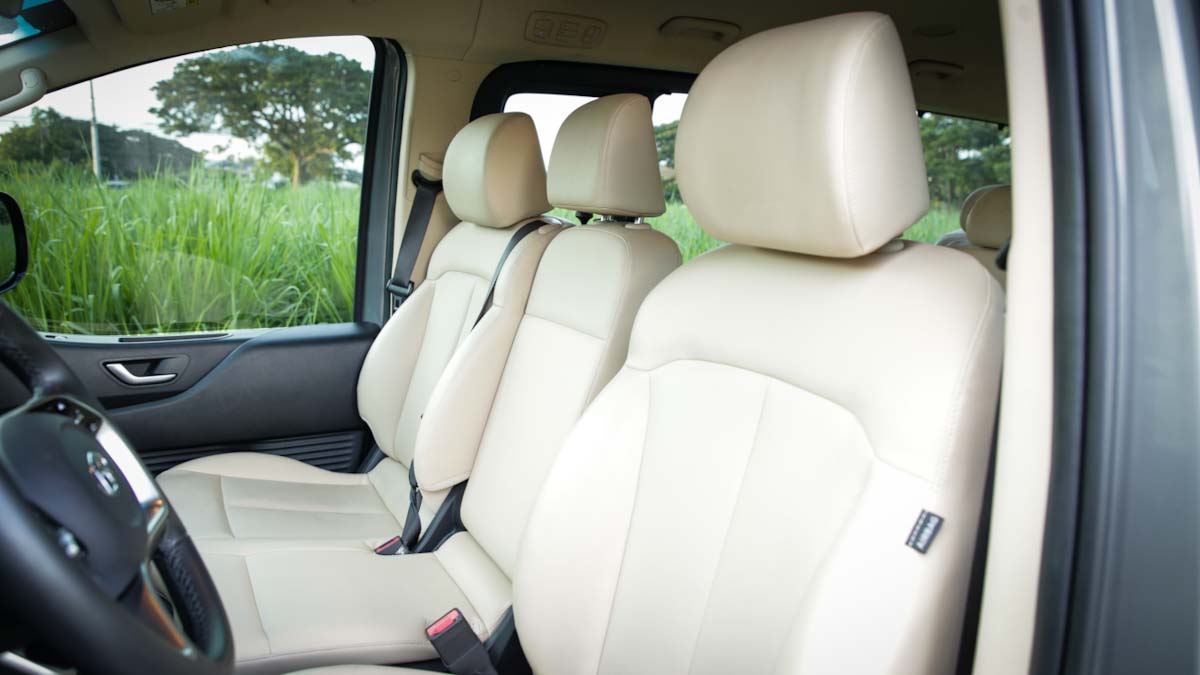
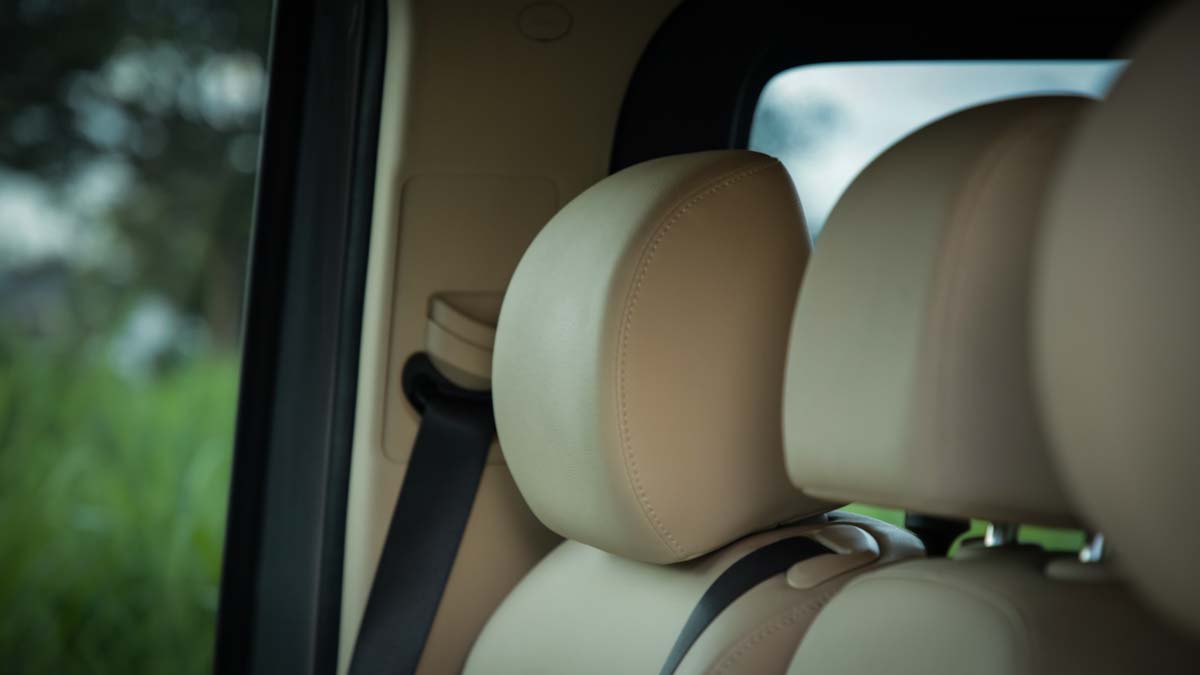
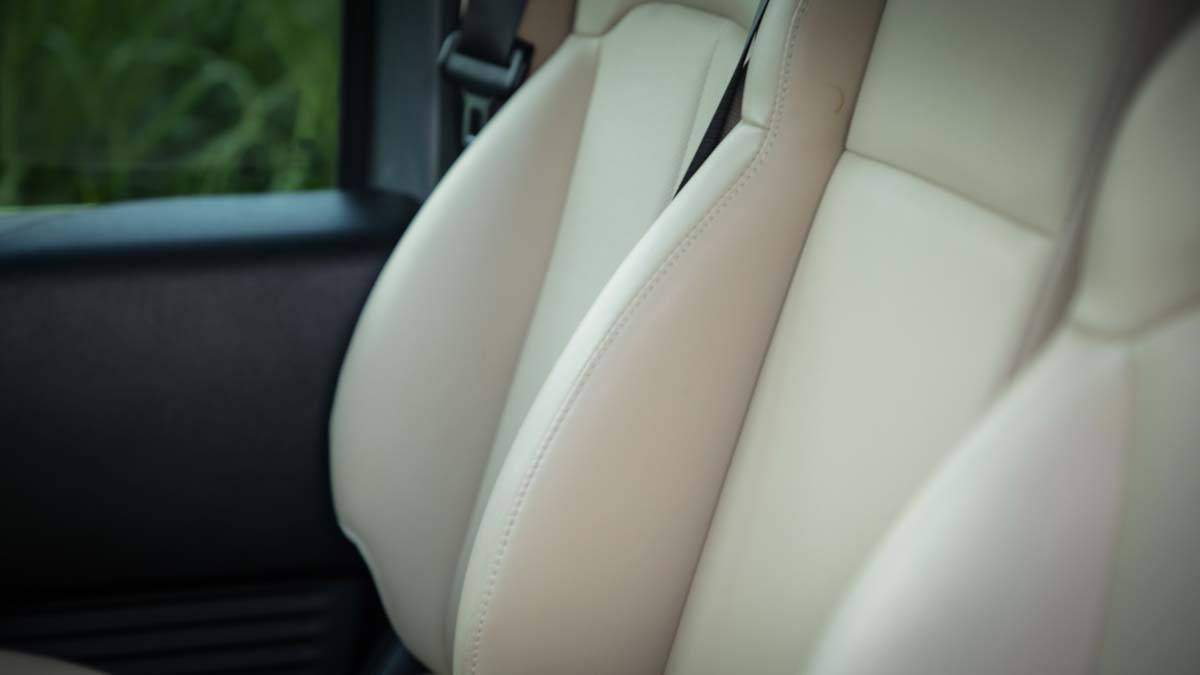
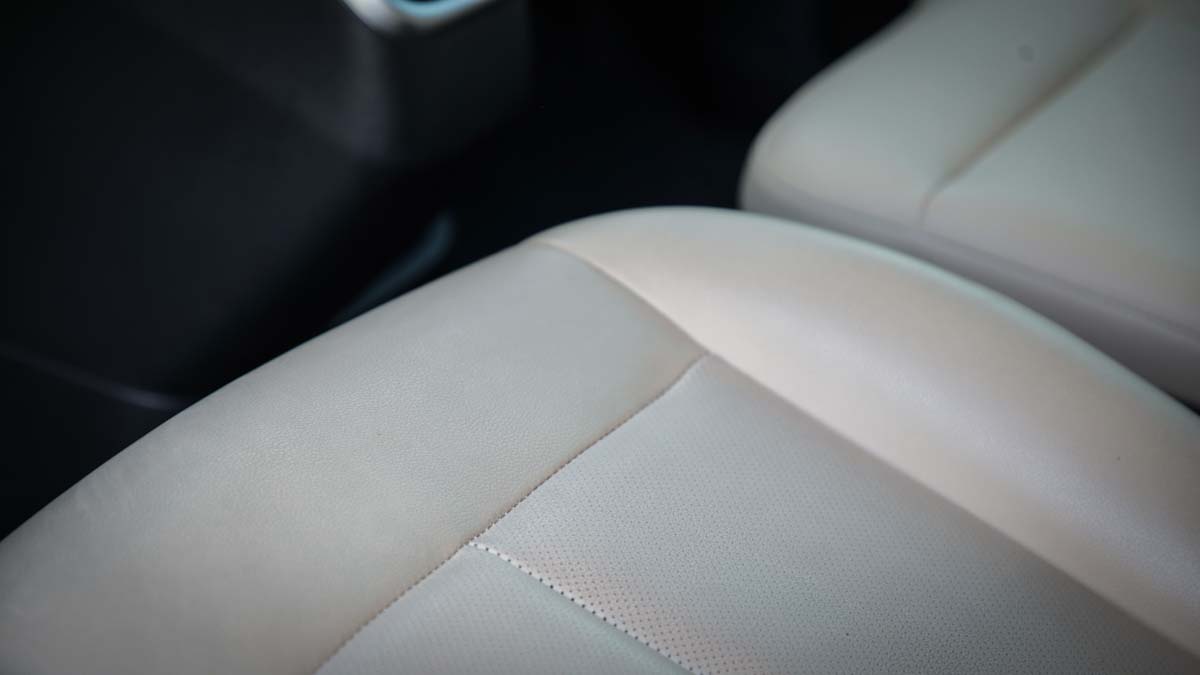
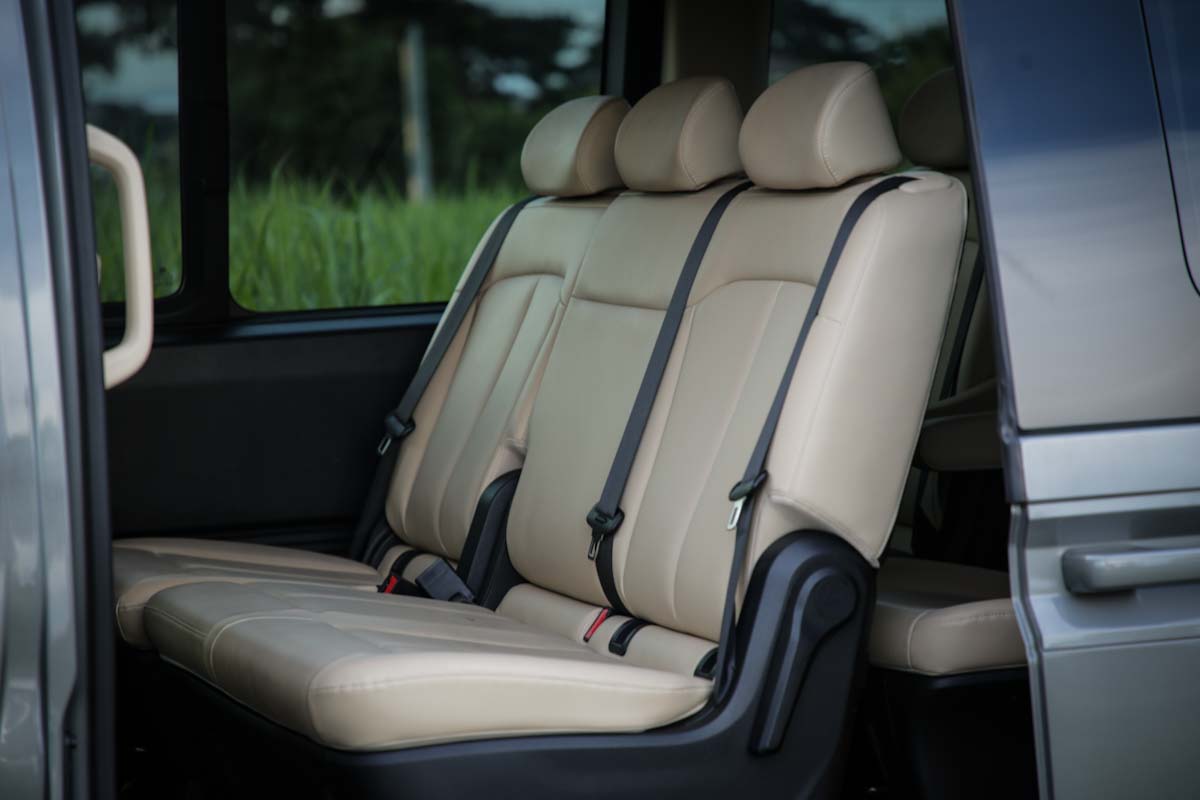
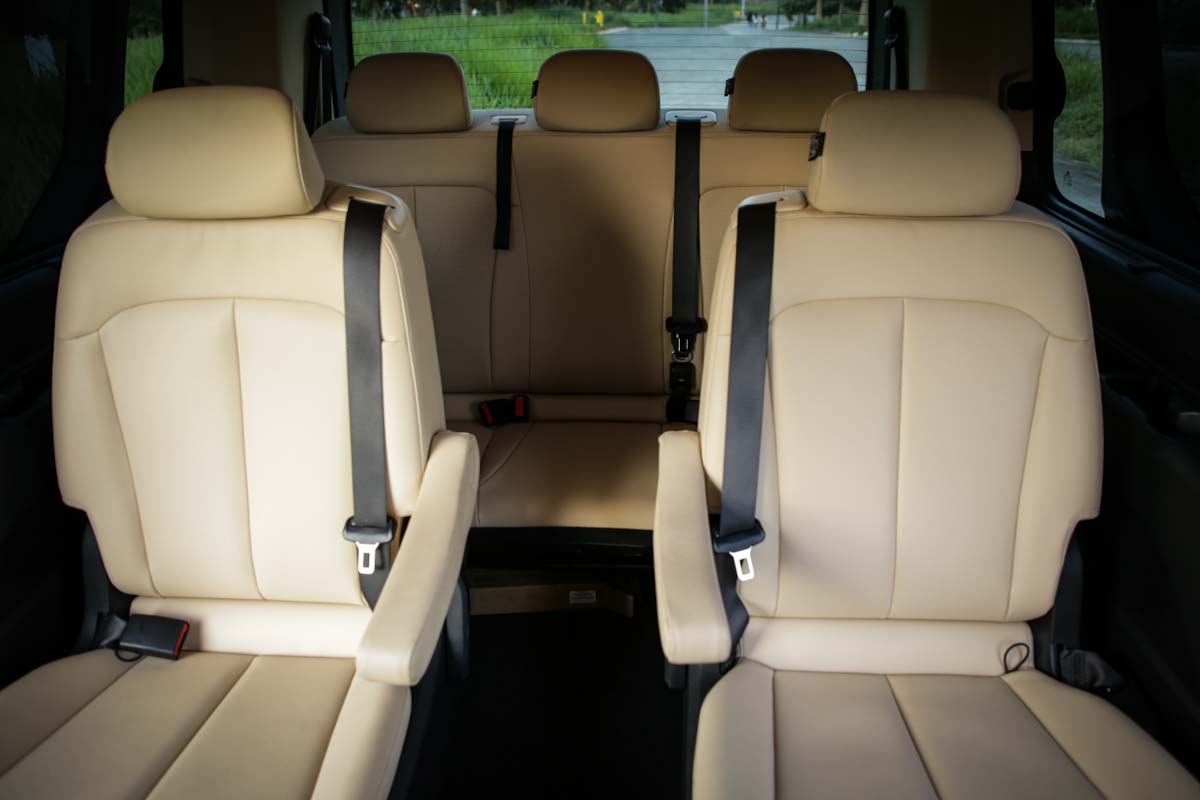
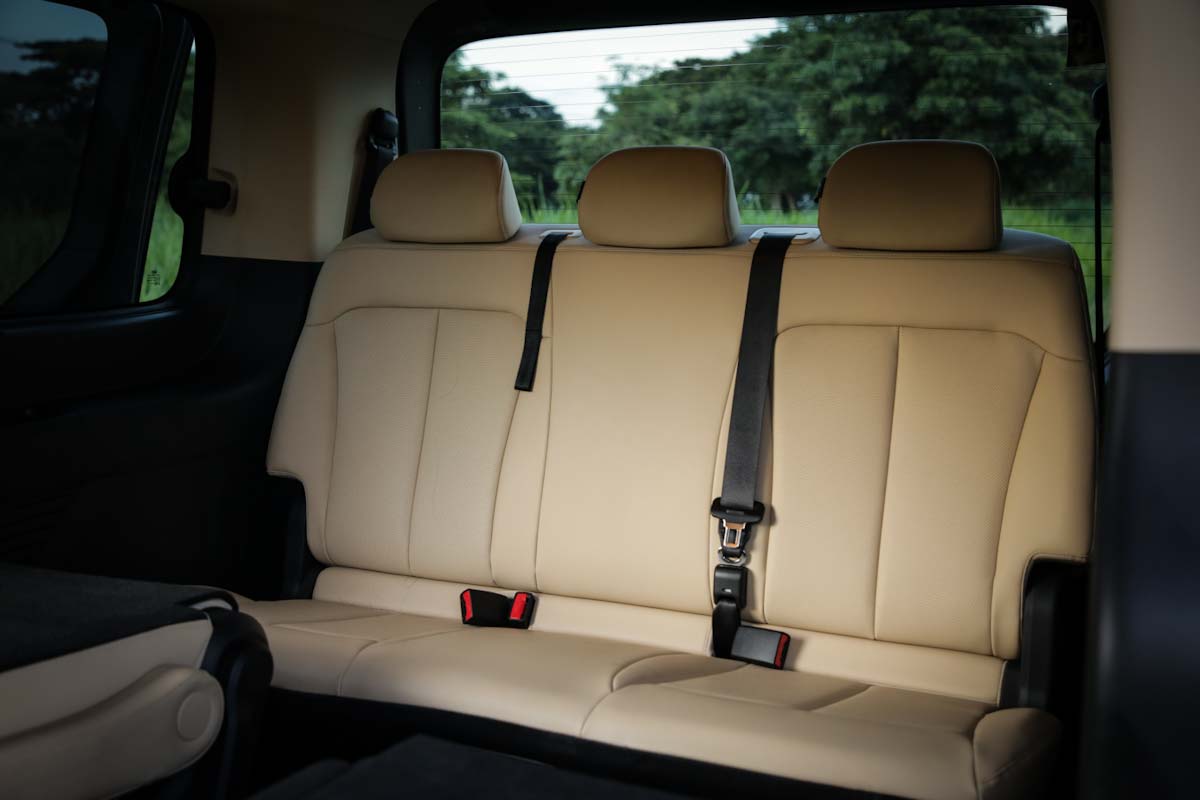
At the back, you get more of the comfy leatherette seats. The comfiest seats are found in the third row, the two-seat row with the armrests. With all four rows being utilized, legroom is still decent. It’s not as abundant as in a premium, seven- or six-seat van, but it’s not too shabby for a more commute-oriented vehicle like this. Of course, that’s if we’re talking about the average Pinoy. If you’re going to be ferrying around a group of six-footers to a basketball game, it might be a tight fit at the back.
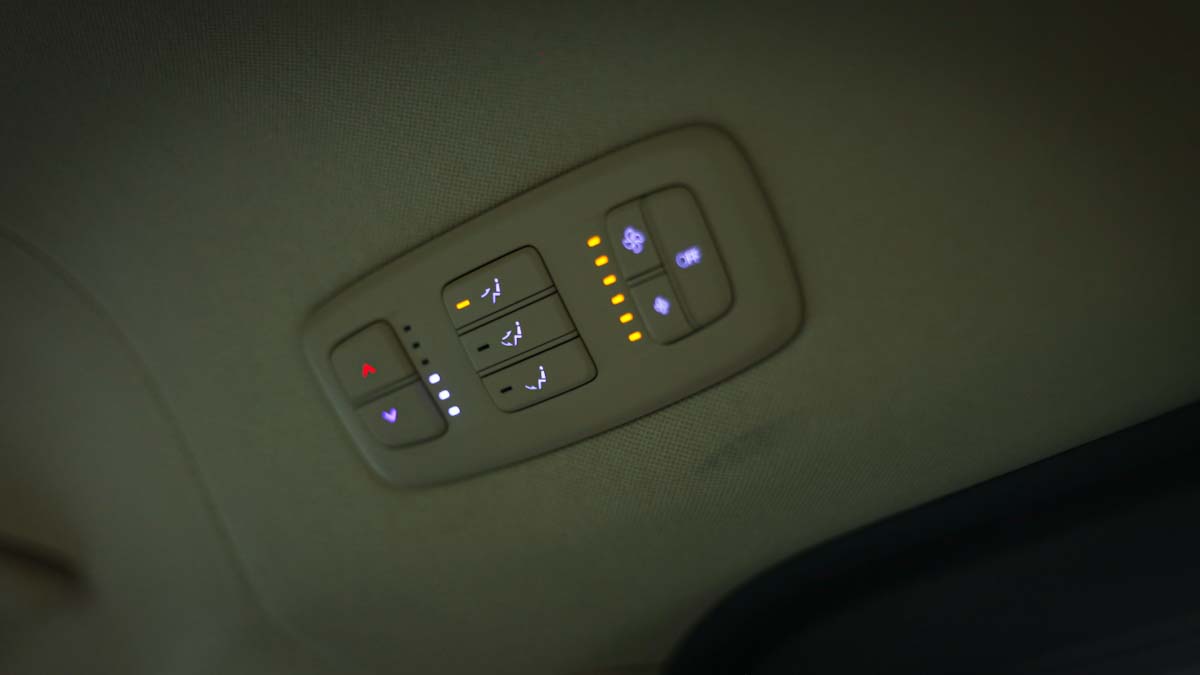
One thing I would like to note, though, is that the ‘non-ergonomic’ placement of the A/C controls in the Staria that we complaind about during our Big Test is actually only a problem in the seven-seater variant. The panel, while it’s still high up because of the sheer height of the vehicle,is more within arm’s reach in the second row of the 11-seater.
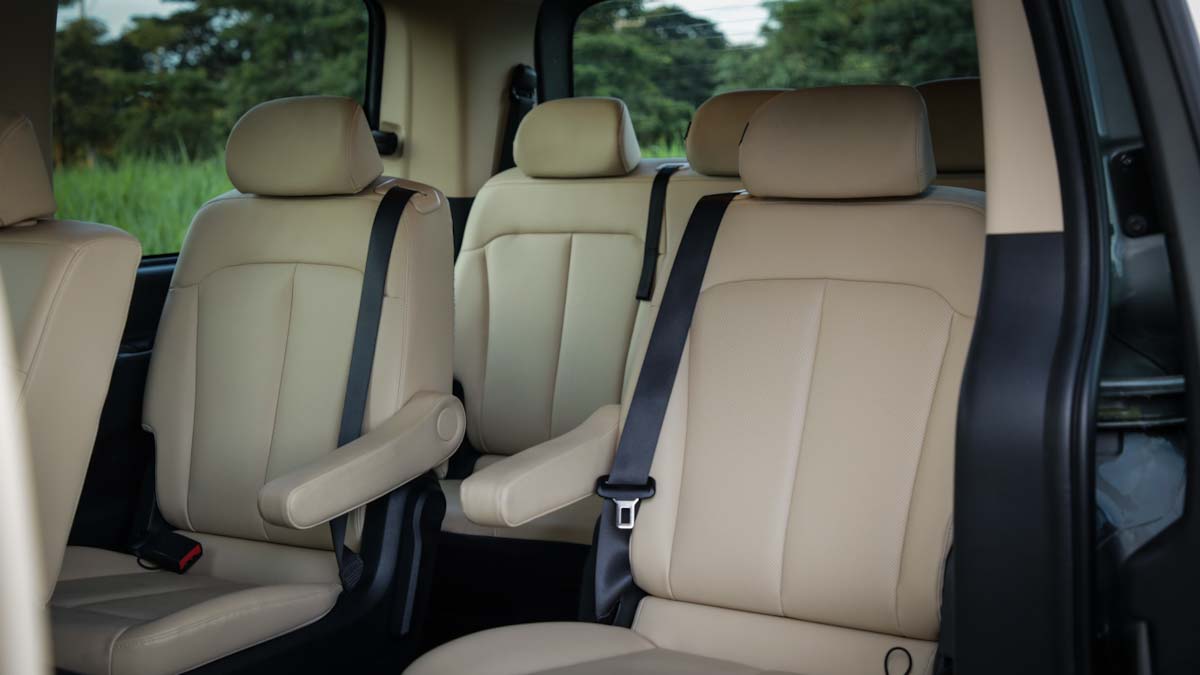
As for cargo space, there’s not a lot of room at the back with all seats in use. But since this van’s pretty huge, if you’re hauling a lot of stuff but not all 10 passenger seats are occupied, you’ll still have a lot of room to work with. It also helps that all the seats at the back can be slid forward and back as needed. If your vehicle’s filled to the brim and everyone’s packed for a long trip, though, then you’ll need next-level Tetris skills for that.
Engine performance
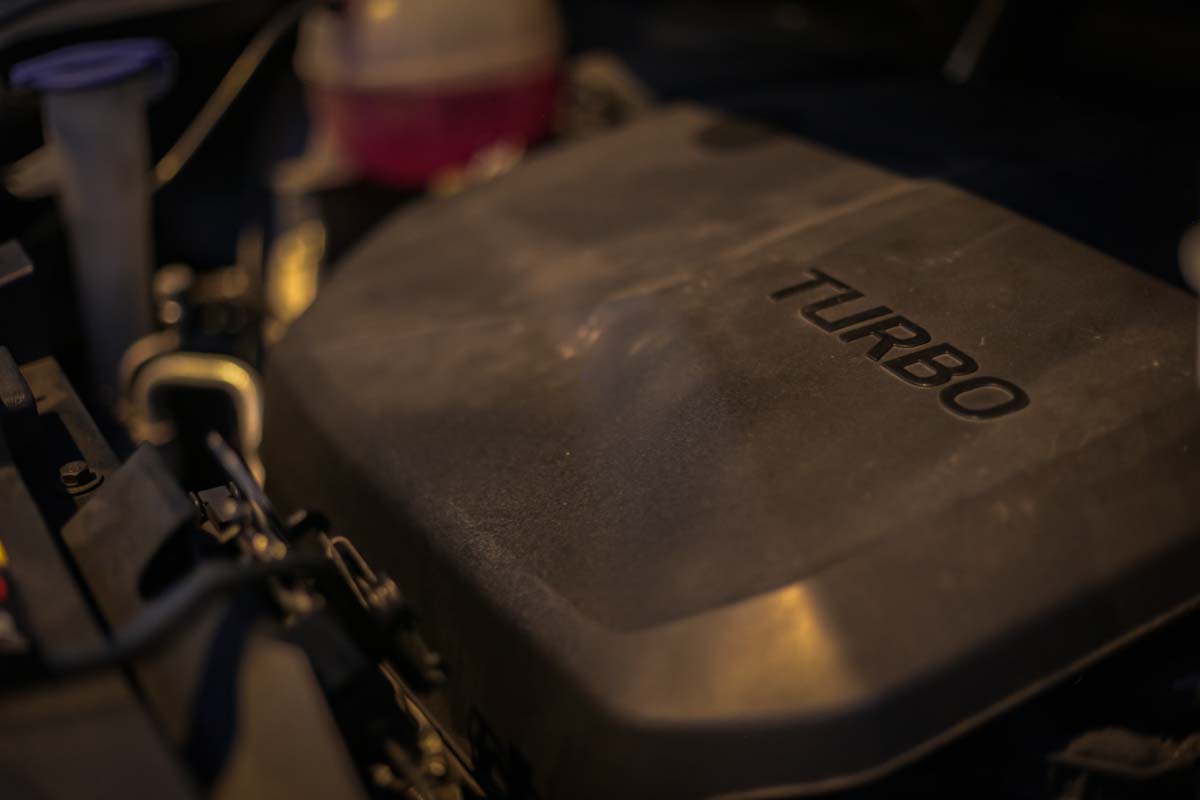
At the heart of the Staria is a 2.2-liter CRDi turbodiesel capable of 175hp and 430Nm of torque. It’s pretty punchy, and it does the people-hauling job well. With 7 adults and some cargo aboard, the vehicle has no problems with the long climb to Tagaytay and Nasugbu and back. It even has enough oomph for overtaking with that load on an incline, which means slow uphill drives to, say, Baguio will be a cinch.
On the highway, the engine also excels. When cruising at 100kph, the eight-speed automatic tranny easily keeps revs low. While its 0-60kph and 60-100kph acceleration times are nothing to write home about, the powertrain has no problems getting up to speed when you’re on open stretches or after losing speed and momentum.
In the city, it’s as you would expect. The gearbox allows for smooth movement through stop-and-go traffic, and that’s all you can ask for. As far as fuel efficiency goes, this 11-seater Staria consistently did 10-11km/L during the time I had it. That included some traffic, expressway driving, and the aforementioned long climbs on highways.
Ride and handling
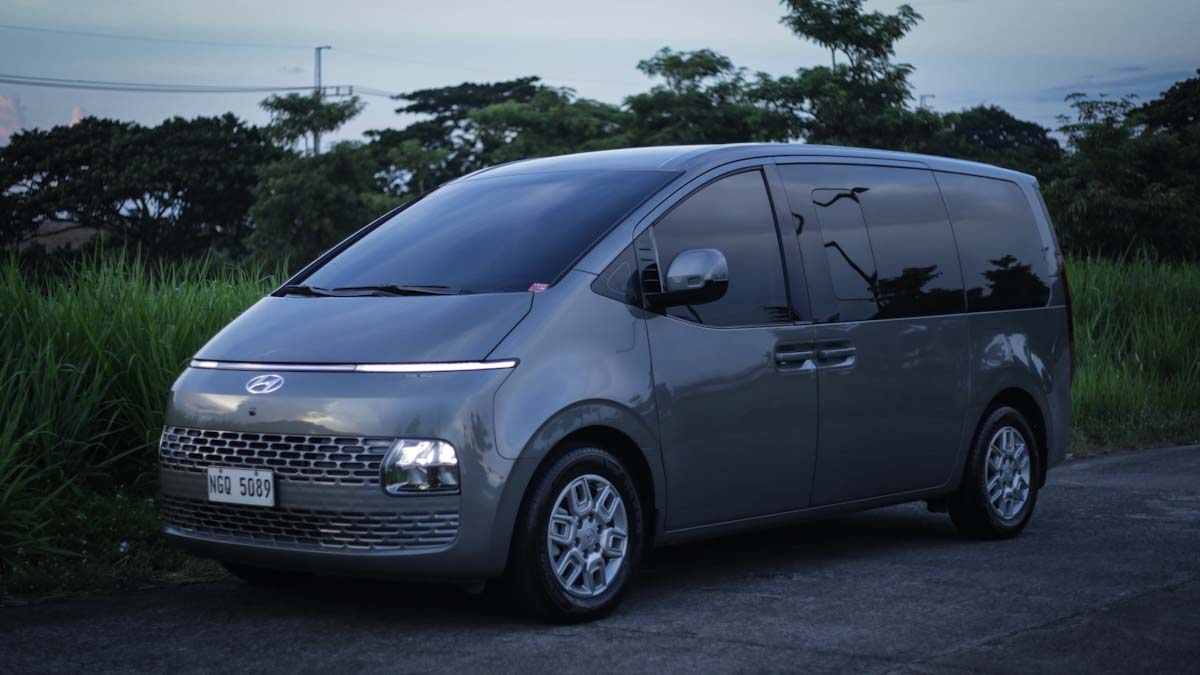
Over and over, I’ve been pointing out how big the Staria is. When you’re driving it, though, it won’t feel like it. Yes, it has a large footprint on the road, but it’s incredibly light and is quite easy to maneuver. The steering feels lighter than, heck, way smaller sedans. It’s not going to be that tiring to drive this daily in a traffic-riddled urban jungle like Metro Manila.
And if it’s on the highway where you’re mostly going to be using the Staria, it still won’t be tiring, either. If you watched the Big Test episode that I’ve also repeatedly been referring to, you’d see there how Anton and I were complaining about how bad the seven-seat Staria’s ride was. Here in the 11-seater version, it’s surprisingly pretty good. I reckon the drivetrains here make all the difference.
The seven-seater has the AWD system, which I still don’t get why–you don’t exactly need that in a van. This one I drove has a front-wheel-drive layout. Cornering-wise, I’m not sure how exactly they differ, and it’s not that I care much. You won’t be taking on twisties at speed with a vehicle like this, anyway. But in terms of passenger comfort, you’ll have minimal complaints. I had low expectations after what I experienced in the top-spec Staria, but it was a wonderful surprise that this one was way more comfortable than I anticipated.
Extra features
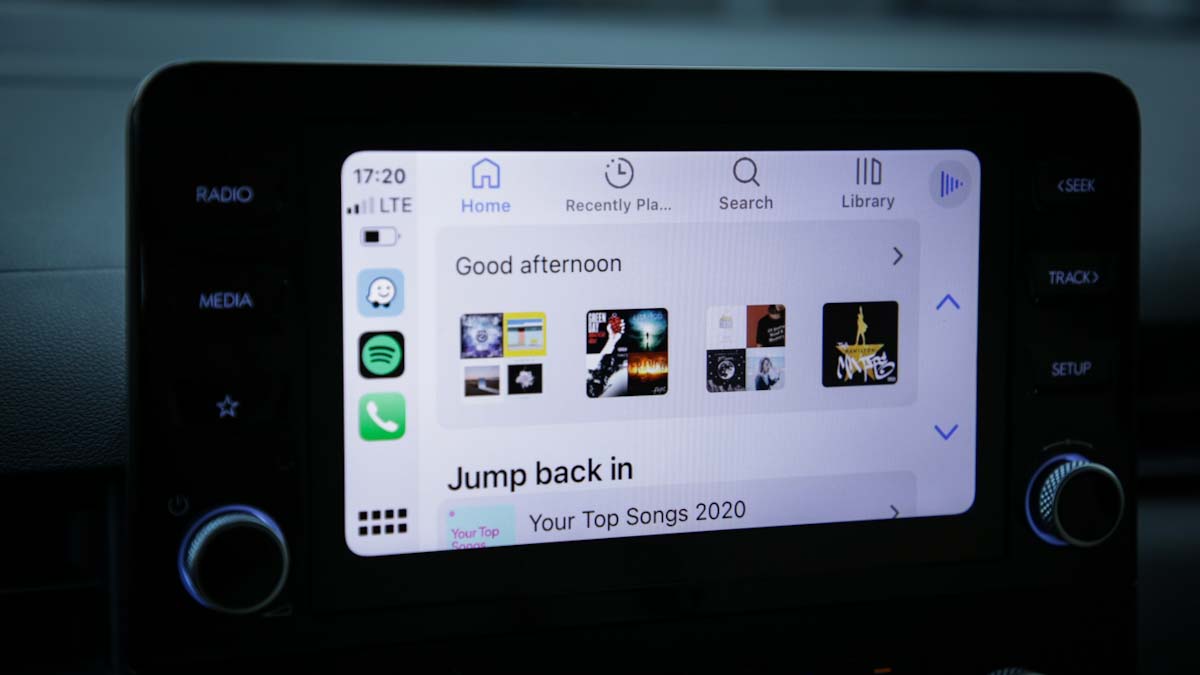
This may not be the top-spec variant, but you still have some toys to play with here. There’s a large eight-inch infotainment system up front with wireless connectivity for both Apple CarPlay and Android Auto. Thankfully, unlike in the Creta or the Stargazer, CarPlay connection in this Hyundai wasn’t wonky at all. The sound it produces through the four-plus-two speaker setup is okay, but I feel it’s a bit lacking. Six speakers are perfect for a two-row, five-seater car, not a van that seats 11.
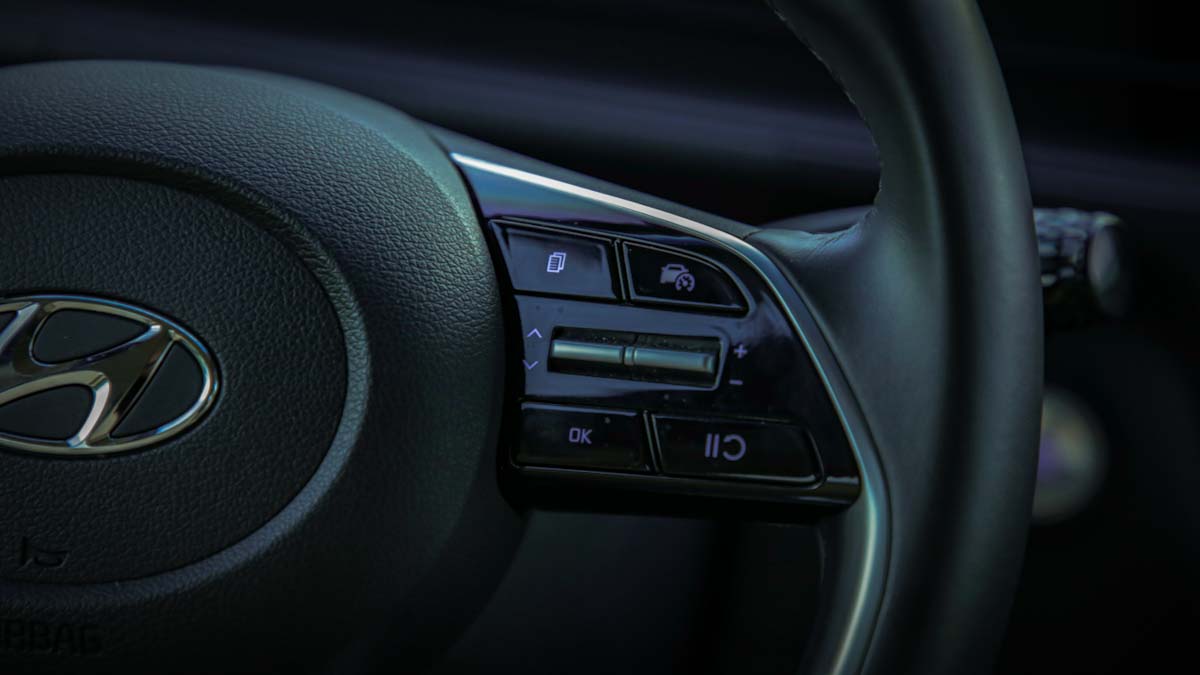
You have several A/C vents with separate controls for the rear, as well as multiple USB ports around the van. No power-sliding doors here, though. Hyundai has also cut back on the advanced driver assist systems, as this one only gets conventional cruise control and none of the active safety tech.
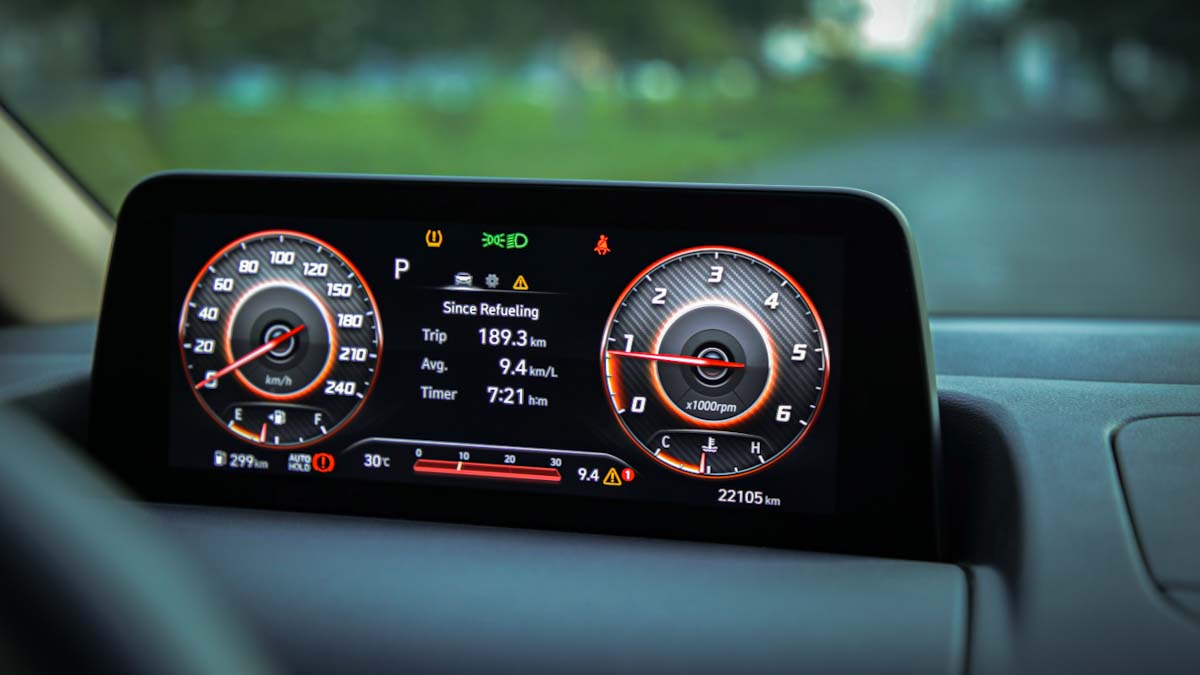
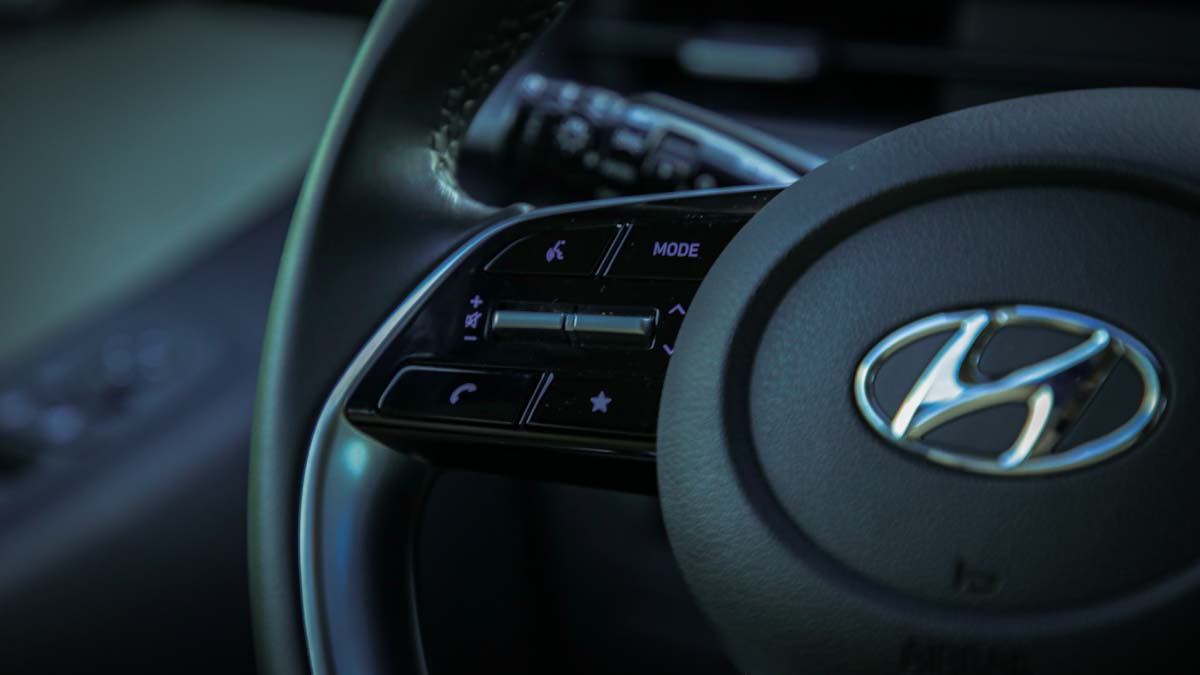
A fully digital instrument cluster is still available for the driver. The display is clear and crips, and it has all the important information you’ll need when you’re behind the wheel, including a tire-pressure monitoring system.
Verdict
I’ll have to be honest here and admit that I had very low expectations coming into this. It’s not that the Premium+ trim set a low benchmark—it’s just that I was approaching this test drive of the GLS+ variant with a bit more caution. Suffice to say, I was proven wrong. That means the Staria has surprised me twice in my lifetime, this one being the good kind.
At P2.32 million, this one lands right smack in the middle of the Hiace’s price range and well below the top-spec Staria, and I’d say it’s a good position to be in. This being priced closely to its rivals while arguably brings more style and flair than any other van in the market makes it very, very competitive. And since it goes for more than half a million less than the range-topping variant, it also gives customers who badly want that Staria package a much more affordable alternative with more seats and a more comfortable ride at that. I didn’t think I’d say this at the end of this review, but it’s hard to go wrong with this one.
SPECS: 2024 Hyundai Staria 2.2 CRDi GLS+ AT
Price: P2,320,000
Engine: 2.2-liter turbodiesel
Power: 175hp @ 3,800rpm
Torque: 430Nm @ 1,500-2,500rpm
Transmission: 8-speed automatic
Layout: Front-wheel-drive
Seating: 11
Score: 8.5/10
More photos of the 2024 Hyundai Staria 2.2 CRDi GLS+ AT: