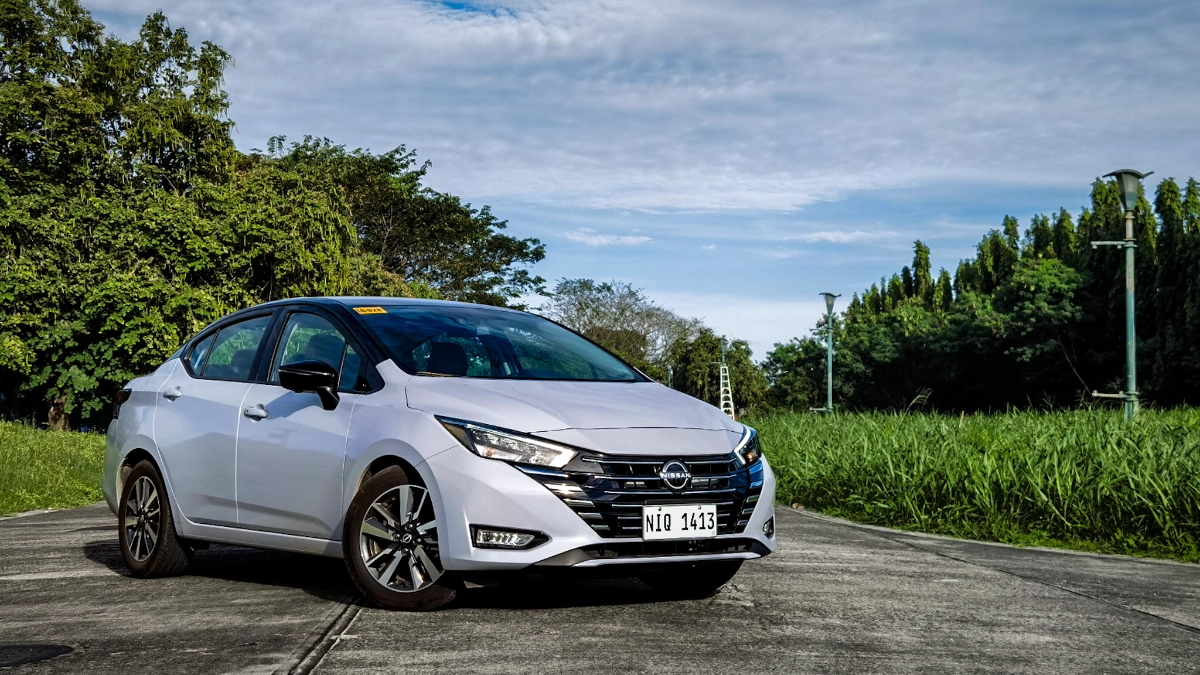

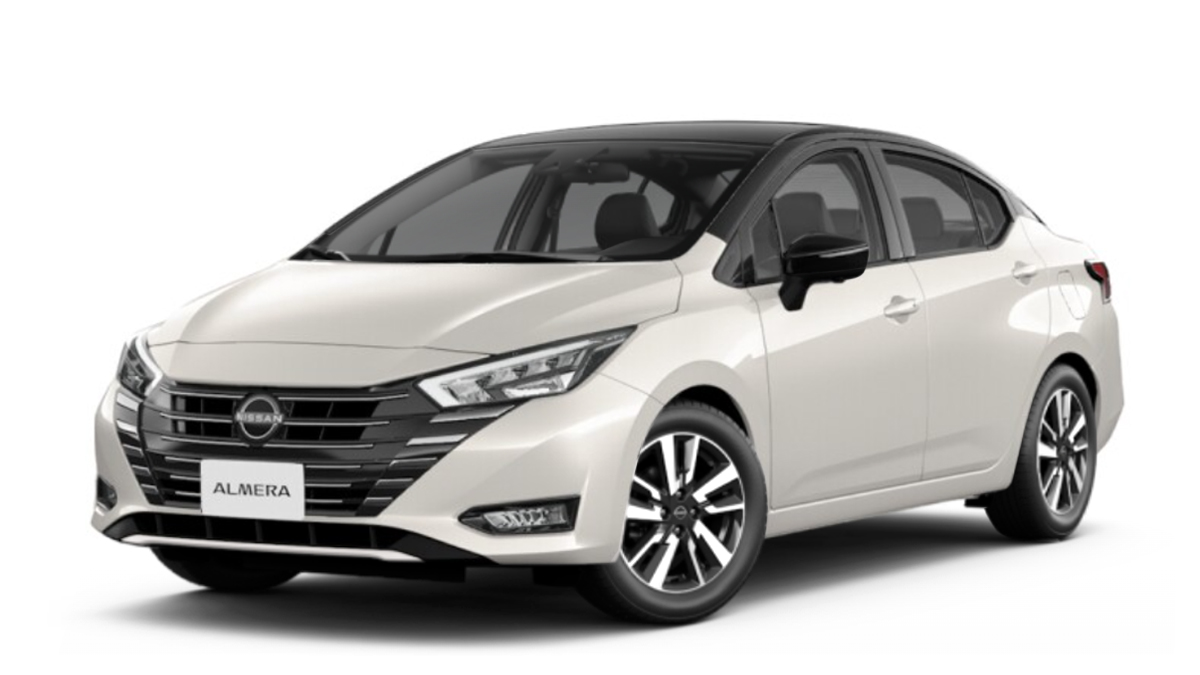
The Nissan Almera is one of the most compelling new car models of the past decade, with high-tech convenience and connectivity features, and a gutsy turbocharged three-cylinder engine. But after four years and one mild facelift, Nissan’s tech-heavy subcompact now goes up against a field that includes aggressively priced Chinese hybrids and EVs as well as brisk-selling Japanese mainstays.
Does Nissan’s next-generation sedan still have what it takes to meet the challenge?
Styling
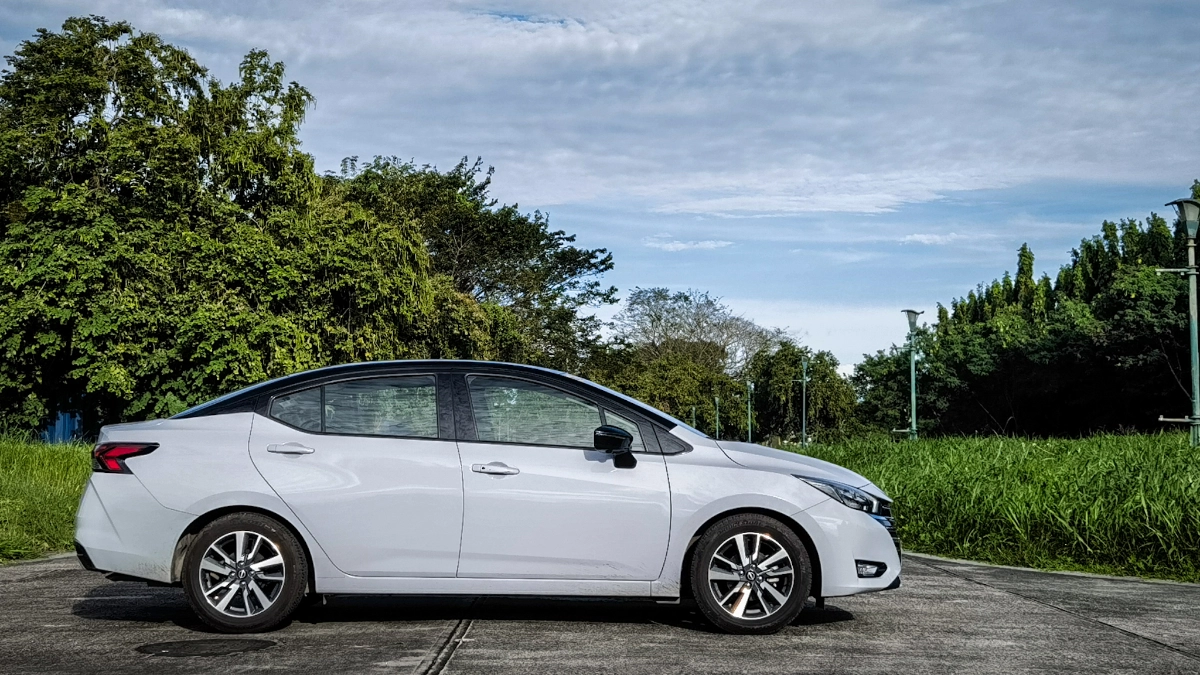
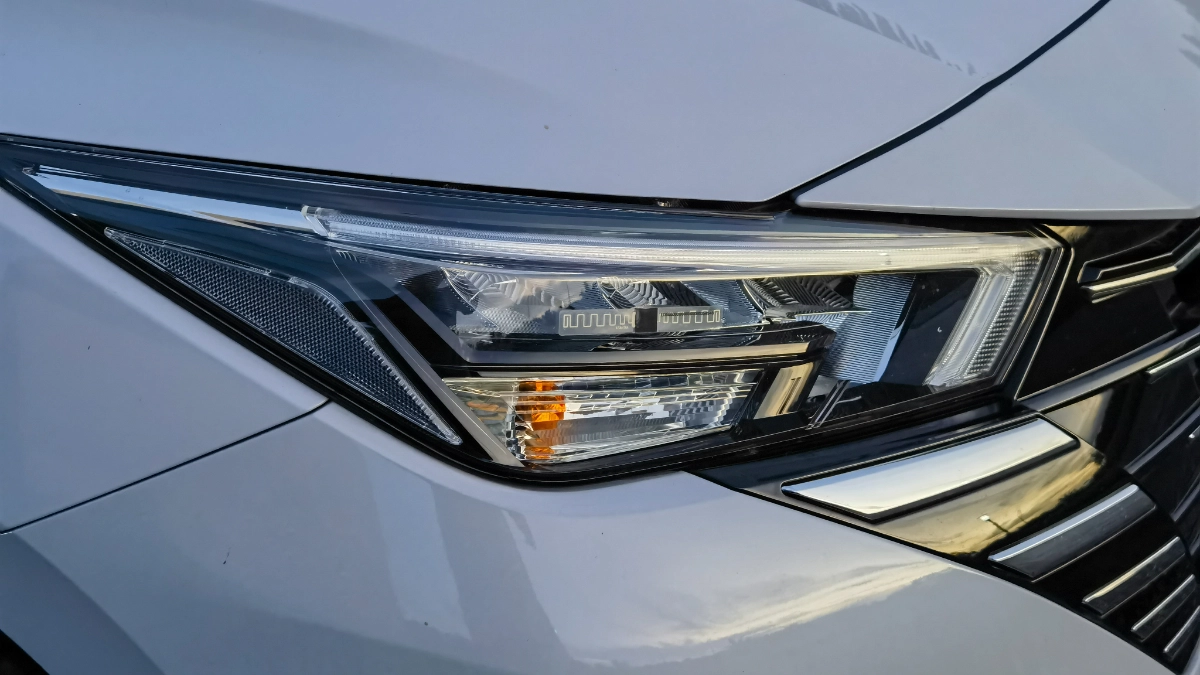
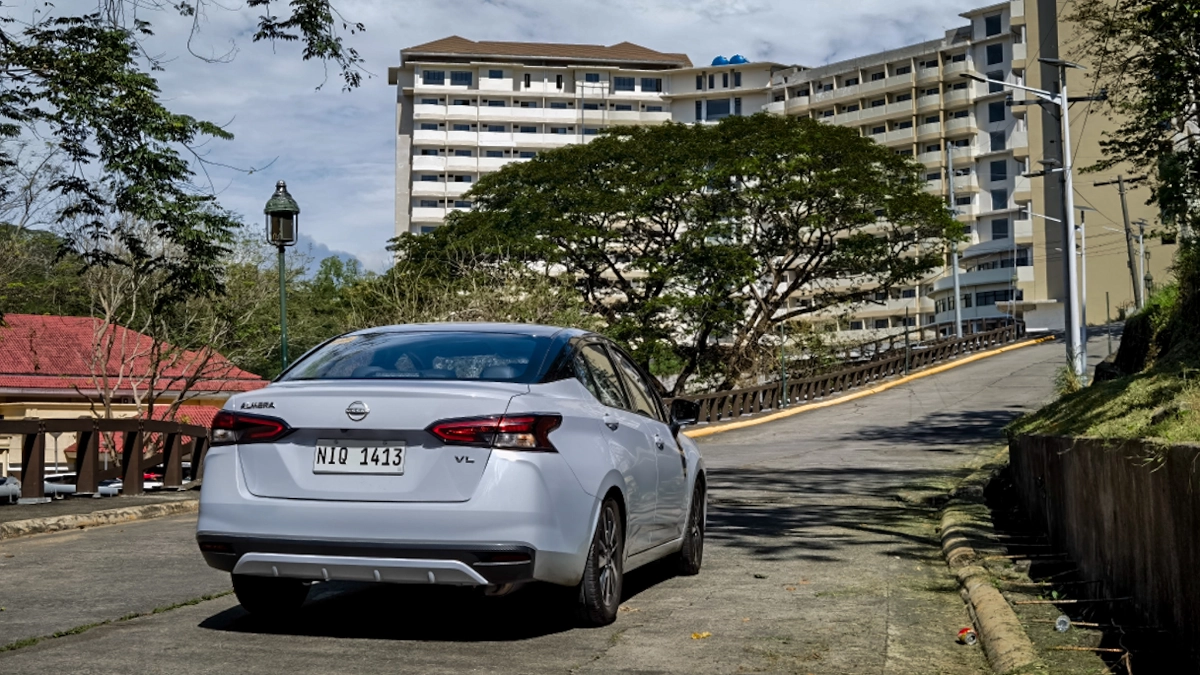
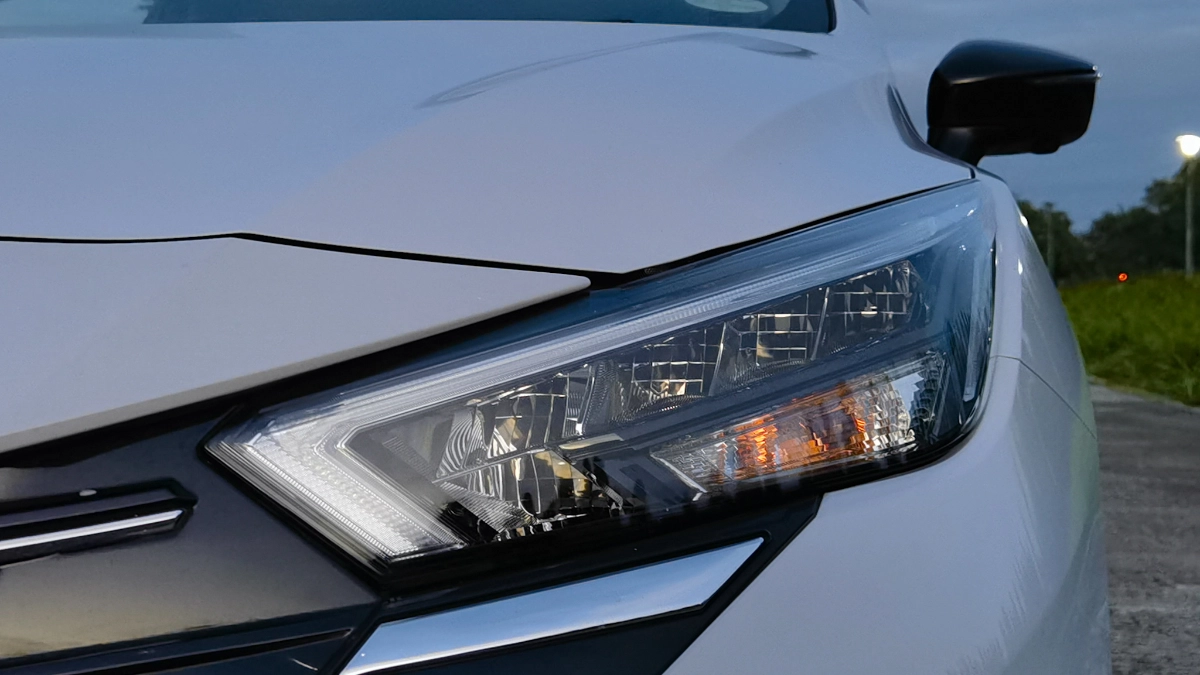
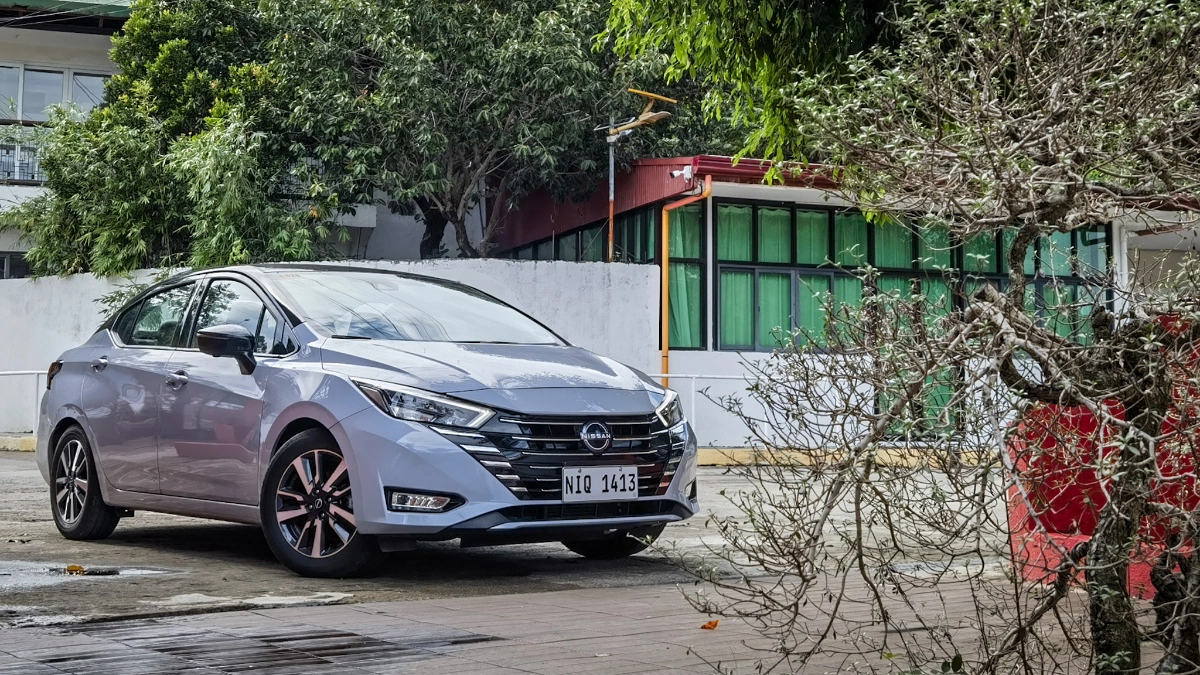
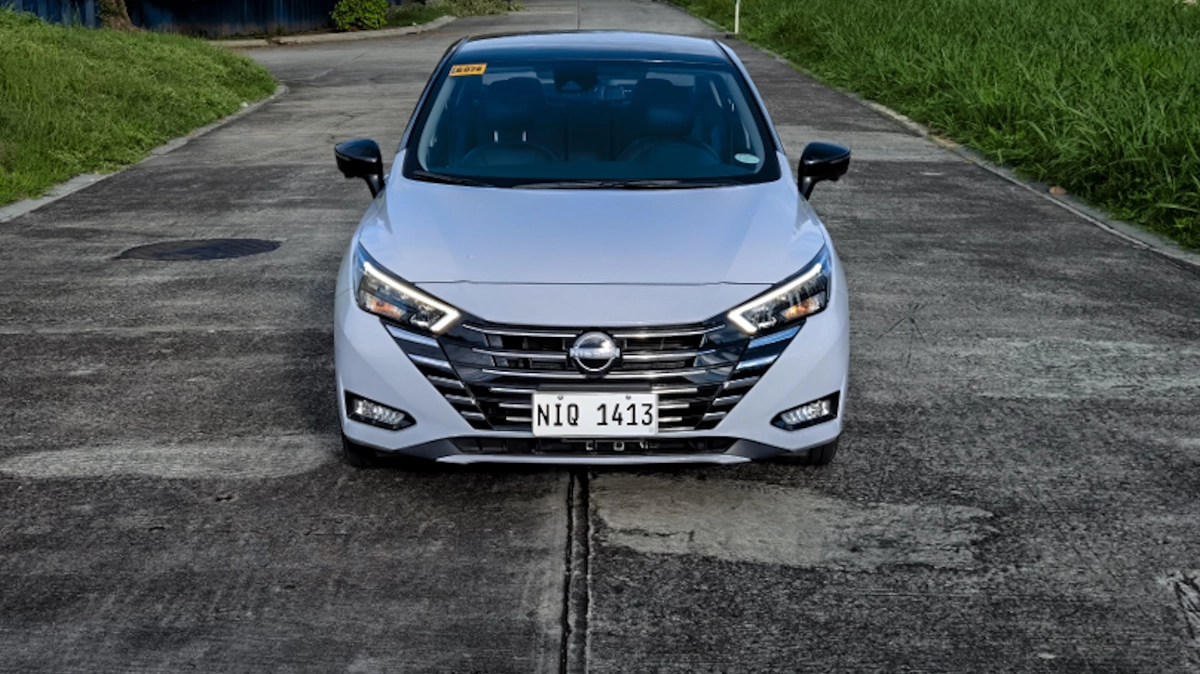
The Almera formula has changed little over the past four years—not that it has needed to. At 4,553mm in length with a 2,620mm wheelbase, it is still larger than most Japanese subcompacts. To maximize space, the front windshield has been pushed forward over the engine bay, giving the car a snub-nosed appearance. There are minor detail changes up front, including neater foglight housings and a bolder grille.
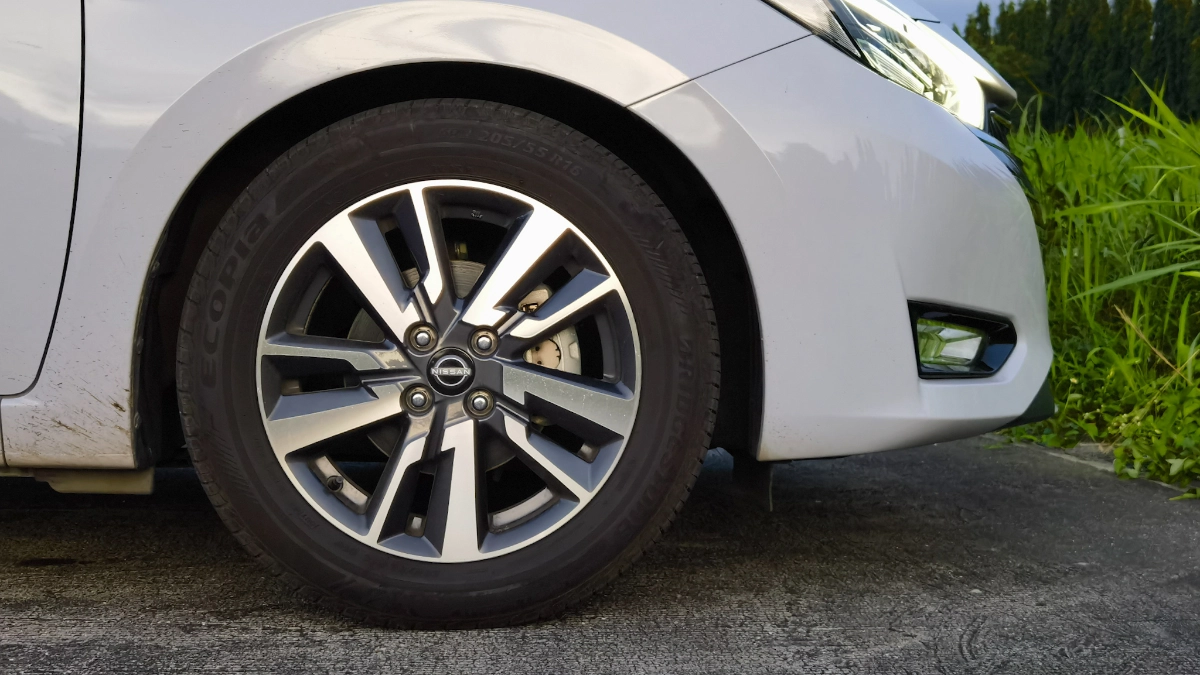
Sharp signature lines and creases draw the eye back from that front end toward the huge trunk dominating the rear of the car. Contrast-colored rear pillars and boomerang taillights help to lessen the bulk of the rear bodywork, but the smallish 16-inch wheels look lost under those rear fenders. Overall, this is still a better-looking subcompact than most, and the design has aged well.
ALSO READ:
Nissan vows next-gen Navara won’t just be a ‘rebadged Triton’
The Chevrolet Tahoe can be yours with a P2,000,000 discount
Interior
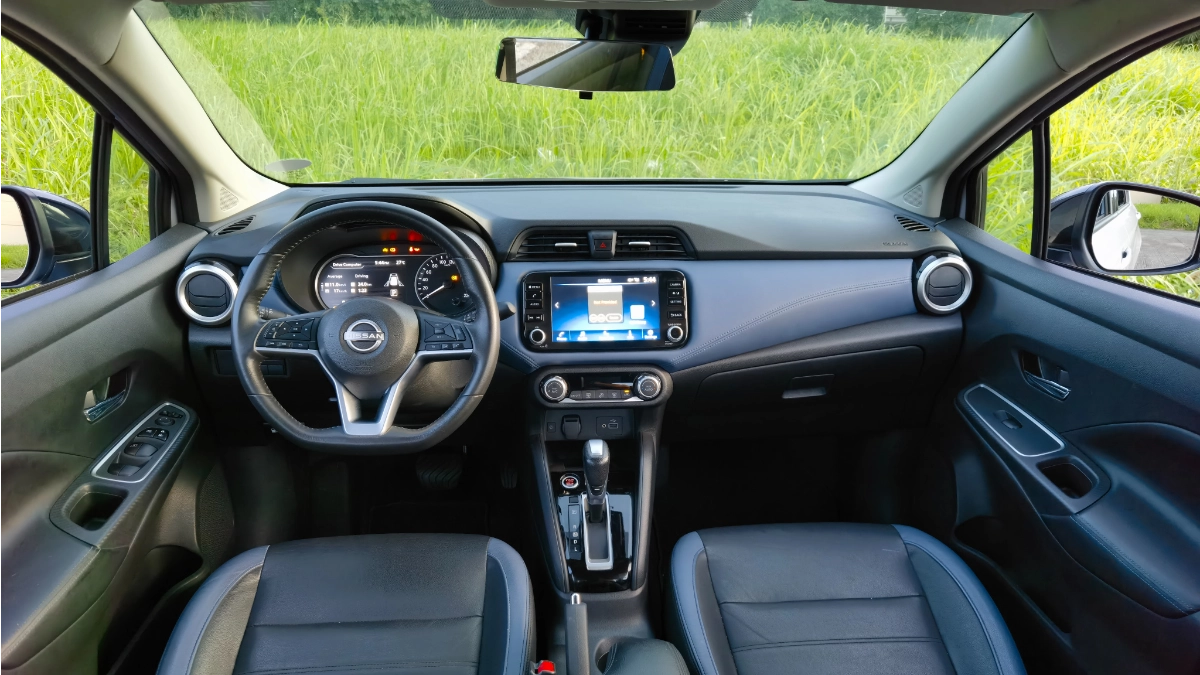
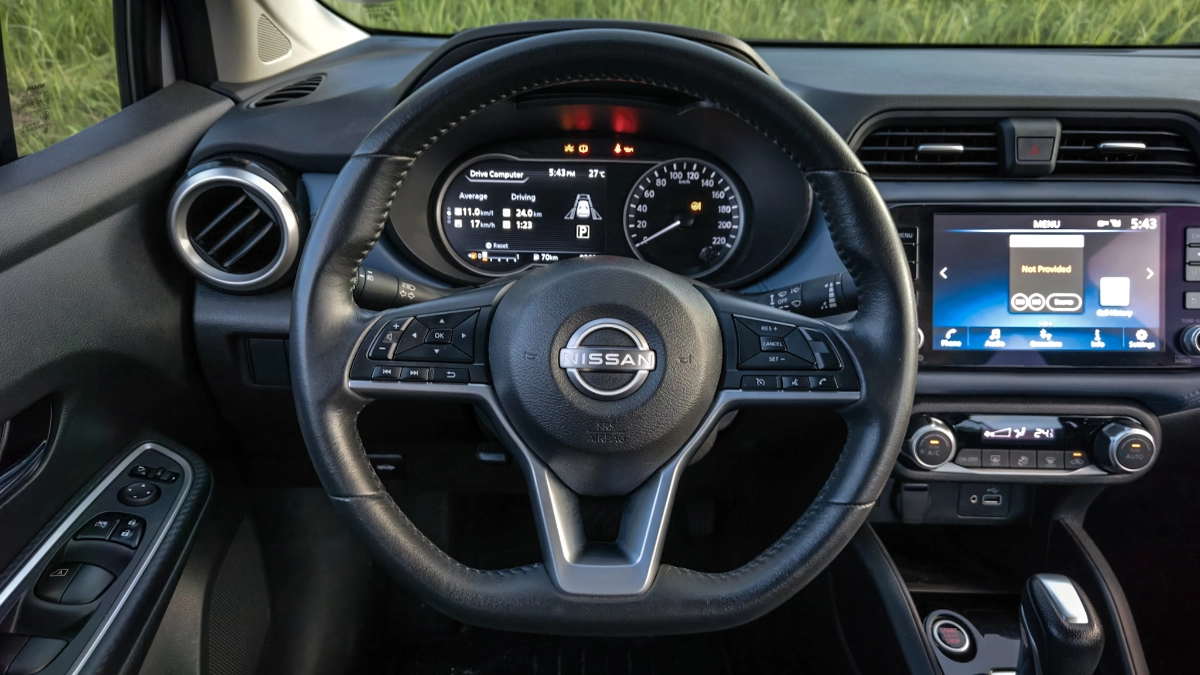
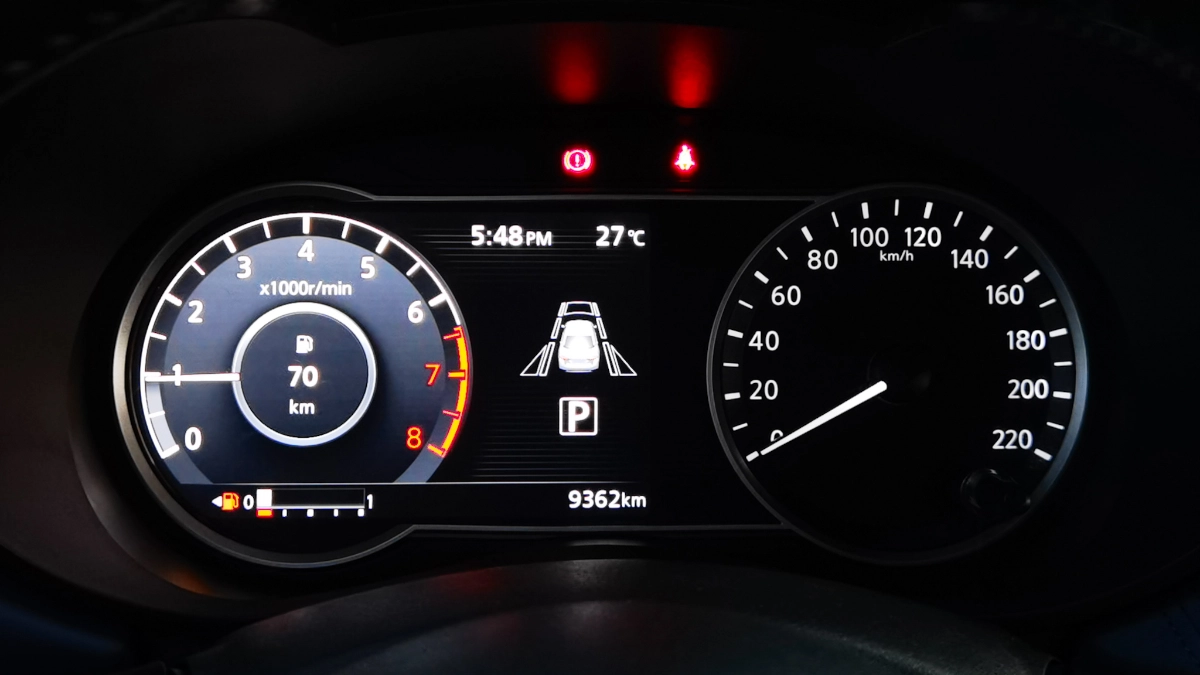
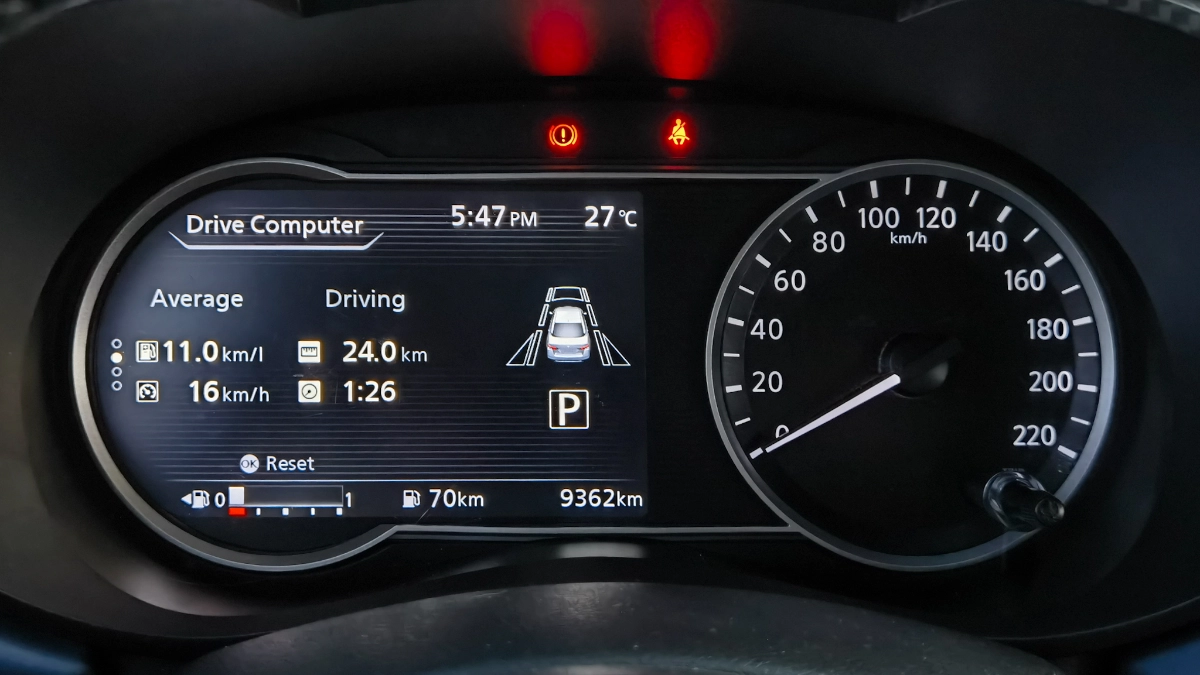
The blue and gray interior treatment is easy on the eyes, while still minimizing dashboard reflections in bright sunlight. Navy blue and black leatherette panels give some pleasing texture to the dash and the doors, mixed in with fake carbon, piano-black, and matte plastics. There’s a dual gauge instrument cluster perfectly framed within the steering wheel, with the left one containing a digital screen that alternates between the default tachometer setting and various information displays.
The leather-wrapped steering wheel feels pleasingly warm and supple—a surprisingly old school touch on a modern car. The blue and black seats have a similar feel, and sliding into them behind that wheel feels pleasantly like getting into a well-kitted ’90s subcompact, despite the modernity of everything else. And that does include the rather low hip point.
There’s lots of legroom in here, thanks to the extra-long wheelbase, and while storage is at a premium, it’s easy enough to get comfortable otherwise. A 490-liter cargo compartment is the payoff for the awkwardly big booty on the Almera, and it’s easy to pack a week’s worth of essentials for a family of five in there, or even a few hundred kilos of dry goods when you’re doing hauling duty.
Engine performance
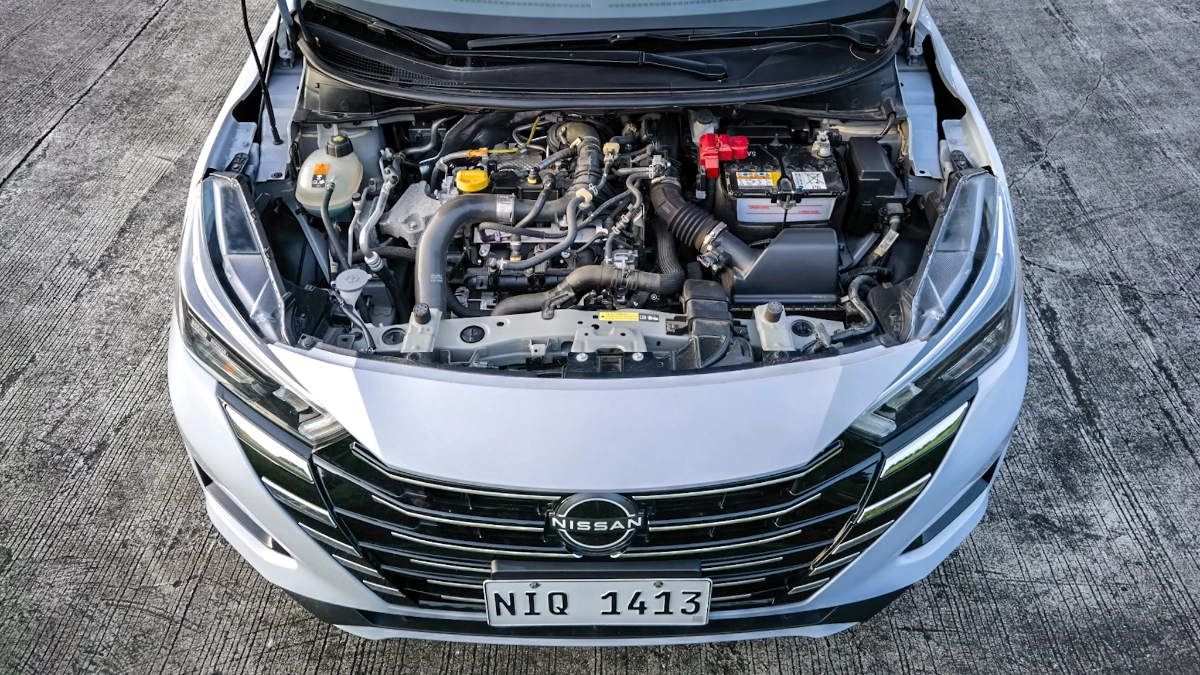
The 1.0-liter turbocharged three-cylinder HRA0 gasoline engine is still an impressive little performer. While the on-paper 99hp is significantly lower versus the power output of non-turbo 1.5-liter competitors, the tested 11.3sec 0-100kph time is better. This is mostly thanks to the low-range planetary gearbox attached to the Xtronic continuously variable transmission, which is an adaptation of the same dual-speed system used by Mitsubishi. This gives noticeably brisker off-the-line performance compared to other Japanese CVTs. There’s no masking the relative lack of top-end power at highway speeds, even with the discreet Sport button engaged. But for stoplight sprints and mountain climbs, this is one of the best small powertrain packages out there.
On a long mountain drive during the holidays, the Almera gave us 13km/L. Not bad, considering part of that was in Christmastime gridlock. In more relaxed daily drives, mixed economy was in the 14-18km/L range, with peaks in the mid-20s on the highway at 80kph. As such, despite the tiny 36-liter tank, you can realistically get 400km or more between fill-ups. The automatic engine start/stop system helps eke a little more useful range out of that tank in traffic, but that also means sacrificing A/C cooling when it triggers. A bigger nit is the somewhat rough idle when the A/C is chugging hard, but in most conditions, there’s little noticeable difference to your standard four-cylinder motor.
Ride and handling
You do notice the extra torque, and the subtly staccato growl of the engine when you’re working it hard on those uphill climbs. The Almera isn’t the sportiest of subcompacts, but it rarely sets a foot wrong. The steering has decent weight, and the long wheelbase and the relatively long suspension stroke allow it to soak up rough provincial roads with ease. Granted, the 205/55 R16 Bridgestone Ecopia tires can feel rather stiff over sharp-edged ruts, but they’re unobjectionable otherwise. They track straight and are relatively quiet on the highway. You don’t expect the simple disc/drum brake setup to be impressive, but the Almera stops neatly and undramatically, even with a full load of luggage and passengers.
Whether on back roads or in bustling city traffic, this is a ridiculously easy car to drive and park. There’s decent visibility over the snub nose, and the corners are easy to judge when navigating narrow streets. Side and rear visibility are a bit trickier thanks to the low hip point, but 360-degree camera coverage helps make parking in tight spots easy.
Extra features
Aside from the 360-degree camera, you also get forward collision warning, lane-departure warning, and radar-assisted automatic braking. There’s also cruise control, but oddly, not Level 2 adaptive cruise despite all the ingredients being present. That said, we do appreciate Nissan Connect services thatkeep your car connected to mobile networks, allowing you to track it and even call for emergency assistance if you’re ever stranded somewhere.
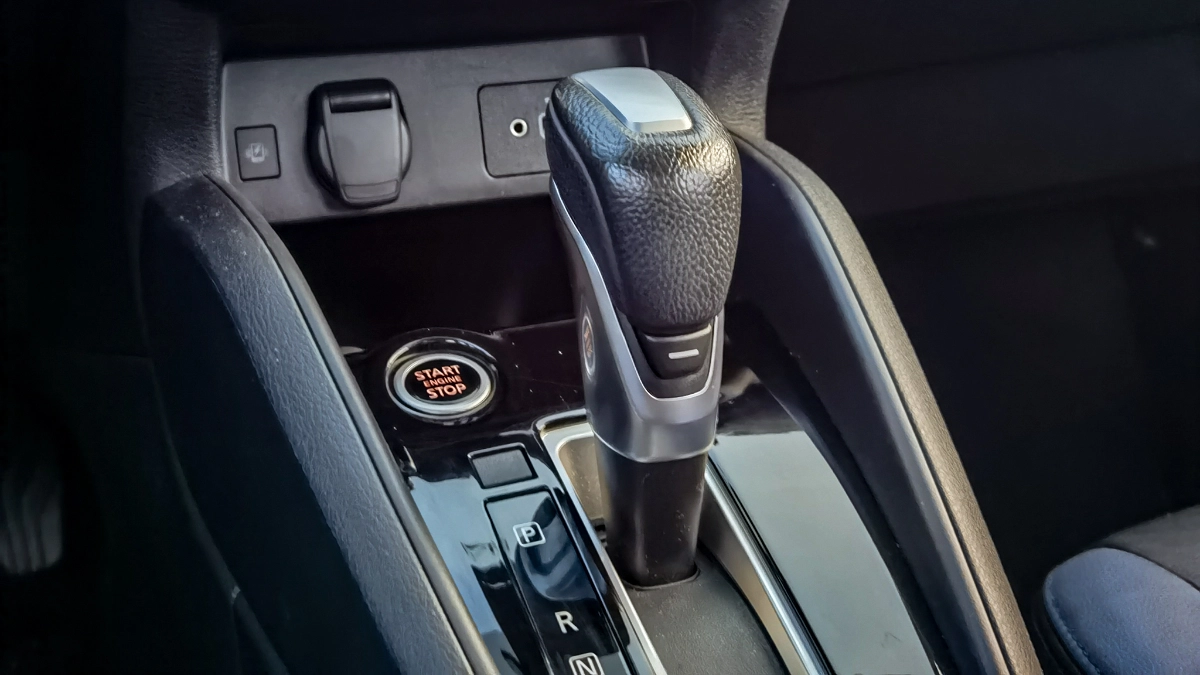
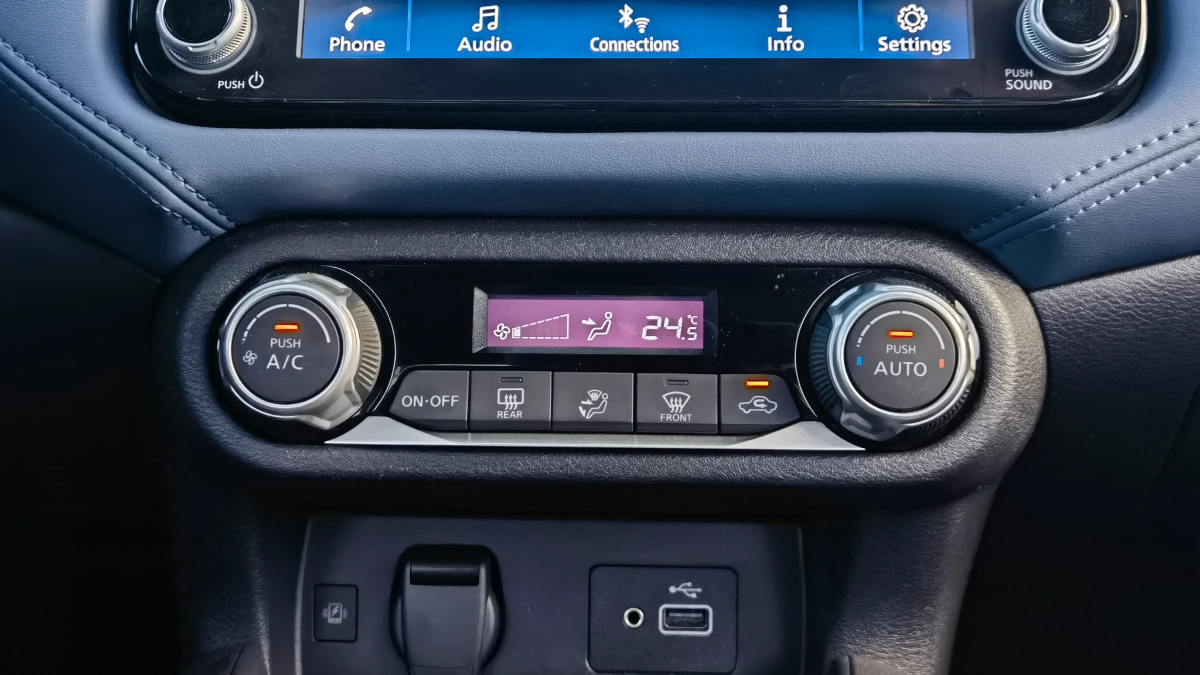
The infotainment screen features Apple CarPlay and Android Auto, and decent if not exceptional sound—‘whelming’ is an adequate description. But it’s hard to see Nissan putting something better in until they redesign the dashboard for a more modern touchscreen arrangement, with that screen closer to your line of sight for easier navigation system use. Keyless entry and push-button start round out the convenience list, mostly unchanged from years previous.
Verdict
There’s nothing much here we haven’t seen before, but that’s not a bad thing. There’s a lot on the Almera that still isn’t available on its more popular competitors. But there are also some things missing compared to its less popular competitors. Like it or not, this is the era of the Chinese car, and a lot of smaller manufacturers are offering more than the Japanese for the same money.
Which leaves Nissan in a sort-of no man’s land between the default options and the exciting new players. Not that the Almera doesn’t have its strengths. If you don’t want an EV or a hybrid, this is about as economical as it gets among small sedans. And if you want a little bit more excitement, the manual-transmission option is still the cheapest turbocharged car on the market, with that distinctly Japanese flavor reminiscent of the glory days of Japanese motoring.
SPECS: Nissan Almera VL 1.0T 2025
Price: P1,155,000
Engine: 1.0-liter turbocharged
Power: 99hp
Torque: 152Nm
Transmission: Continuously variable
Layout: FWD
Seating: 5
Score: 17/20
More photos of the Nissan Almera VL 1.0T 2025: