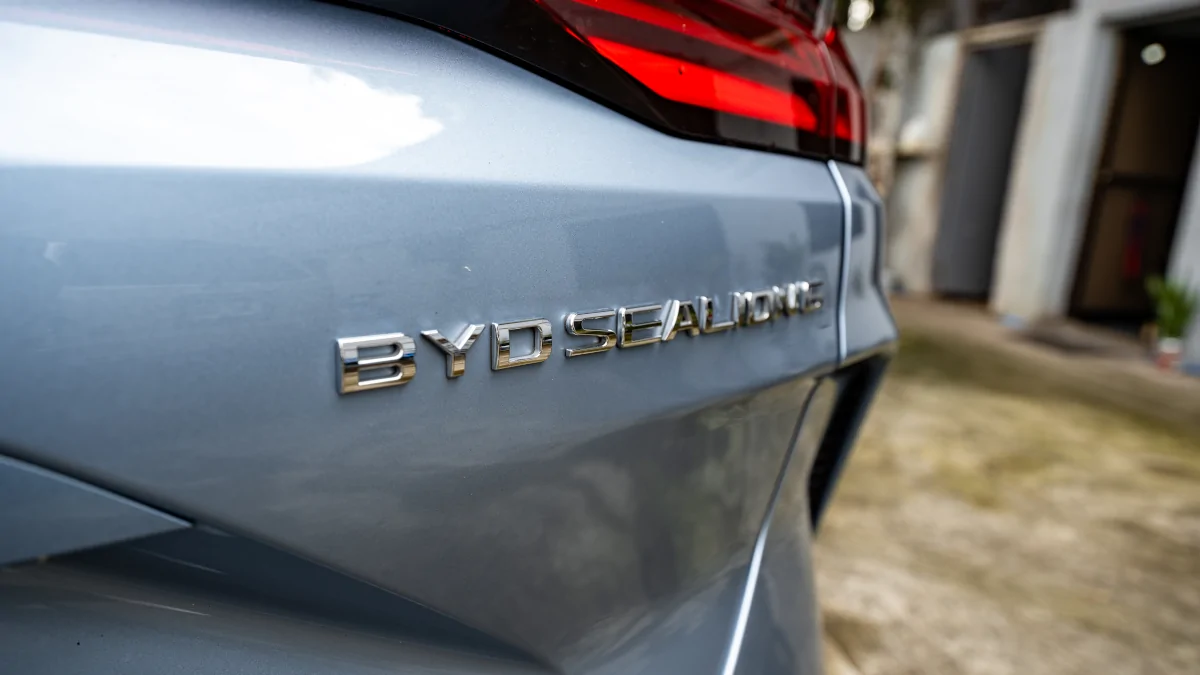
I don’t think there is any other Chinese car that is as anticipated as the BYD Sealion 6 DM-i. I’ve been getting messages from friends I haven’t kept in contact with over the years, and seeing comments on our socials asking for details such as price, fuel economy, and whatnot. For once, it would seem China has a hit on its hands with this, its mainstream entry into the electrified compact-crossover segment.
The Sealion, then—how is it as a whole? Given it’s a BYD, it is electrified in some way. Specifically, it’s a plug-in hybrid electric vehicle with a range extender. Fully charged, it has a purely electric range of about 70km, then once the charge level is down to about 25%, the gasoline motor kicks in and charges the battery. With this, the Sealion has more than 1,000km of range on just one tank of gasoline.
OTHER STORIES YOU MIGHT HAVE MISSED:
First drive: The all-new BMW X3 is a crossover with (almost) no vices
First drive: Can the MG 3 Hybrid+ help revive the subcompact-hatch segment?
This system means this vehicle has all the benefits of an EV, with none of the drawbacks or charging requirements thereof. As between EVs and hybrids, it is marketed as the best of both worlds. An EV that you don’t have to charge? Does it live up to the lofty ideals? Read on to find out.
Styling
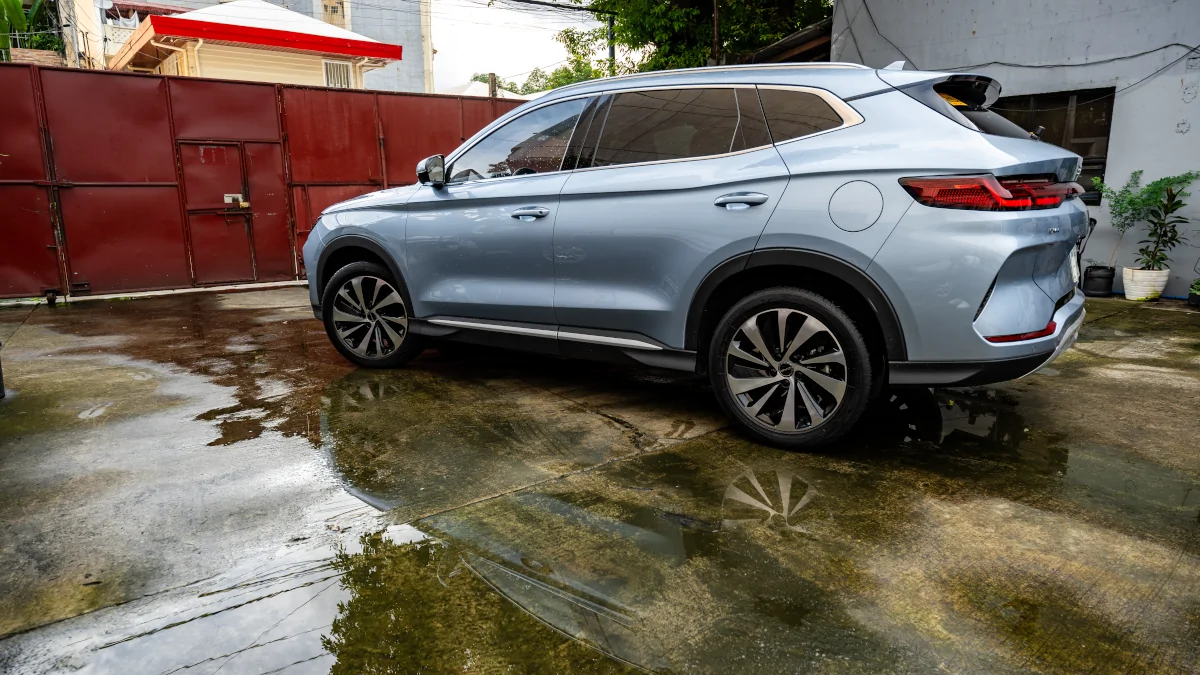
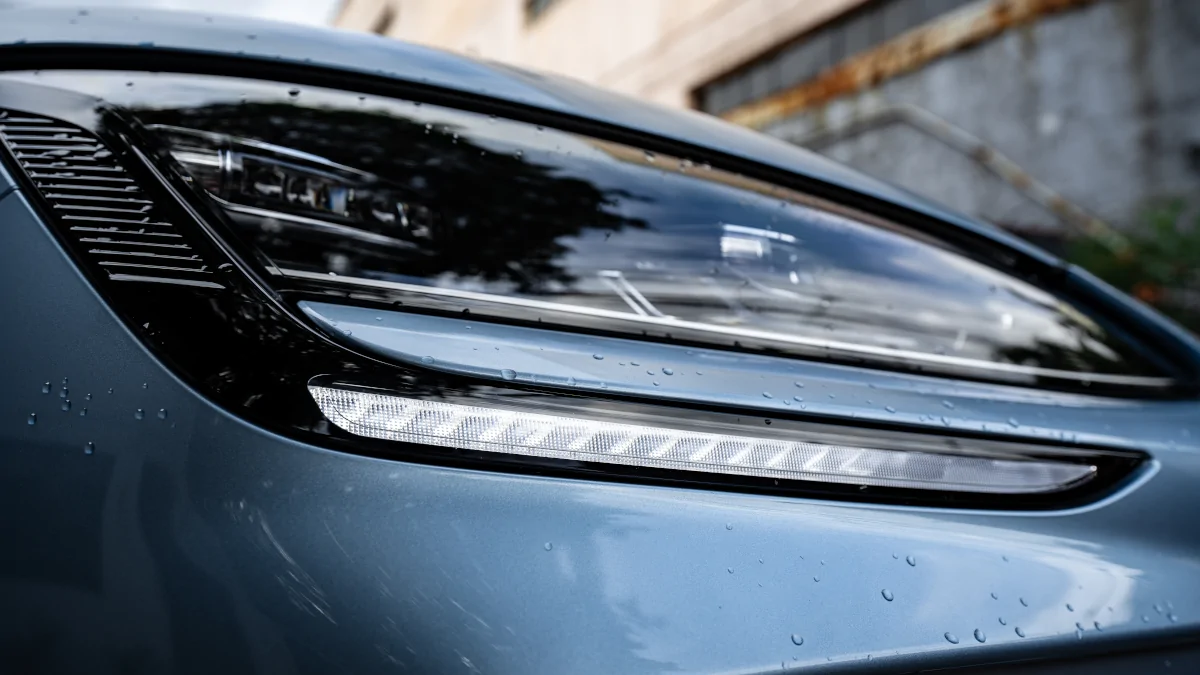
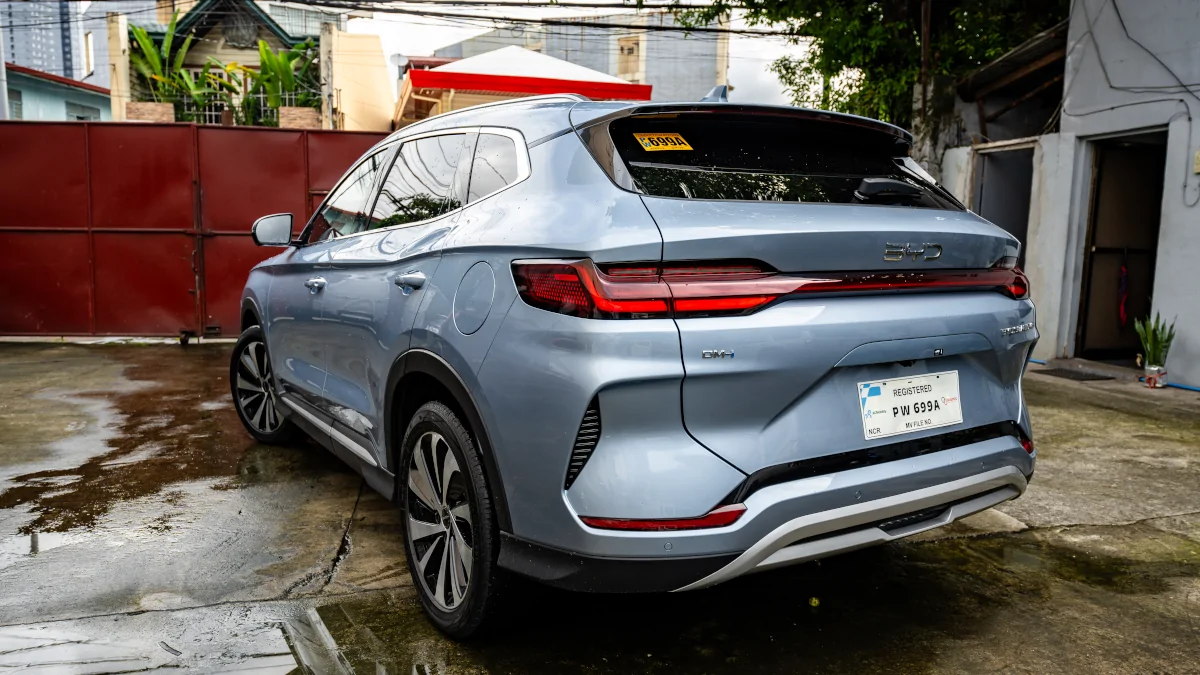
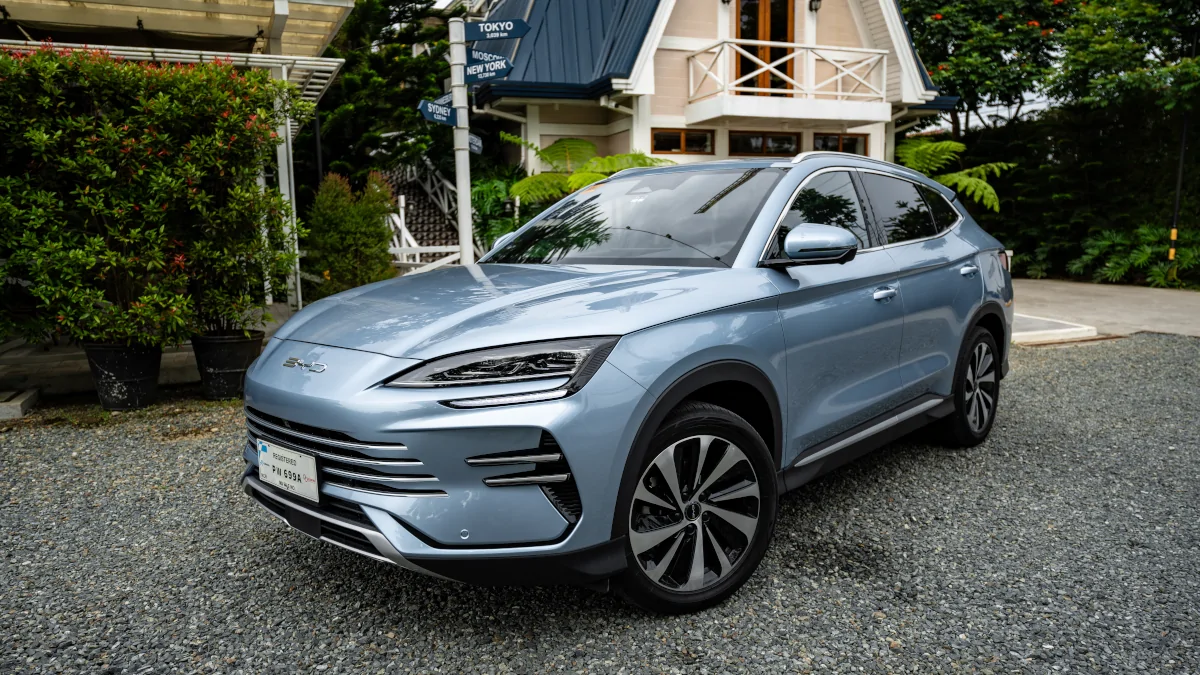
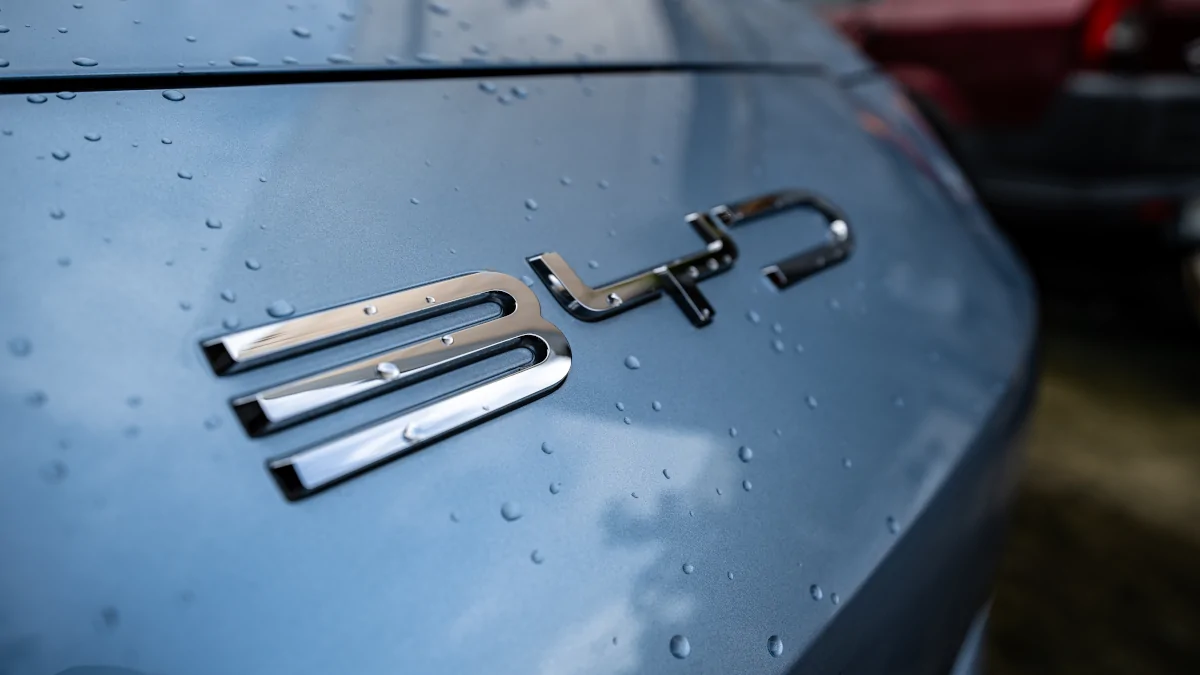
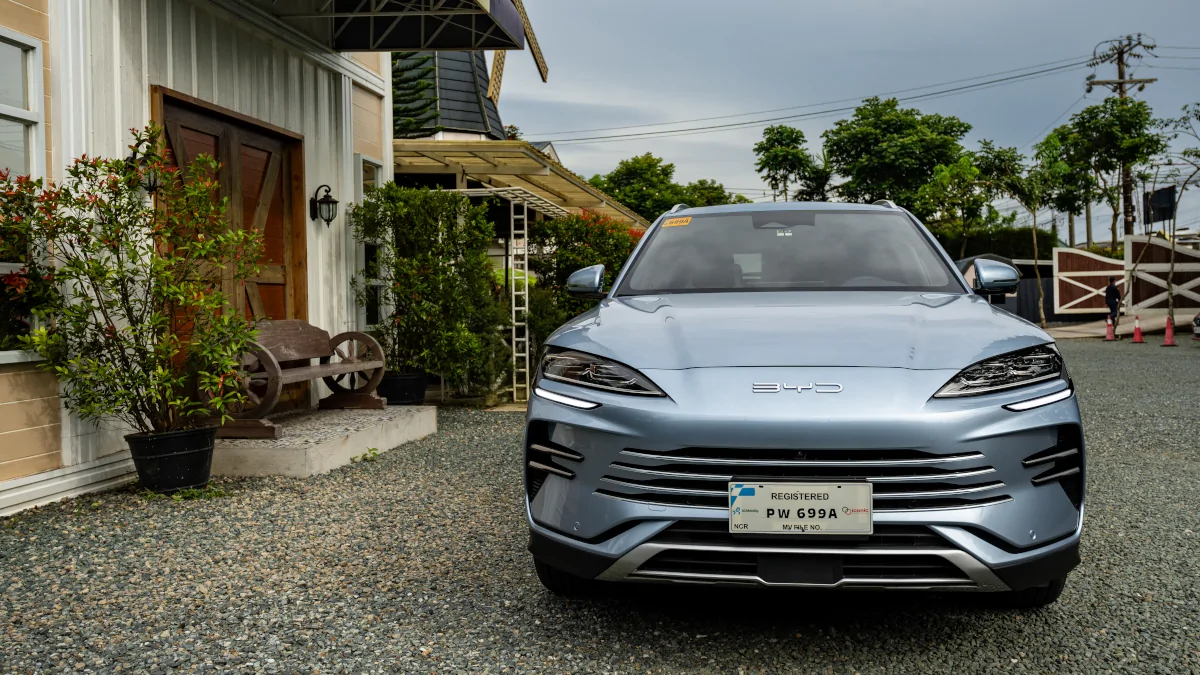
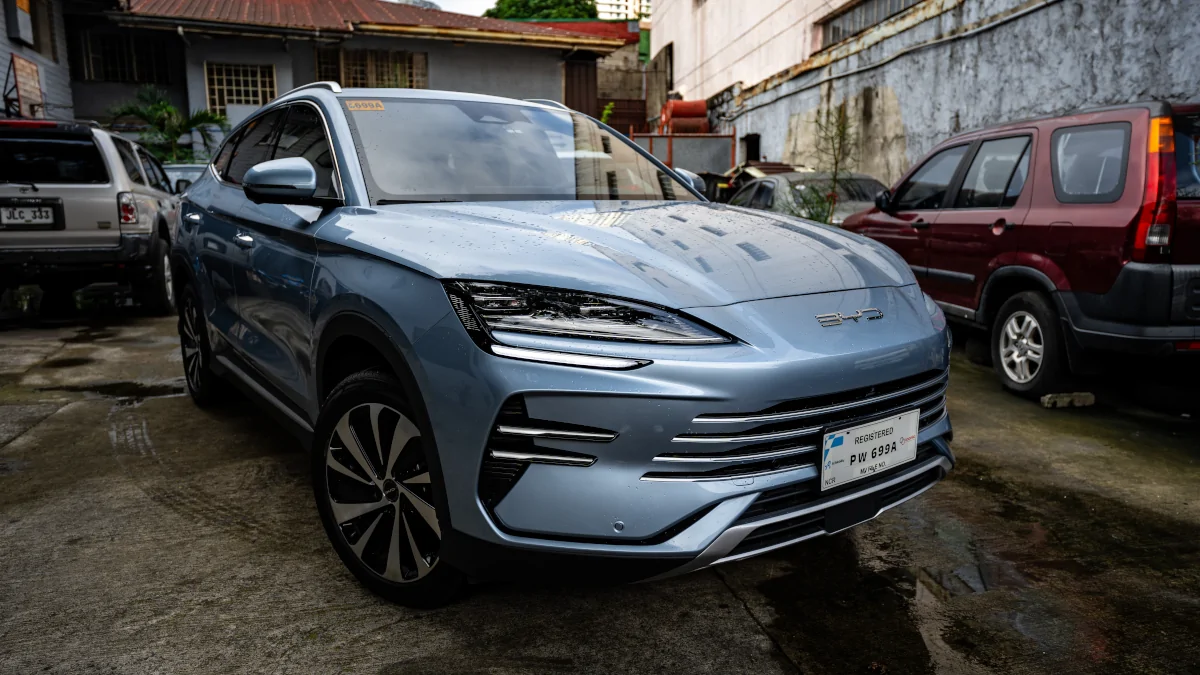
When the Sealion 6 first arrived, we were struck by two things: The Azure Blue hue it came in, and the Macan-esque styling of the car itself. While not a complete copy of the German SUV, the similarities are more than just in passing, which might bother buyers who value originality in car design.
For us, though, we find that it looks great, thanks to the lack of over-styling that can plague some Chinese-made offerings at this price point. Even BYD can be found guilty of this, with some of its smaller vehicles boasting questionable design accents. This being the case, the Sealion is a handsome SUV that, although borrowing from the Porsche design ethos, stands out in a sea of compact crossovers.
Interior
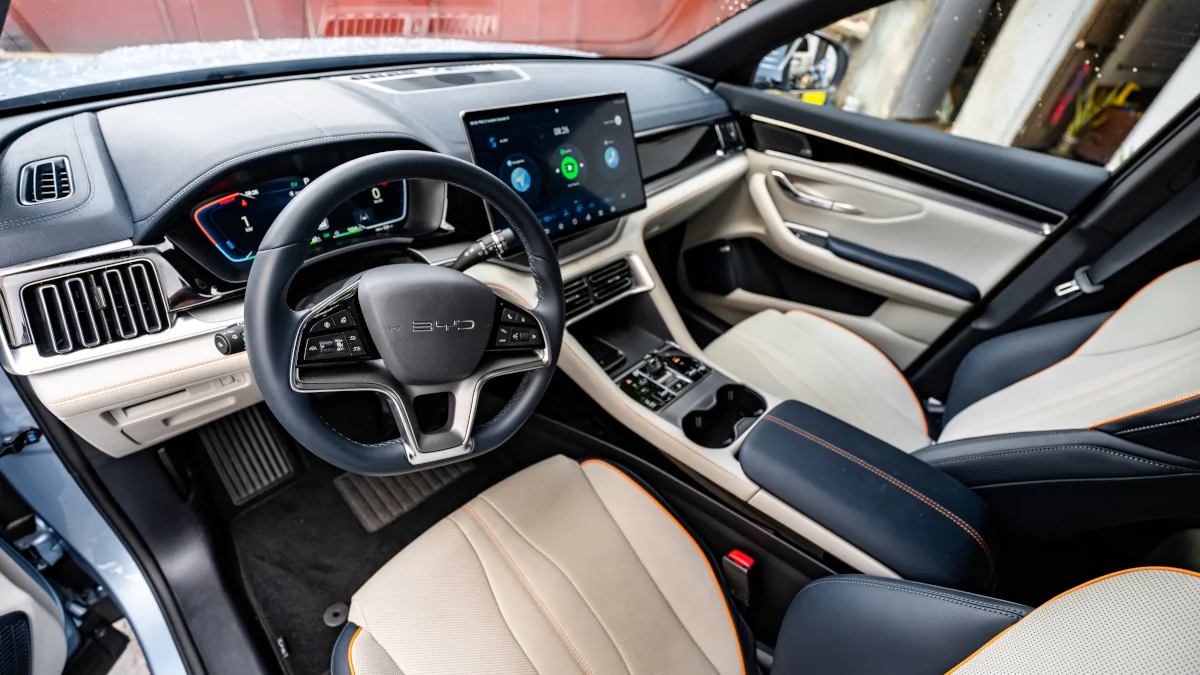
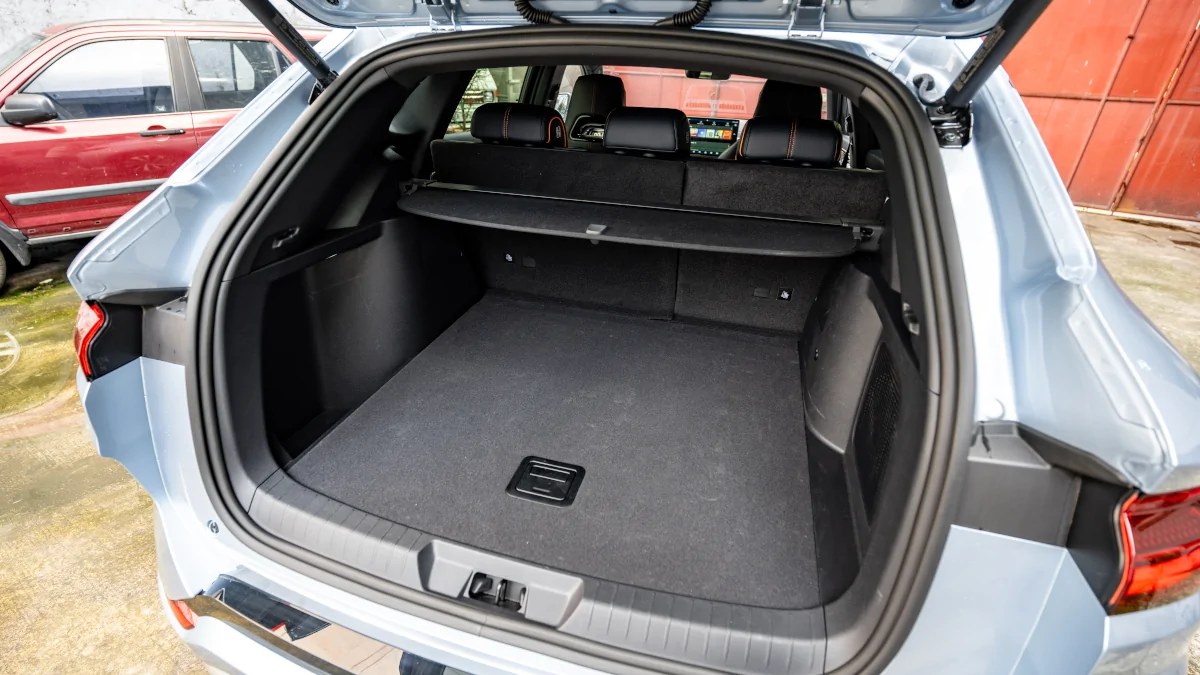
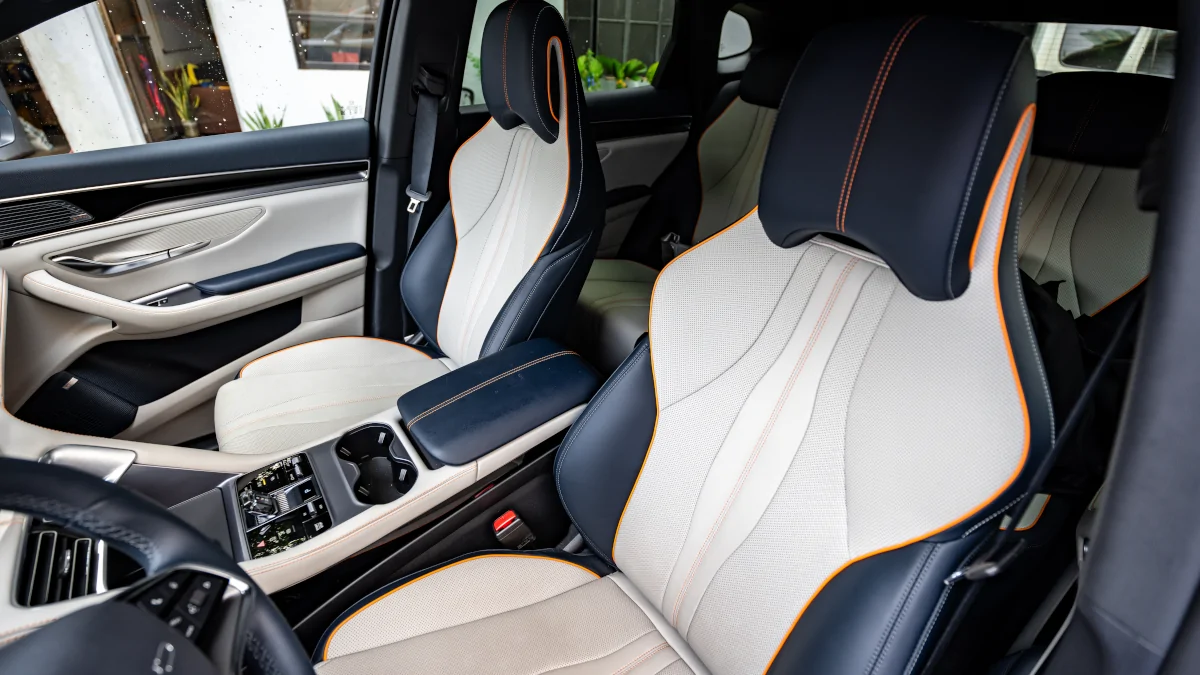
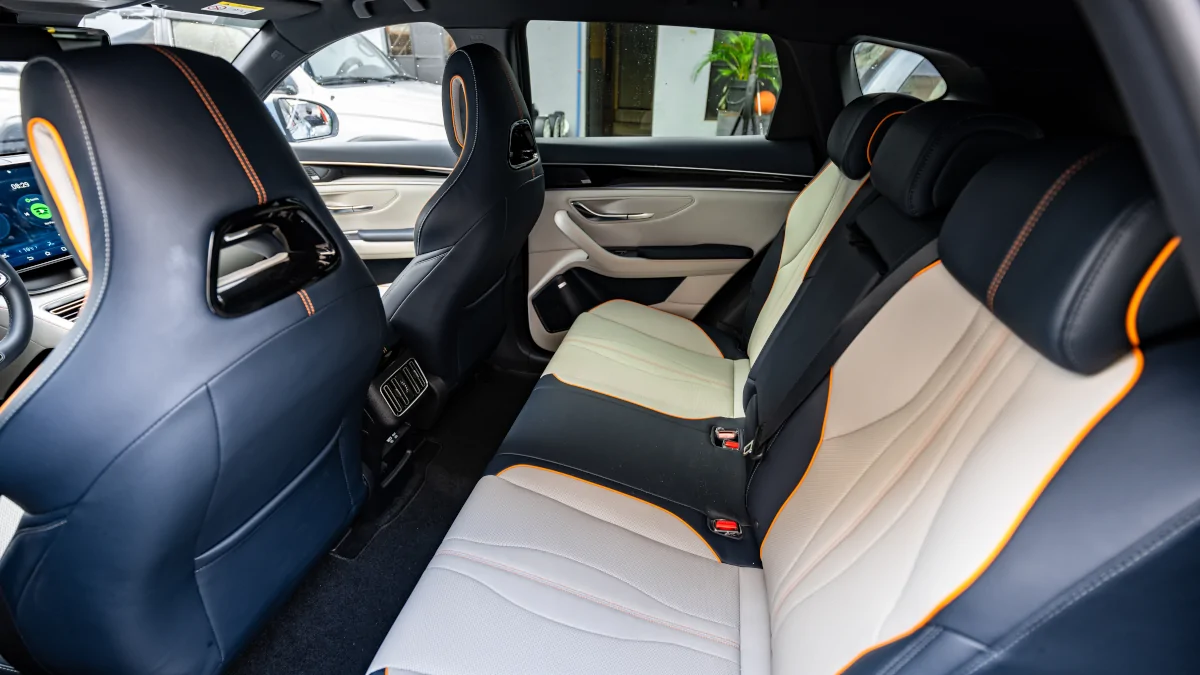
When you first get into the car, the first thing that strikes you is the airiness of the cabin. Decked in a white and blue motif with orange accents, this is a cabin that leaves a good first impression. The material choices are generally nice and great for the price point. Yes, the seats lack a bit of thigh support, but that can be chalked up to my tall frame and longish legs rather than a fault of the car’s designers.
The large interior touchscreen further highlights the technology-first push of BYD with the Sealion, featuring not just one of the largest and clearest screens you will find in a car today, but also the somewhat gimmicky but cool rotating screen feature.
Powertrain performance
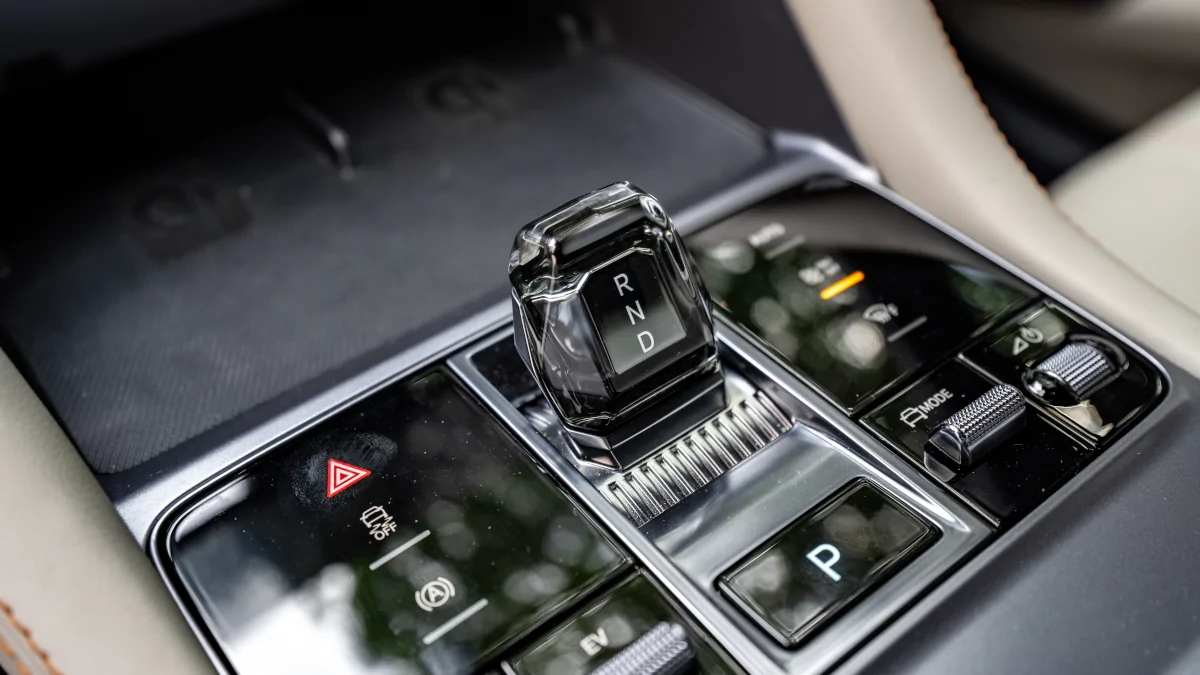
The Sealion 6 DM-i is equipped with an electric motor powering the front wheels, putting out a decent 194hp and 325Nm of torque. It’s decently powerful, but those expecting EV-style extreme acceleration had best look elsewhere. The linear power delivery is great for quick blasts of acceleration, and the motor has enough torque to break traction from a dead stop.
What makes this a range-extended hybrid is the 1.5-liter gasoline engine (a generator, really) that puts out 105hp and 135Nm of torque. That doesn’t sound like a lot, but remember, the engine’s only job is to charge the battery when it is low. Otherwise, for about 70-100km, the Sealion can run entirely on electricity and not sip a drop of gas, which is impressive for those with a moderately long commute. Keep it within its EV range and charge when you get home, and you don’t need to use the engine as much.
Fuel economy is pretty much amazing. We drove from Makati to Tagaytay, and the gasoline generator did not start up until about 70km into our trip (about five minutes from our destination) when the battery level was down to about 25% charge remaining. So, all the way up Tagaytay, the BYD did not use any gas at all.
Once the gasoline generator was kicking in to charge the battery, we saw numbers ranging from 20-25km/L in combined driving, with city driving averaging 25km/L to no gas used as the batteries had sufficient charge by the time we got to the city.
Ride and handling
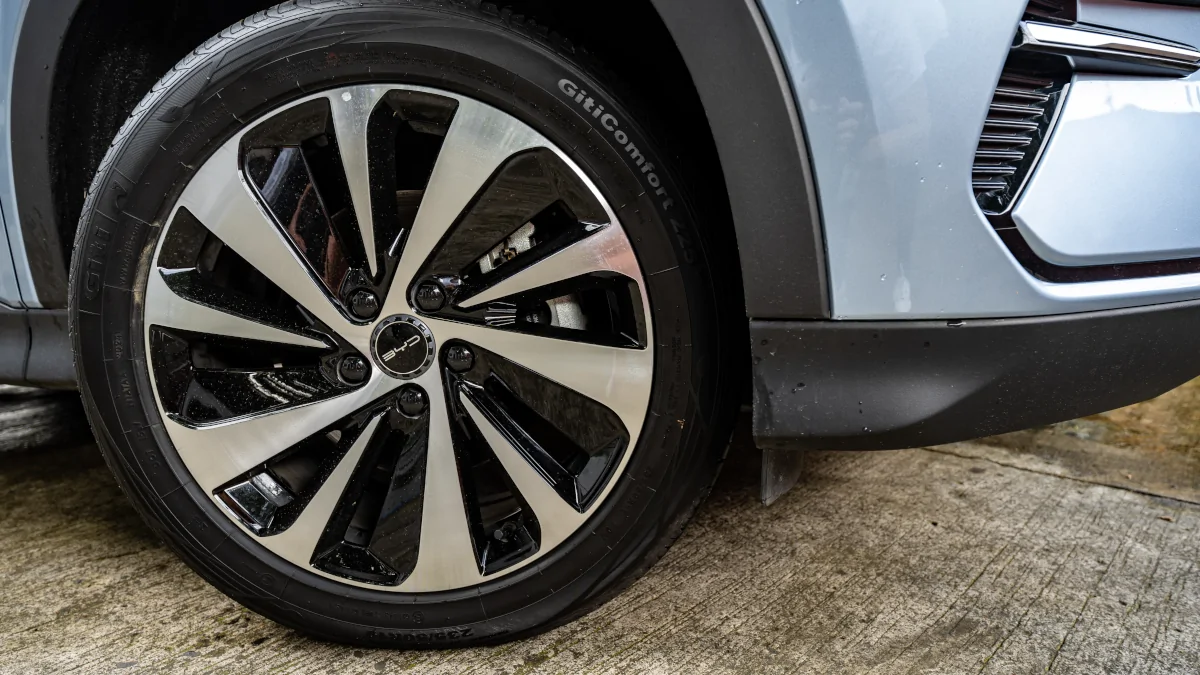
Here is where, unfortunately, the Sealion falls short. It’s as if BYD focused almost entirely on tech and left the basics of driving feel by the wayside. Steering feel is almost nonexistent even when Sport mode is activated, and we found the ride quite bumpy even on smooth roads like CALAX. We arrived at our destination with pounding headaches that no amount of serenity from driving in near silence could alleviate.
This was almost a dealbreaker for us. Aside from this, the Sealion is genuinely amazing, but when you drop the ball so hard on the basics of a car being a car, you may need to rethink your strategy. We would recommend test-driving this car on your usual commute to see if you would be ok with the way it handles.
Extra features
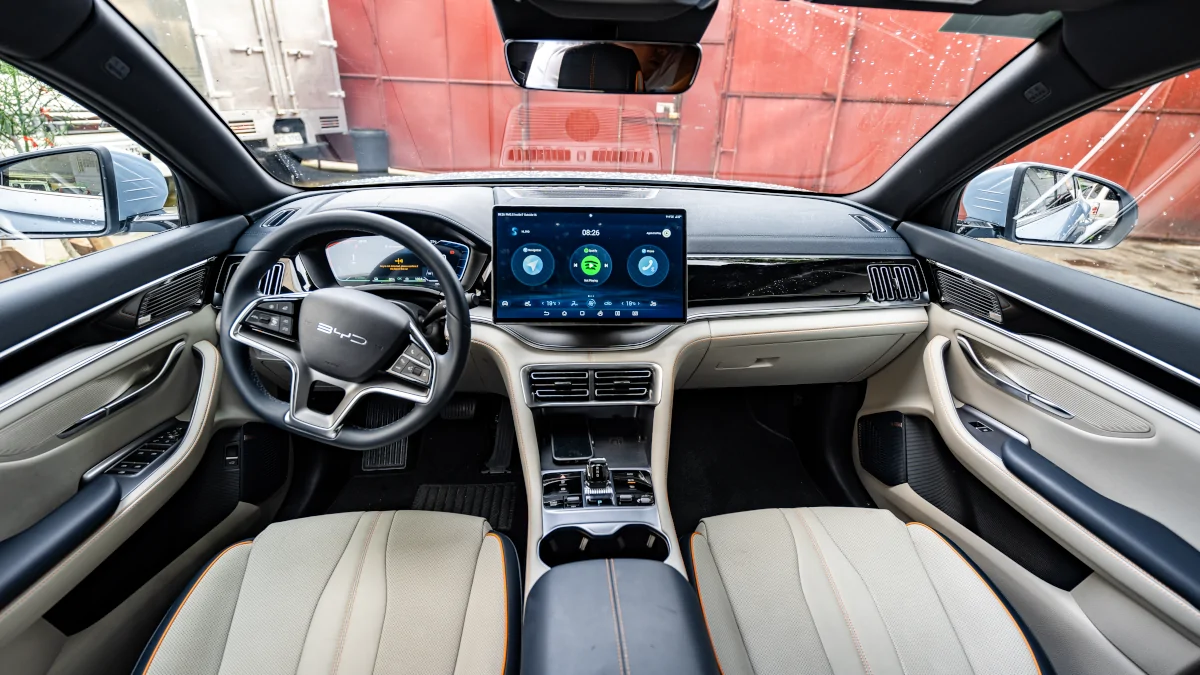
What does annoy us is the lack of physical buttons on the dashboard. All the functions are controlled via the massive 15.6-inch infotainment touchscreen and the buttons on the steering wheel. This makes simple tasks like turning on your seat ventilation or adjusting the A/C fan somewhat dangerous at speed. Yes, you could use BYD’s surprisingly good voice assistant to change some of these settings, but carmakers should really start bringing back physical buttons.
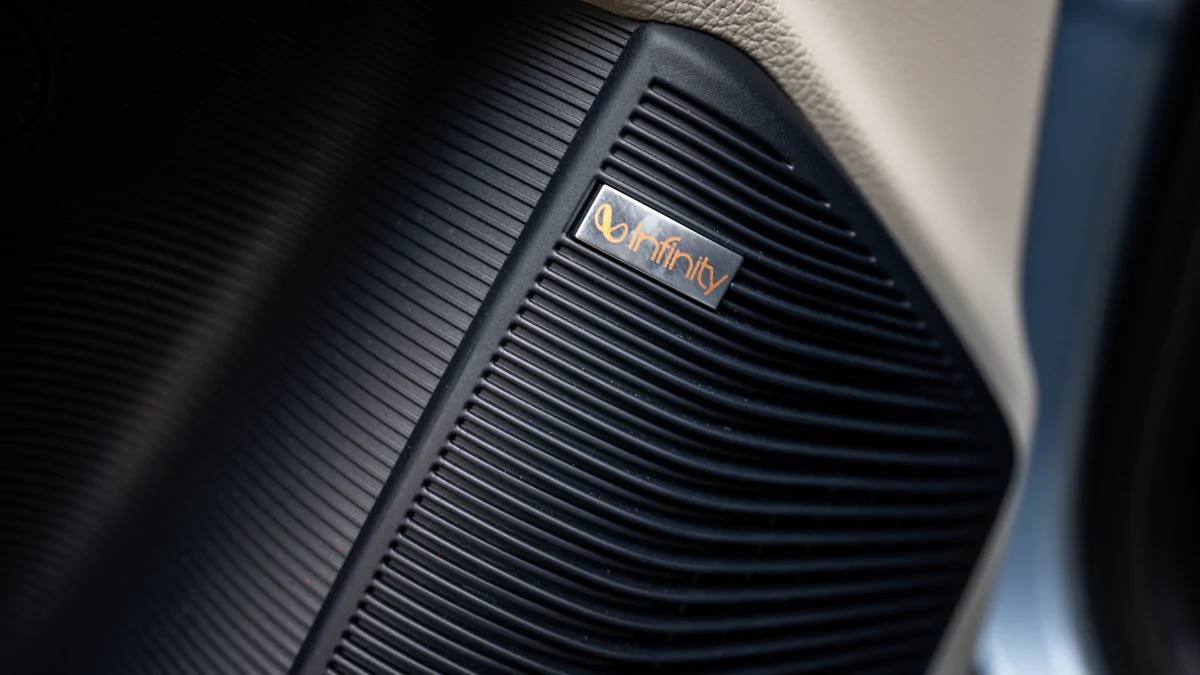
The Sealion 6 comes equipped with a 10-speaker Infinity audio system that, while not the best, is a step above almost everything in its price range. This being a Chinese car, we are just thankful it comes with Wireless Apple CarPlay and Android Auto. Other brands, pay attention—this is how to do infotainment right.
Other features include a 360-degree camera, dual wireless Qi chargers (which, for the life of me, we could not get working), and driver aids including lane keeping and full-speed adaptive cruise control with stop-and-go functionality. For the advanced driver-assist system (ADAS), this was generally fine, but it feels about a generation behind its contemporaries. There was a shimmy from right to left as the car tried to maintain its lane, and the lane following failed a few times on roads where other cars with more advanced ADAS fared better.
Overall, the car has a great set of features, price notwithstanding. And if all else fails, you can also sing karaoke in the included app in the infotainment.
Verdict
The BYD Sealion 6 DM-i is one of the best Chinese cars you can buy today, mainly because of its extremely attractive and competitive price point. At P1.548 million, you would expect entry-level specifications, but this car comes with almost all the bells and whistles you could hope for in a tech-forward automobile.
That said, you have to balance this with how the Sealion handles rough roads. It’s the one blemish in what could be one of the most competitive cars in its price range and segment. Yes, there is hype when it comes to this car, and frankly, it almost lives up to it.
SPECS: 2024 BYD Sealion 6 DM-i
Price: P 1,548,000
Powertrain: Electric motor and 1.5-liter gasoline engine
Power: 194hp (electric motor), 105hp (engine/generator), 217hp (combined)
Torque: 325Nm (electric motor), 135Nm (engine/generator)
Transmission: e-CVT
Drive layout: FWD
Seating: 5
Score: 17/20
Which car models are the competitors of the BYD Sealion 6 DM-i?
In its price range, you can find the Toyota Corolla Cross Hybrid, which, while not equipped with all the tech available in the BYD, does come with a tried-and-true Toyota hybrid system.
Is the BYD Sealion 6 DM-i fully-electric?
No, it’s a plug-in hybrid—specifically, an electric vehicle you can plug in to recharge, but also equipped with a gasoline engine acting as a range extender to top up the battery when its charge level gets low. So, you can recharge the battery by plugging it into a wall outlet or at a charging station, or by filling up the fuel tank with gasoline.
What is the fuel consumption of the BYD Sealion?
When the batteries are charged, it does not use gas and uses purely electric range of about 70-100km. Once the battery level drops to 25%, the gasoline engine charges the battery, resulting in 20-25km/L in mixed conditions. Fuel economy is better in city driving since regenerative braking in stop-and-go traffic recharges the battery.
More photos of the BYD Sealion 6 DM-i: