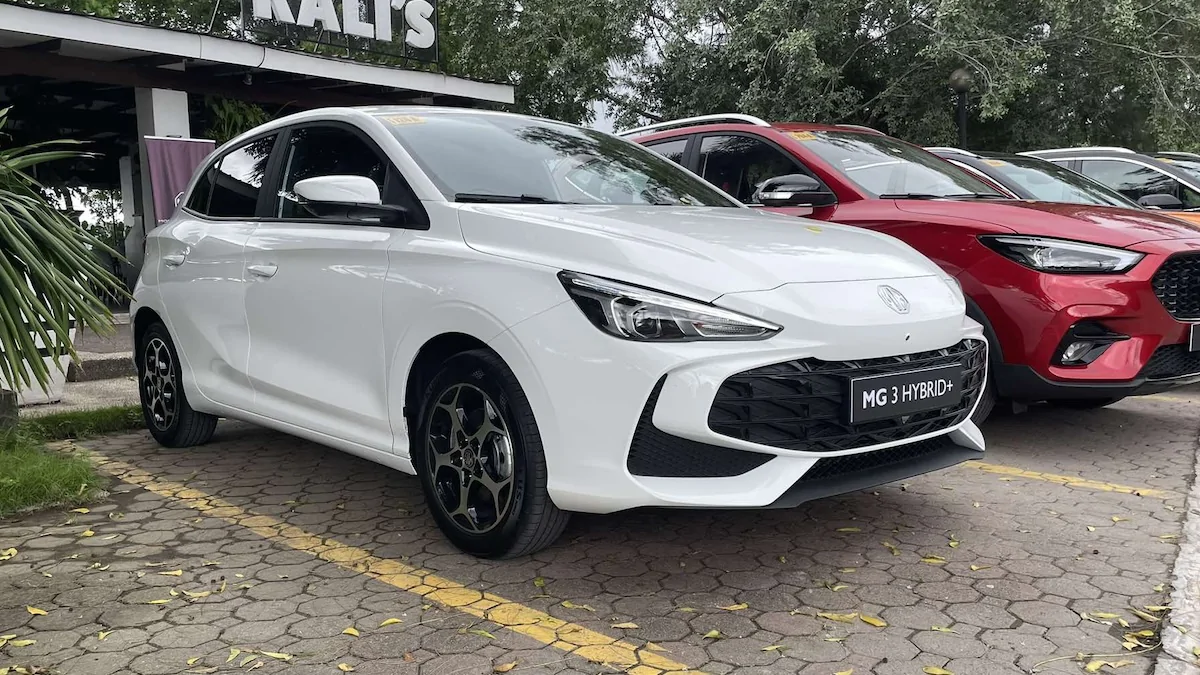

A new small hatchback! We don’t see a lot of that these days.
True, it’s been a hot minute. Hard to imagine how popular this segment once was, with models like the Jazz, the Yaris, and the Mazda 2 winning the hearts of buyers with their fun factor, economy, and practicality. Now, the lone survivor of this trio is the Mazda 2; the City Hatch has taken the Jazz’s place in the lineup, while you can only get the Yaris name as a crossover or in full-fat GR spec (two very, very different models).
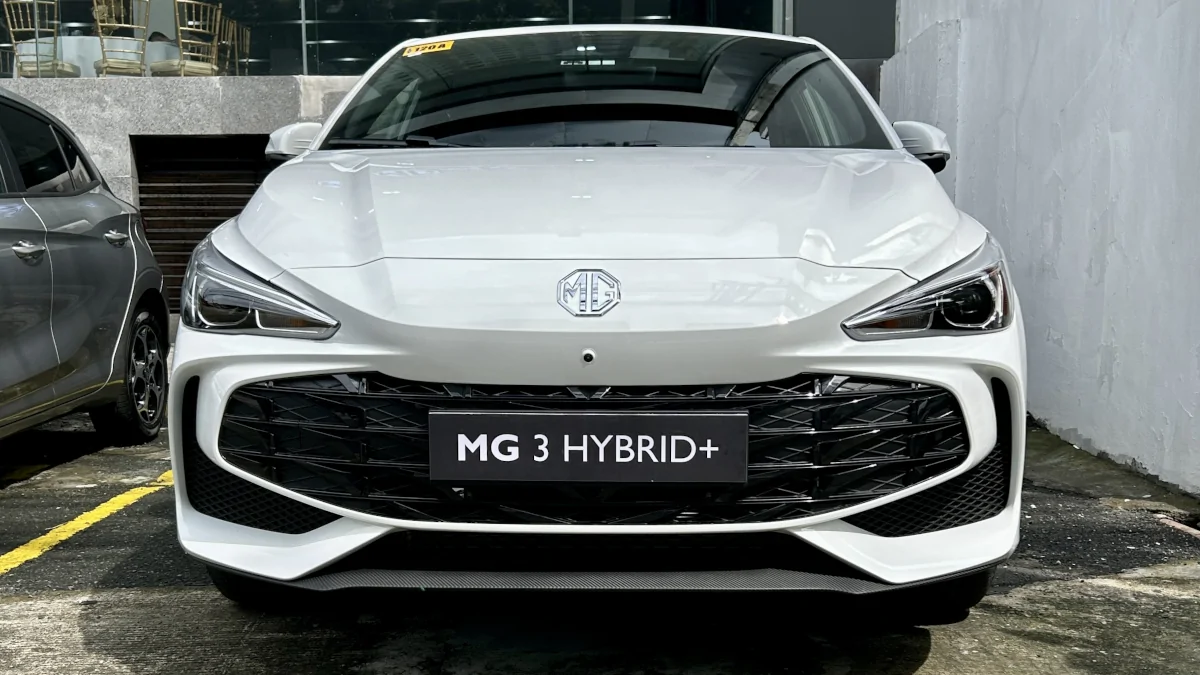
But a new subcompact hatchback is now on our shores: The MG 3 arrived in June and also brought electrification to the segment through this top-spec MG 3 Hybrid+ variant. It made its official debut barely two weeks ahead of the facelifted City Hatch’s launch.
OTHER STORIES YOU MIGHT HAVE MISSED:
The 2025 MG ZS claims to be capable of up to 23.6km/L in hybrid form
China has become the first country to sell over one million EVs in one month
Is it just me or this looks a bit smaller than the Honda?
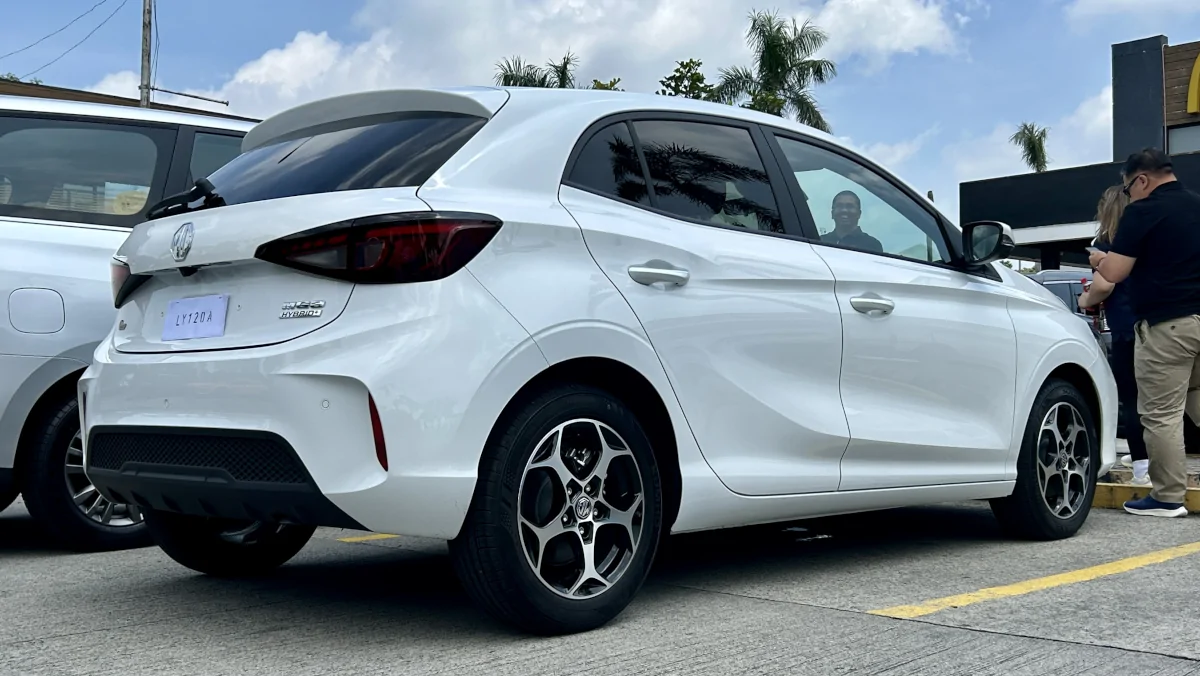
It’s not just you. The MG 3 is 4,055mm long, 1,729mm wide, and 1,521mm tall, which makes it 314mm shorter, 19mm narrower, and 33mm taller than the City Hatch. Its 2,570mm wheelbase makes it 30mm shorter between the axles, too. We’ve actually done a comprehensive size comparo of the two models here.
More notably, the electrified 3 is heftier than its non-hybrid competitor, with a curb weight of 1,308kg versus 1,143kg. And this is where the extra power from the hybrid setup comes in handy.
Give me the powertrain specs.
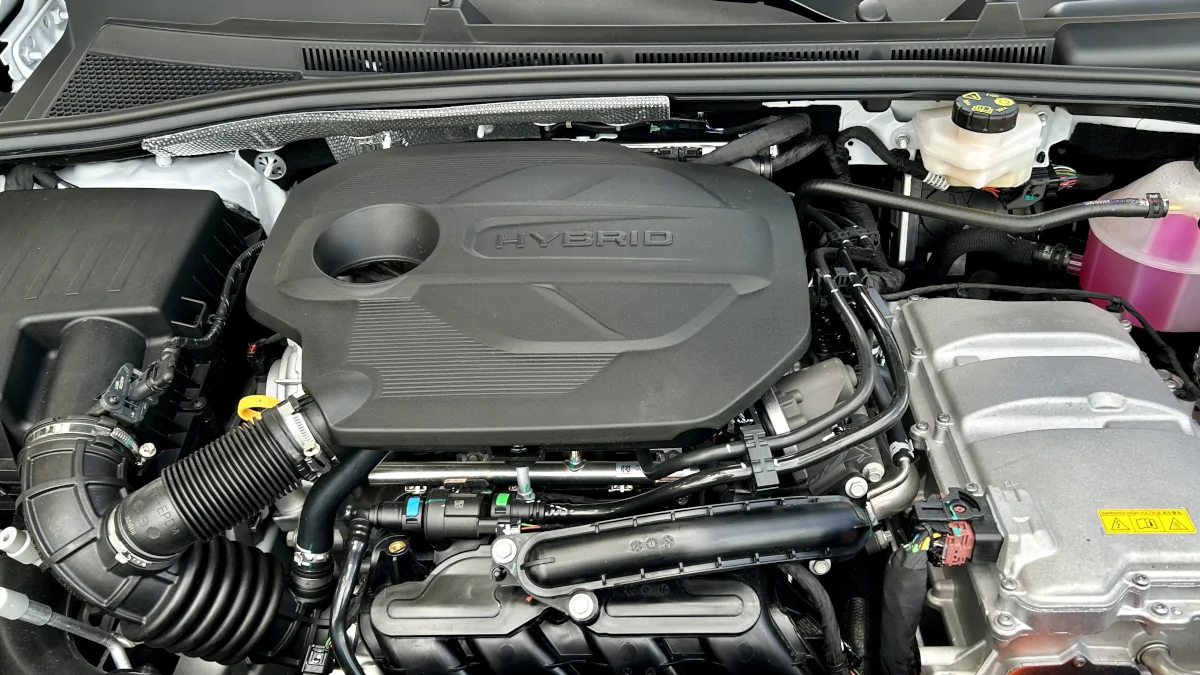
With pleasure. Under the hood is a 1.5-liter gasoline engine that works in tandem with an electric motor and a 1.83kWh battery to deliver 187hp and 250Nm of torque via a three-speed hybrid transmission. For comparison, the gasoline-powered version makes 118hp and 150Nm coursed through either a five-speed manual or a CVT.
Those are very healthy-looking output figures for a small car, but don’t expect to be pushed back into your seat when you give the go-pedal a heavy press. You don’t have an infinite supply of battery charge, and the system meters out its use to keep you in either full electric mode at speeds of up to 30kph, or in hybrid operation for most speeds.
On our short drive to Subic, it didn’t feel as if the car was hamstrung by the extra weight of its electric components. Getting up to speed from a full stop was straightforward, as was eking out a bit more grunt from the powertrain when overtaking on the expressway. This is a car that’s willing enough to rise to the occasion when pushed, and it’ll actually keep its composure through faster corners and quick lane changes. Not that the light, anesthetized steering feel will tempt you to explore the upper reaches of the speed limit.
Any other impressions?
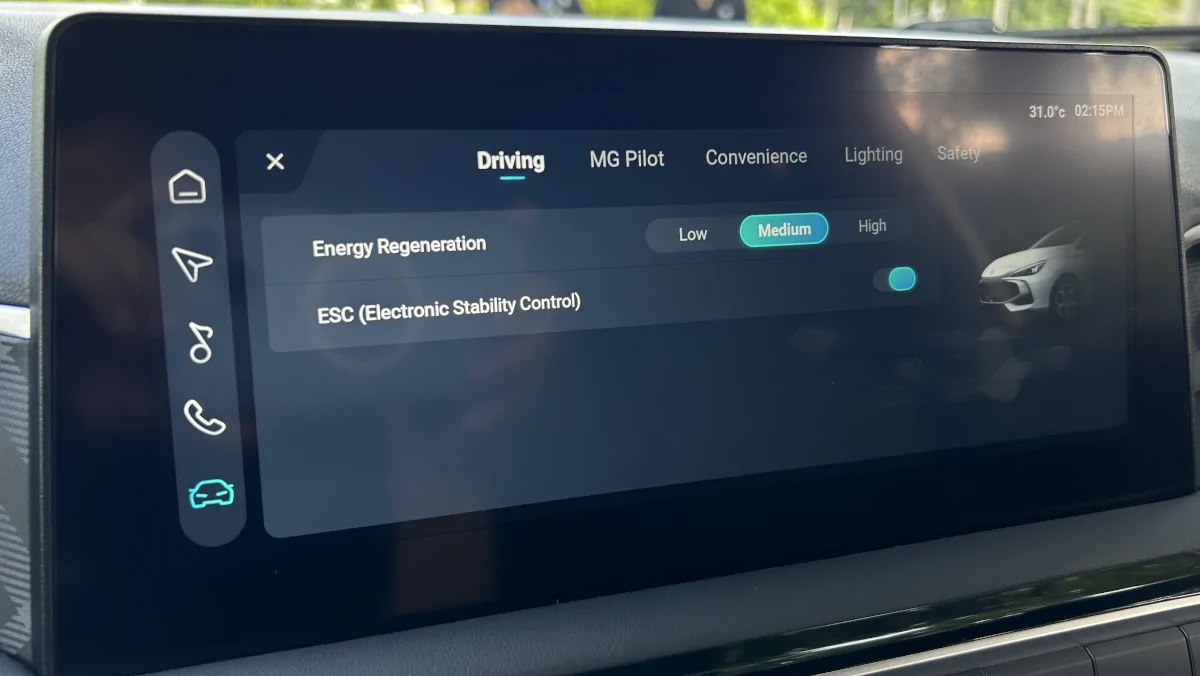
In the MG 3 Hybrid+, there are three regen modes. The default setting is medium, and every time we killed the engine and restarted the car, the regen mode would revert to this setting. Which is annoying, because anything above low feels too aggressive for city driving.
That said, we tried the different settings on the expressway. The hybrid info display showed regen braking power of around 14kW in low mode and roughly 35kW in high mode. As mentioned, the stoppers come on quite strong to maximize regen opportunities, but not to the point that one-pedal driving is possible.
What’s not to like here?
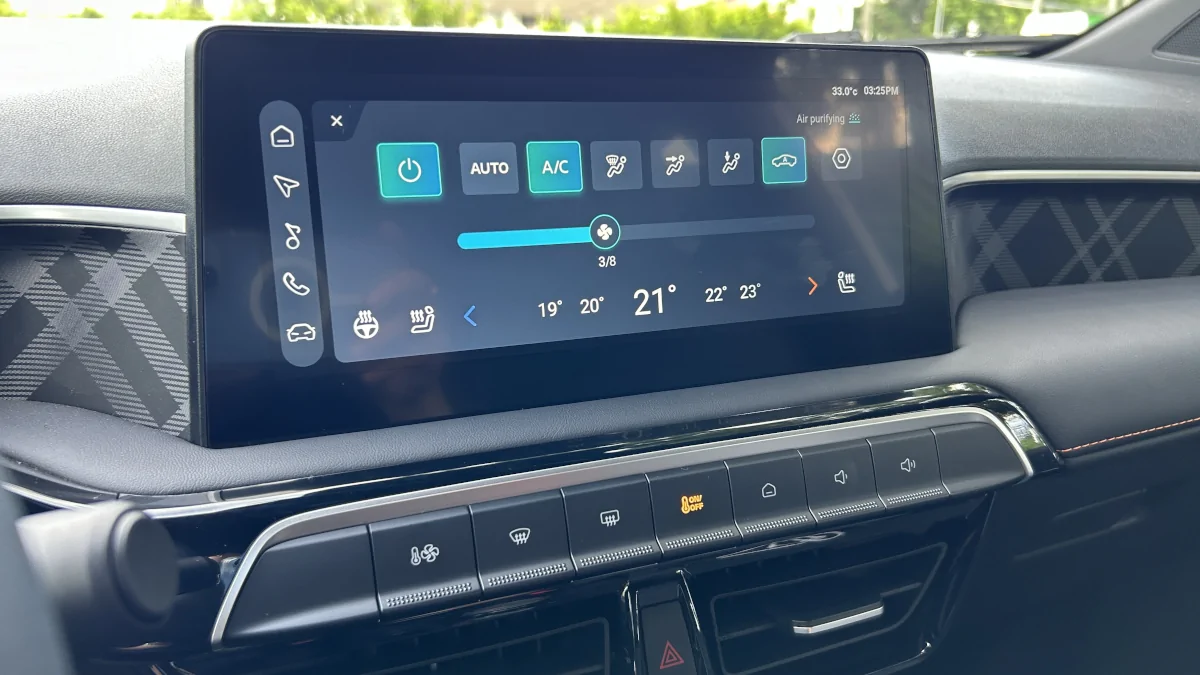
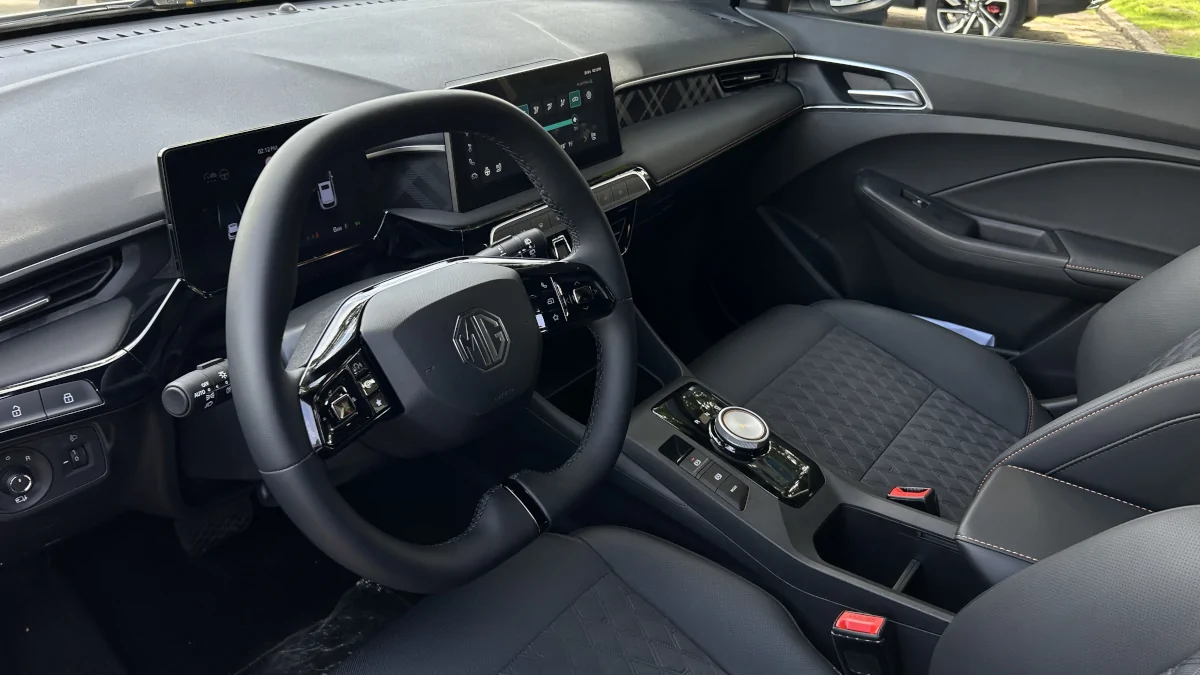
If you don’t like simple settings being buried in a touchscreen, you won’t be a fan. One-day test drives like the one we went on tend to highlight challenging ergonomics, because you’re plopped into a car and sent off with barely any time to get your bearings in the cockpit. In this case, a panicked search for the volume controls ensued after I plugged in my phone and CarPlay started blaring out my waker-upper Spotify playlist.
After the longest five seconds, we found the volume buttons among the physical controls below the main touchscreen—one button each to lower and turn up the sound. There’s another for the A/C, but it only summons up the climate submenu on the display and you have to select your preferred settings there. Had MG used toggles (as on the ZS) instead of buttons, it would’ve been a more efficient use of switchgear.
The steering-wheel buttons for the instrument panel also take some time to decipher. For instance, we had a hard time finding the submenu that showed the real-time workings of the hybrid system. This is operational knowledge you’ll pick up as you get more seat time, but ergonomics is something MG can improve in future models.
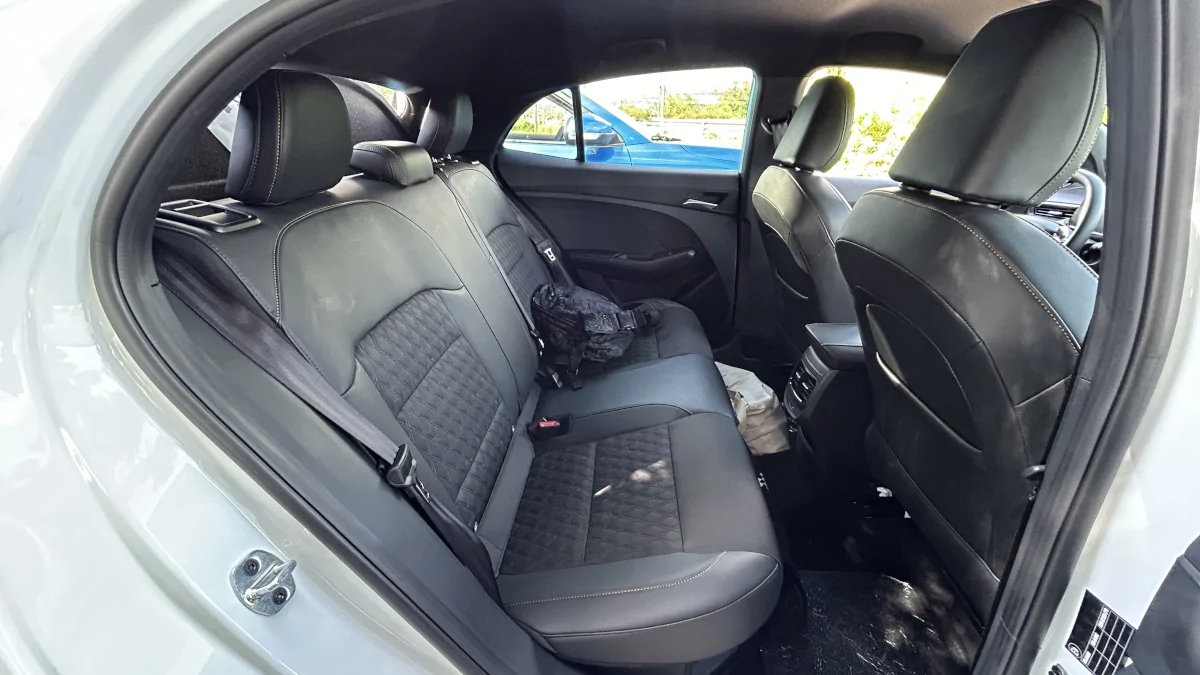
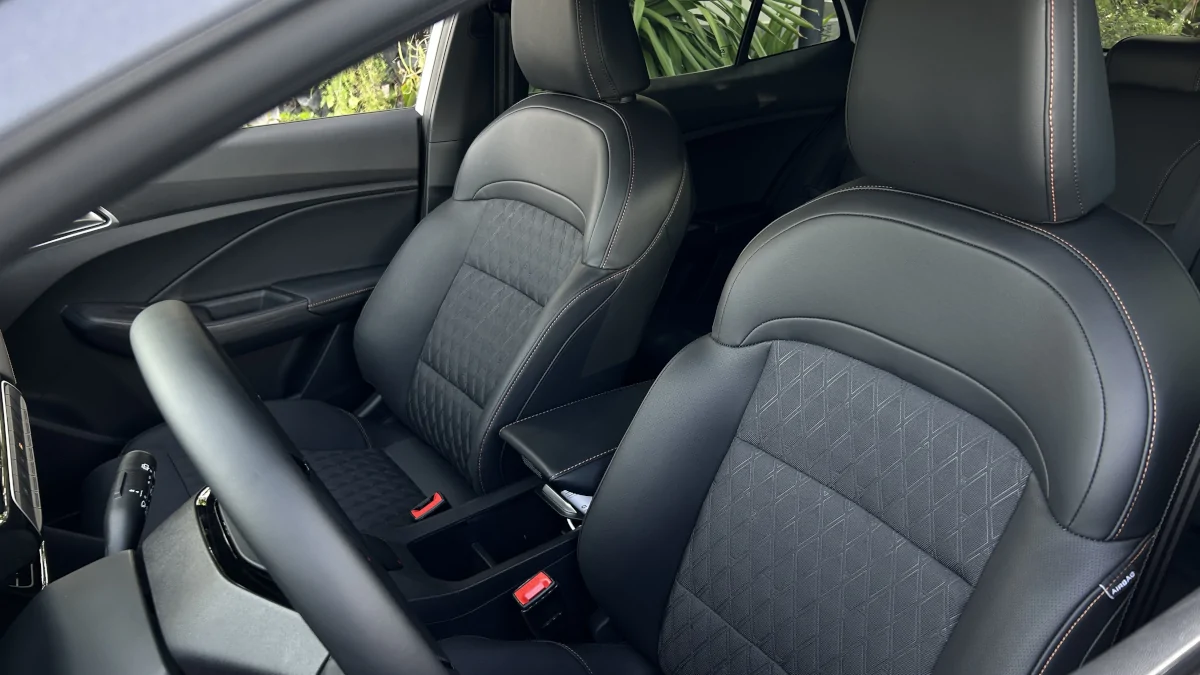
What else? The rear seat doesn’t split-fold, and on this drive, we found ourselves needing something from the cargo area more than once. So more than once, I watched Visor’s Sam Surla—blessed with height but not with flexibility—trying not to get pinned down by the rear seatback when he unlatched it to get something in the cargo. Another con of being in the rear is the inadequate NVH suppression. It’s not just in the city that you’ll hear outside noise filtering into the cabin. I was the backseat passenger when we were on SCTEX, and all the wind and tire noise made the journey feel more exhausting.
What makes it worth buying, then?
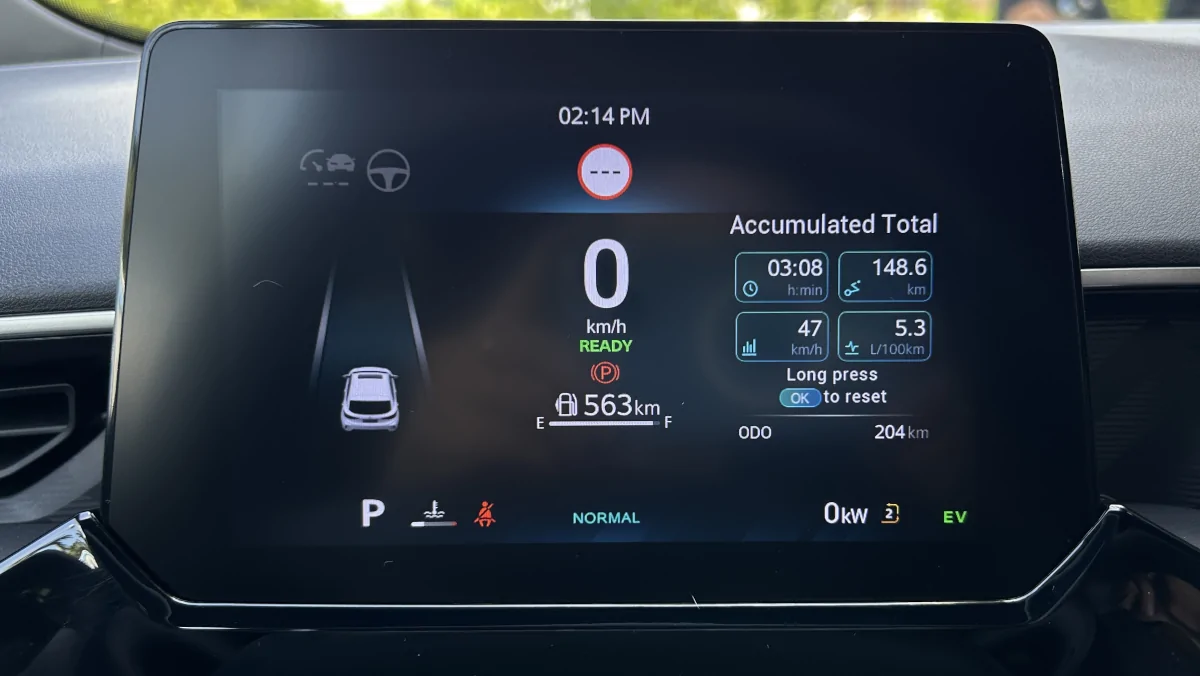
The MG 3 Hybrid+ delivers the fuel-economy figures expected of it. The trip from Quezon City to Subic yielded 18.86km/L in mixed city and highway driving, with no effort on our part to drive economically. We’ll look into this more extensively when we’re able to test the car over a longer period, because it’s a big consideration for buyers in this segment and price point.
The car also comes equipped with adaptive cruise control, blind-spot and lane-departure alert, and lane-keep assistance. So that’s hybrid propulsion and advanced driver aids included in the asking price of P1,088,888—which undercuts the City Hatch (P1,189,000) and the Mazda 2 (P1,250,000). If budget, fuel economy, and safety are among your top priorities when shopping for a vehicle, I’d say this one is worth a look.
More photos of the MG 3 Hybrid+ 2024: