
The last time I drove a Dongfeng, I was pedaling a rattly mini truck down the main straight at Clark Speedway for Car of the Year, in a vain attempt to see how quickly it could hit 100kph. Spoiler: it couldn’t. At least the non-ABS drum brakes were too weak to lock up as we clattered to a stop at the end of the strip. Needless to say, the tiny two-seat terror was in no danger of winning that Car of the Year crown.
This car, on the other hand, might just have a chance. If we still did Car of the Year, that is. I came into this drive a bit skeptical. Suspicious that there might be an old Japanese engine under the hood or a jerky robo-clutch transmission. Or even Orocan-level plastics and body panels.
Nope, nope, and nope. Try as I might, whether tapping interior panels, poking panel gaps, or tap-dancing on the pedals to confuse the powertrain, I could find little wrong with the Aeolus. Okay, so the name is a bit—well—can you imagine telling people you’ve got a Huge Aeolus? Me neither. But behind the comical name is a serious contender in the fast-growing hybrid market.
Styling
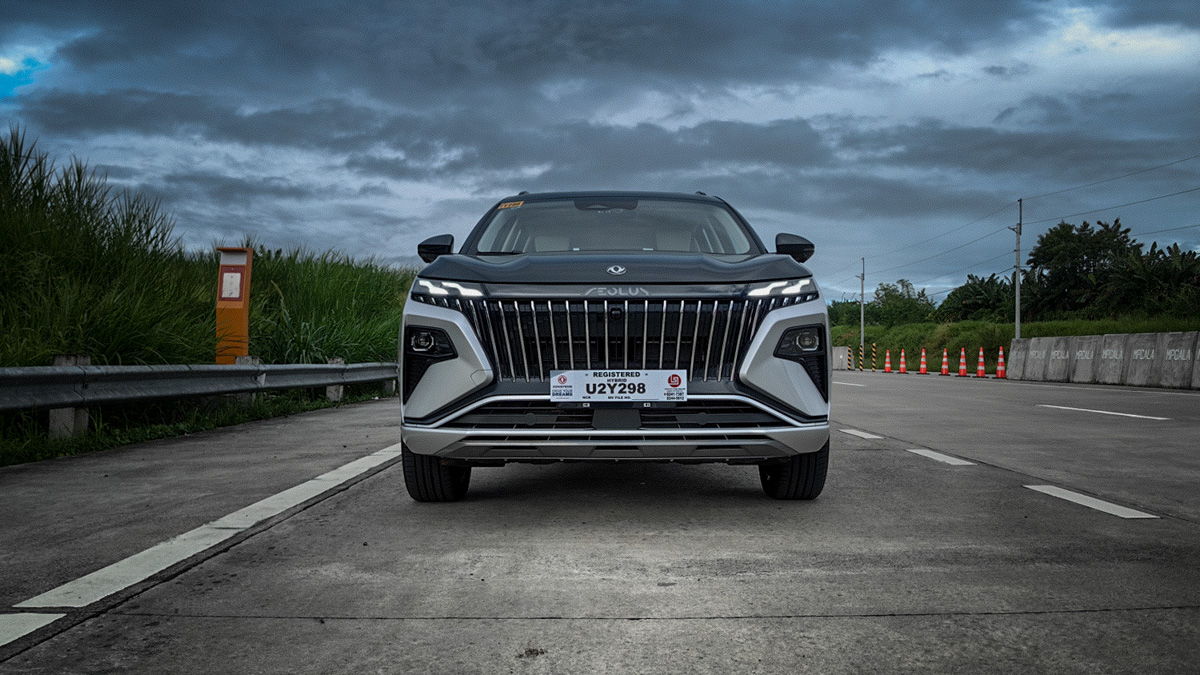
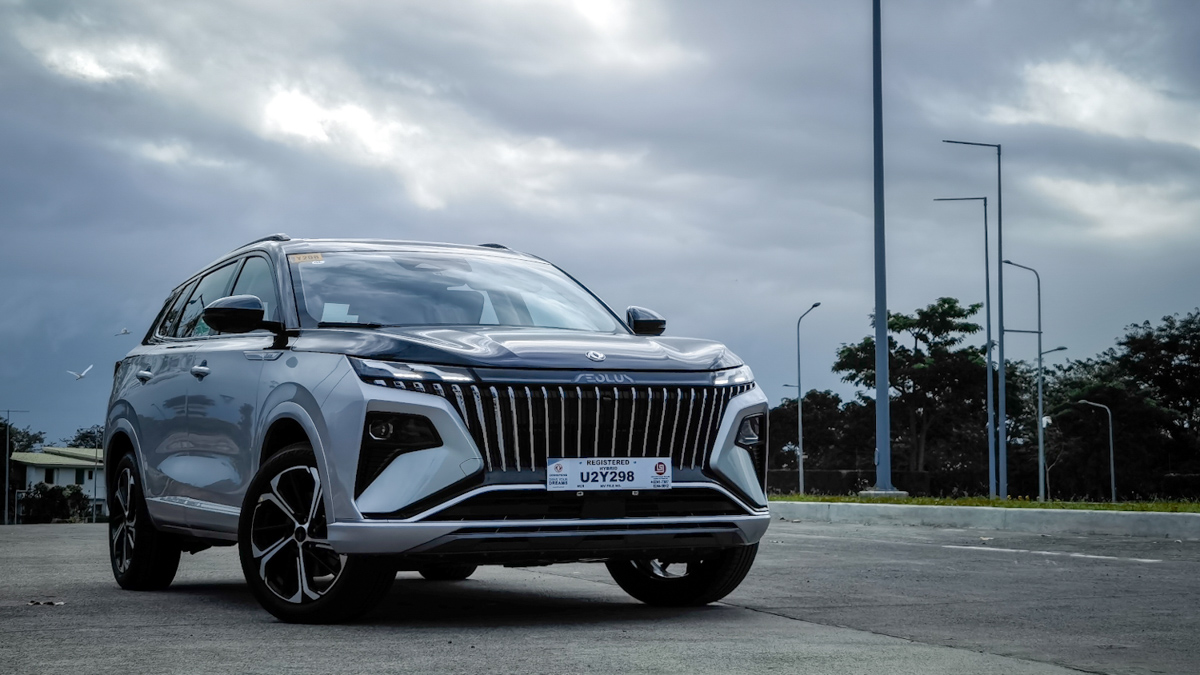
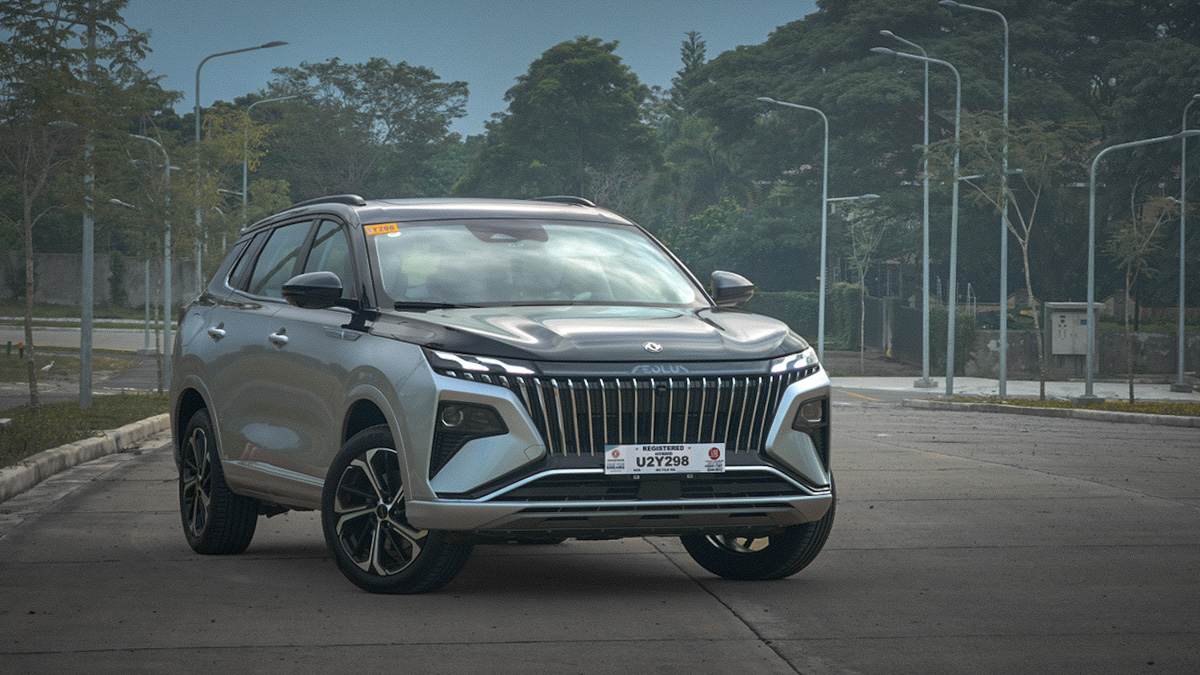
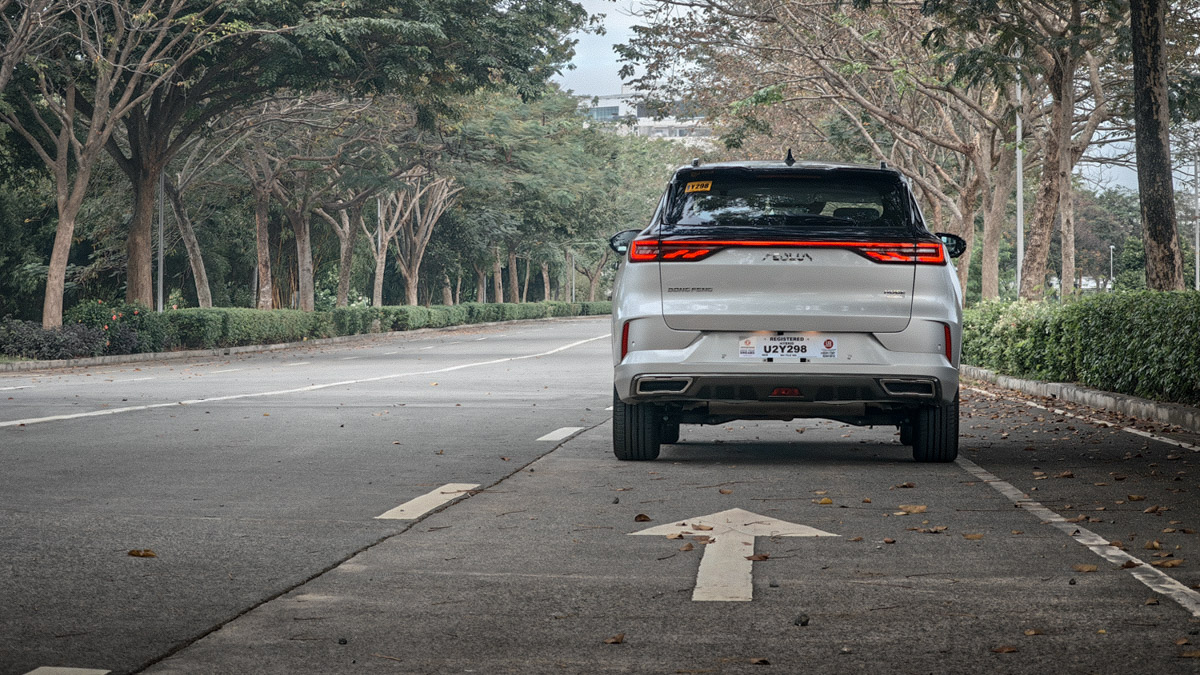
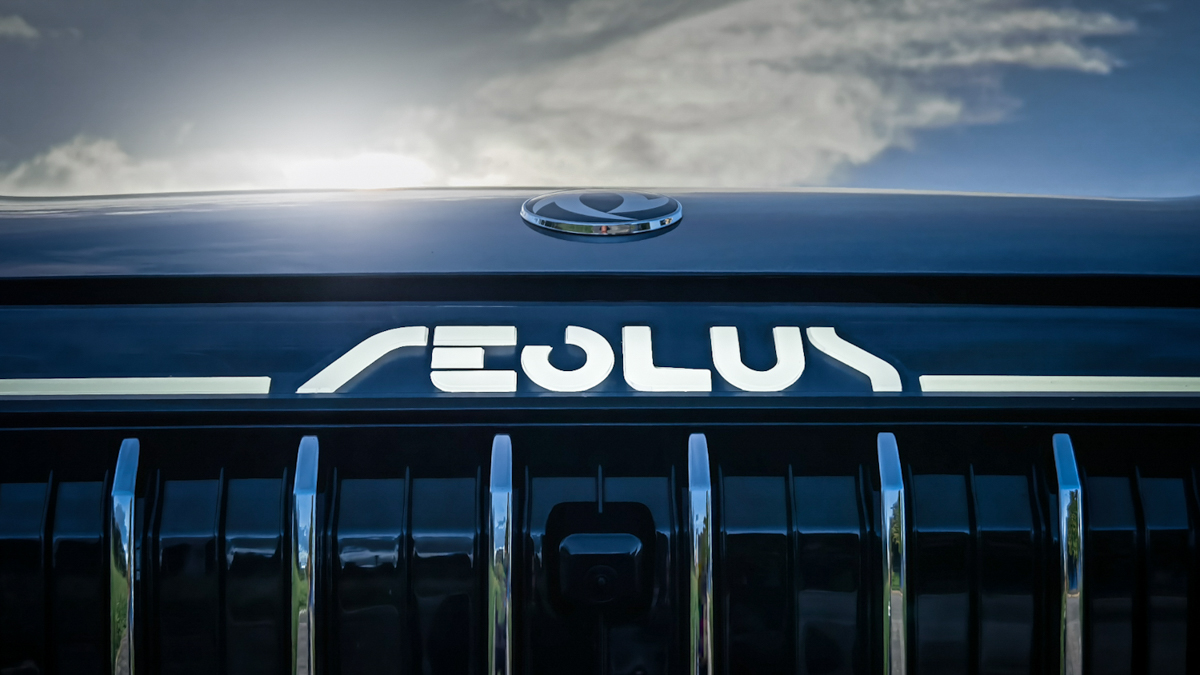
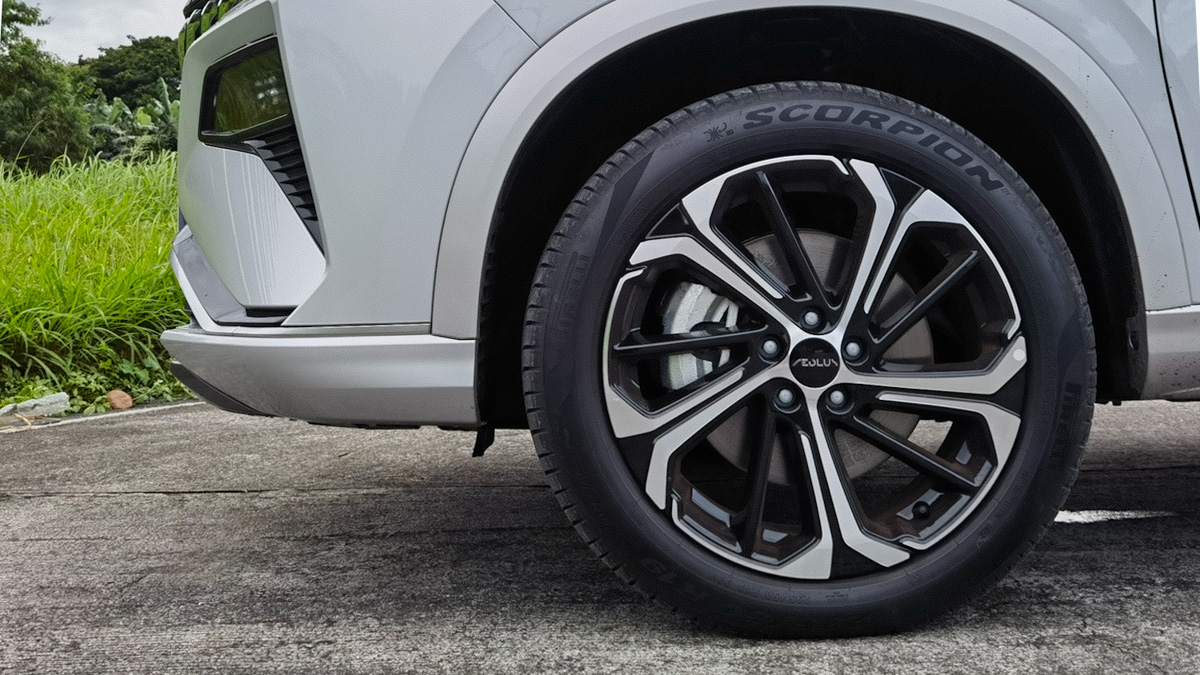
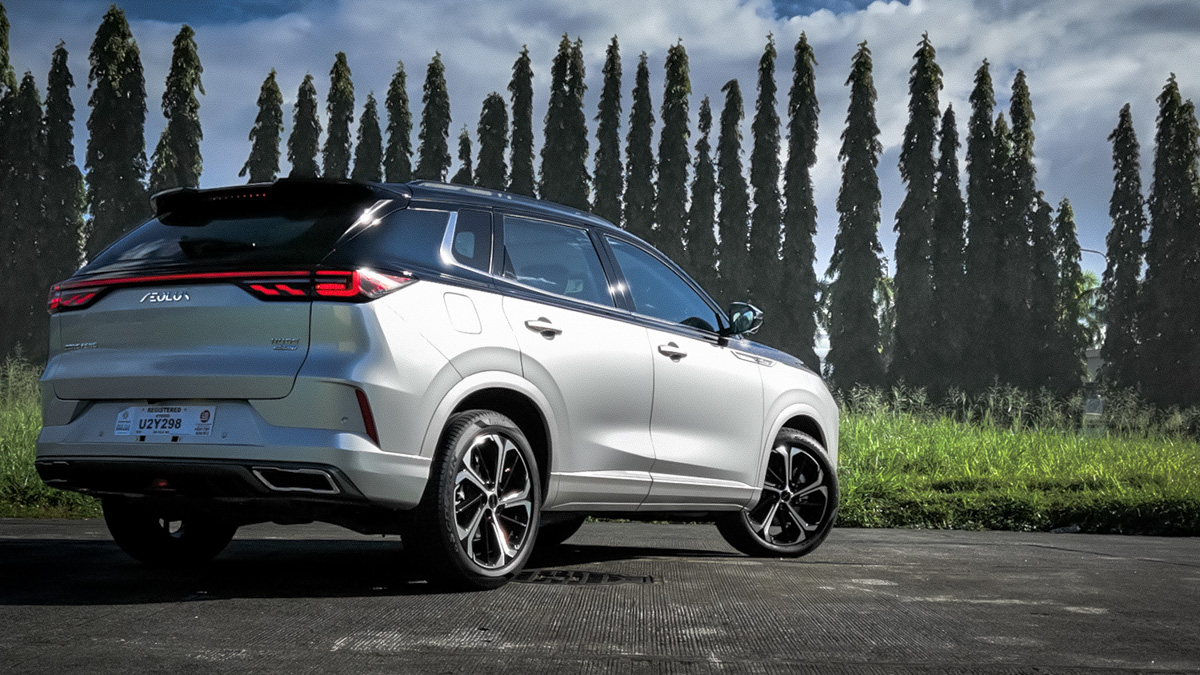
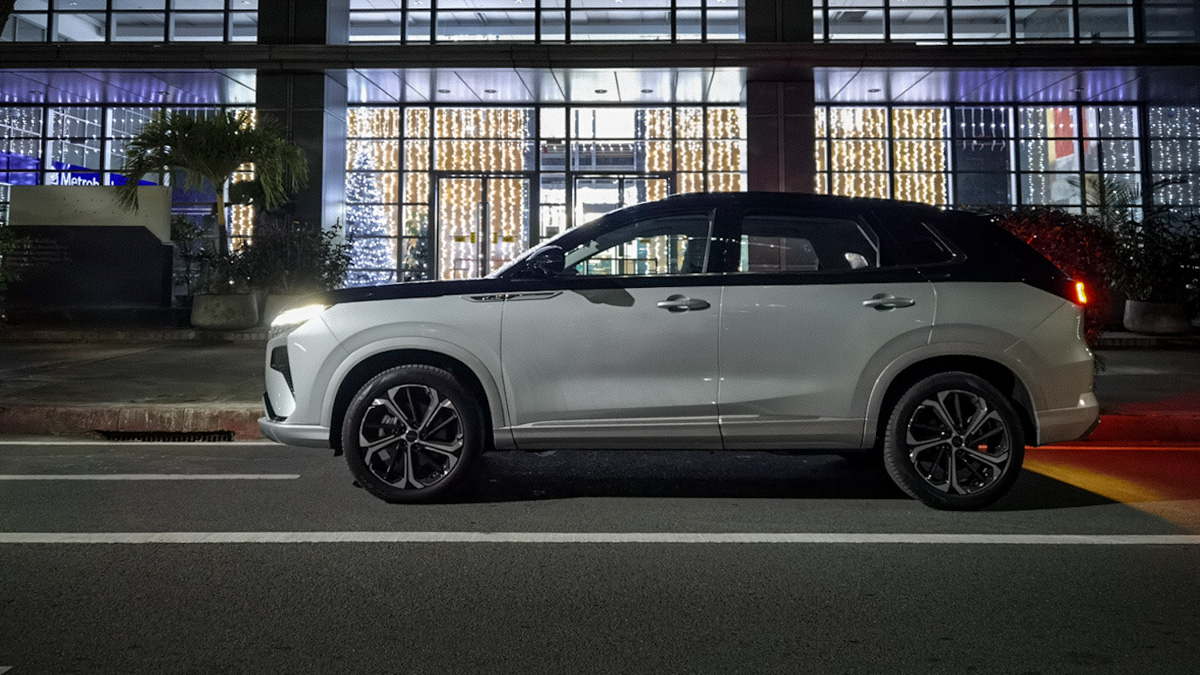
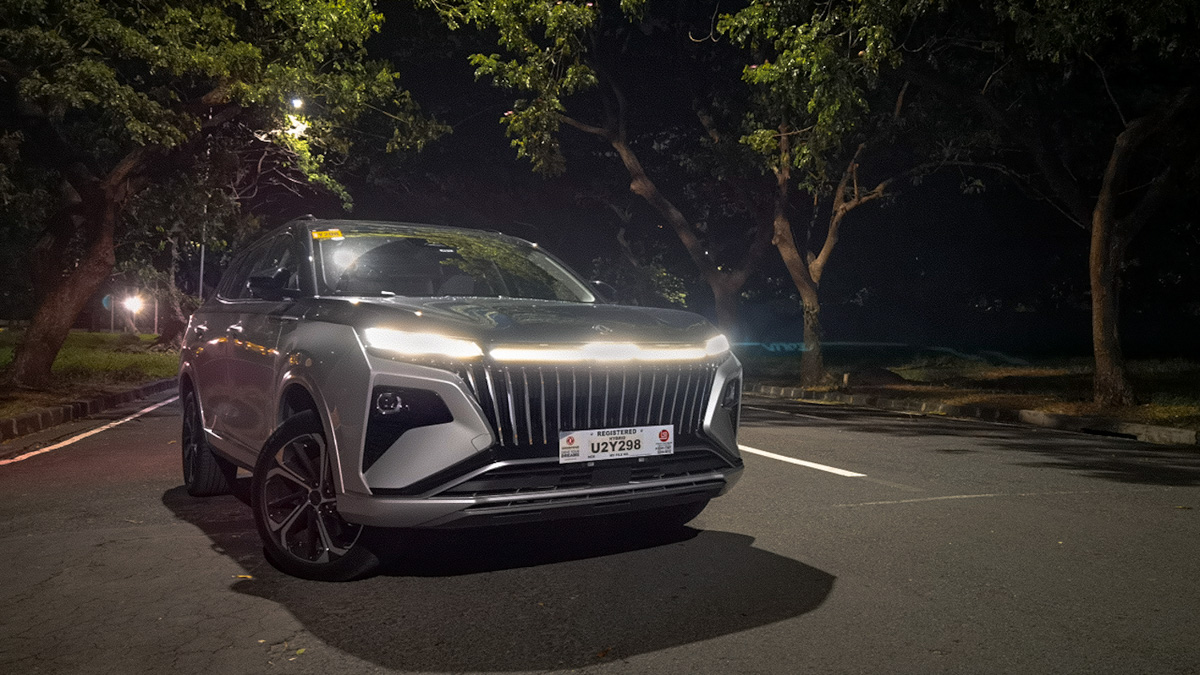
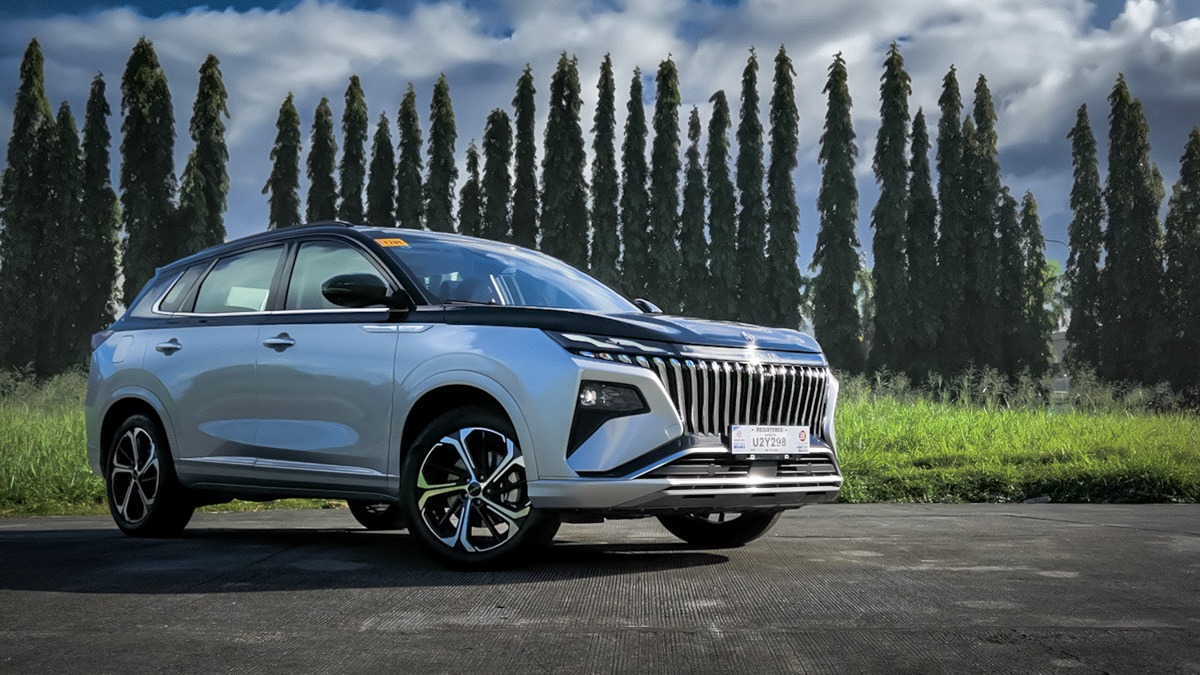
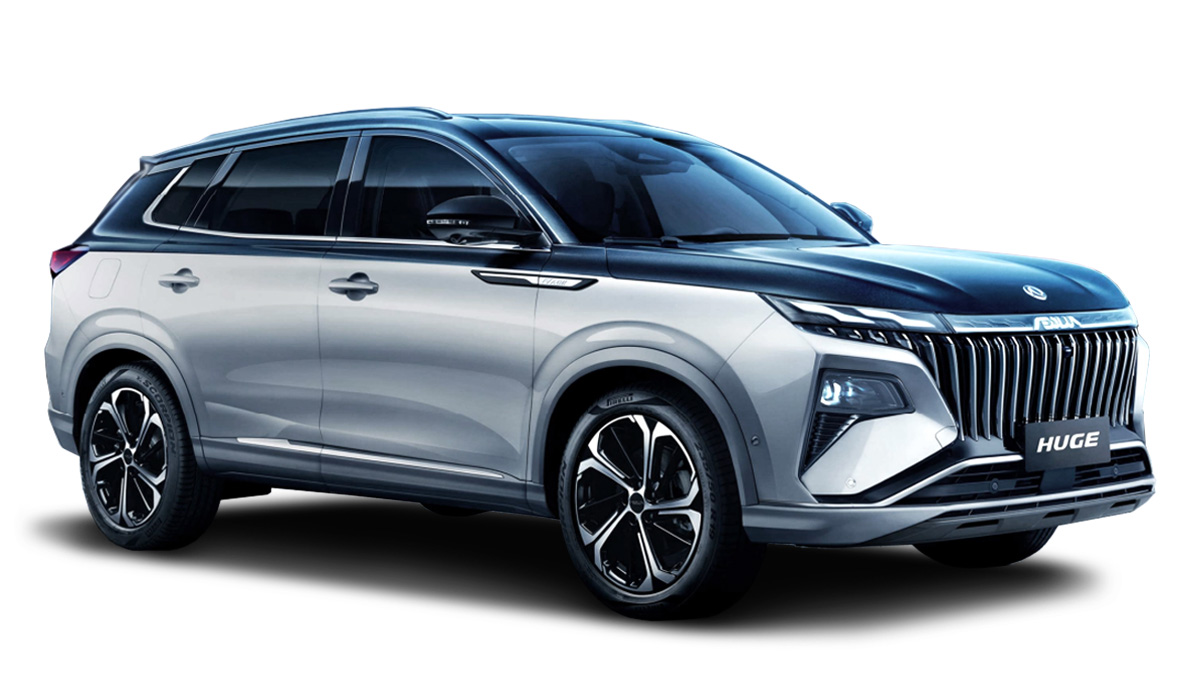
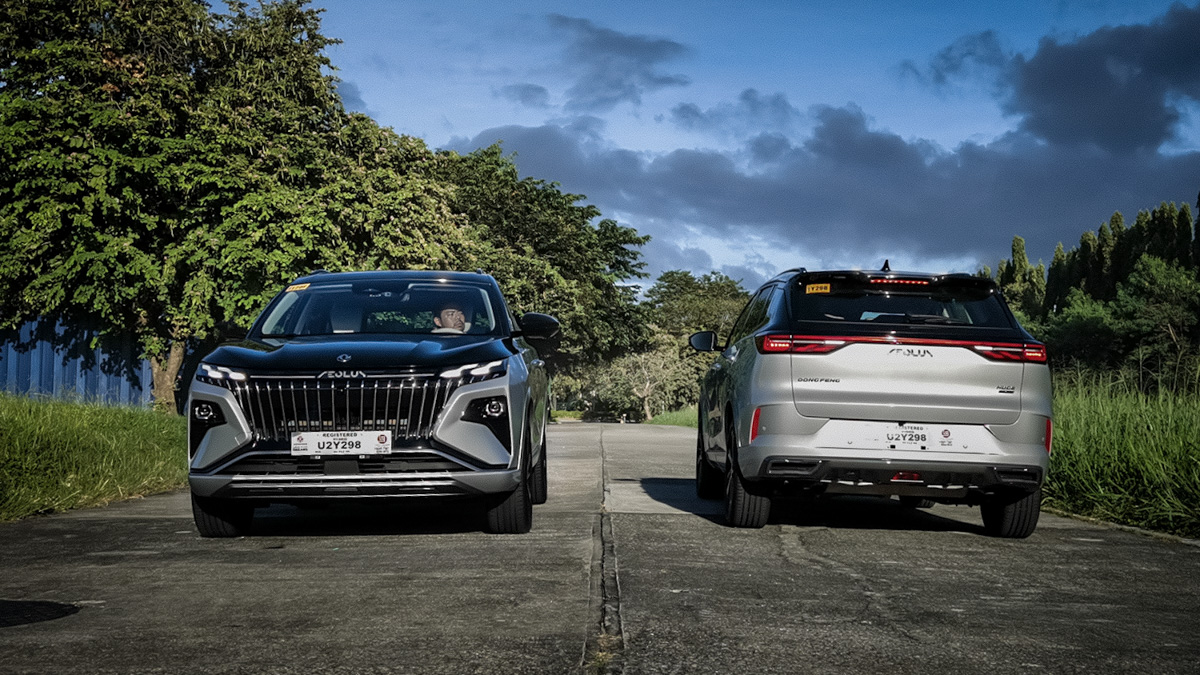
The Huge—Haoji, in China—is aptly named. At 4.72 meters long by 1.91 meters wide, its more similar in size to the outgoing Hyundai Santa Fe than the RAV4 or CR-V. The silver bodywork certainly looks massive sat on the small 19” wheels, even with the contrast-painted greenhouse hiding much of that bulk. That accent color is a sparkling metallic blue, with a deep layer of metallic flakes glinting in the sunlight. Very discount Rolls Royce. The design is dominated by a big grille smeared across the front end, bleeding into the hood and light clusters. It’s not the most original look, but the extra details—the LED nameplate, the tiny slivers of grille tucked under the DRLs, the fancy-fake-dual exhaust tips—make it feel like a design that money was spent on. It could do with more distinctive wheels, but the panel gaps and paint are impressive compared to some of the more expensive Japanese and Korean cars I’ve driven recently.
Interior
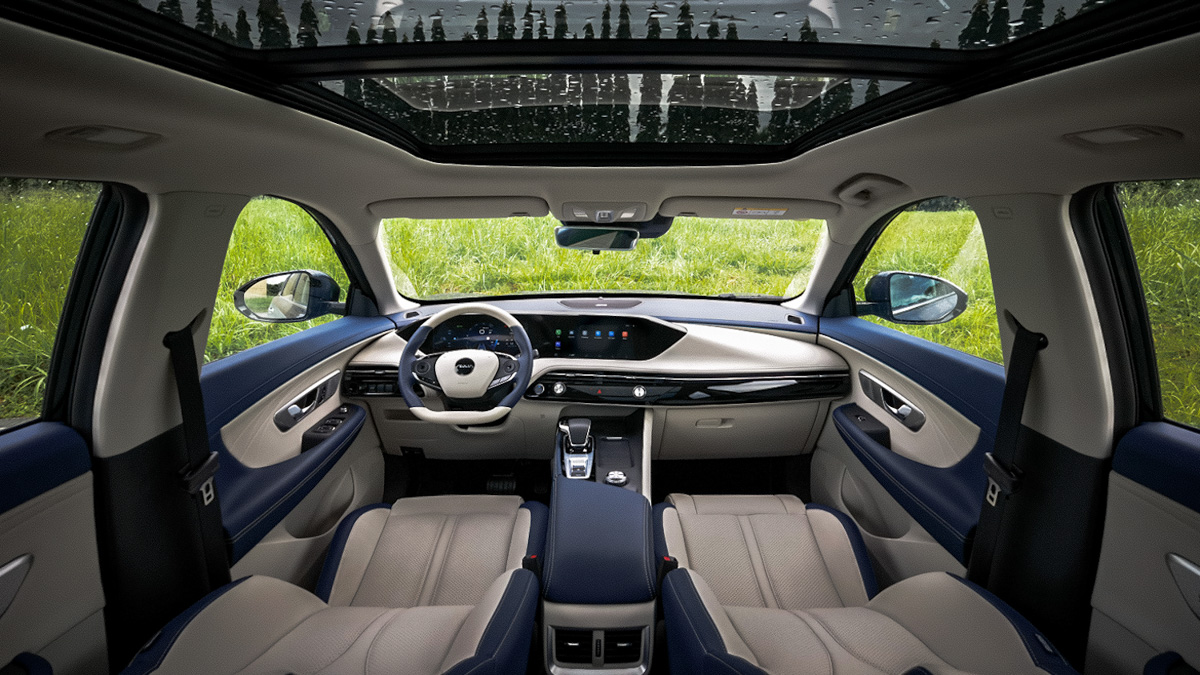
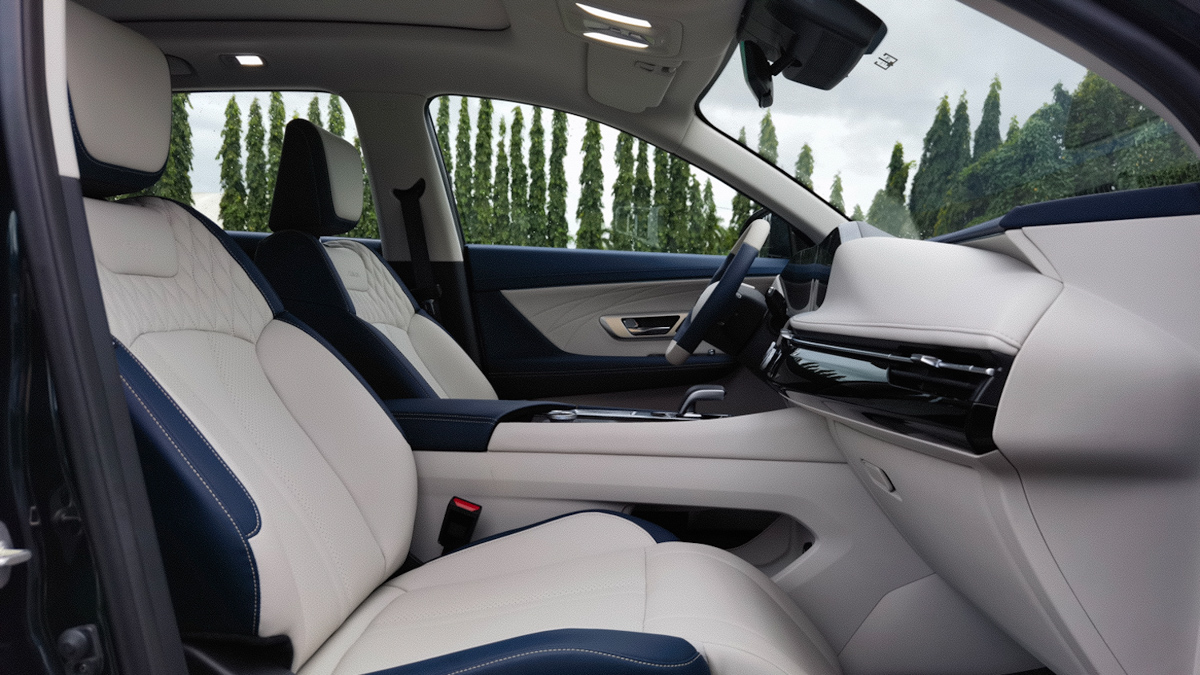
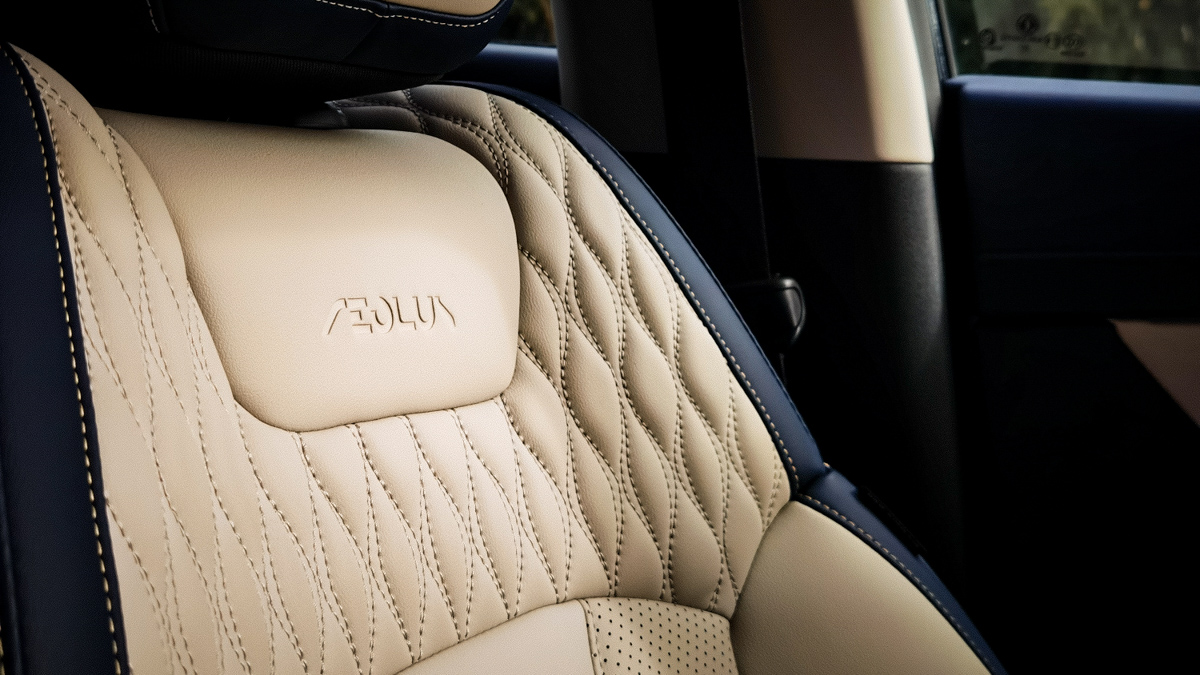
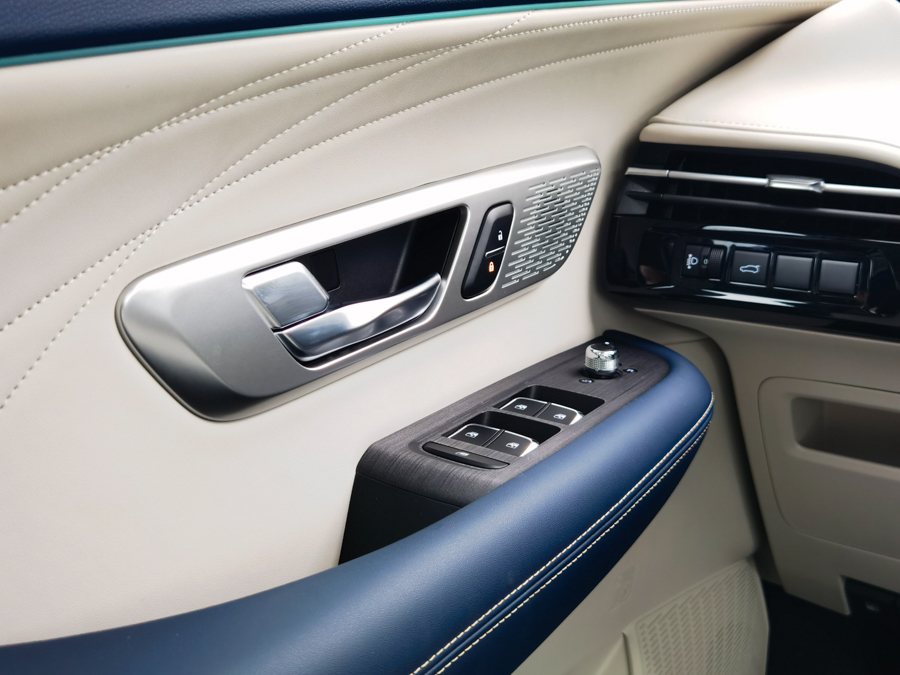
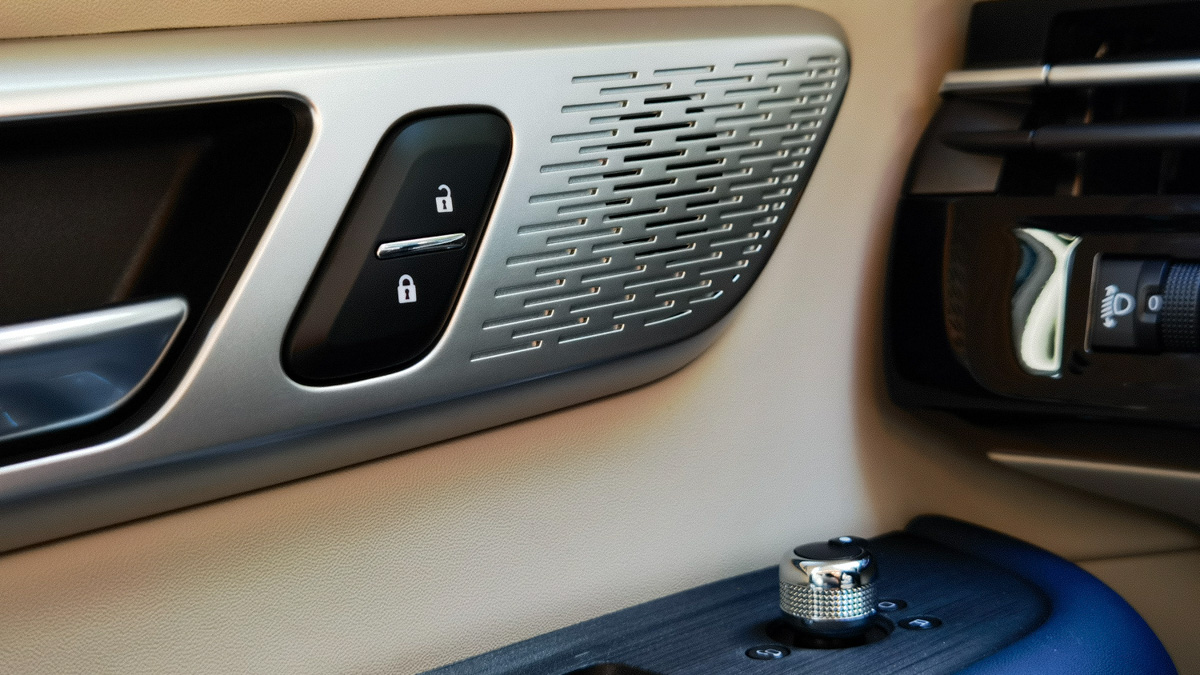
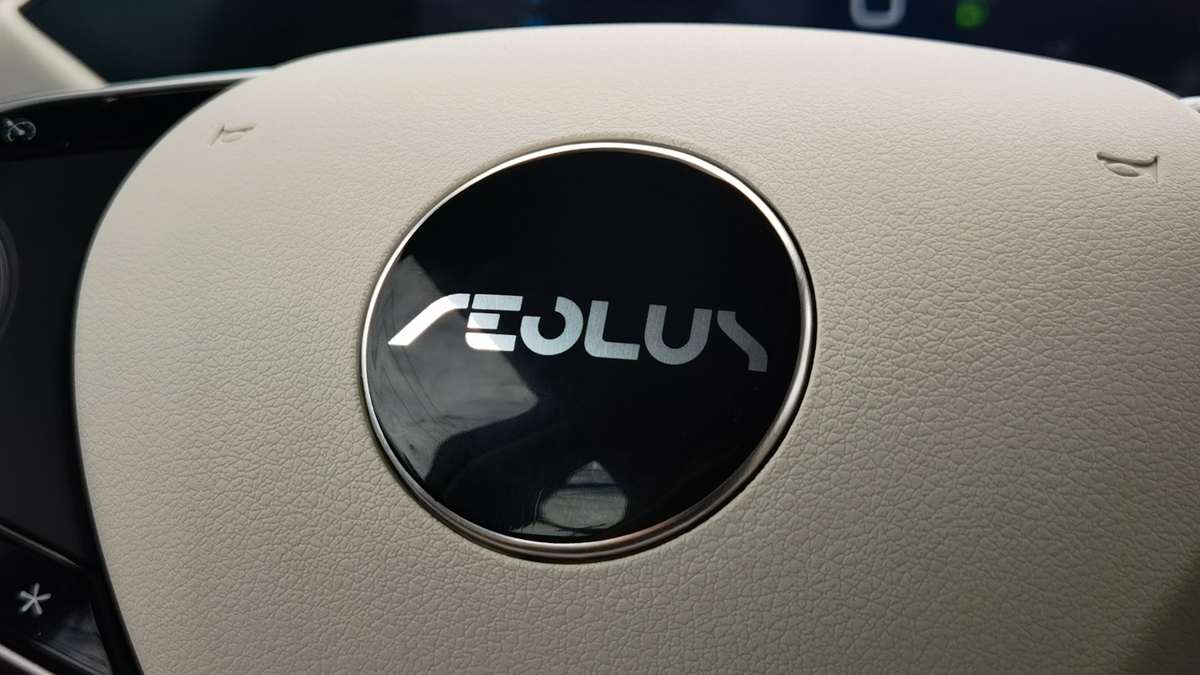
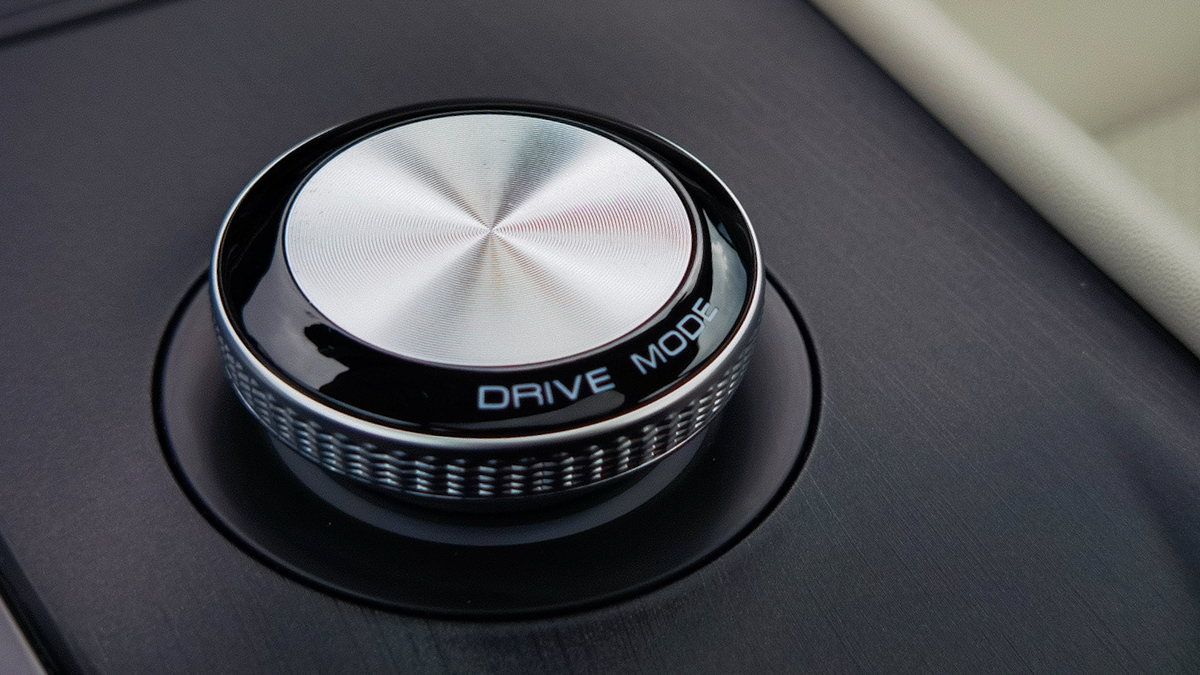
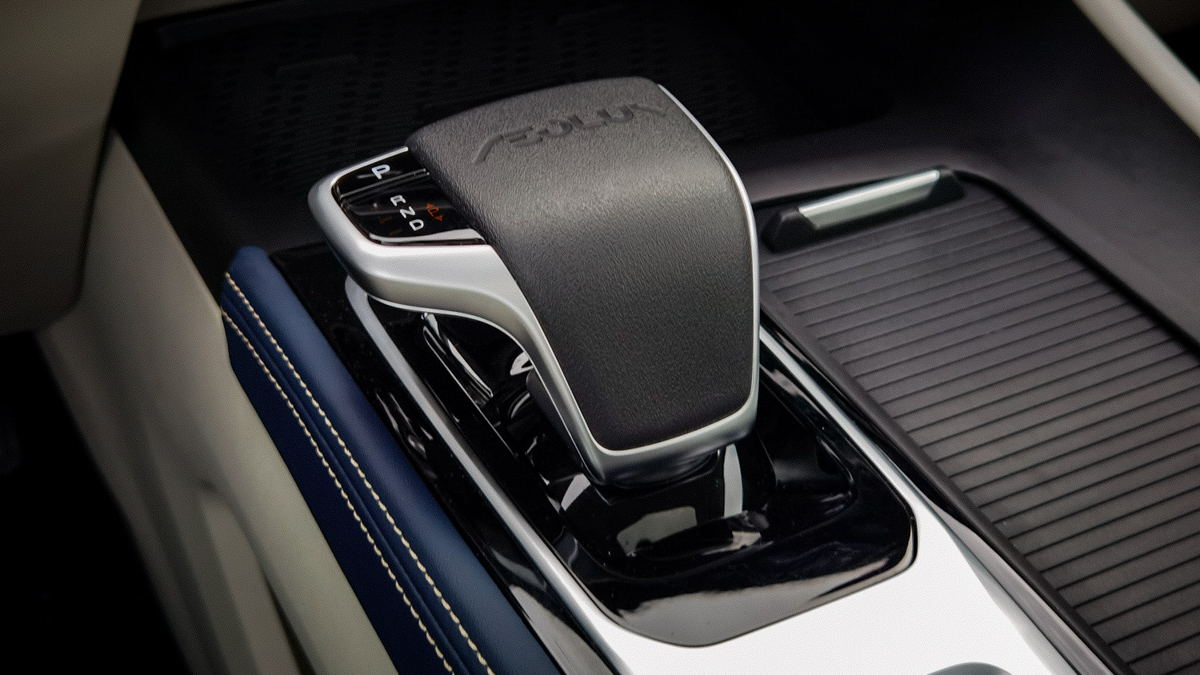
The interior is bright and airy, with supple quilted cream and blue leather on almost every surface imaginable. The plastics feature a variety of chrome, matte metallic and textured finishes, which uplifts the cabin past most mainstream rivals. LED strips light the doors and dash, and the glossy black dash trim erupts in subtle starlight patterns at night. Yet another faux-Roller touch. What’s more impressive is that nothing creaks or squeaks. But all the cream-colored leatherette and surfacing is difficult to keep clean. I had to keep a pack of wipes in the car to remove smudges from the seats and the steering wheel while shooting!
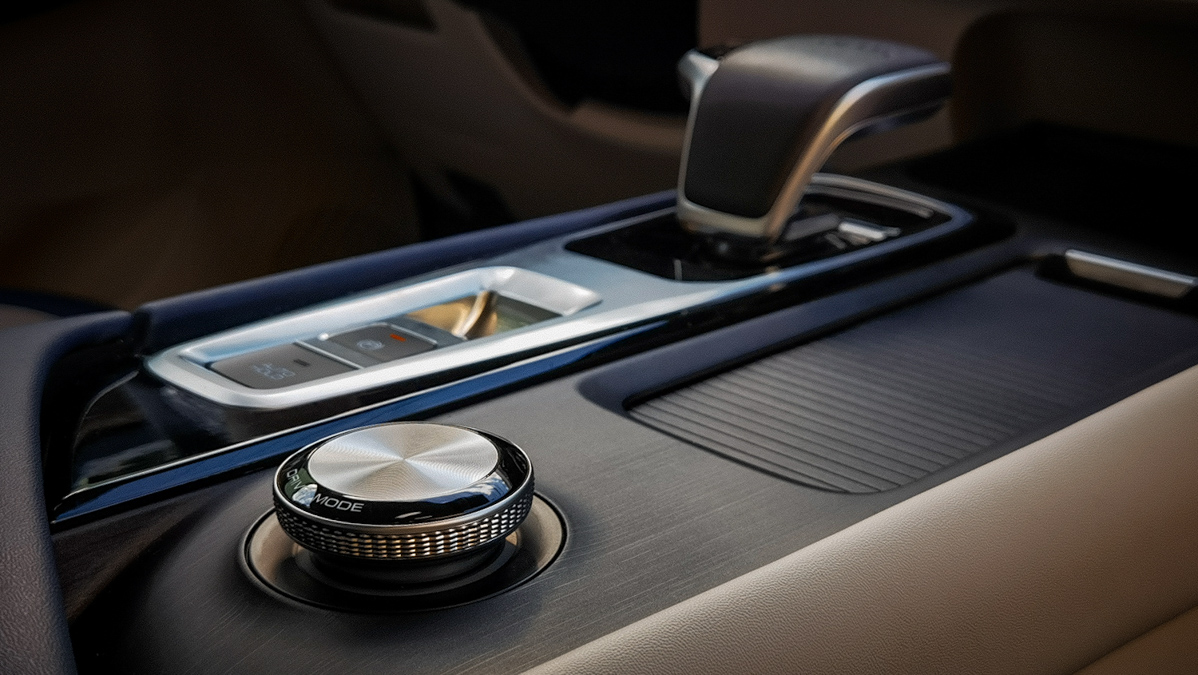
The dash is a fairly conventional tiered design with impressively large twin LED screens (no fake stencils here!) over a split-level center console with a rather small lower shelf. Aside from that, in-cabin storage is expansive. The upper shelf features cupholders with a rolling lid sized to lay a cellphone over, an actual cellphone cubby with wireless charging, and a large center box with its own AC vent. A de facto drinks cooler, if you will.
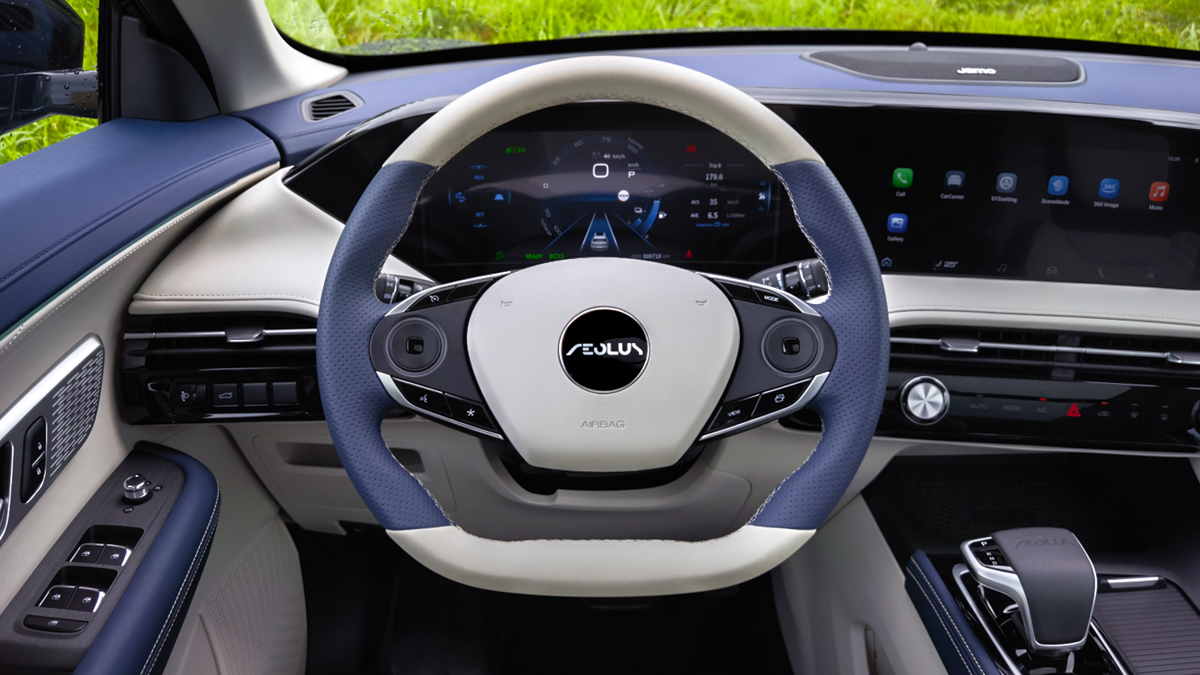
From the driver’s seat, you can feel a bit dwarfed by all of this. Well, at least I do, considering my rather average height. There’s a lot of space behind the flat-bottomed steering wheel, and the front buckets are deep and well-bolstered with lots of knee room in all directions. They’re power adjustable, with the driver receiving adjustable lumbar support and the passenger getting a motorized leg rest: rare, even at higher price tiers. Out back, you get a rear bench with scalloped backrests for outboard passengers, a rather sizeable center armrest, and legroom for days. A/C vents, seat pockets, and courtesy lights round out the amenities, topped off by a gigantic dual-pane sunroof with a motorized sunshade.
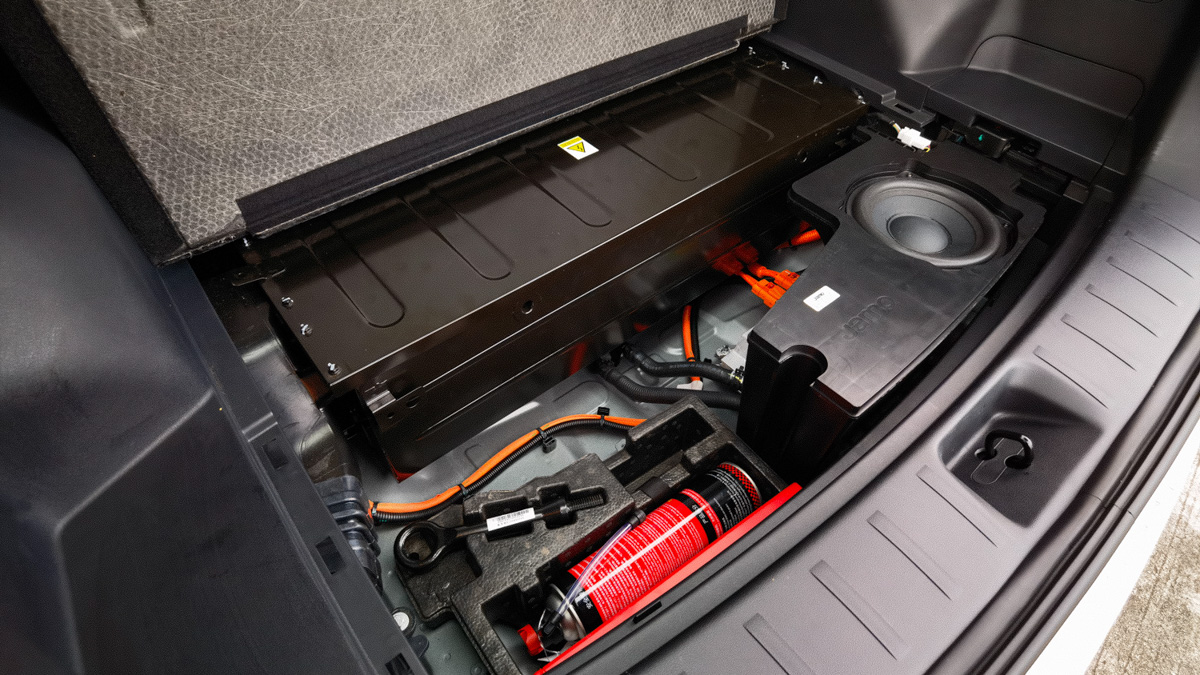
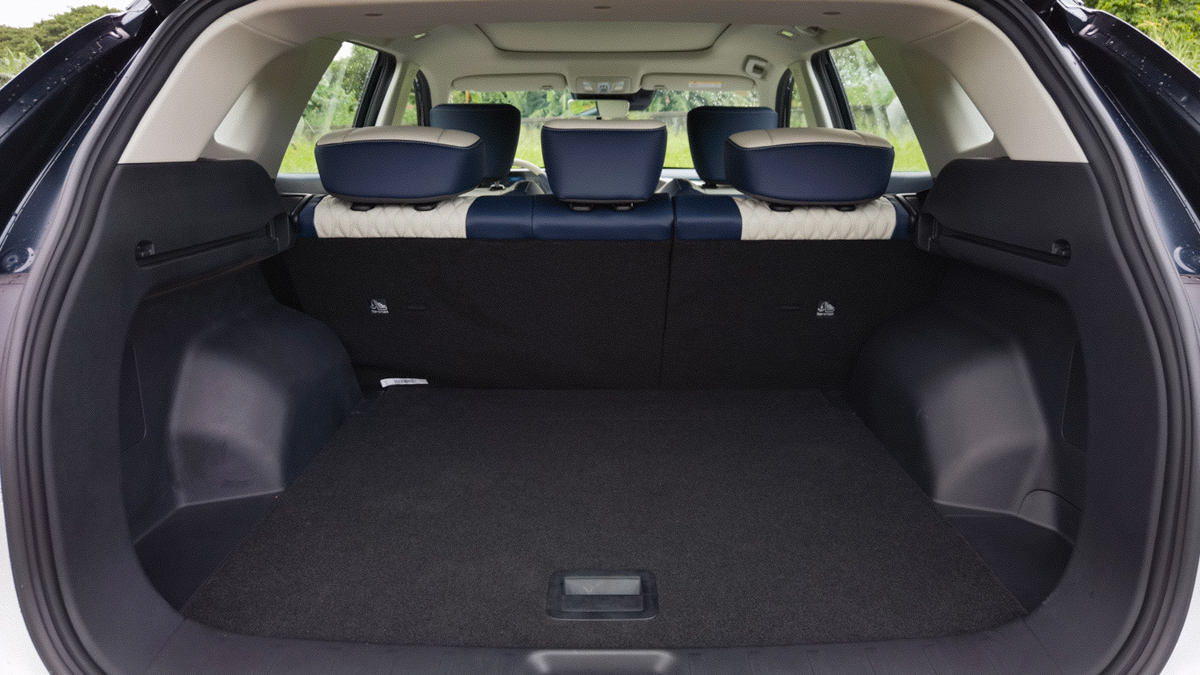
It’s a shame there’s no third row here, thanks to the big battery under the cargo floor. Between that battery and the intrusive wheel wells, the cargo bay feels a bit high and narrow underneath the automatic tailgate, but still quite generous in size. Under the floor, you’ll find a tire inflation kit and a subwoofer sitting on the steel floor. No spare, because nothing can fit around that big battery. Try not to drop small tools or keys in here. If they slide under that battery, they’ll be impossible to fish out.
Engine performance
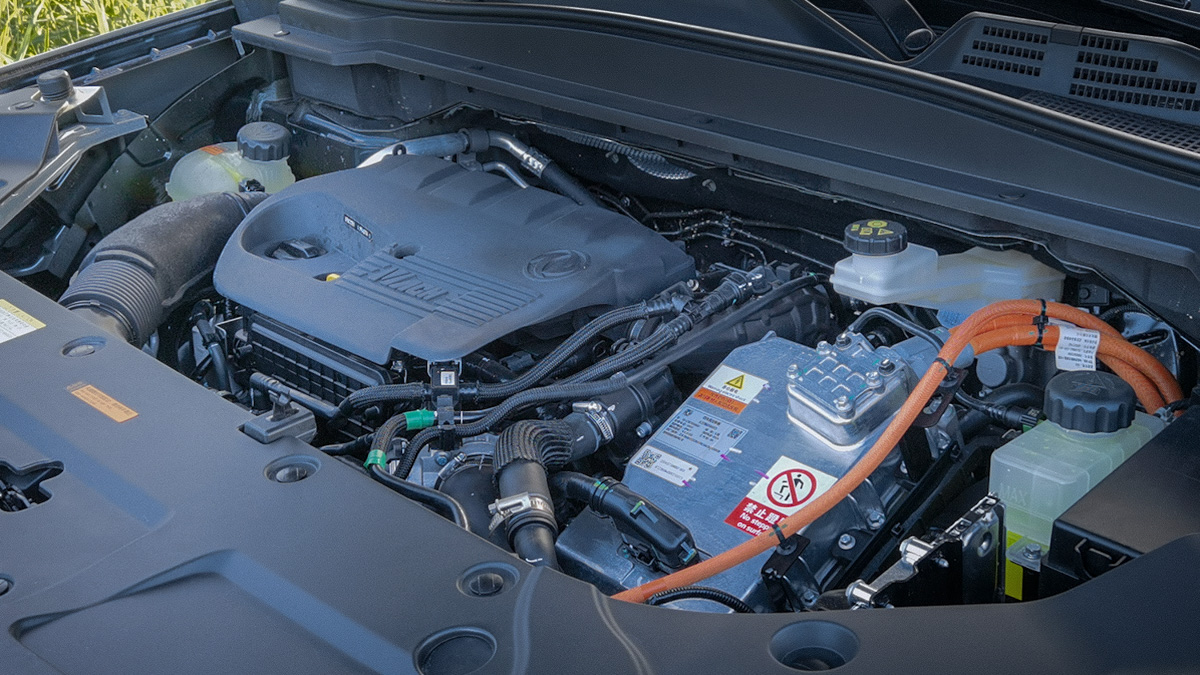
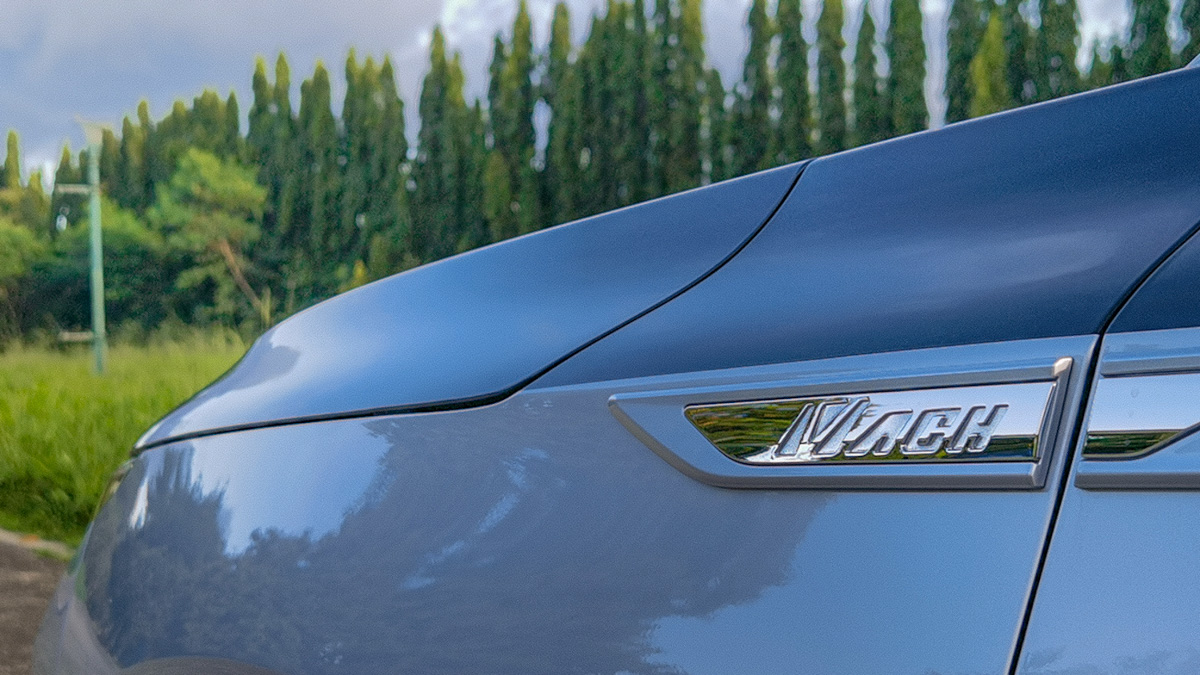
That battery is there to power the Mach Power MHD’s 174hp electric traction motor. This is coupled with an optimized 174hp 1.5-liter turbocharged gasoline engine, which runs a generator that charges the lithium battery pack and powers the traction motor at low speeds, similar to Nissan’s e-Power system. Once at speed, the engine can also power the wheels directly, giving you a combined power output of 241hp and an astonishing 540Nm of torque. This helps propel the 1.7-ton hybrid from 0-100kph in just 8.5sec. Just a hair slower than the RAV4 Hybrid, but the Aeolus can’t deploy both gasoline and electric power at low speeds like the Toyota can.
Fuel economy isn’t quite Toyota territory, either. We averaged between 15-17km/L in a week of mixed driving, which included performance testing, which brought the numbers down quite a bit. In gentler use, we measured round-trip economy on the hilly stretches of CALAX at around 22km/L and mixed city-highway economy at 18km/L. A step or two behind the RAV4 Hybrid, as well, but far better than any non-hybrid with this much mass and muscle.
Ride and handling
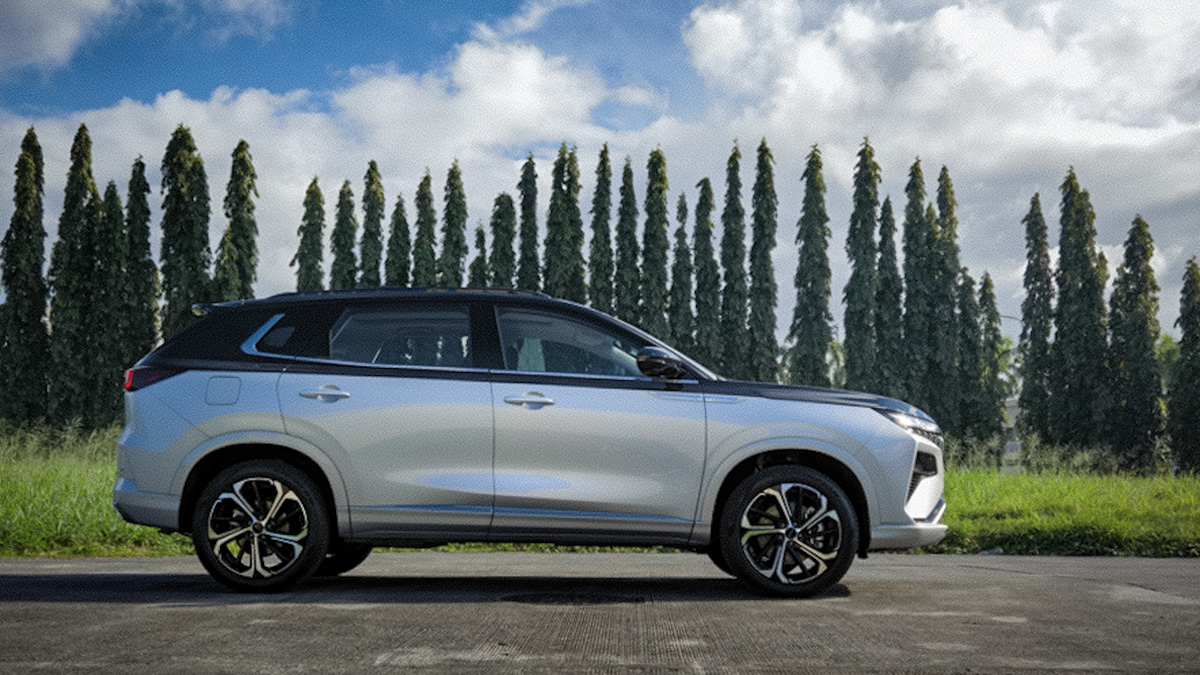
But despite that muscle, the mass does quite a bit to dull the driving experience. The Huge steers fine, but won’t blow your socks off in terms of driving dynamics. The 235/50 R19 Pirelli Scorpion tires have better bite than the Atenzas on the RAV4, but they tend to dribble over sharp bumps. And that extra grip does nothing for the copious body movement when you go around corners at speed. Softer riding tires would have fit the hybrid’s personality a bit better.
We also wish that you could change brake regeneration on the fly, as you can with the RAV4 and most EVs. You can tailor it to your tastes, but the controls are laid deep in the confusing vehicle settings sub-menu.
Accept that this is meant to be a cruiser rather than a bruiser and it will reward you accordingly. The Huge is hugely quiet and serene at a cruise, and the soft suspension absorbs highway heaves with confidence.
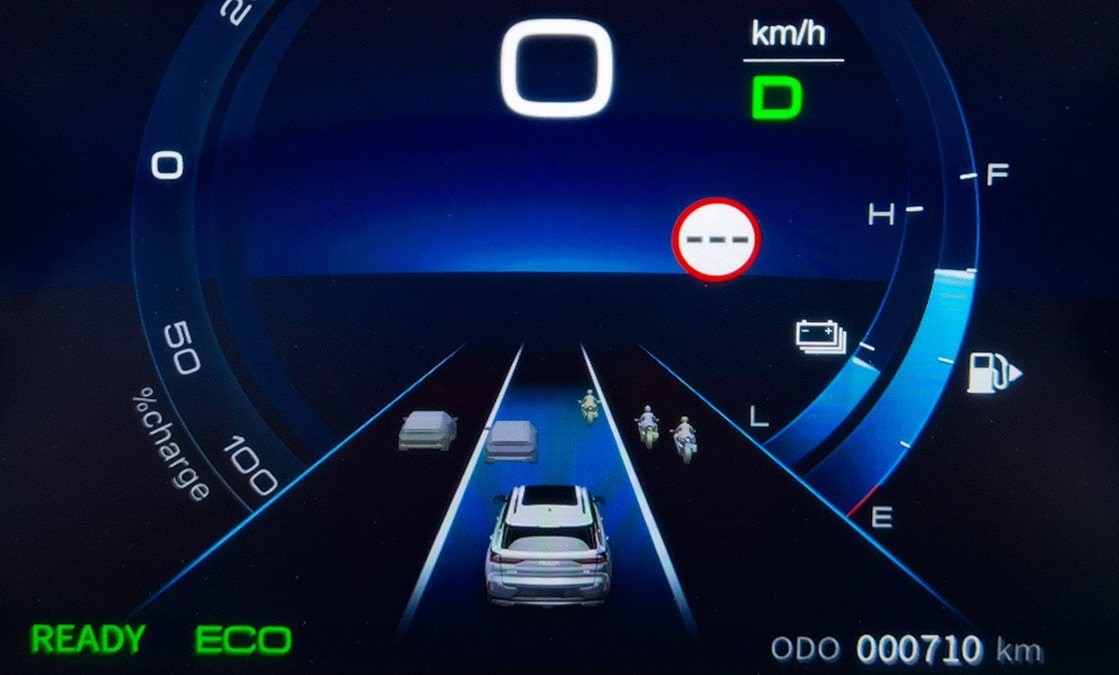
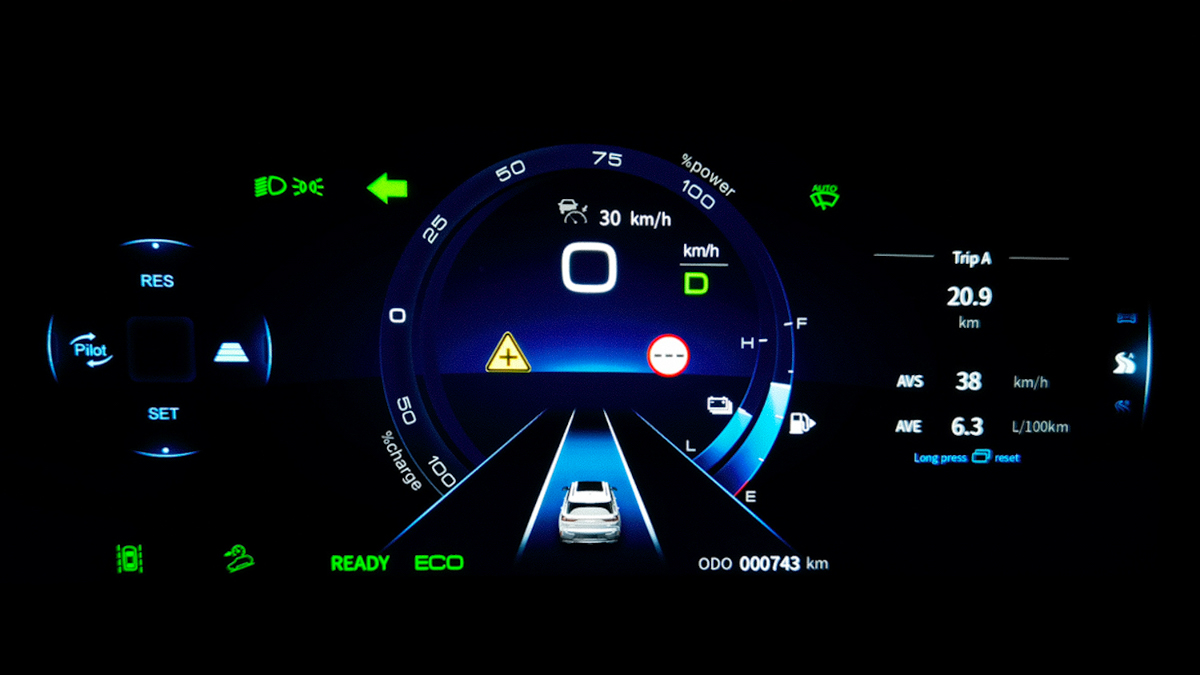
You get full Level 2 driving assists, including intelligent cruise control and lane keeping, active from highway speeds down to stop and go traffic. The left keypad is dedicated to the driving assists, and allows you to quickly tailor the level of those assists to your driving conditions. The cameras can flag pedestrian crossings, stop signs and rail crossings, track several vehicles ahead in real time, and can even classify traffic according to size.
But be warned: steering corrections can be jerky, and the cameras don’t always register pedestrians or parked cars. As such, intelligent cruise should NOT be used as a full substitute for driver attention!
Around town, the large hood and wide sills of the Huge make it a bit of a chore to drive in traffic, but you do get the expected 360 degree and 3D assist views for parking. We do wish there was a dedicated button for the camera, as you have to go to the touchscreen main menu to turn it on.
Extra features
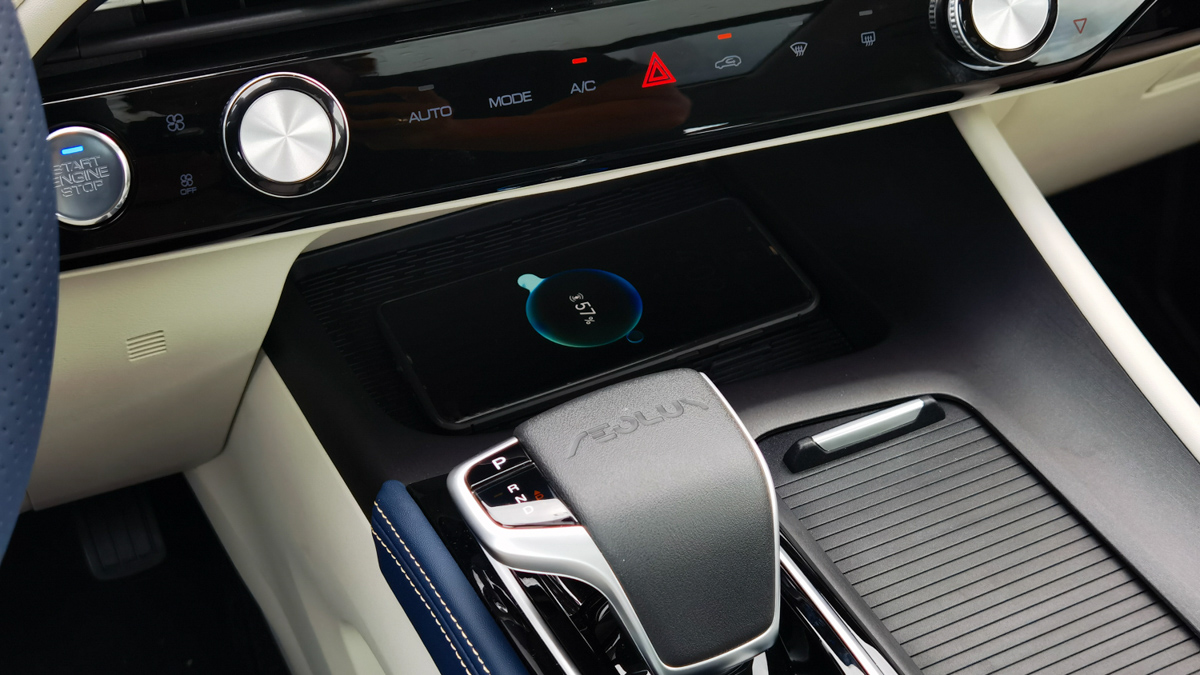
That touchscreen also features a swipe down menu for basic function toggles—much as on a smartphone—and menu settings for vehicle controls and convenience presets, such as rapid cabin cooling for when you’ve parked in the sun or Baby Care mode to moderate temperature and entertainment system volume in order not to disturb sleeping toddlers.
When you do feel like creating a disturbance, Danish audio expert Jamo has given the Huge some huge sound. The ten-speaker setup boasts crisp details and deep bass—courtesy of that big subwoofer out back. Sound isolation and channel separation are crisp, allowing you to sit in the middle of a virtual orchestra when you’re playing a particularly detailed piece. The 3D audio mode feels a bit redundant here, only adding a bit of echo. We left it off when jamming to our favorite tunes.
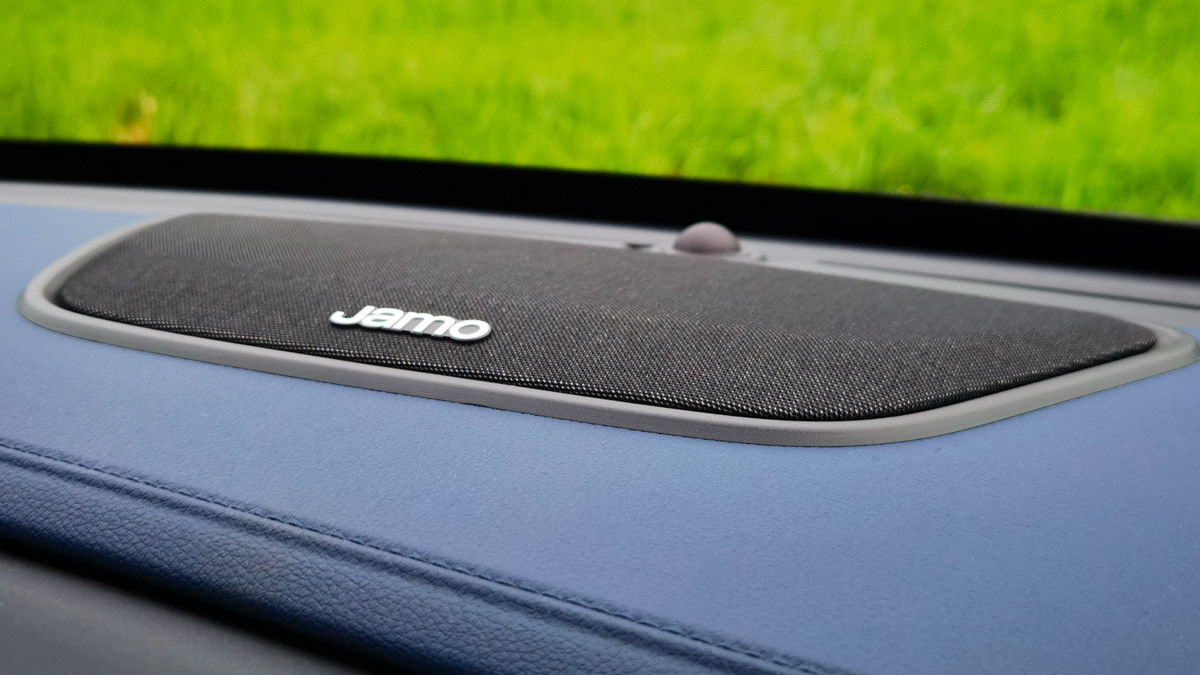
Unfortunately, you’ll have to do that via Bluetooth only. No Apple Car Play or Android Auto here. And while you get wireless charging, the only other power options are two USB-A ports and a 12V socket. Not a deal breaker, but an odd omission in this class!
Verdict
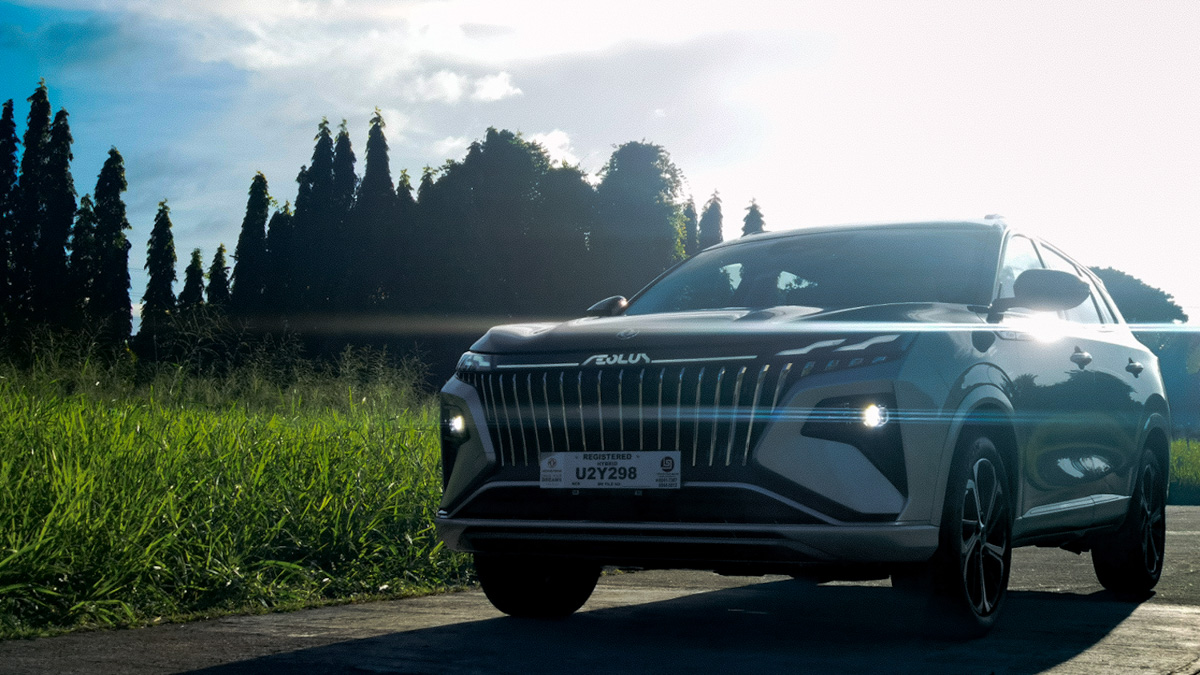
So the DFM Aeolus Huge Hybrid is a mixed bag. It lacks some of the niceties you expect of a modern car—the lack of standardized smartphone integration, for one—but what features it does have, it executes very well. It’s an impressive bit of kit, especially given the P1.8m price tag, giving you a full-sized hybrid crossover for over half a million less than the RAV4 or the new Honda CR-V
The closest price competitors would be the diesel Hyundai Tucson and the hybrid-electric Haval H6. Both with similar performance and luxury aspirations. The Hyundai, however, lacks the more advanced driver assist features and luxuries of its Chinese rivals, while the Haval isn’t quite as posh as the Aeolus—though it does have that nifty self-parking feature. The Aeolus, on the other hand, simply feels more posh and surprisingly well screwed together.
The brand will be a bigger question for most. While an industrial juggernaut, Dongfeng is better known for commercial vehicles than passenger cars. But while its relative inexperience shows in the humdrum vehicle dynamics and subpar connectivity options, the new product platform and hybrid system are surprisingly polished for an all new product.
I’ve been enjoying this Chinese car renaissance of the past few years, but the Aeolus might be the biggest surprise of 2023, and worth considering if you’re looking at buying a hybrid in the coming year.
SPECS: 2024 Dongfeng Aeolus Huge Hybrid
Price: 1,888,000
Engine: 1.5-liter gasoline I4 + one electric motor
Power: 241hp (total system output)
Torque: 540Nm (total system output)
Transmission: dual-clutch
Layout: FWD
Seating: 5
Score: 8.5/10
More photos of the 2024 Dongfeng Aeolus Huge Hybrid: