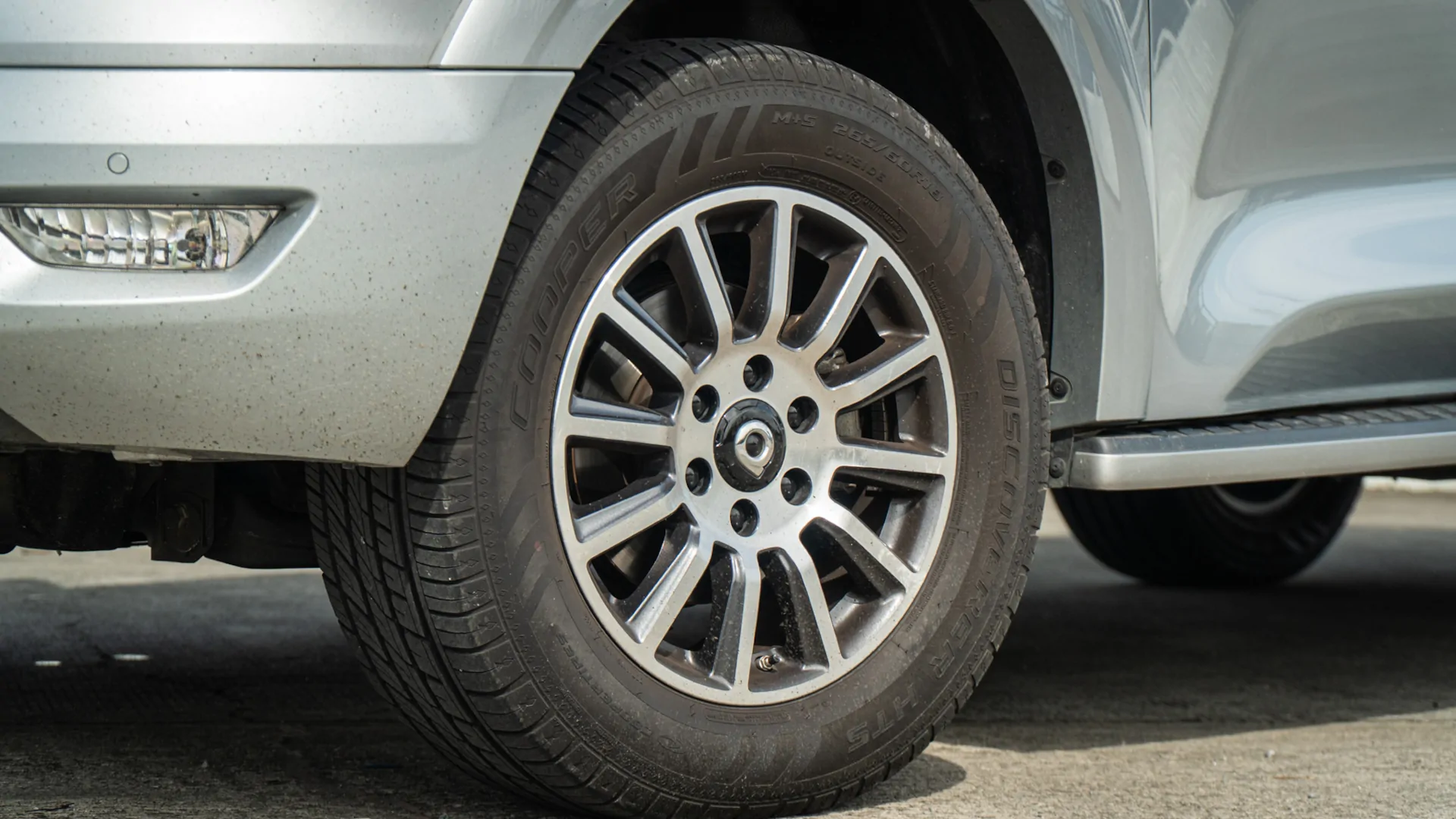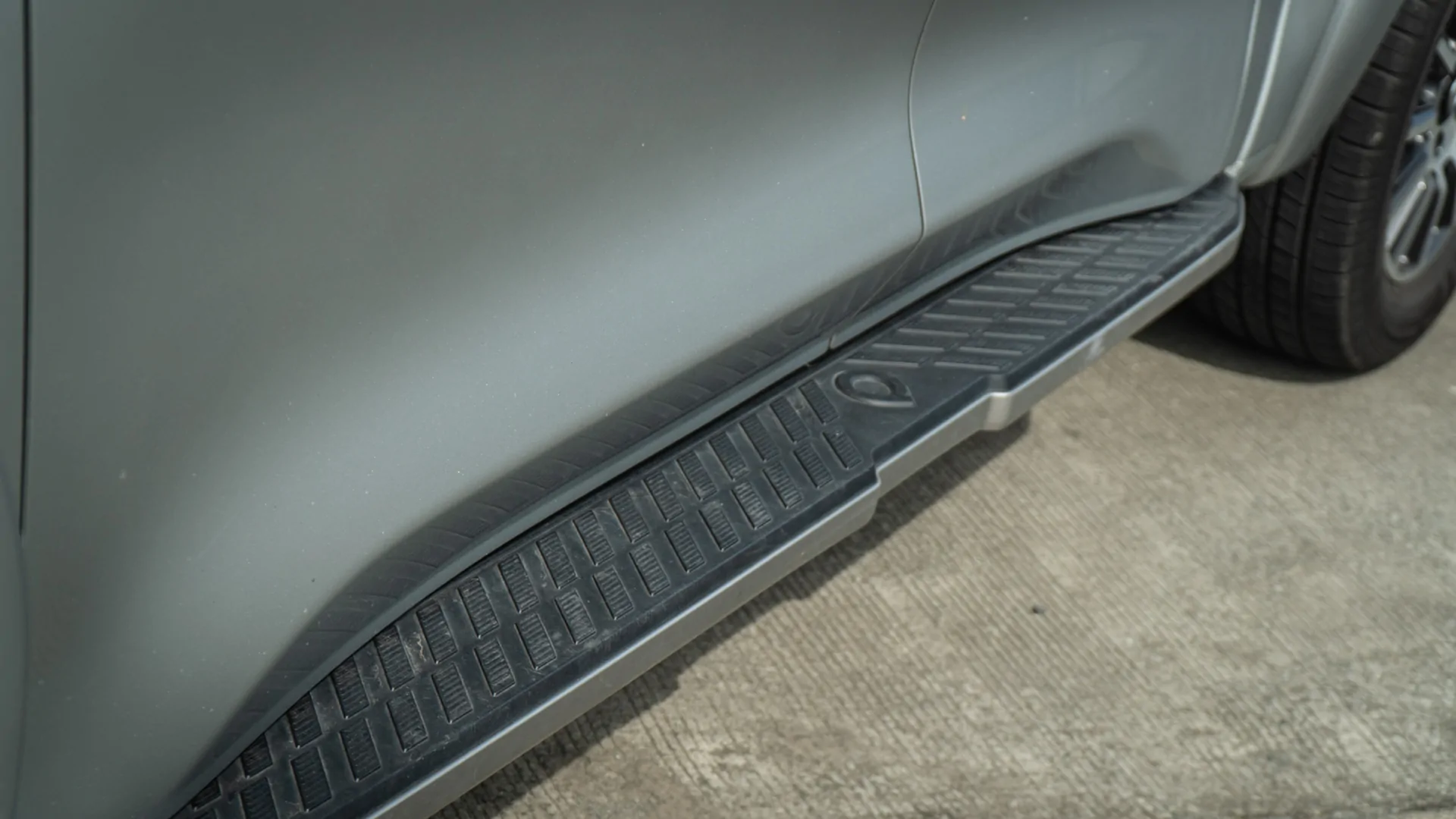

Along with the influx of Chinese brands here in our market came more pickups. Left and right, carmakers from the People’s Republic came crashing in, saturating further what was already a segment overflowing with options to begin with.
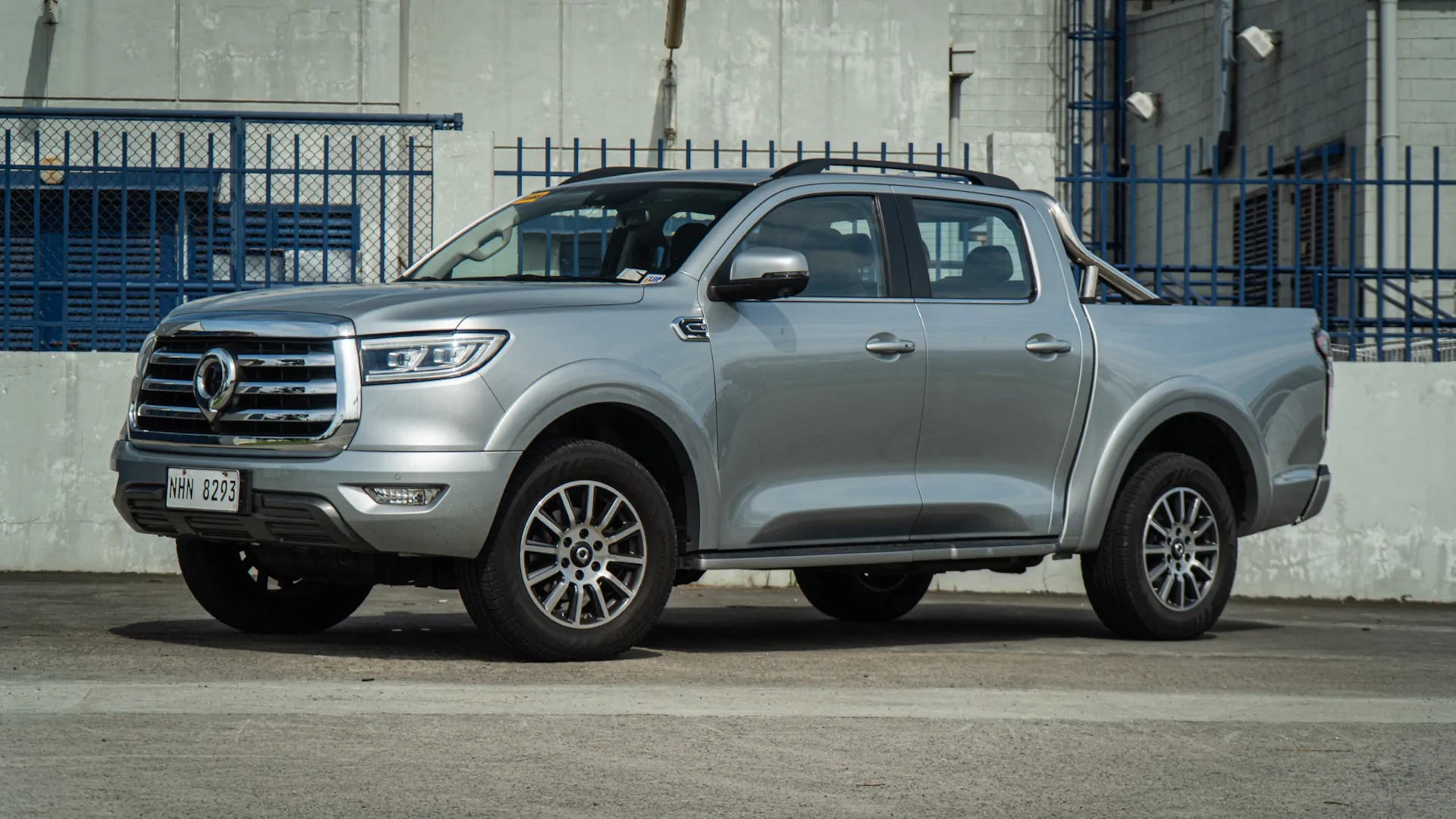
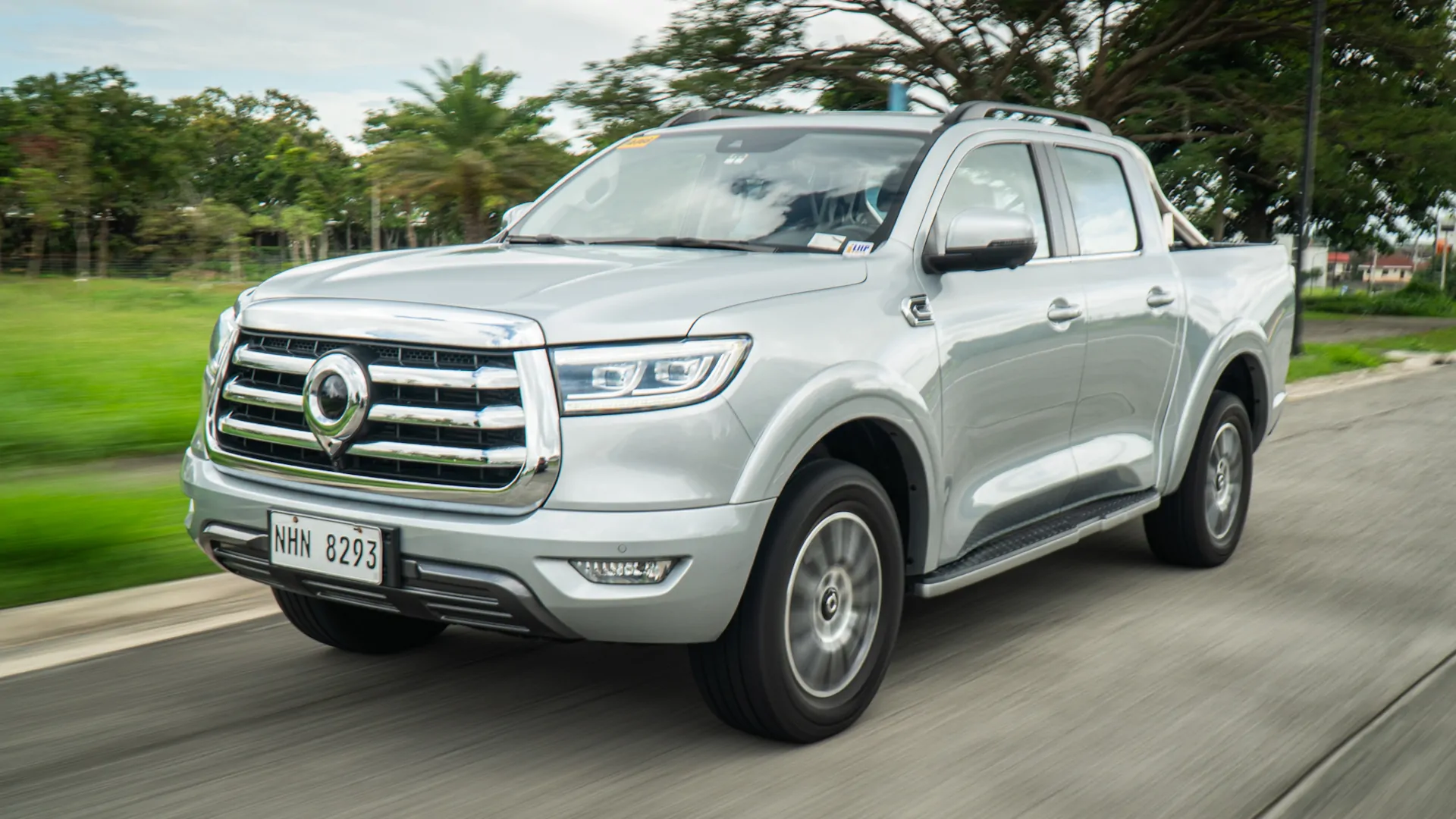
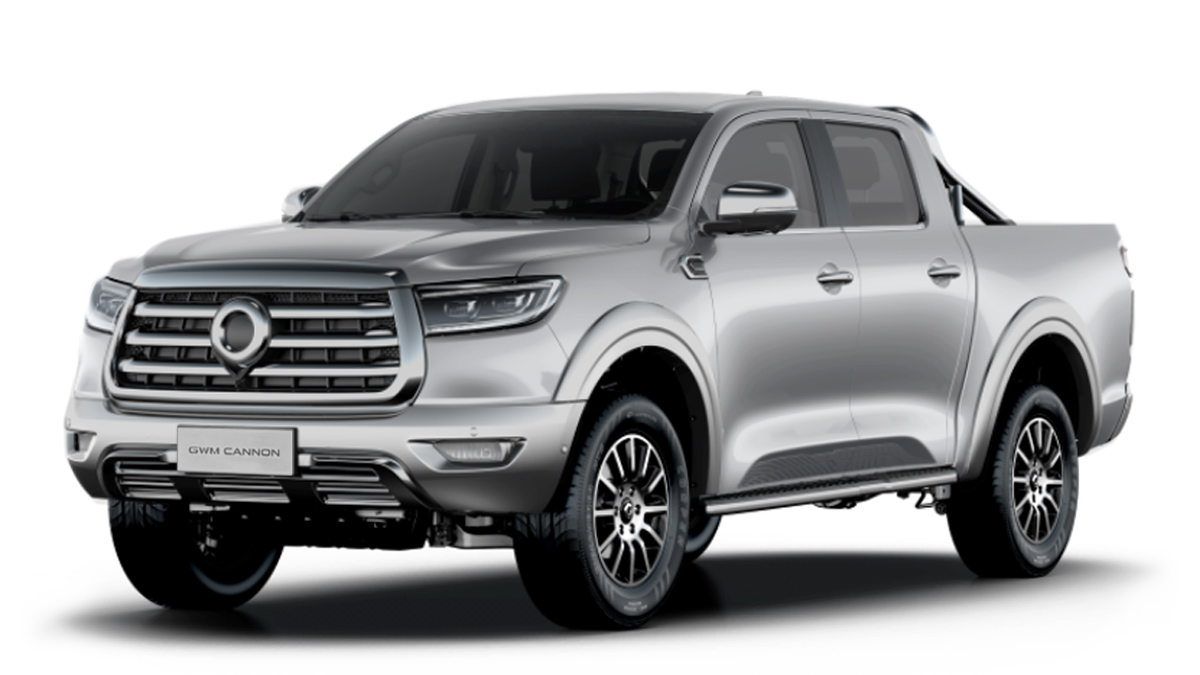
I was recently able to try out one of the newer arrivals: the GWM Cannon. Specifically, the top-of-the-line SLux 4x4 AT variant. While the trim level doesn’t really read quite nicely, it’s still an interesting proposition nonetheless. It comes loaded with features, packs a punch, and carries a reasonable price tag.
Now, the question isn’t even whether or not it’s worth its price tag on its own—it’s whether or not it’s worth getting over established rivals like the Toyota Hilux, Ford Ranger, Mitsubishi Triton, or Nissan Navara. The competition is stacked, so does this bring enough to the table to make it worth anyone’s consideration?
Styling
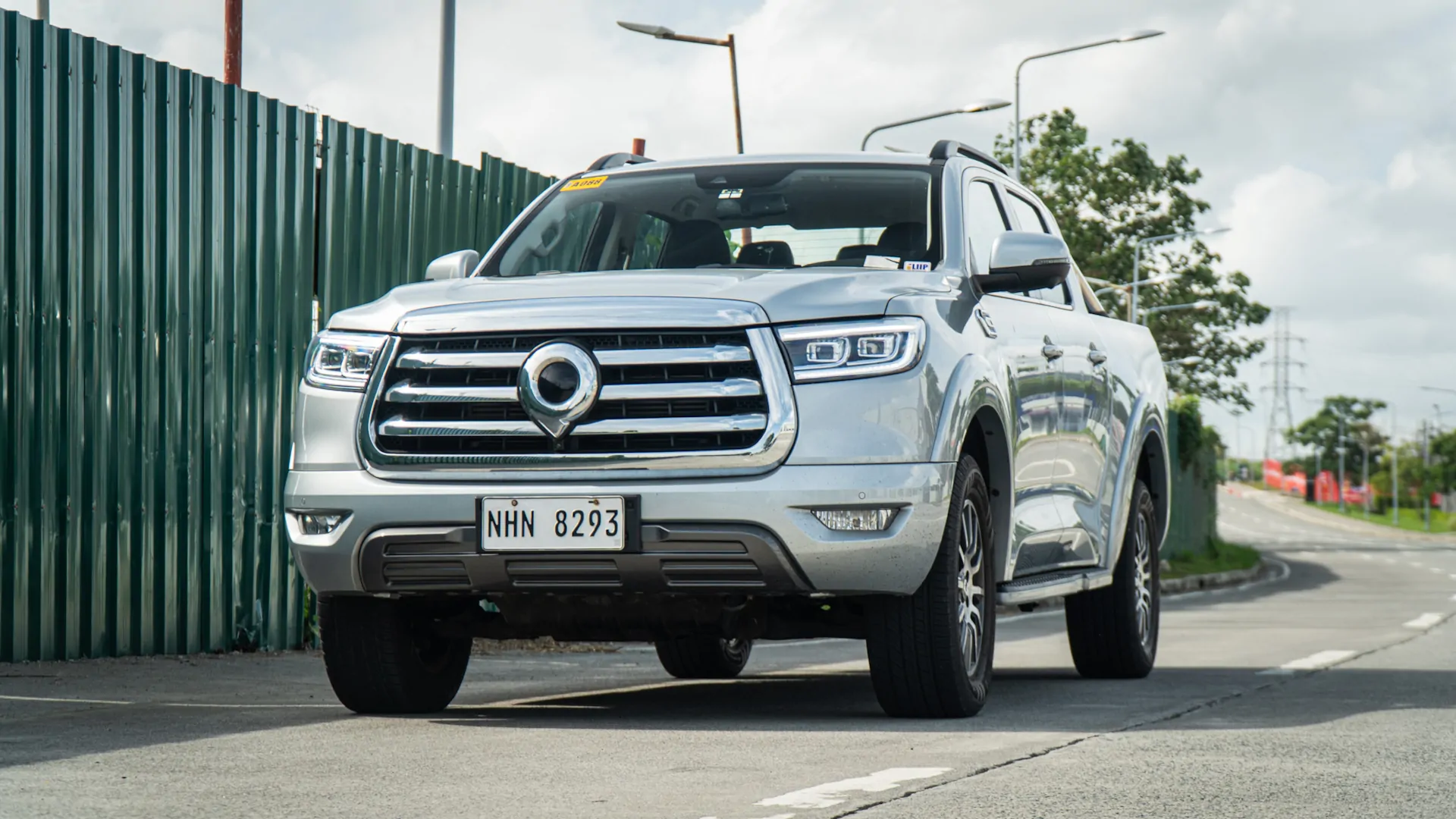
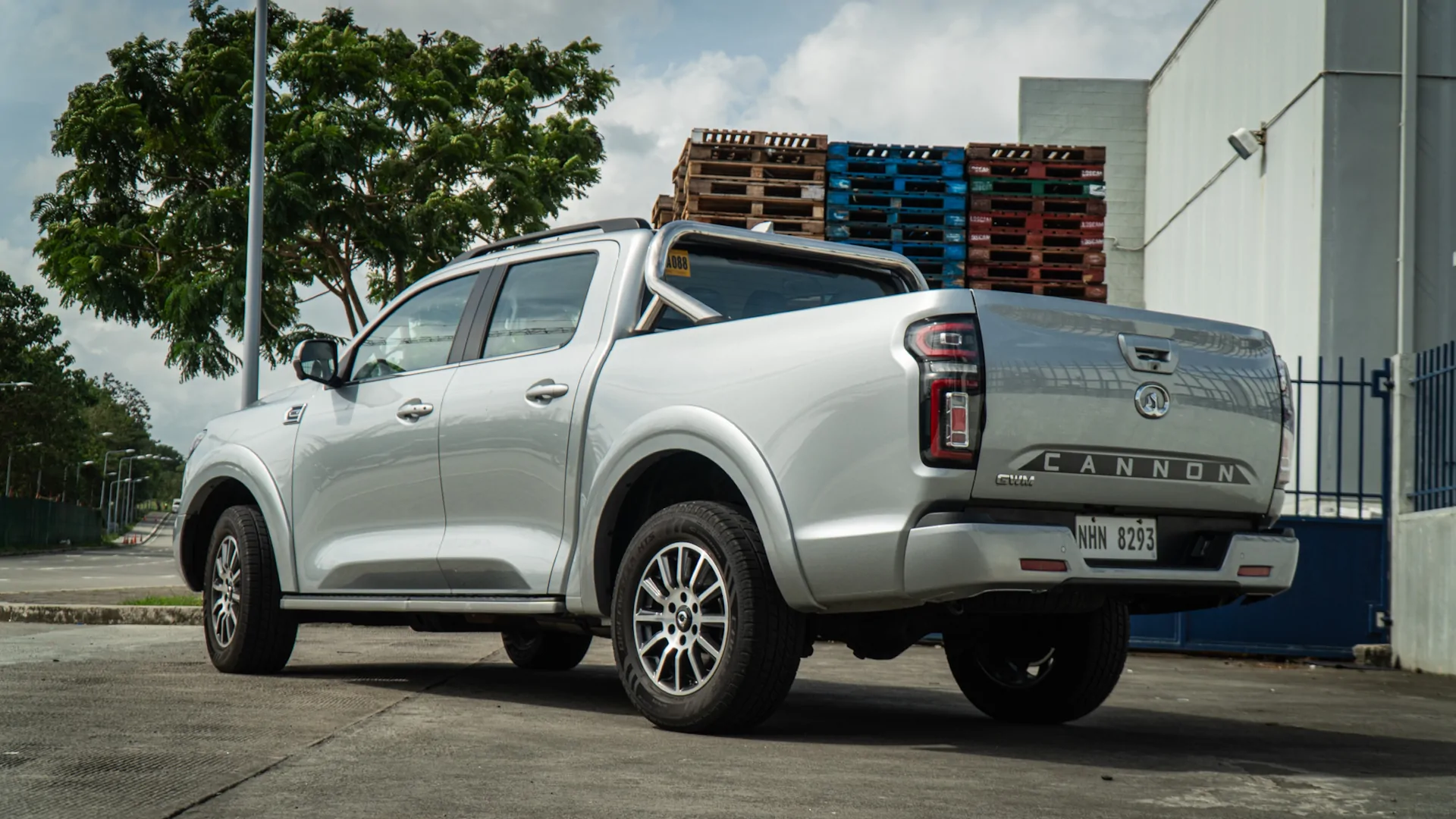
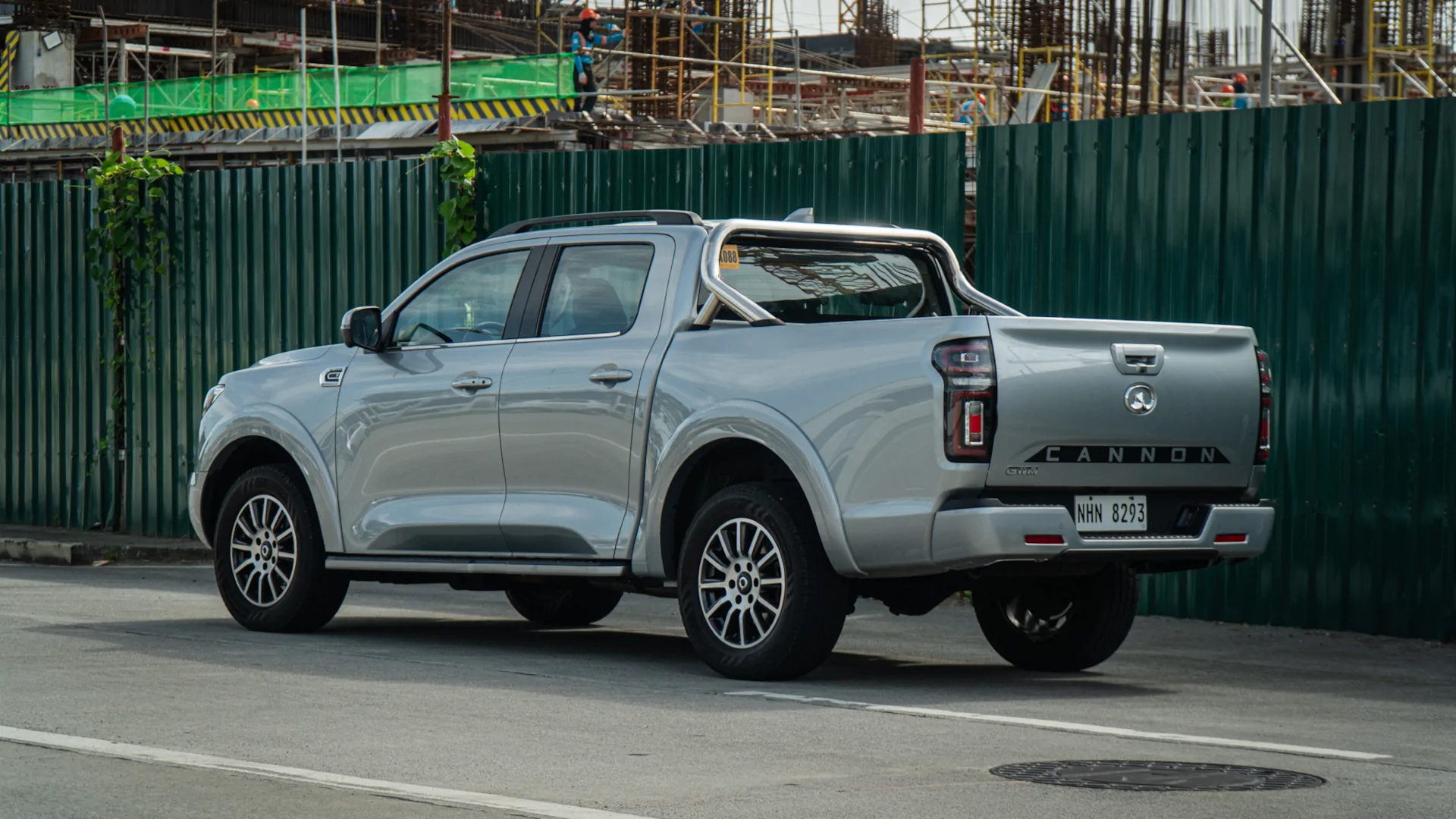
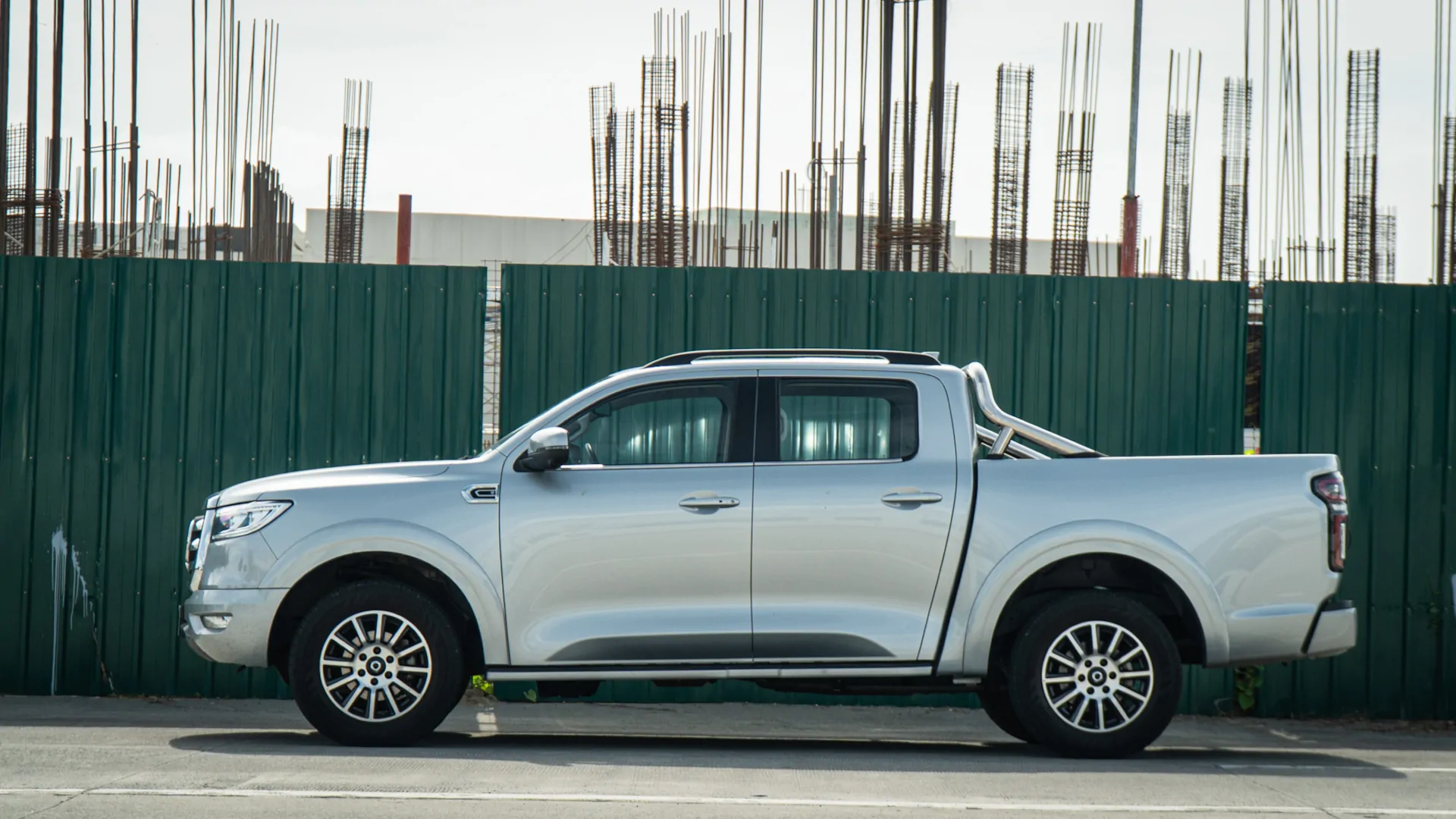
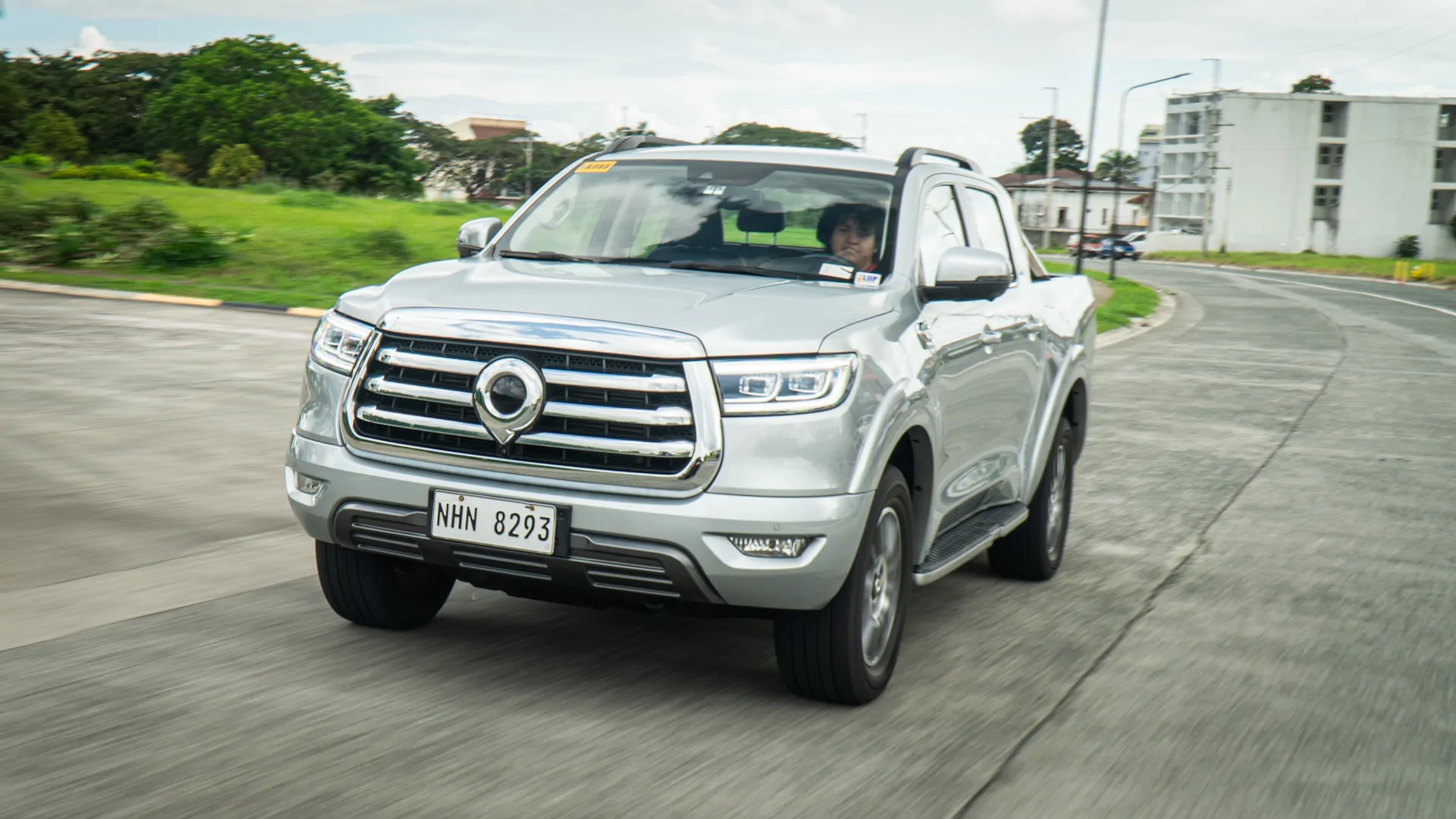
I used to like sporty-looking trucks, but something changed over the past few years that I now find more subdued styling like this one in the Cannon more desirable. Maybe it’s because of the sheer abundance of overly dressed yet underutilized pickups on our roads or it just comes with age. Either way, the Cannon’s look works for me.
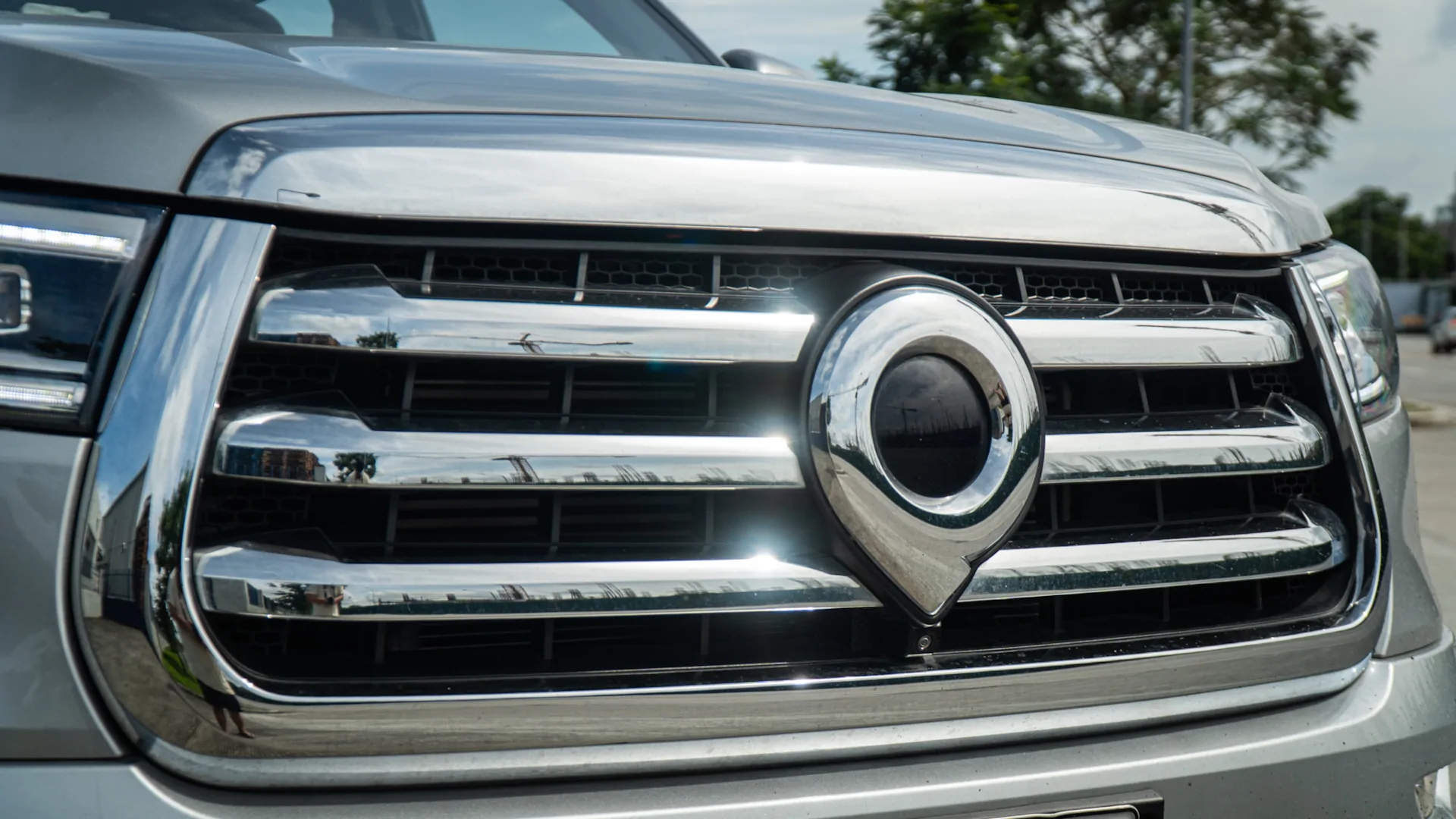
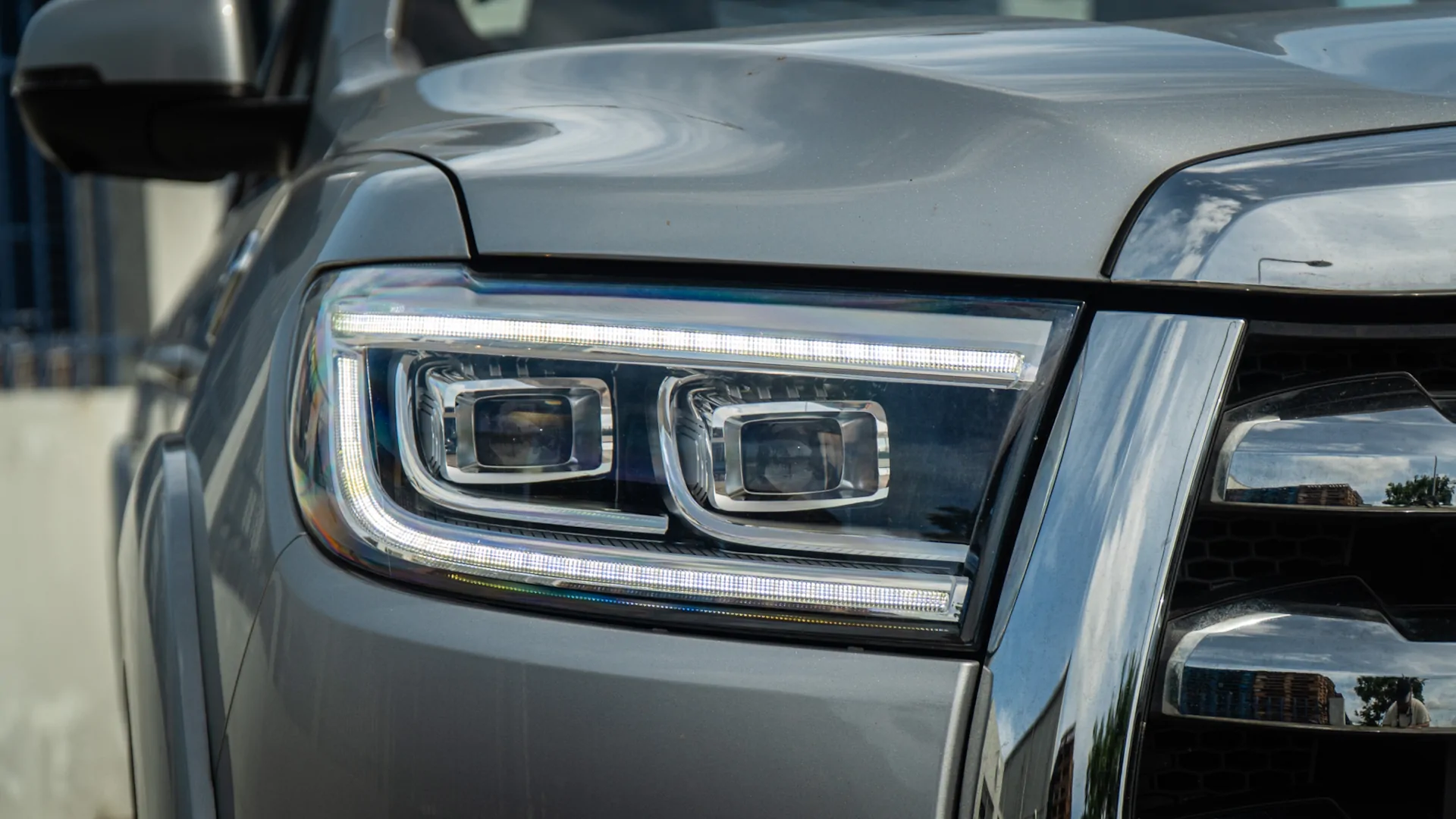
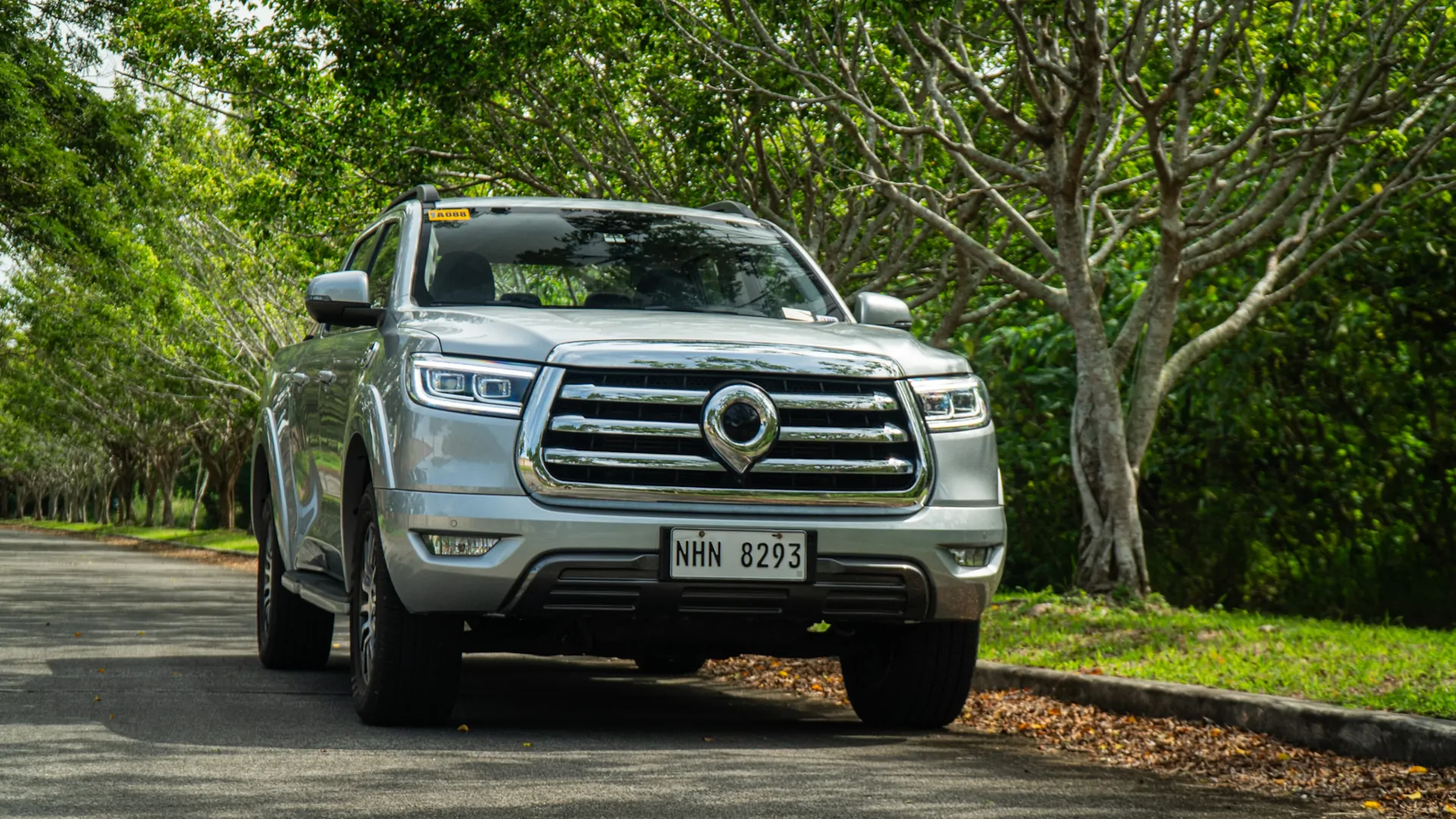
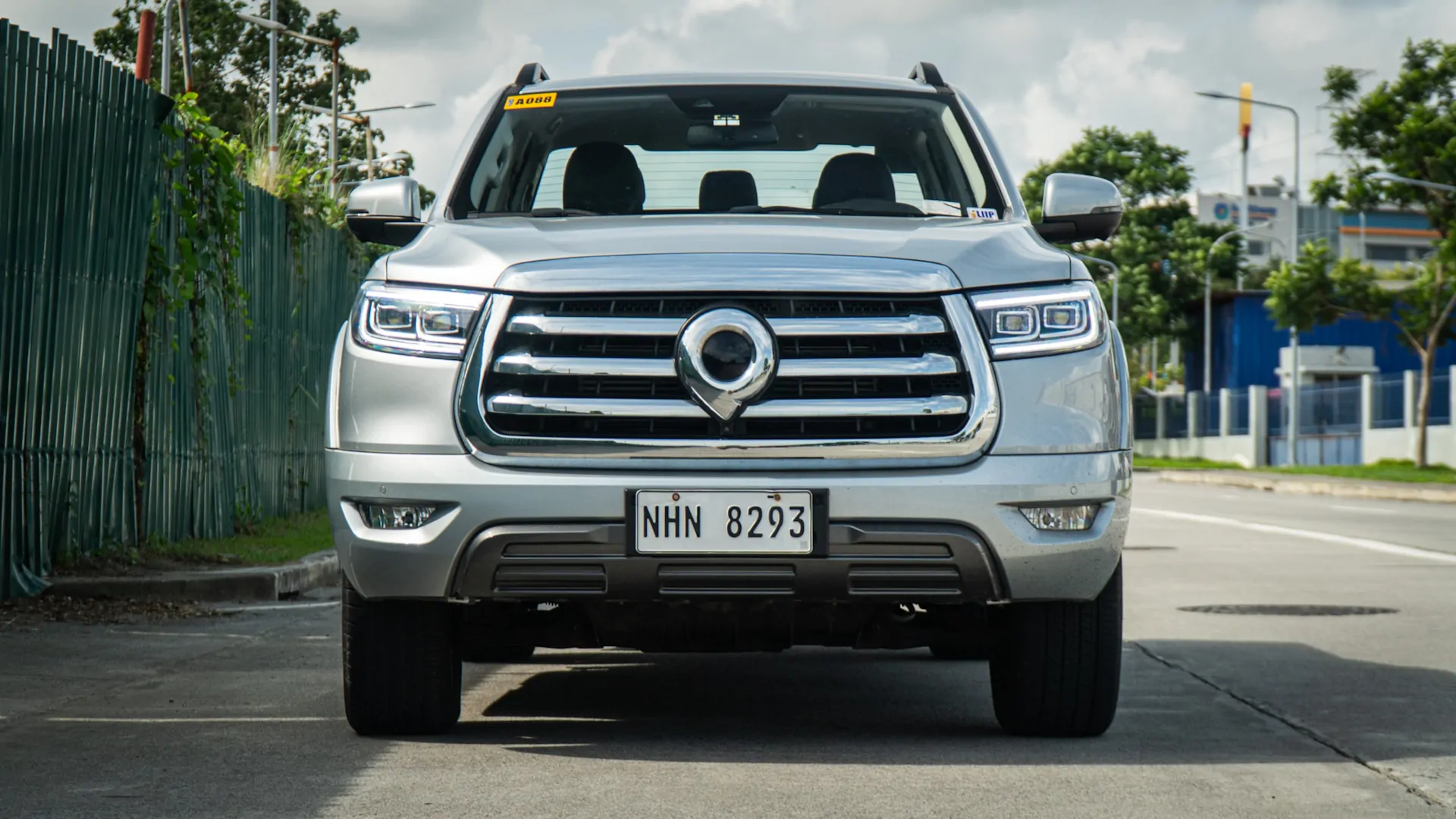
I like the simplicity of the front fascia. It’s got road presence thanks to that massive grille smothered in chrome, but it doesn’t feel like there’s too much going on up front. I also dig how they did away with the standard black plastics underneath and opted for a monotone exterior.
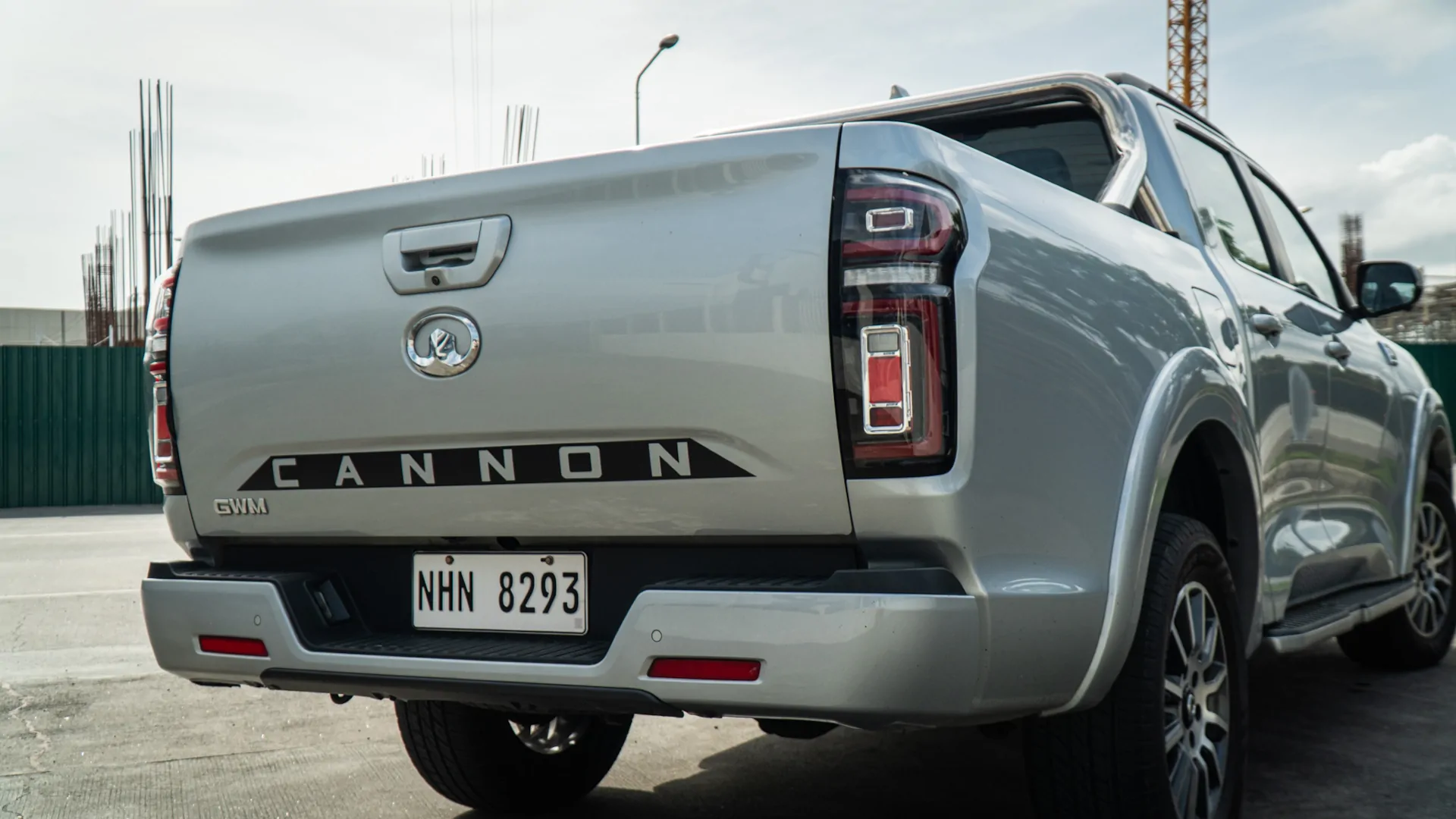
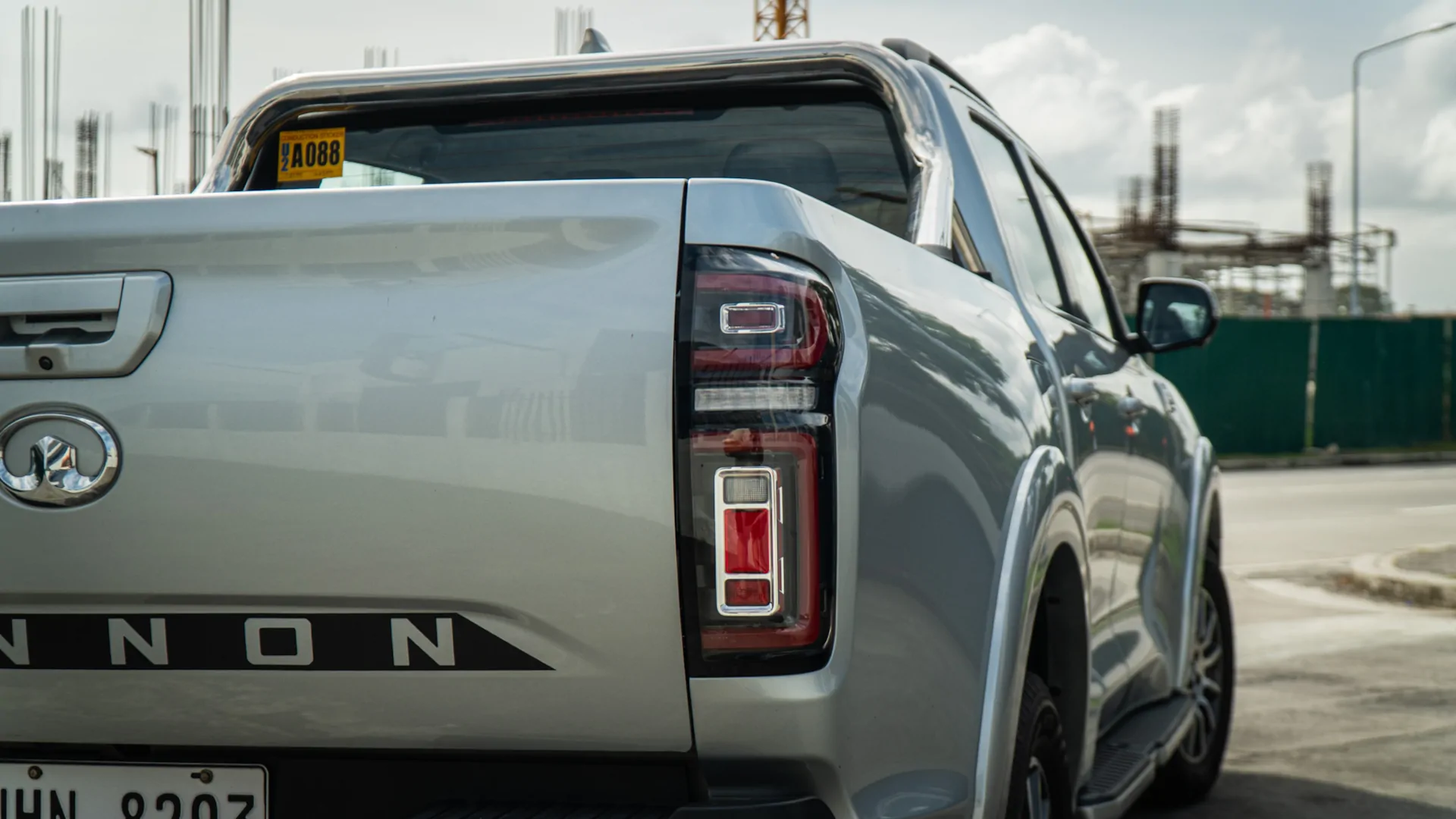
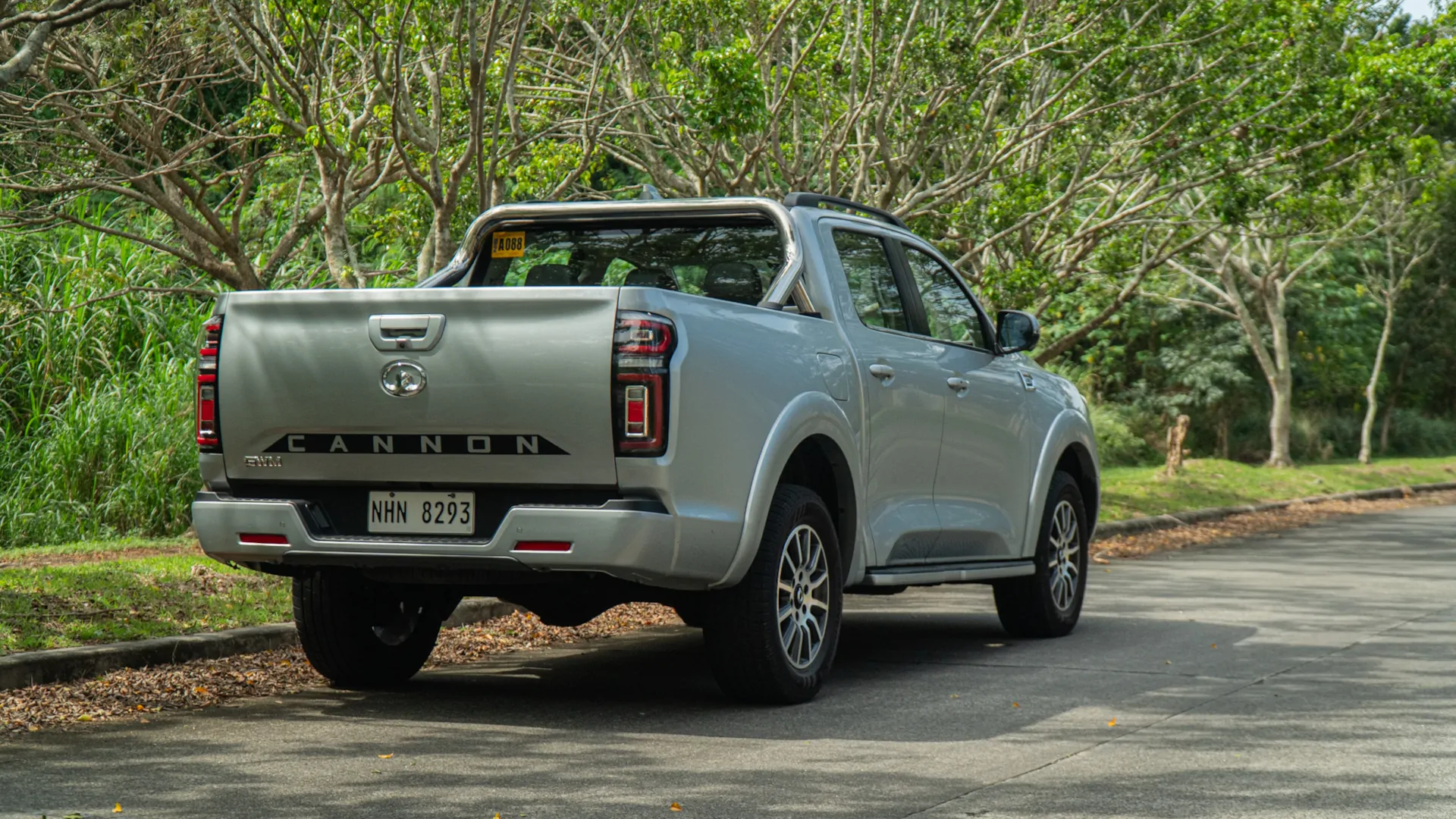
At the rear is an equally massive GWM badge with Cannon decals on the tailgate. While I do like the overall shape and physique of the truck, I would’ve done away with the chrome bar on the bed. Or at the very least, I wouldn’t have made it this shiny. Looks very tito for me, I don’t know.
ALSO READ:
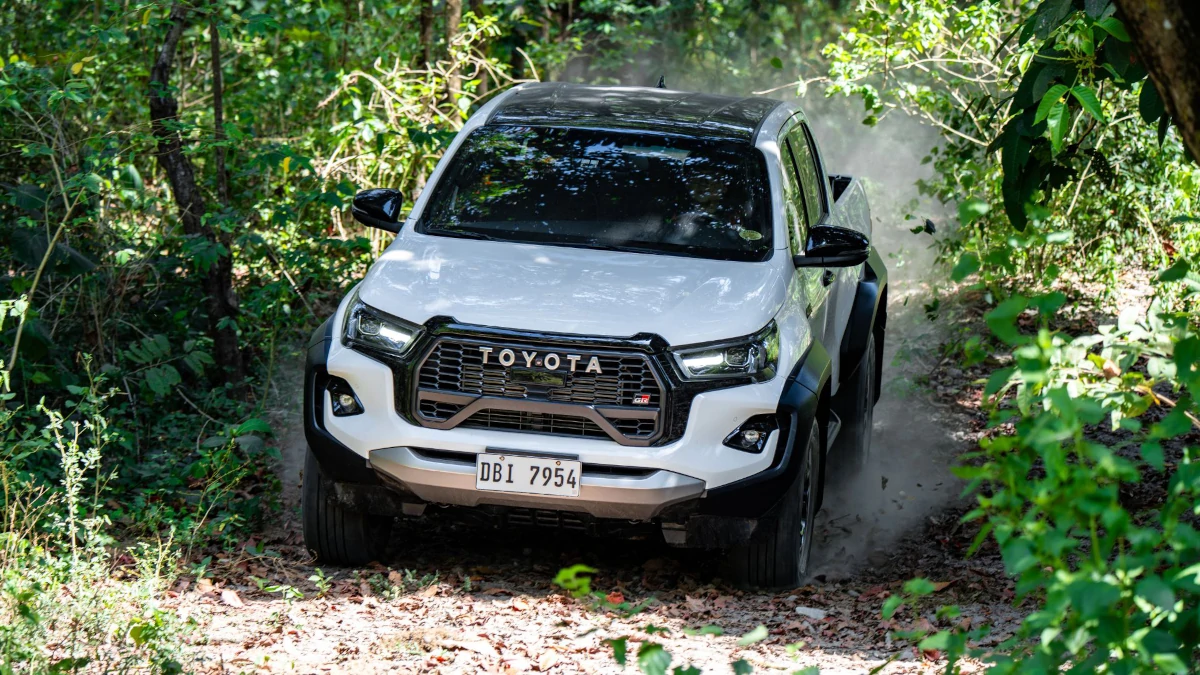
Review: 2025 Toyota Hilux 2.8 GR-S 4x4
Review: 2025 Ford Ranger 2.0L Bi-Turbo Wildtrak 4x4
Interior
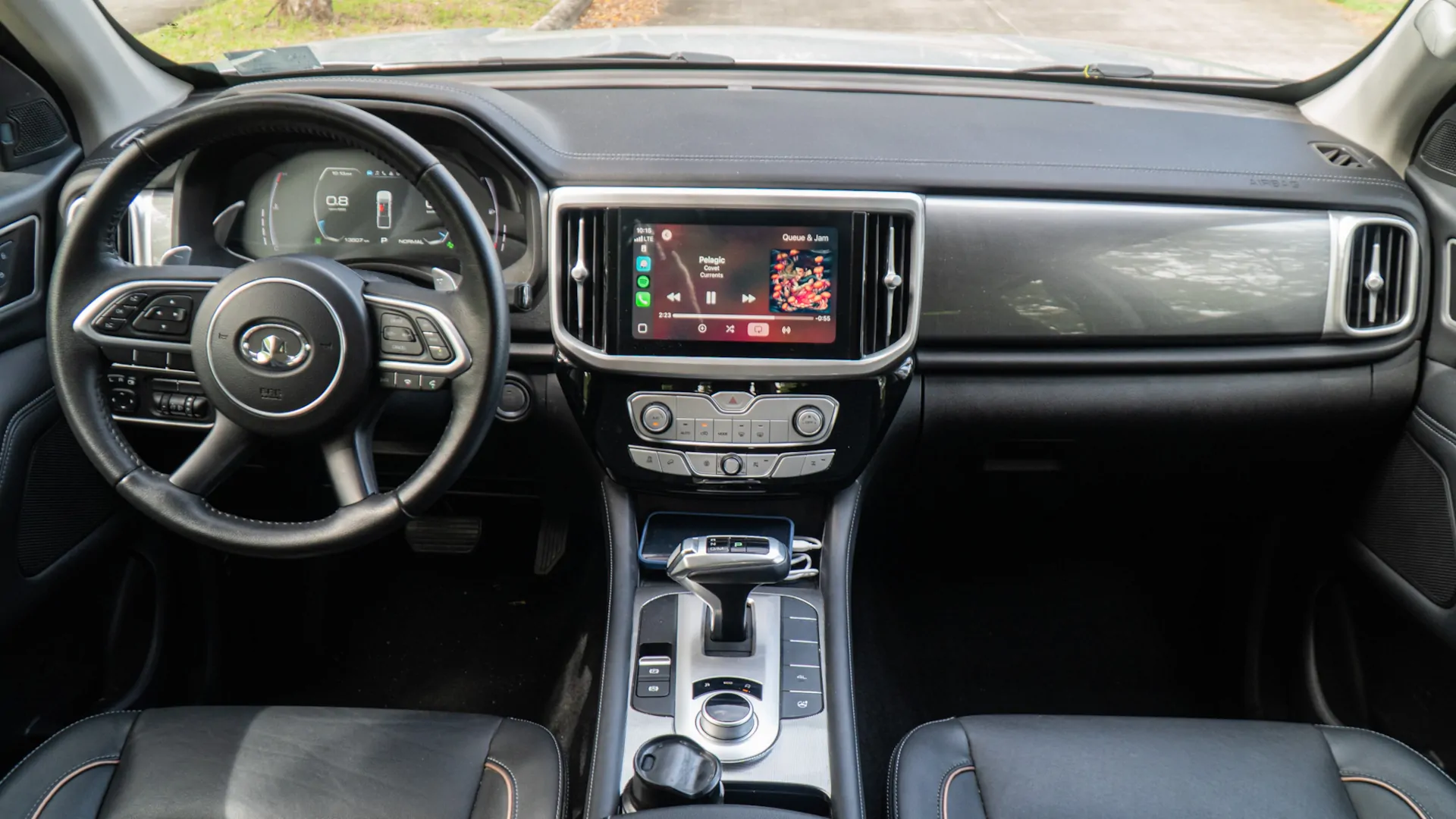
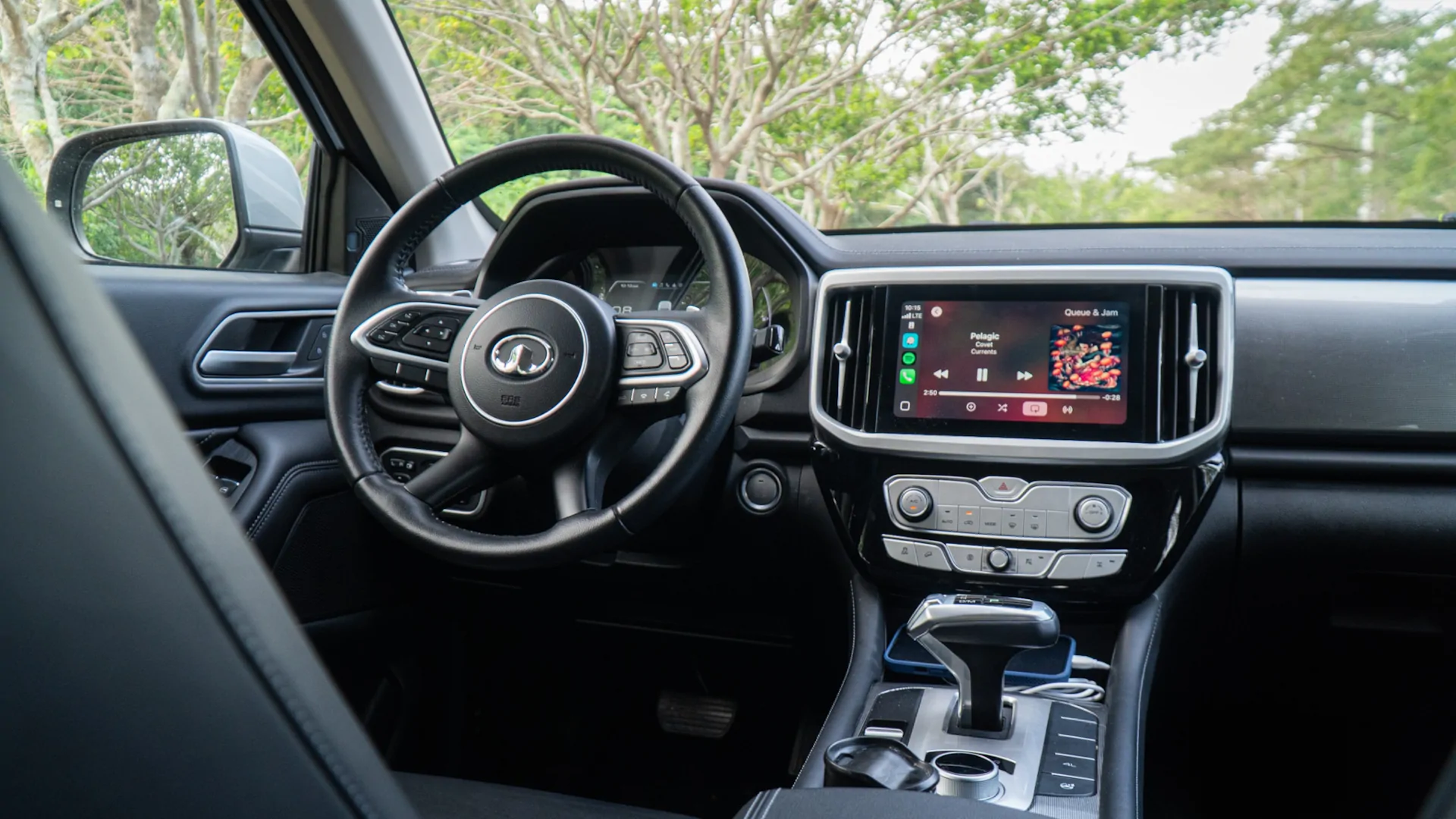
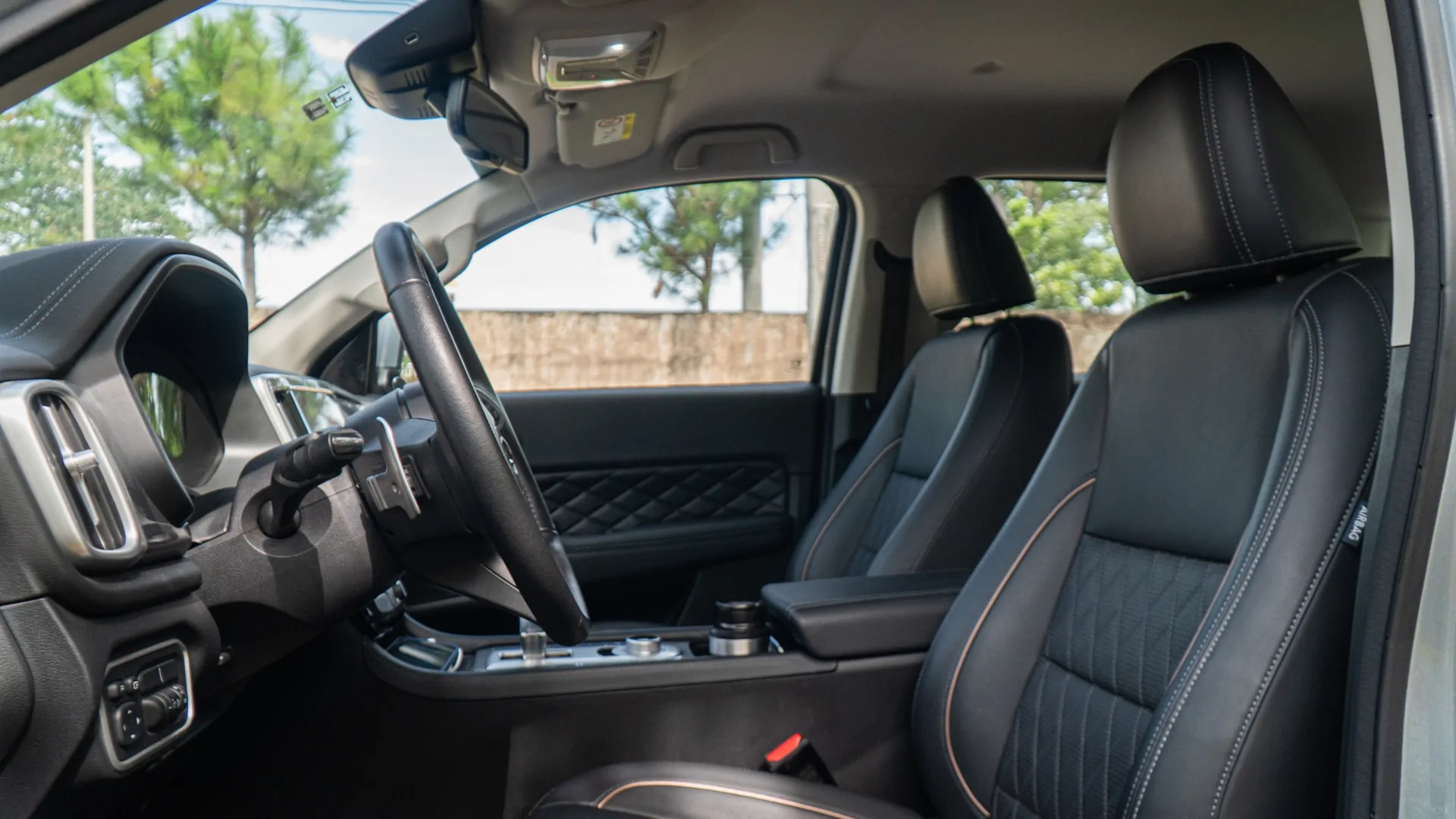
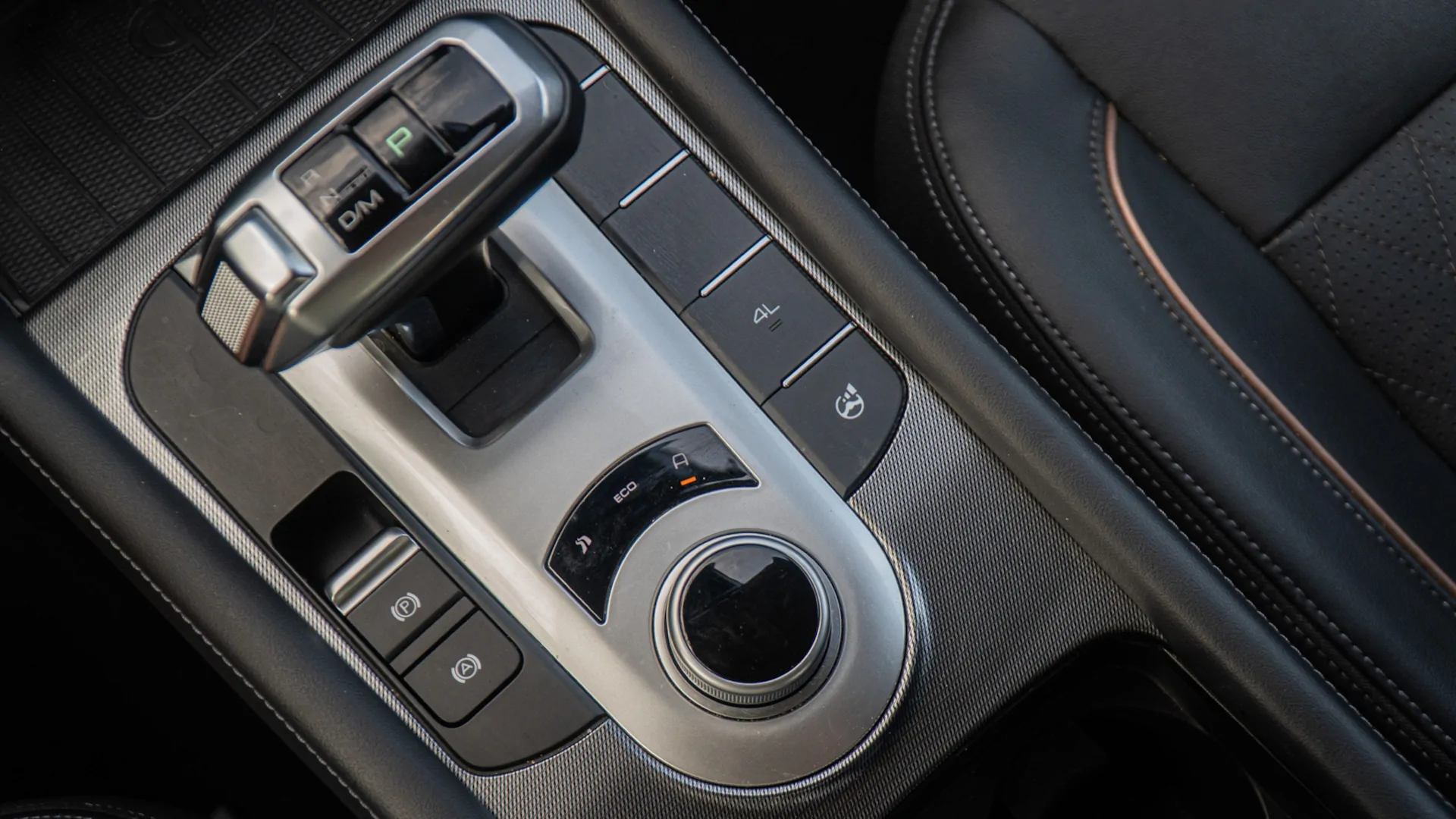
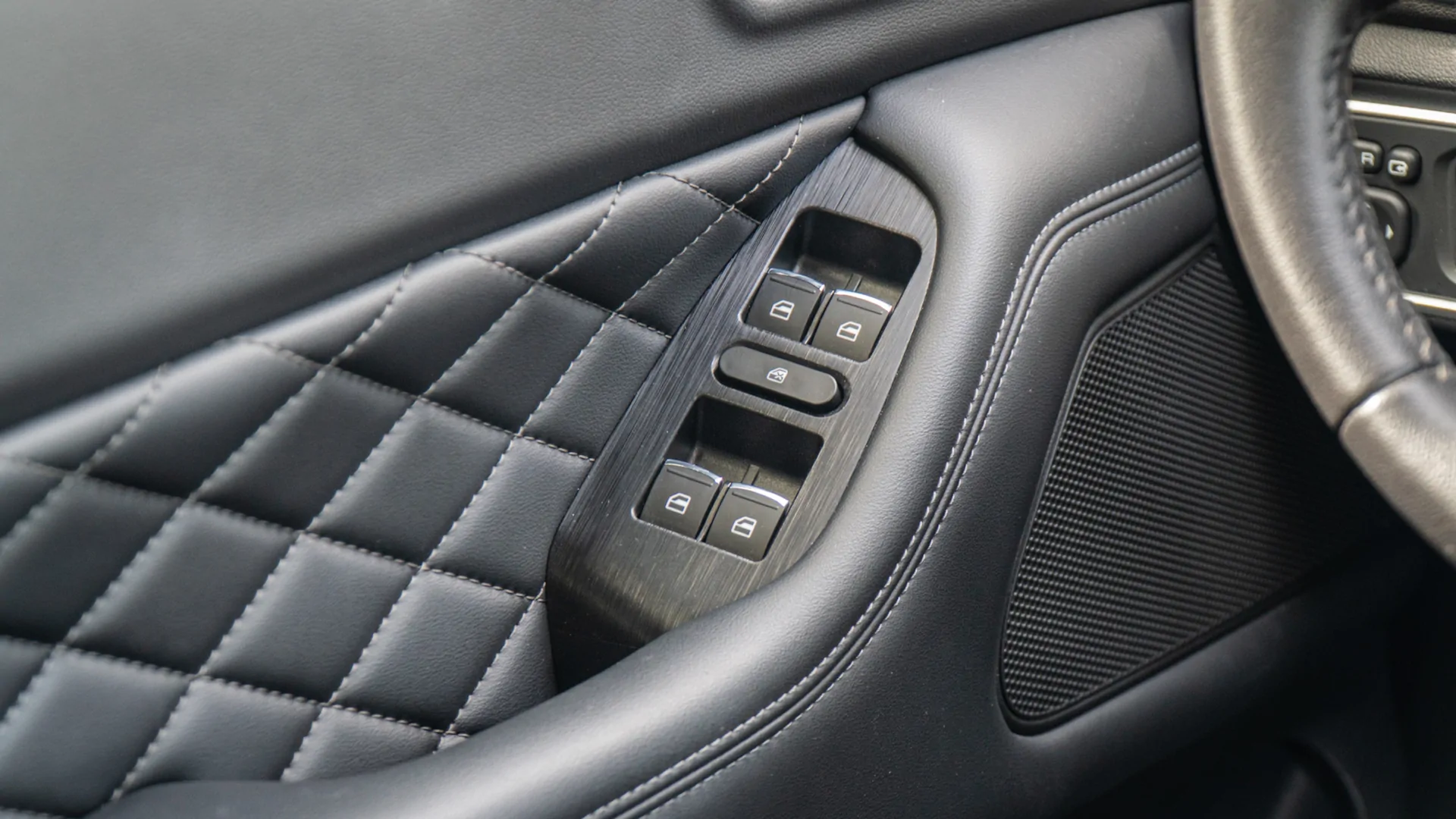
The Cannon’s interior is actually pretty decent. I wasn’t expecting much, but I was treated to a cabin adorned with a healthy amount of leather that’s comfortable to sit on and nice to the touch. Good on Great Wall for adding contrasting colors on the dash and the center console, too. There’s also the faux-wood trim on the armrests which aren’t tacky at all. Surely, the inside would’ve looked bland as hell with just blacked-out bits all around.
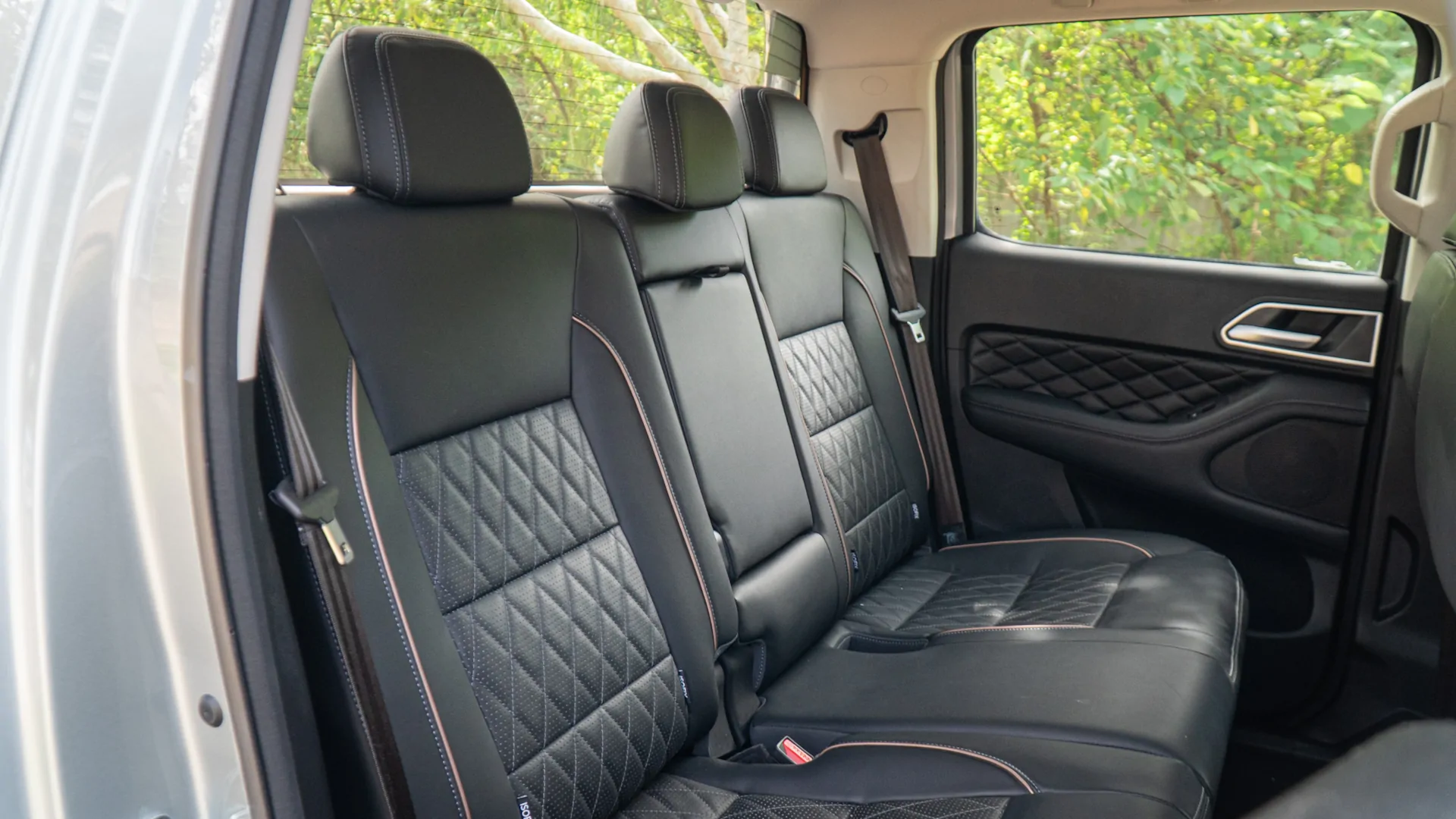
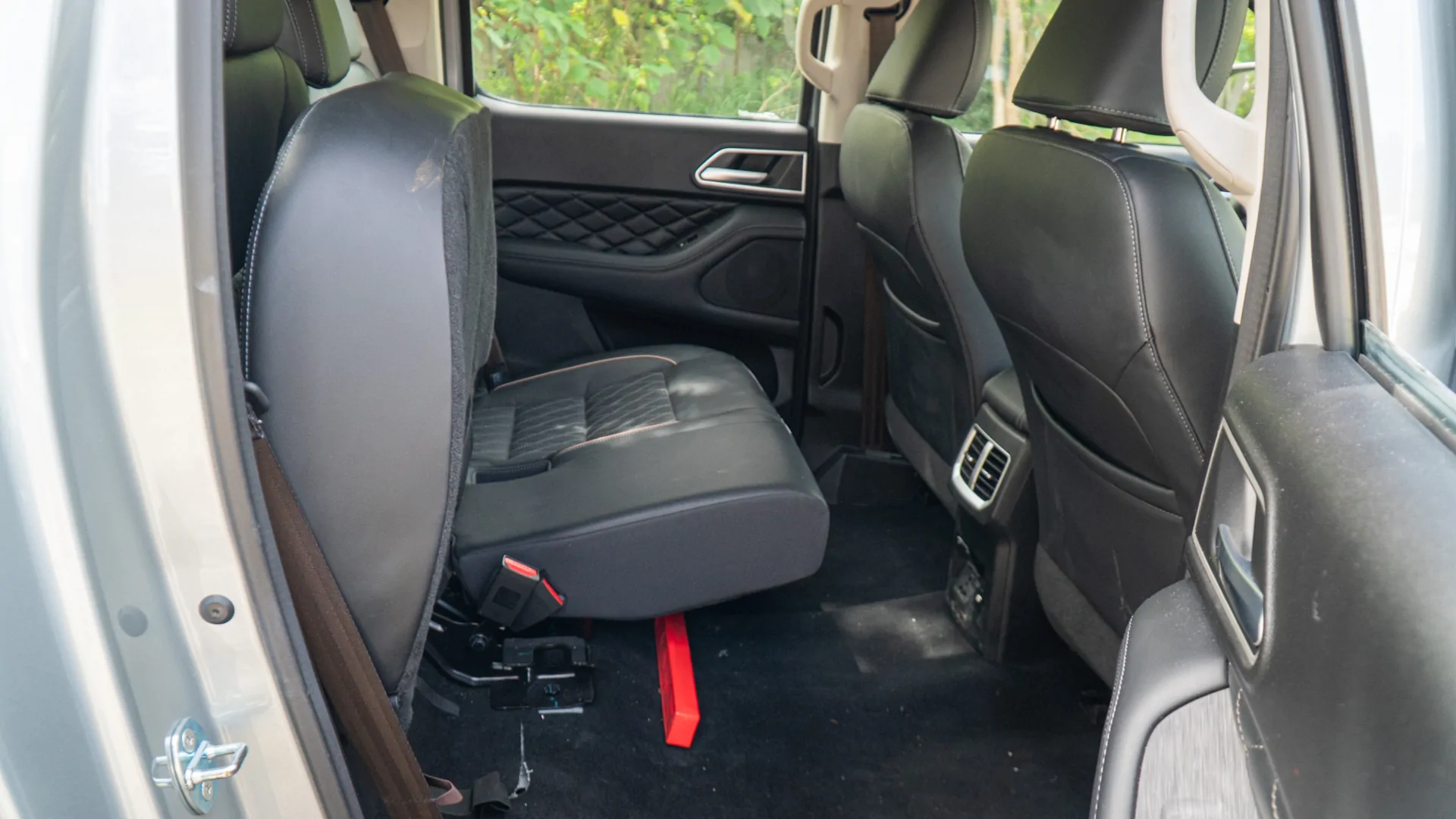
The front row is also quite spacious. There’s a lot of footroom and legroom here. Headroom and elbow room aren’t half bad, either. At the rear, though, it’s about what you’d expect from a pickup. It’s a bit cramped.
Engine performance
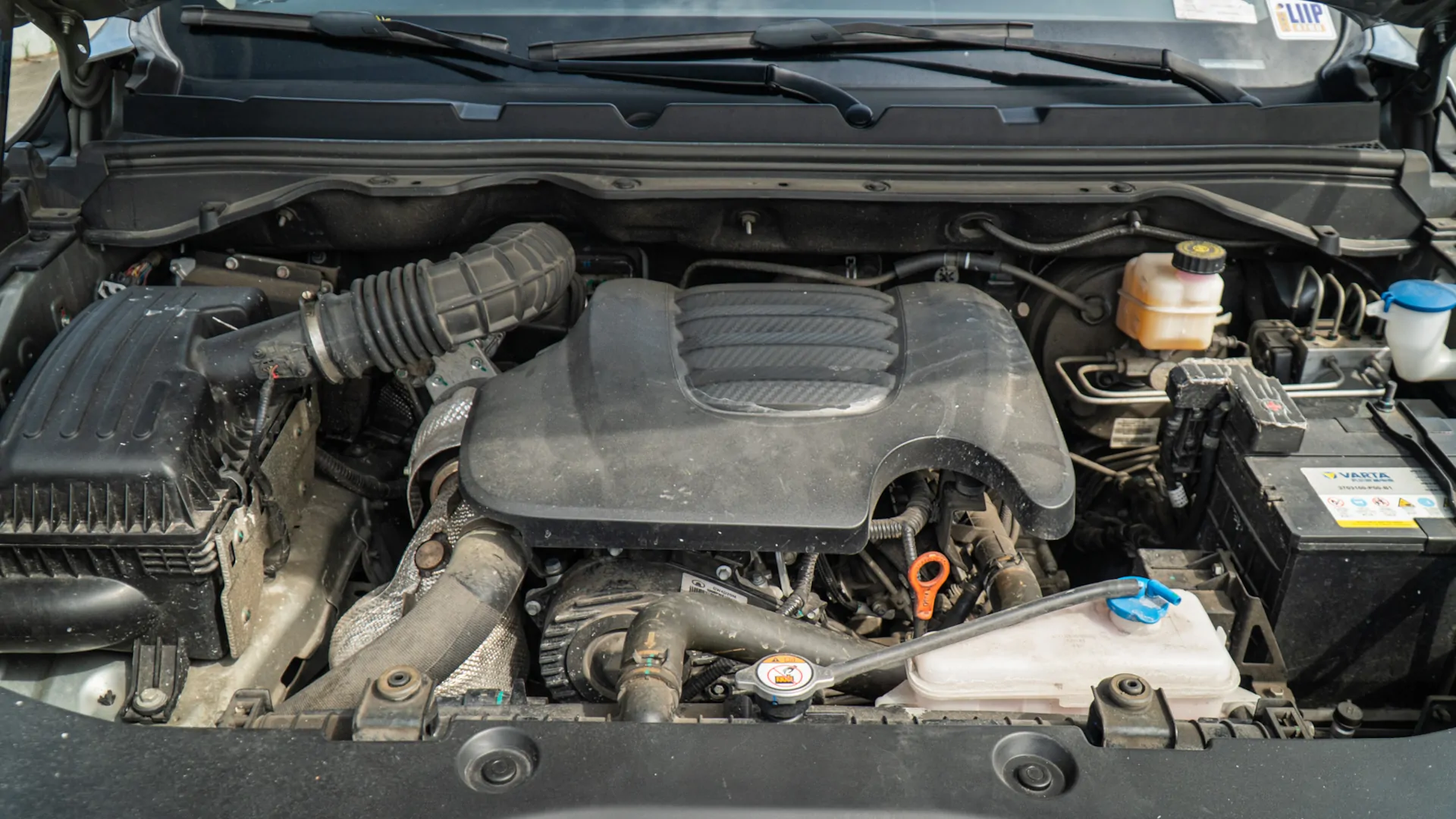
The Cannon is powered by a 2.0-liter turbodiesel that generates 161hp and 400Nm of torque. While those don’t look like segment-crushing figures, I can confirm that the truck feels punchier than the spec-sheet suggests. It’s got power right off the line, and it can propel the pickup to highway speeds quite quickly…as soon as the boost kicks in, that is. I say that because the turbo lag here is quite bad.
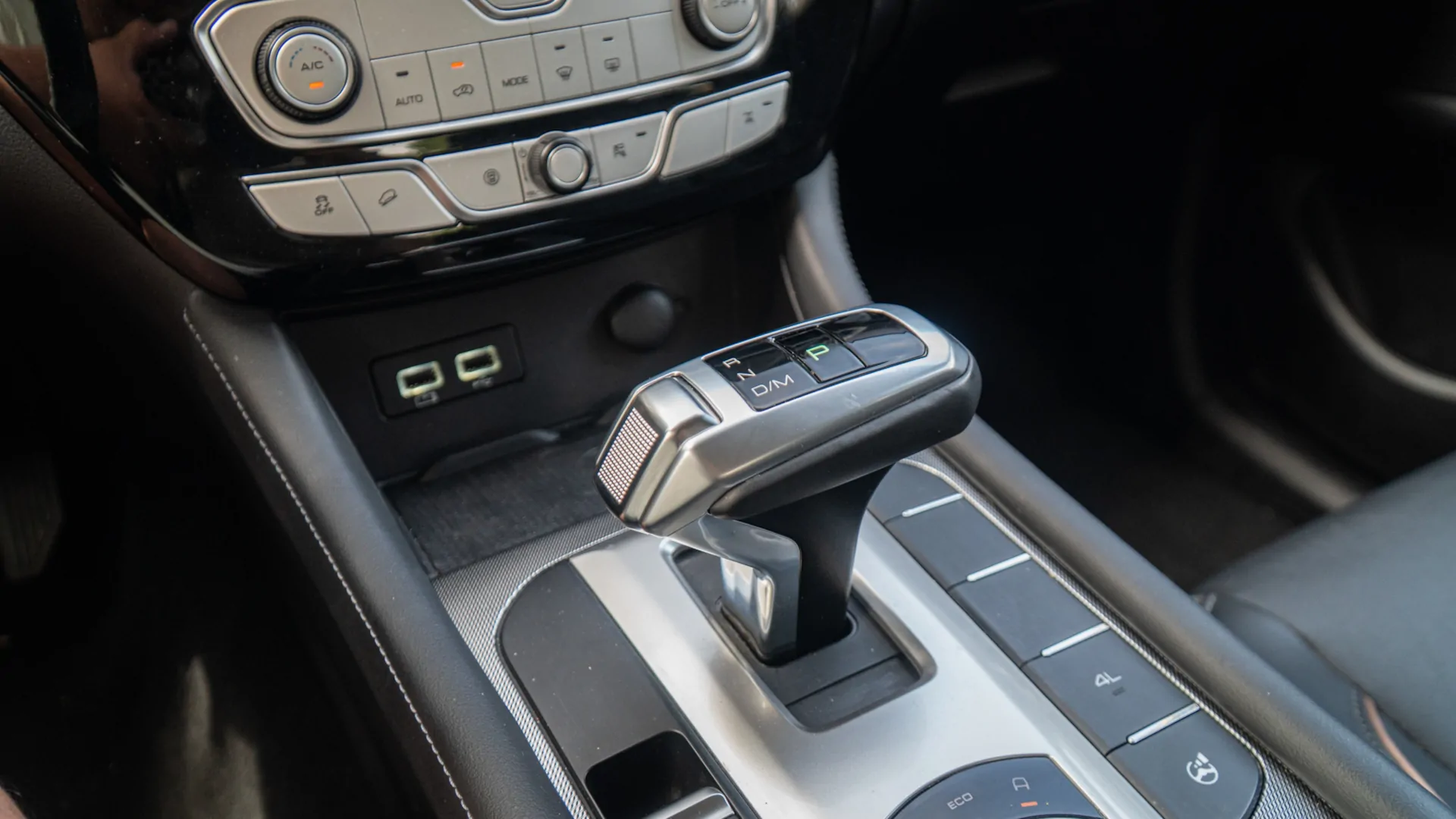
There’s probably half a second delay when you slam on the gas pedal before the boost kicks in. THe power’s there, yes, but it takes a while before you really get it going. It feels pretty bad in the city, too. The eight-speed automatic transmission is smooth especially when you’re cruising, but the turbo makes the Cannon feel really jerky in stop-and-go traffic. It’s been a while since I experienced turbo lag this bad in a diesel engine.
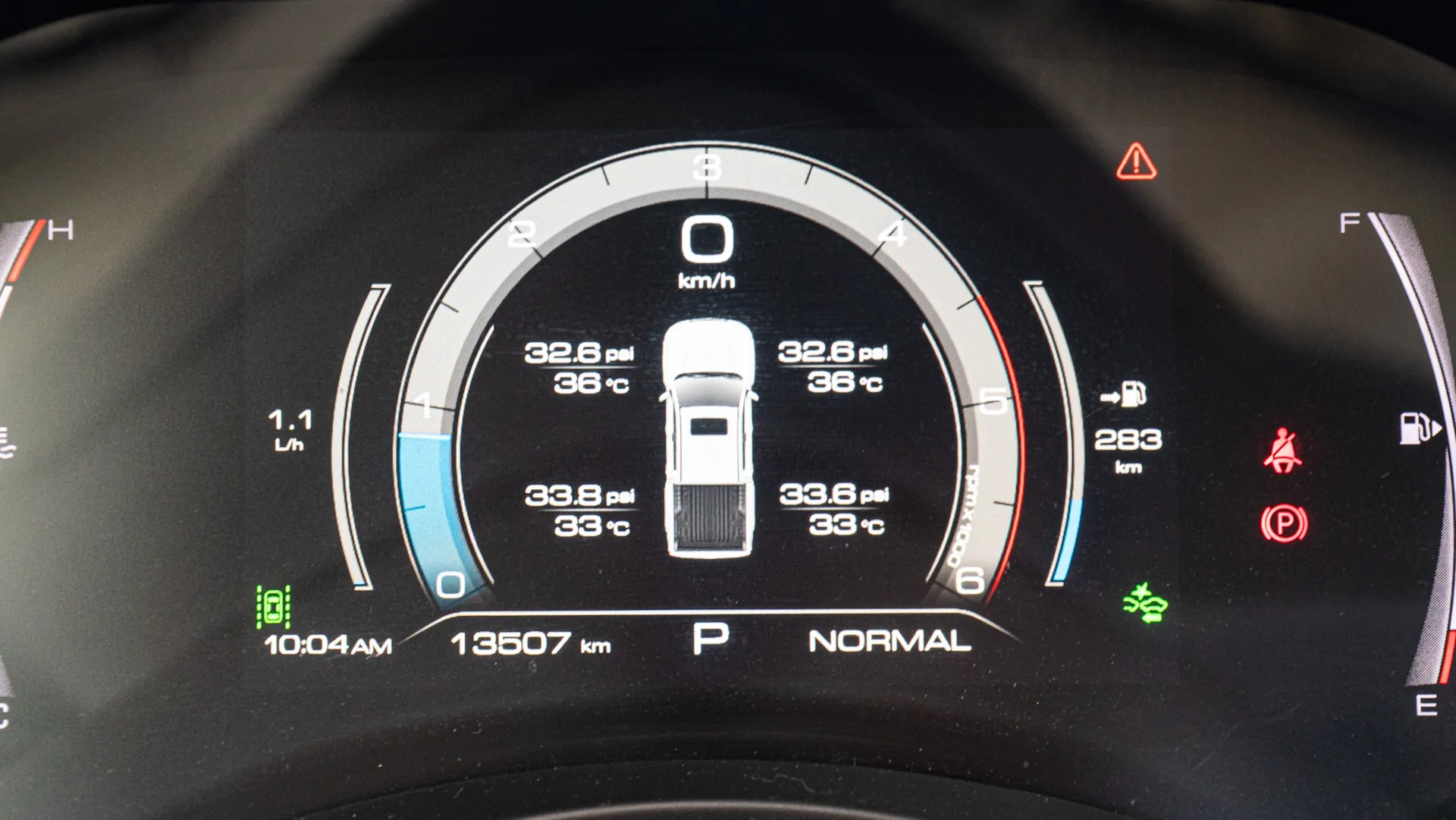
It doesn’t redeem itself in fuel economy either—I got a consistent 10km/L. That’s actually pretty good for a large pickup, but I would’ve hoped for something better to make up for that turbo, but no.
Ride and handling
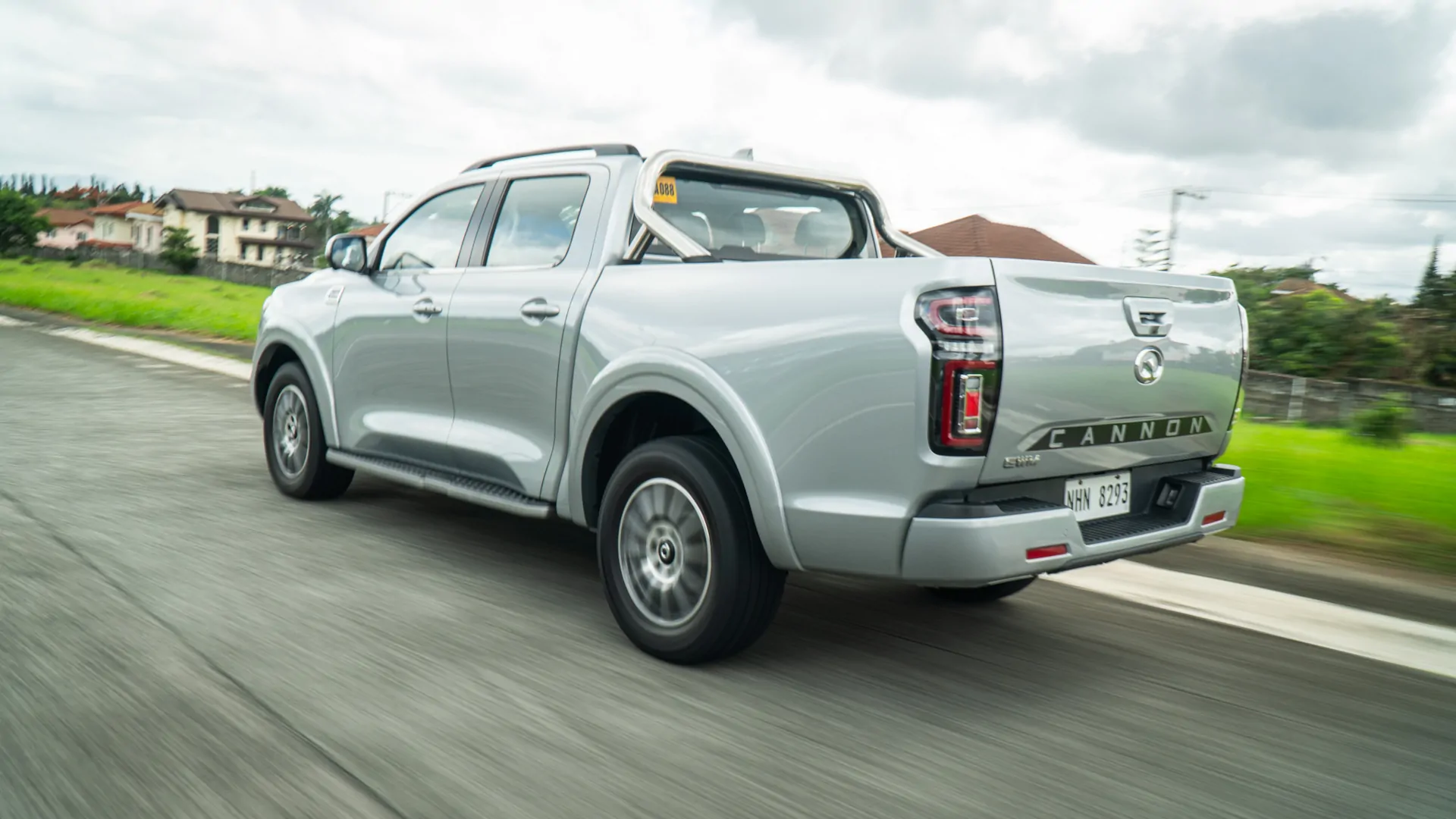
This review was off to a good start, but driving dynamics and ride comfort is really where the Cannon falls off. If the turbo lag was bad, the ride is even worse. Much worse. I’ve had multiple passengers complain about just how bad the Cannon’s ride is.
The suspension is bouncy even on properly paved roads. It’s not as stiff as the Hilux, but it feels bouncier. It reminded me a lot of our old Isuzu Crosswind with the bad shock absorbers. Hit a pothole slow or fast enough or run over a speed bump too quickly and you’ll find yourself going up and down inside the cabin. Of course, that bouncy ride translates to the truck’s overall handling as well. There’s significant body roll even when you’re carefully strolling through a corner. Visibility from the driver’s seat is 50-50—the front windshield is wide so you see a lot of what’s in front of you, but the massive hood and the bulky A pillars can get in the way of what’s around you.
Unfortunately, I wasn’t able to drive the Cannon off-road. I’ve been seeing a lot of people take this to the trails and through river crossings and I believe it is quite the capable 4x4, but I just didn’t have the time to take it beyond the usual cement- or asphalt-covered highways. Perhaps there, it could’ve redeemed itself even by a bit.
Extra features
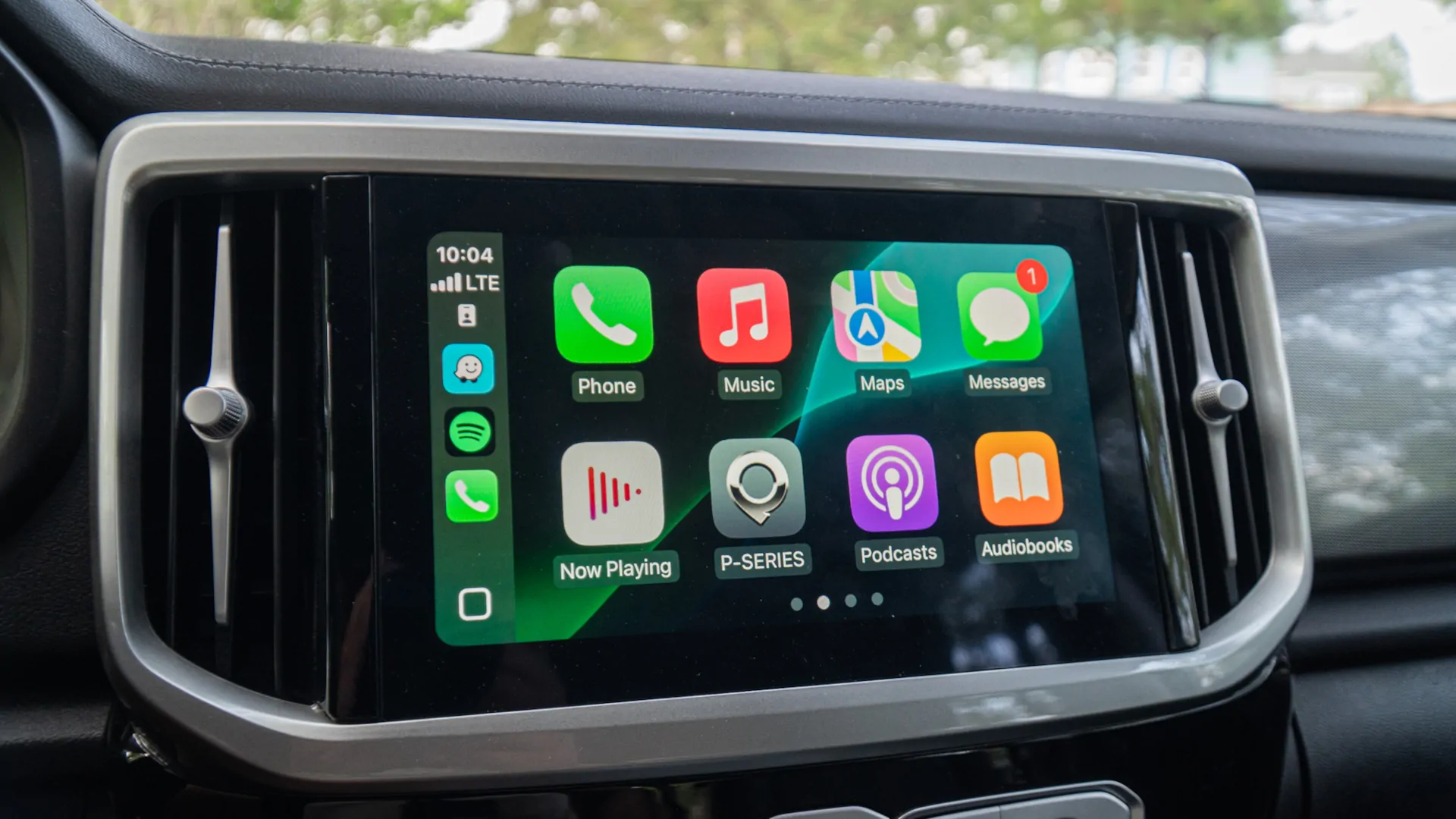
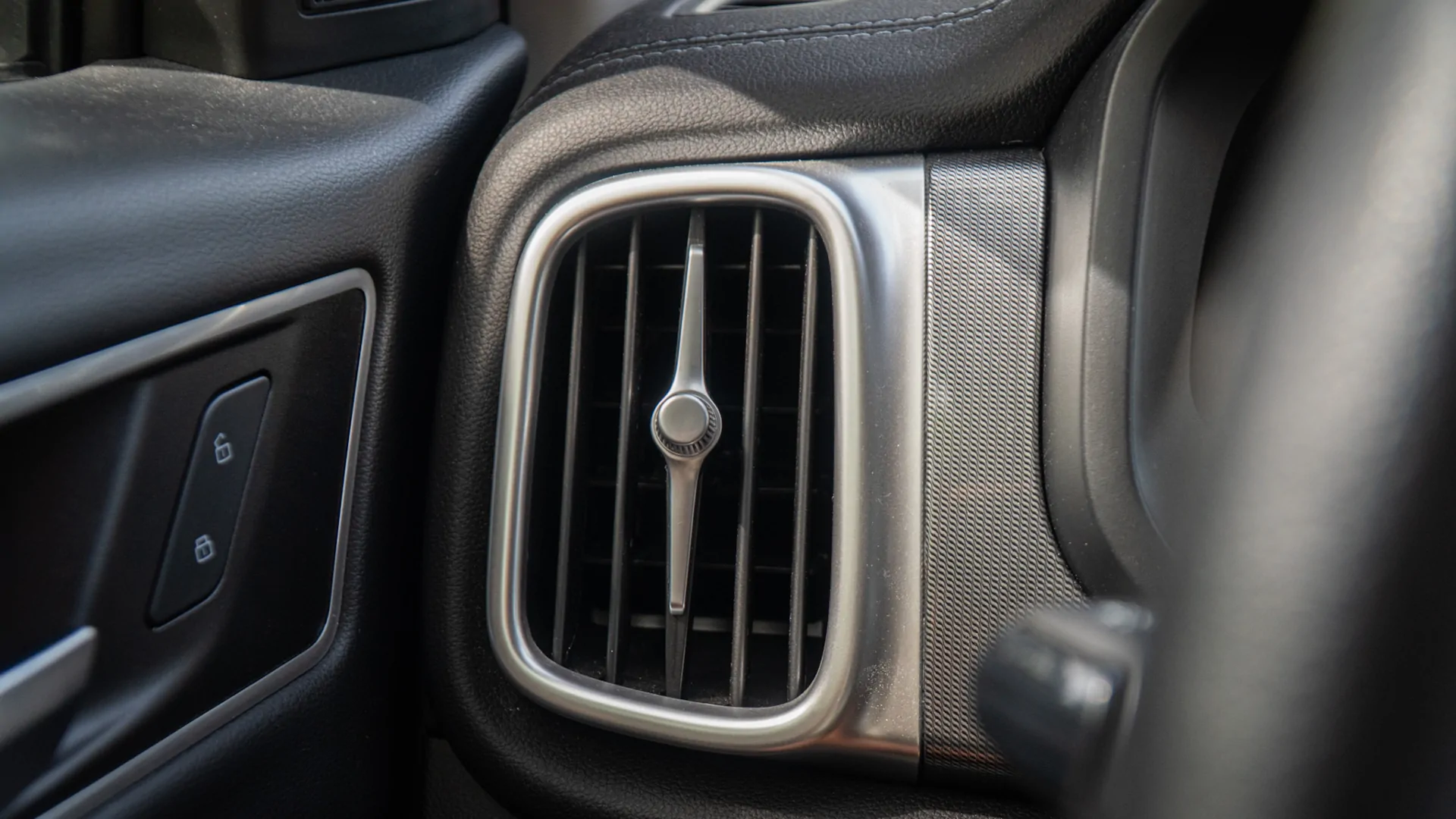
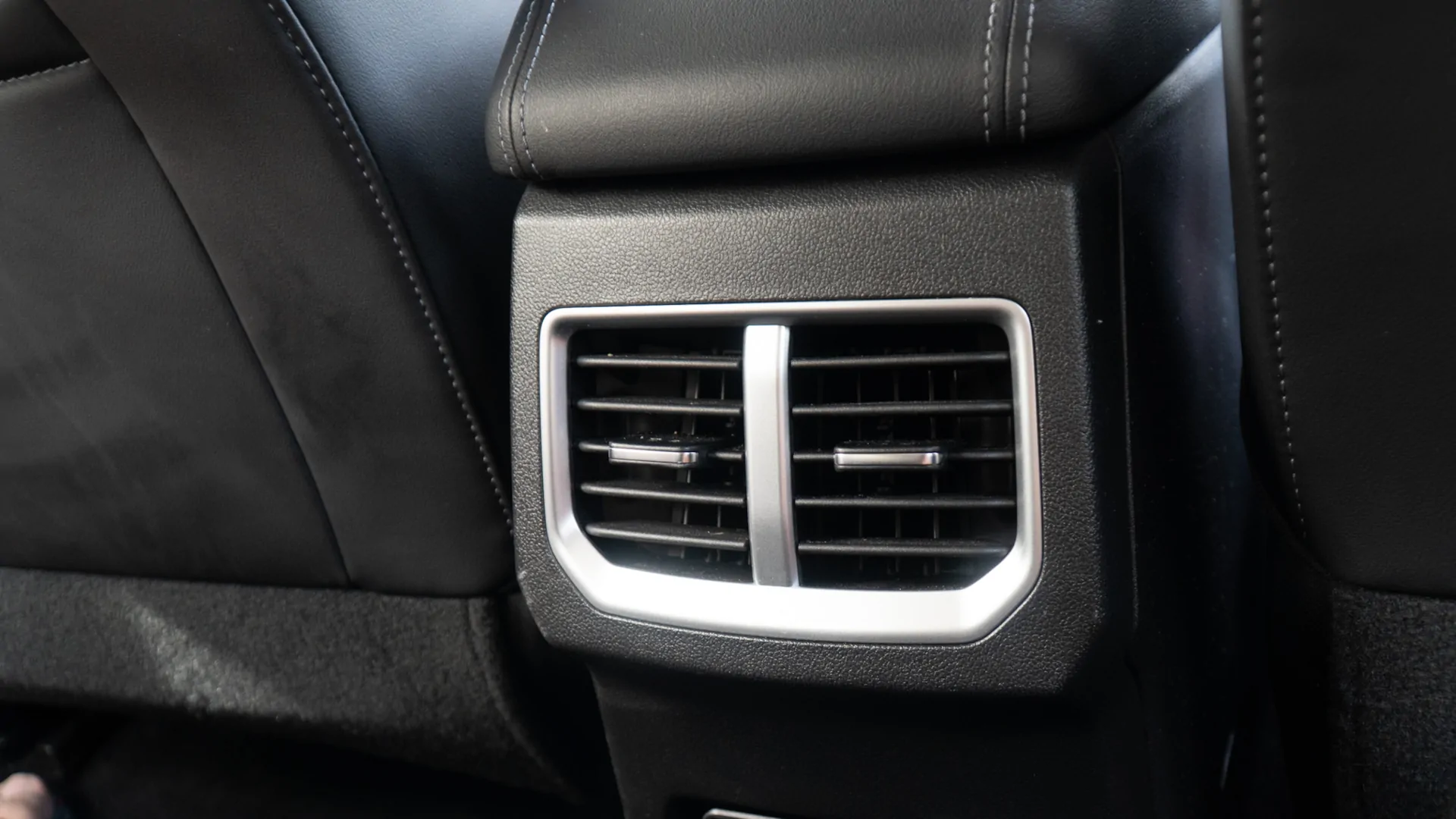
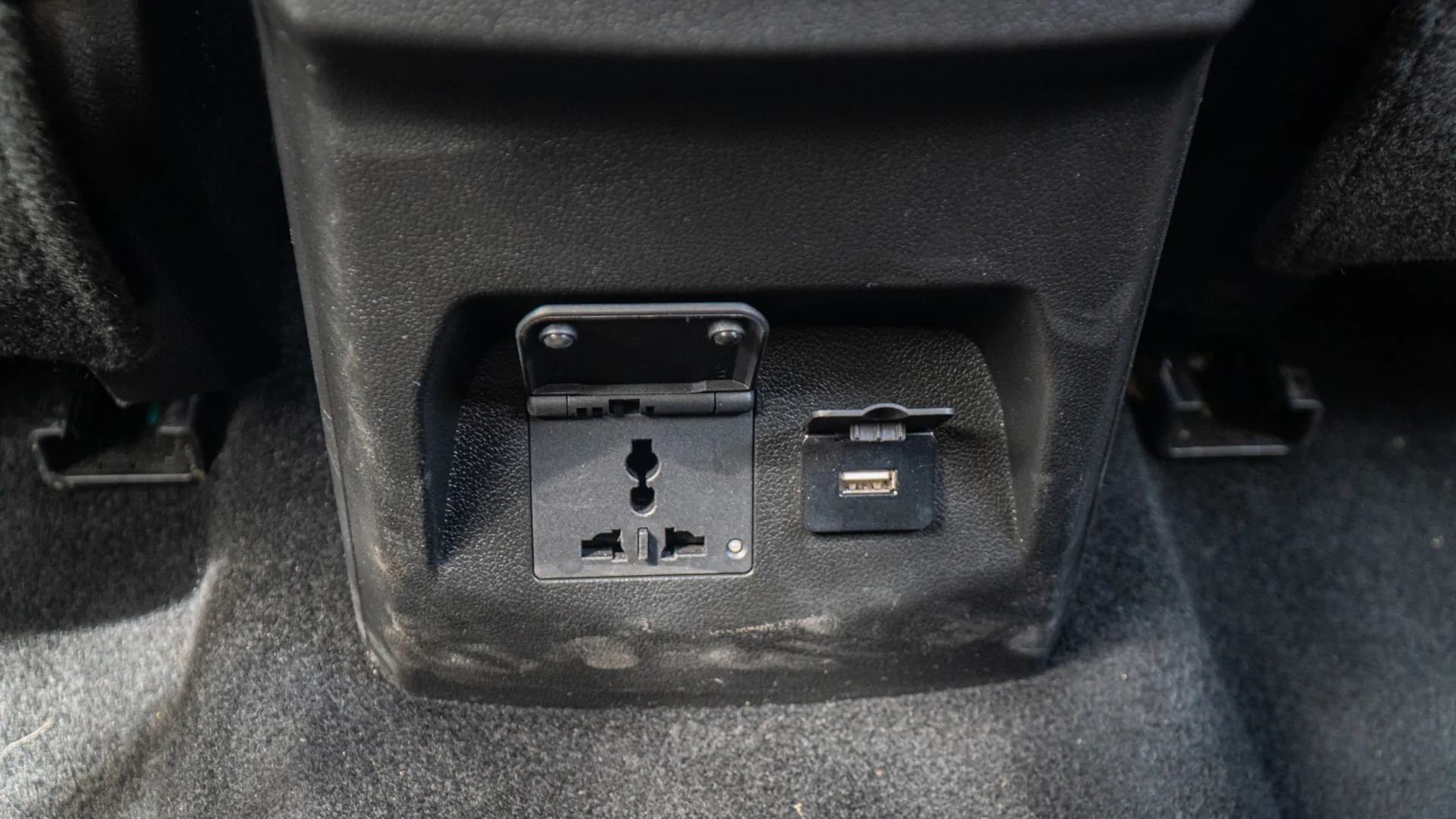
Things get a bit better in this department. The Cannon actually has a lot of creature comforts at the ready. For starters, there’s the large infotainment system with Apple CarPlay and Android Auto connectivity. The speakers, though, are just okay. There are two USB-A charging ports up front, and one USB-A port and a 220V socket in the second row. Rear A/C vents are also available.
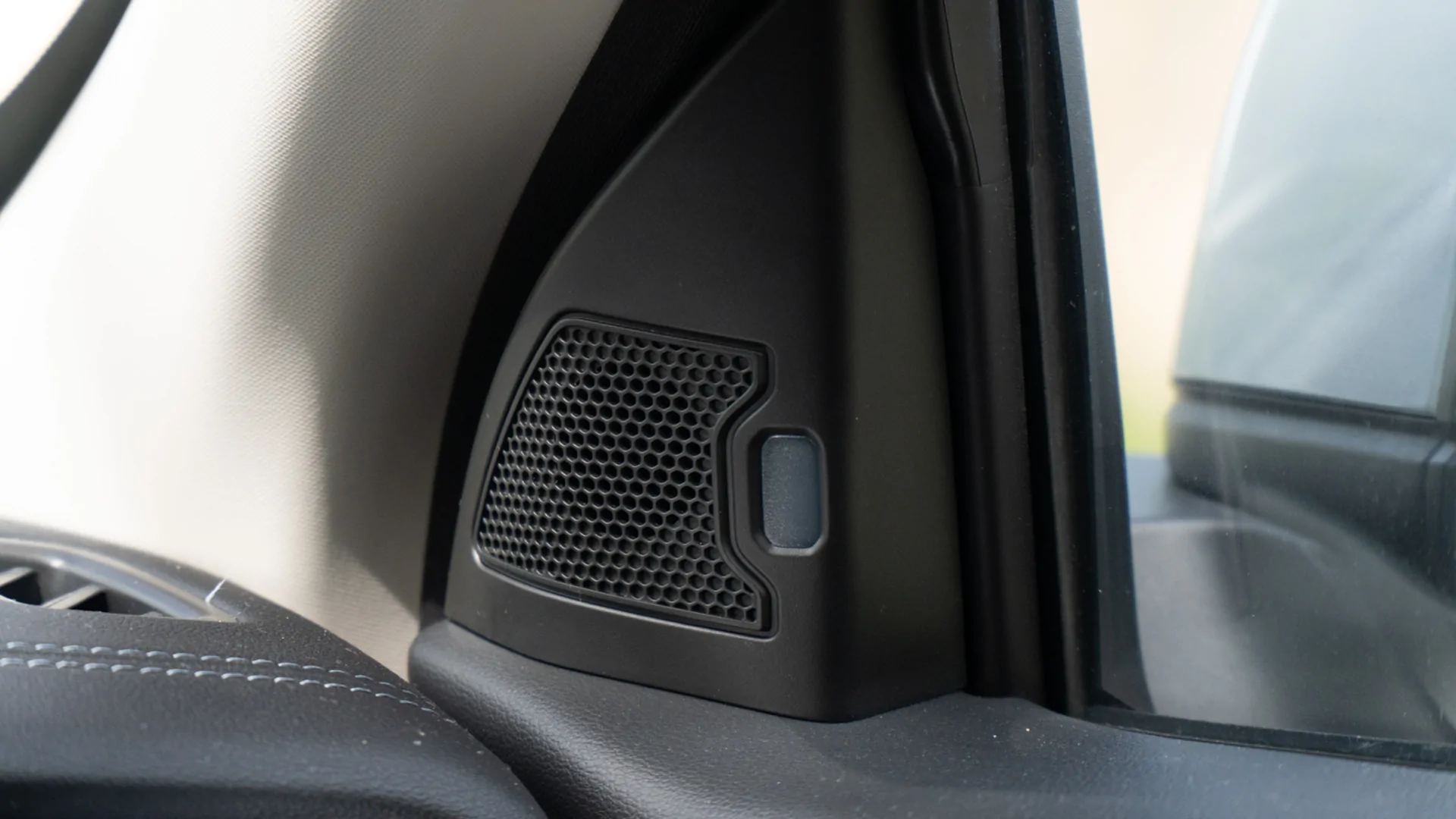
But what’s important here is that the Cannon comes with ADAS, including adaptive cruise control and blind-spot monitoring. The latter even gets dedicated warning lights built into the tweeters on the A pillar. And if the warning triggers when you have your turn signal on, it’ll override the sound and just leave you with the blind-spot monitor beep. It’s a solid execution.
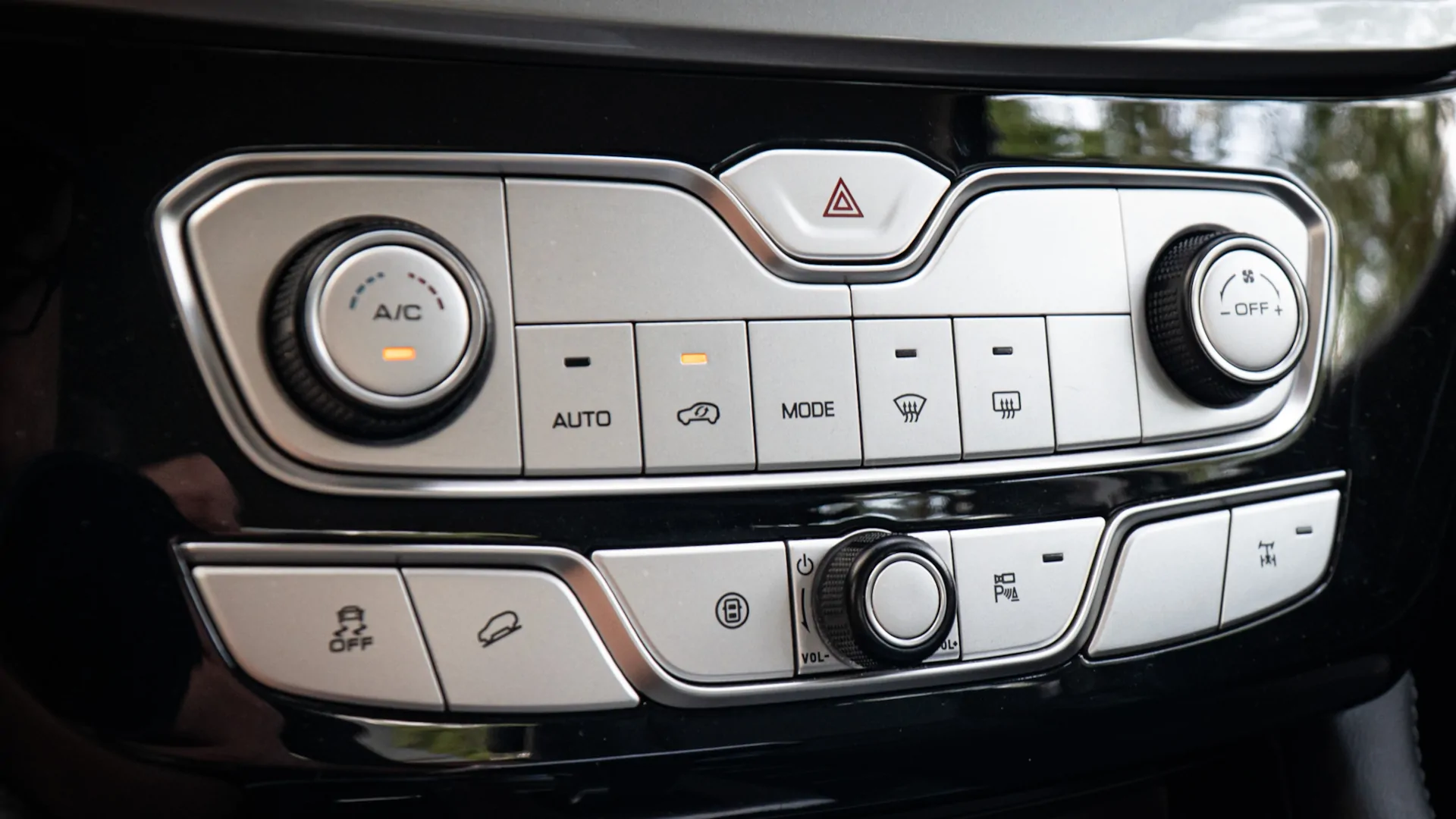
Kudos also to GWM for adding physical buttons and knobs for the A/C. But I do have complaints—it takes over the entire infotainment display whenever you change the settings. And I did find myself tweaking the A/C settings often, because I just couldn’t find the right climate setup for whatever reason. It’s a nitpick, but I really found it irritating.
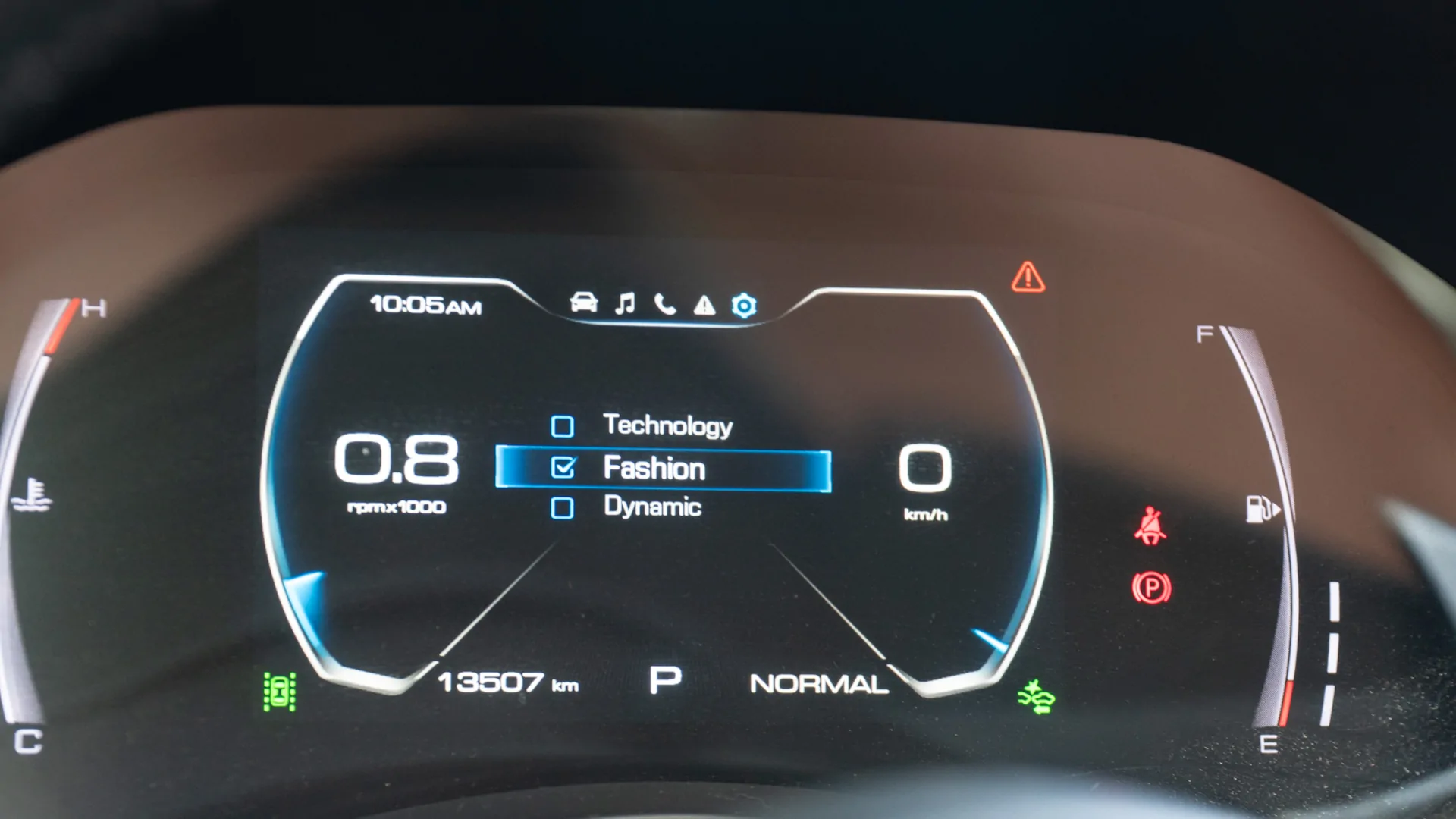
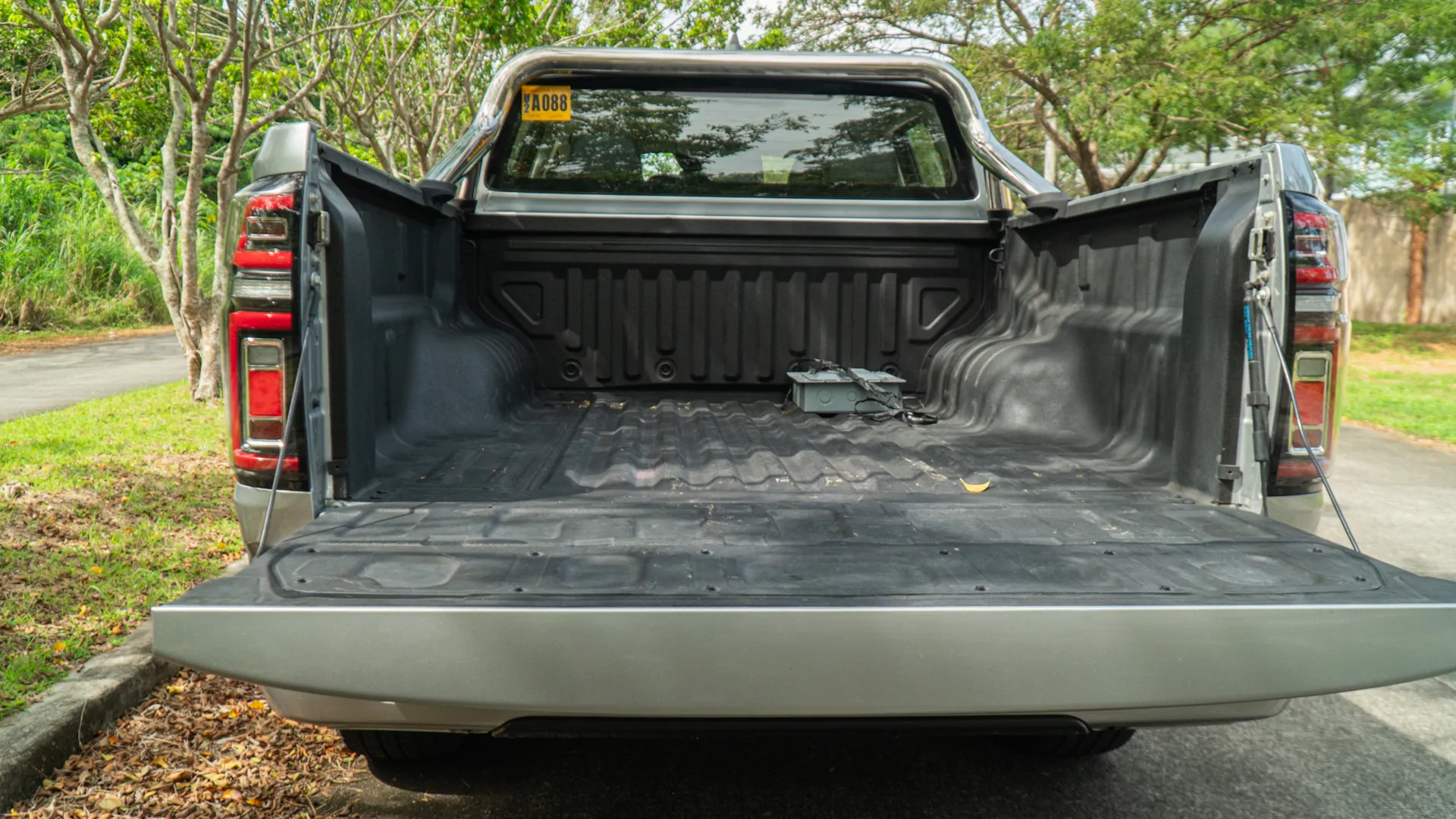
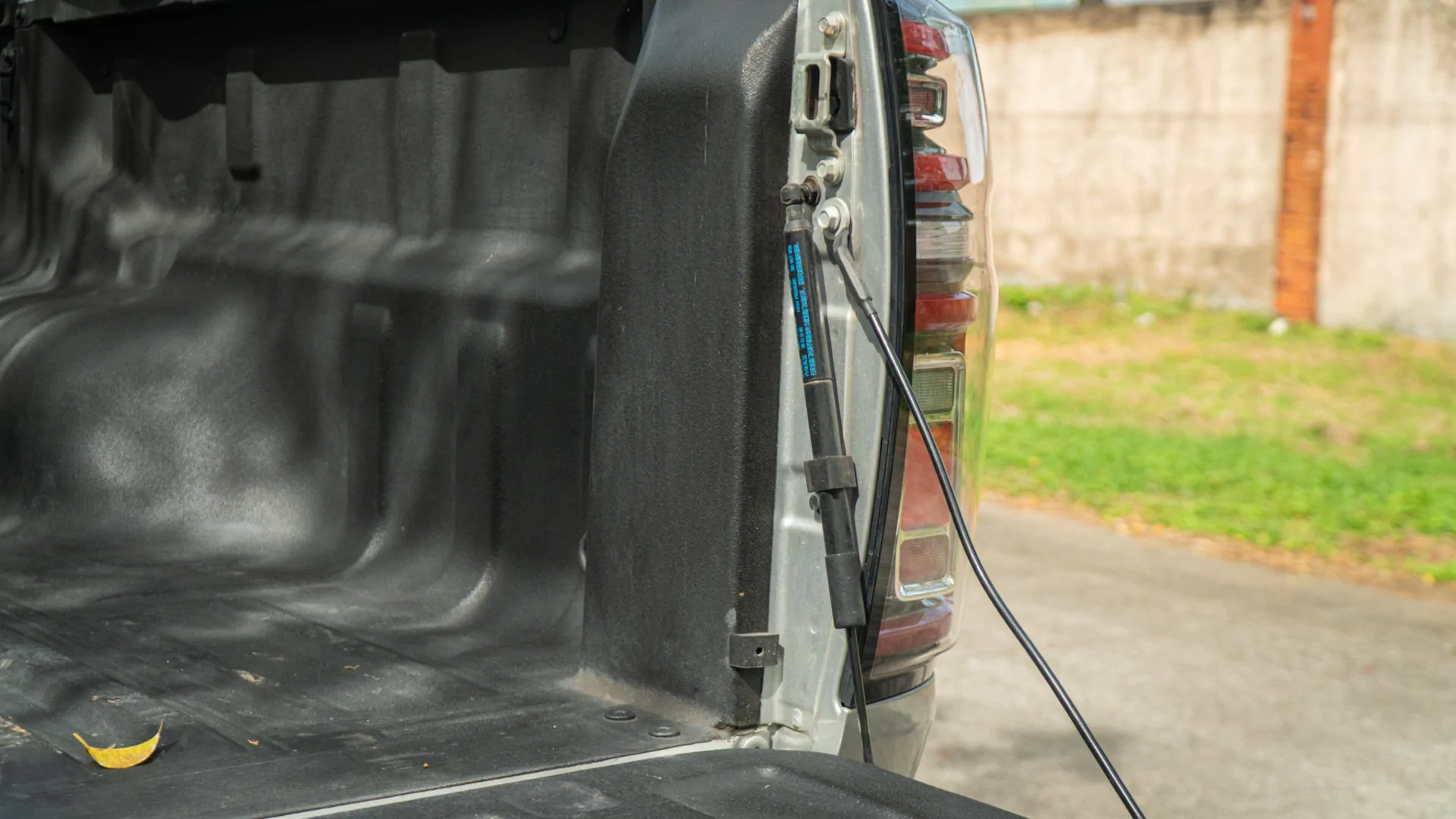
There’s a 360-degree-view monitor here to help with parking duties, and there’s also multiple steering settings available. You can make the steering lighter in the city and add weight to it when you’re on the highway. The bed is also very accessible thanks to the tailgate assist—a feature I think should be standard in all top-of-the-line pickups. Other amenities that I couldn’t care less about, though, were the paddle shifters and the customizable digital instrument cluster.
Verdict
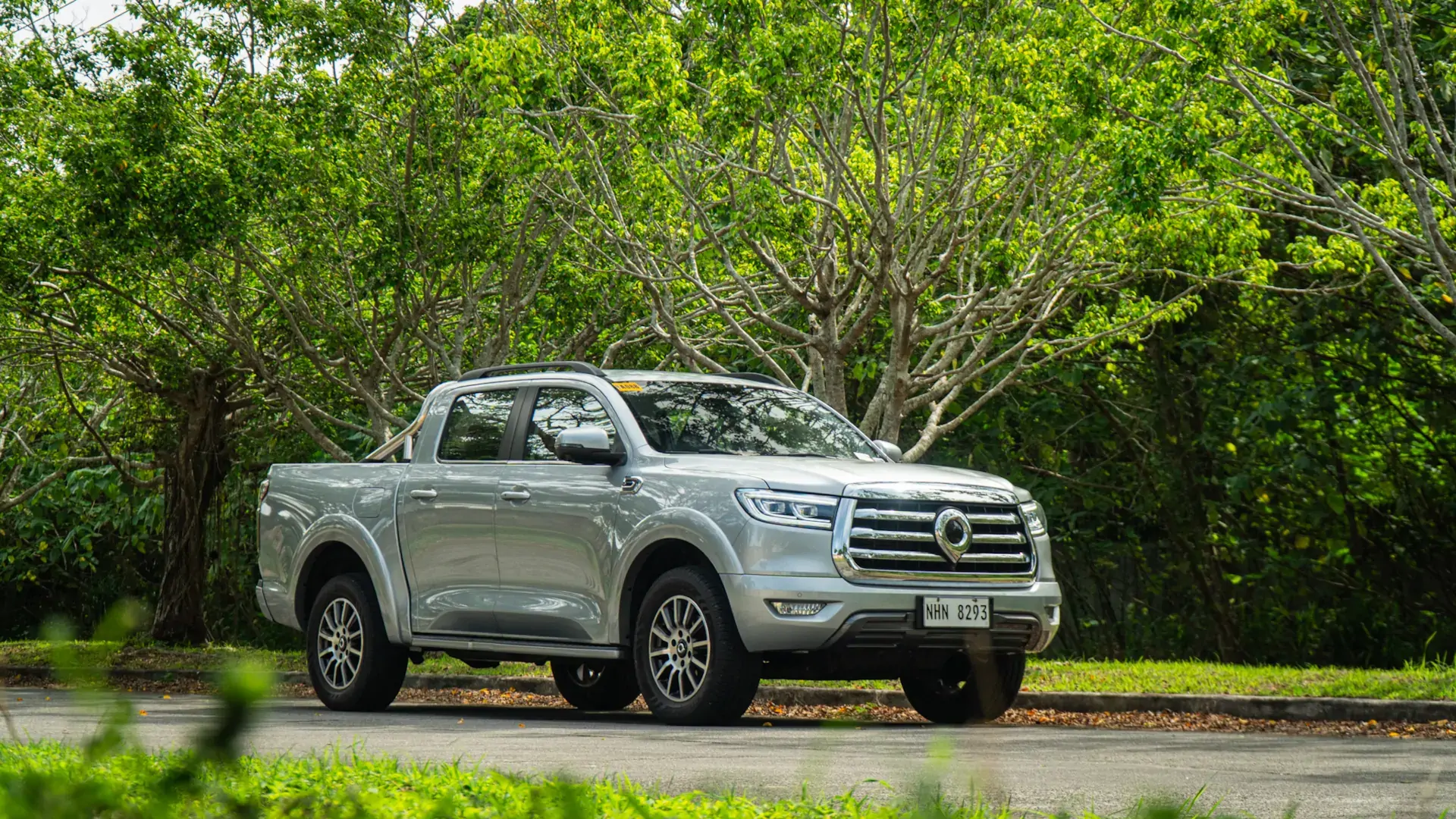
The range-topping GWM Cannon SLux 4x4 AT is a good package at just P1.498 million, making it way more affordable than its Japanese or American rivals. If you’re on a tight budget and you just want to make the most out of every penny, this is arguably a very decent choice.
But if you’re very particular on driving dynamics and ride comfort, this might not be the one for you. I can imagine this as a workhorse, but not as a lifestyle vehicle or a daily driver, for the city or otherwise. I’m willing to compromise on extra technologies and aesthetics if it means I’ll get something that’ll drive well and won’t give me back problems, but not the other way around.
SPECS: 2025 GWM Cannon SLux 4x4 AT
Price: P1,498,000
Engine: 2.0-liter turbodiesel I4
Power: 161hp
Torque: 400Nm
Transmission: 8-speed automatic
Layout: 4WD
Seating: 5
Score: 7.5/10
More photos of the 2025 GWM Cannon SLux 4x4 AT: