
Opinion: Top-spec units are rarely ever the right choice for most car buyers. I’ve reviewed my fair share of cars here at Top Gear Philippines, and I’ve almost always leaned toward the more frugal end of carmakers’ lineups.
Rolling around town in a fully spec’d ride is nice, but I’m not here just to show off all the bells and whistles. At the end of the day, I need to put myself in the shoes of consumers.
Here we have the Honda BR-V VX CVT complete with Honda Sensing. At a cool P1.395 million it’s a sizable jump in cost over the 1.5 S CVT. Should you stick to the base, or is this variant an exception to the rule?
Styling
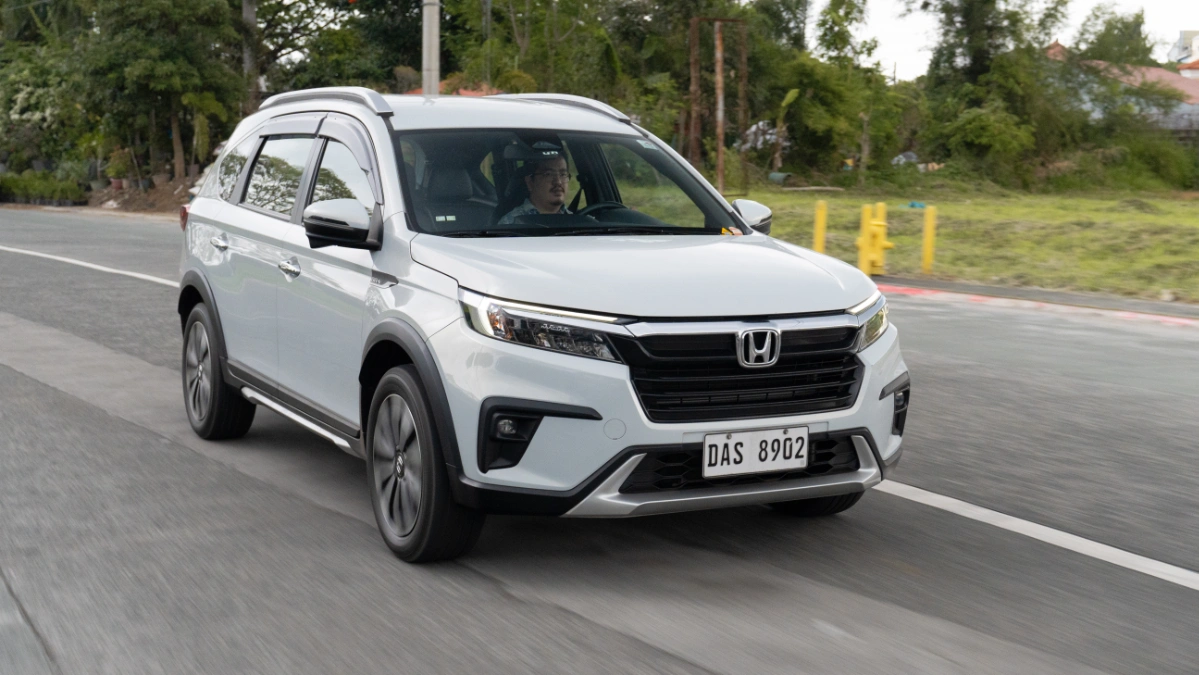
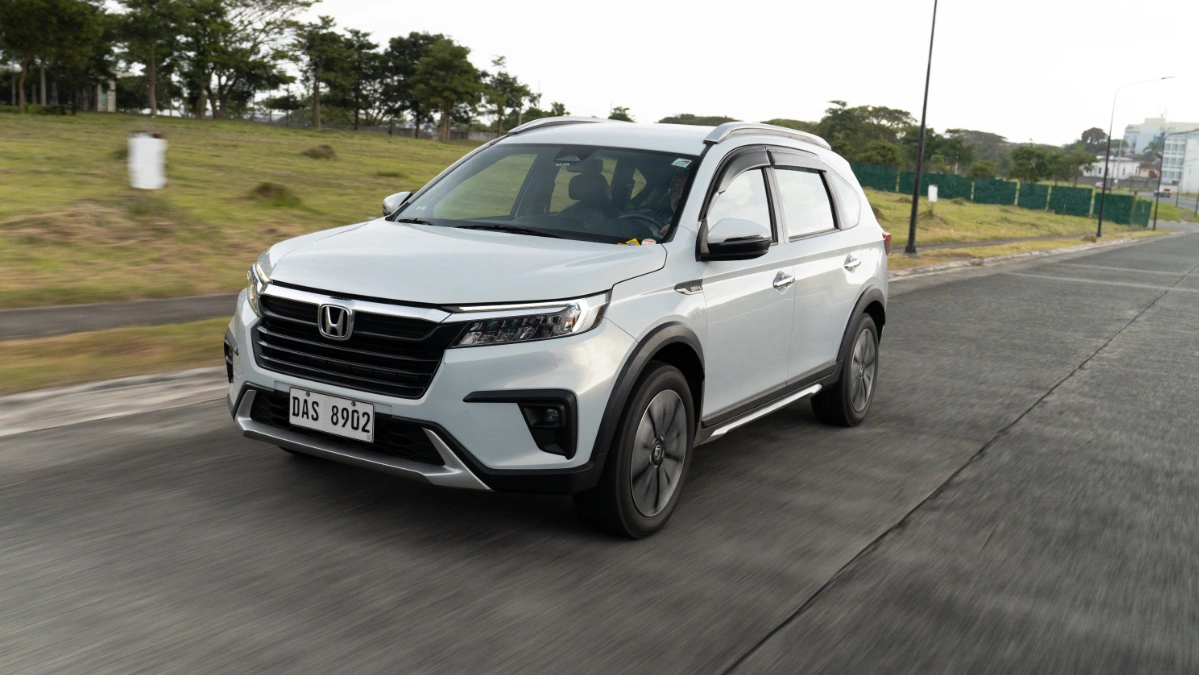
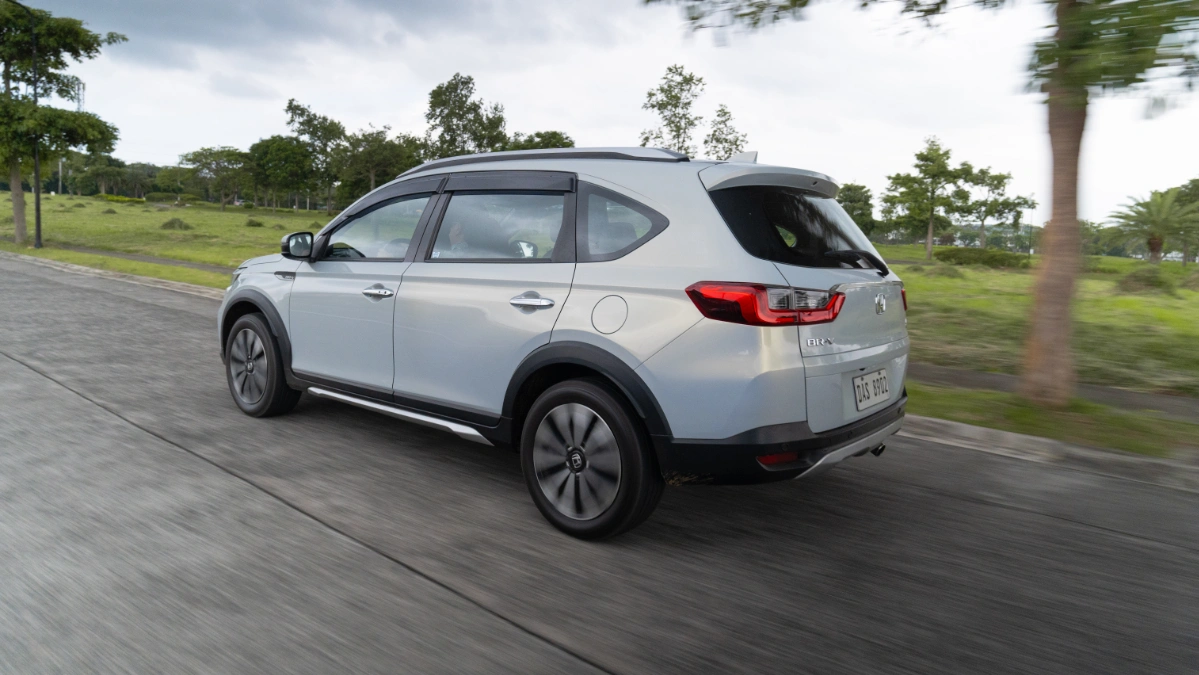
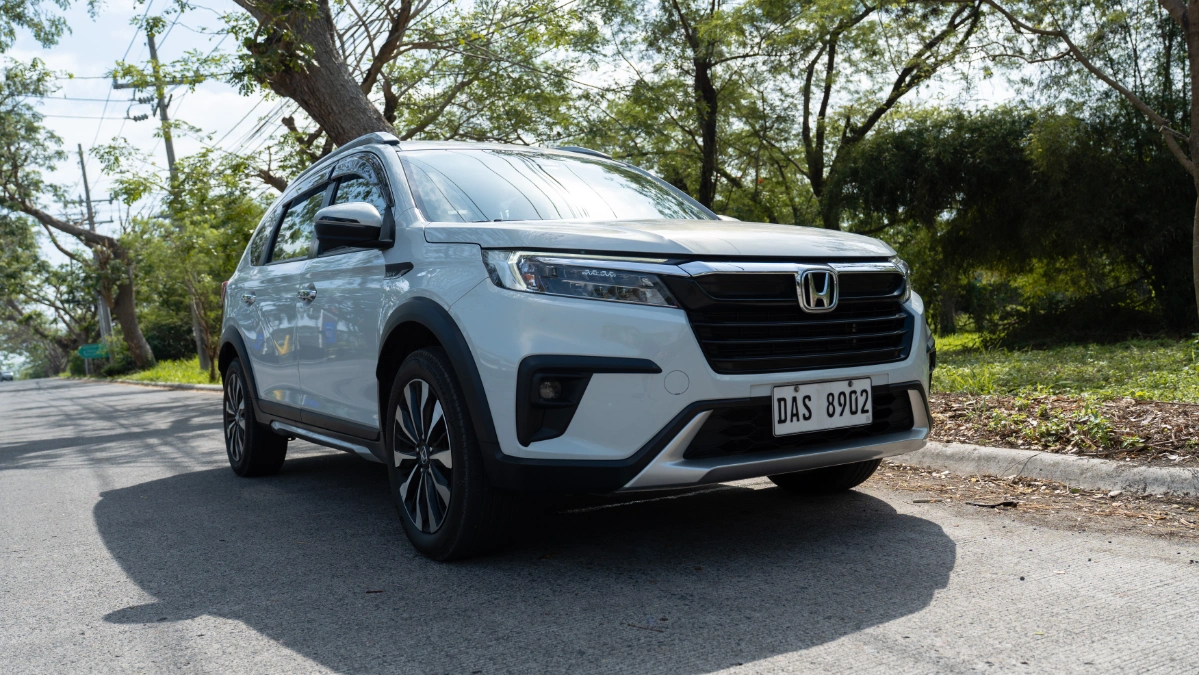
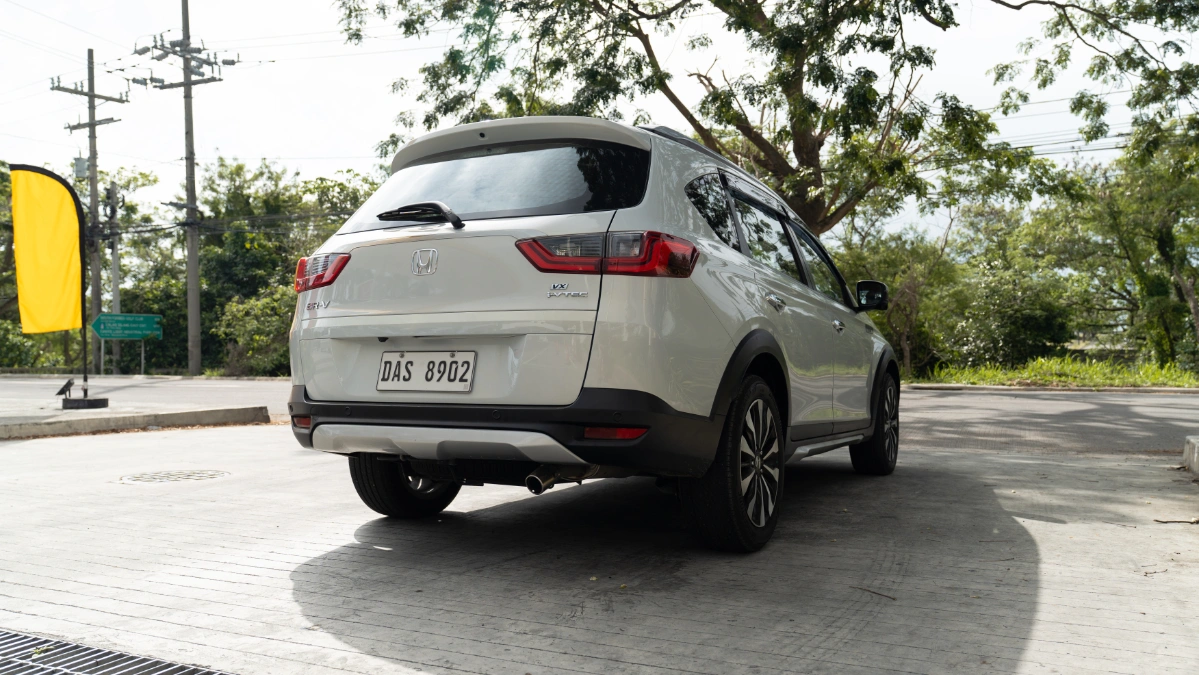
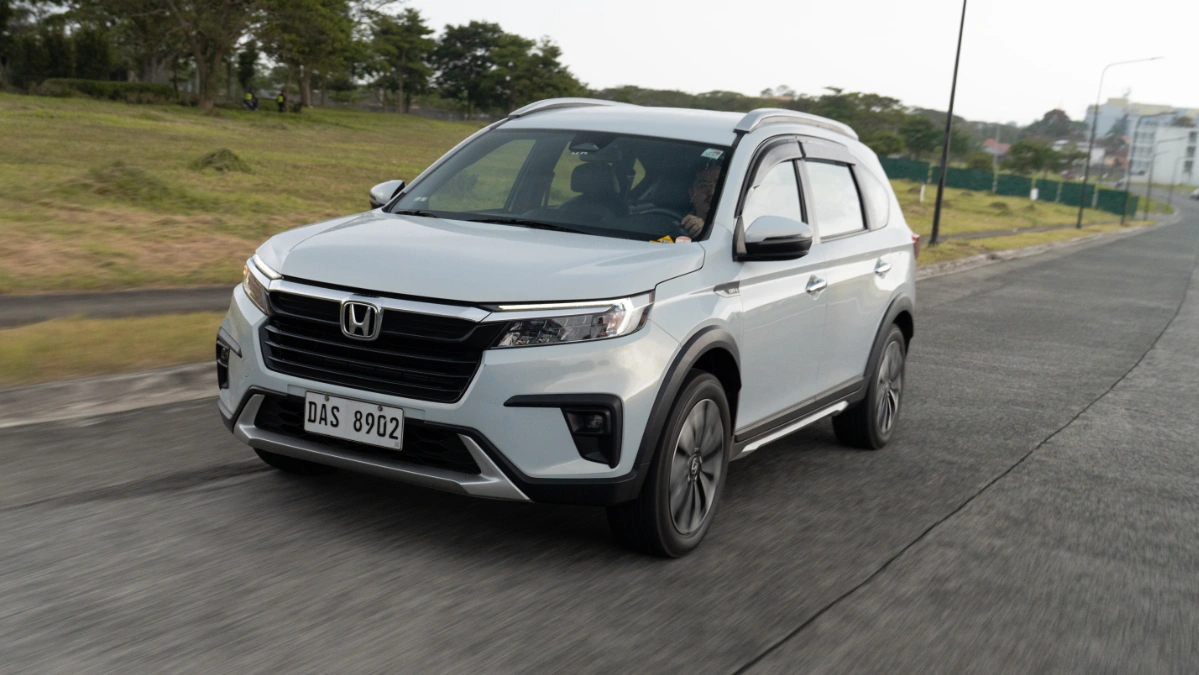
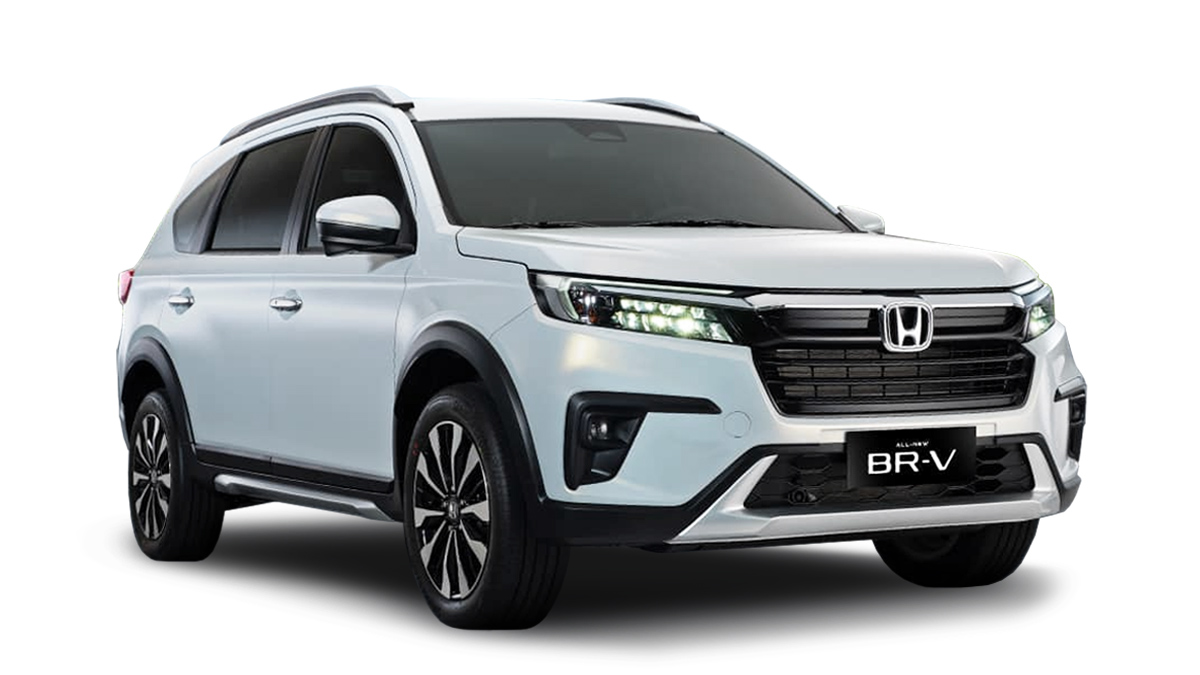
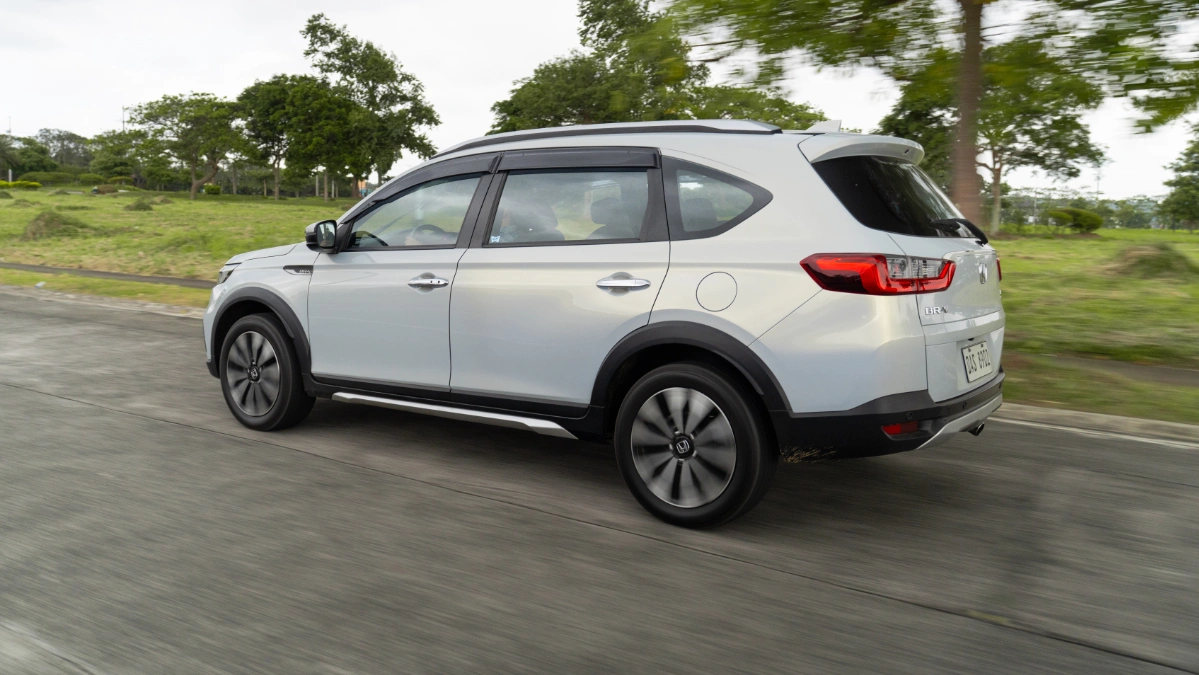
Long story short? This thing still looks like a mini CR-V. A good thing, considering its bigger brother is still one of the most handsome vehicles available.
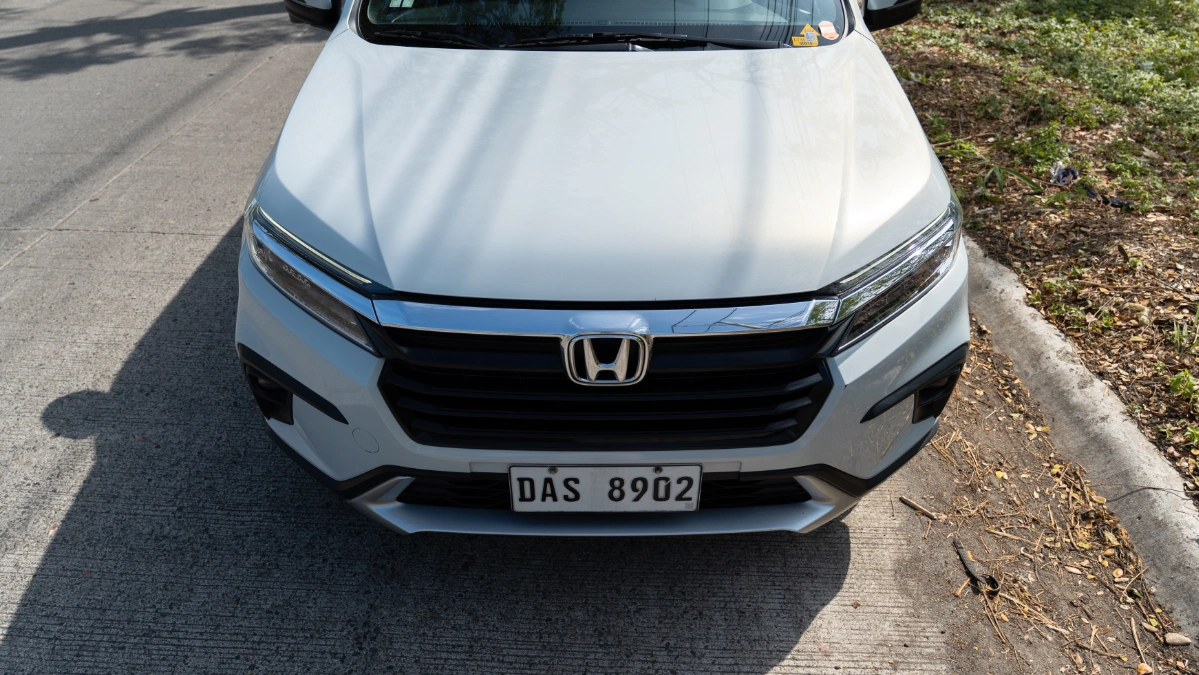
At 4,490mm long and 1,780mm wide, it’s still relatively compact. However, a burly front end, large grille, square-ish headlights, and 207mm of ground clearance lend the vehicle a road presence larger than its on-paper dimensions.
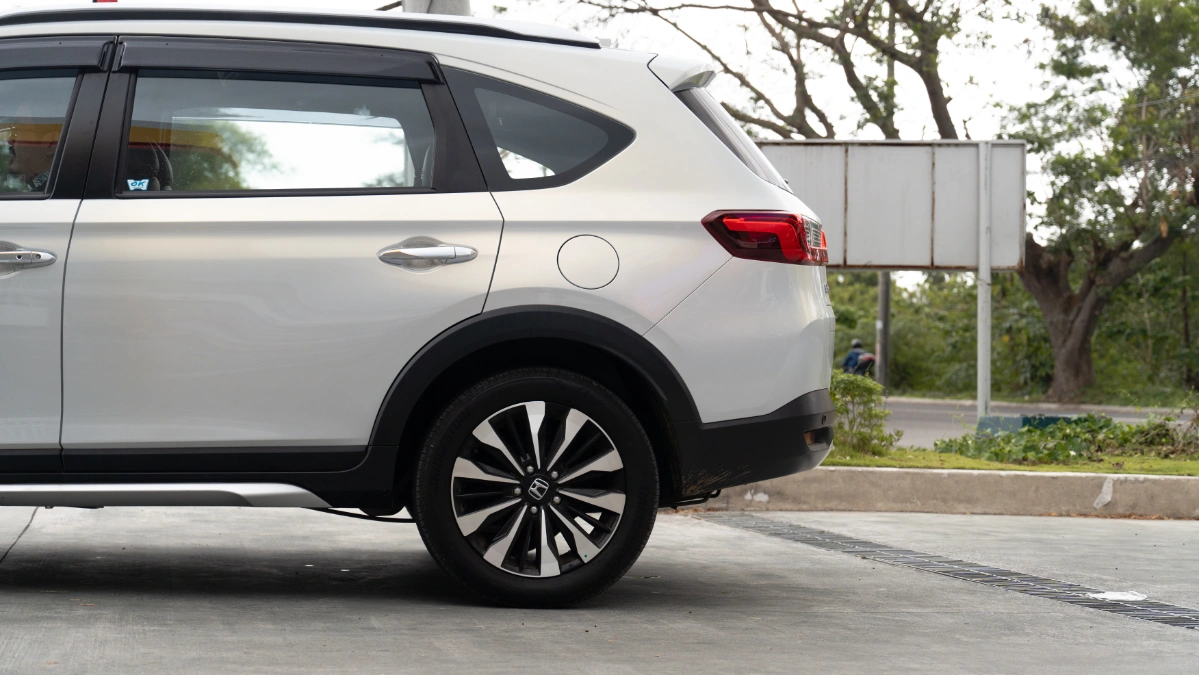
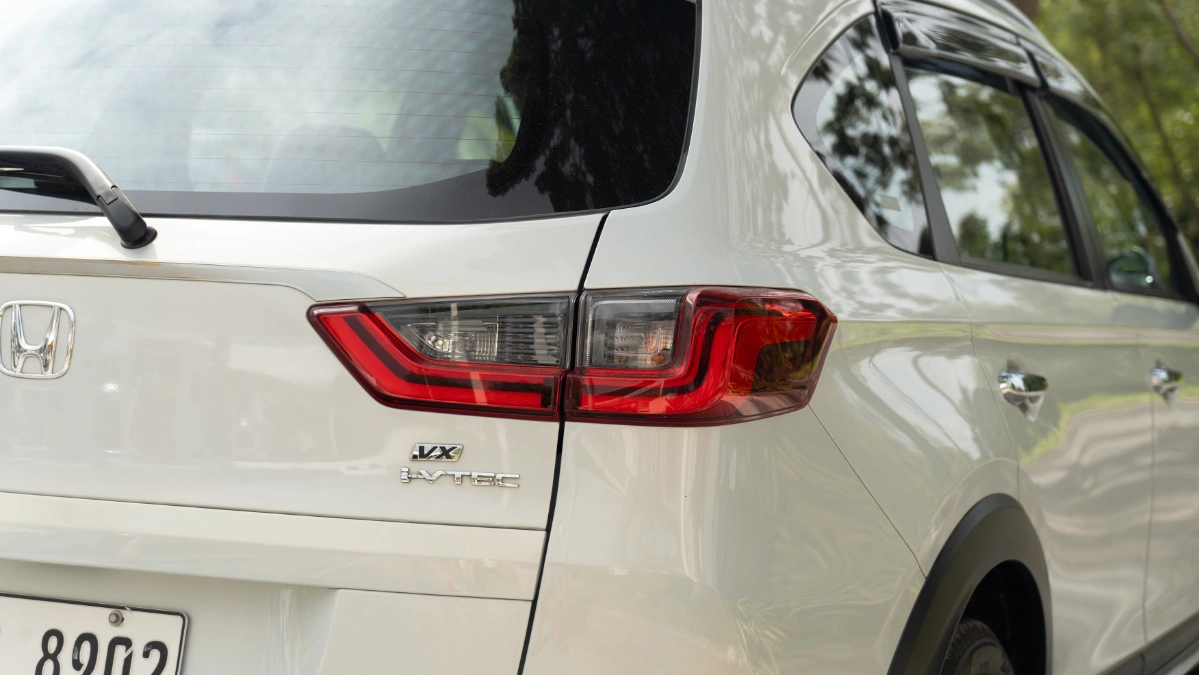
That said, there’s not much that separates this particular unit from the more affordable options in the BR-V lineup. There is some nice matte silver thrown on the front and rear bumpers, window visors, and a gloss black front grille—but that’s about it (at least at a glance).
Interior
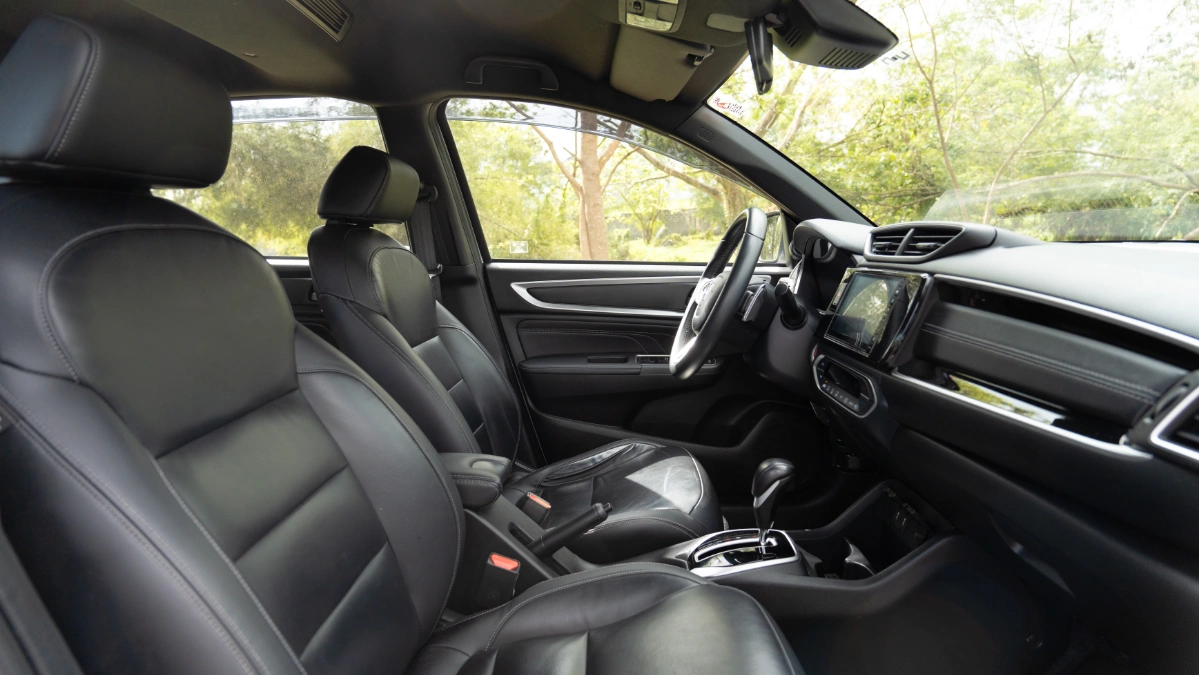
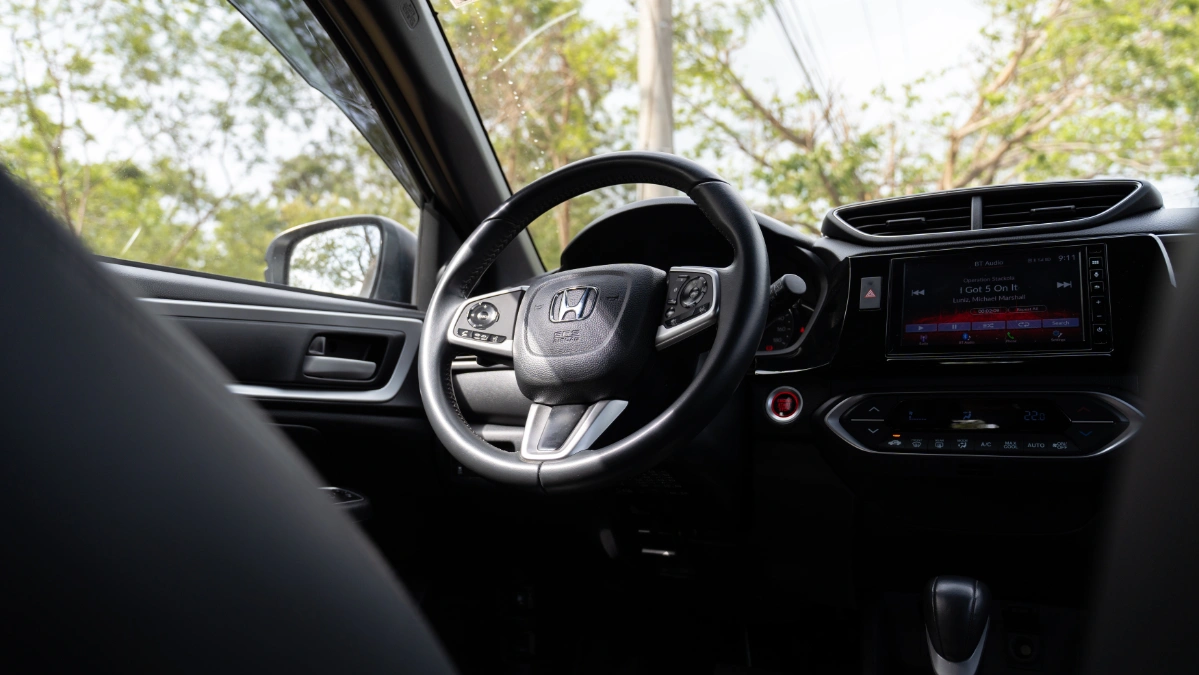
There’s a bit more going on inside compared to the exterior. Sure, everything’s typical Honda once you enter, but there are a handful of upgrades that make the VX CVT interior a nicer environment to be in.
With this unit, you get some nice black leather seats with contrast stitching. The same treatment is applied to the three-spoke steering wheel, dashboard, and center console. If a soft-touch cabin is important to you, this is probably the best option in the range.
Space-wise, it’s decent—good enough for five normal-sized individuals, with the option of squeezing two more in the third row if necessary. I took it down south for a road trip with family over a weekend and heard no complaints regarding roominess.
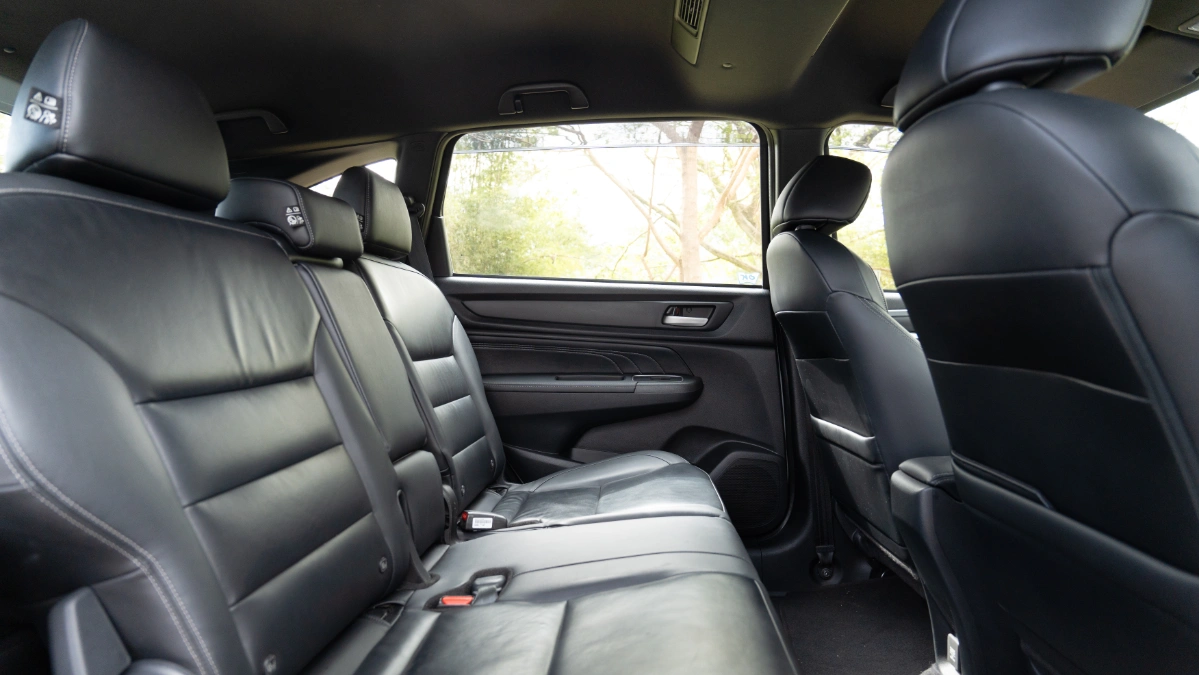
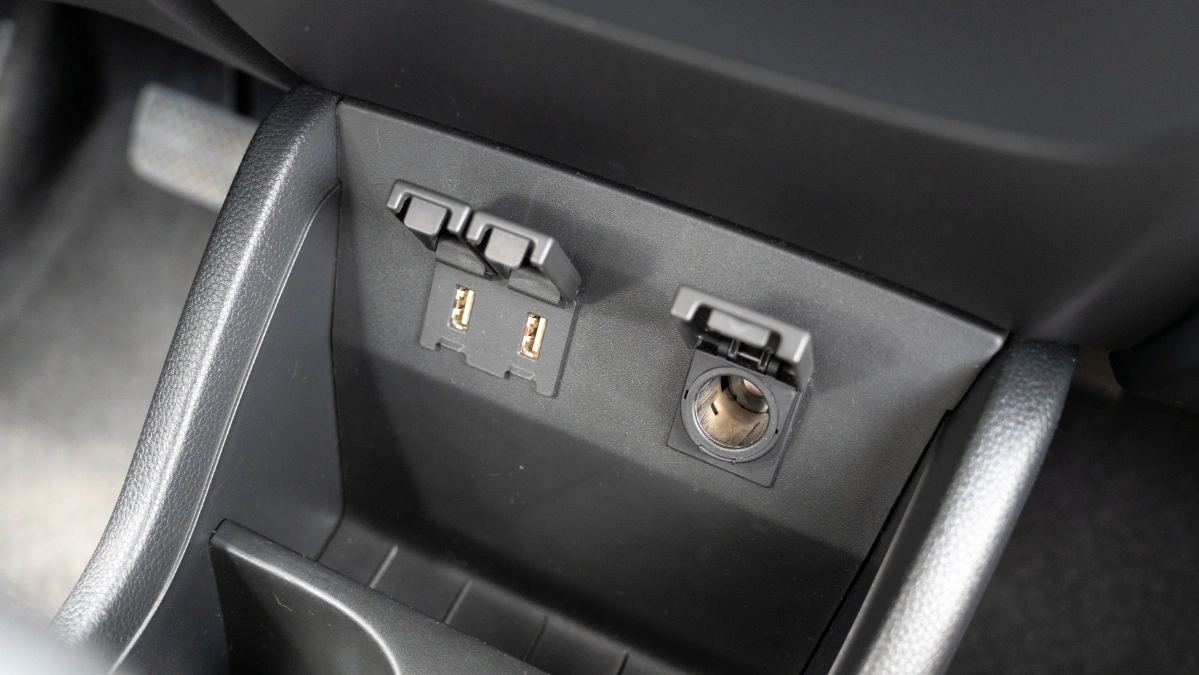
Now, we need to cover some of the rough bits. No telescopic steering wheel adjustment, so you’ll have to make do with moving your seat. Road noise also permeates well into the cabin, though definitely not as much as with the previous-generation model. Oh, and larger cupholders would’ve been nice.
Lastly, the central A/C vent popped out of the dashboard after I drove over a bump. This could be more indicative of the unit’s age rather than poor build quality, but it’s something worth noting.
ALSO READ:
Odd-even scheme, more trains and buses, shared bike lanes: Proposed EDSA rehab project traffic solutions
Hybrids and EVs will be exempted from the EDSA odd-even scheme
Engine Performance
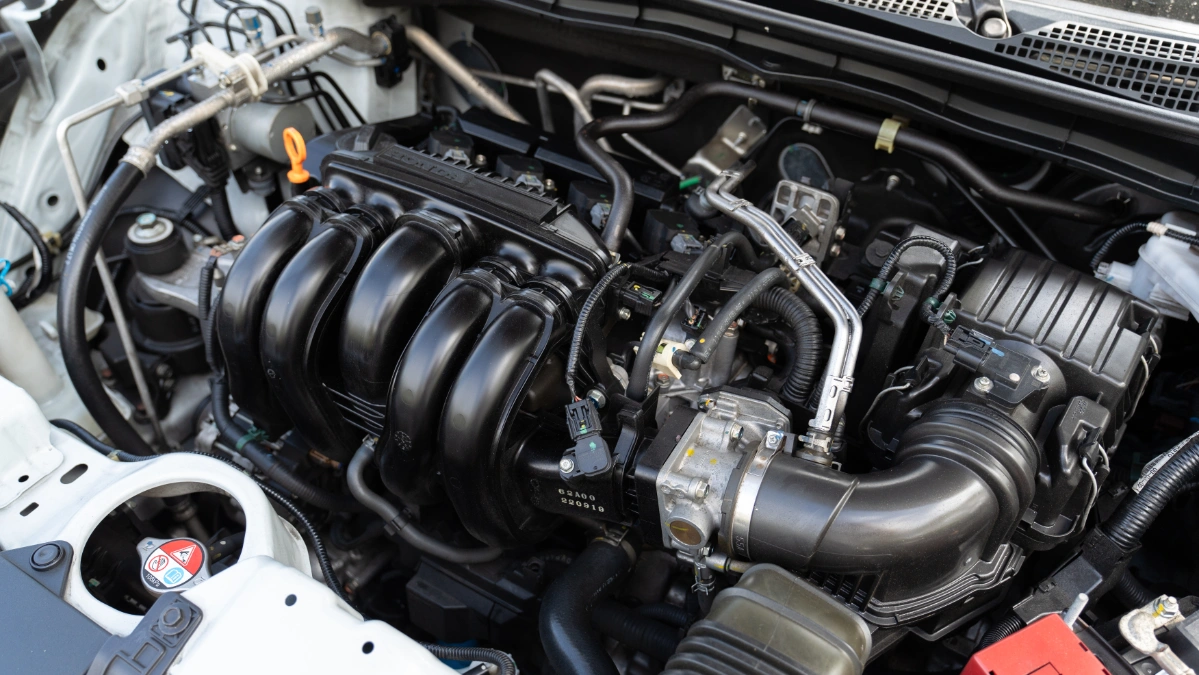
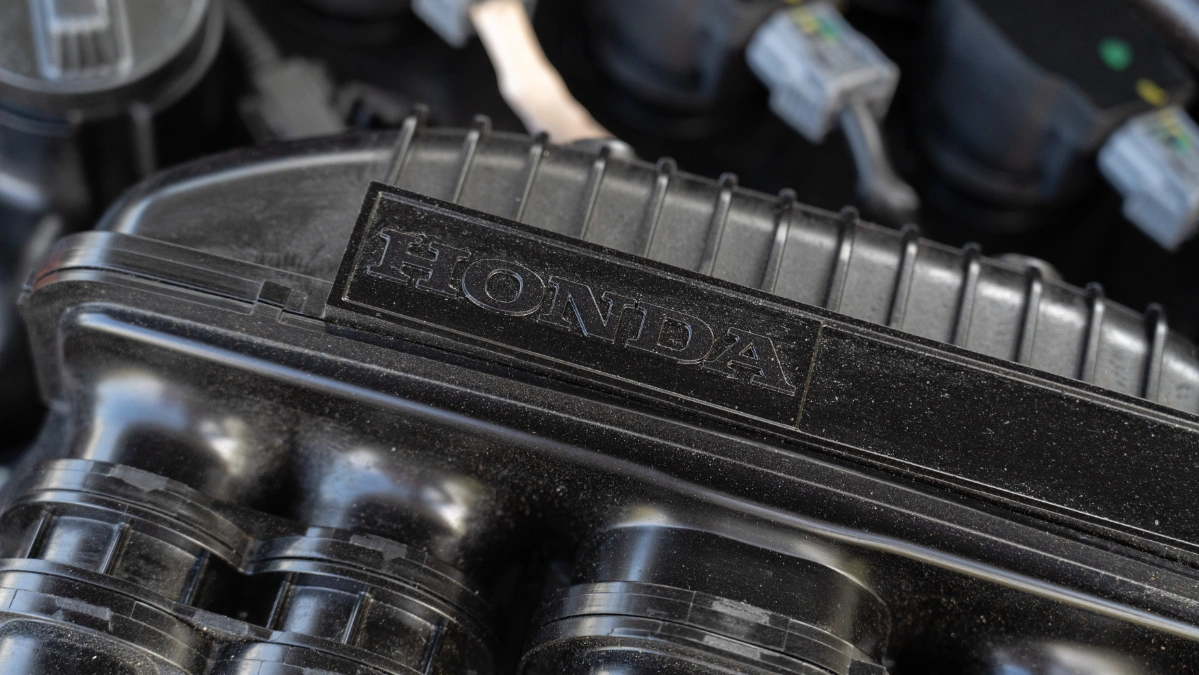
The top-spec Honda BR-V packs a 1.5-liter i-VTEC gasoline engine capable of 119hp and 145Nm of torque—the same output as the Honda City, a subcompact sedan. Don’t let that comparison fool you, though, as this thing is surprisingly sprightly on the expressway. At least for the most part.
Once the vehicle is at full load (five people and a packed cargo area), however, the engine’s pull becomes less apparent. Still, I wouldn’t categorize it as underpowered as it’s still more than capable of overtaking slower vehicles. Again, I have to note that noise, this time from the engine, tends to leak well into the interior.
As far as fuel economy is concerned, I was able to average around 10km/L in mixed driving conditions (though the unit was able to do 13km/L with a full load on the Expressway). The CVT was smooth as well, as I didn’t notice any awkward shifts or performance during my time with it.
Ride and handling
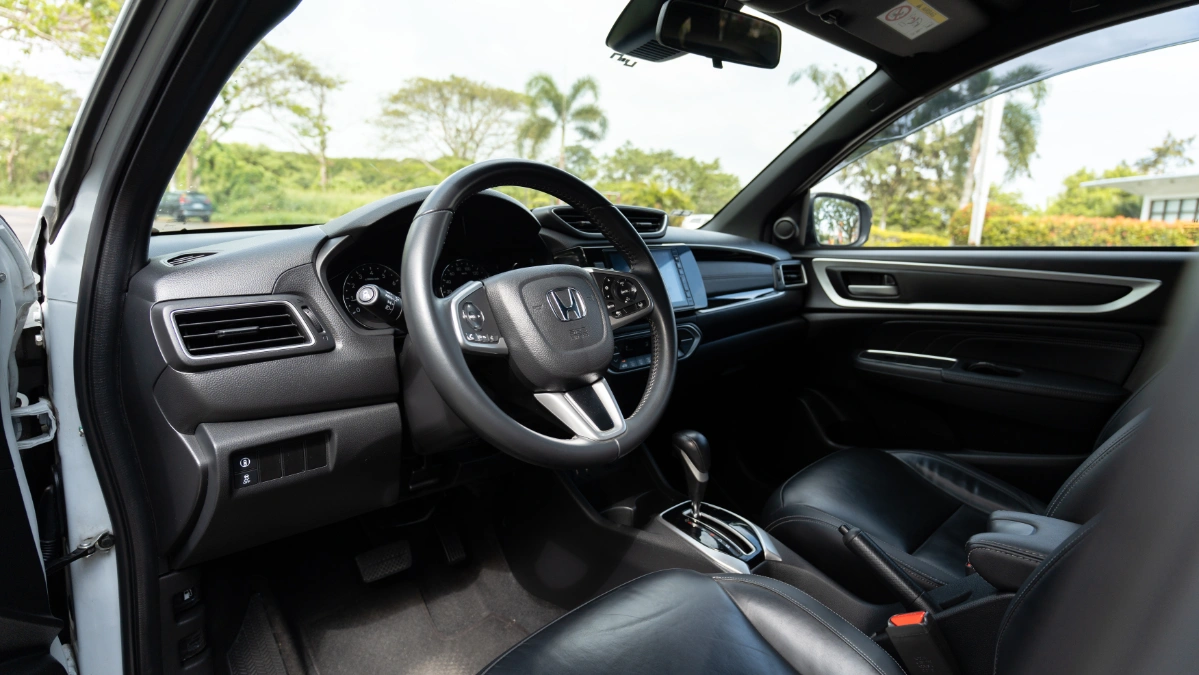
The Honda BR-V’s driving dynamics are perfect for everyday use, with a nicely weighted steering wheel that’s a breeze to handle in city streets while offering a decent feel out on the expressway.
The suspension is capable enough, keeping the ride manageable over regular road imperfections (though you’ll definitely still feel larger ones out on provincial roads). Body roll is also minimal, unless you plan on getting lively behind the wheel.
Extra features
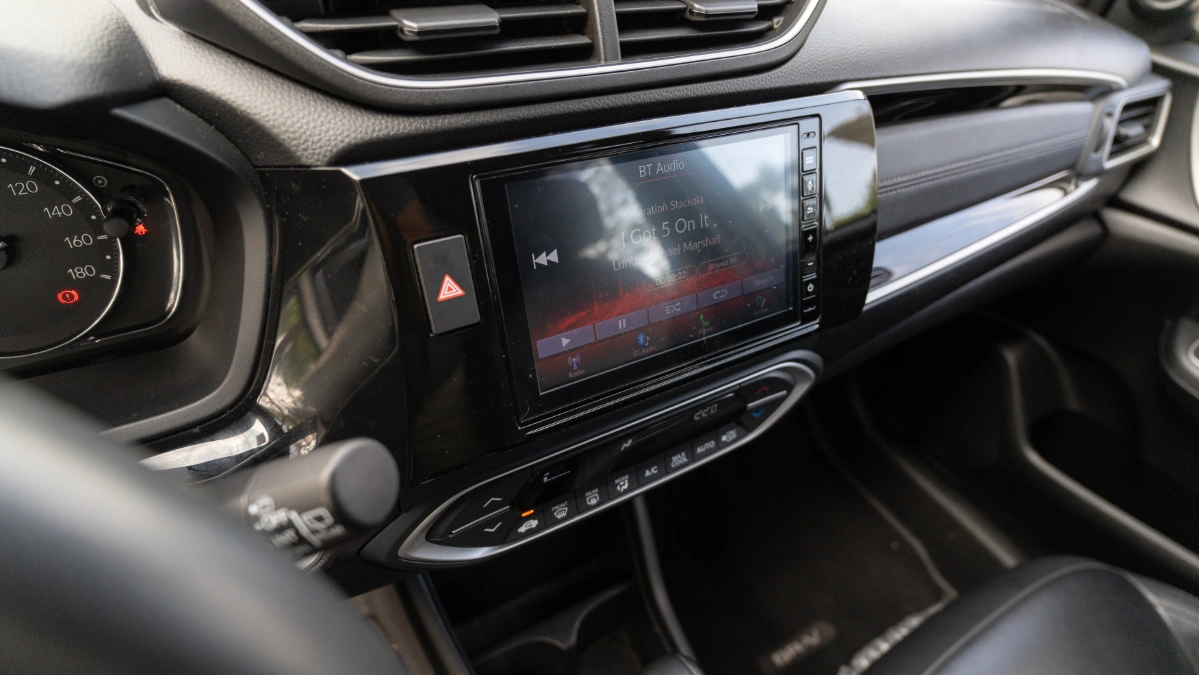
On paper, the top-spec BR-V stands out because it includes the brand’s Honda Sensing safety package. This means owners will get adaptive cruise control, lane keep assist, lane departure warning, automatic high beams, and a collision mitigating system, among other things. If you put a premium on safety, this unit is a no-brainer. Side and curtain airbags are installed in addition to the usual dual front units, too.
The 7-inch touchscreen is decent enough, offering Apple CarPlay and Android Auto mirroring on top of a Bluetooth connection. It courses sound through a six-speaker setup, though the sound quality is about as expected from the segment.
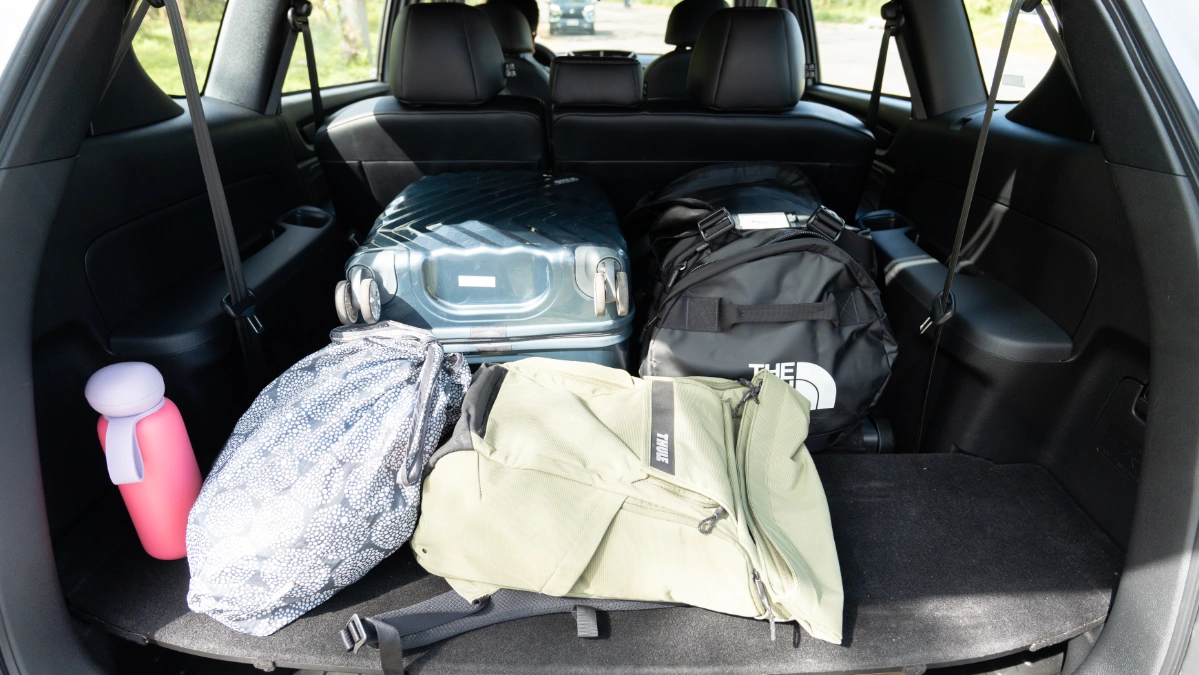
My favorite ‘feature,’ though, has to be the folding third row. With the seats put down, there’s a very good amount of space in the back for all kinds of cargo. You can expand this even further by dropping the 60:40 second row, though I never found myself needing to do so.
Verdict
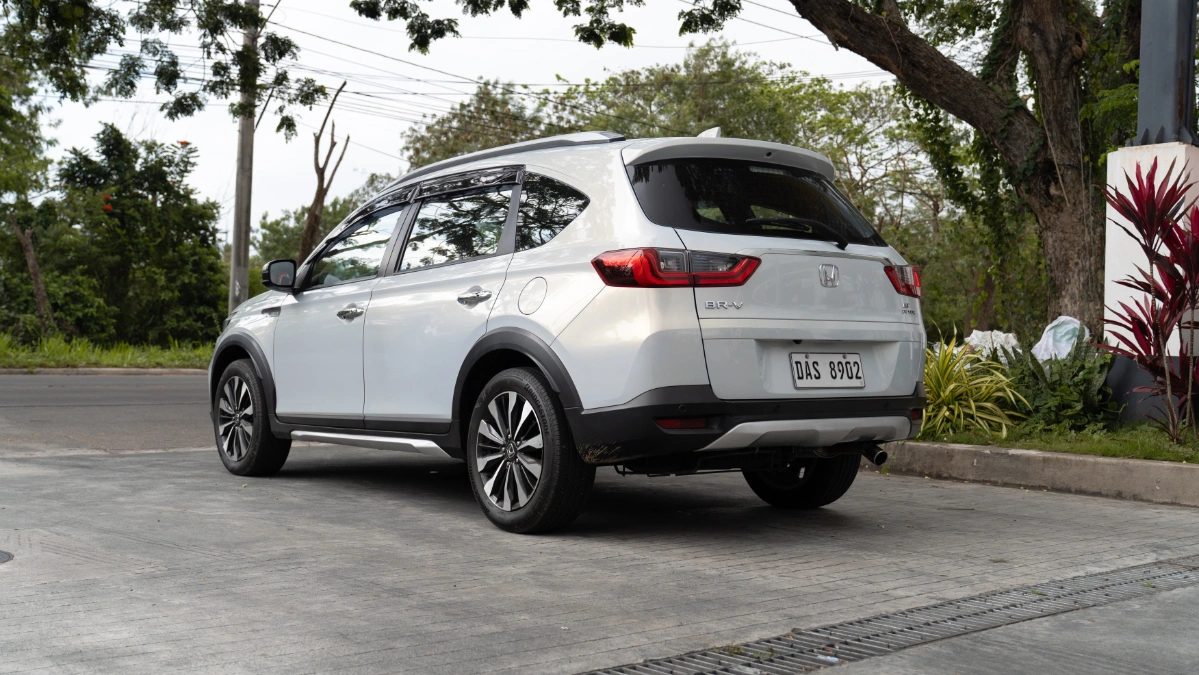
The base offering includes all my favorite bits about this particular unit—the practical steering dynamics, great design, utilitarian interior, and minimalist cabin. If you’re looking to be more frugal with your next vehicle purchase, I suggest you move down a variant or two.
That said, the top-spec version makes a great case, with safety features befitting its more premium price tag. It also features a plusher cabin made of higher-quality materials.
Saving money? I suggest the base Honda BR-V 1.5 S CVT at P1.155 million. Have money to splurge? Get this.
SPECS: Honda BR-V VX CVT 2025
Price: P1,395,000
Engine: 1.5-liter gasoline
Power: 119hp
Torque: 145Nm
Transmission: Continuously variable transmission
Layout: FWD
Seating: 7
Score: 7/10
More photos of the Honda BR-V VX CVT 2025: