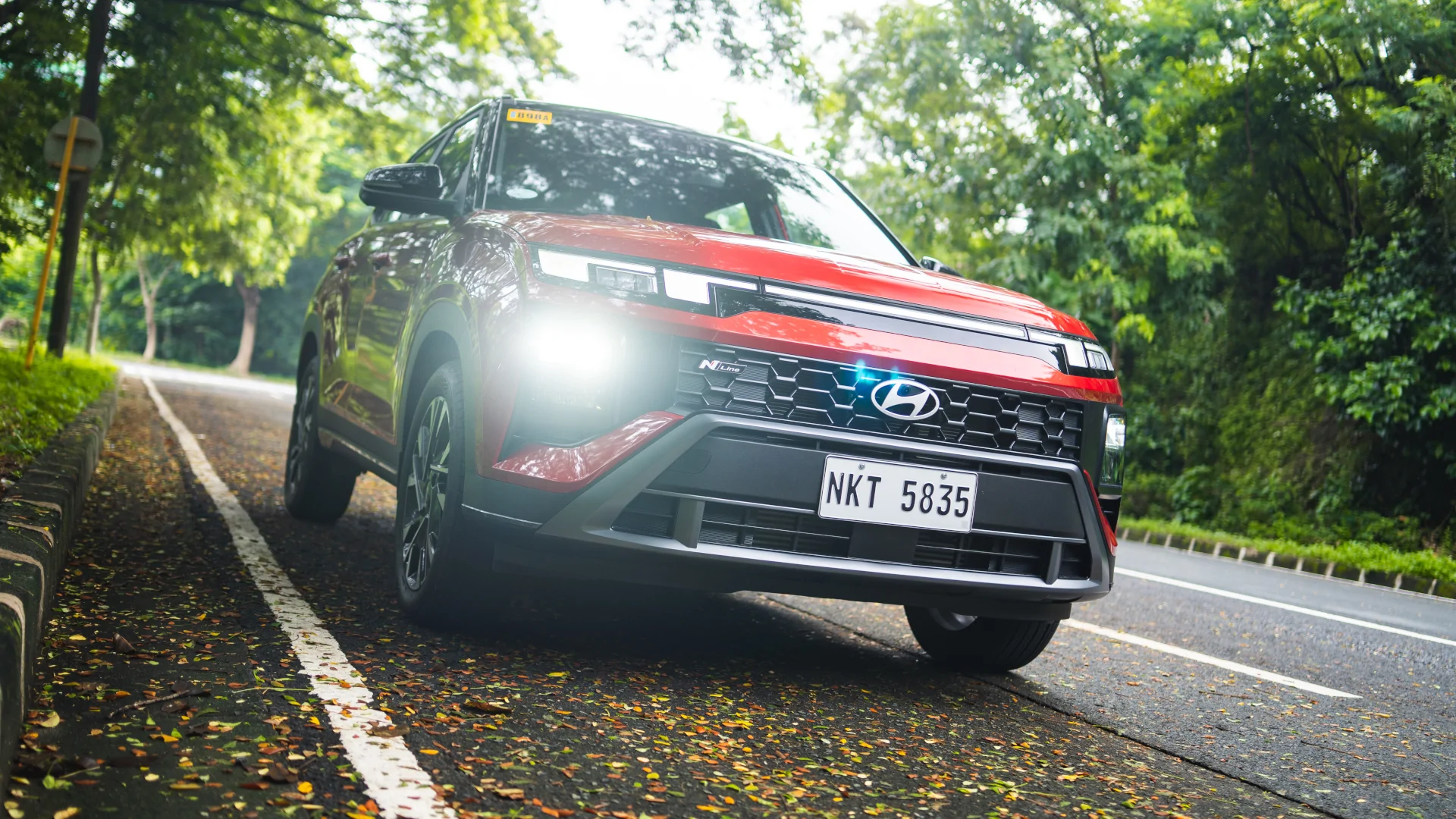

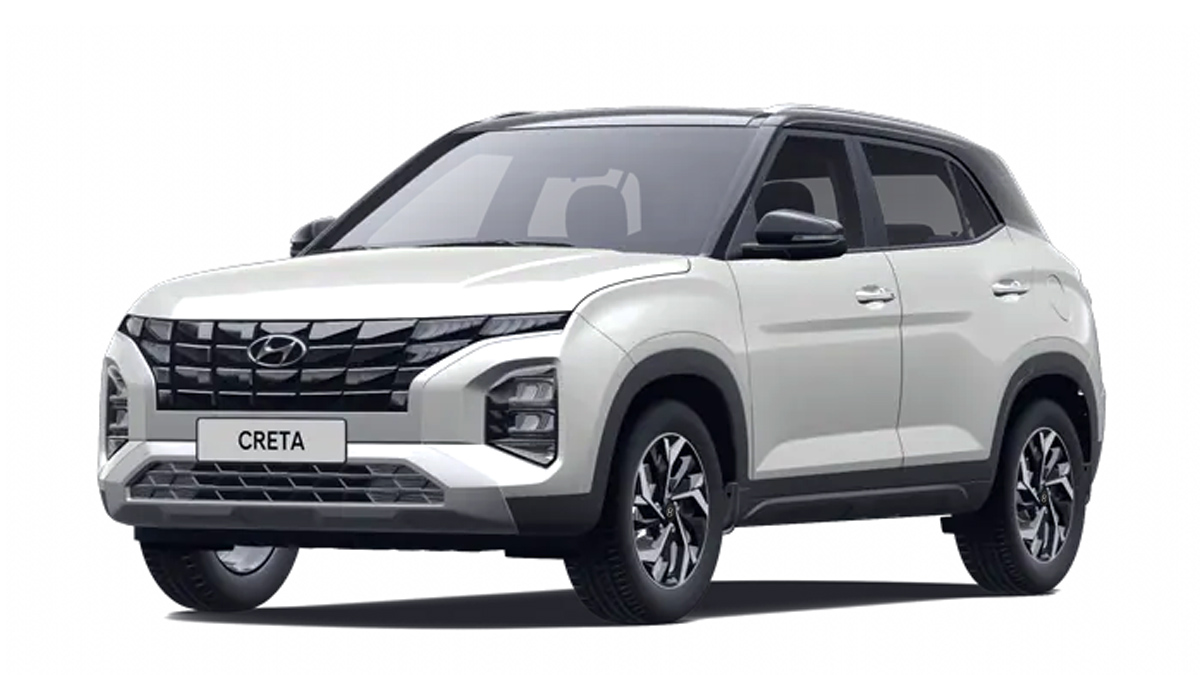
It wasn’t a surprise that the Creta was one of the first new offerings from Hyundai Motor Philippines when the brand was relaunched in our market. In a country that’s crazy for crossovers, it was a no-brainer.
That was why we were also expecting Hyundai to bring in the facelifted model, which it did earlier this year. What we didn’t see coming, however, was the arrival of the Creta N Line—the range-topping turbocharged variant.
I was able to review the pre-facelift model, and I liked that one, so I have high expectations of this new turbocharged N Line. Is the new powertrain plus all the bells and whistles that come with the package worth the added premium? Let’s discuss.
CHECK OUT OTHER REVIEWS OF SIMILAR MODELS:
Review: 2025 BYD Sealion 5 DM-i
Review: 2025 Toyota Corolla Cross GR-S HEV
Styling
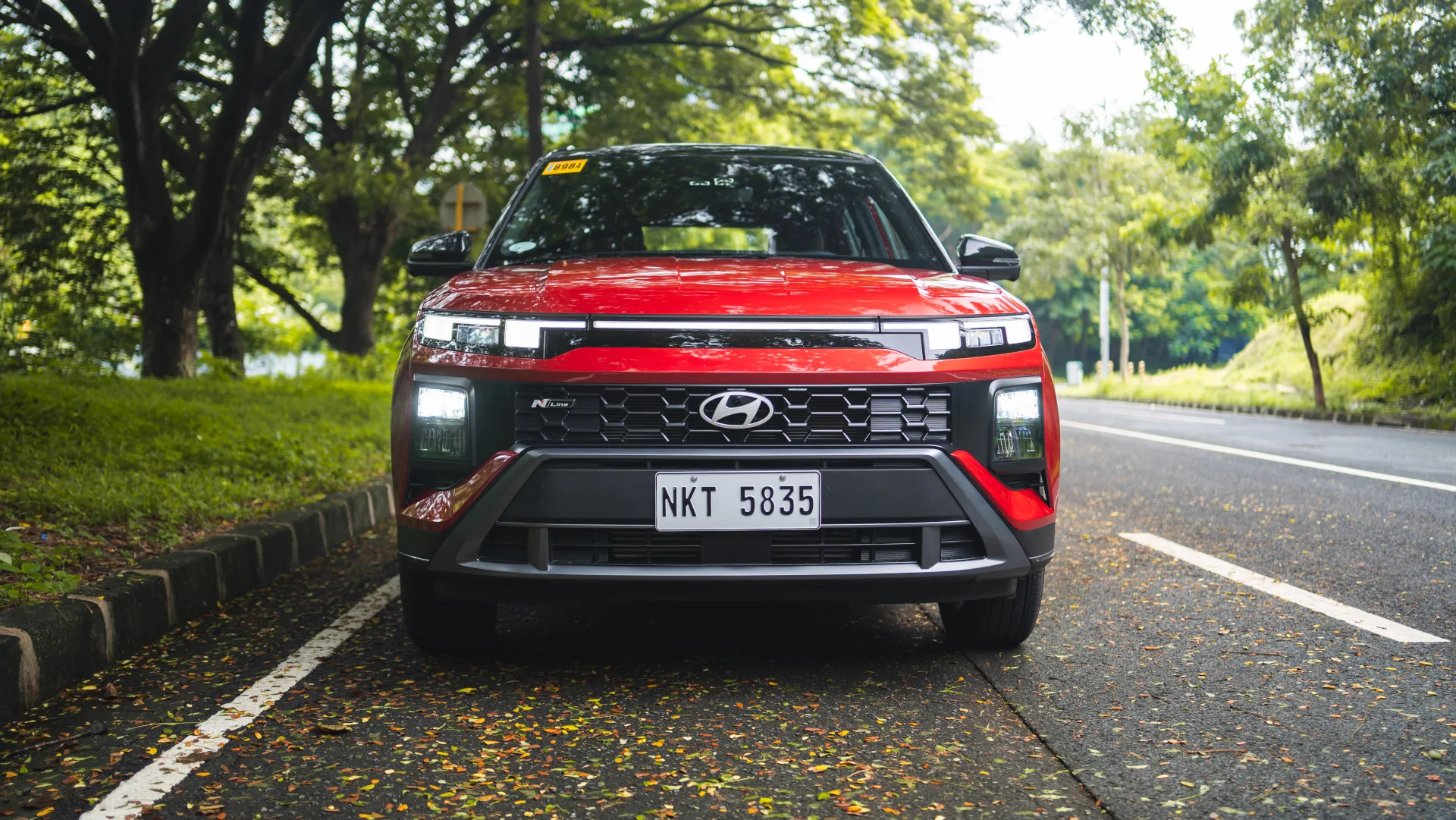
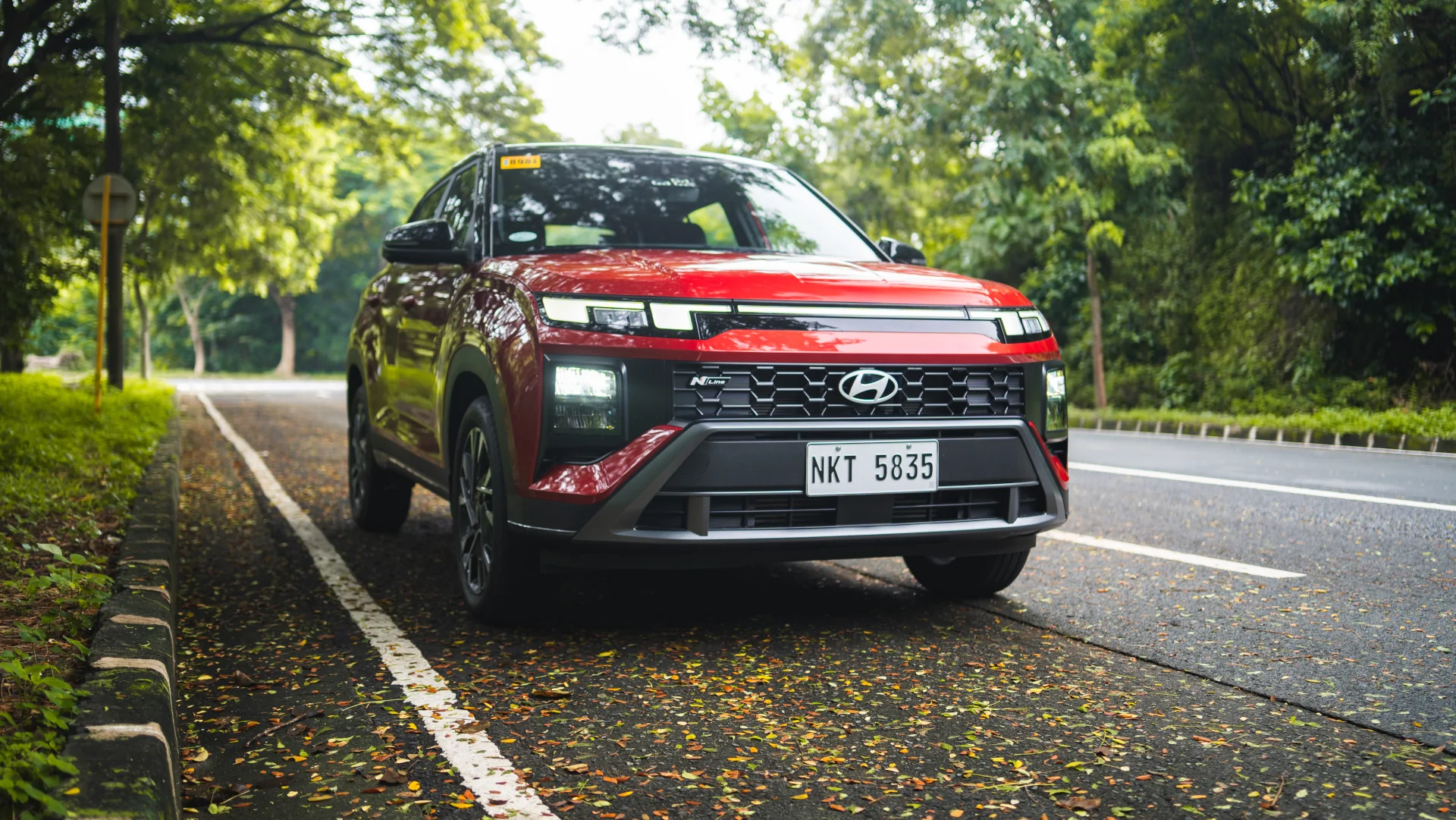
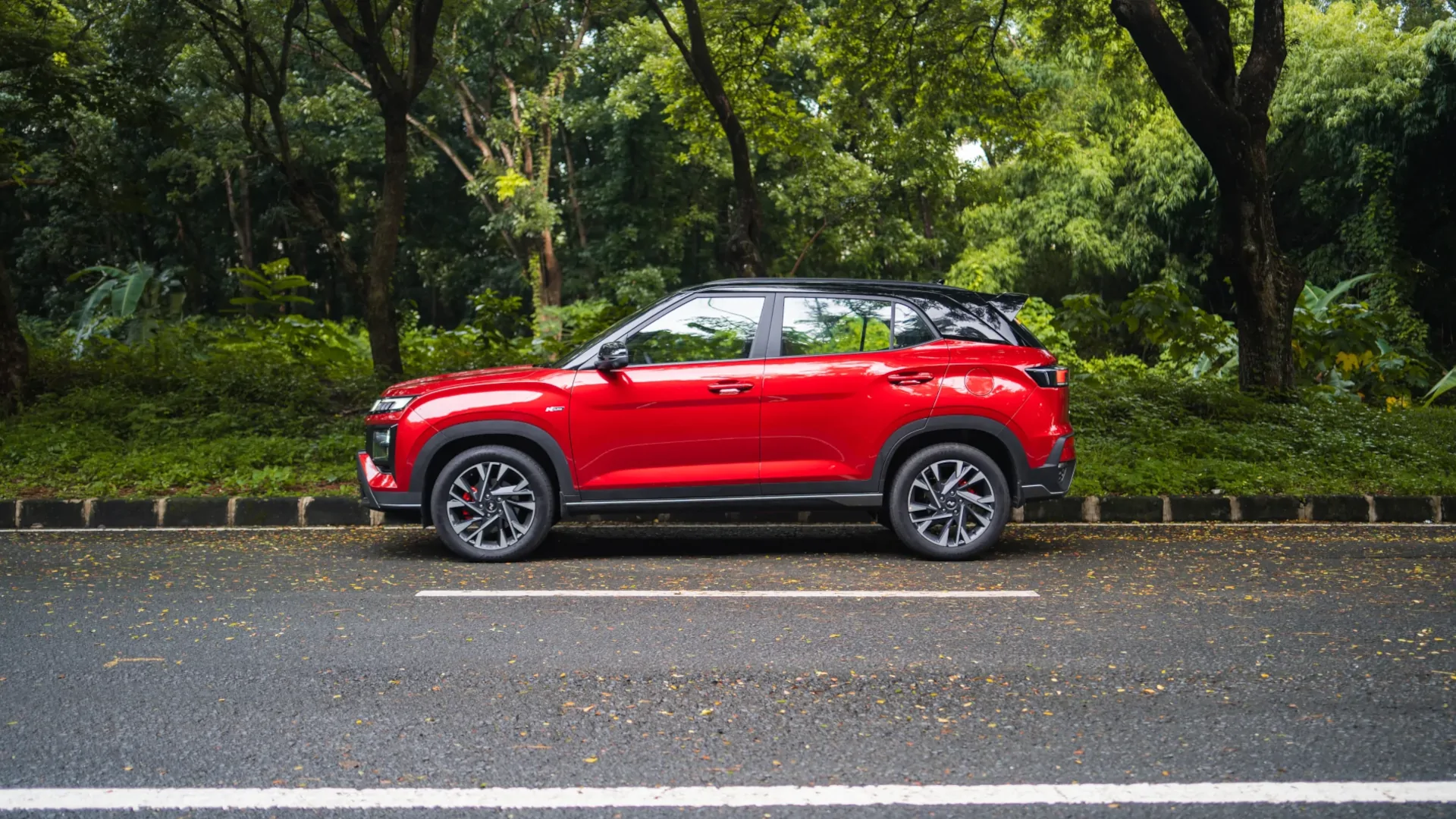
The Creta has always been a good-looking crossover in my eyes. The facelift, however, takes the styling up a notch and addresses all the design-related gripes I had with the previous model.
For starters, I like how the front clip looks way beefier now. It also looks more like a modern Hyundai, thanks to the large lightbar atop the wide grille. It’s got way more road presence than ever.
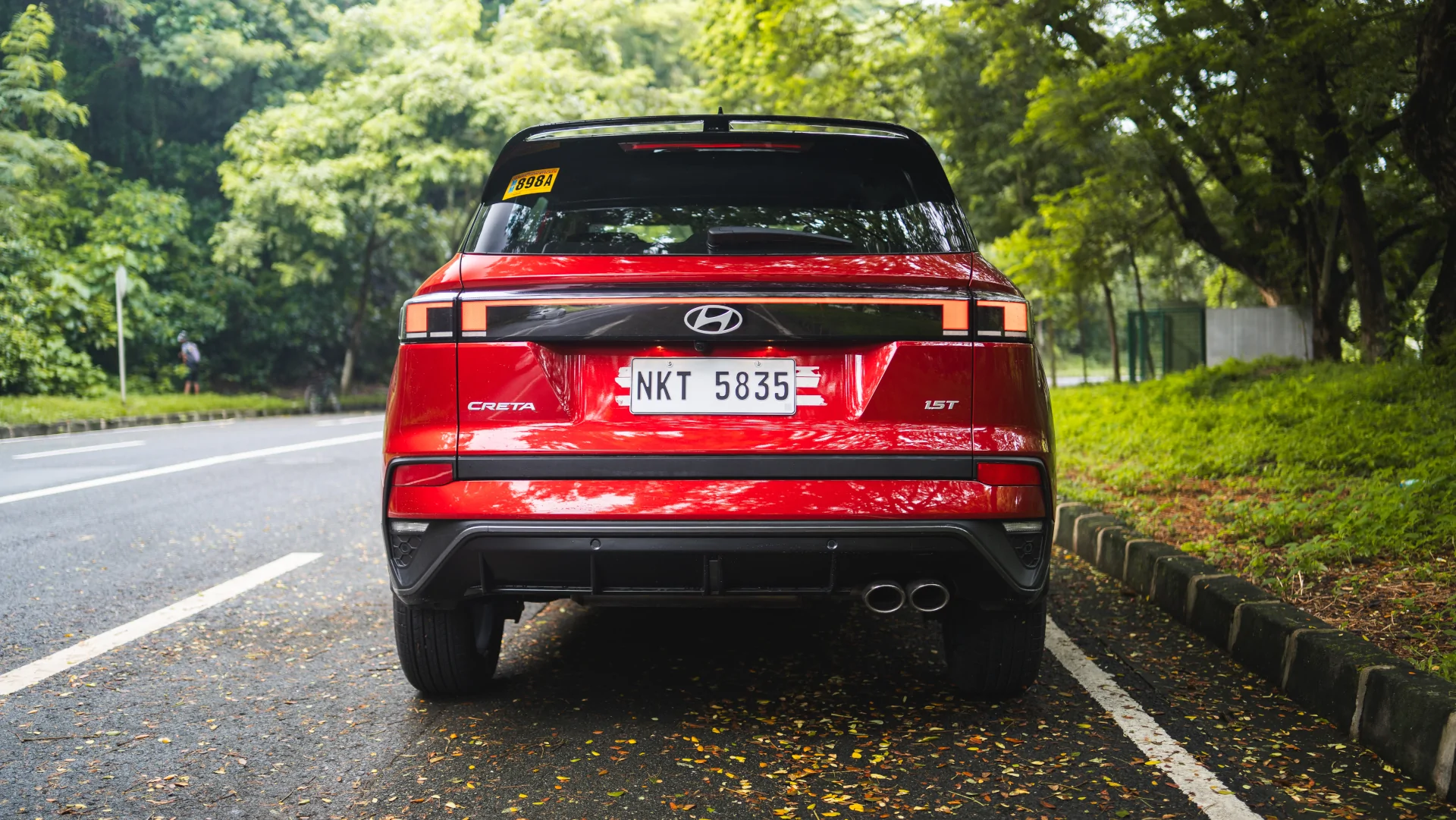
The rear has also been reworked—or in my opinion, “fixed”—with a tailgate that matches the front end quite nicely. Gone are the taillights that look like the car just got rear-ended and was left with bits of plastic scattered on its behind. I’ve always found it “off-putting,” as I said in my previous review. But at least now, it not only has been improved—it actually looks pretty good from the back, with the new light signature and the added plastic trim here and there.
Interior
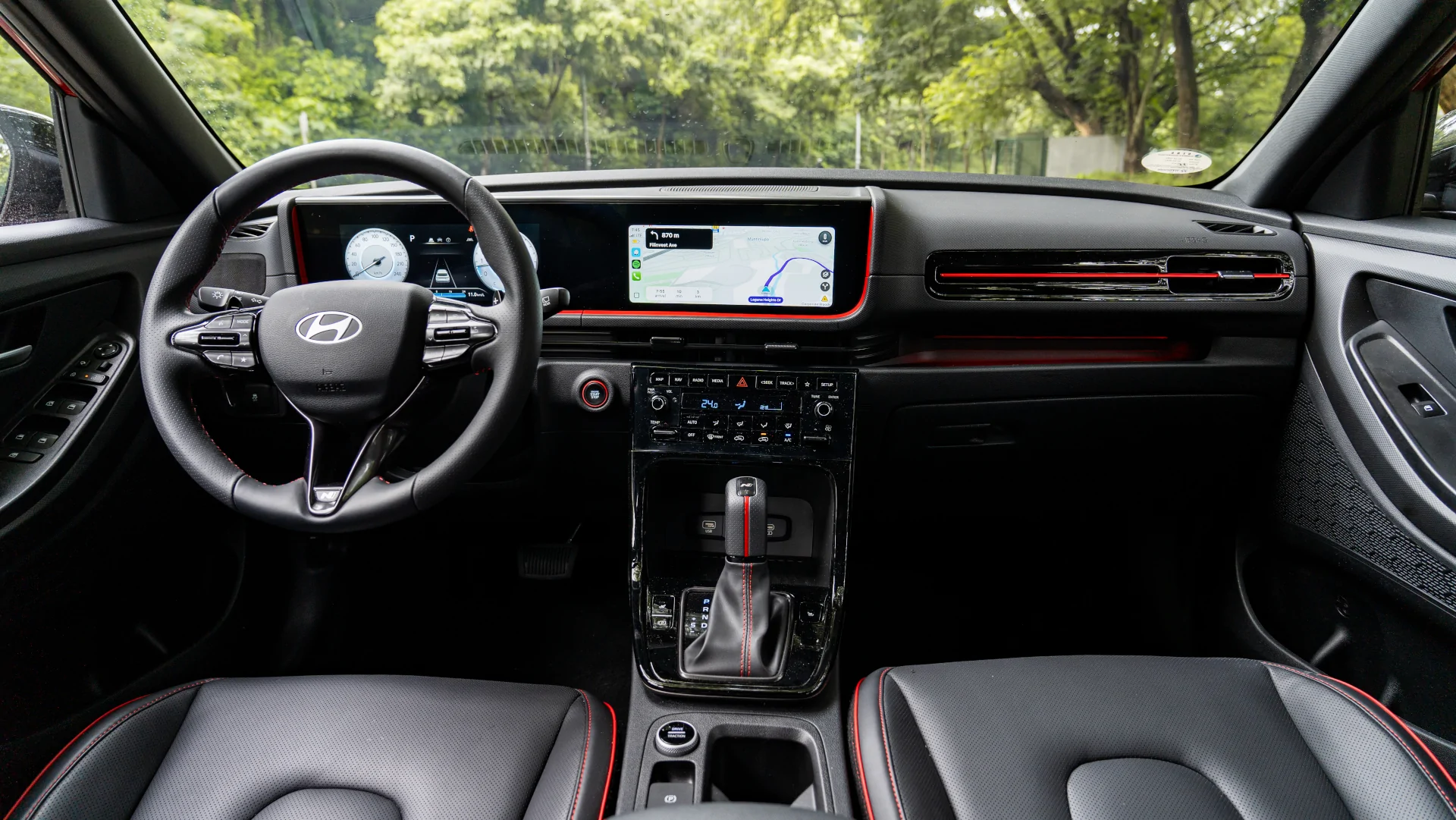
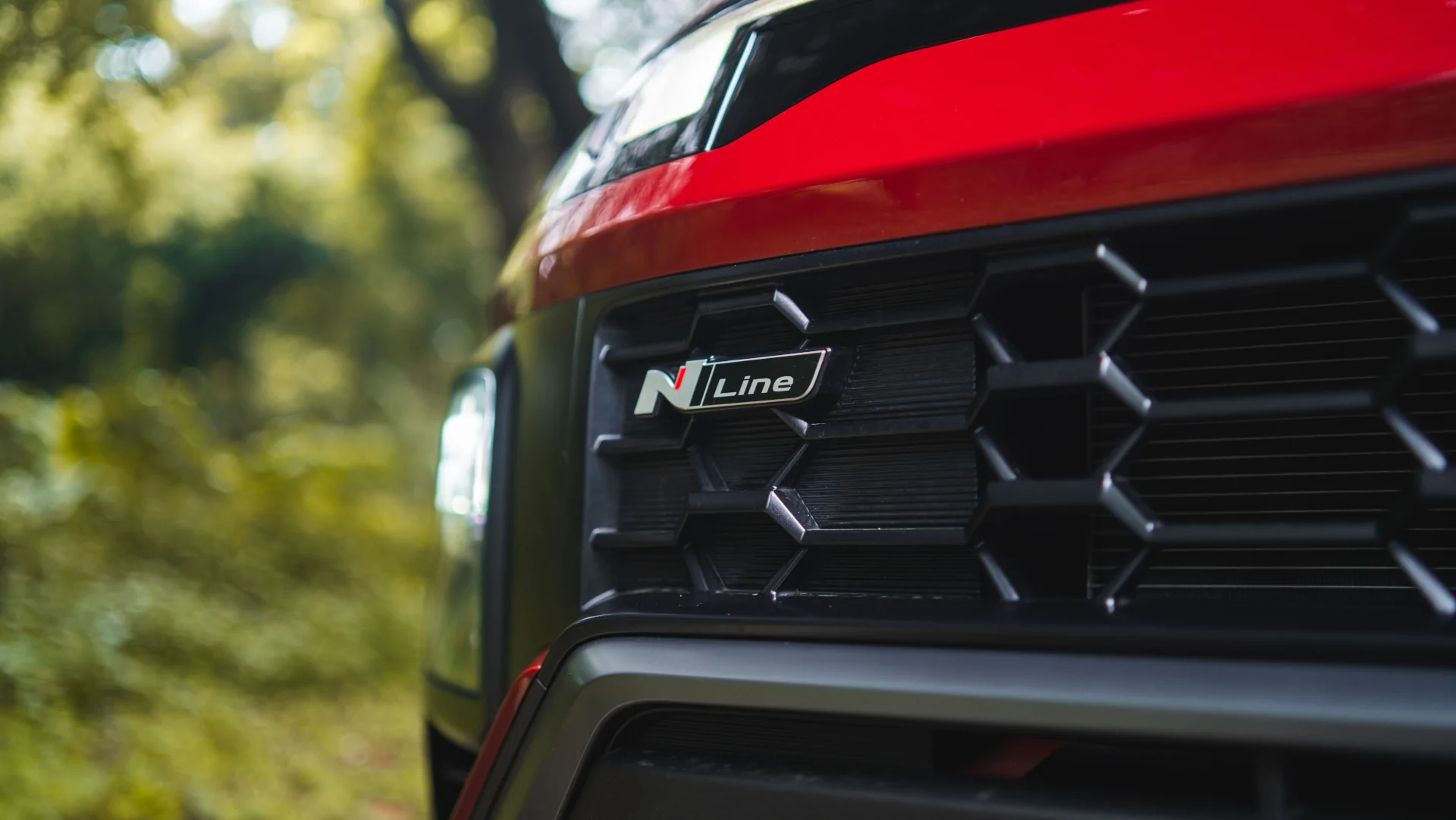
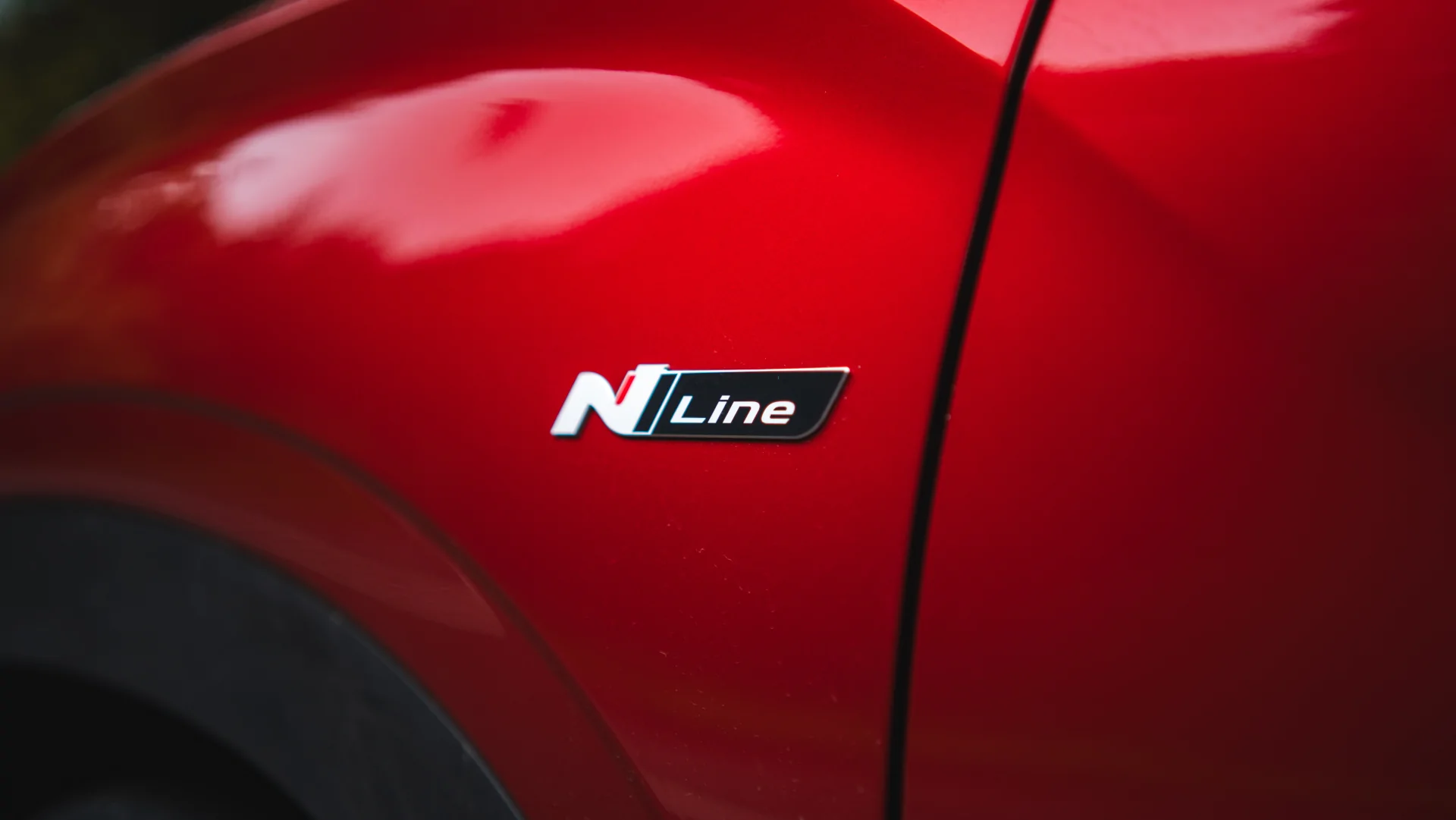
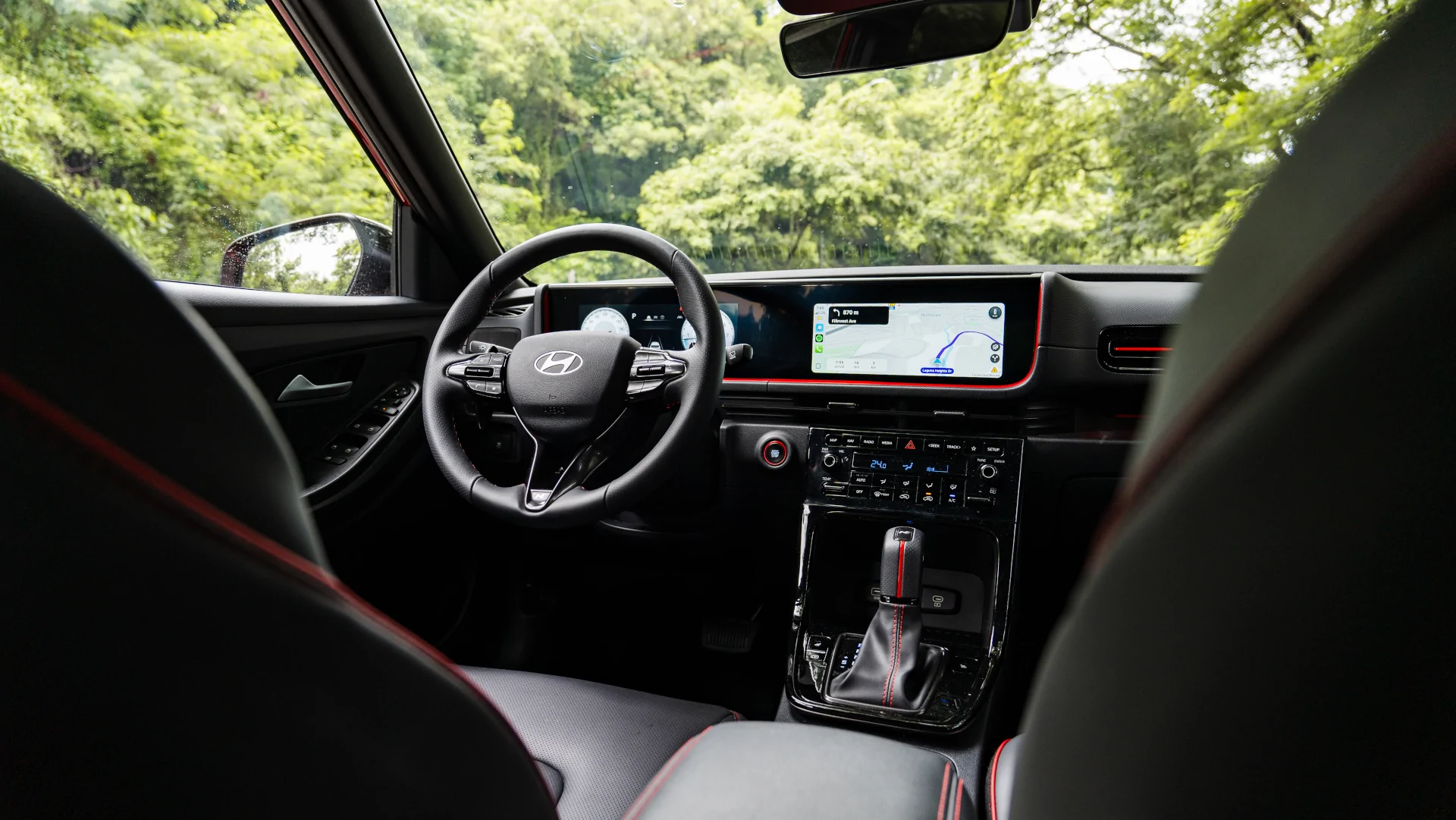
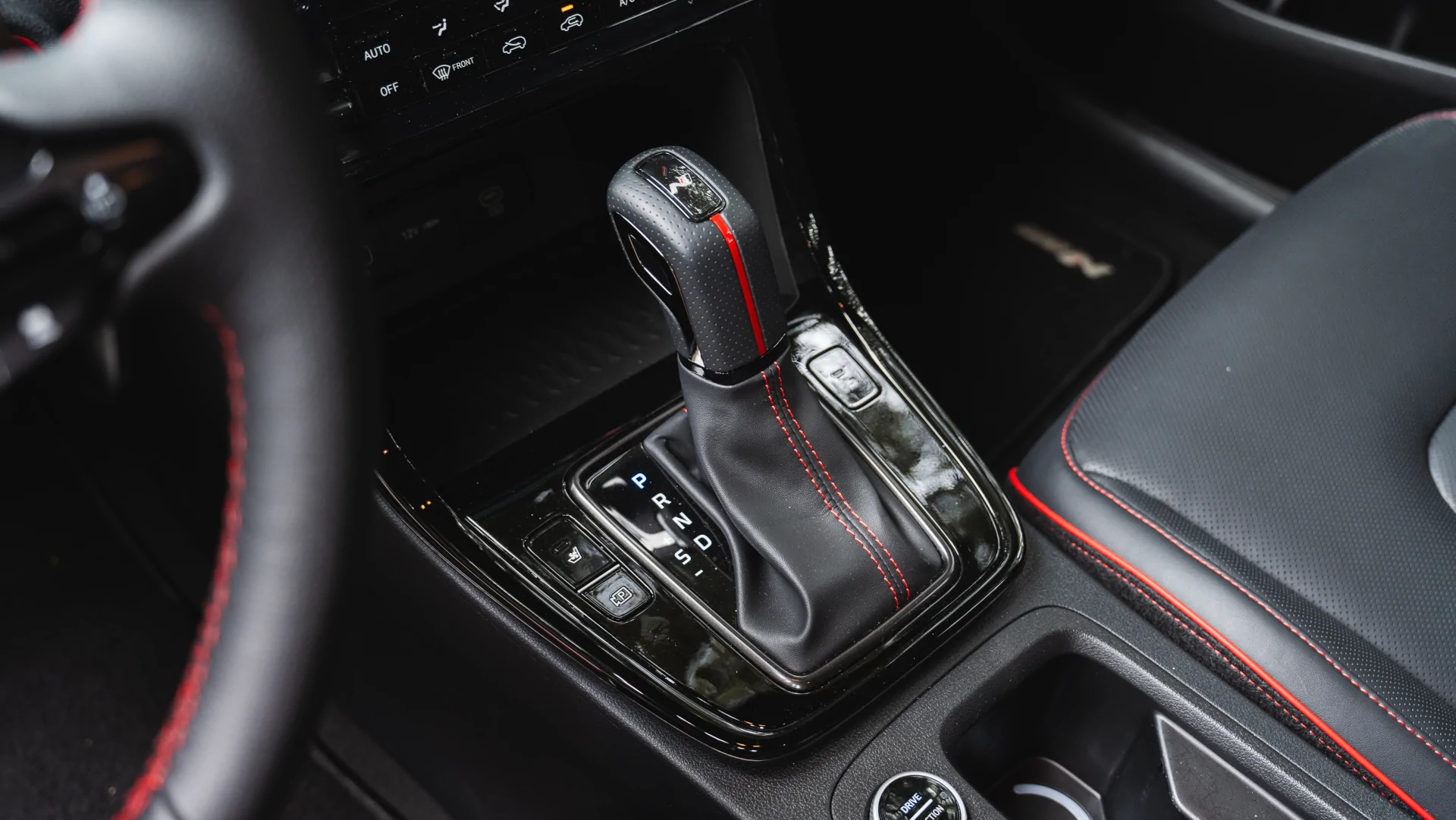
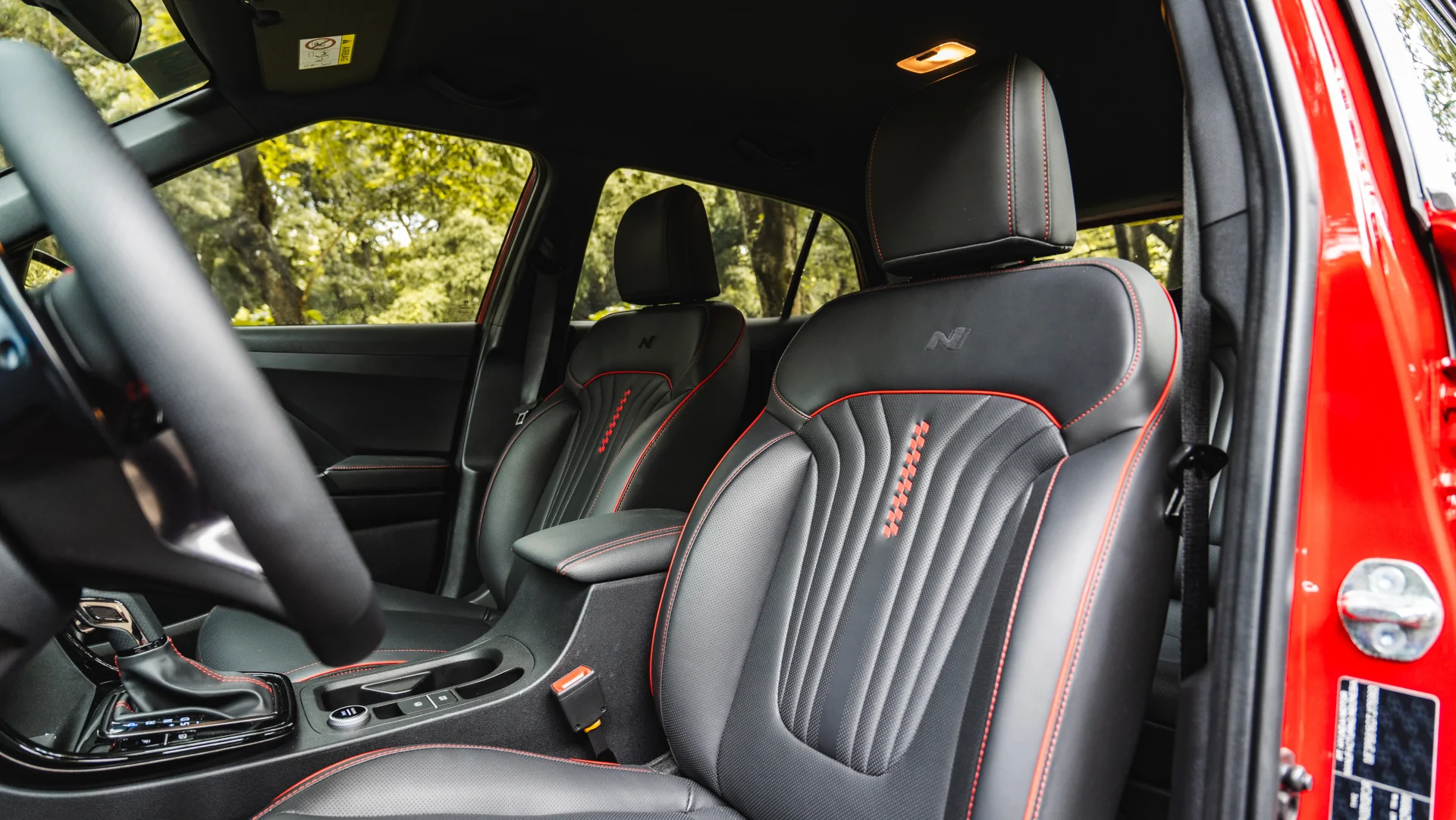
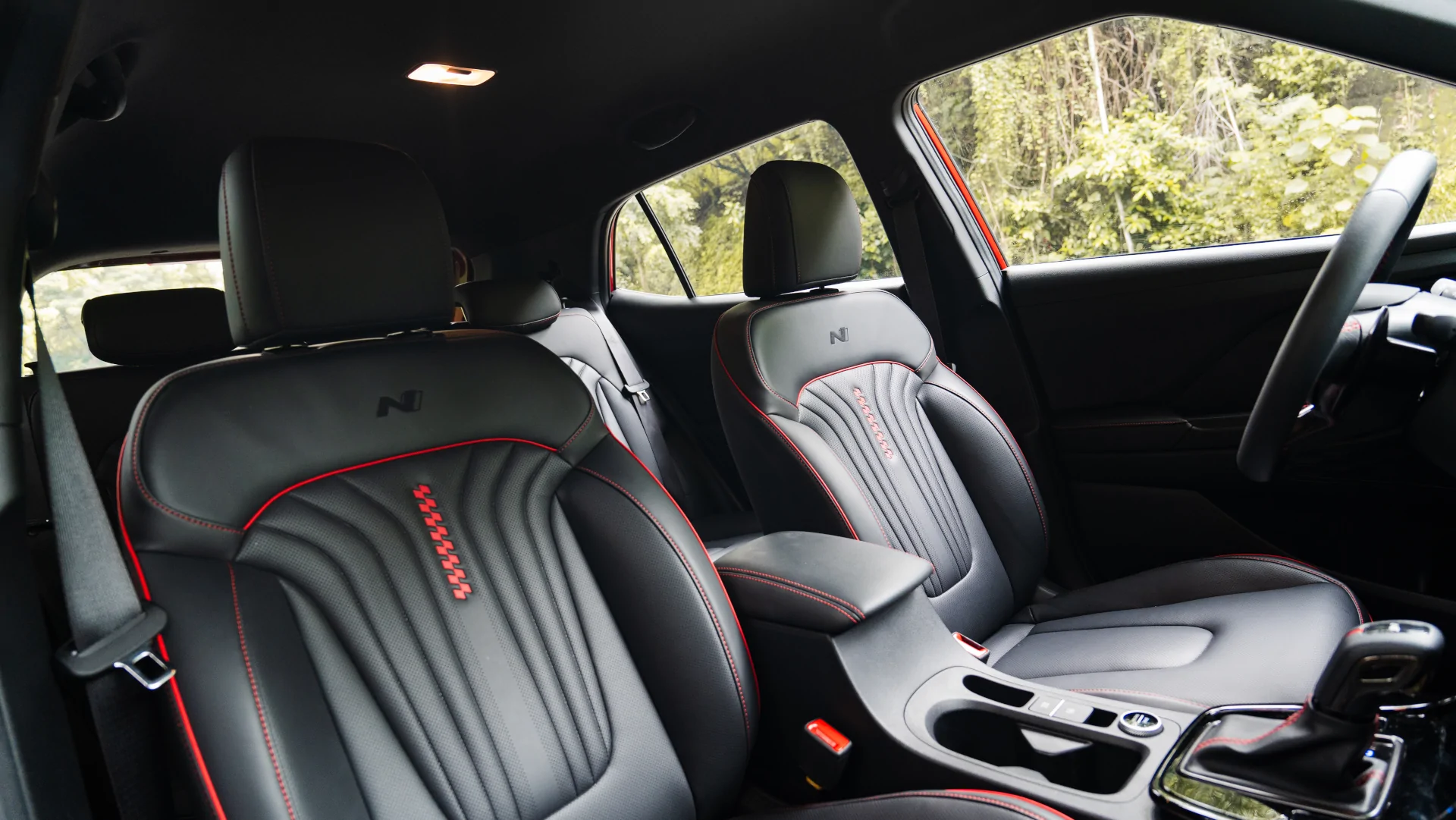
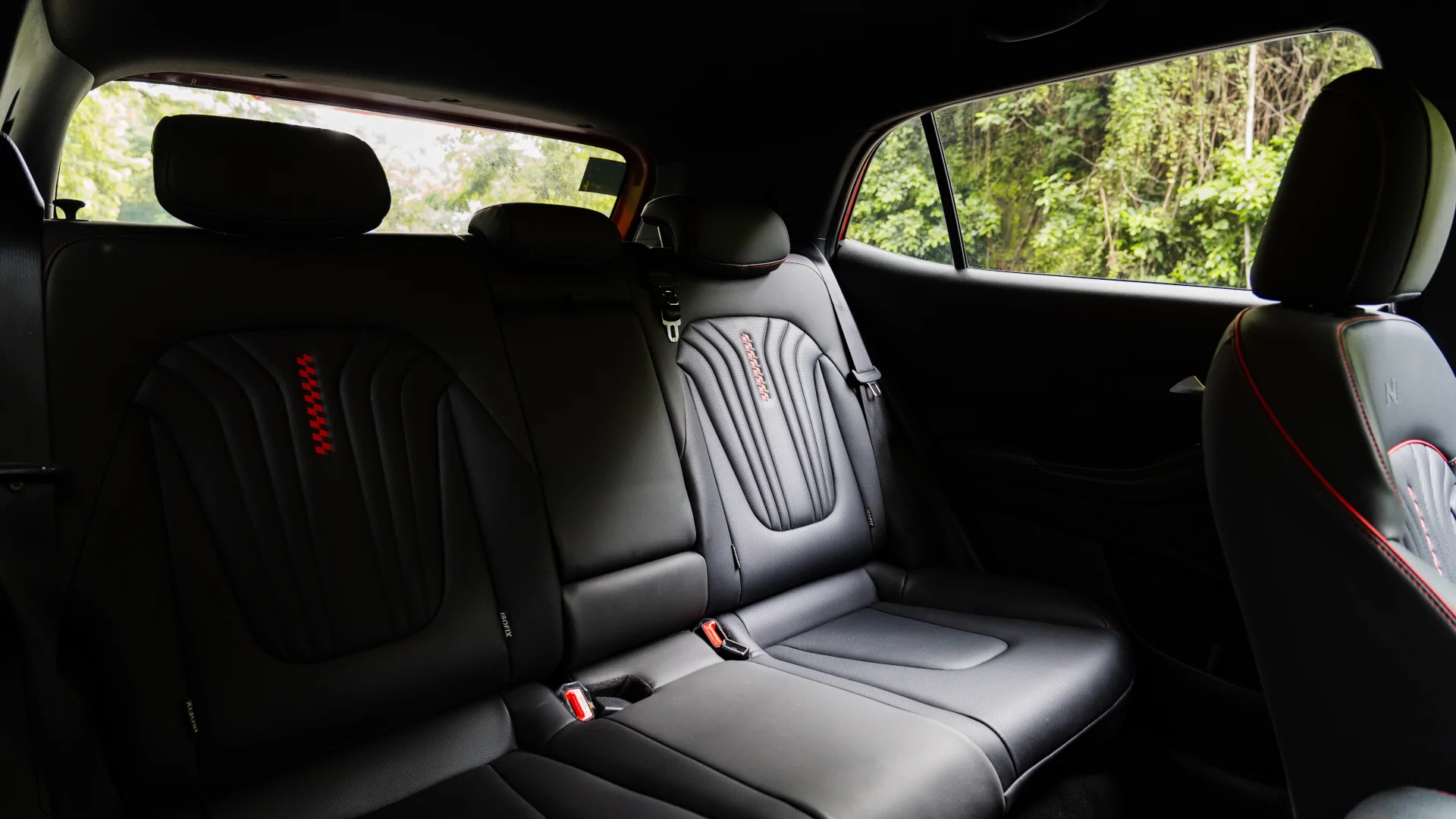
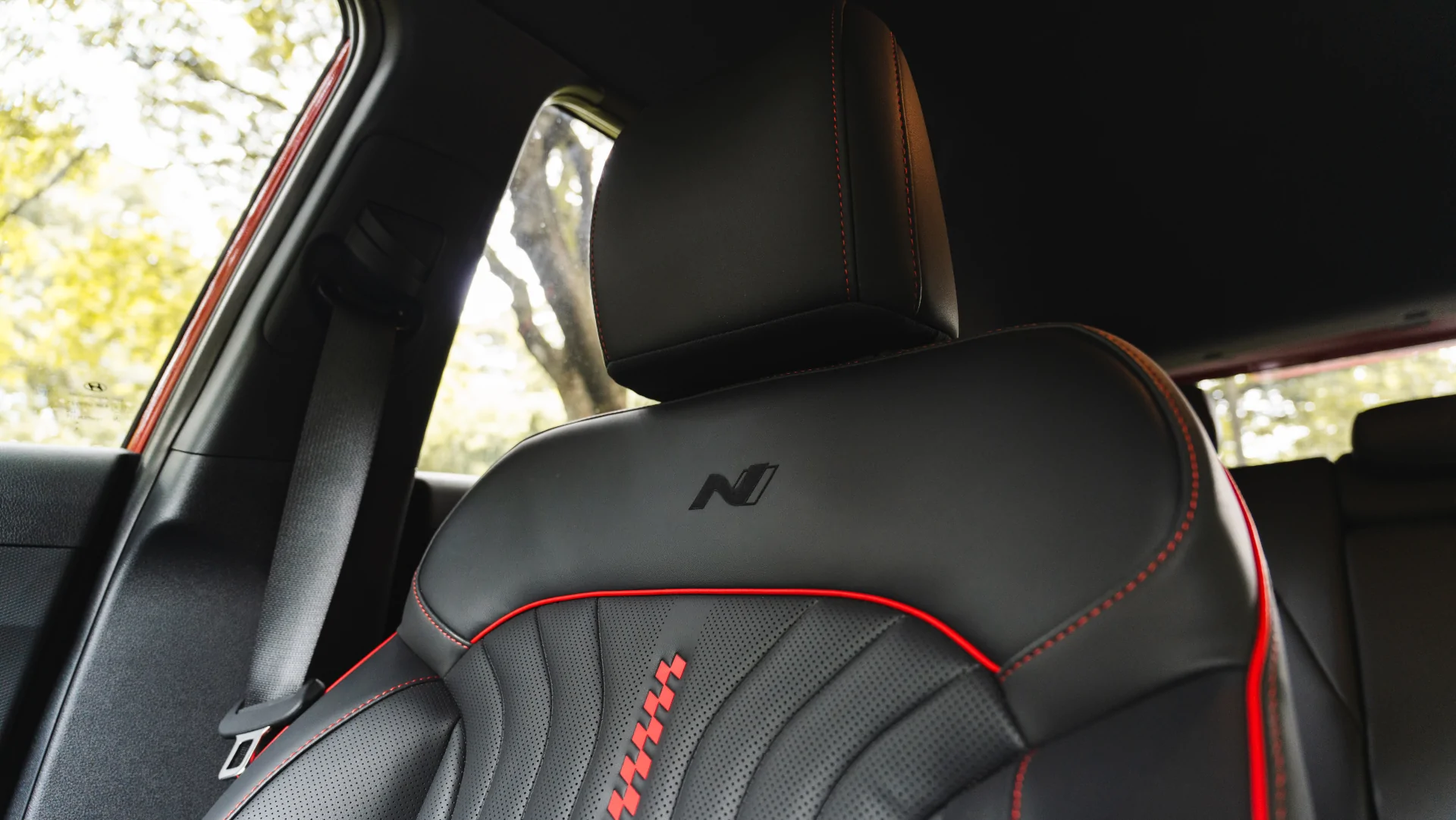
The changes on the inside are mostly aesthetic, which I honestly don’t mind. It’s still roomy and has plenty of storage options for front and rear passengers. But here in this trim, a bunch of red accents adorn the dash, seats, and gearshift lever. Kudos to Hyundai for not overdoing it, especially since this isn’t a full-on N model but rather a less wild but still sporty N Line variant. The red pops just enough from the black materials around the cabin.
We’ll touch on this in the tech department of this review, but I also need to comment on how the redesign of the center console has made the Creta N Line’s interior more up-to-date than before. Funny how tech upgrades can also affect styling, right?
Engine performance
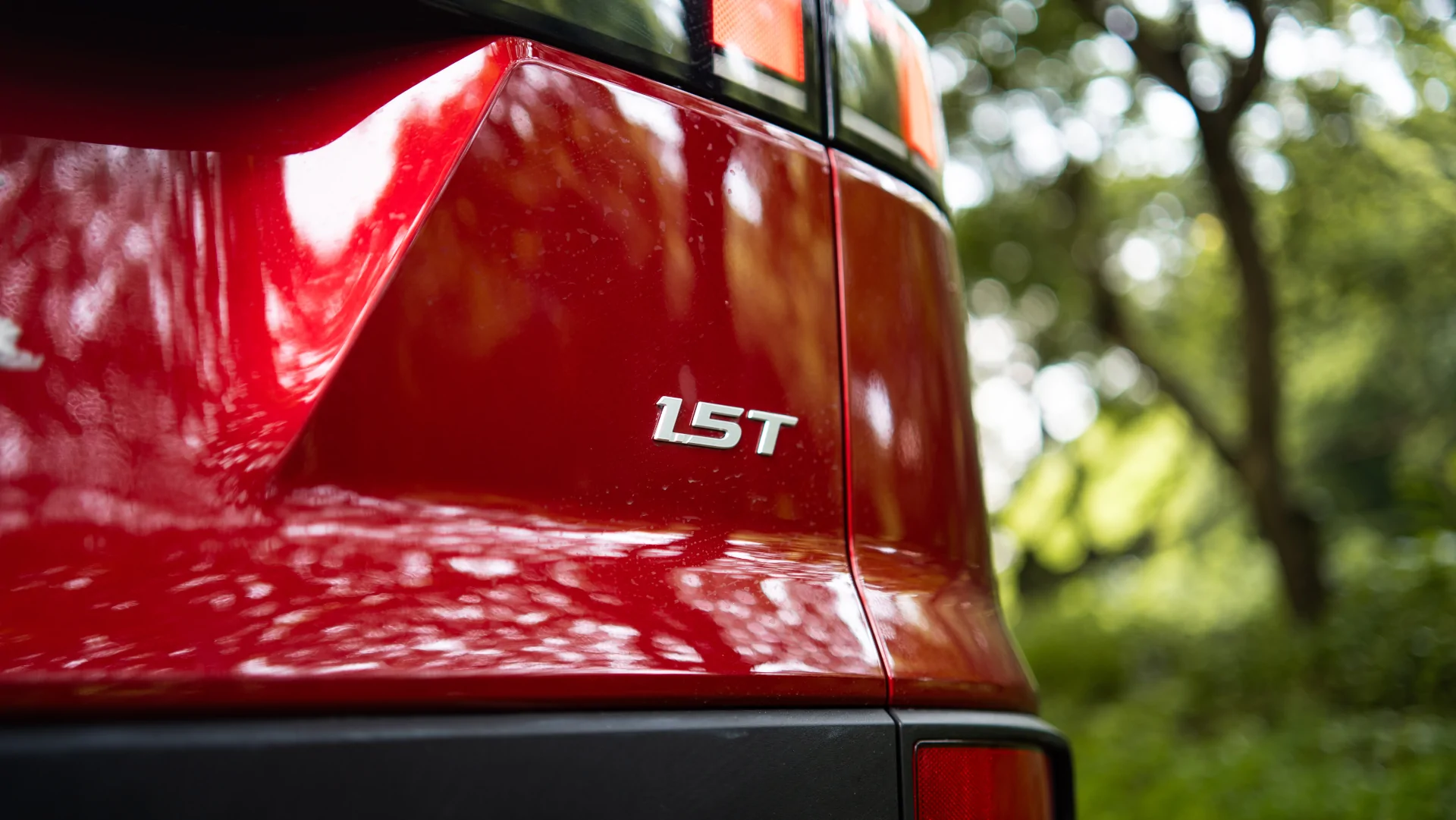
Okay, on to the highlight: the 1.5-liter turbopetrol under the hood. This engine puts out a healthy 158hp and 253Nm of torque, which is sent to the front wheels via a seven-speed dual-clutch transmission. This entire setup is new for the Creta, and what a setup it is.
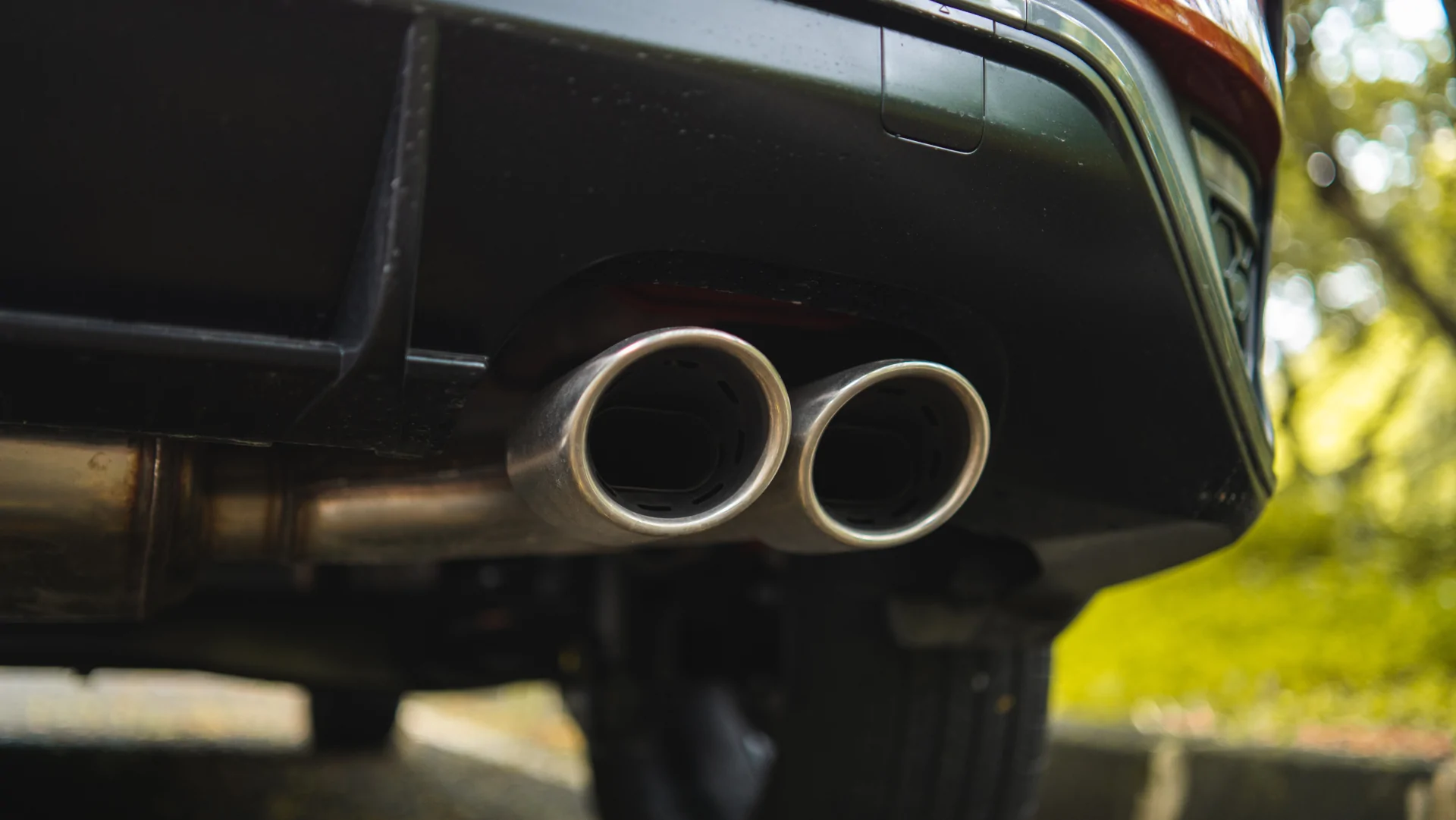
There’s so much power on tap, and if you can live with the noticeable turbo lag, you won’t have any complaints. You can even switch the drive mode to Sport to keep the revs higher and get more oomph. I tried gunning it on the highway with the Creta N Line, and the entire time, I had one thought: The Creta has no business being this powerful. Or loud. It’s not Elantra N levels of pops and bangs, but there’s some grunt in those tailpipes.
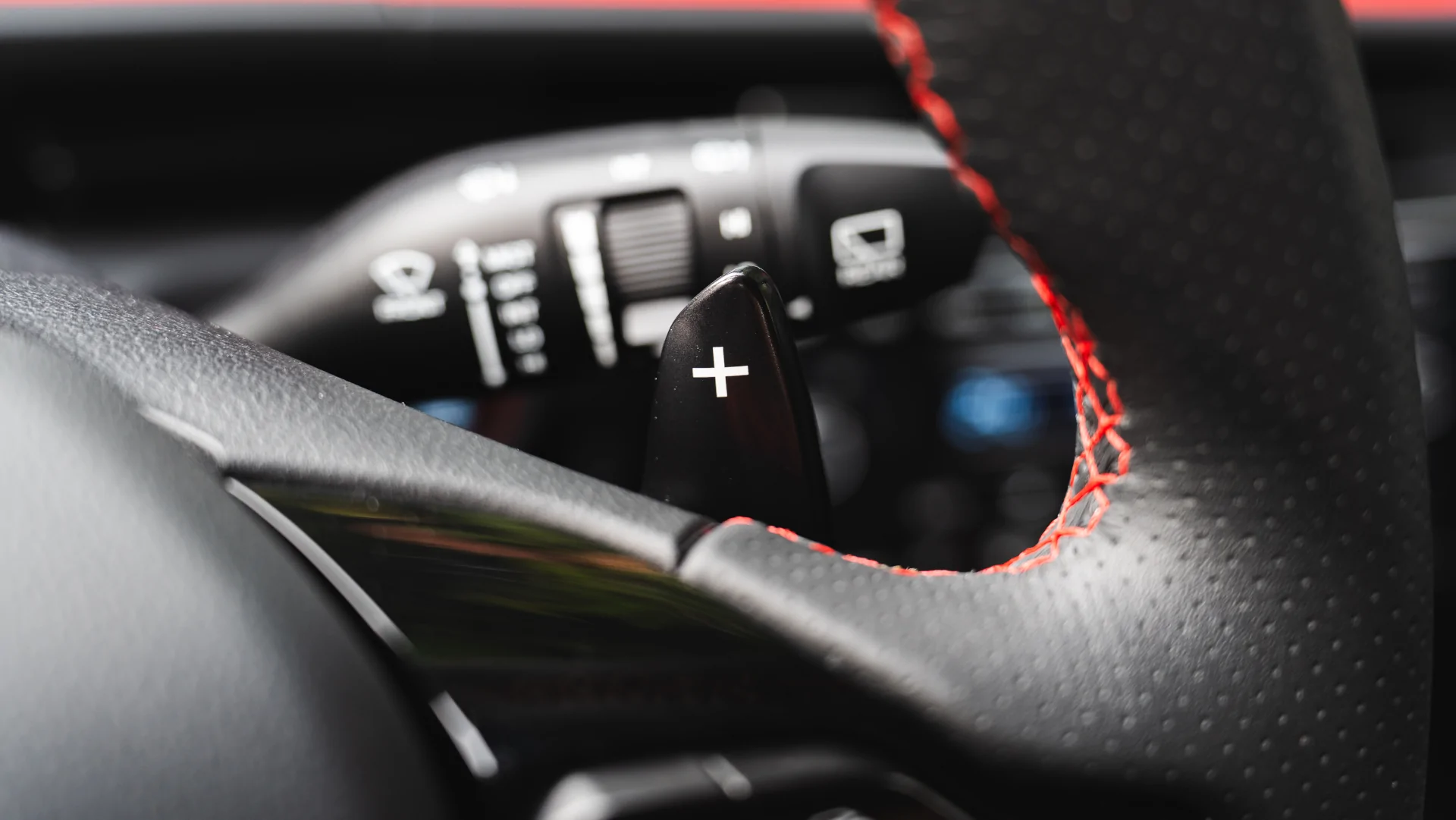
I had one major complaint about the setup, however—the DCT. It’s fun and all when you’re at speeds, and its shifting is somewhat smooth when you’re up there especially with the paddle shifters at your disposal, but it’s incredibly jerky when you’re in stop-and-go traffic. If you were planning to get this as a daily driver in Metro Manila, that’s something to really consider. And mind you, the unit we tested was still fresh, as it had just breached the 1,000km mark when we got it.
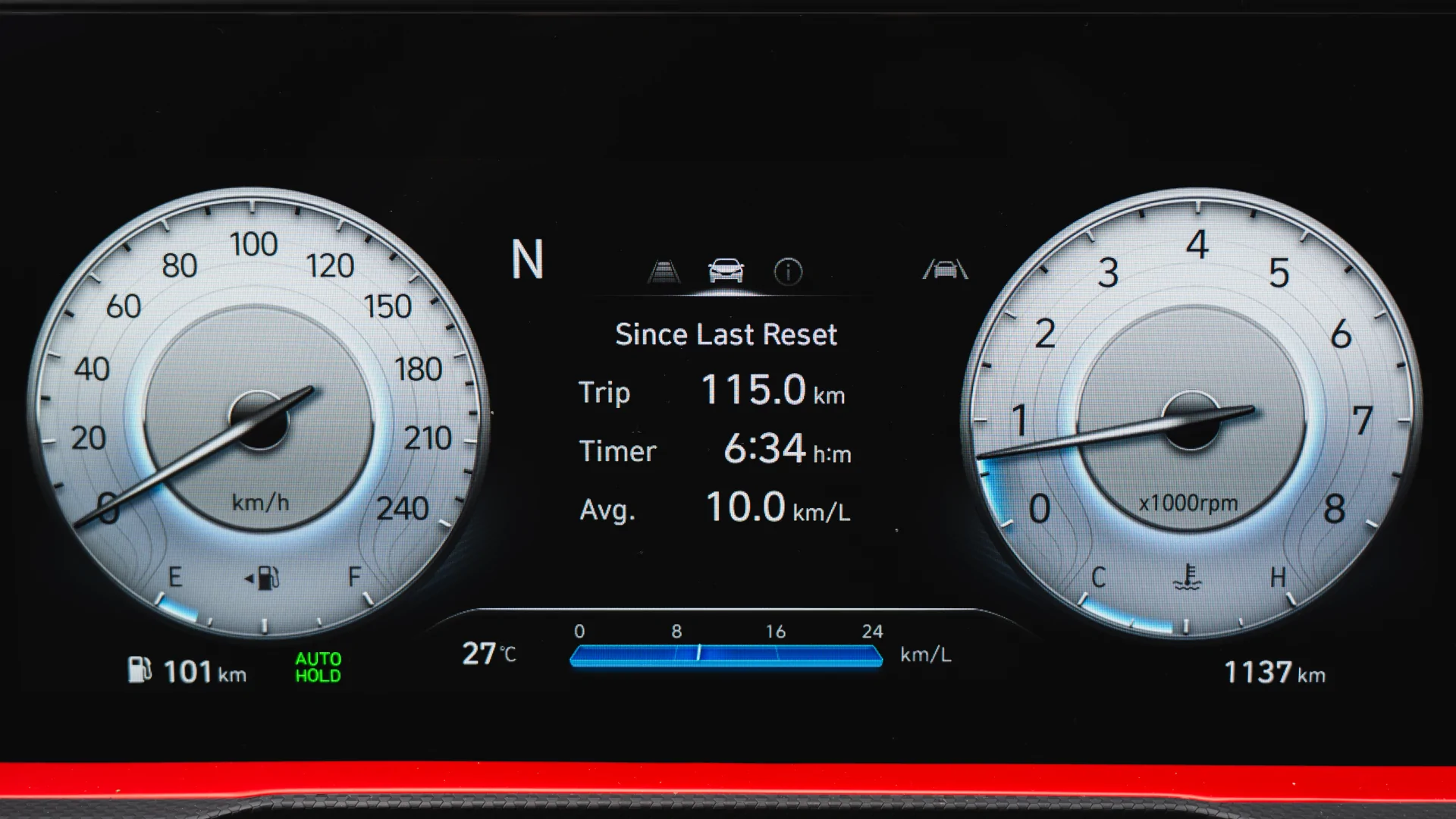
It slightly sacrifices on fuel economy, too, as it just hovers around the 10km/L mark in mixed conditions. That’s down a bit from the non-turbocharged variants, but still not bad. On the highway, it can still do a decent 14-16km/L.
Ride and handling
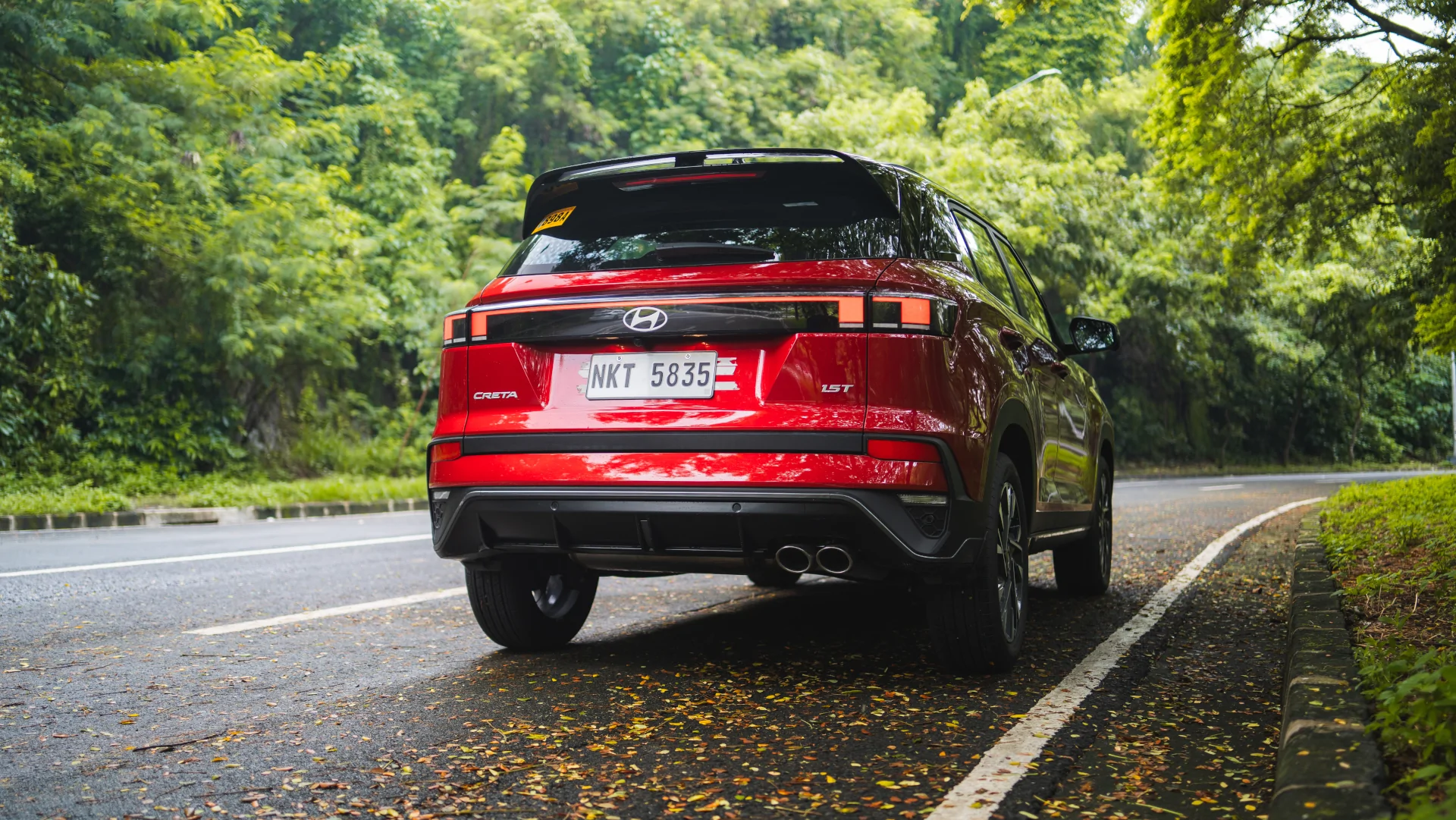
The Creta N Line has excellent road-holding—something we’ve already seen from other Hyundais such as the Elantra. It’s got good grip, and it feels planted when cornering at speed. Not once did I feel like I was losing control of the car, even when I was having fun with it. And just to remind you, this is a crossover—it’s not supposed to feel this sporty through winding mountain roads.
What it’s supposed to be is comfortable in the city, as its main target market would be those living in the metro. The good thing is that it is. Even with the bigger wheels and lower-profile tires, road noise is still somewhat suppressed. Sound will still seep through the top half of the vehicle, though, so it’s not super quiet, but NVH levels are still decent here.
The Creta N Line is a solid road-trip companion, too, as it proved very enjoyable on wider, more open roads. The seats appear sporty, but they held up well on longer drives and were quite comfortable to be in, even for hours on end.
Extra features
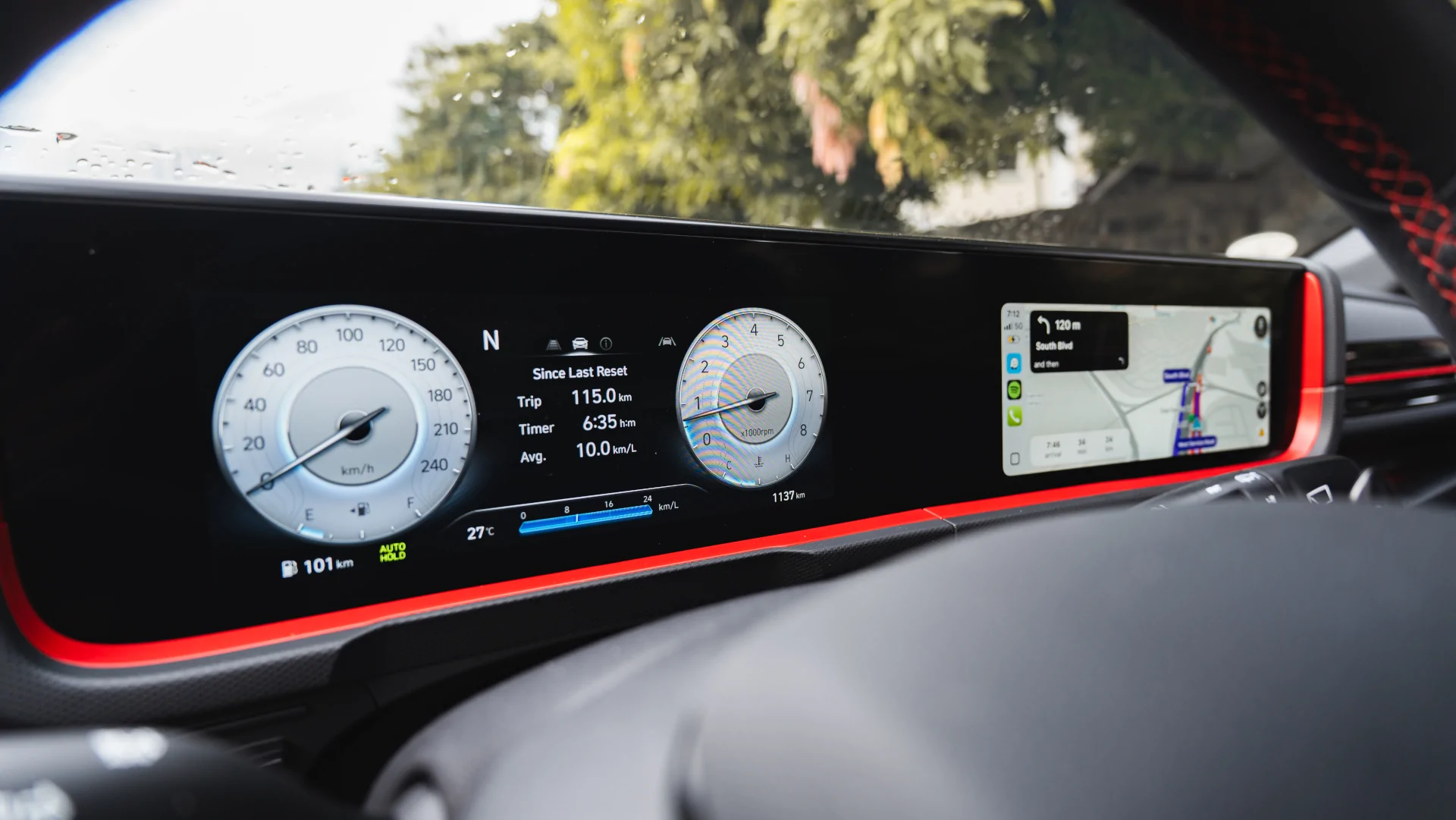
The Creta N Line doesn’t just get a turbopetrol under the hood—it also comes loaded with tech, and that’s one thing I really like about it. It has Hyundai SmartSense features, so it has adaptive cruise control with stop-and-go function, forward-collision warning and autonomous emergency braking, lane-following and lane-keep assist, rear cross-traffic alert with automatic braking. I didn’t expect it, but I was actually able to experience the autonomous braking as I was trying to back out from a parking slot. Not that it was crucial at that time, but it was nice to know I had it.
Speaking of parking, the Creta N Line also comes with a 360-degree-view monitor. It makes me wonder how Hyundai specs its cars, because the Elantra HEV only comes with a low-res reversing camera.
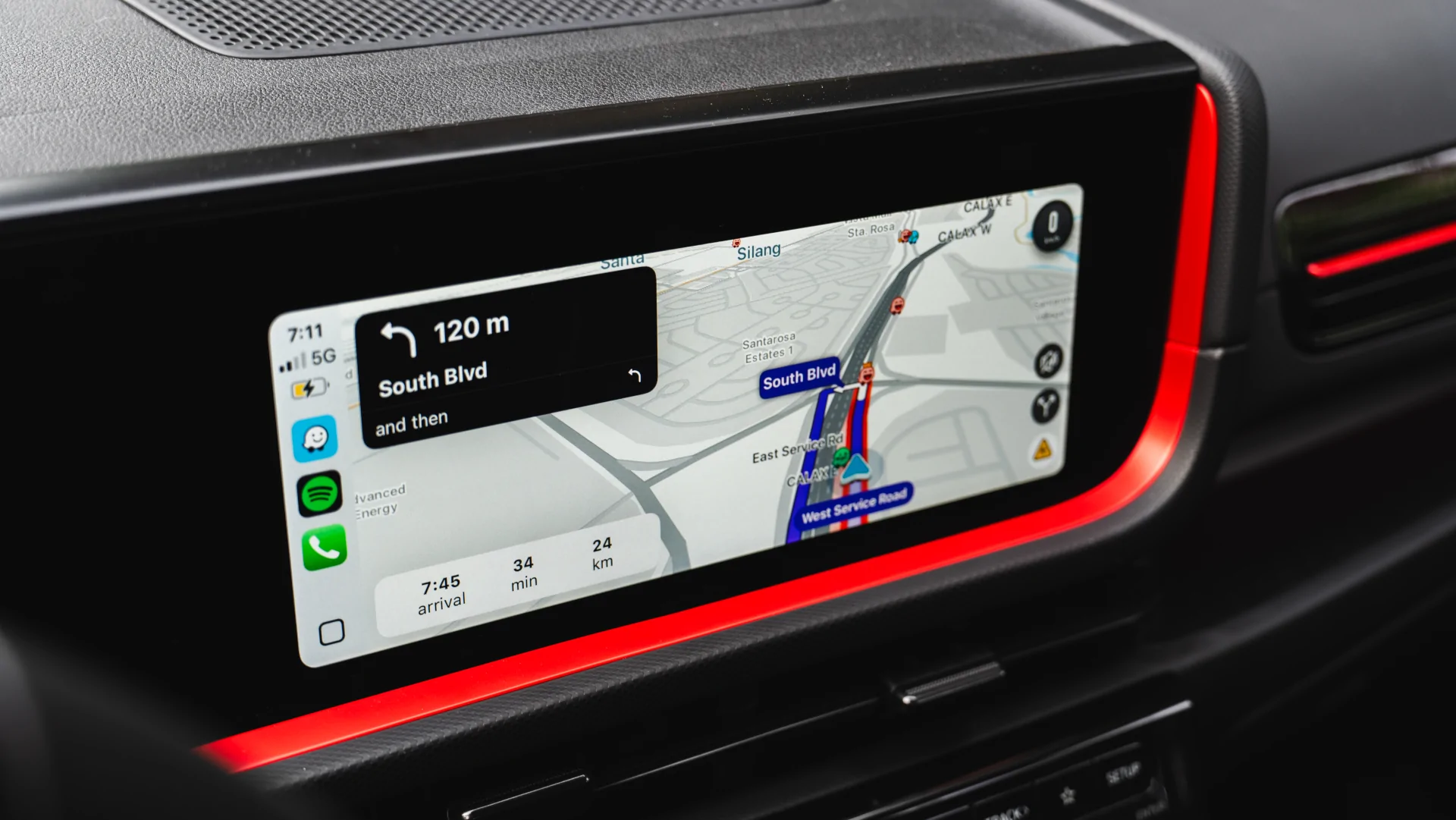
The Creta N Line also comes with a large 10.25-inch infotainment system to match the digital instrument cluster. It’s nice to have a big screen, but not when its wireless Apple CarPlay is clunky. There’s an option to use wired smartphone mirroring, but it appears the unit I borrowed had busted ports up front. I could neither charge nor connect my phone, which was a bummer.
The speakers in the Creta N Line also felt very lackluster. “Tunog lata,” as I would say. And I don’t think it makes sense. I wasn’t able to ask Hyundai about it, but it felt as if there was something wrong with the whole setup. Perhaps something that has to do with the faulty USB-C and USB-A ports? I don’t really know.
Verdict
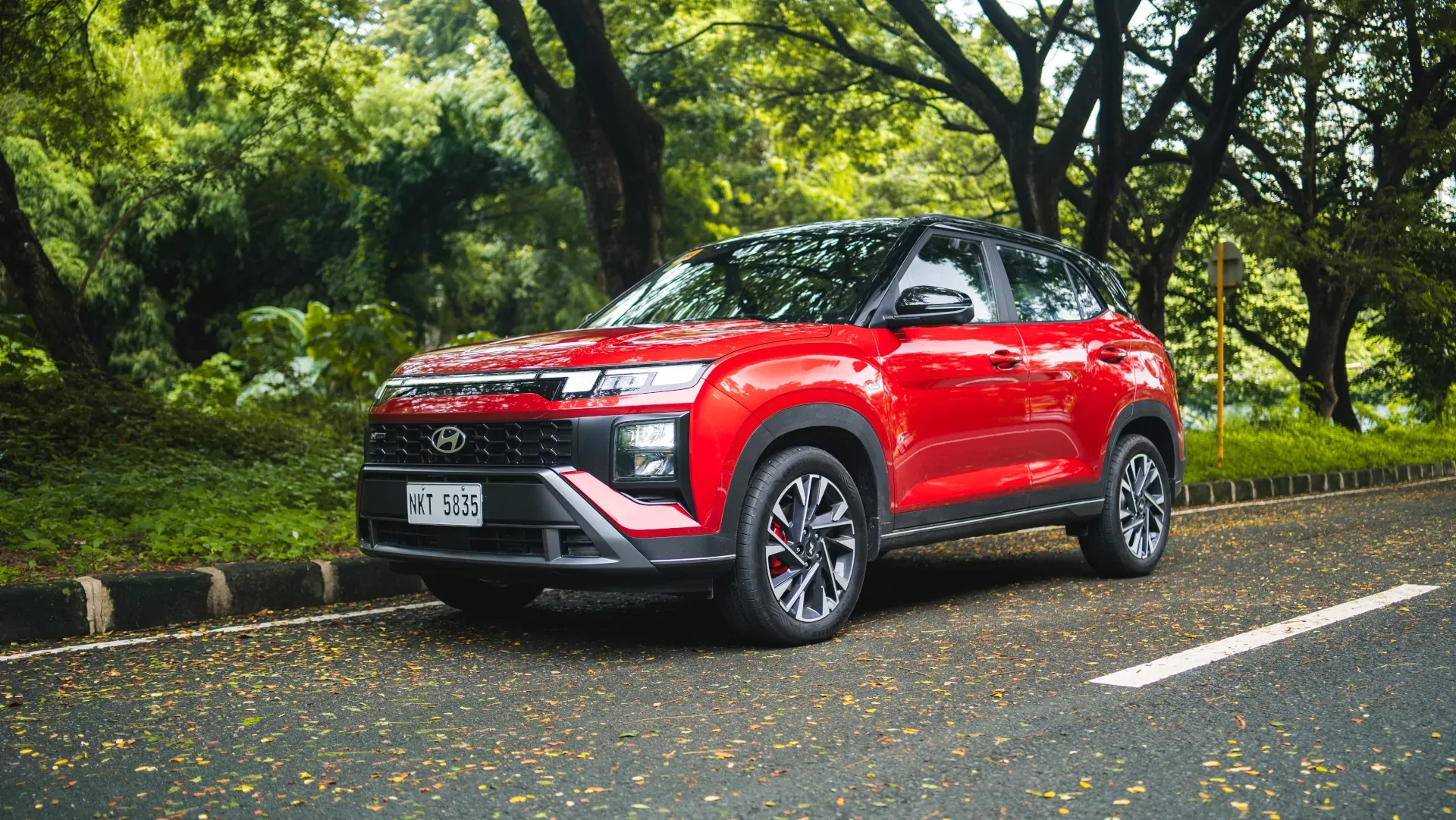
The Hyundai Creta N Line makes a strong case as one of the sportiest and most lively-to-drive crossovers in its segment right now. It has a very punchy turbocharged powertrain that comes with a dual-clutch transmission and paddle shifters. It’s also one of the most tech-loaded subcompact crossovers, complete with a wide arsenal of driver aids. All that for P1.379 million, a price tag smaller than that of the lower-spec’d old model I reviewed. Impressive. Just impressive.
Frankly, it feels as if this facelifted N Line version deserves way more than the 8.5 out of 10 that I gave the last Creta I reviewed. However, I’m giving the new one the same marks. It’s a darn good Hyundai, but there are problems that I can’t just ignore. Maybe when Hyundai perfects some of these little things in the future, the Creta will finally get that 10 out of 10 (or at least close to it) that part of me believes it deserves.
SPECS: 2026 Hyundai Creta 1.5T N Line 7DCT
Price: P1,379,000
Engine: 1.5-liter turbocharged gasoline I4
Power: 158hp
Torque: 253Nm
Transmission: Seven-speed dual-clutch
Layout: FWD
Seating: 5
Score: 8.5/10
More photos of the 2026 Hyundai Creta N Line: