
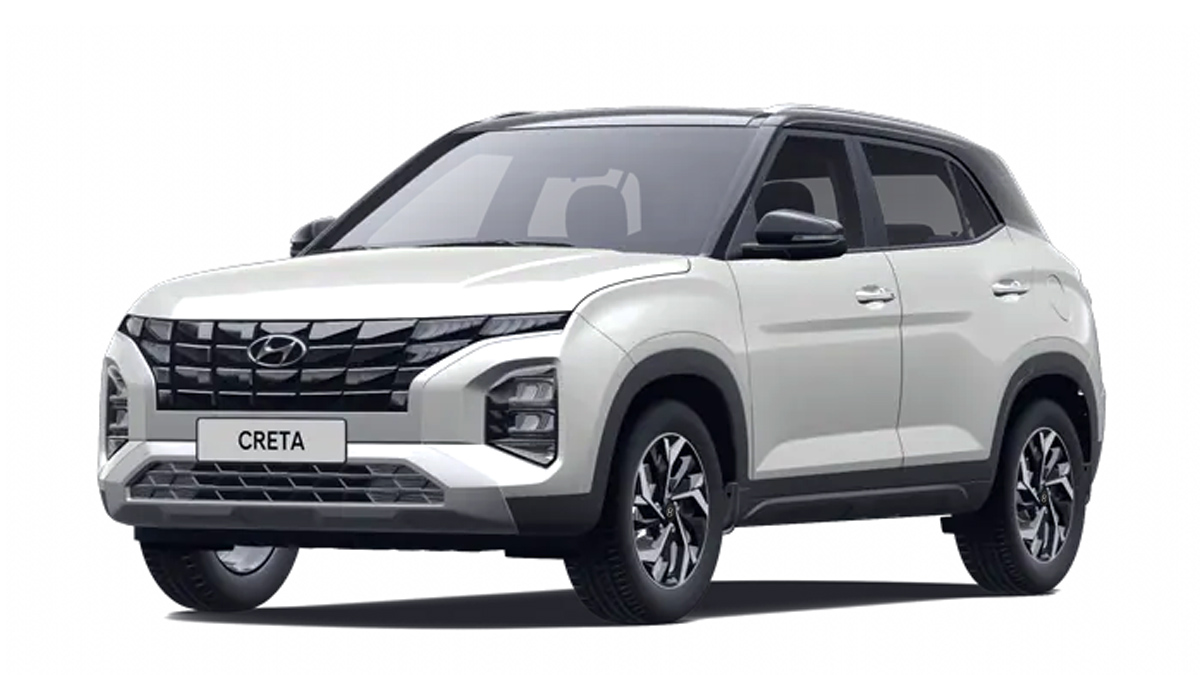
The Creta isn’t exactly a newcomer here in the market. Contrary to popular belief, it’s actually a comeback model, as it was first introduced back in 2017. It didn’t exactly fly, and looking back, it should’ve come as no surprise considering the sedan- and pickup-heavy automotive landscape at the time.
In this era, crossovers—especially in the subcompact category that the Creta falls under—are all the rage. But what was a supposed trailblazer for Hyundai then seemingly arrived late to the party now, and it landed right smack in the middle of a segment that’s already filled to the brim.
It’s already been a while since it was launched here, but we still decided to take it out for another spin recently. Is it still as fresh as it was a full year later? Read on to see what I’ve discovered.
ALSO READ:
Review: 2024 Toyota Yaris Cross 1.5 S HEV
Review: 2023 Honda HR-V V Turbo
Styling
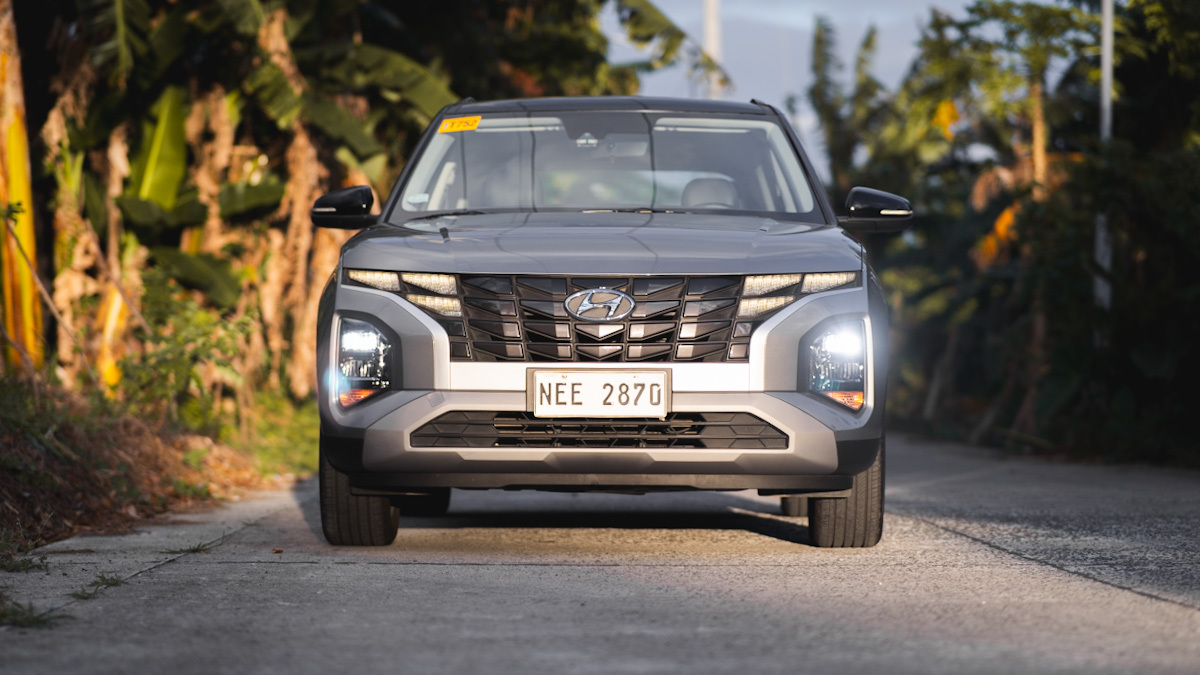
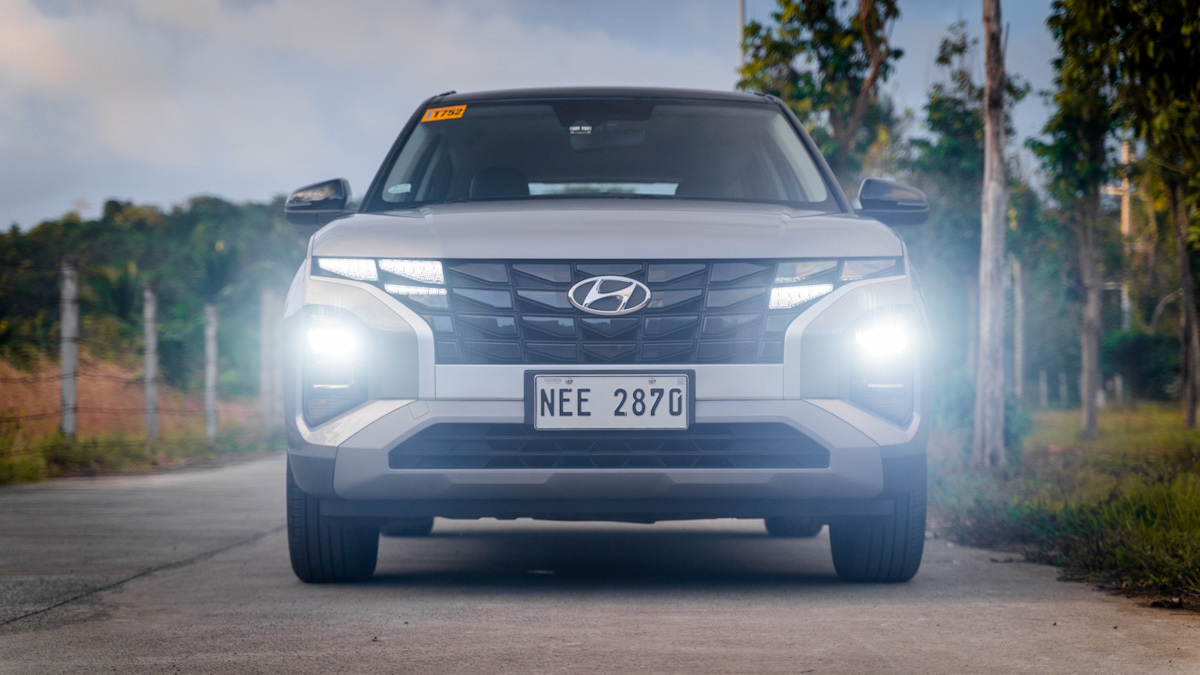
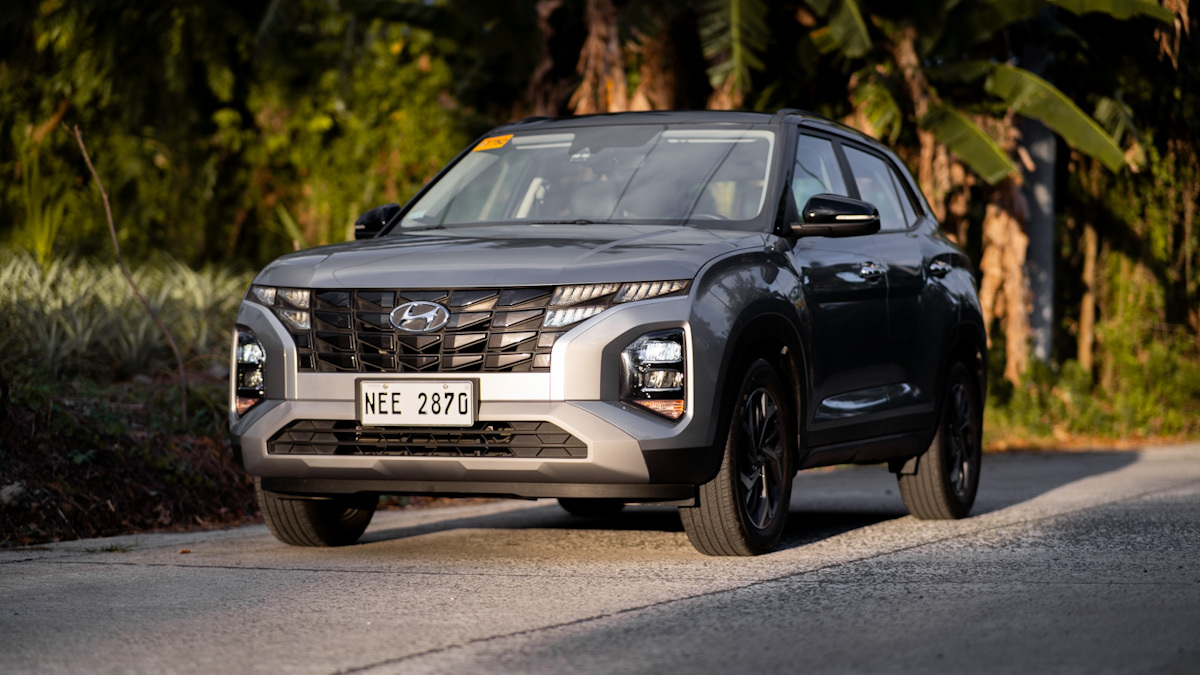
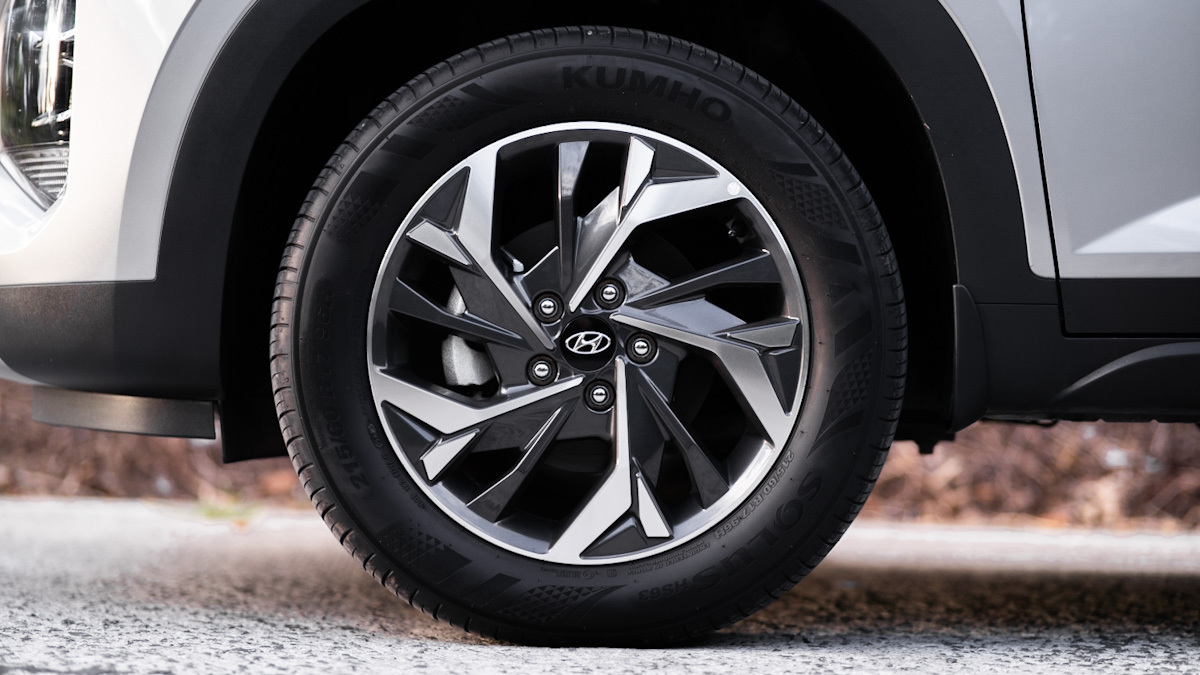
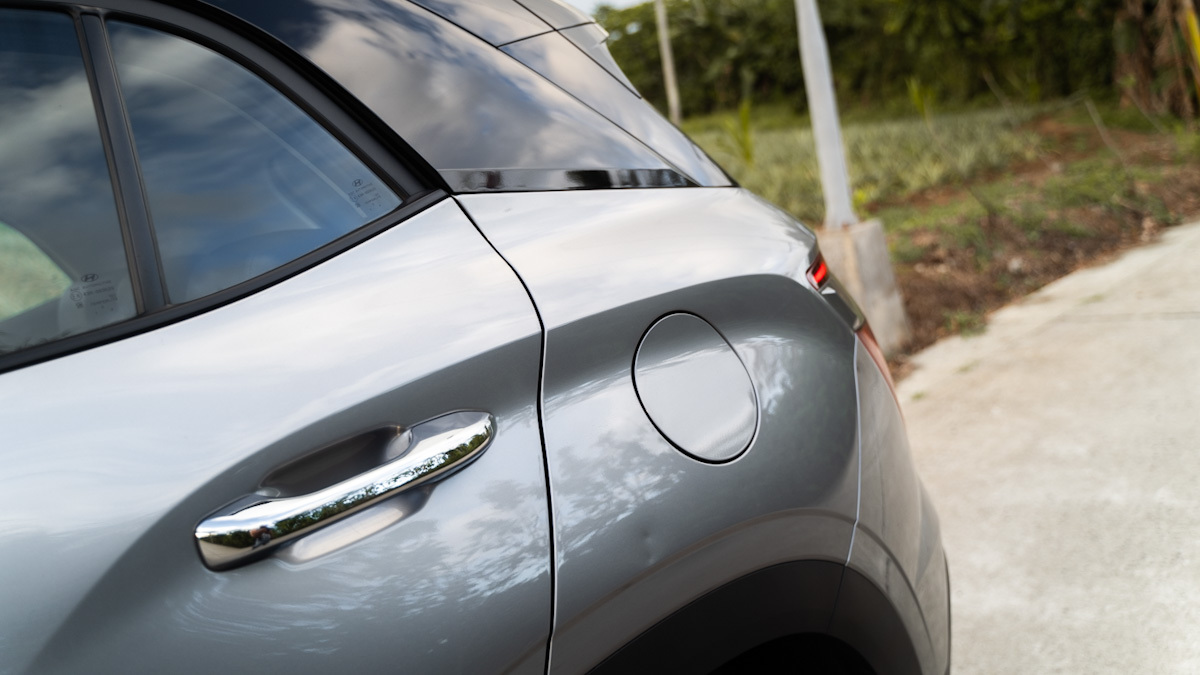
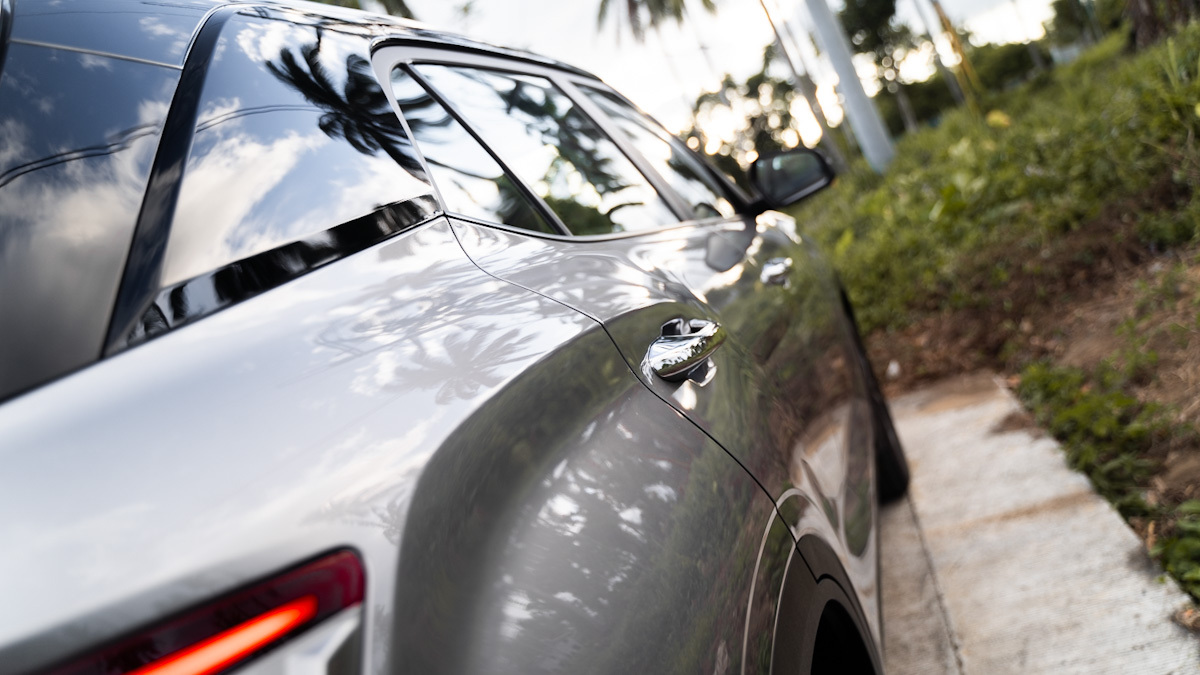
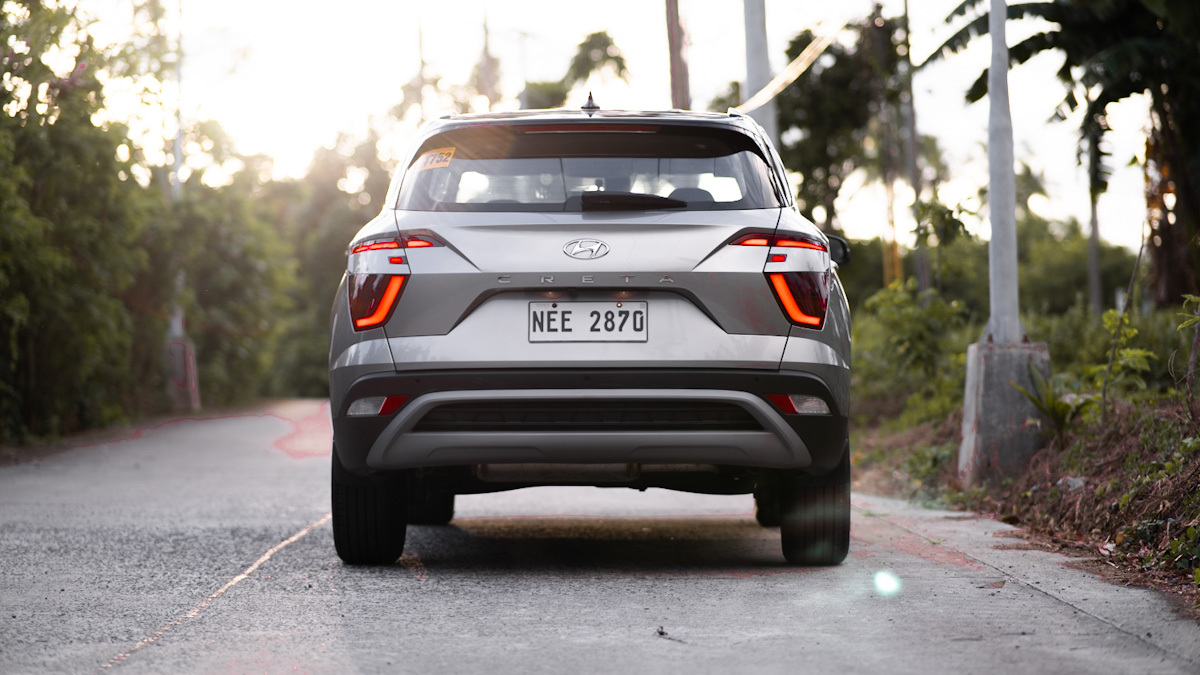
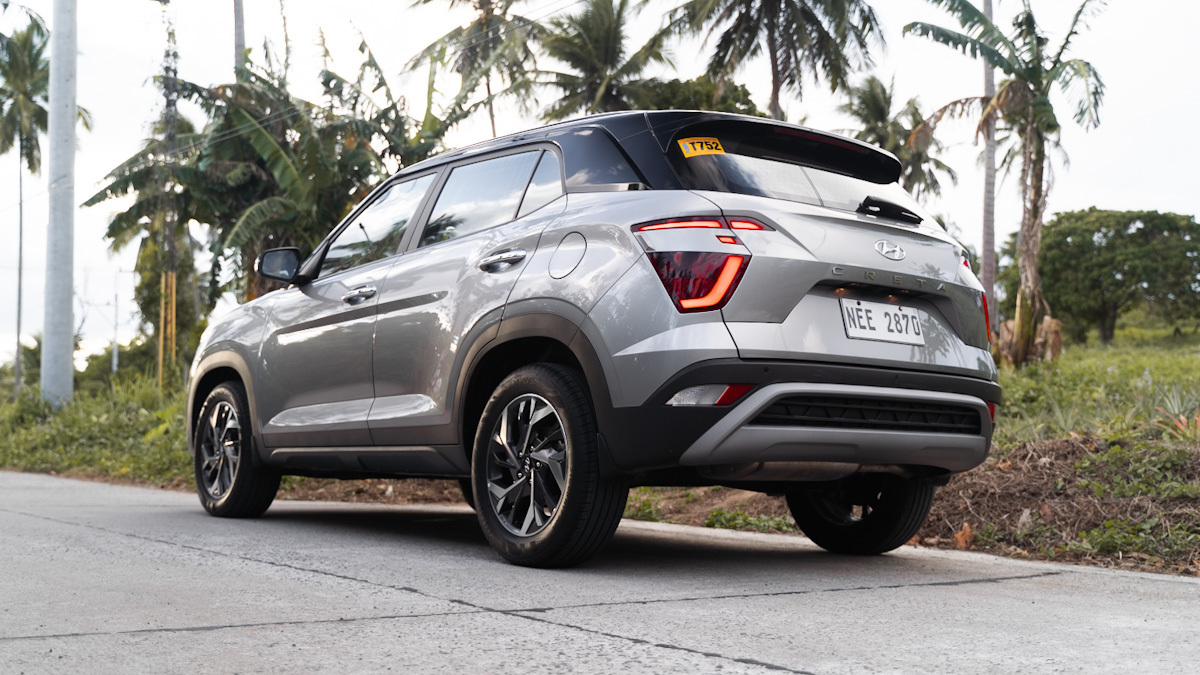
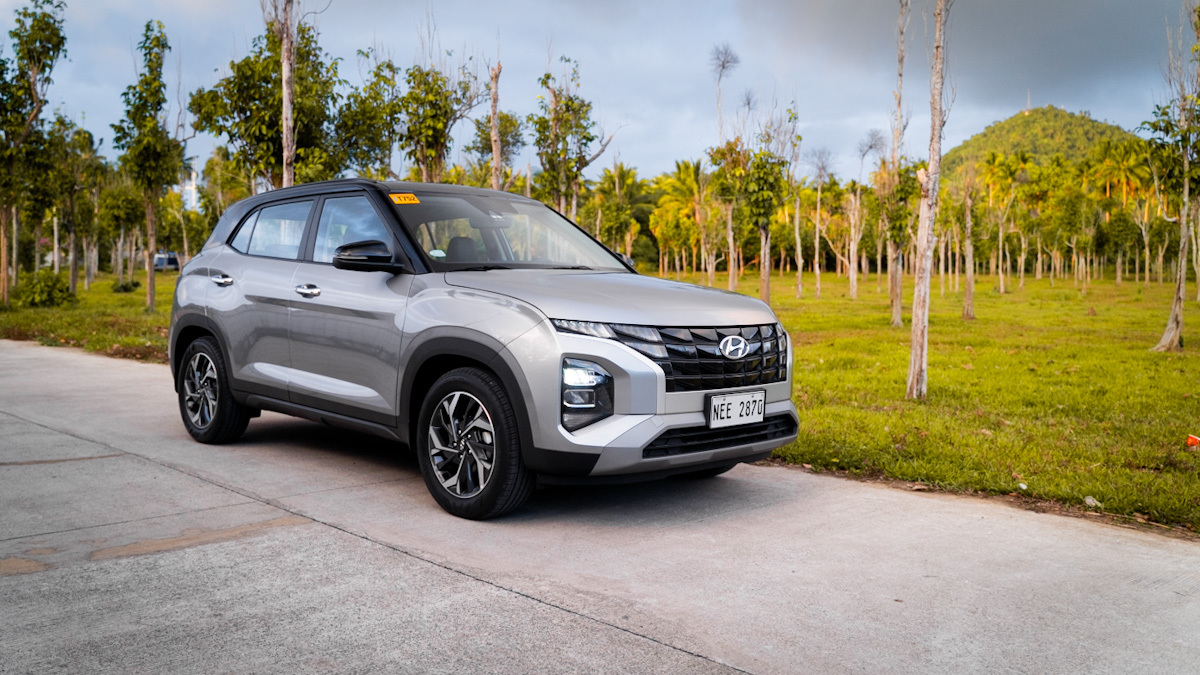
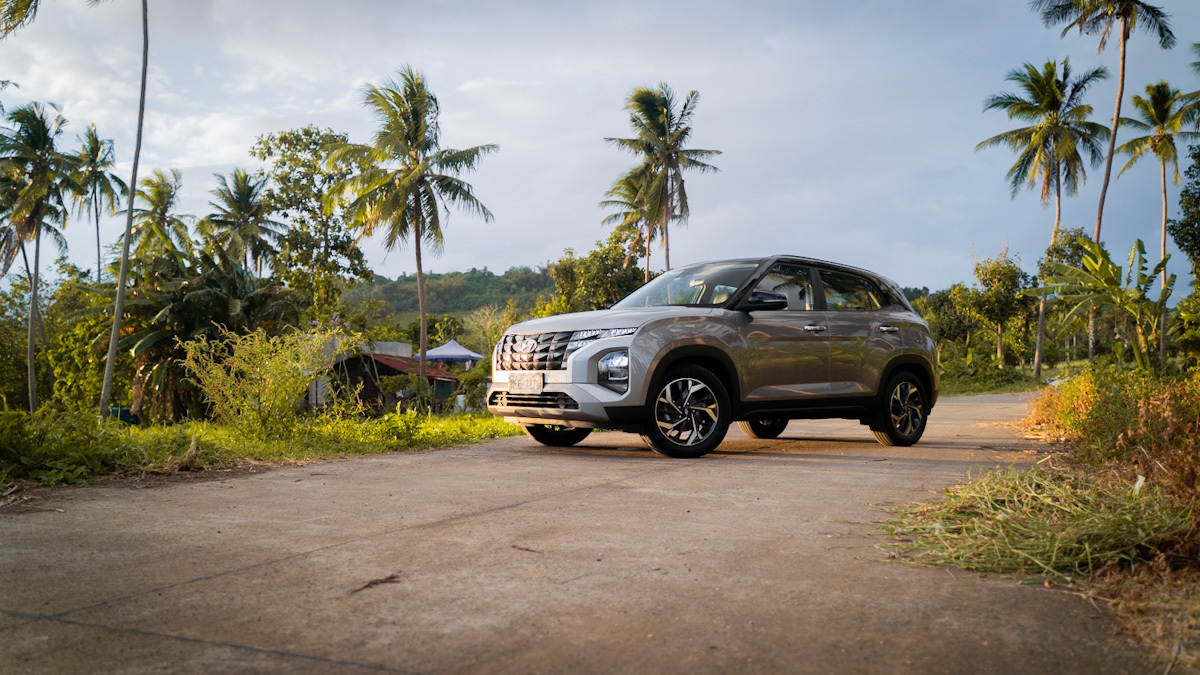
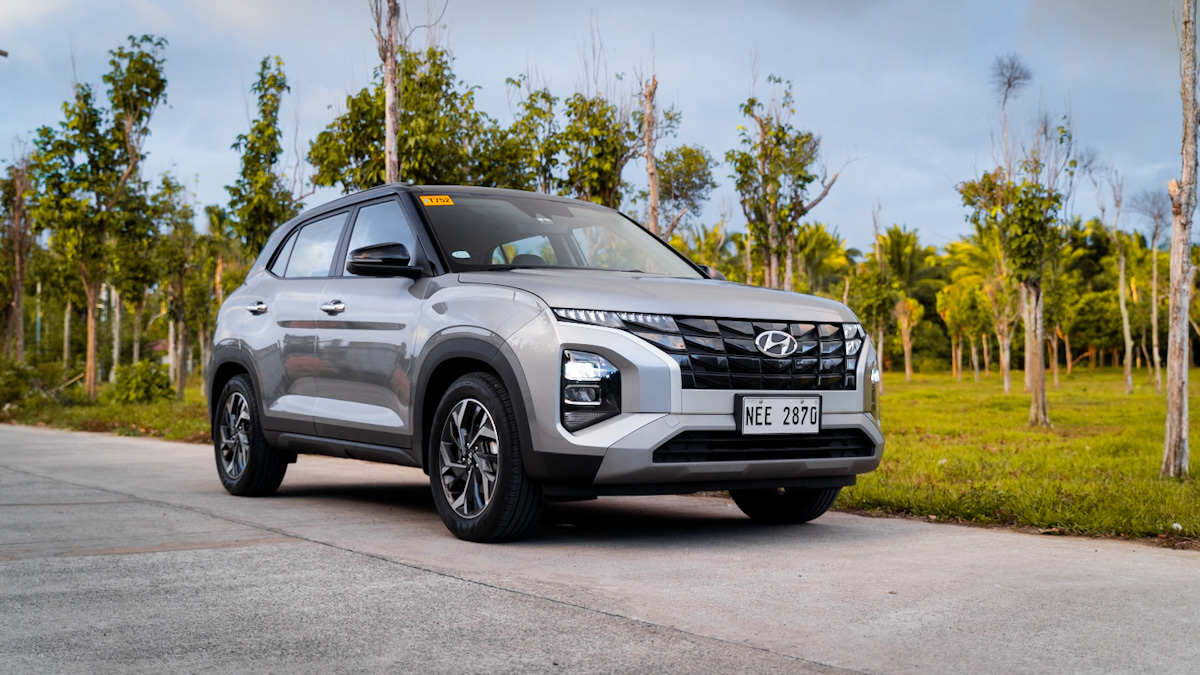
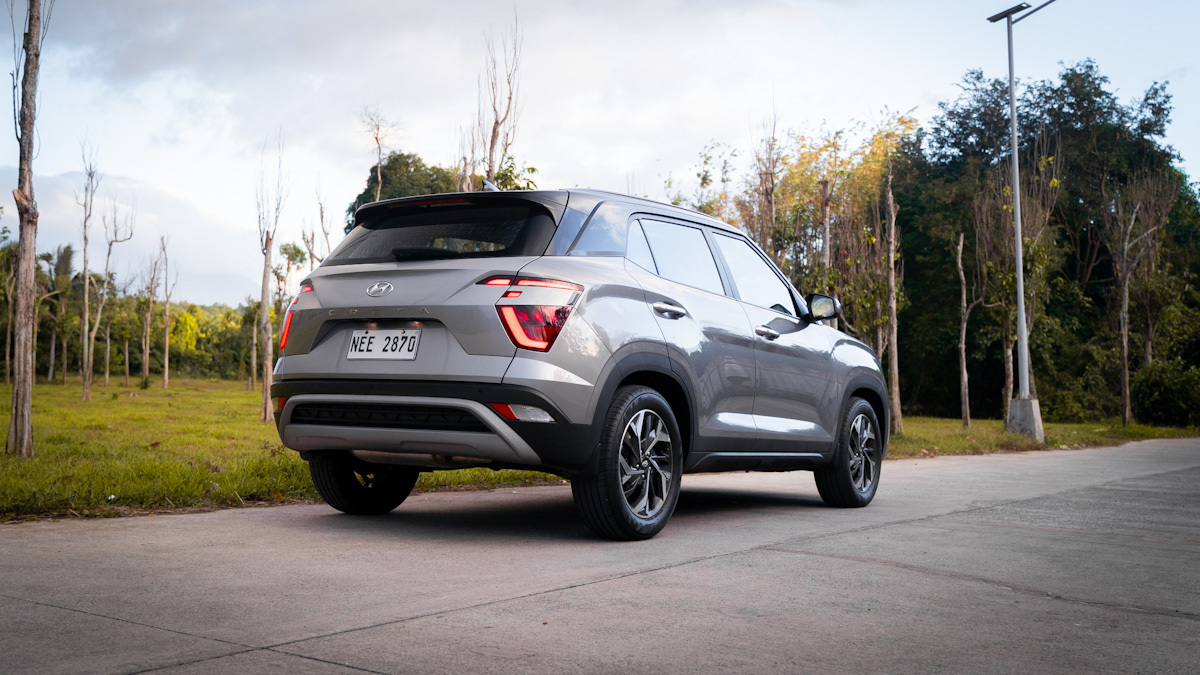
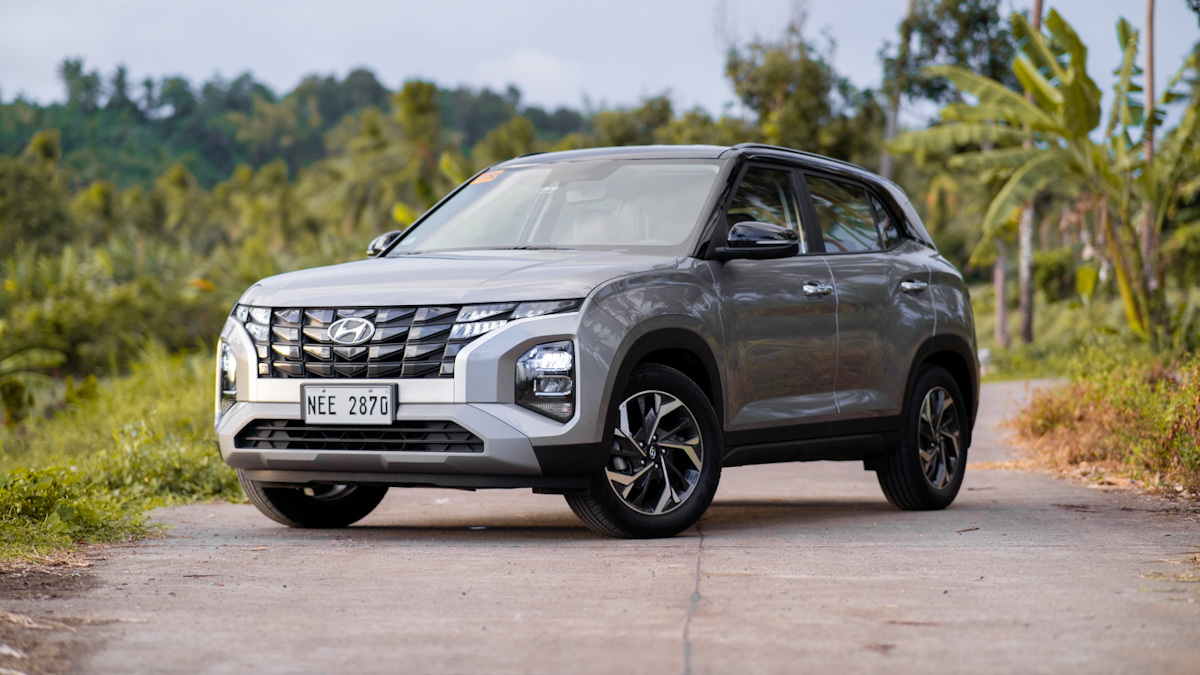
I’ll be honest—there’s a lot of design similarities across brands these days that it’s hard to stand out. The Creta’s lucky enough to be a Hyundai, a brand that has its signature style. It bears Hyundai’s design cues, and while it doesn’t stand out the way, say, a Staria does, at least the Creta doesn’t just blend in with the competition.
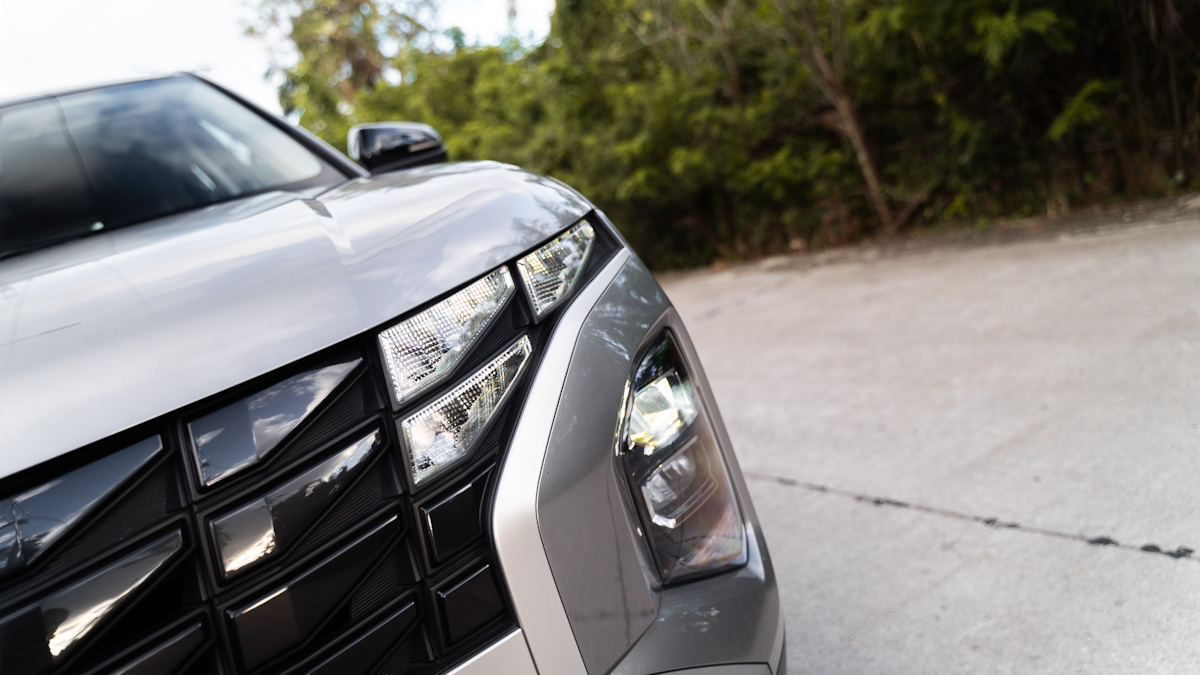
It bears that Hyundai look with the wide slats on the wide grille, and it looks very much like a baby Tucson. It’s undeniably a Hyundai, and it looks rather sleek. I reckon this front fascia’s going to age quite nicely.
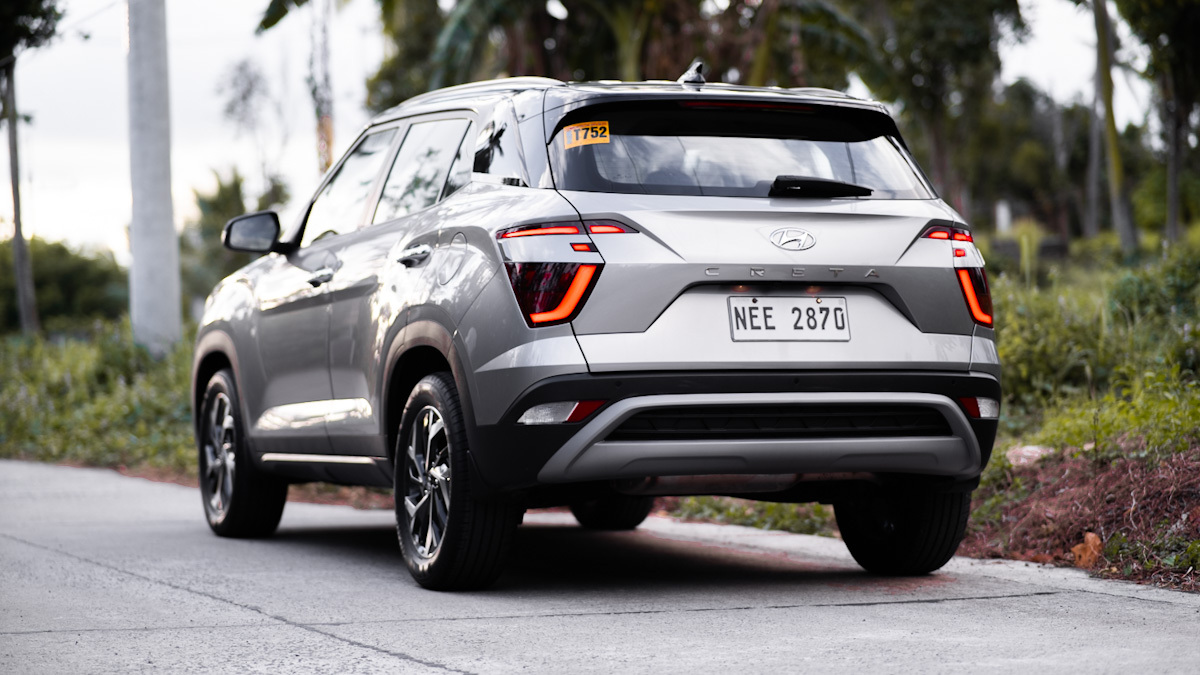
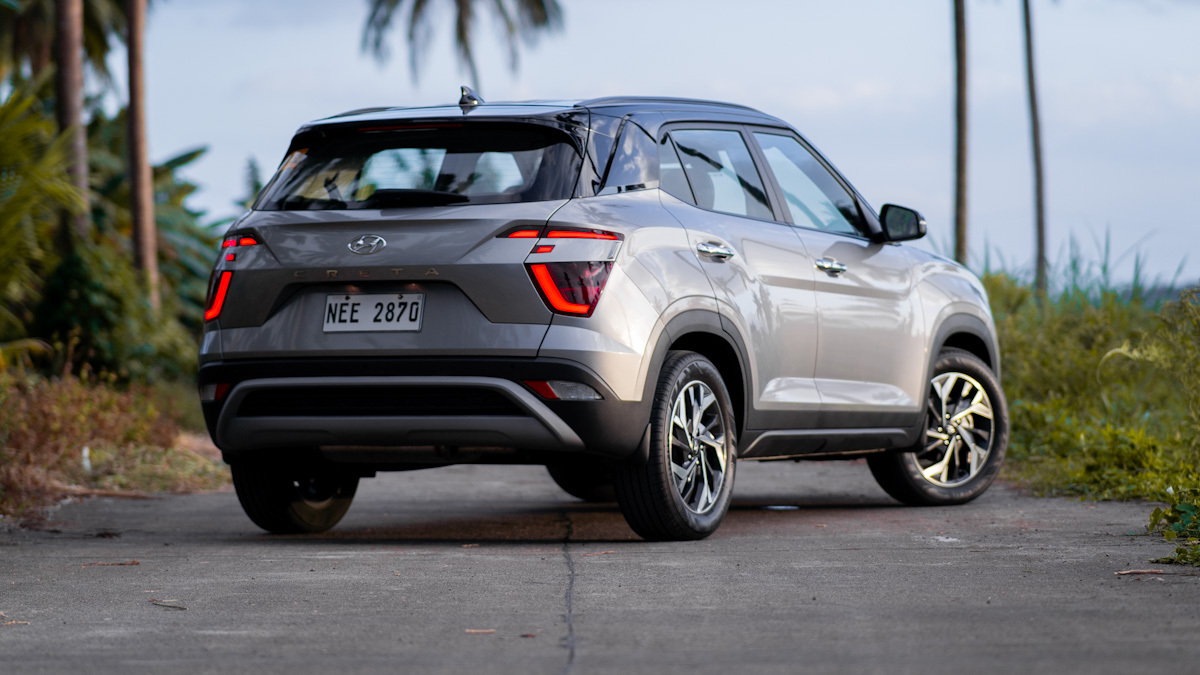
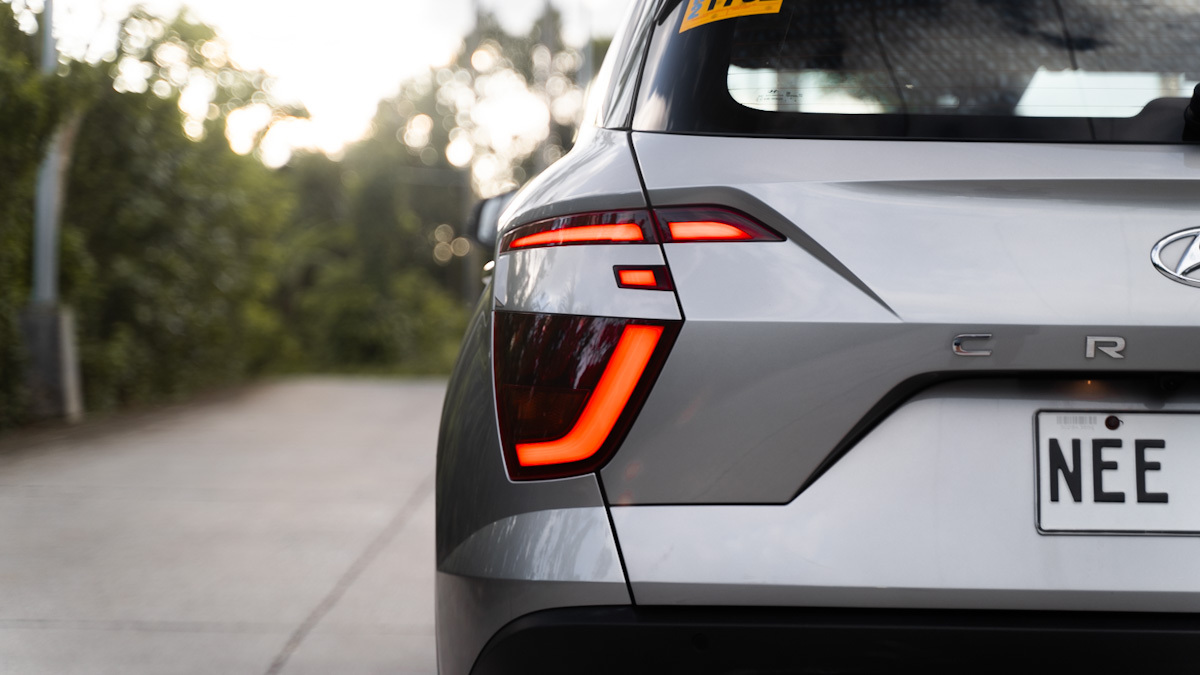
That, however, probably can’t be said easily about the rear. That tailgate design looks different, that’s for sure, but it’s not a look that everyone fancies. I’m a bit torn myself—I like quirky cars, but there’s something a bit off-putting about how the taillights look. I’m sure a lot of you have the same sentiments. This is why in this department, the Creta only gets four stars out of five for me.
Interior
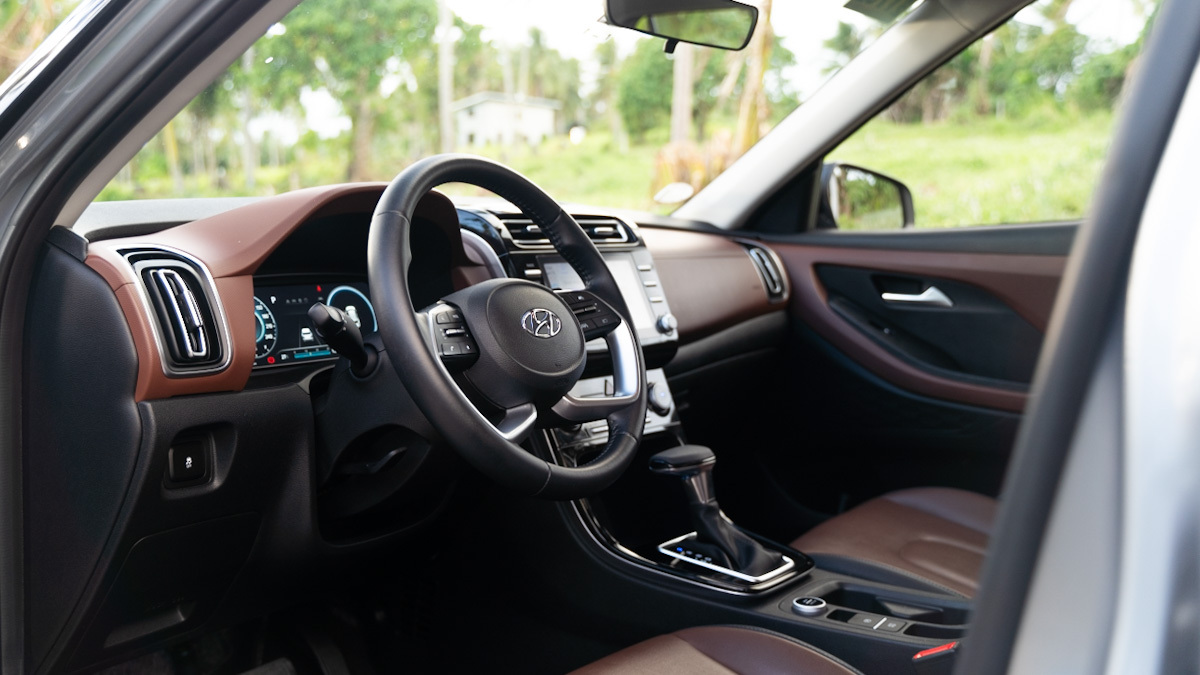
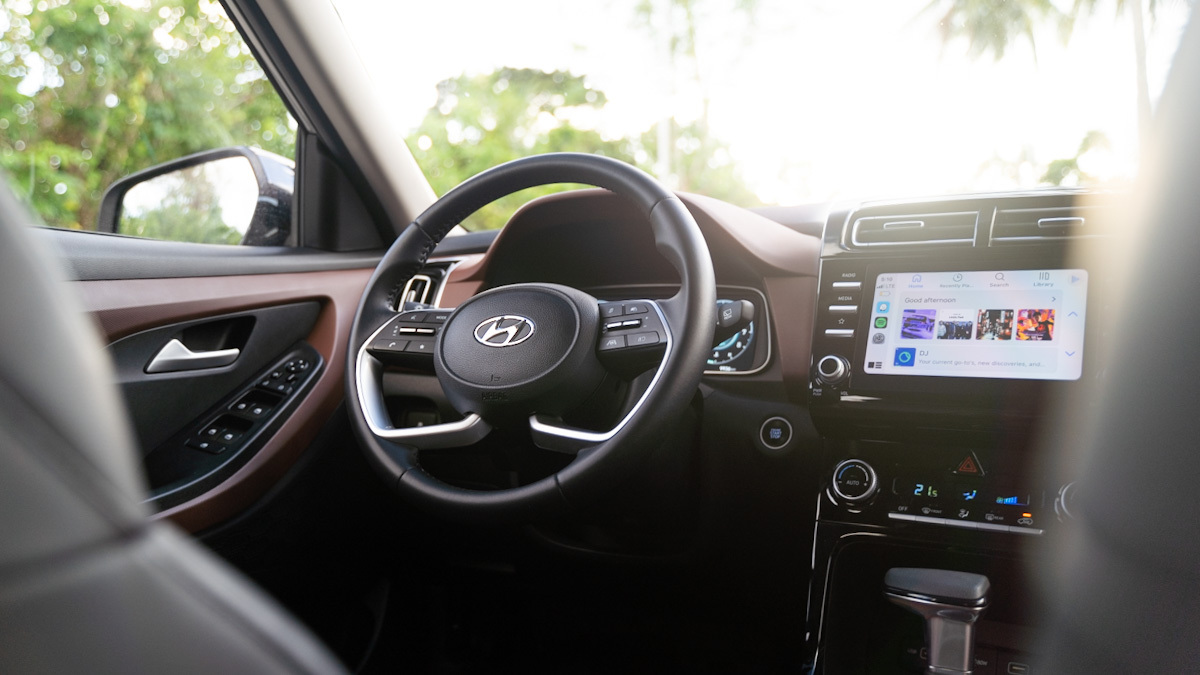
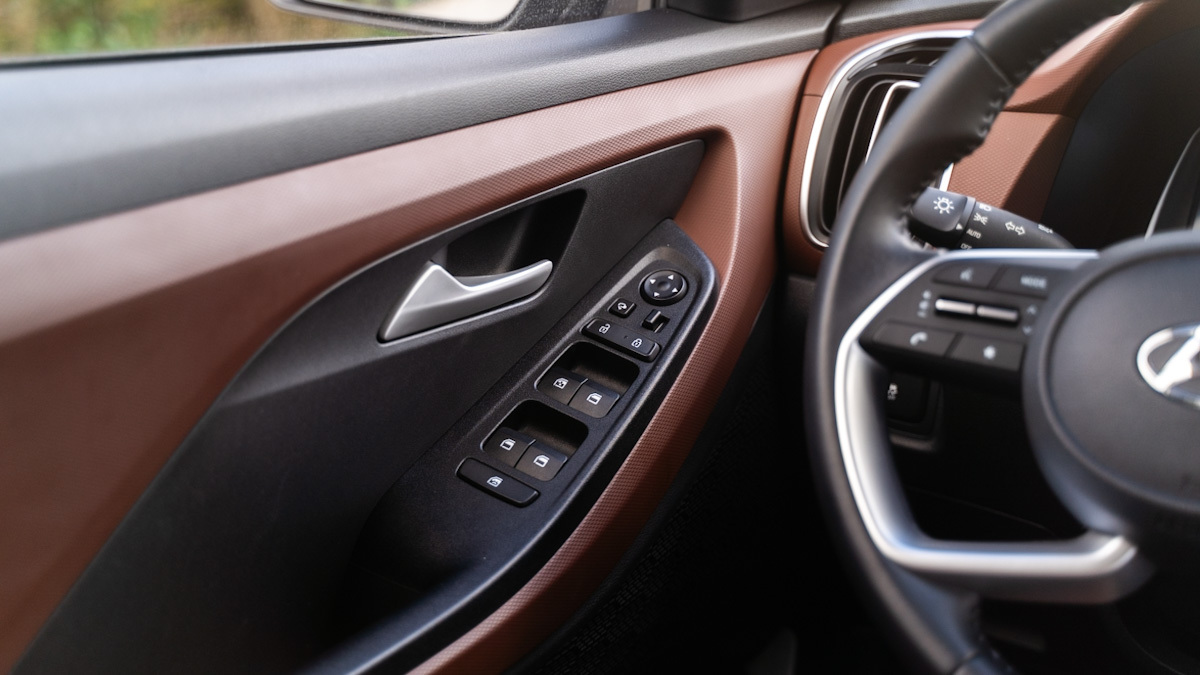
The Creta’s cabin is plasticky, but it’s not the bad kind of plasticky. Unlike in the top-spec Staria, the lack of soft-touch materials and the abundance of hard plastics in the Creta aren’t disappointing at all when you consider its price point. Much like the 11-seater Staria, then, I suppose.
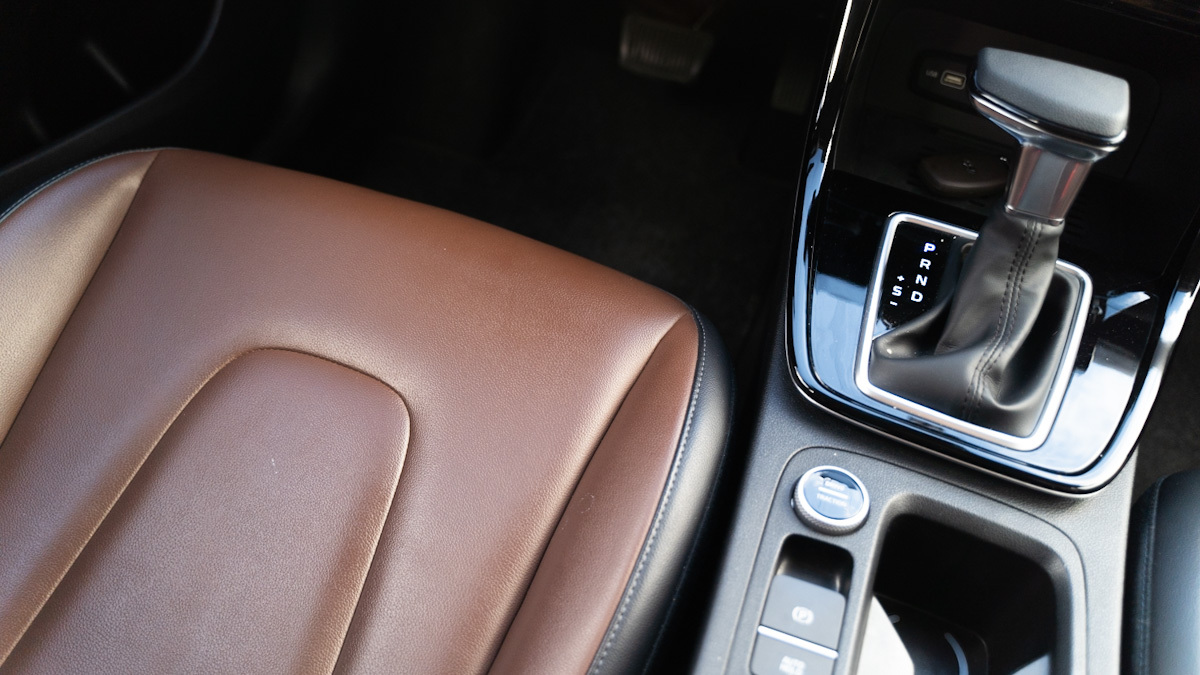
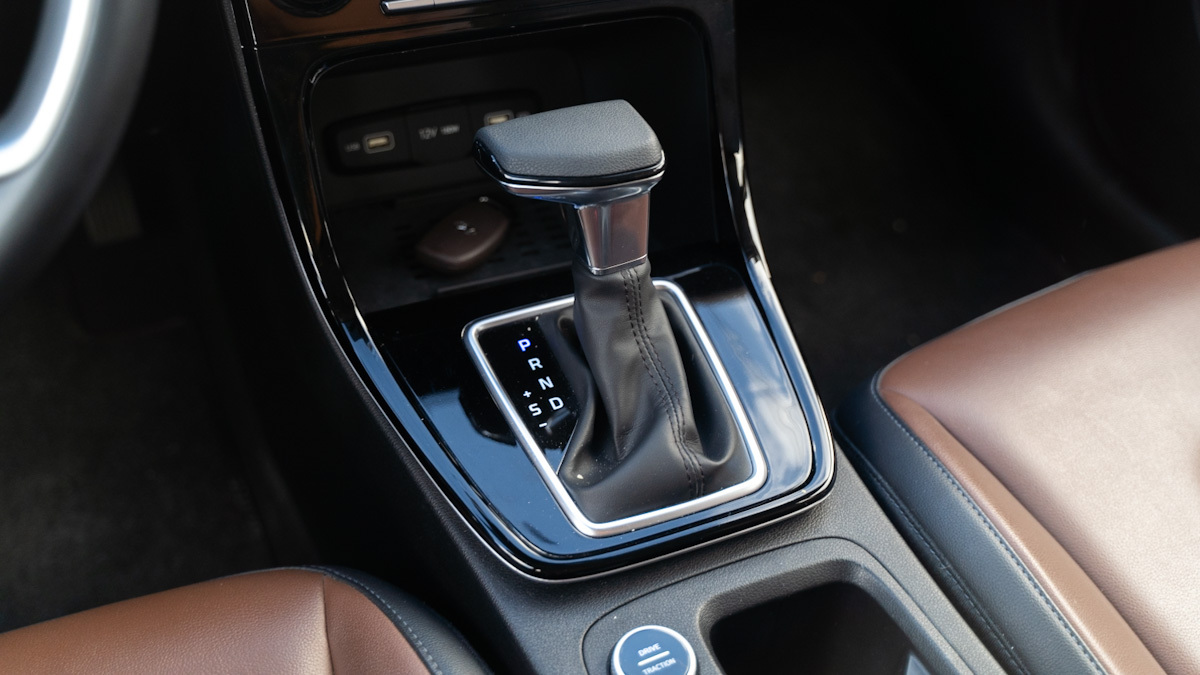
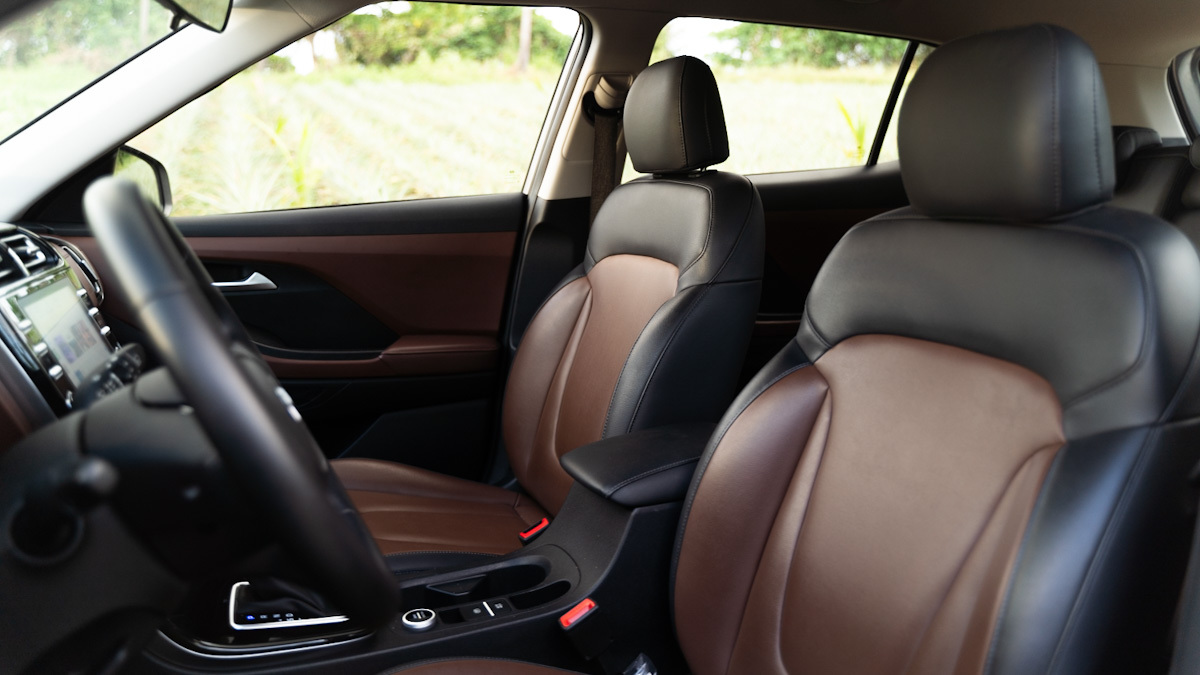
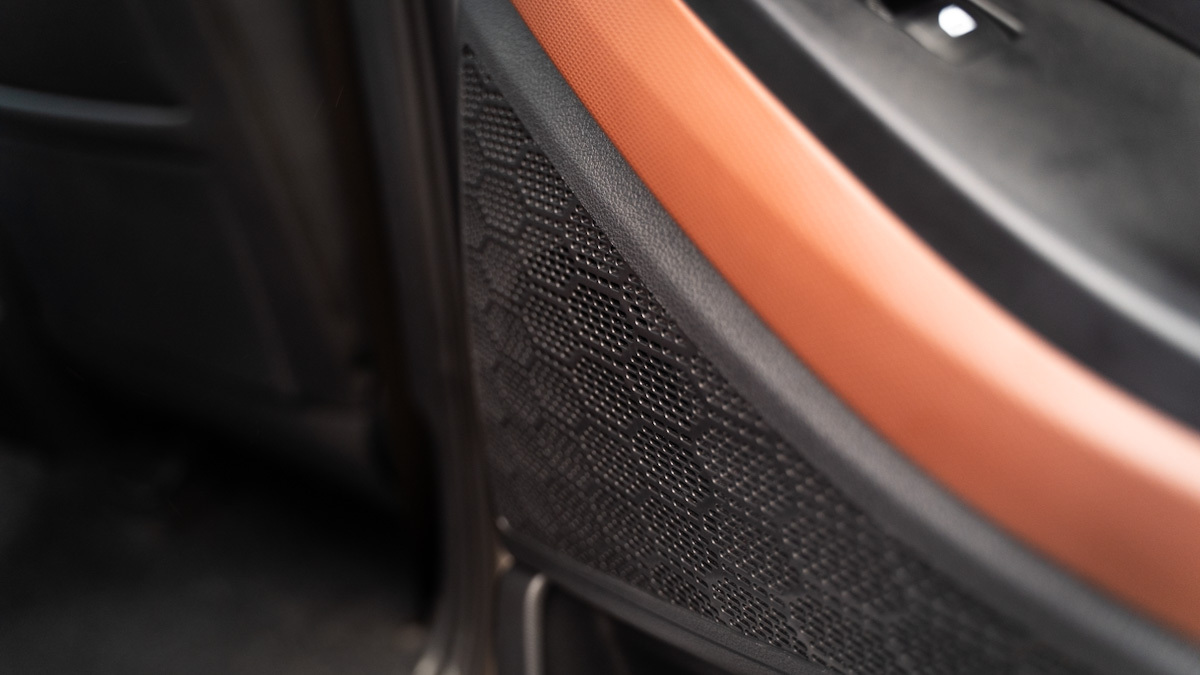
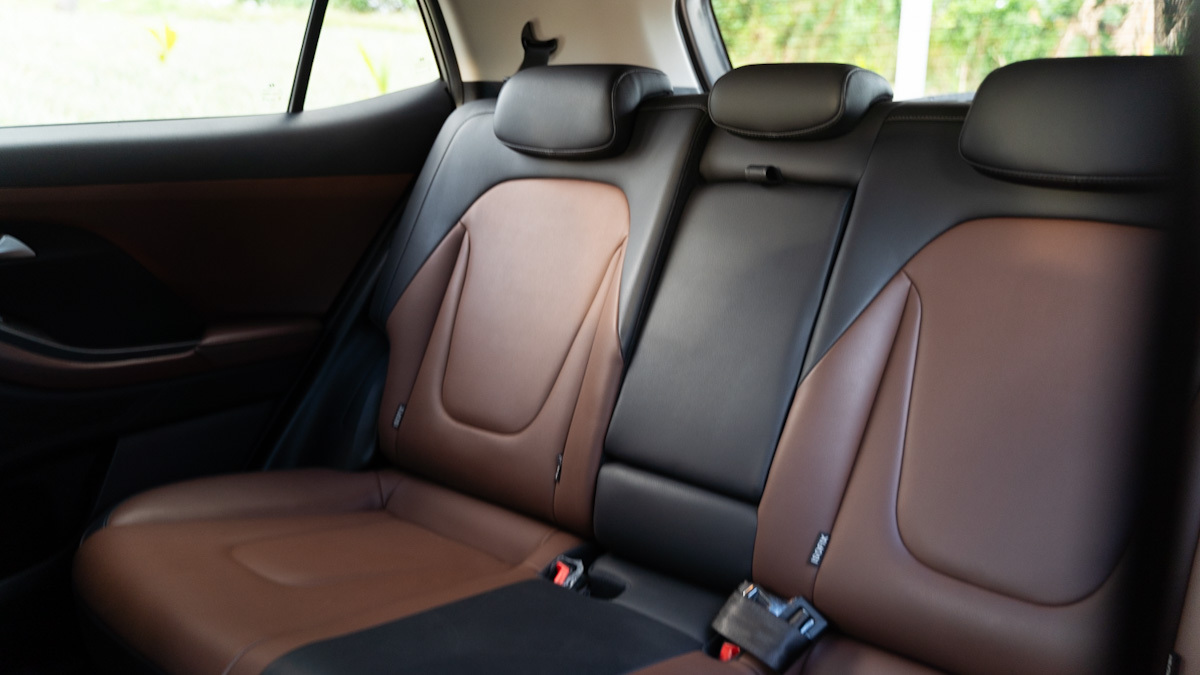
The plastics aren’t that nice to the touch, but Hyundai has done a good job making the interior look a bit more lively with the brown-on-black accents all around. The gloss-black material enclosing the infotainment system and the tactile A/C controls (thank God for knobs and buttons) are also pleasing to look at and while they smudge easily, they add a premium feel to the interior.
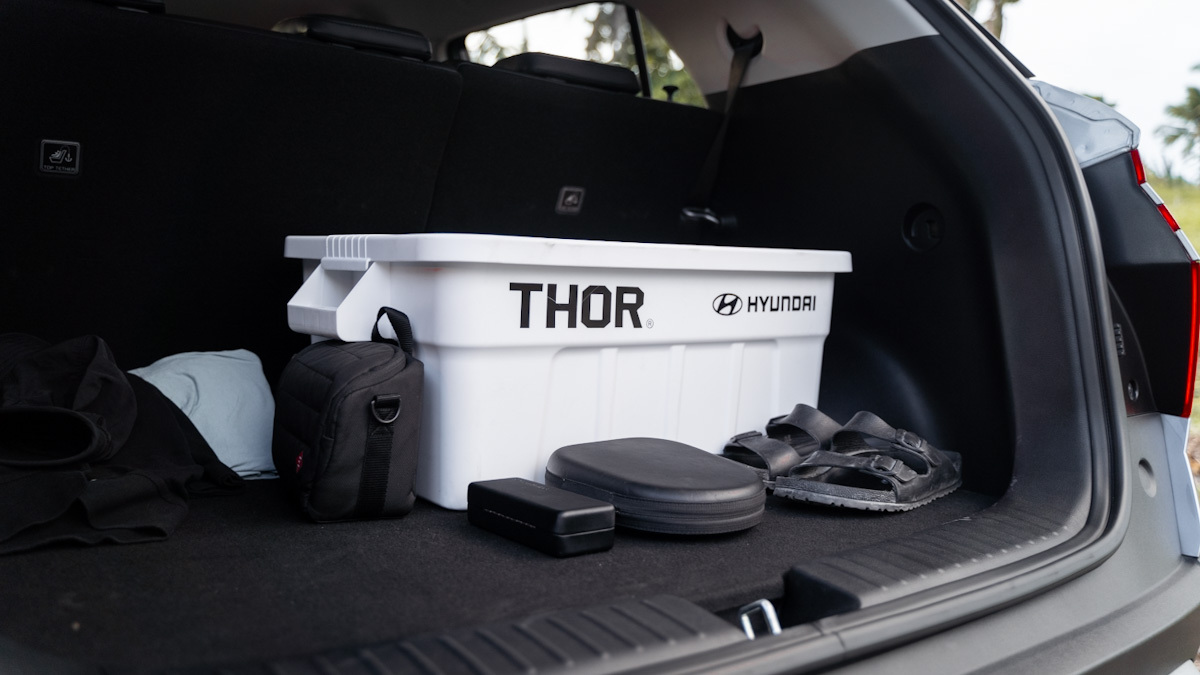
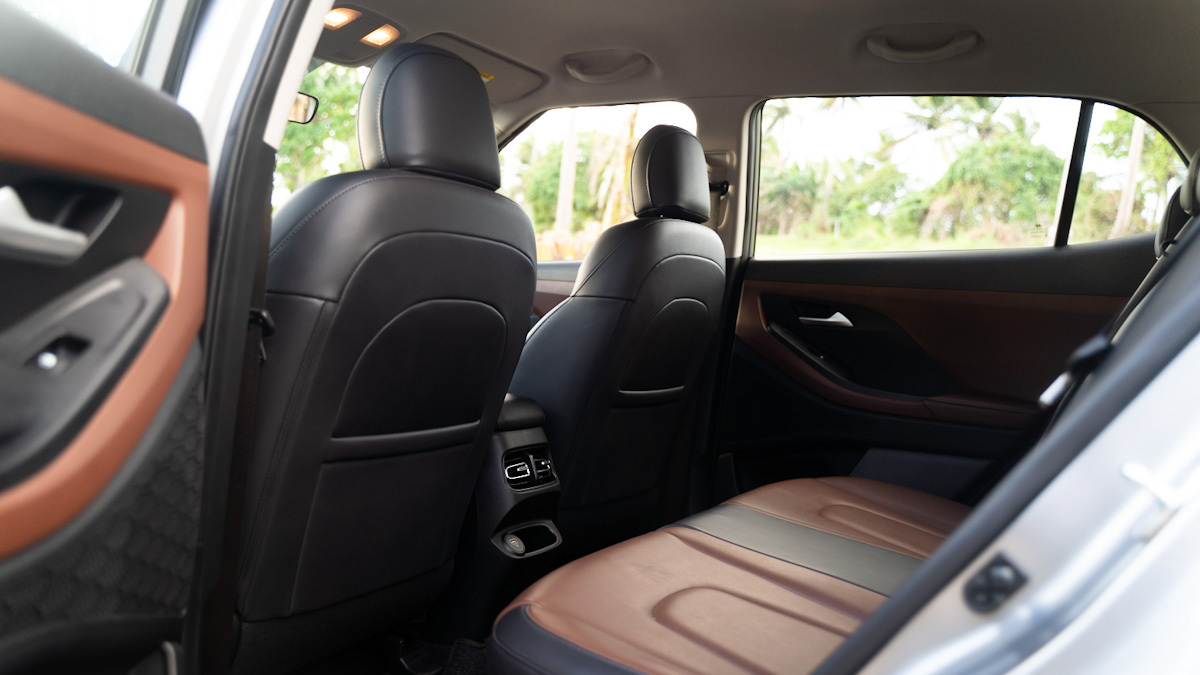
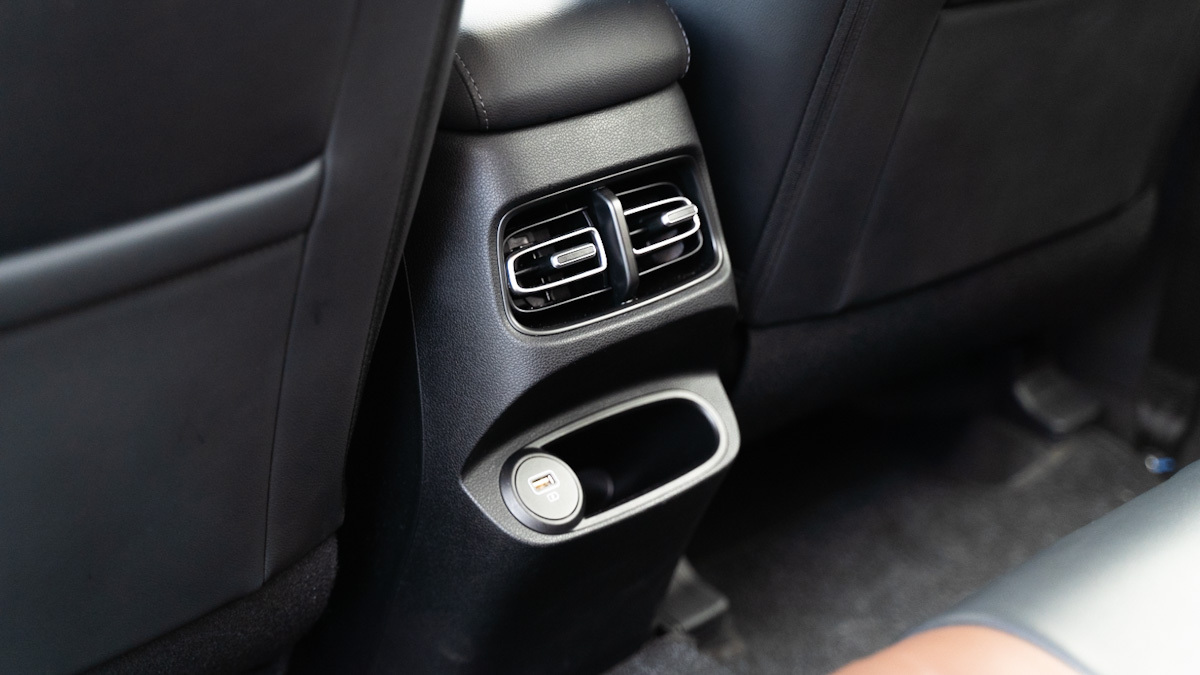
There’s decent space to go around as well. Five average-sized Filipinos will have no problems whatsoever fitting inside. The second row, however, can be a bit cramped for elbow room for three bigger-than-average adults. As for cargo space, it’s a bit smaller here than that of other segment rivals, but for what a subcompact crossover will mostly be used for, I think the Creta’s trunk is more than enough.
Engine performance
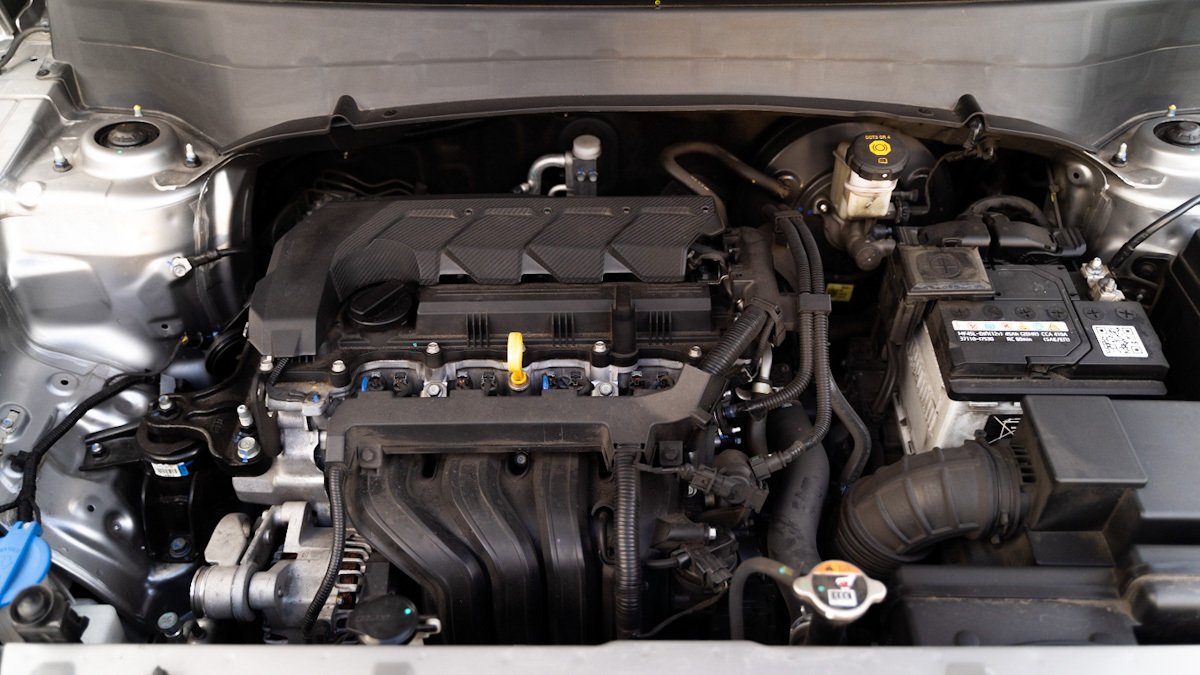
The Creta gets a 1.5-liter four-cylinder, naturally aspirated gasoline engine that puts out 112hp and 144Nm of torque. Just about right for this segment, but what sets it apart is the Intelligent Variable Transmission that Hyundai and Kia take pride in.
It’s essentially a CVT, but it provides better throttle response and more linear power delivery, making the Creta more fun to drive than most CVT-equipped small crossovers. There’s enough power in that four-pot for normal driving conditions, too. Don’t expect to breeze through steep uphill climbs with five people and some luggage on board, though. Managing your expectations is key.
As for fuel efficiency, it’s excellent. It does 18km/L on the highway and I reckon it can go farther than that. In the city, I got 9-10km/L with moderate traffic, and combined it played consistently around 12-14km/L.
Ride and handling
I implied earlier how the interior is far from being the best in its class, but be that as it may, worth commending is just how soft the seats are, and it adds a lot of comfort for both driver and passenger. The suspension’s a bit on the softer side as well, so living with this car in the city will be pleasant. Not to mention NVH levels are low inside the cabin, and the A/C here is excellent.
Outside the city and across winding roads, the Creta will also be a joy to play with. It handles well and there’s little body roll. Quite enjoyable through twisties, actually. You can also switch to Sport mode for a more spirited drive, because this mode really gives you the added boost you’re looking for. I mostly stuck to Normal mode, though, as Eco suppresses the throttle too much. Smart mode would’ve worked, but I wanted to be more consistent so I stuck to the most basic drive mode available.
Another thing I noticed in the Creta is that the brakes have excellent stopping power. The catch with it is that it has a deep biting point, so you really have to step on it if you want to even just decelerate on the highway. Not an issue for me, but something that must be pointed out.
Extra features
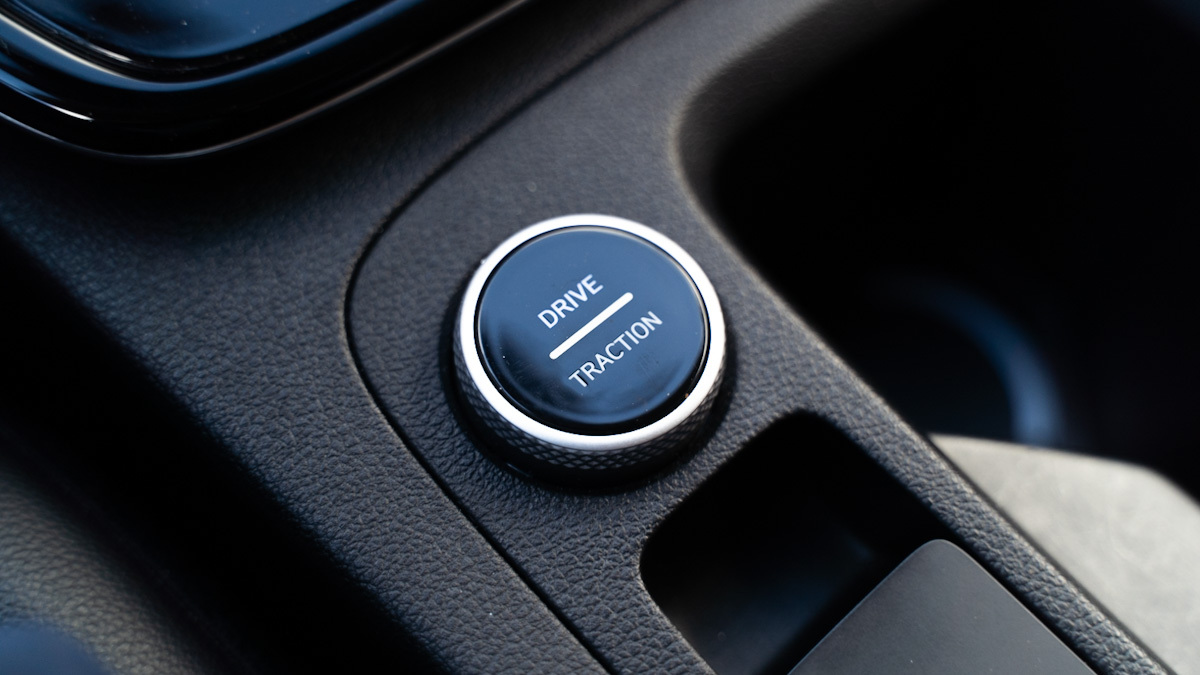
Apart from the aforementioned drive modes, there are also a lot of toys inside the Creta. You’ve got different terrain modes to choose from, too, but I didn’t really drive snow or mud, so I honestly had no use for it. Both terrain and drive modes, by the way, are exclusive to the top-spec Creta.
Other top-of-the-line exclusives include automatic climate control and the wireless charger up front, as well as blind-spot and forward collision-avoidance assist. Unlike the terrain-mode selector, all of these I actually found useful.
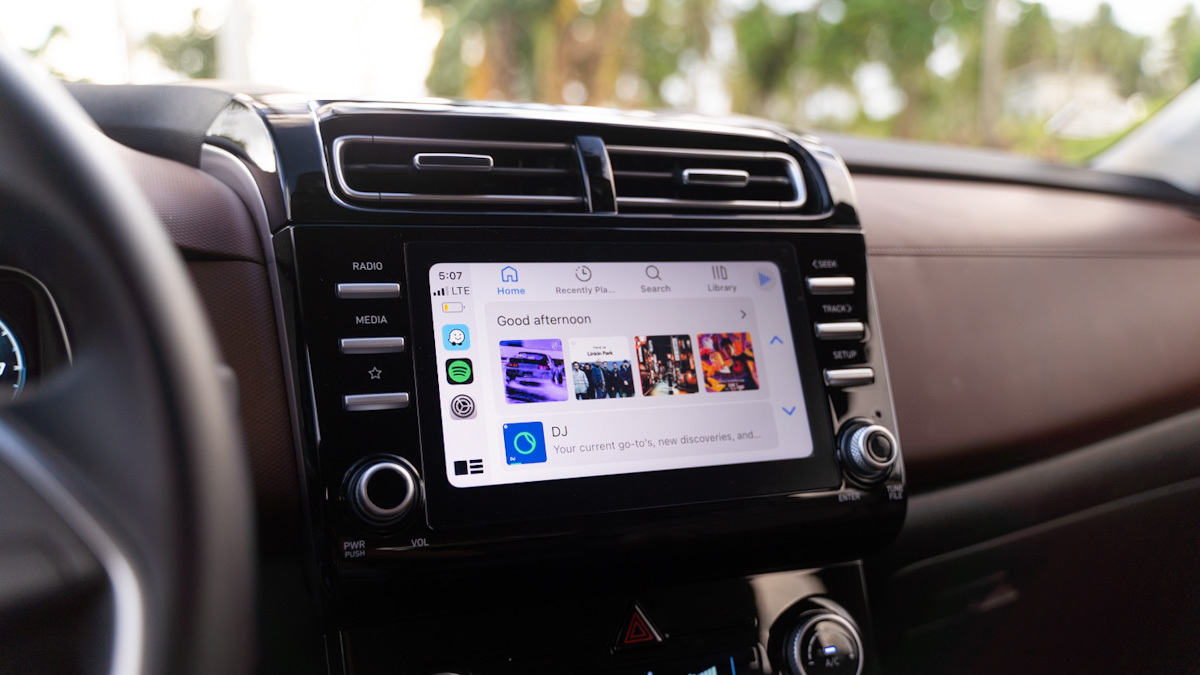
Of course, there’s also the eight-inch infotainment system with wireless Apple CarPlay and Android Auto. While it’s nice to have wireless connectivity, the fact that there’s no wired option for smartphone connectivity is a bummer, especially since the wireless connection here in the Creta can get a bit clunky at times. The many times my phone disconnected from CarPlay, I had to reset the entire car just to get it working properly again.
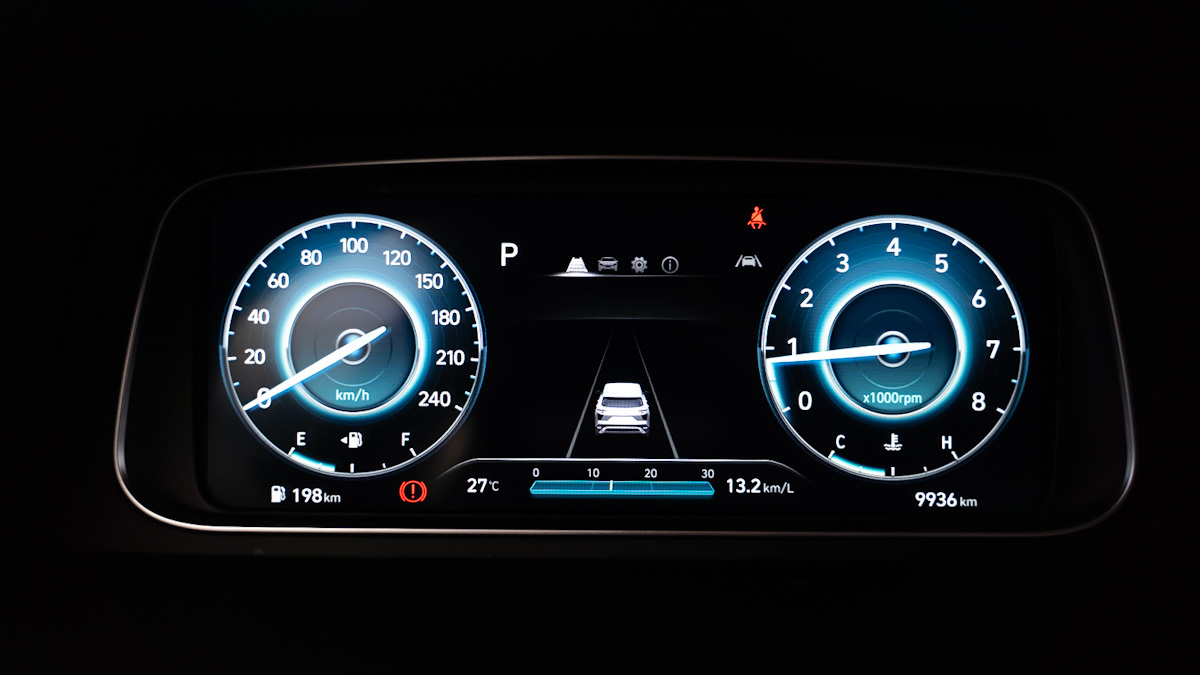
The can-be-faulty-at-times head unit is paired with a nice 10.25-inch instrument cluster, and this one I like. It’s easy to navigate, and it’s got all the information you need. It changes colors depending on the drive mode, too, so if you’re into customization like that, this is right up your alley. After spending time recently with some of the most confusing instrument clusters ever, I’m just glad it’s user-friendly and easily visible.
Verdict
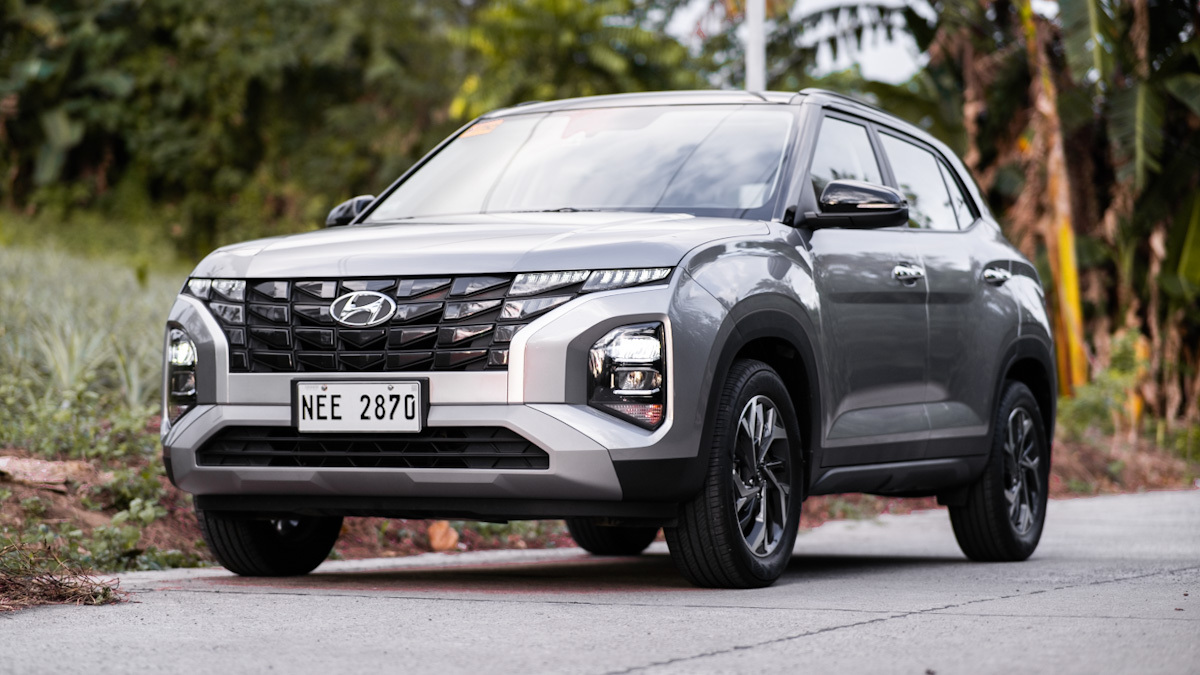
The range-topping Hyundai Creta GLS stickers for P1.388 million. That makes it slightly more expensive than the highest non-hybrid Toyota Corolla Cross variant, but also slightly more affordable than the base Honda HR-V. That suggests it’s a pretty balanced package, and that’s because it is.
If anything, it’s a safe choice in the segment. It’s got decent looks, a decent interior, a fuel-efficient engine with an impressive transmission, a pleasant ride, and a reasonable price tag. It might not be top-of-mind for customers looking at this segment, but it’s a model that can easily end up in any crossover buyer’s shortlist.
SPECS: 2024 Hyundai Creta 1.5 GLS IVT
Price: P1,388,000
Engine: 1.5-liter gasoline I4
Power: 112hp
Torque: 144Nm
Transmission: continuously variable (IVT)
Layout: FWD
Seating: 5
Score: 8.5/10
More photos of the 2024 Hyundai Creta 1.5 GLS IVT