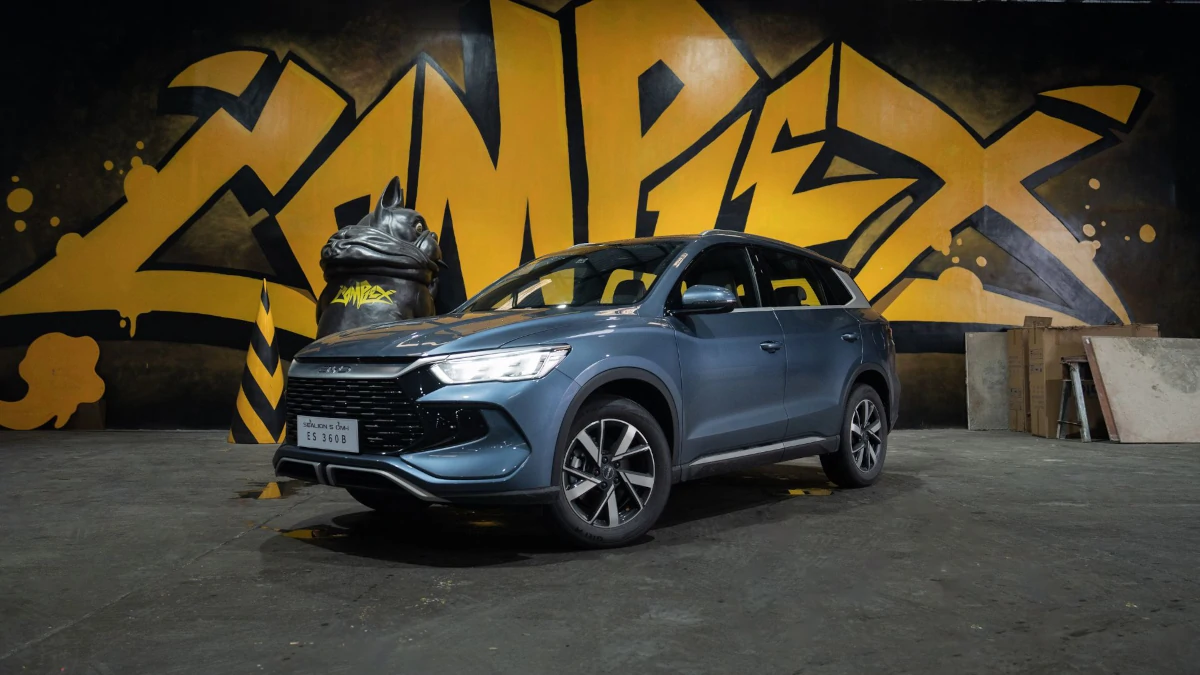
Who would’ve thought that BYD would become one of the major players in the country? While more popular now than ever, it was a bit player not that long ago. Heck, BYDs were already in the country about a decade ago.
Now, not a day goes by when you see one – just take a look at all the charging stations. Thanks to competitive pricing and outstanding fuel economy from its plug-in hybrids, many have bought into the brand, disrupting the establishment.
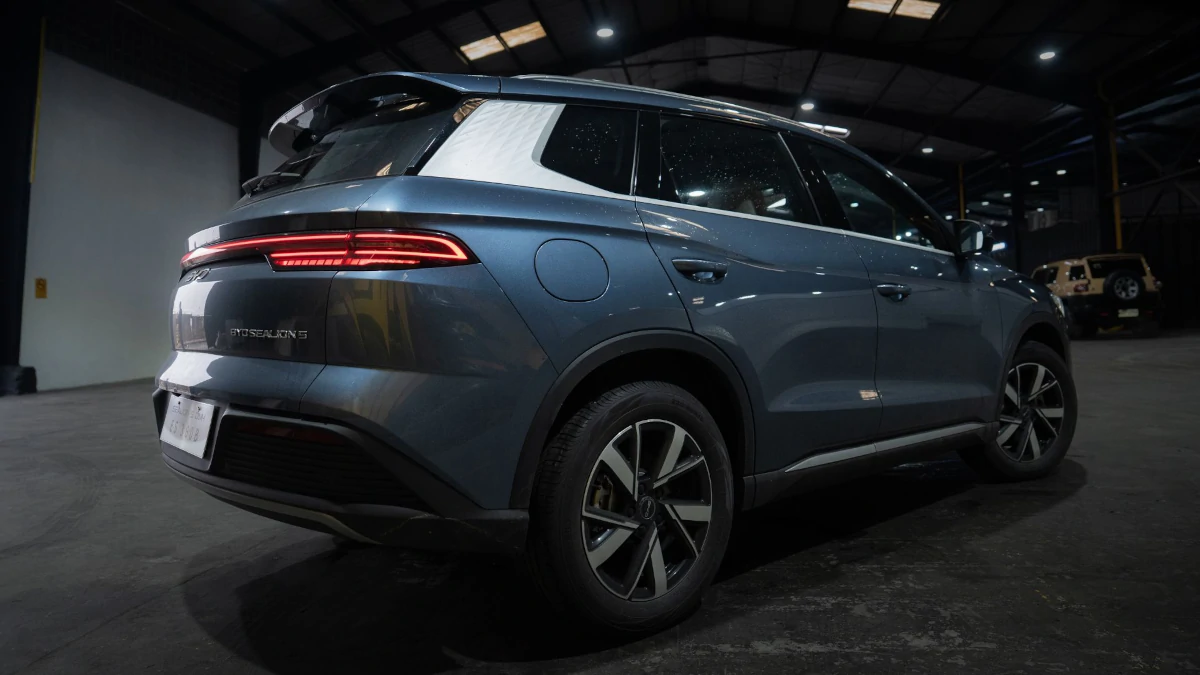
For the plug-in hybrid models, it all started with the Sealion 6 DM-i. It was then followed up by the Seal 5 DM-i, becoming the accidental savior of the compact sedan segment. Now, the Sealion 5 DM-i has been released, and BYD is keen on taking an even greater share of the market.
OTHER STORIES YOU MIGHT HAVE MISSED:
Tesla PH opens its first charging station in Antipolo, adds three more in Metro Manila
‘Unified No Parking policy’ for Metro Manila to be finalized by September 1
As popular as BYD plug-in hybrids are now, they’re not perfect. However, the tempting prices make up for a lot of the shortcomings. With that, is the Sealion 5 a good car or merely good for its price? Read on.
Styling
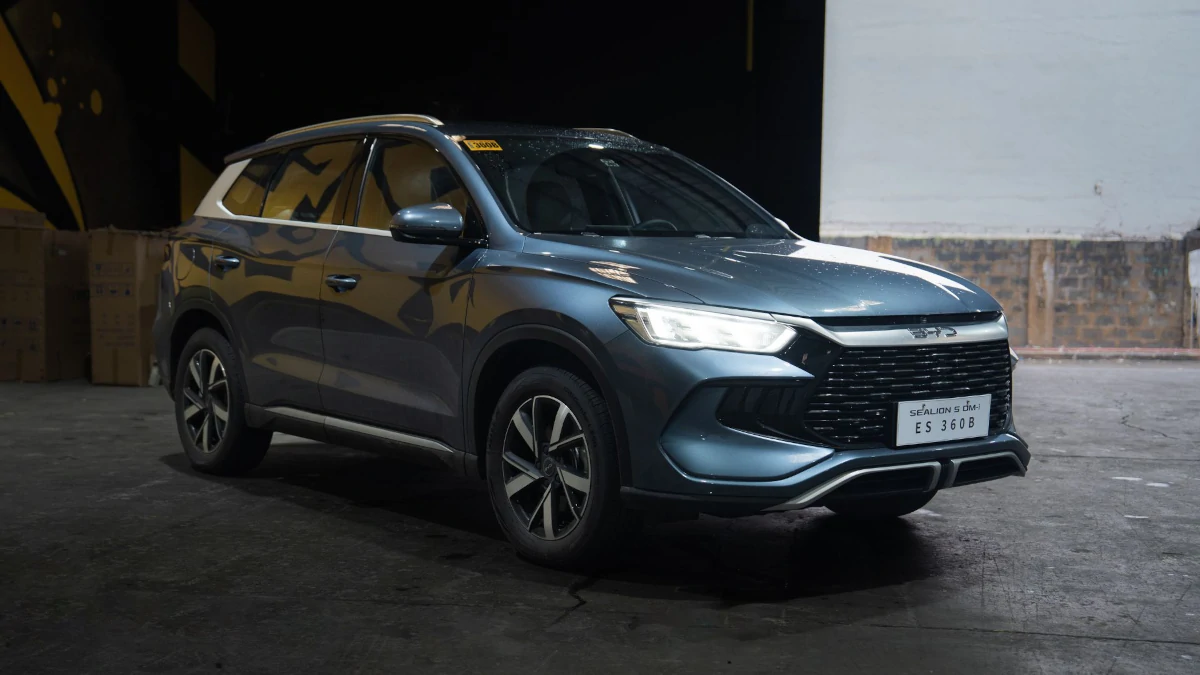
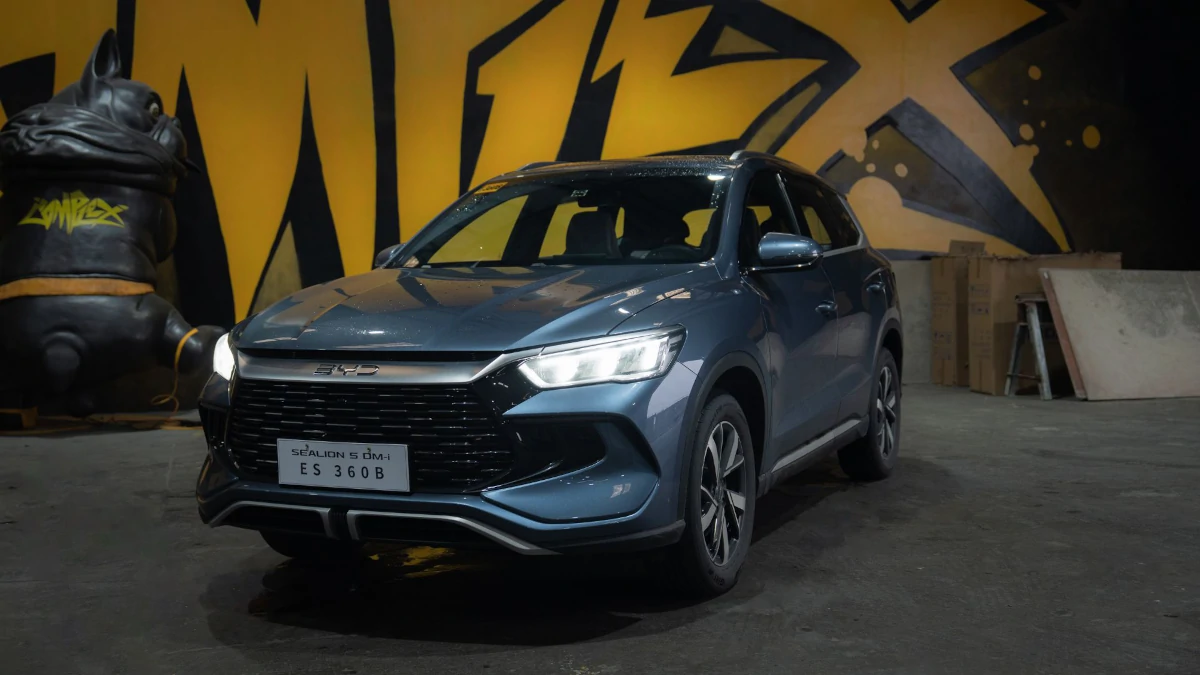
While its main rivals are mainly subcompact crossovers, the Sealion 5 DM-i is anything but small. It follows the same trick of the Seal 5 DM-i by offering a substantially bigger vehicle for a lot less. If anything, it’s the same size as the Honda CR-V and Toyota RAV4, but the styling does disguise its otherwise generous exterior dimensions.
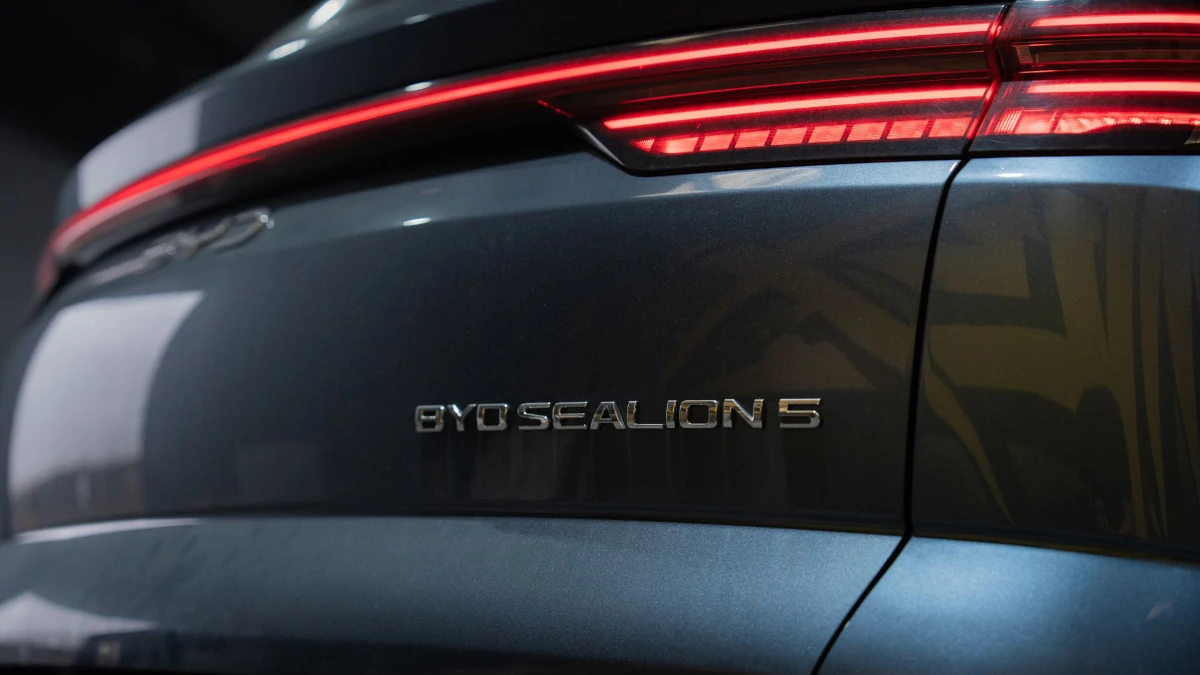
We’re not too keen on the grille design, if we’re being honest. There’s a huge gawping grille that takes up most of the front end, and the slit between the hood and grille slat makes it look like the hood itself has been left open. The lights are a nice shape, though, as is the smooth and gentle curves on the body. As for the rear, it’s inoffensive, but it won’t hurt anyone’s eyes.
Interior
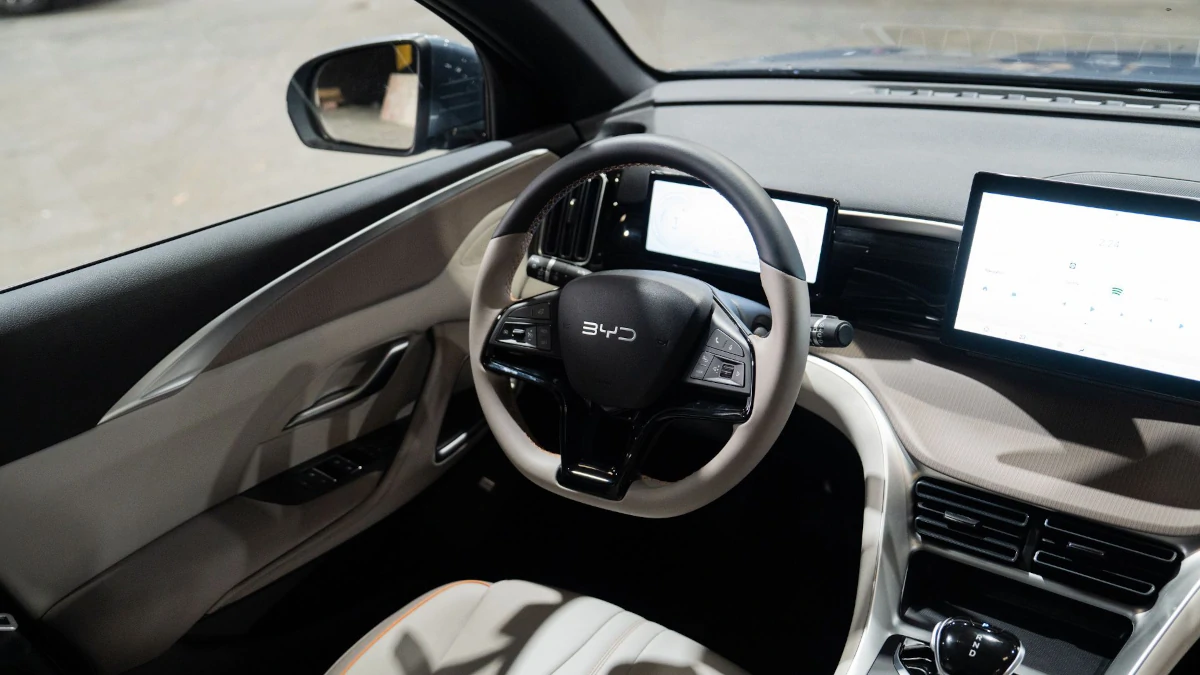
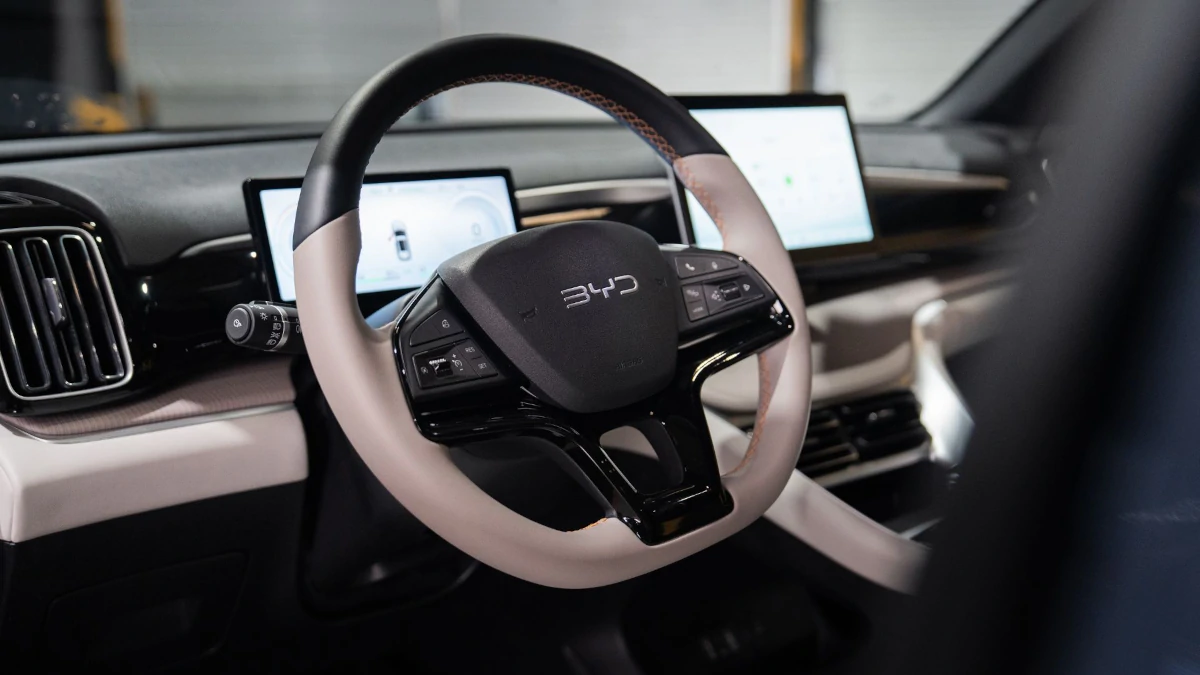
This is where the BYD can easily pull in any prospective buyers. Sitting inside, the interior is to the brim with soft and padded materials to make the car feel more expensive than it actually is. While it won’t give Lexus any sleepless nights, BYD could’ve easily cut some costs by sticking in hard plastics on the doors and dash. The fact that they made the effort shows that the company is pulling out all the stops to give a richer-feeling environment.
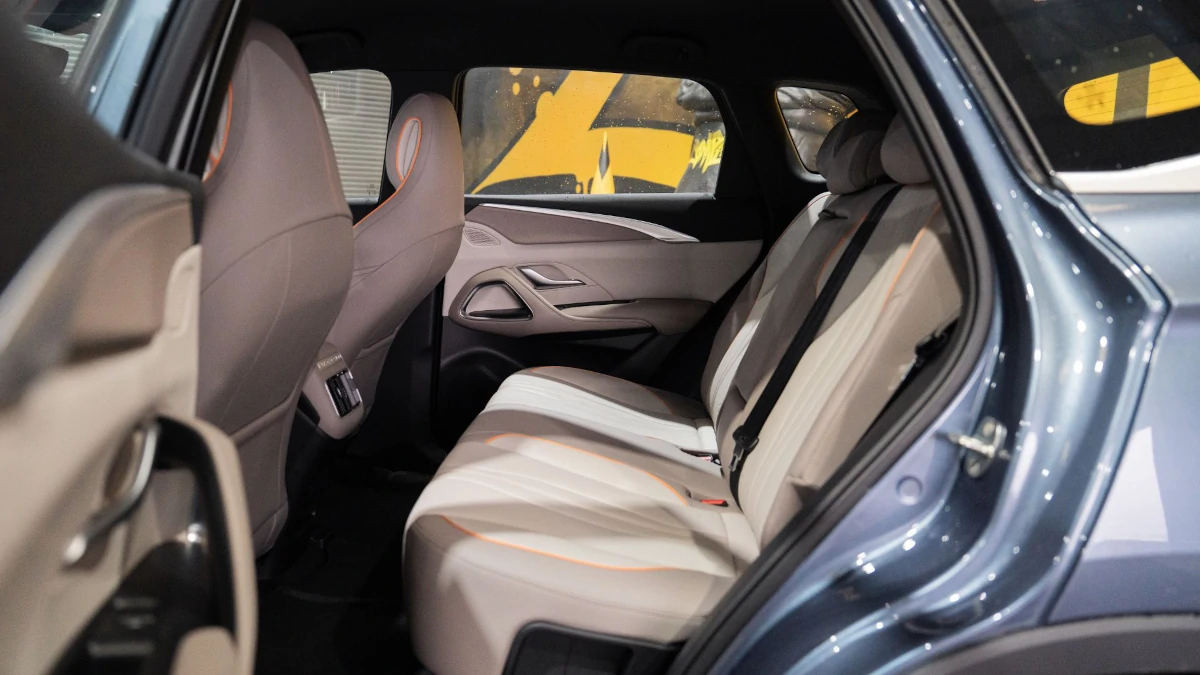
Also, the blue on white theme gives an air of spaciousness in the cabin. It’s warm and welcoming, but it’s worth pointing out that it will get grubby in no time, especially for denim enthusiasts. The spaciousness isn’t an illusion, either, as one has to remember that it’s the size of a compact, not a subcompact.
So far, so good, and the ergonomics are a mix of familiar and quirky. If anything, it’s exactly the same layout as the Seal 5 DM-i, so those coming from other BYD products should be fine. As for those shifting from, say, a Japanese car, there will be some adjustments needed. Speaking of adjustments, the steering wheel could do with a few more inches of reach as it doesn’t extend far enough.
We do have to make a comment about the seats. There’s not much in the way of support and there’s a tendency to sink into them. We’ll discuss more about them in the ride and handling section, but we have mixed feelings about them.
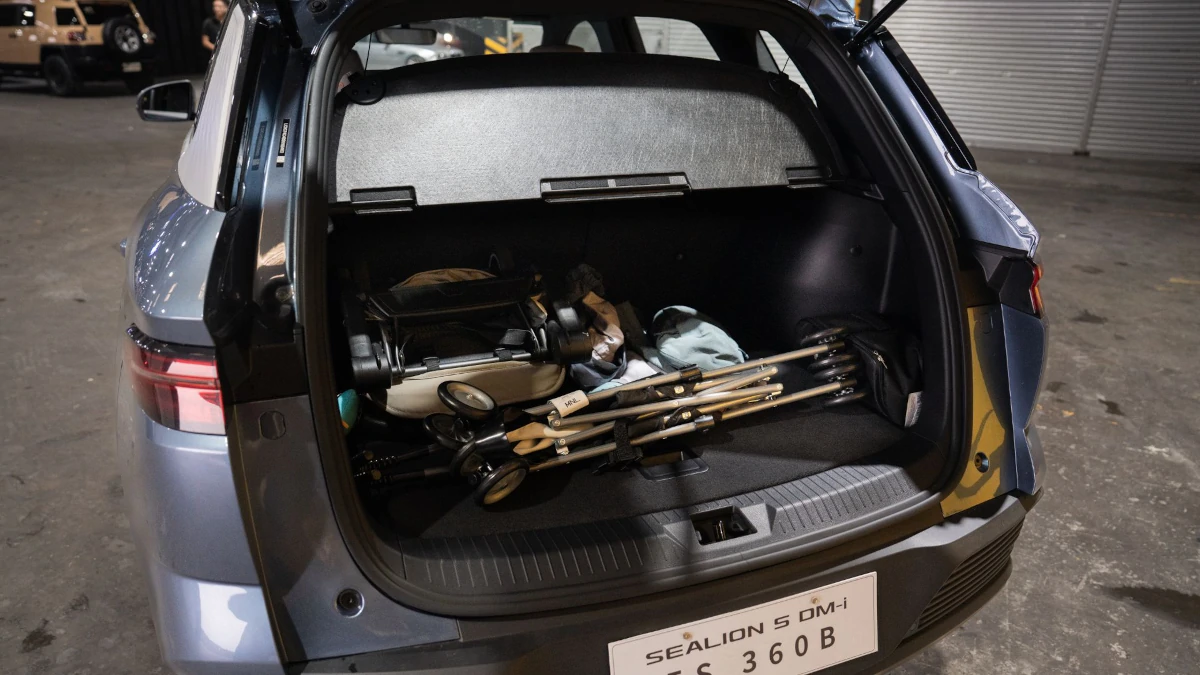
But back to the good stuff, the cargo space is commodious. Again, not surprising given its size, but there’s more than enough space thanks to a long and wide floor. The flat floor is great for loading, and there’s some underfloor storage for valuable items.
Engine performance
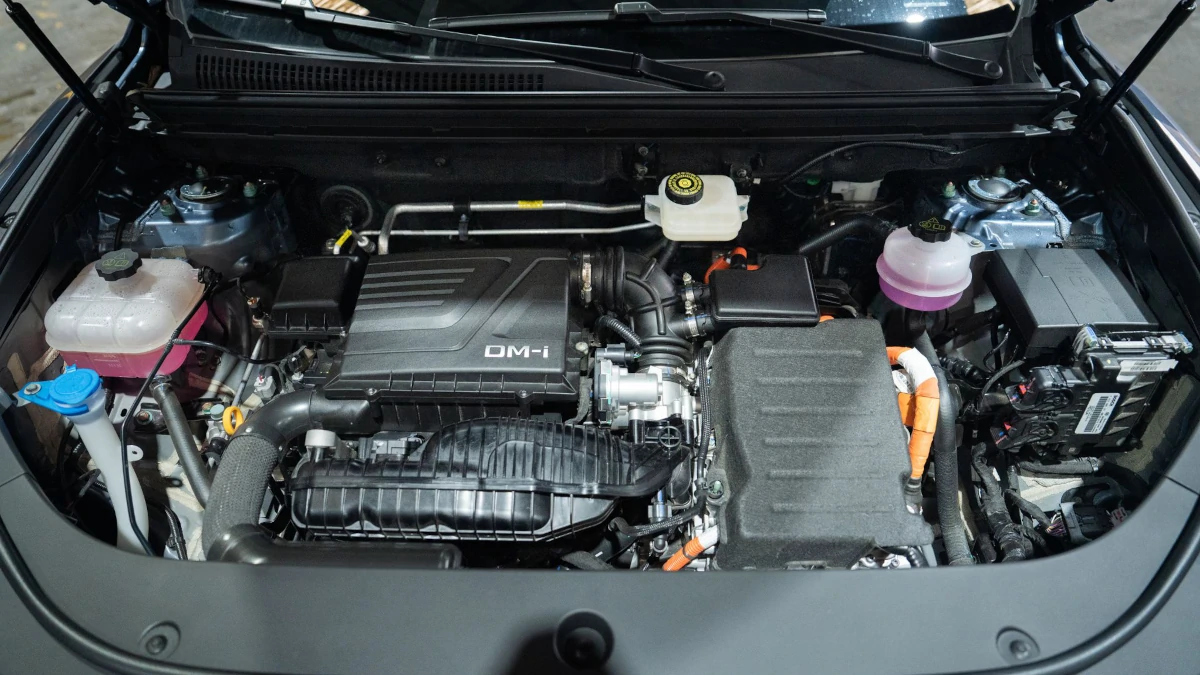
We might as well past the specs of the Seal 5 DM-i in this case. It’s exactly the same combination in the Sealion 5 DM-i, meaning a 1.5-liter engine mated to a single motor and a 12.96kWh battery. However, the way it delivers power is a little bit different compared to its sedan counterpart.
For starters, it’s less eager to spin the front wheels, although one still has to be careful with the throttle. There’s a good slug of torque down from takeoff thanks to the motor, but we did observe that it’s less willing to pull than the Seal 5. A likely factor is the extra weight. It also doesn’t have the same punch when it reaches highway speeds.
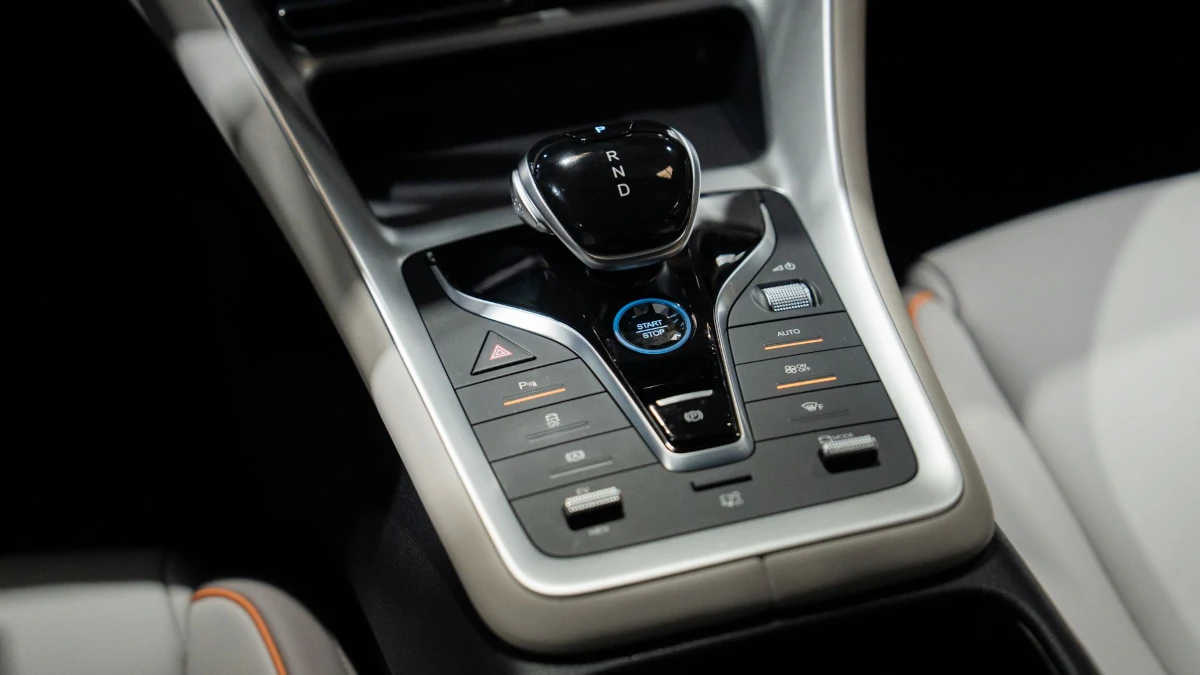
But the more important thing here is efficiency. Running it in pure electric means up to 71 kilometers with no engine assistance. That effectively gives it, well, about 71km/L. But treat it like a hybrid and it still delivers impressive economy. In light traffic, we observed 26.3km/L. Along more congested roads, it refused to dip below 17km/L.
Ride and handling
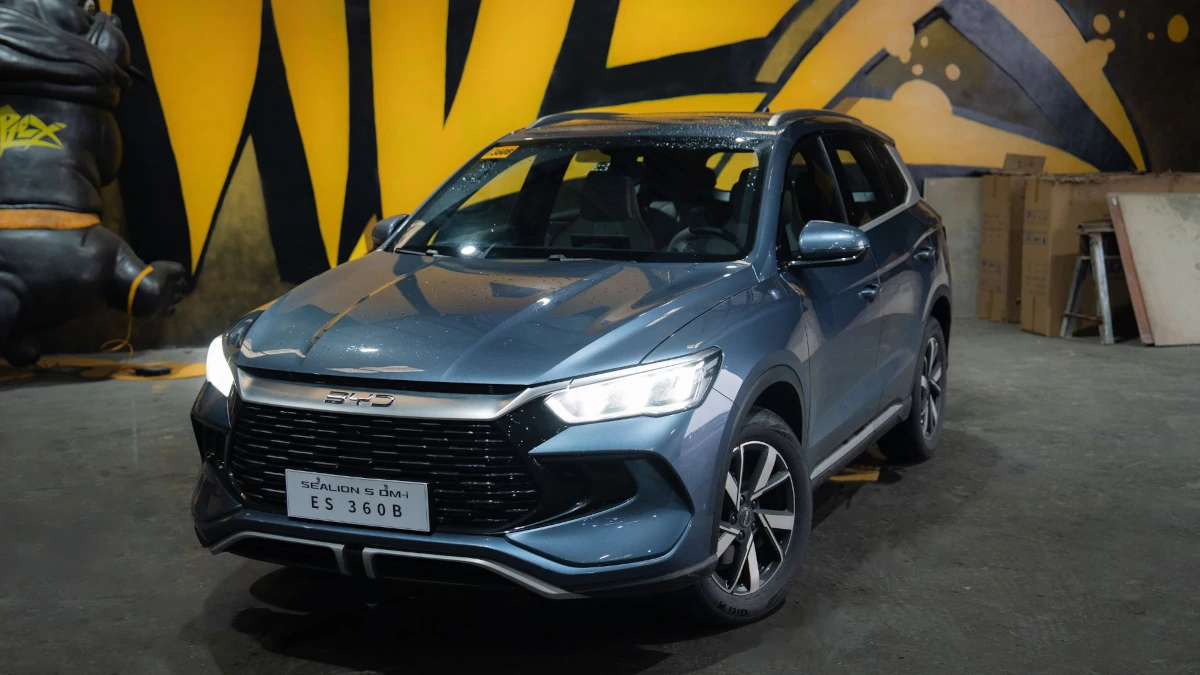
Unfortunately, this is where the Sealion 5 DM-i needs a good bit of work. The ride is soft, so that’s the good part, but it results in a wallowy ride that never feels settled. Yes, it shrugs off potholes and surprise humps with ease, but the jello-like body control isn’t good news for those who suffer from carsickness.
Not helping matters are the seats. We mentioned earlier that there’s a tendency to sink into them, and it multiplies the body motions the car does, so we were thrown around a lot in them. Better lumbar support and firmer bolsters can easily solve this.
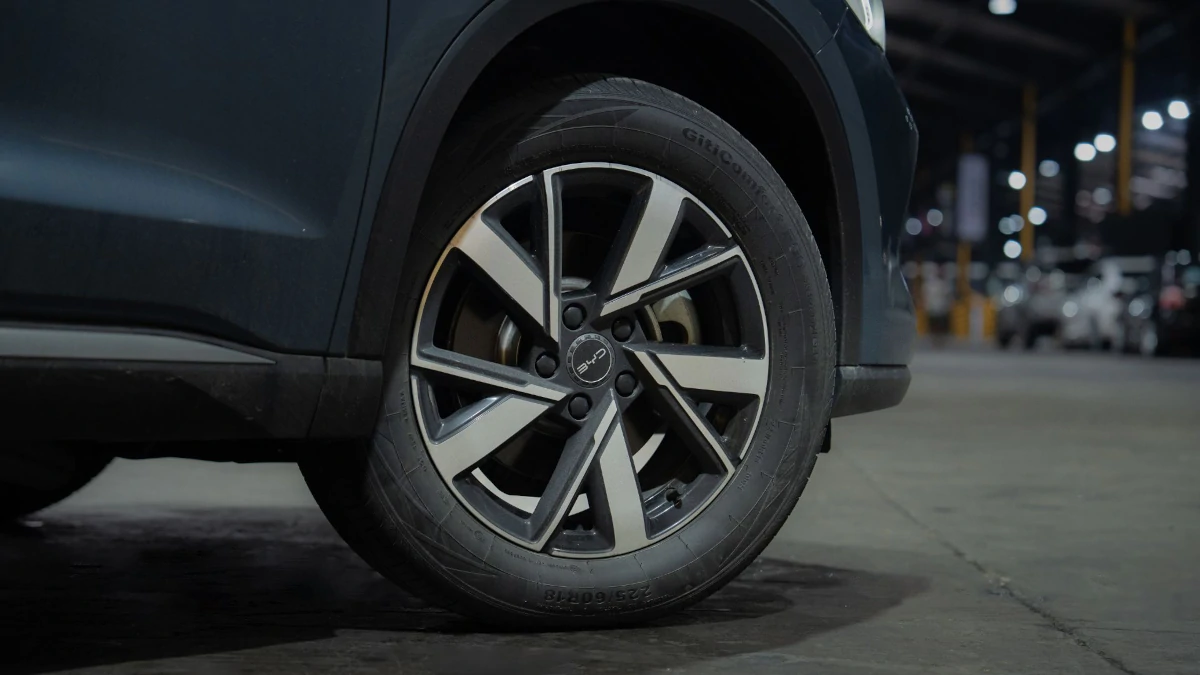
As for handling, a good chunk of the Sealion 5 buyers probably won’t care as long as it stops and steers, but there’s room for improvement here. The steering is numb, and that’s putting it lightly. One may find themselves constantly adjusting the wheel to keep the car straight because there’s a vague sense of what’s straight ahead.
The soft suspension also means the body leans into a corner. Again, most won’t really care, but it’s something to take note of when driving along a twist road, even at conservative speeds. The car’s reactions around corners don’t bode too well for emergency maneuvers, either. It’s okay to have soft suspension, but the Sealion 5 needs a bit of firming up to do.
Extra features
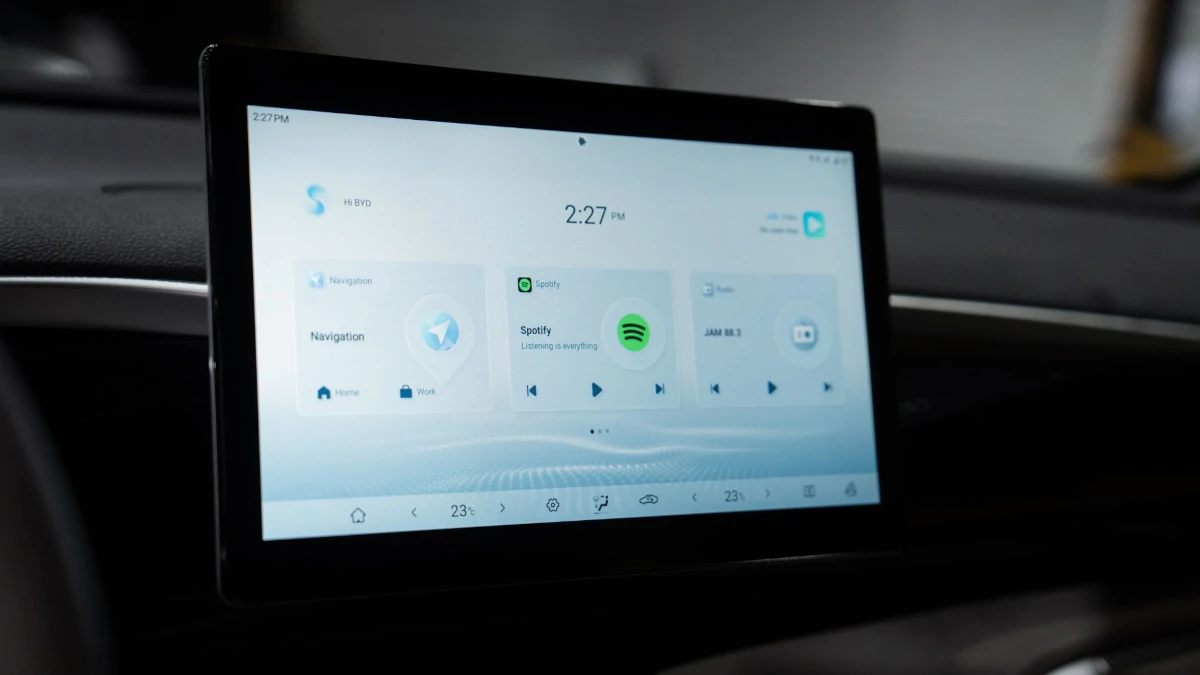
Okay, the crossover took a beating in the ride and handling department, but it claws back some points for its features. Well, that’s what the Chinese automakers have been doing to lure in more customers. Of course, there’s the rotating screen that’s standard in every BYD, but there’s more to it than that.
There’s a PM2.5 filter that literally clears the air inside, and there’s 4G connectivity plus BYD Cloud Service for over the air updates. There’s a barrage of airbags in there, plus a supplement to the stability control called anti-rollover control system. Given how wobbly its legs were, it’s going to need it.
We’ll get to the price a little later on, but there’s a reason why it’s now for the segment. There’s no advanced driver assists, and there’s no power seats. The latter is relatively minor, but no adaptive cruise might be a deal breaker for some.
Verdict
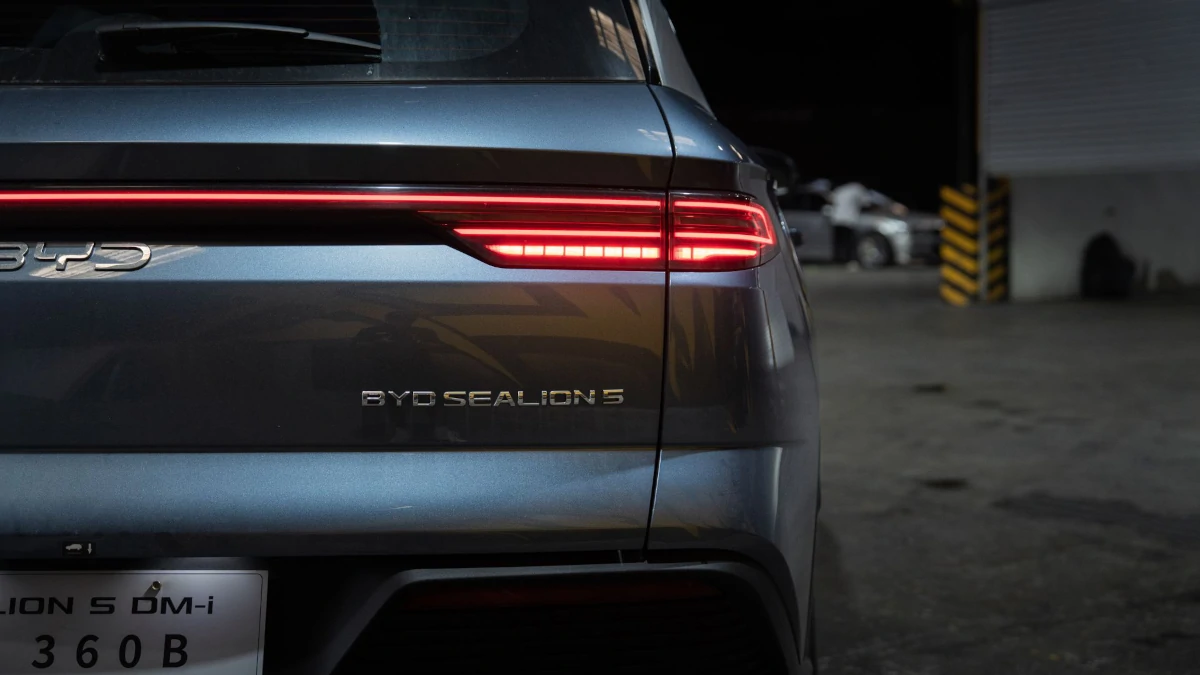
For what it has to offer, it’s an absolute steal at its P1,198,000 introductory price. It’s larger than all of its primary competitors, and can even threaten those in a higher category. There’s loads of space inside, decently equipped, and delivers amazing efficiency. Even at its regular price of P1,280,000, it still easily under cuts its rivals and everything close to its size.
But we can also see where, er, some money was saved. The chassis really needs a lot of polish, especially compared to its more established rivals. Yes, those are more expensive, but one feels the difference once they hit the road.
We’ll classify this under good for the price, then. So, why aren’t we as enamored with the BYD Sealion 5 compared to say, the Seal 5? It’s simple – this crossover has tougher competition ahead of it.
The Seal 5’s value proposition against subcompact sedans is tough to beat, and factor in all the features it has for much less, and it’s easily a solid pick in its price range. As for the Sealion 5, the segment it’s in might be more discerning and willing to pay more for a better driving and riding experience.
For bargain hunters, though, this crossover easily scores a perfect ten. But if price isn’t a factor, it’s a decent option among its peers. Still, the fact that BYD can come up with something this competitive should be a warning to legacy automakers. Should the criticisms we leveled on it be rectified and retain its strong value proposition, BYD can easily snatch more sales from them.
Specs: 2025 BYD Sealion 5 DM-i Premium
Price: P1,198,000
Engine: 1.5-liter I4 + permanent magnet synchronous motor
Power: 194hp (combined)
Torque: 300Nm (motor)
Transmission: E-CVT
Drive layout: Front-wheel drive
Seating: 5
Score: 8/10