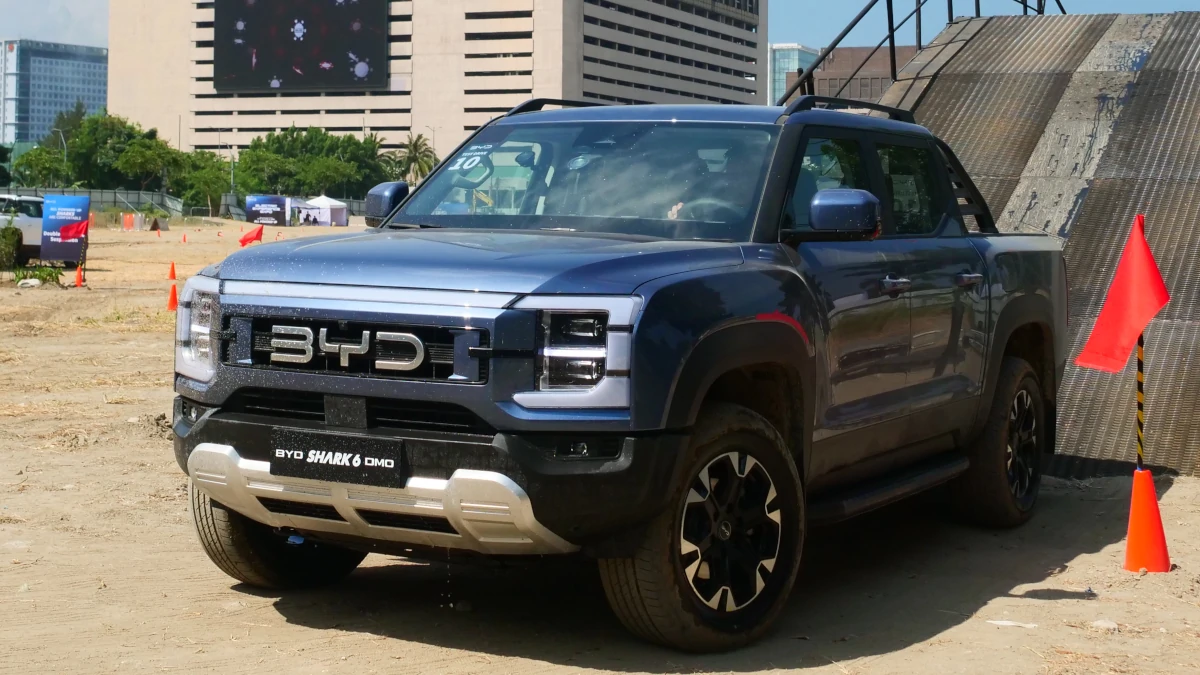

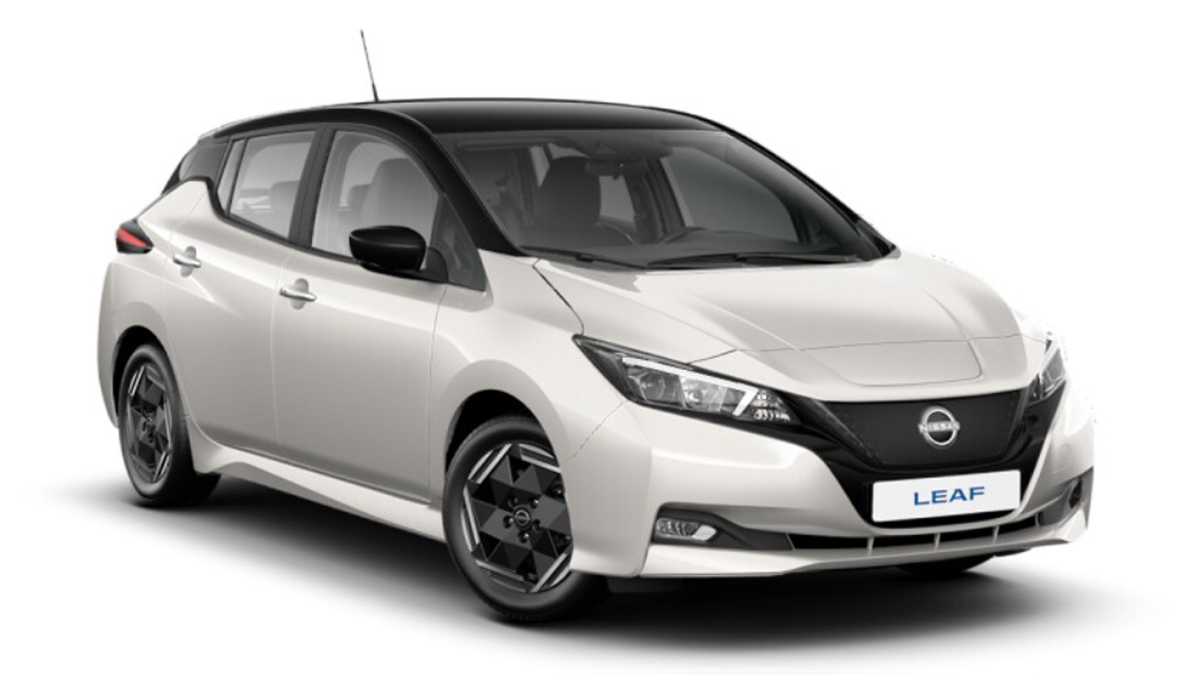
The original Nissan Leaf was a polarizing car. It was the first modern series-produced EV, as well as the biggest selling EV of all time—until it wasn’t. But it still soldiers on in its second generation, only now competing with much cheaper Chinese competitors. Given the price difference, how does the OG EV stand up? Here are five positives—and a few negatives—we’ve found for Nissan’s electric greenie.
+ Nissan really knows how an EV should drive
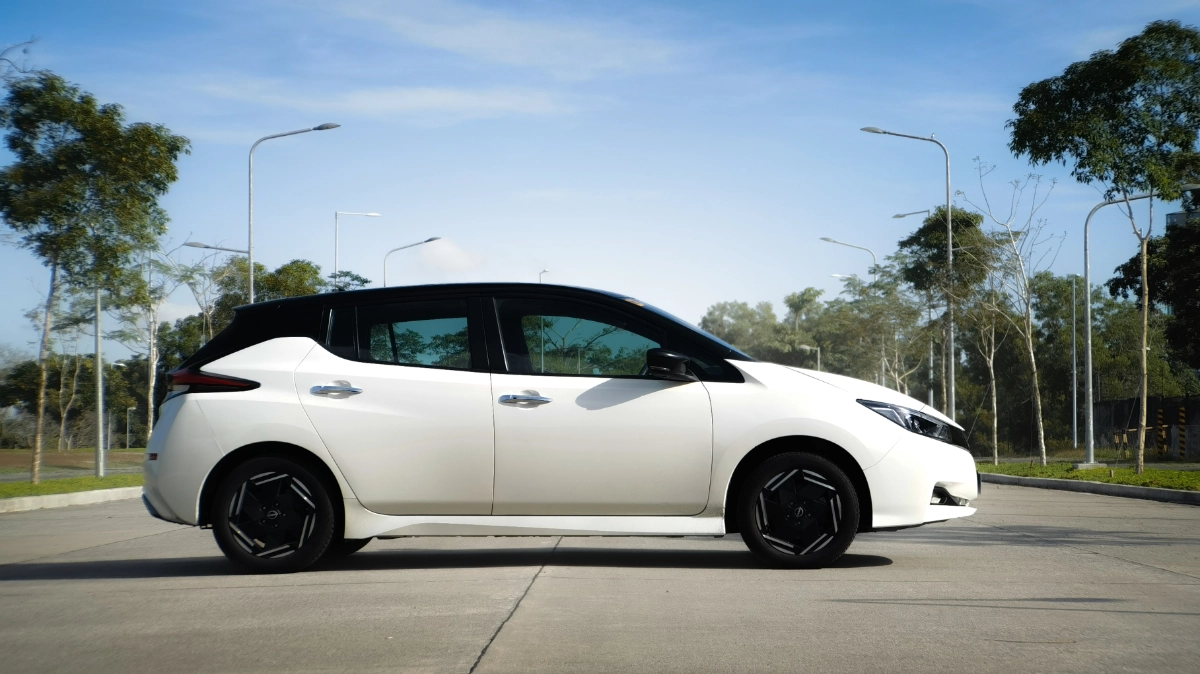
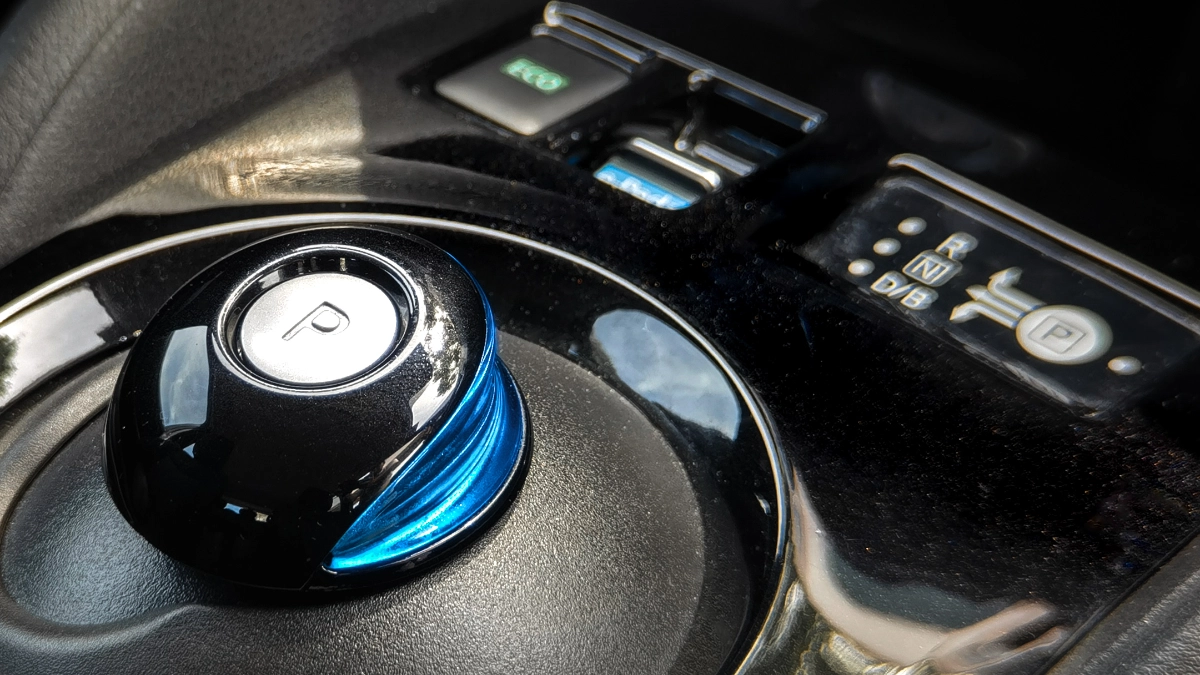
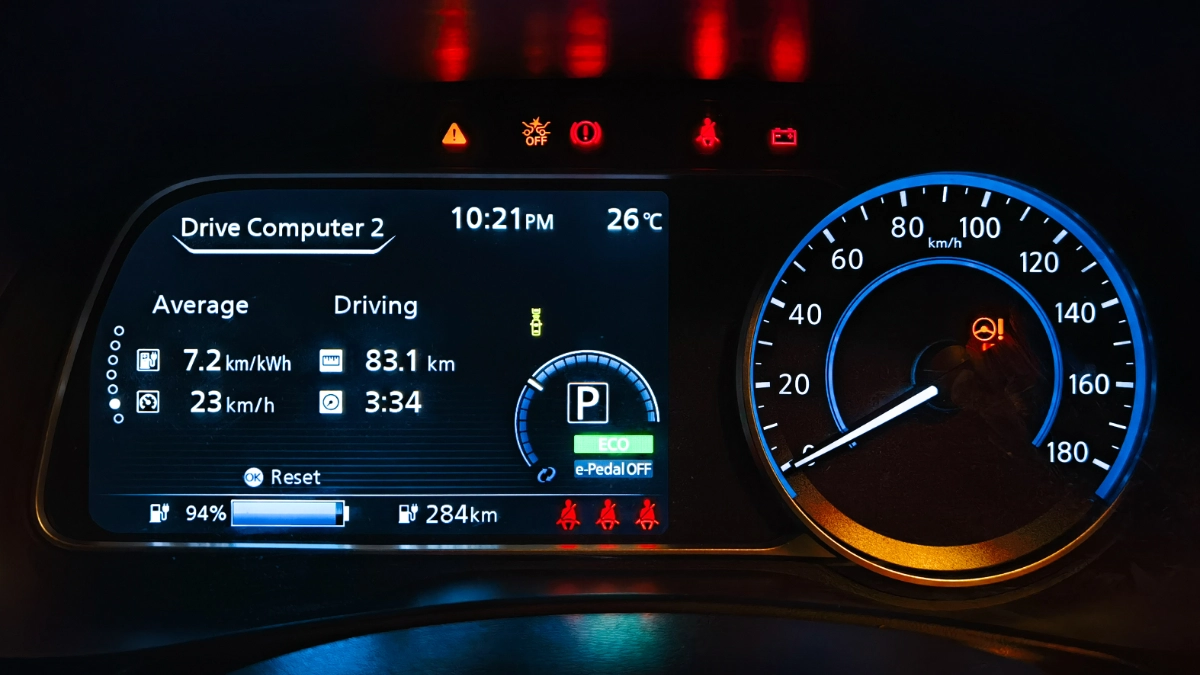
It’s not the most powerful or the most economical EV we’ve ever driven, but the Nissan Leaf is one of the most natural. Where the Chinese EVs try to impress with lots of gadgets and gizmos, the Leaf speaks quietly and carries a velvet stick. 0-100kph in 8sec is quite enough for local use, and whether in one-pedal mode or enhanced sport mode, the pedal calibration feels just right.
Handling is reasonably good, and ride comfort is fine for an EV of this weight. Not being a crossover really helps here, as the Leaf can be tuned to ride softer than electric crossovers of the same size.
– CHADeMO be damned
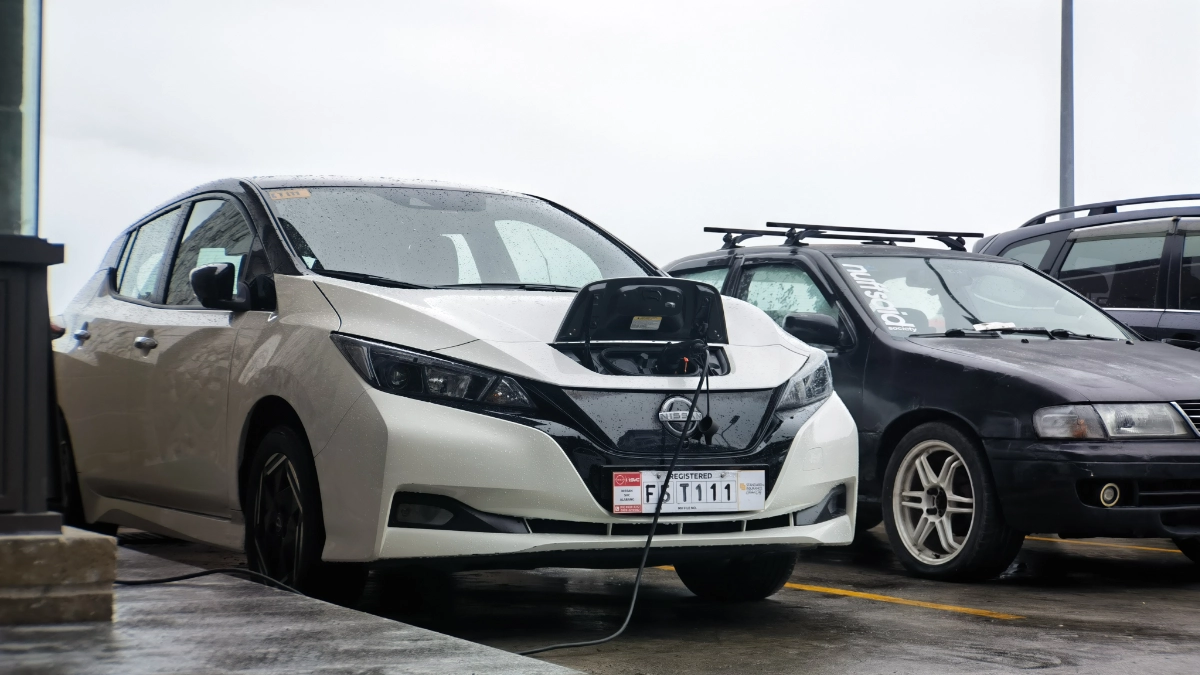
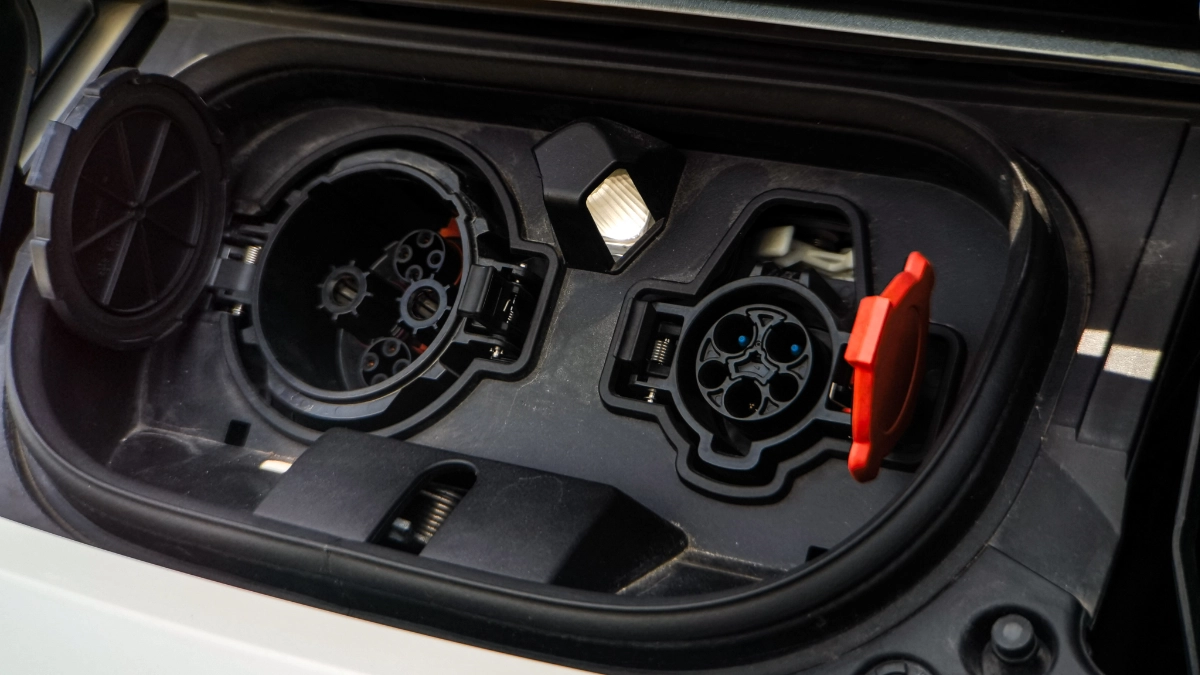
Look, I’m sure CHAdeMO is a perfectly fine charging standard in Japan, but out in the Philippines, it is awfully hard to find a CHAdeMO charger. And with many CCS2-equipped public stations paranoid about the use of adapters, most of your charging will need to be done at home. While that is not a bad idea as home charging rates are much cheaper than paid stations, this makes road trips a little more challenging.
ALSO READ:
These are the brands you’ll see at the 2025 Manila International Auto Show
More details of the all-new PH-spec Nissan Patrol have emerged
– It looks odd
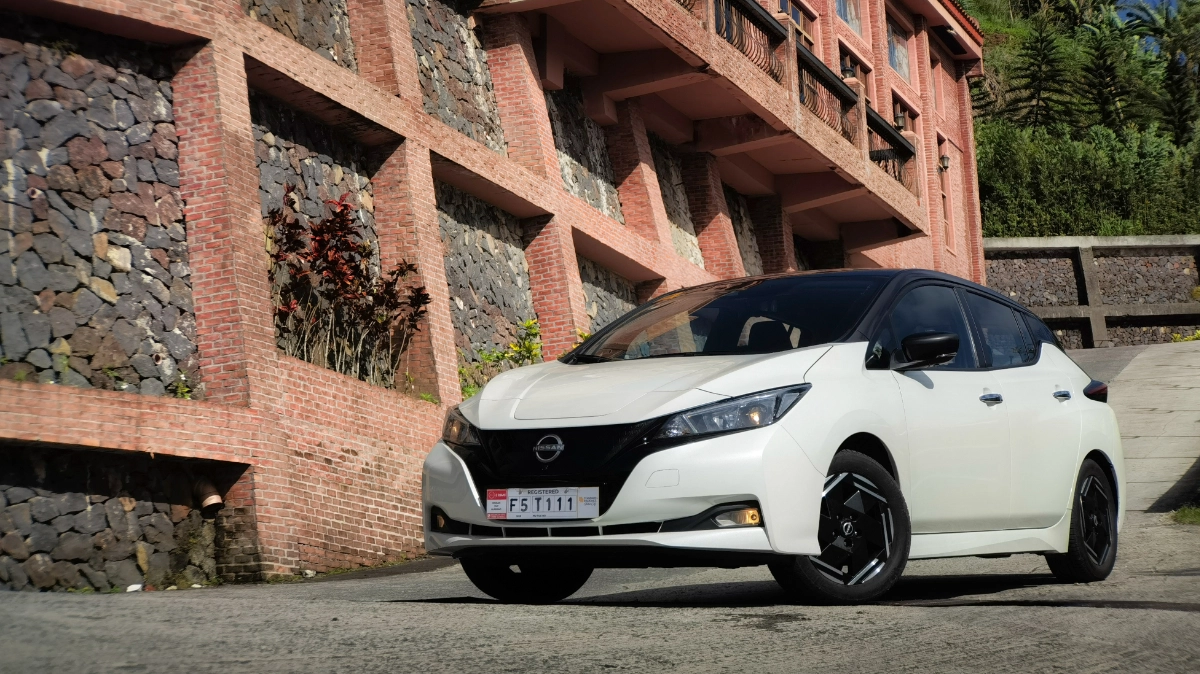
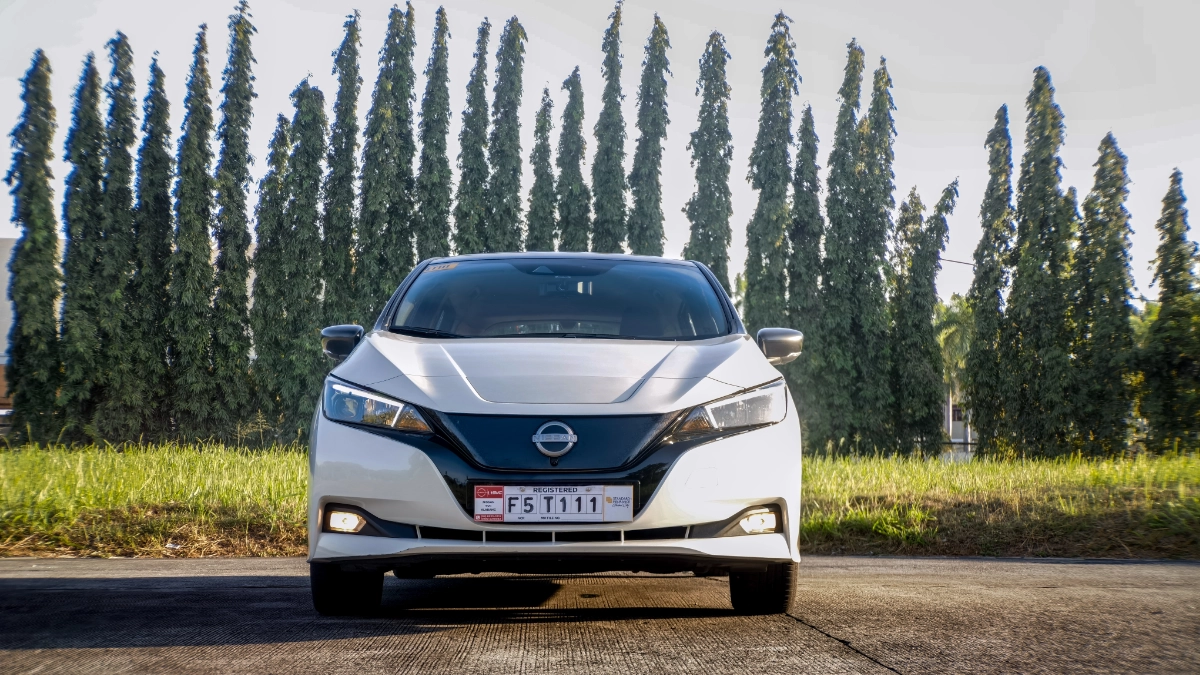
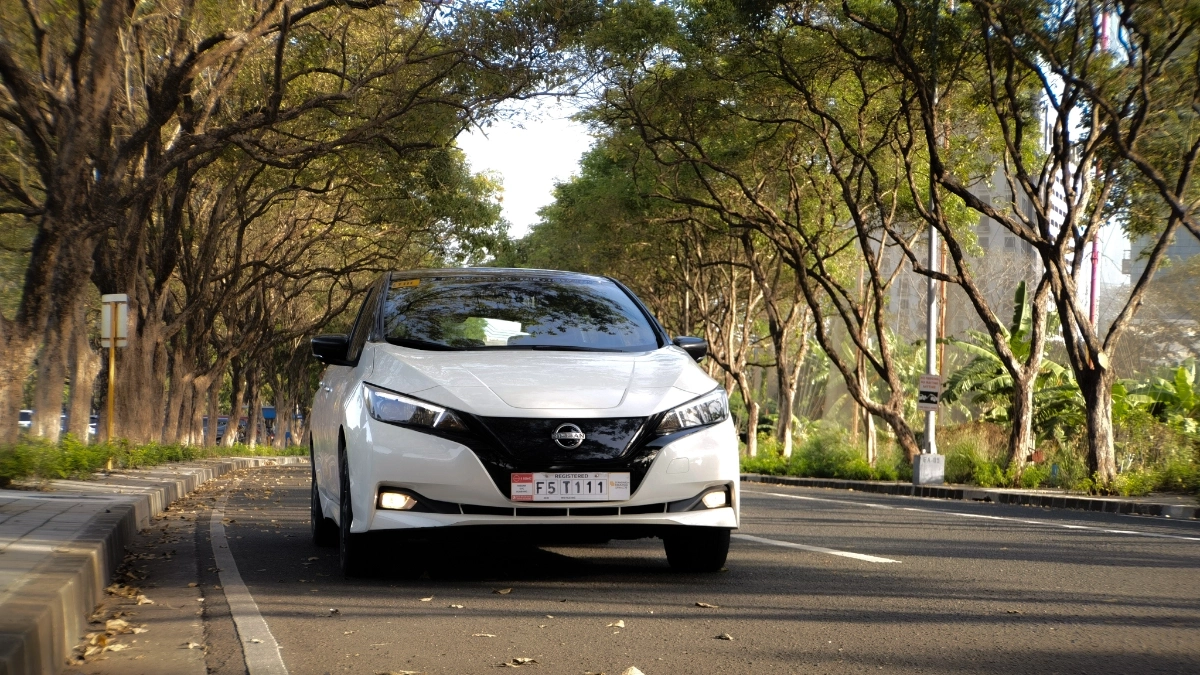
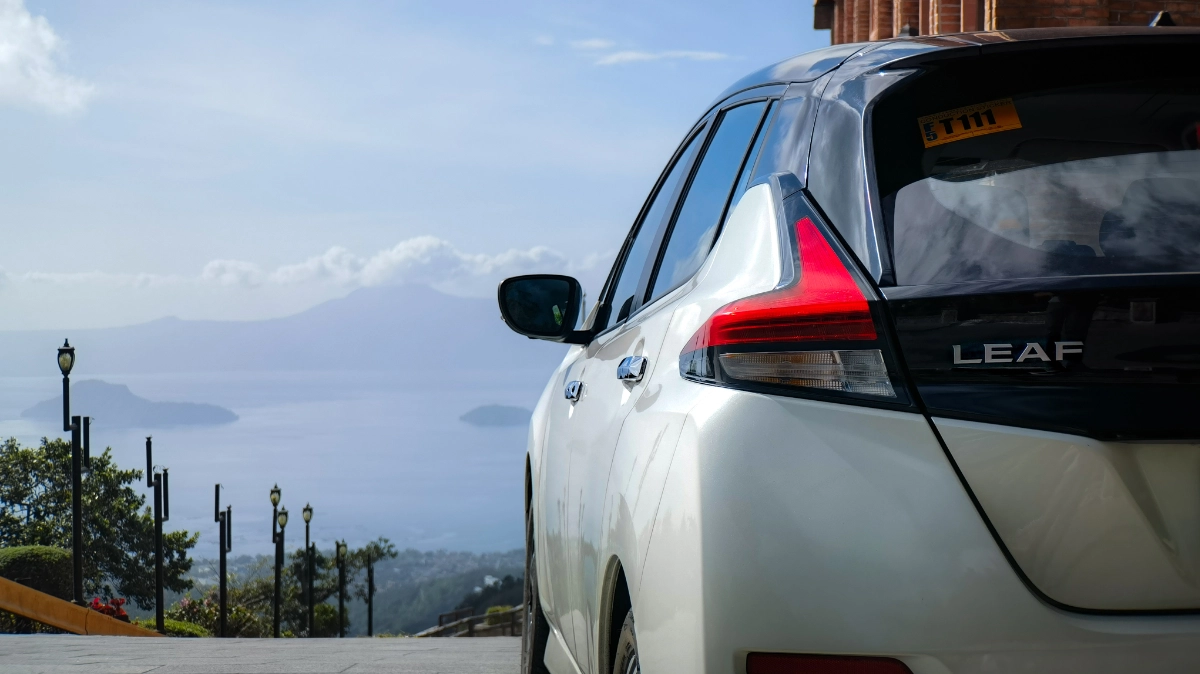
The recent facelift has updated the looks greatly, but it’s like Nissan wrapped the sharp lines of the Almera or Sentra around a puffed-up balloon.
+ It’s surprisingly spacious and practical
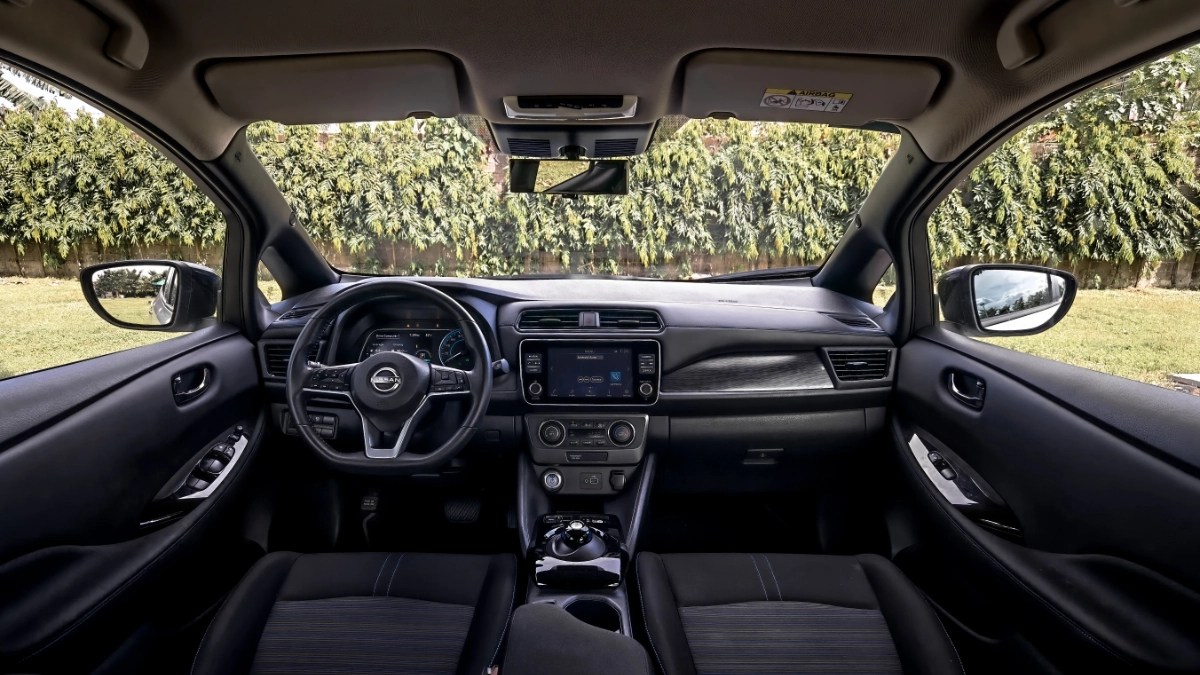
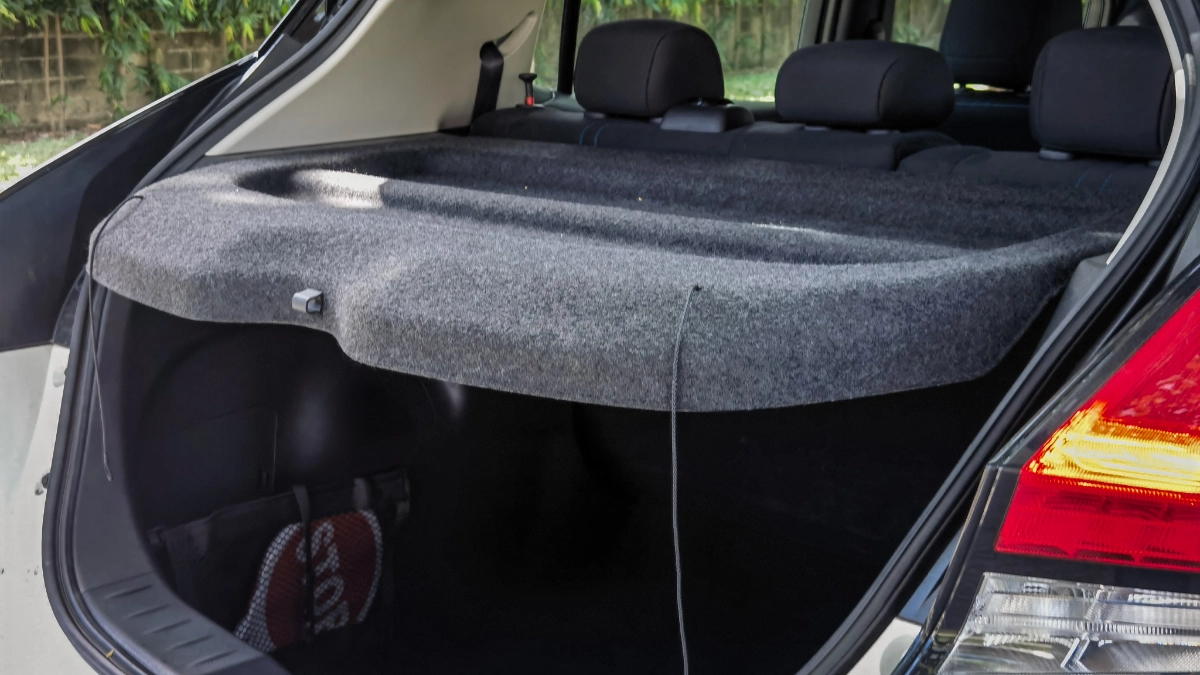
While it may look like a compact hatchback, not much different from small Chinese EVs like the BYD Dolphin, the Leaf is actually more comparable in size to the Atto 3, albeit with similar cabin and cargo space.
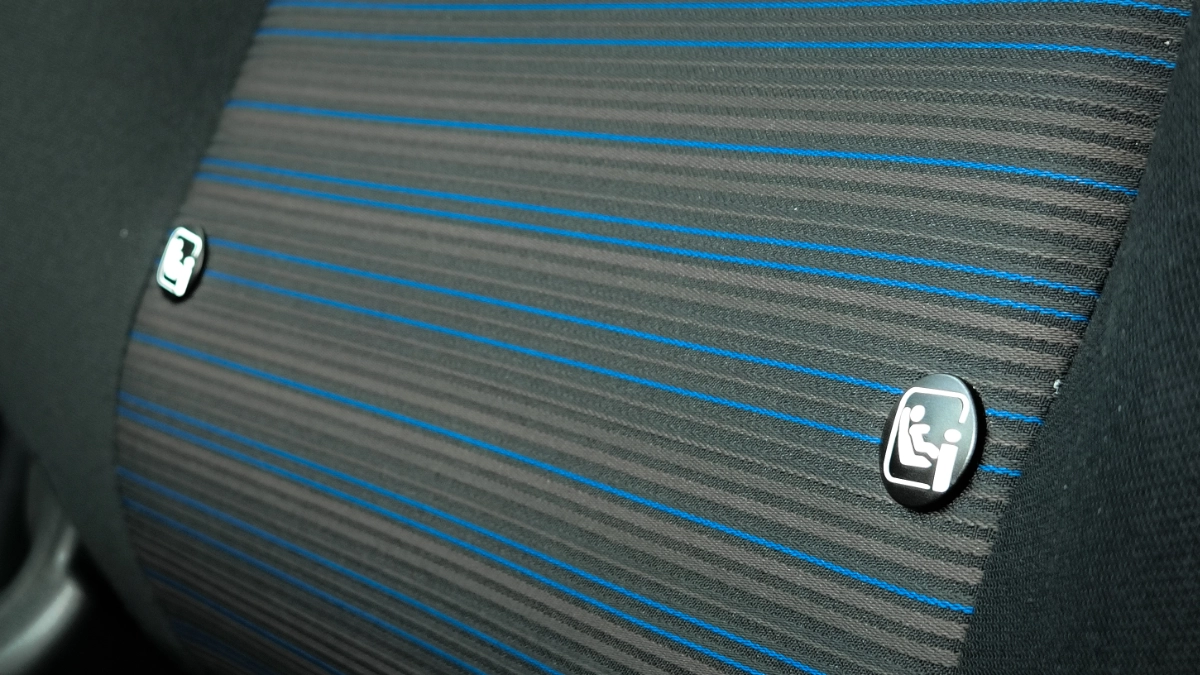
Also, it comes with a front passenger child seat mount—a rare feature, perfect for single parents who can’t leave a baby alone in the back. Okay, so local regulations make this placement iffy, but I’ve always held that those laws are a bit out of step with safety technology.
+ It has a spare tire

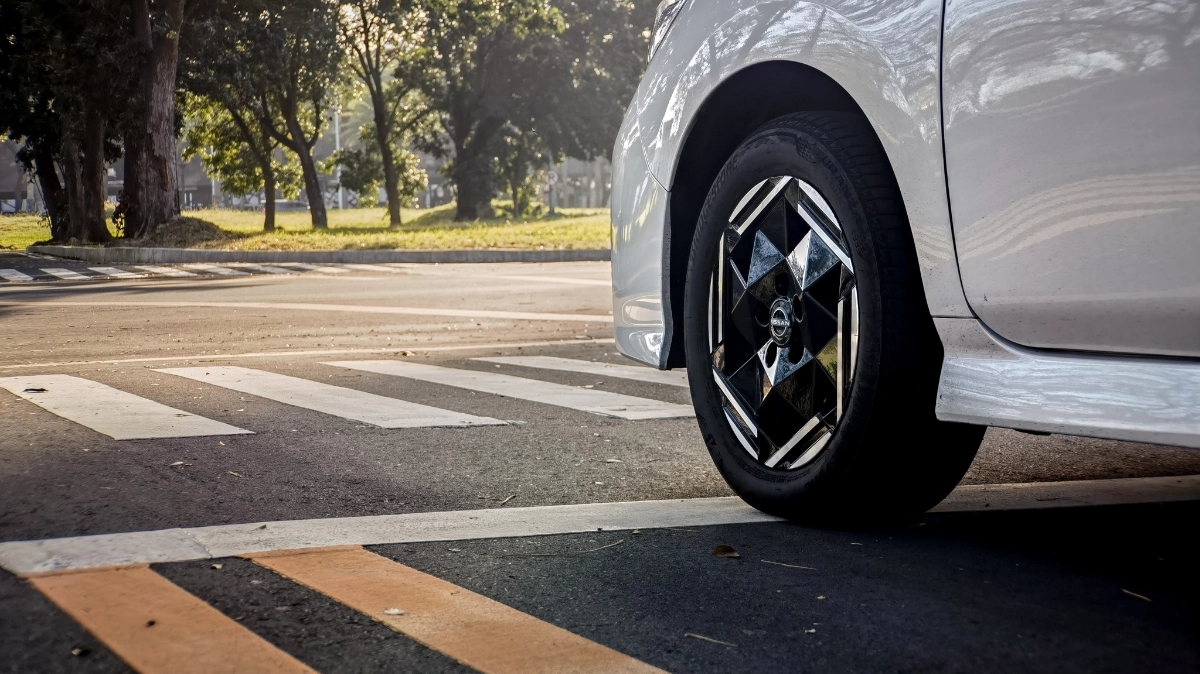
Seriously. This is an under-rated feature in 2025. Many EVs—even big ones—are focused on extra tight packaging. The Leaf, on the other hand, packages itself like a regular car. And while it doesn’t completely succeed with that spare tire sitting in a carrier underneath, at least you still get that spare while sacrificing none of the cargo space in that big flat trunk.
– That damnable floor hump, though
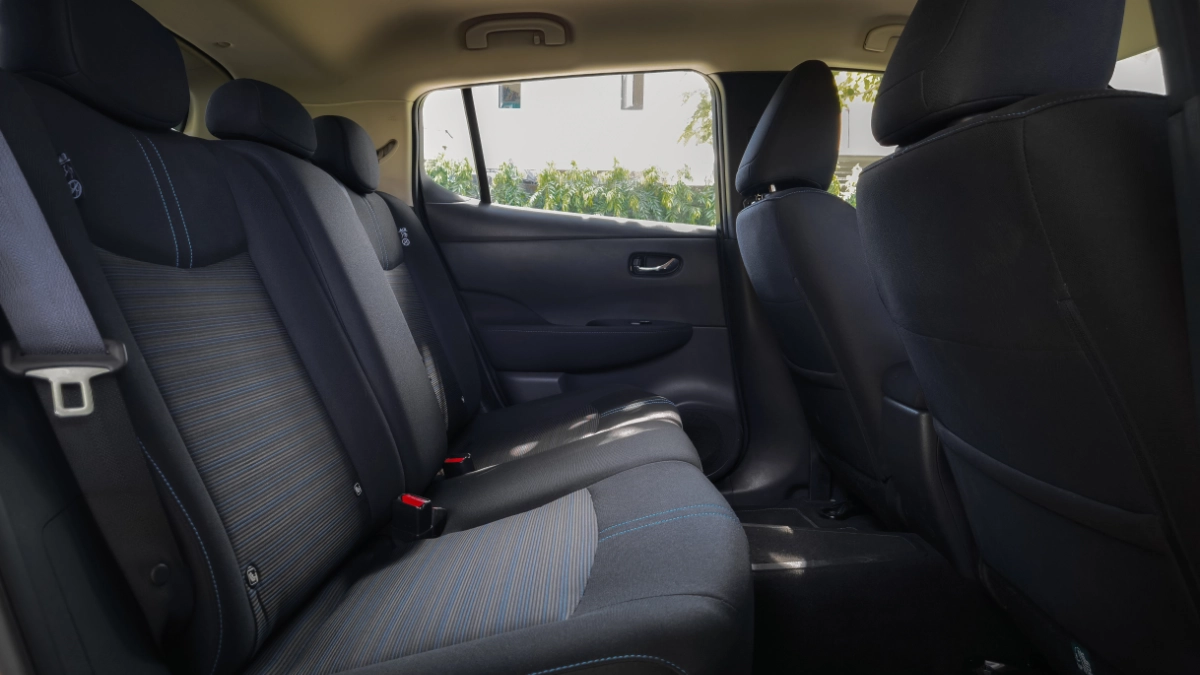
So, Nissan has packed its battery, nearly flat, under the floor. The emergency shut-off valve, on the other hand, sticks out vexingly into the passenger footwell, creating a center hump that robs the middle passenger of all foot space.
+ Physical controls are a breath of fresh air in a touchscreen-crazy world
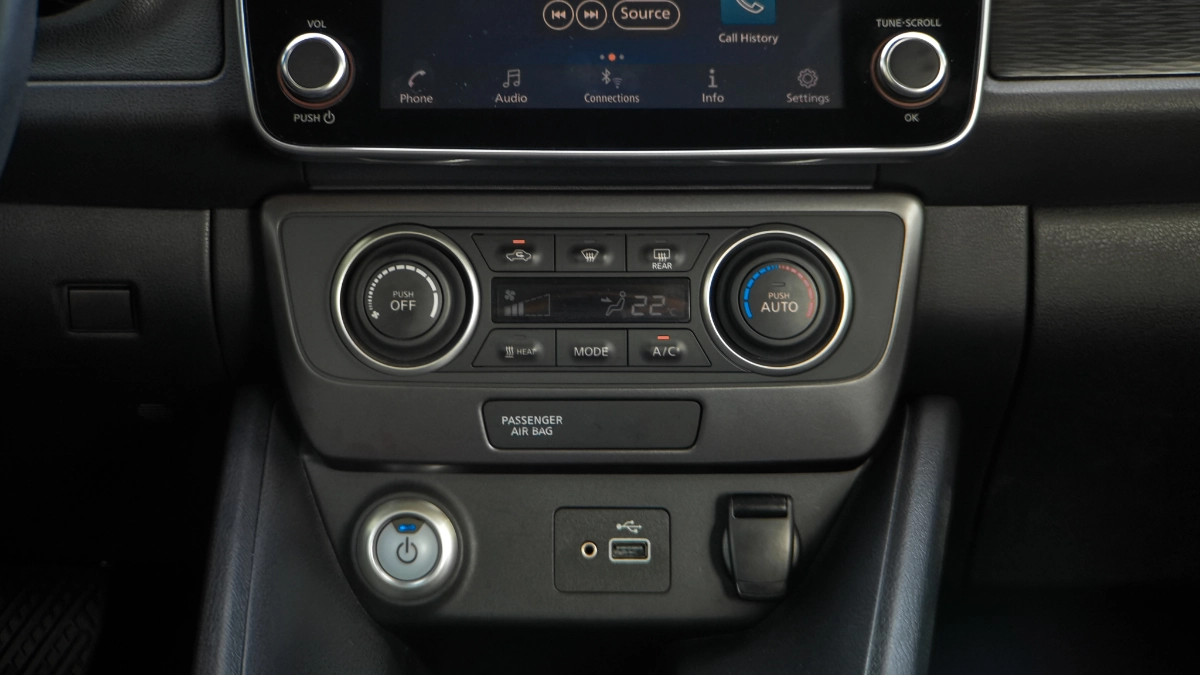
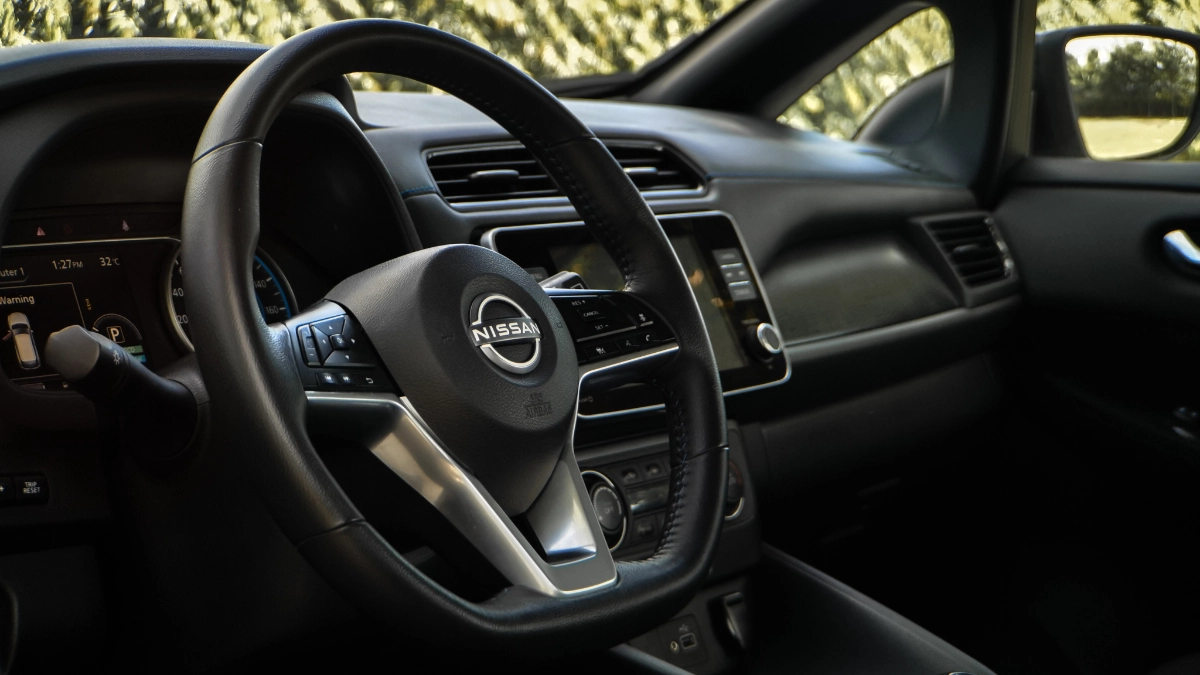
While I love how responsive and smooth new touchscreen technology is, I carry way too many cellphones. It sucks to have to rely on those touchscreens for even the most mundane of functions. The Nissan Leaf has physical pushbutton controls for everything you might need. And exactly where you expect them to be. No fumbling with the headliner to find the emergency blinker button or rooting through vehicle submenus just to change the AC fan speed.
– But we still need good touchscreens, right?
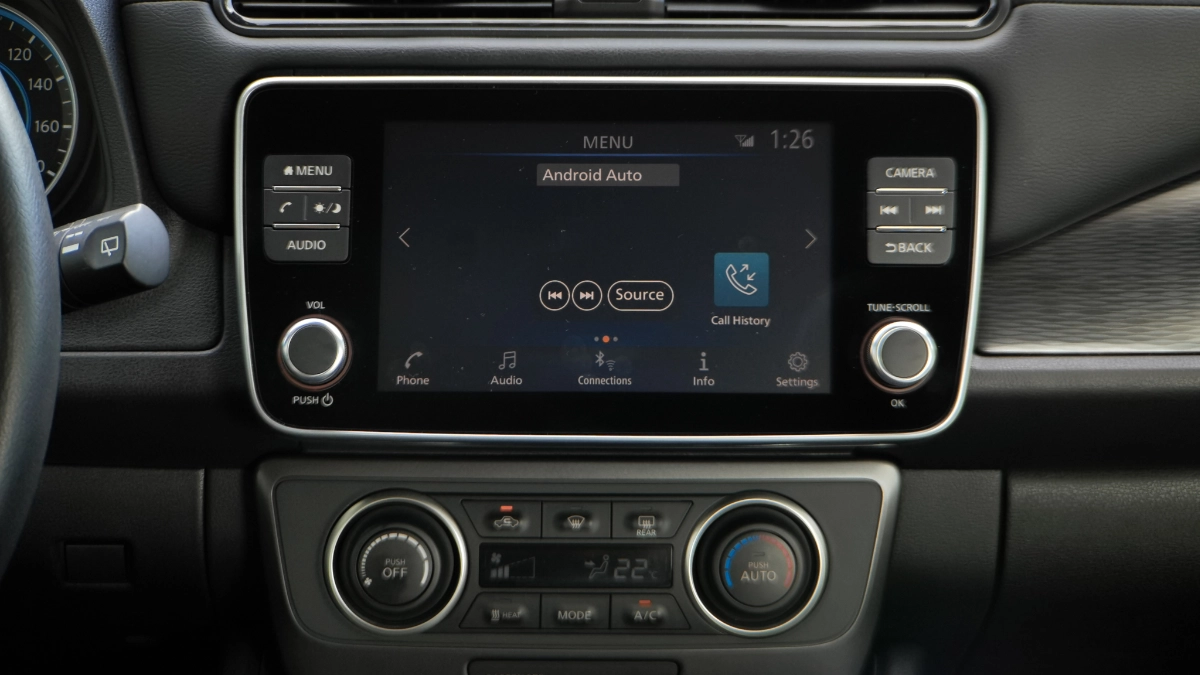
Look, we’re glad we don't need to use the touchscreen, but honestly, if anything dates the Leaf, it’s the screen placement—it just sits too low. This is distracting when you need to look down to change your music or when you’re using Google Maps or Waze on Android Auto. This is one case where better infotainment integration would be appreciated, with either a higher mounted screen, navigation minders displayed on the instrument cluster, or both.
+ Old-school ergonomics rule
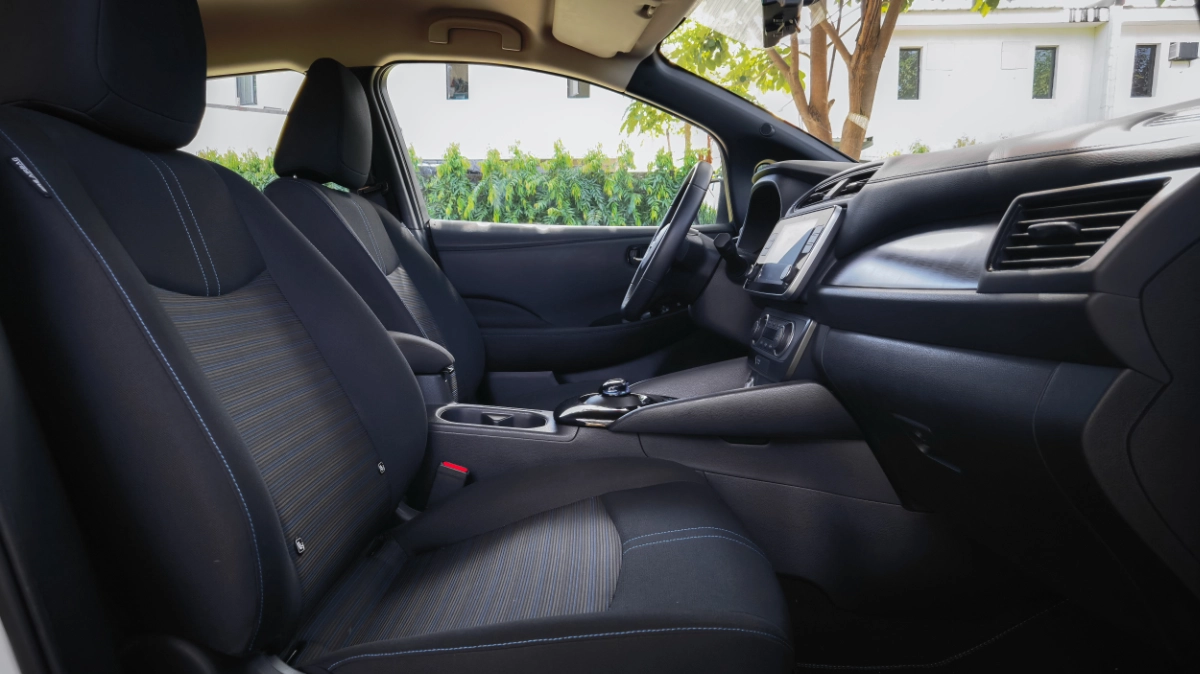
Nissan’s seating position is naturally deep and low, following decades of Japanese tradition. No sitting upright on a box with your head scraping the roof or with your knees folded up in your lap. The seats cocoon you, with breathable fabric inners and soft leatherette bolsters that evoke memories of listening to 8-tracks in your Dad’s old Datsun Z Car. And the soft leather-wrapped steering wheel makes it feel very racy, as well. Granted, it doesn't drive anything like a Z, but the cabin is comfortingly familiar for old souls.
Verdict
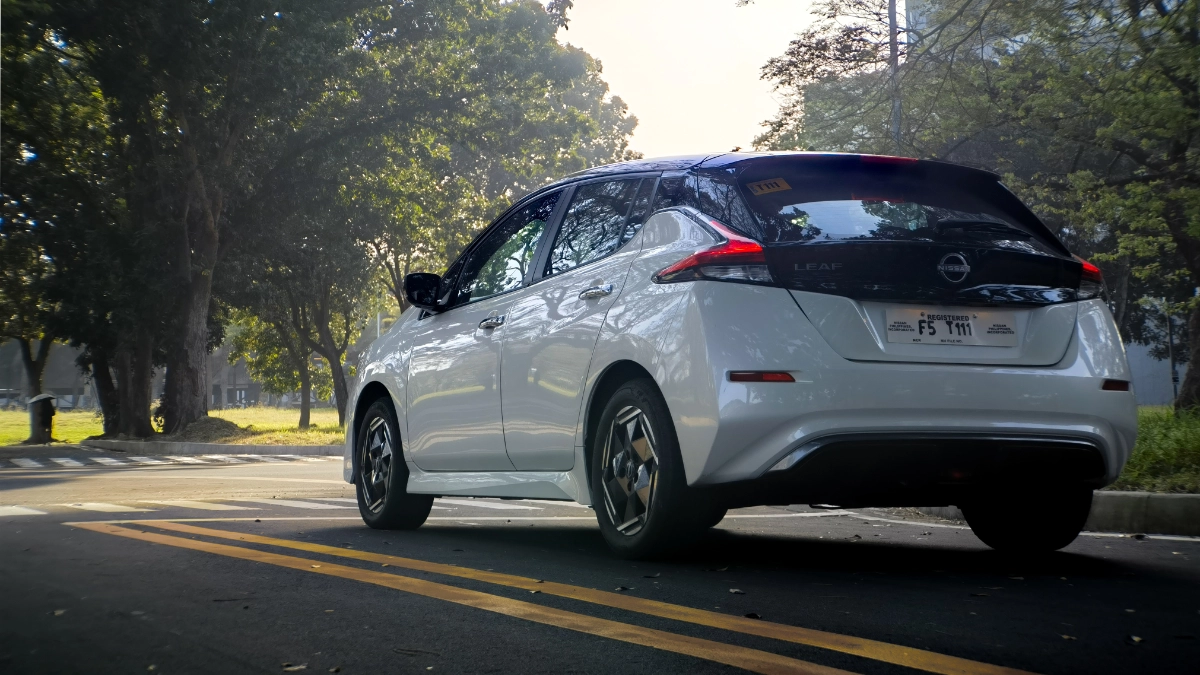
Unfortunately, the Leaf's P1.998 million price tag might be a bit too steep for enthusiasts looking for their first EV, especially considering the performance—quick but not exactly thrilling. But for those looking for a big, spacious, practical hatchback that rivals many crossovers in space despite being as easy to drive as, well, a hatchback, the Leaf is still well worth a look.
More photos of the 2025 Nissan Leaf: