
It could be said that the Honda City is one of the pioneers of the subcompact sedan in the Philippines. First introduced in 1996, the sedan helped Honda expand its reach to a wider audience as the Civic grew up with every generation. Now in its fifth generation, it continues to do that role for the Japanese automaker.
But like the Civic, the City has grown over the years, adapting to car buyer needs as consumer demands shift. The current iteration was launched locally in 2020, and was given an update in 2023. It continues to be a strong seller for Honda, consistently being among the top-selling models that the brand has to offer.
As for this writer, the City has been part of our family since the ‘90s. I grew up in the back seat of the first-gen City (purchased in 1999), then spent my teenage and college years in a second-gen model. Even in married life, the City is still part of my life, with a fourth-gen sitting happily in our garage. With (literally) decades of experience with this model range, it was rather fitting that I tested out the new and updated fifth-gen City.
OTHER STORIES YOU MIGHT HAVE MISSED:
Look: Pedestrian stuck in Ortigas Avenue Extension ‘sidewalk’ traffic in viral video
Driving an EV to the north? There’s now a Shell Recharge site in La Union
Styling
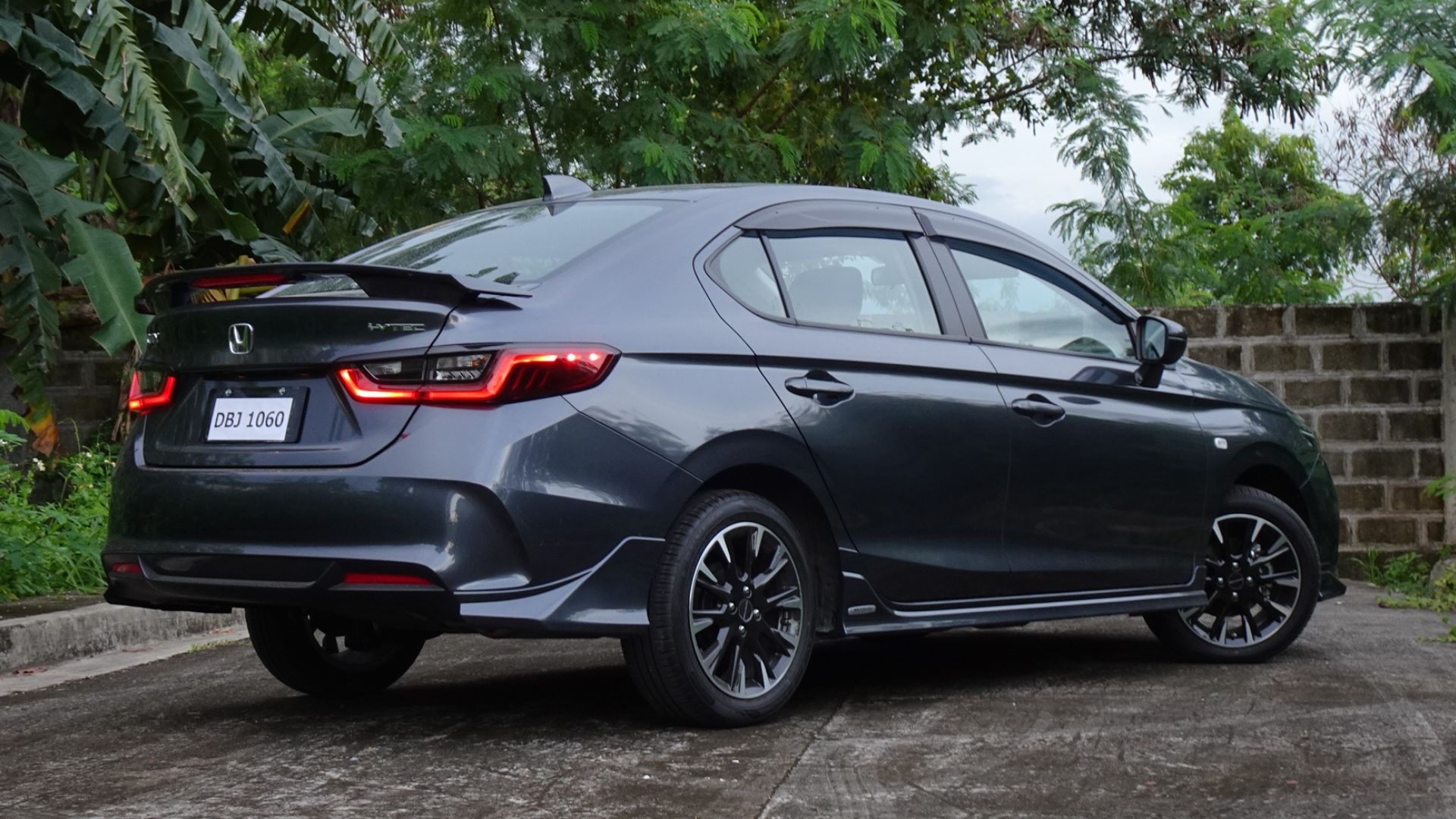
Evolution, and not revolution. That’s how one can describe the Honda City’s design for the last three generations. Instead of giving it a radical redesign every generation, Honda takes a more conservative approach for this model. It’s not necessarily a bad thing, of course, given that Honda doesn’t want to mess with the City’s tried and tested formula.
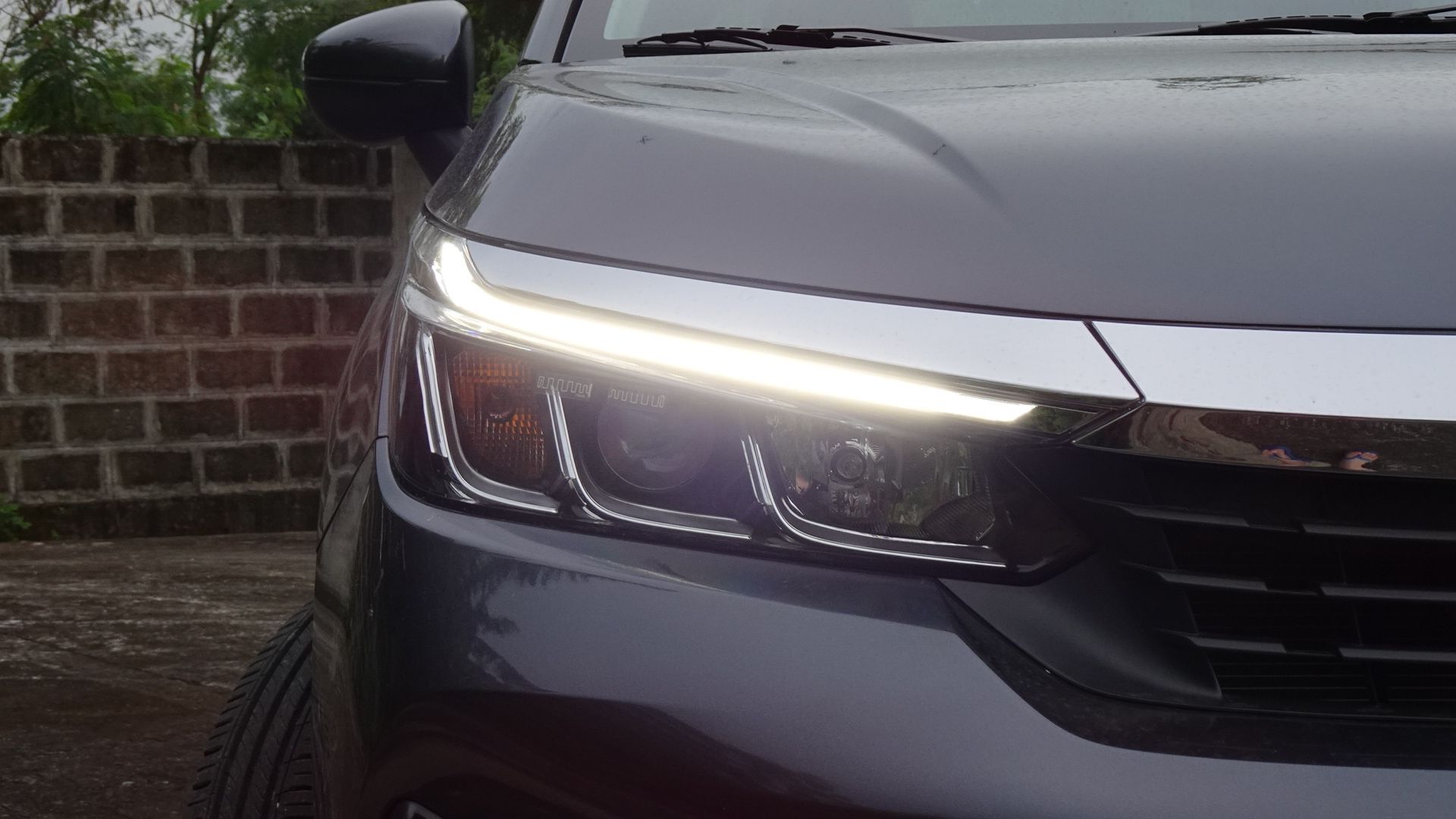
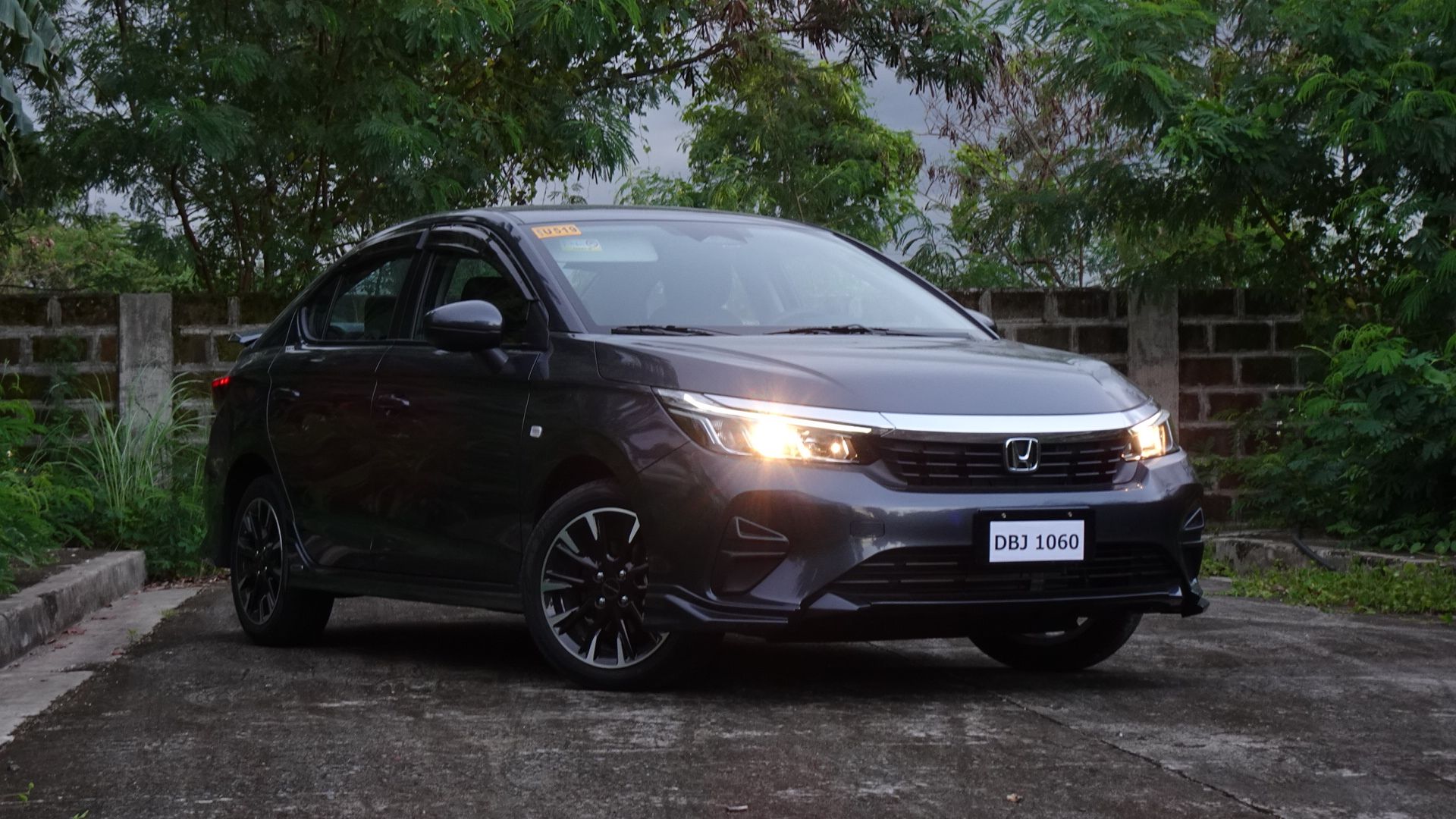
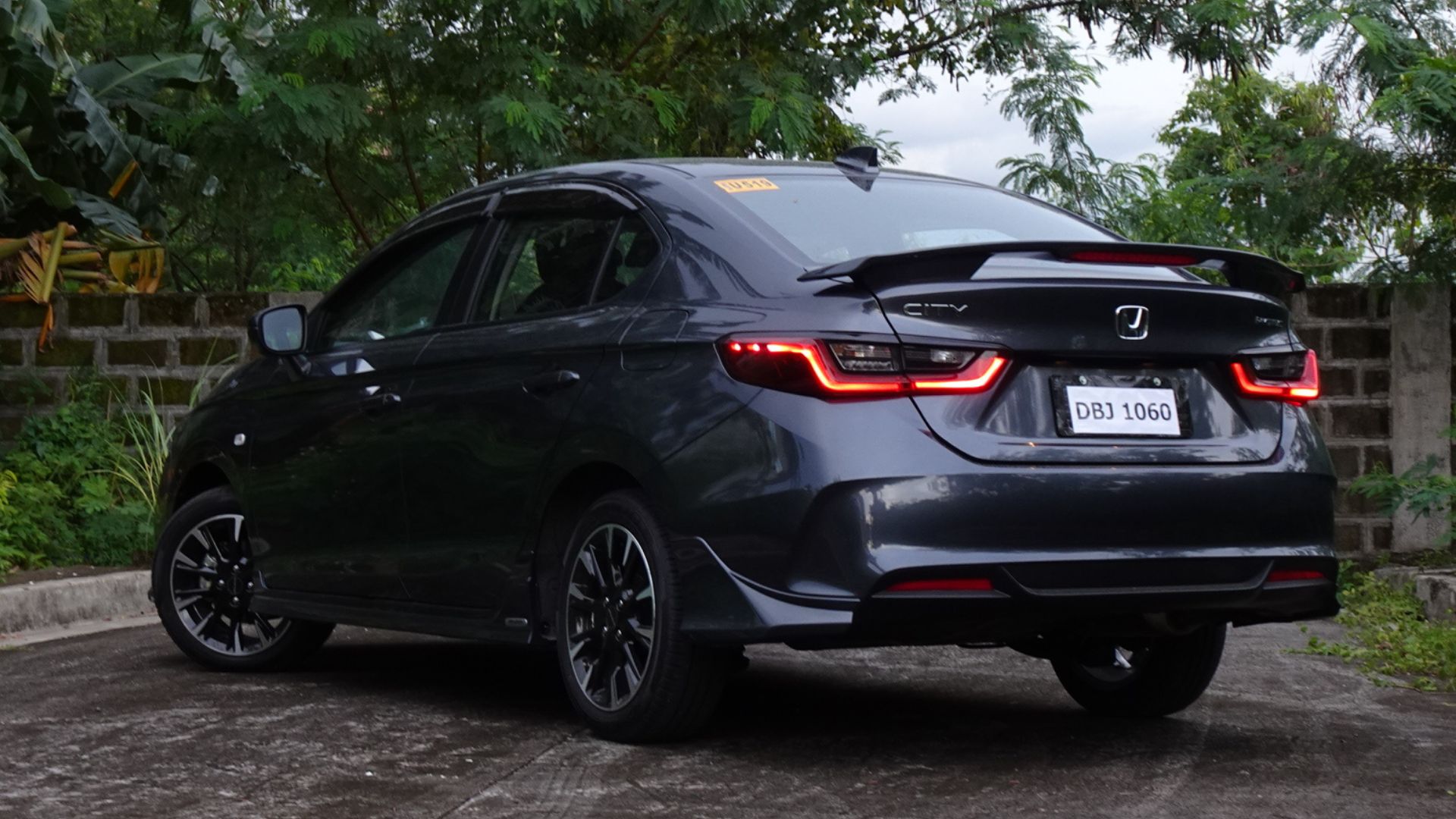
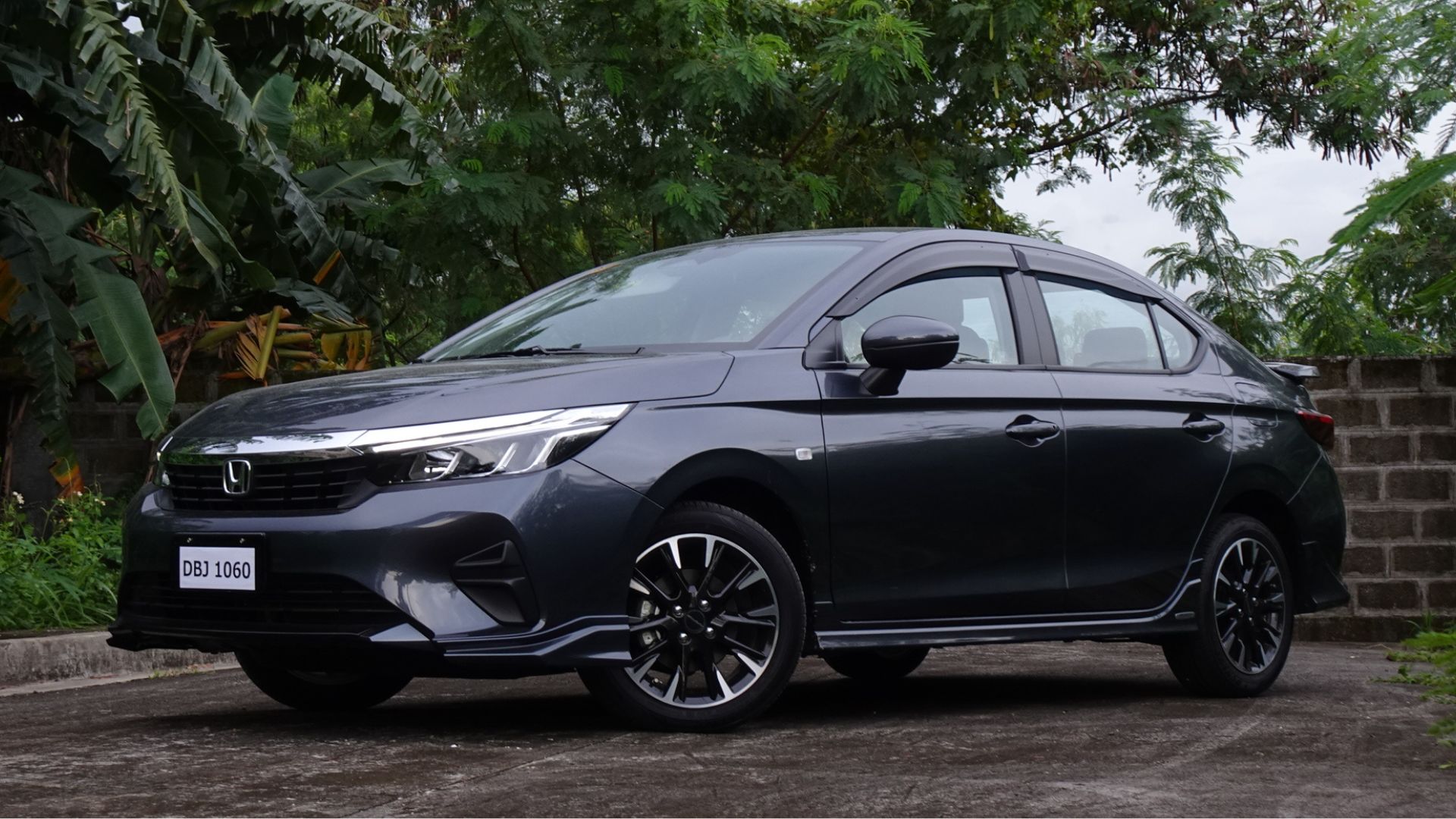
That’s reflected in the new City’s facelift. There are few tweaks here and there, and it’s not drastically different from the pre-facelift model. That said, it does look more mature than the one that came out in 2020, even in (relatively) entry-level S guise.
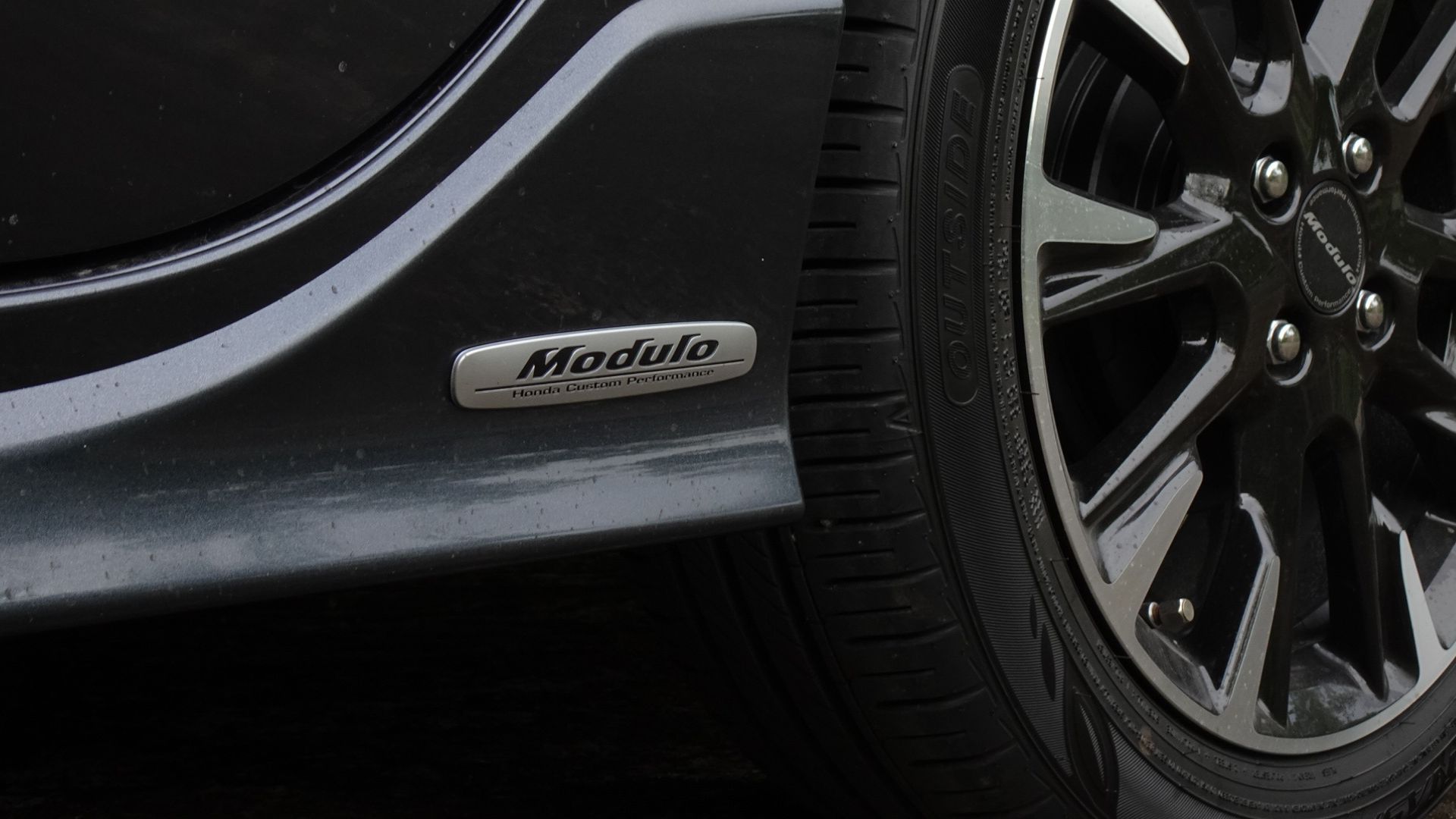
Fitted with a Modulo body kit and wheels, it does look handsome. Personally though, it needs a few inches off the ground clearance and a more subtle rear spoiler.
Interior
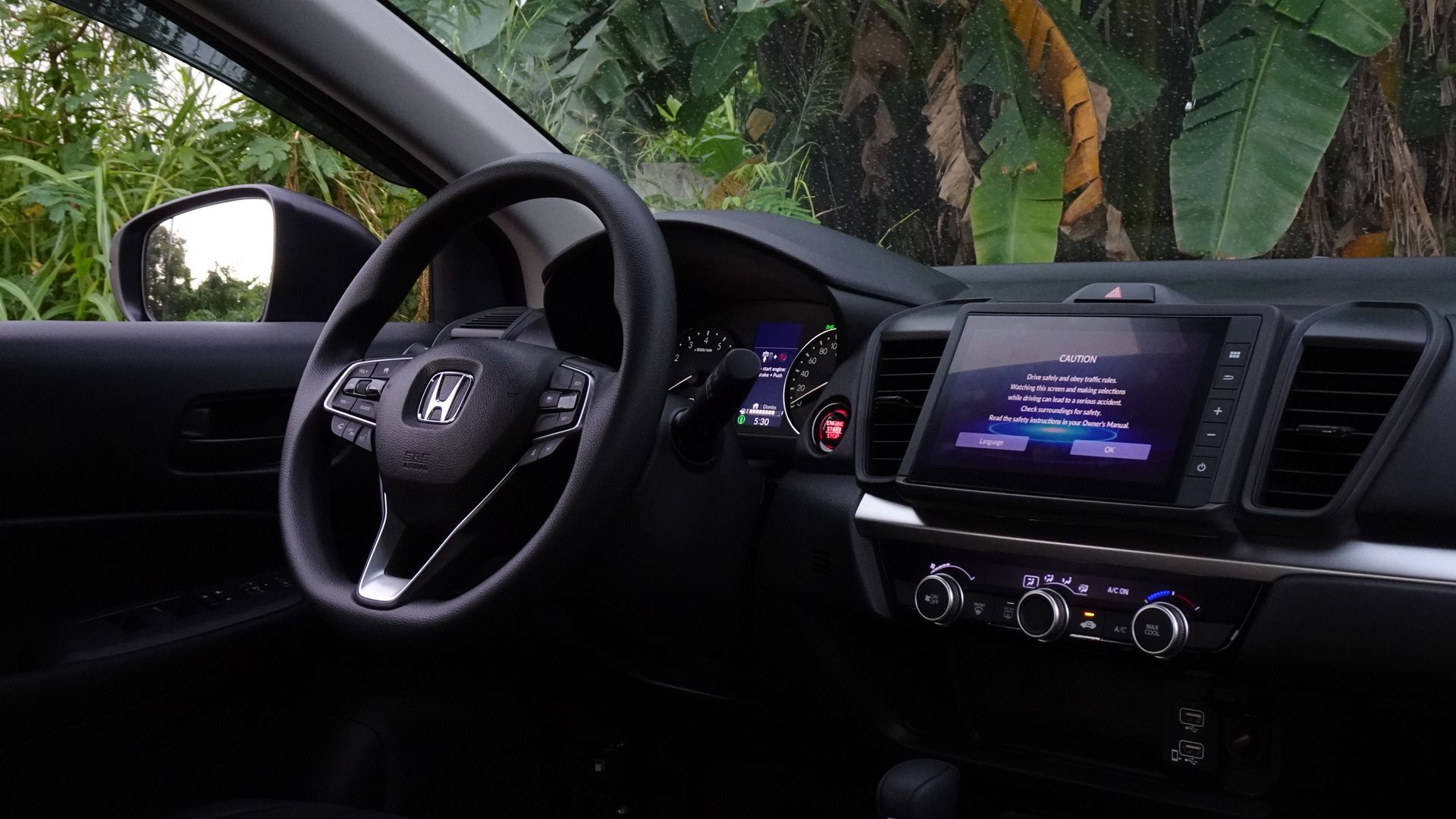
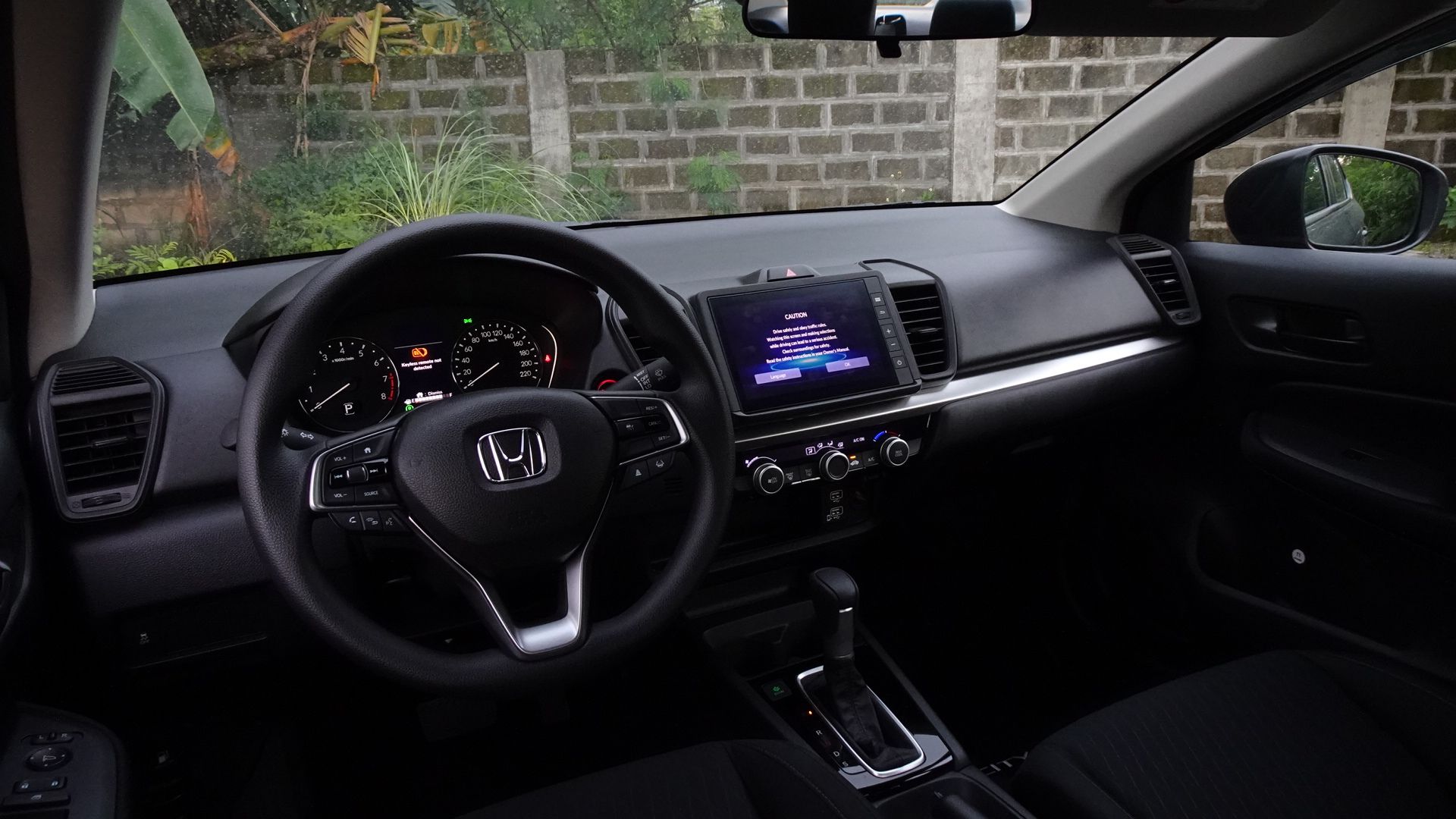
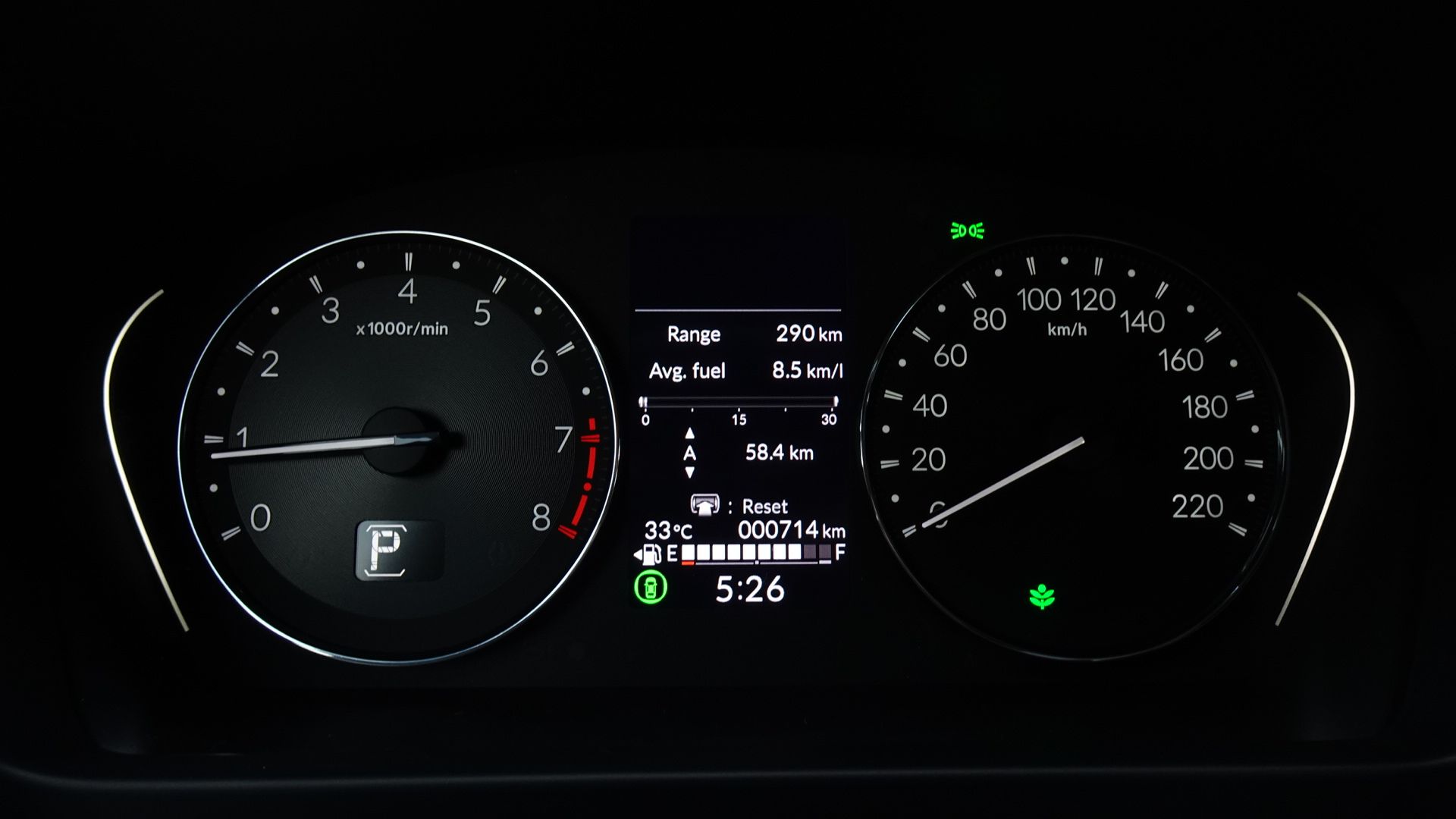
As far as I can tell, it’s largely the same look as before. It does have an updated instrument cluster, incorporating the screen found in the base model HR-V. It lifts the ambience of the driver’s area, and keeps the car’s interior looking fresh.
But if there’s one thing I wish the City had was more soft touch materials. Yes, it’s a subcompact sedan but I’ve always felt that the fourth-gen had better feeling interior materials, even if they are hard plastic. While it’s not enough to put off some potential customers, there’s no harm in lifting the cabin’s feel. Better textures would have been nice given the new City’s more premium aspirations these days. An armrest would be welcome in this base model too.
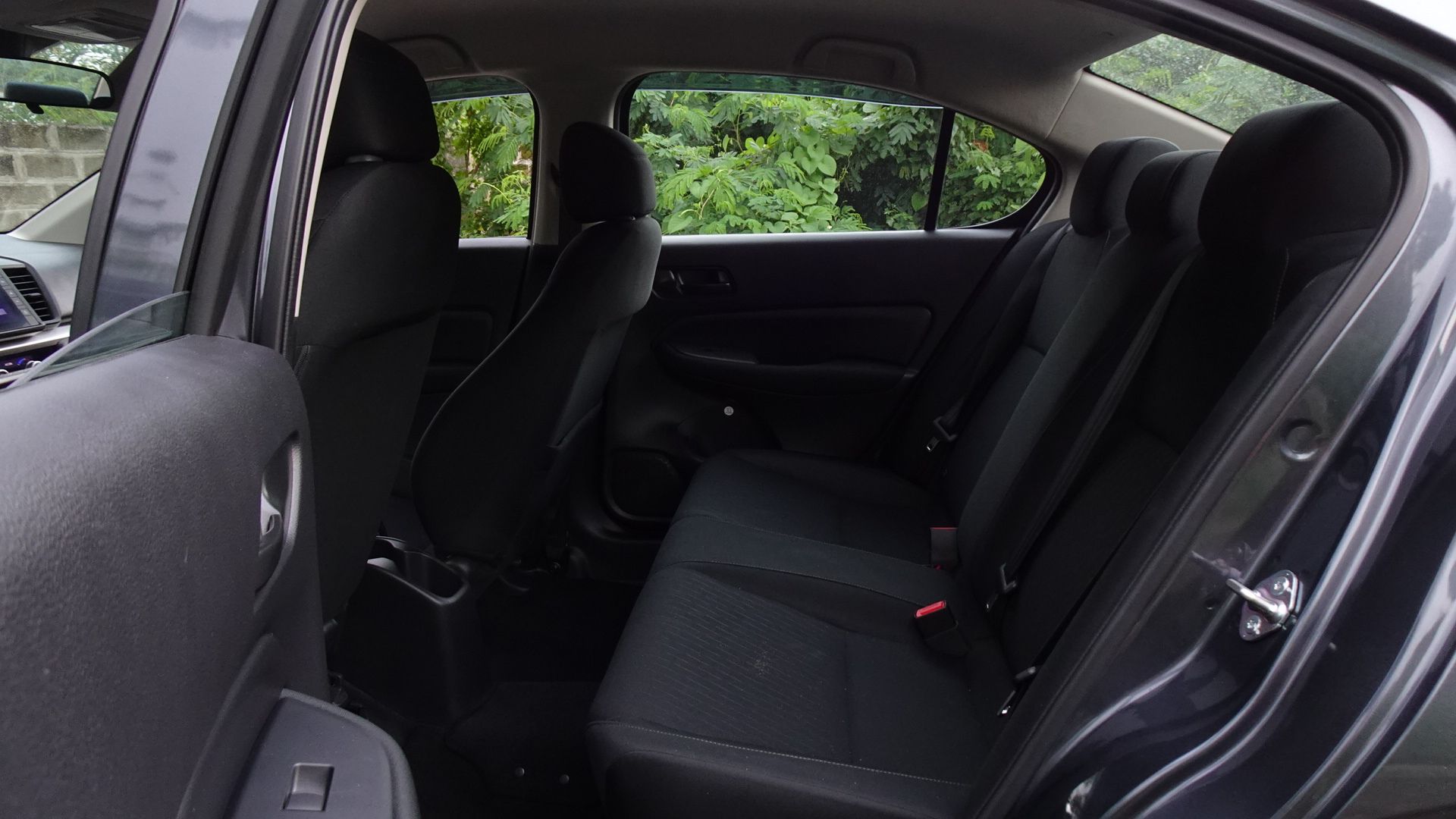
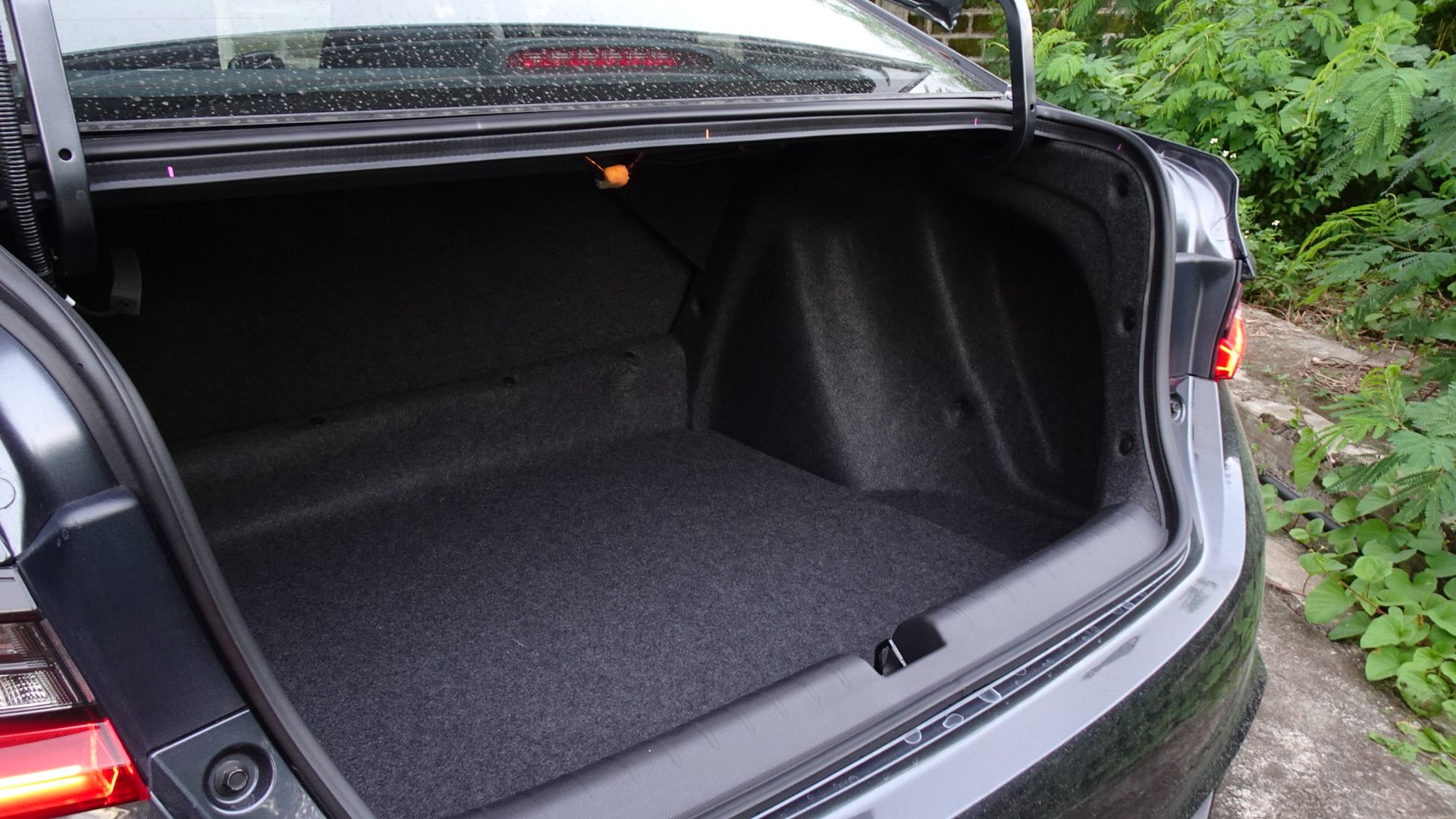
If you’re not turned off by that, then the City makes up for it through its space efficiency. It’s longer and wider than before so the extra space is a given. But the clever interior packaging makes it feel like a larger car. There’s stacks of head and legroom at the front and rear and putting three people at the back is no problem at all. Cargo room wasn’t sacrificed in the name of interior space, either. It’s got over 500 liters in the trunk (519 liters, to be exact), and it easily gobbles us a month’s worth of groceries. Heck, that’s even more than some larger sedans.
When it comes to the user experience inside, it’s typical Honda. That’s a good thing because it’s easy to interact with and easy to understand. Buttons and dials are clearly marked, so there’s no need to dig through layers and layers of sub-menus in the touchscreen. We’re glad Honda and most Japanese automakers are resisting the trend of putting basic functions in the infotainment system.
Engine Performance
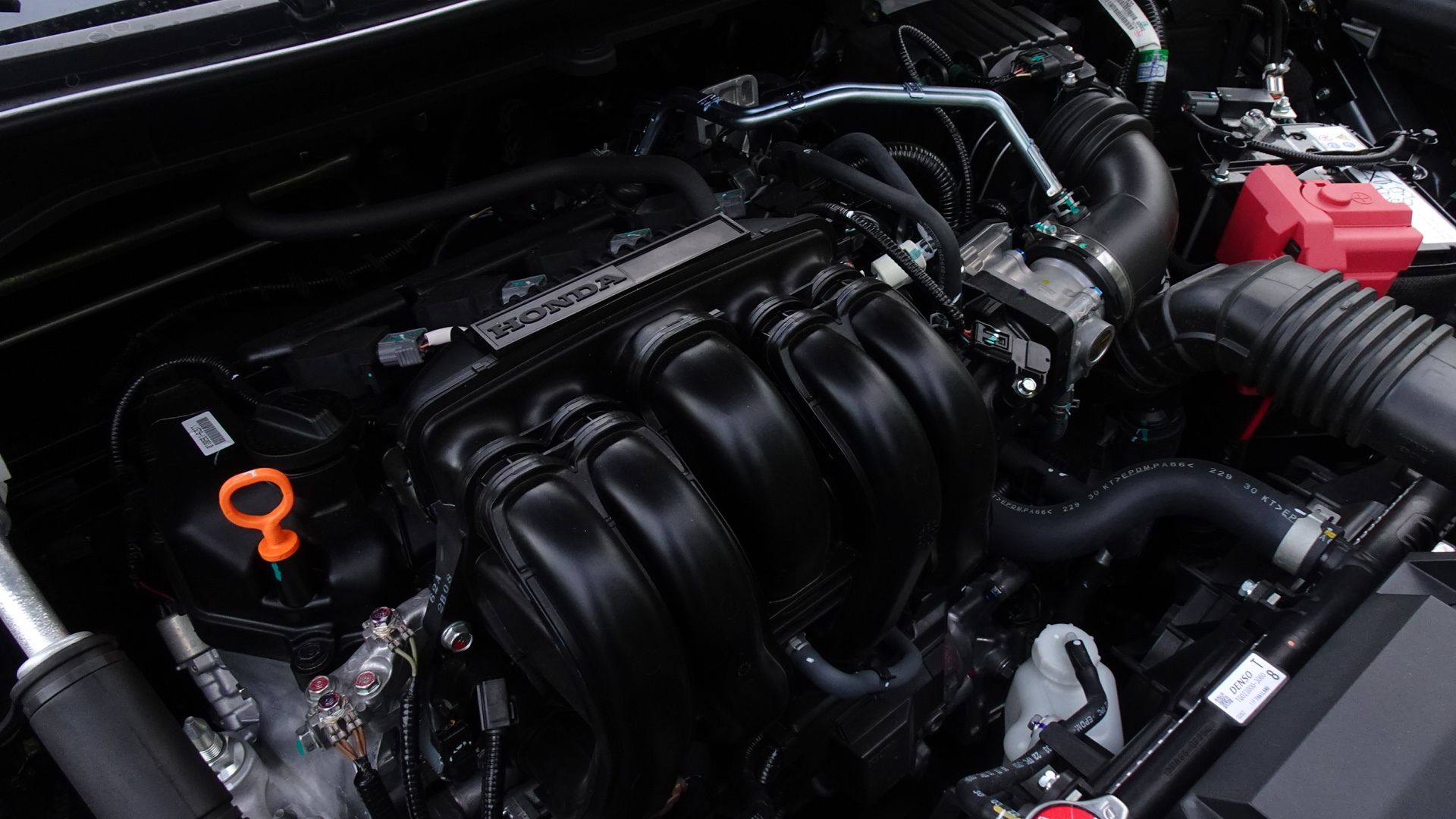
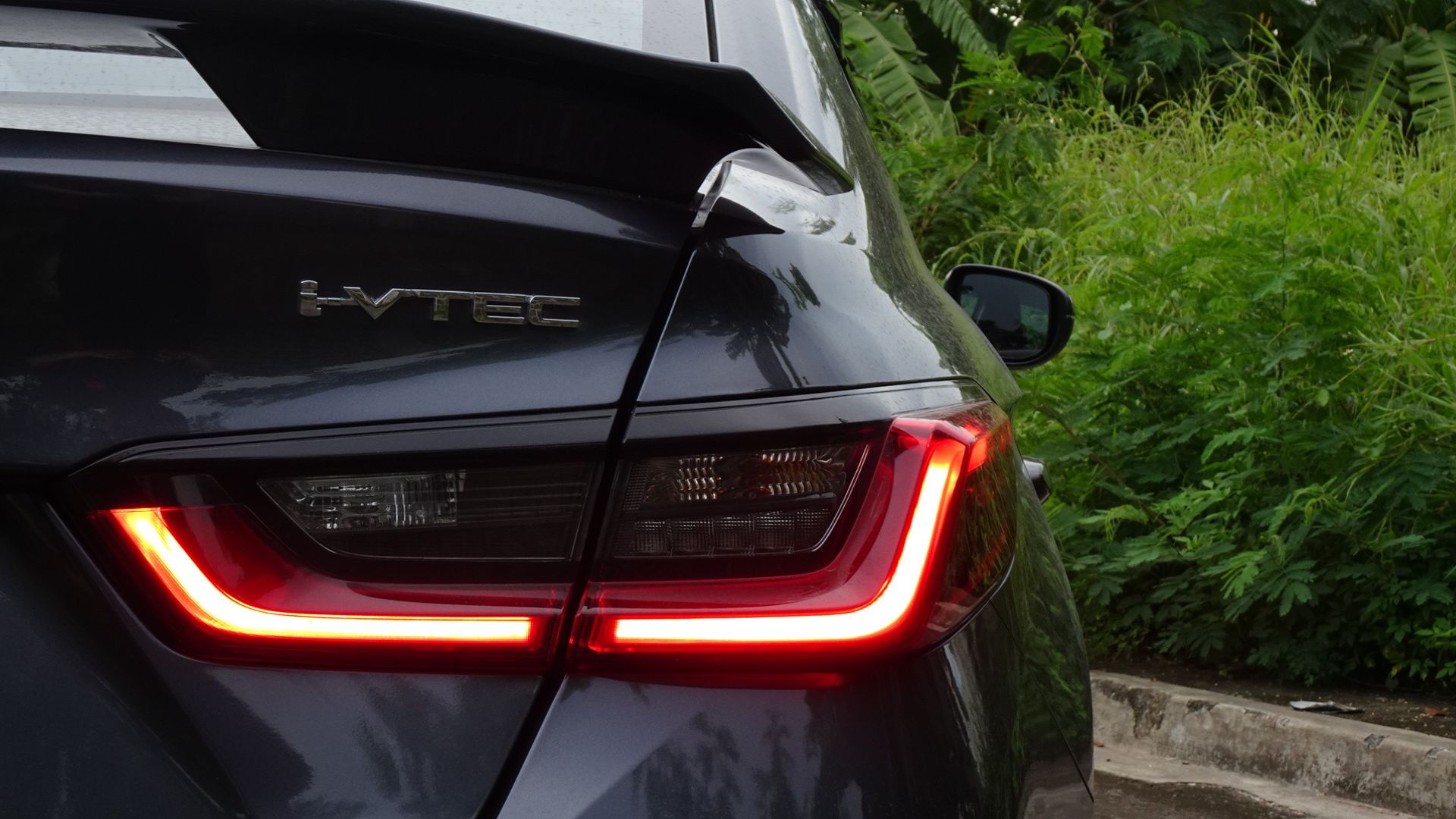
Like the pre-facelift version, the new City uses a 1.5-liter i-VTEC engine with dual-overhead cams. Power is still rated at 119hp and 145Nm of torque, and it shifts with a continuously variable transmission (CVT). By the way, a manual transmission is no longer being offered in the entire City lineup.
The addition of twin cams did huge favors for the City. The car no longer needs to rev high to get moving, and the engine feels more responsive compared to the previous generation model. It doesn’t turn this sedan into a Type R, although the response makes you feel like you’re going faster. Mind you, it’s still the same engine block from the past generations of the City, but the addition of that extra camshaft is a welcome improvement.
Fuel efficiency is a high point for the City. Even in heavy traffic, it still returns 8.3 km/L at an average speed of just 12kph. At slightly better speeds (15 kph), it goes up to 9.0km/L. Based on experience with the pre-facelift model, the car can easily do over 12km/L in light traffic, but we never got a clear stretch of road during its stay with us.
Ride and Handling
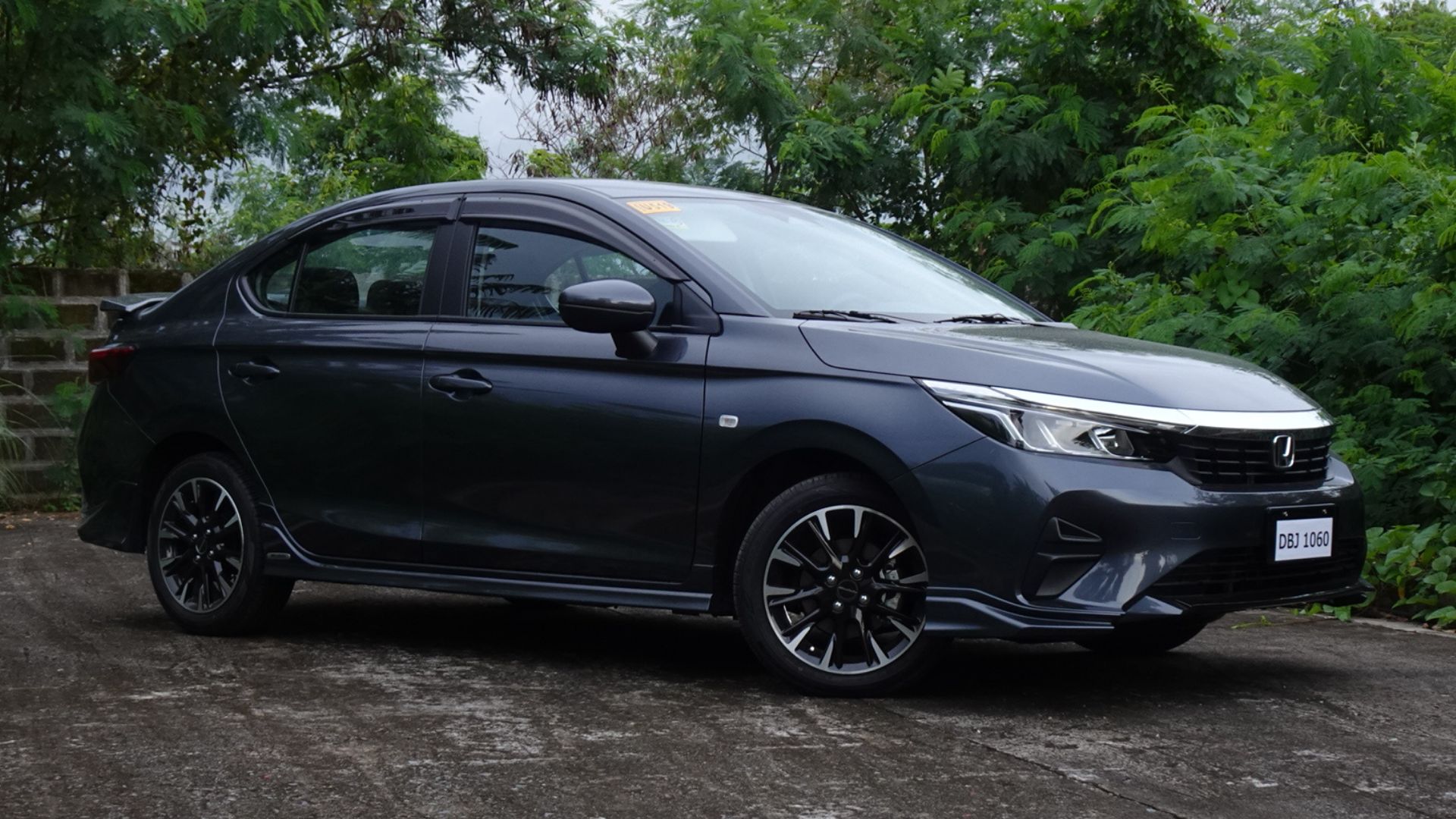
Every generation of City becomes more comfortable than the last, and this one is no exception. The ride is pliant without being too soft, and body motions are kept in check even on bad roads. Impact harshness is excellent for its segment, and you’re given the impression that you’re in a bigger sedan.
Despite being more comfortable than before, the car still handles well. Sure, it’s no sport sedan, but it’s got good roadholding and it doesn’t feel out of its element if you decide to have a little fun with it. Steering feel is light, and more feedback would be appreciated, but most of its target market probably wouldn’t mind.
Extra Features
The big news for the new City is the addition of Honda Sensing. Yes, even this relatively basic variant gets advanced driver assist systems. It’s got adaptive cruise control, autonomous emergency braking, and even lane keep assist just to name a few. That’s on top of the standard stability control, agile handling assist, and four airbags. If that’s not enough reassurance for you, then you should know that the City has a five-star safety rating from ASEAN NCAP.
Verdict
Sans the Modulo kit and wheels, the City S will set you back P998,000. On paper, it looks expensive, but that’s until you see what it has to offer. I would’ve liked a richer-feeling interior given its price, although the City more than makes up when it comes to its abilities. It’s spacious, efficient, comfortable, and easy to drive; all the hallmarks of a great daily driver.
The City is still a solid choice in its segment. You could argue that some of its competitors are larger (Emgrand), more exciting to look at (Almera) or less expensive (Vios), but the Honda is a car you should put in your shortlist if you’re specifically looking for a subcompact sedan.
SPECS: 2023 Honda City 1.5 S CVT
Price: P998,000
Engine: 1.5-liter gasoline I4
Power: 119hp
Torque: 145Nm
Transmission: CVT
Layout: Front wheel-drive
Seating: 5
Score: 18/20
More photos of the Honda City S CVT: