
Despite Mitsubishi’s strong market presence in the Philippines, the Strada struggled to be as big a seller as other Mitsubishi offerings in recent years. It boasted sharp styling and sporty drive, but it just didn’t vibe with the target market like more utilitarian competitors.
The latest Mitsubishi Triton, however, is taking a cue from the Hilux and the Ranger, going up a half-size and embracing a more traditional look to keep up with the competition. But are the changes enough to get this all-new model into the local top 10 in sales this year?
Styling
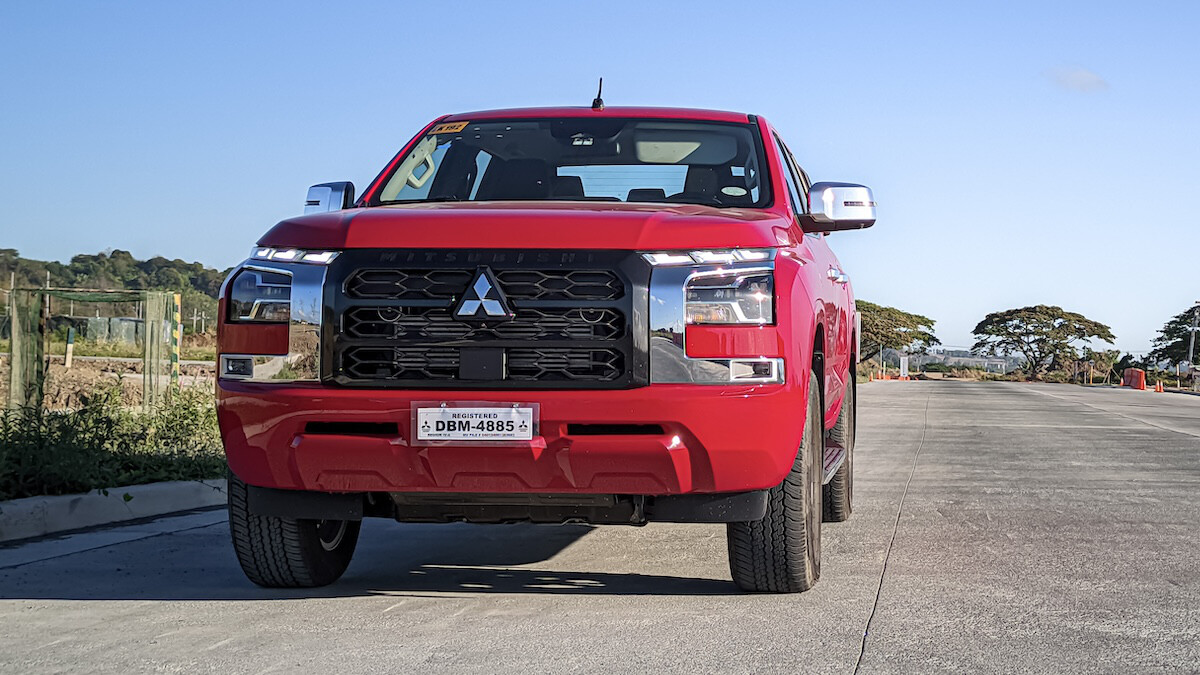
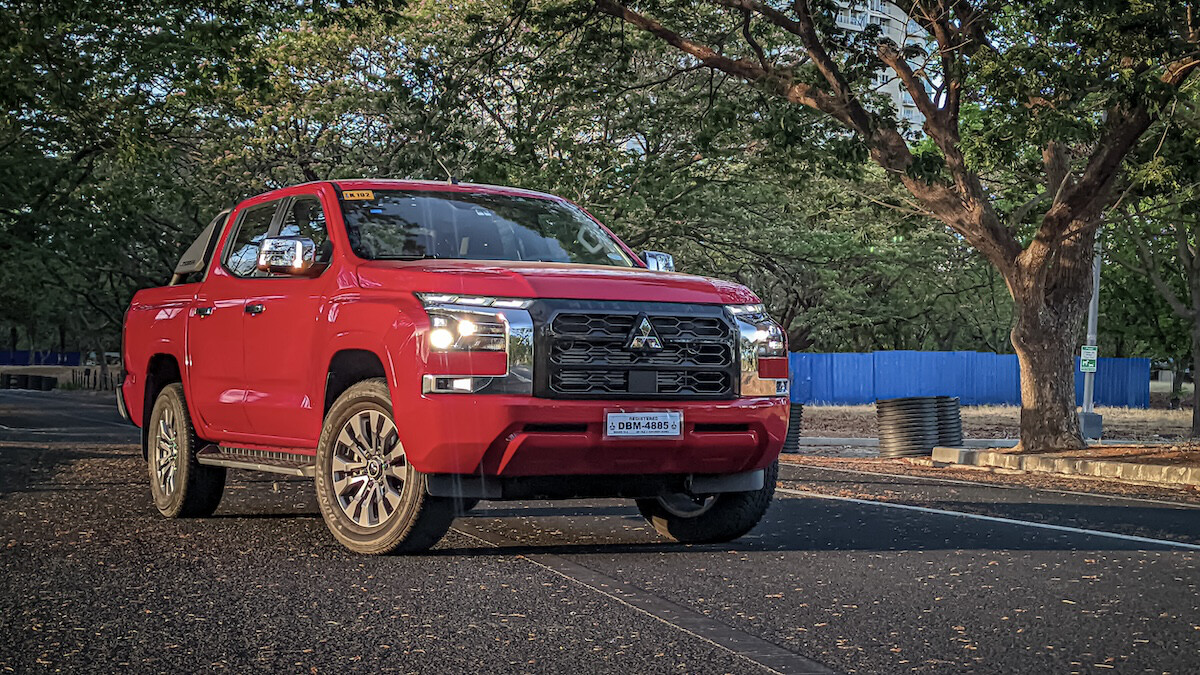
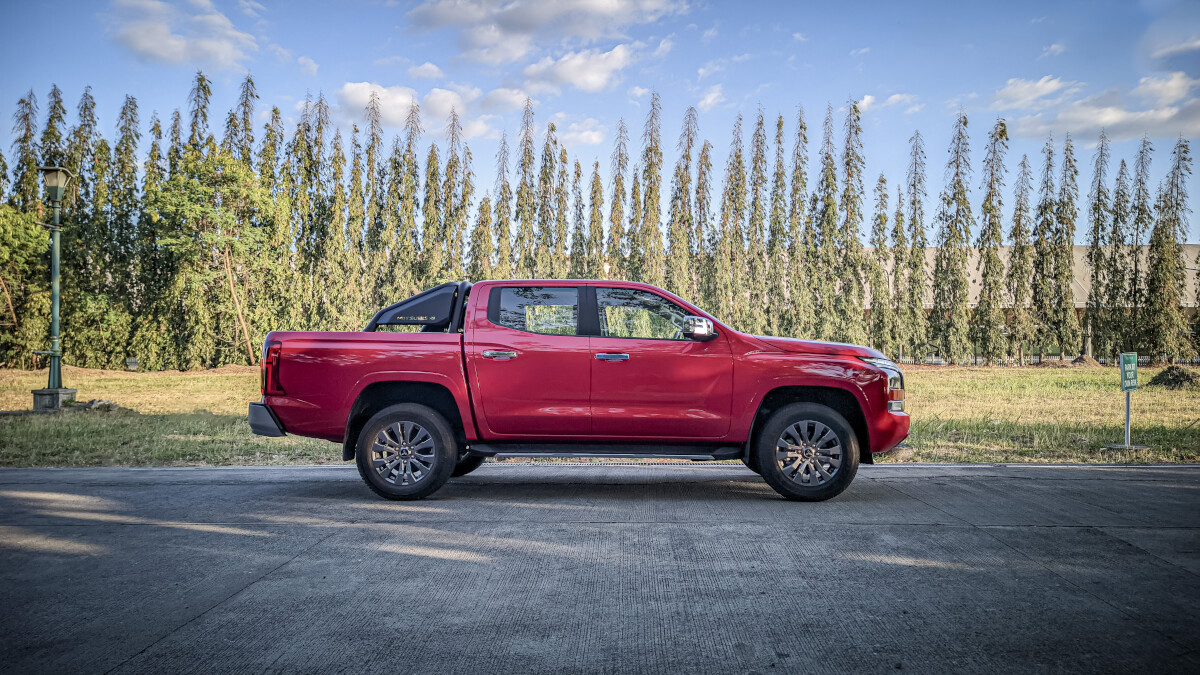
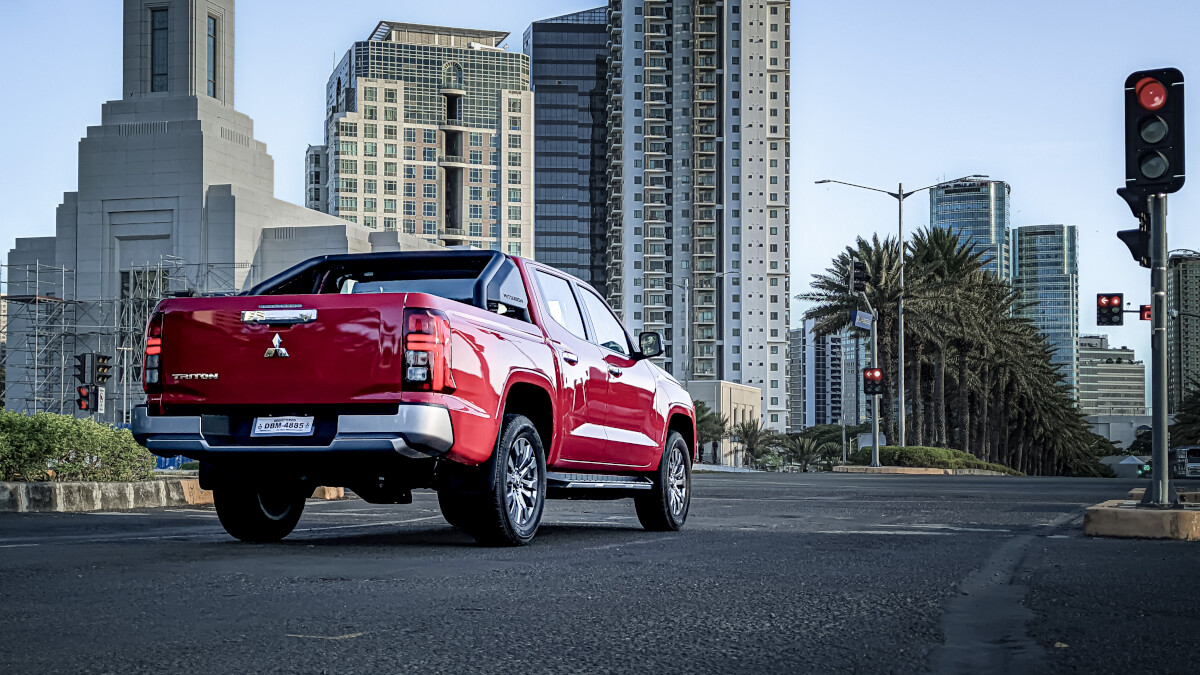
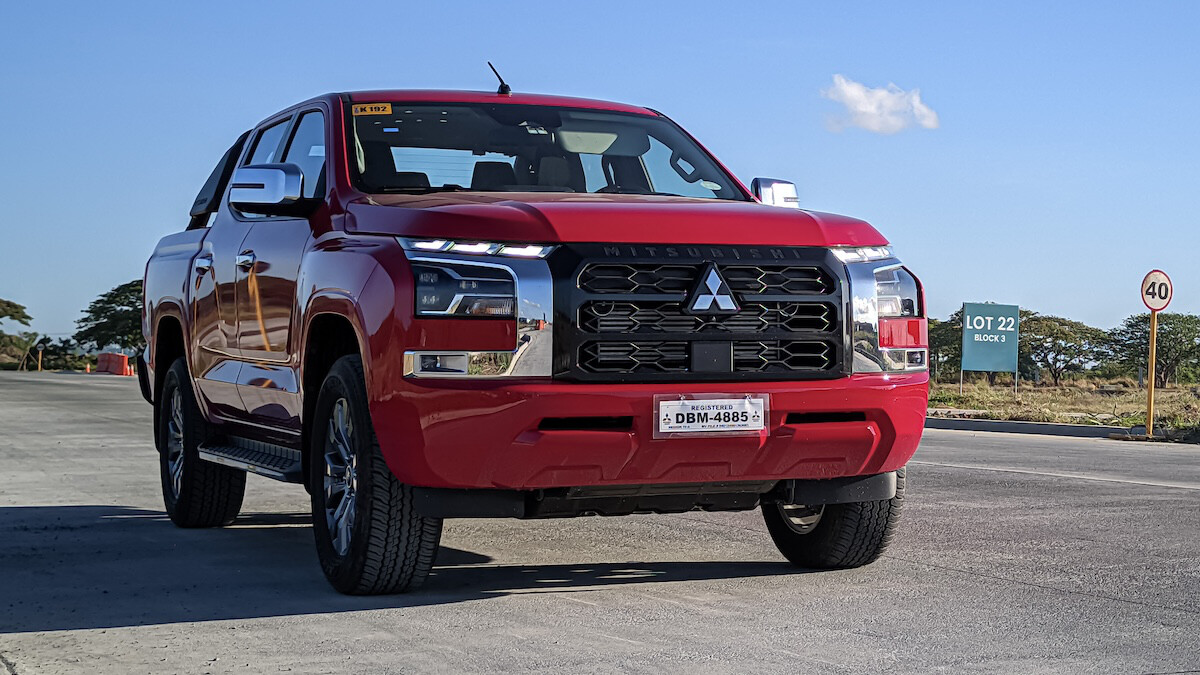
That size increase is considerable: 60mm longer than the outgoing model, with an extra 130mm of wheelbase, which brings with it a considerable increase in cabin volume. While the styling is superficially similar to the outgoing model, the Triton has bolder, squarer lines—with bodywork pushed out over the fenders for more volume and flatter sides. The front end is a dramatic departure, with a big square prow that’s just a few fingers shorter than the jutting proboscis on the Hilux.
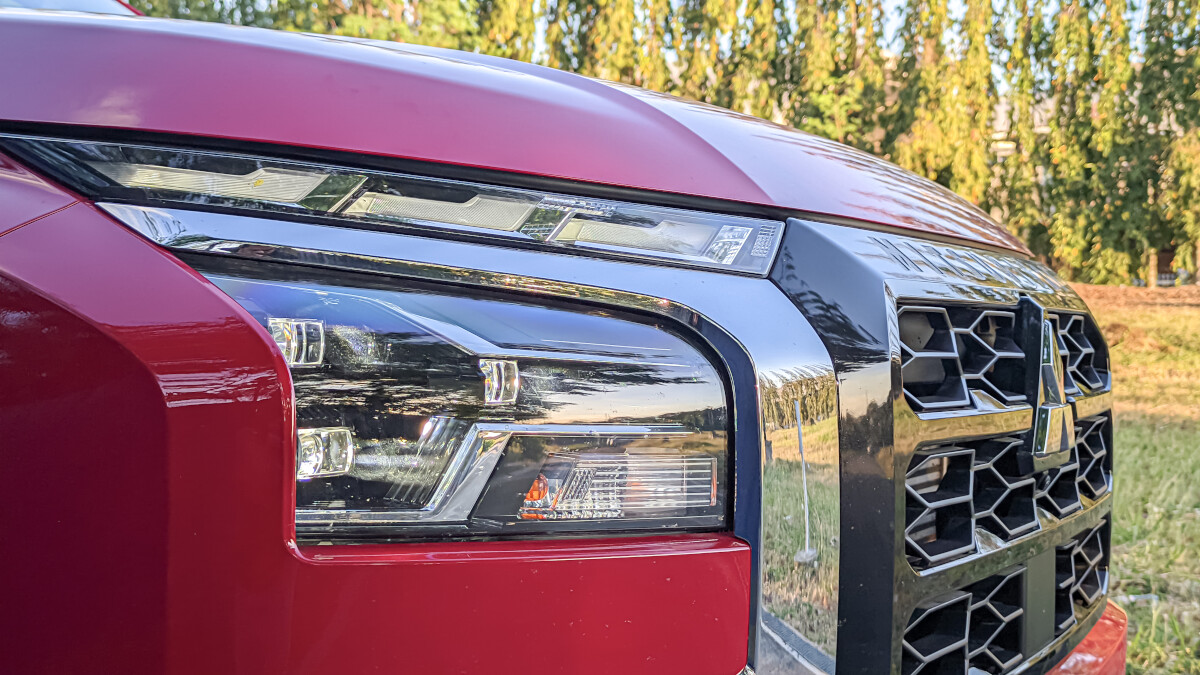
There’s still the Dynamic Shield up there, but it’s more of a vestigial applique than an actual carved-in motif. It’s a bold departure from the previous car, and while it lacks the sleek sportiness of the old car, it does look more ready to take on serious work.
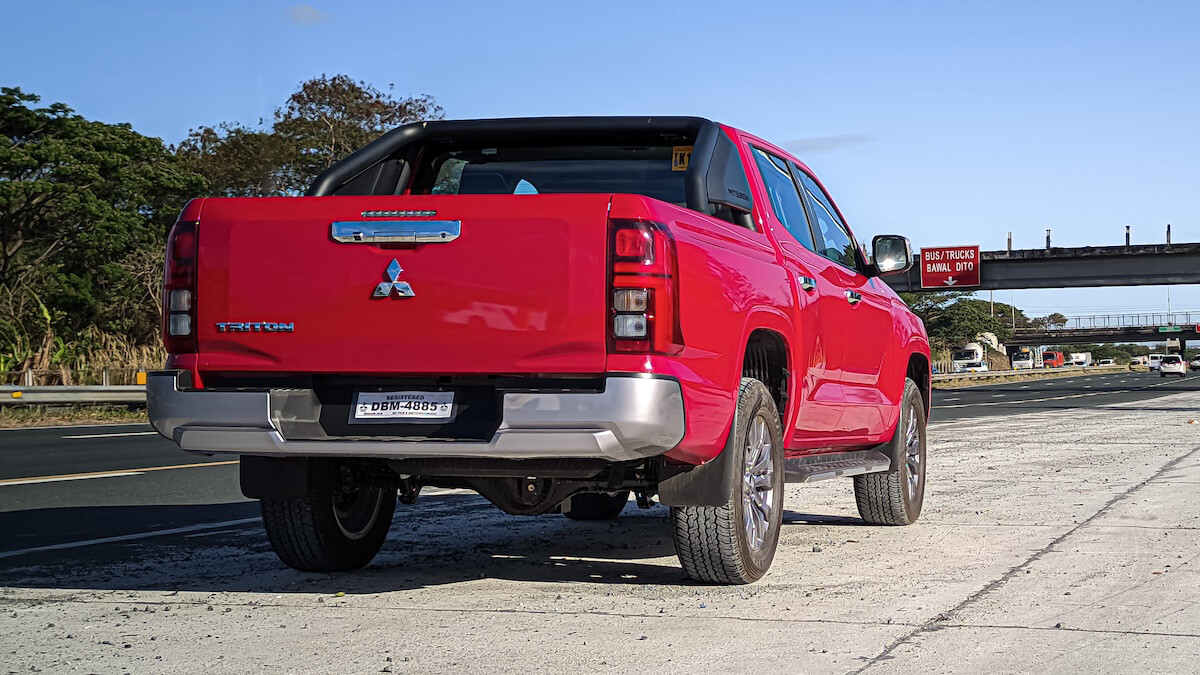
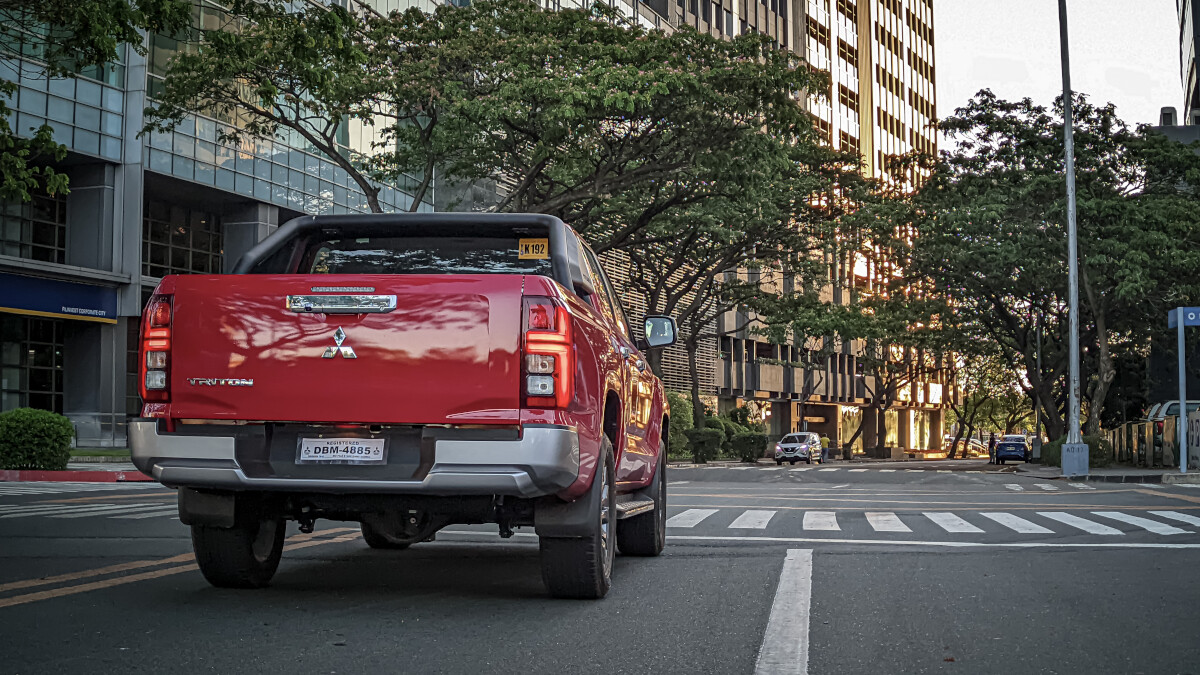
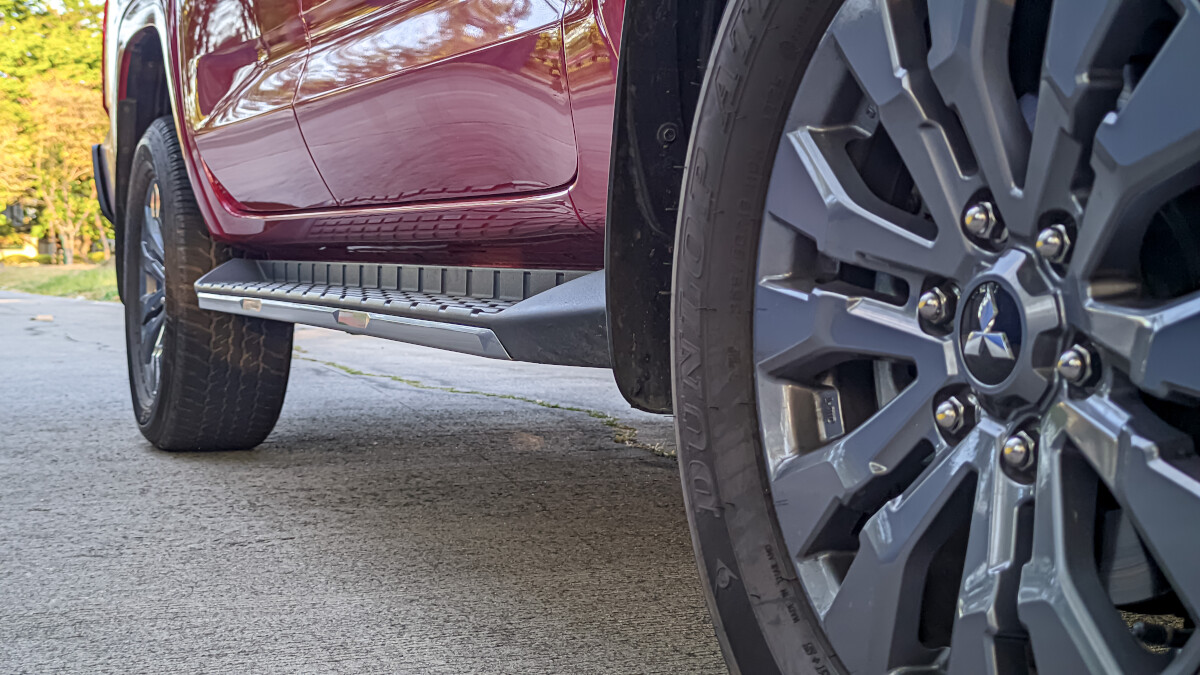
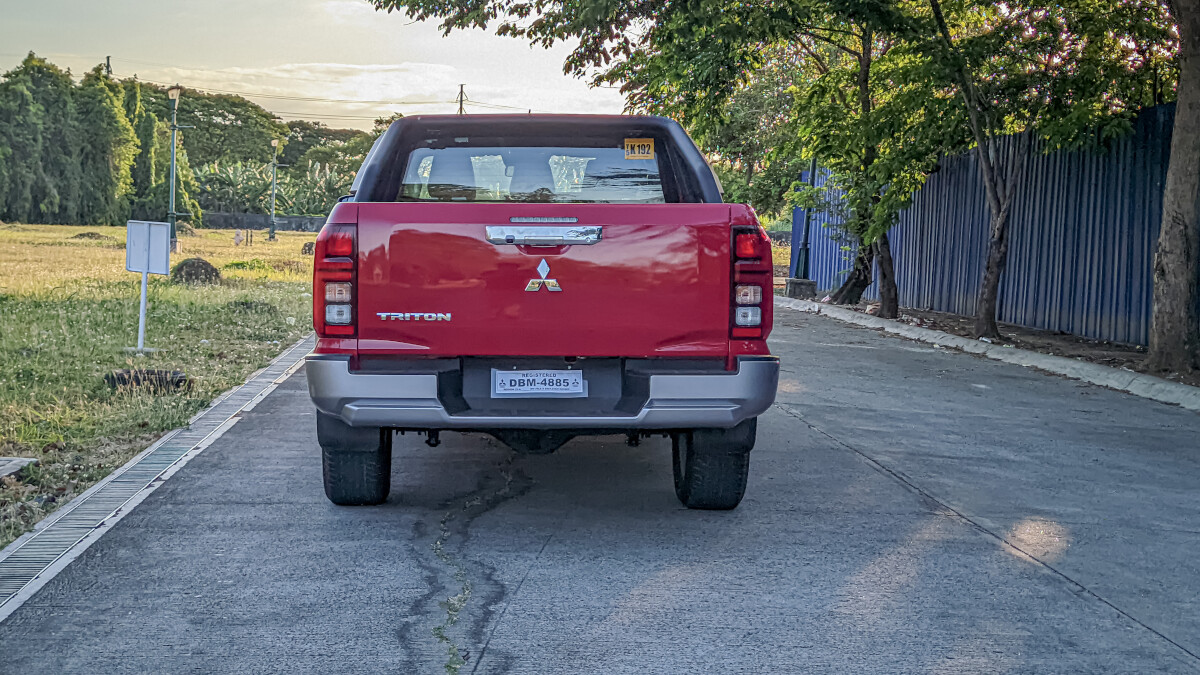
The rear bed is certainly geared toward utility, with a squarer, more practical shape and a flatter lip. This GLS variant gets a bespoke rear rollbar that dresses up the car nicely. The truck sits on 18-inch gunmetal wheels carried over from last year’s model. Not that there’s anything wrong with that. They’re nice-looking wheels.
ALSO READ:
Review: 2024 GAC M8 2.0L GX Master
Review: 2024 Ford Explorer Limited 4WD
Interior
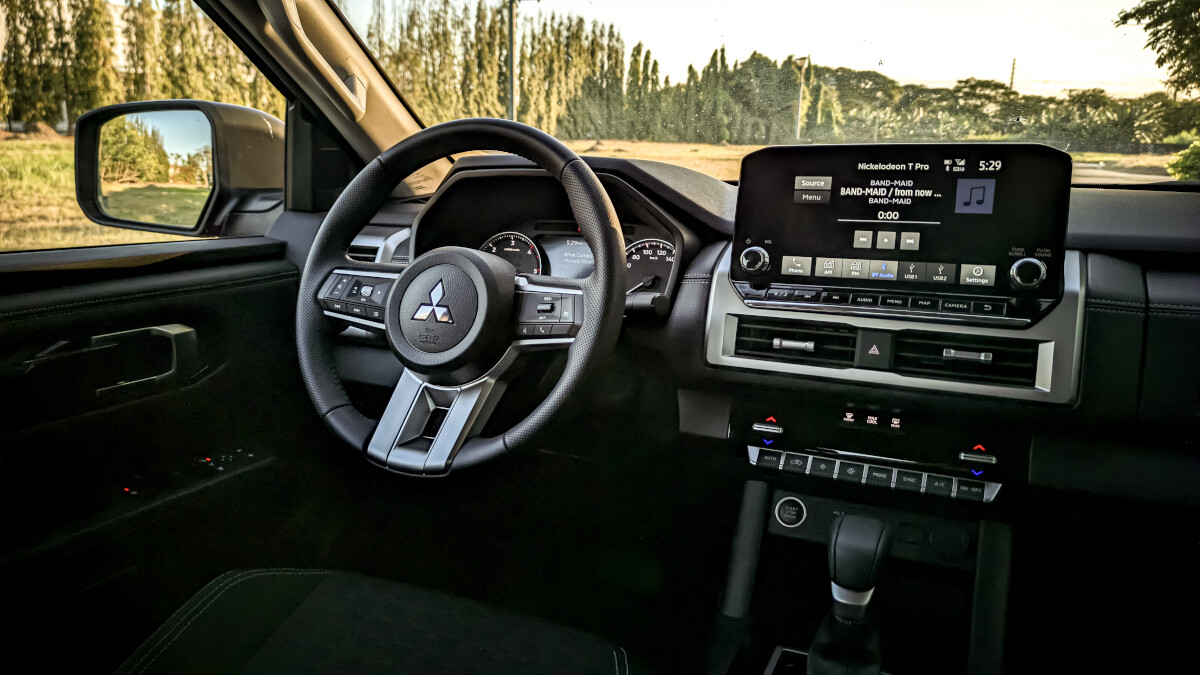
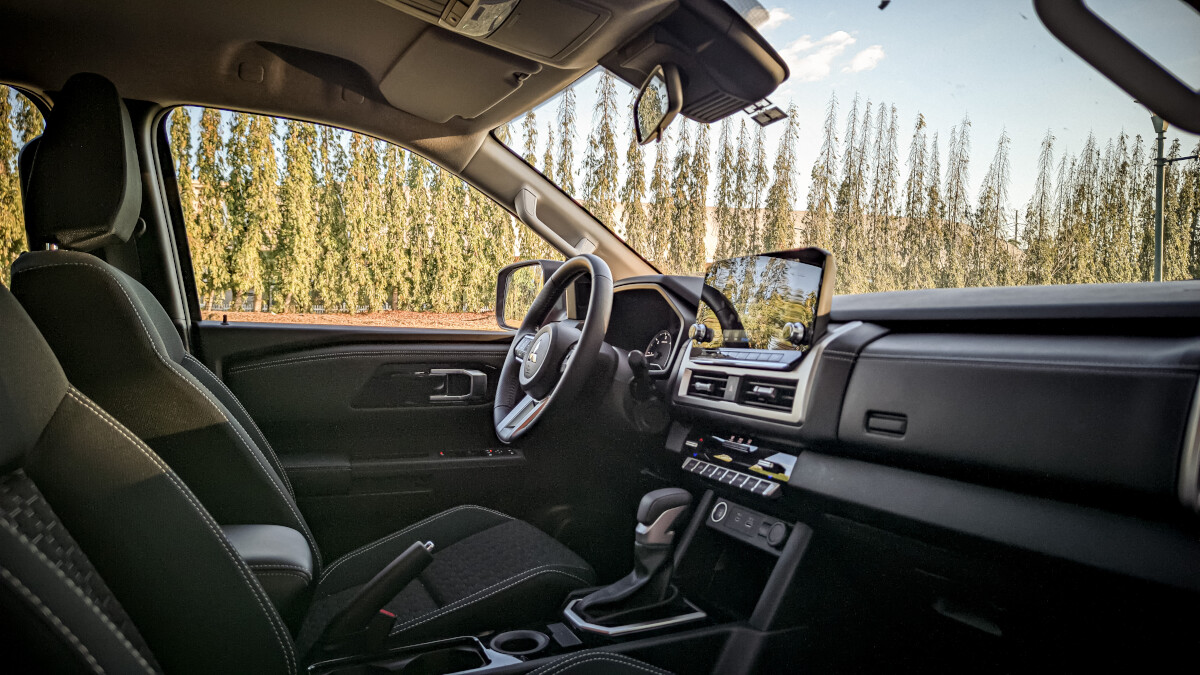
The interior benefits greatly from the refresh. It feels big and airy, with dash and door panels carved out for extra space. Gone are the swoopy curves of the previous interior, replaced by the same sort of fashionably blocky, utilitarian cues as in the Ranger or the D-Max.
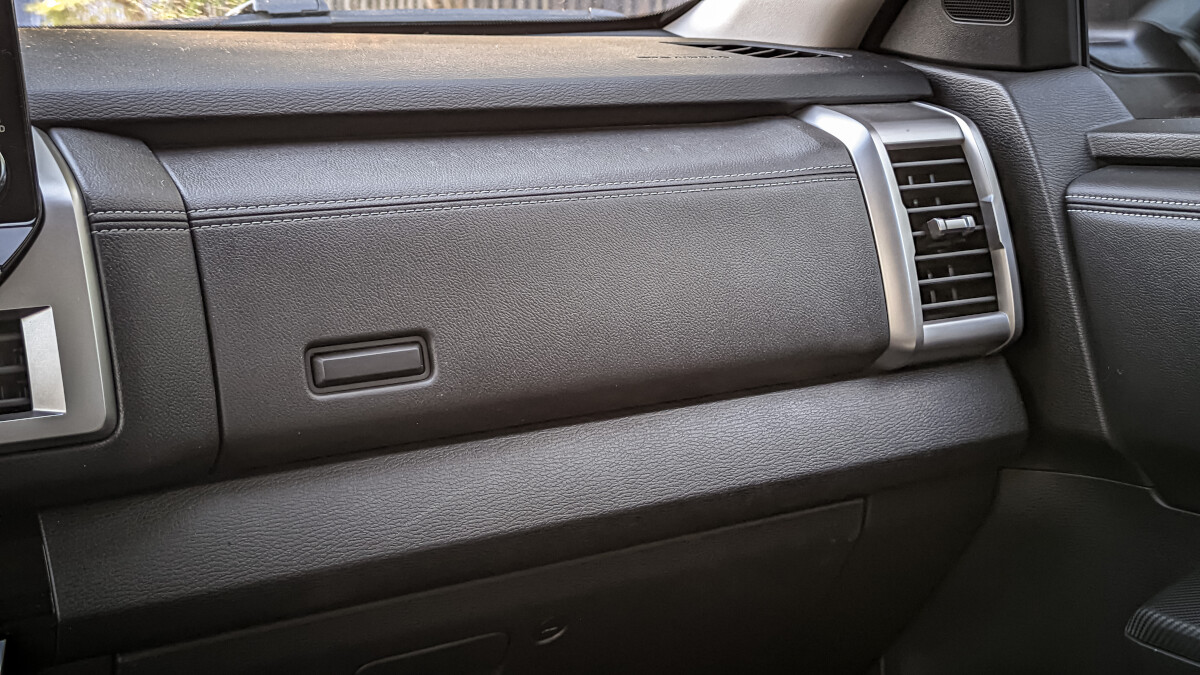
Seats are nice and supportive, and sit the proper distance off the floor, though the cloth buckets on this GLS do lack a bit of lumbar support. There’s decent utility up front, with a wide center box and dual gloveboxes that open and close with a satisfyingly damped action.
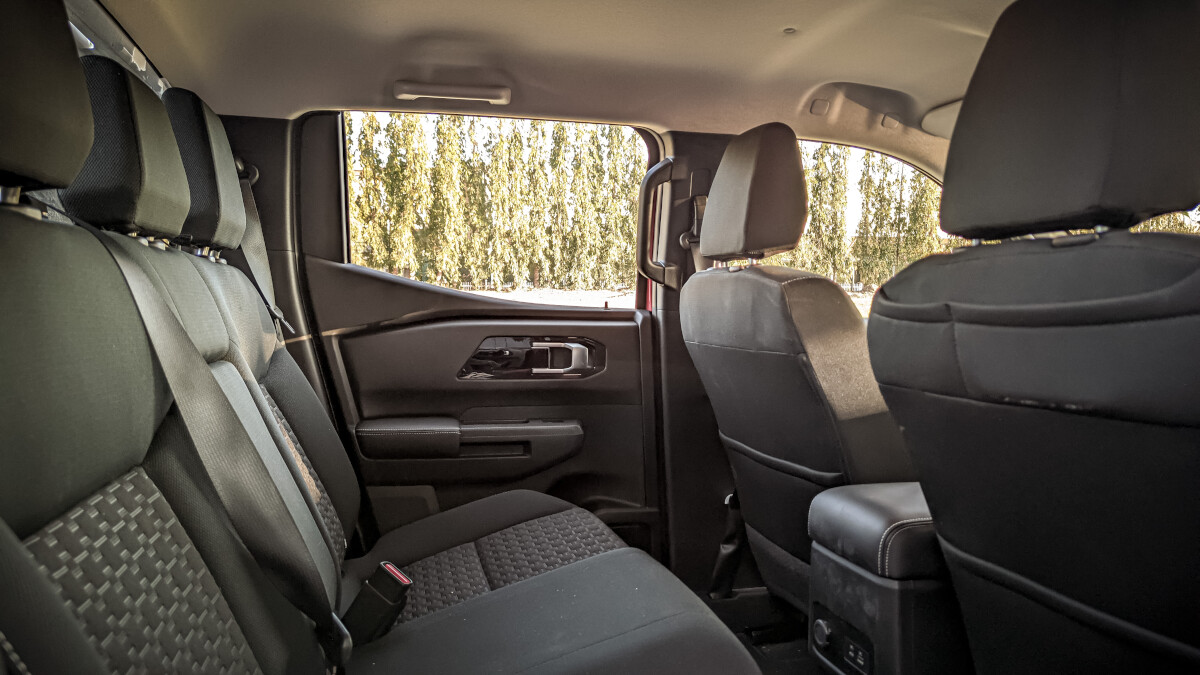
The rear seat is bigger than before, but lacks rear A/C vents. Despite this, the center box still eats into the foot space meant for the center passenger. There’s a distinct lack of under-seat storage, and the rear doors could stand to open up a bit more as well.
Out back, the Triton benefits from a longer, deeper, more squared-off 1.545m x 1.555m cargo area boasting a 1,115kg payload capacity, the highest in the Triton range. The tailgate isn’t synced to the central locking, so you’ll need to bring the keys with you to secure the load. A thick protective bedliner and a low load floor make sliding big boxes into the tray easy.
Engine performance
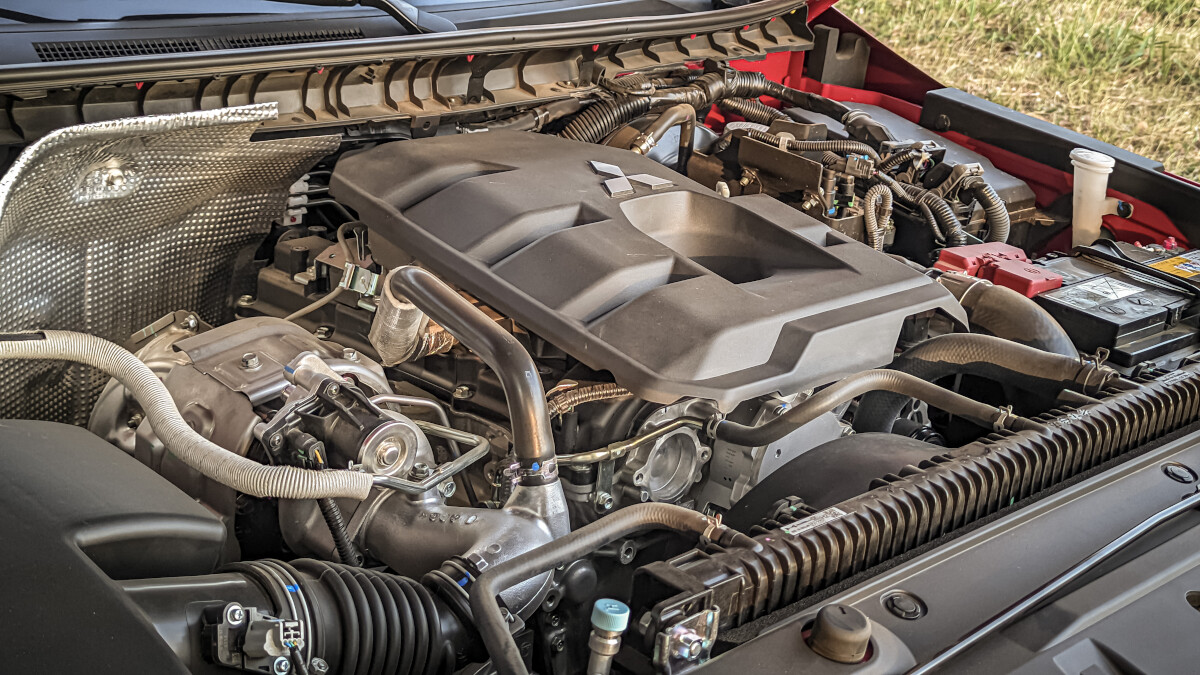
For hauling duties, the GLS uses the same tried-and-true 2.4-liter 4N16 diesel in single-turbo guise. This produces 181hp and 430Nm of torque, channeled to the rear wheels through a six-speed automatic. Modest on-paper numbers compared to some of the heavy hitters out there, but our tested 0-100kph time of 9.3sec is in the same ballpark as the Toyota 2.8-liter and the Isuzu 3.0-liter.
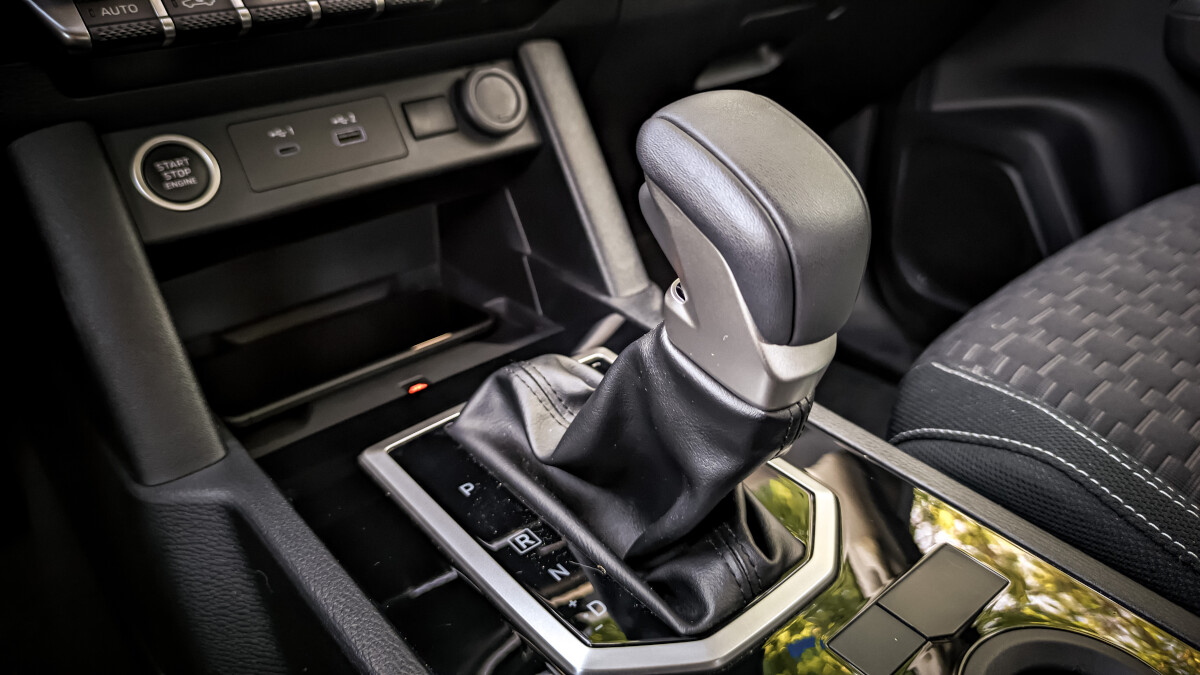
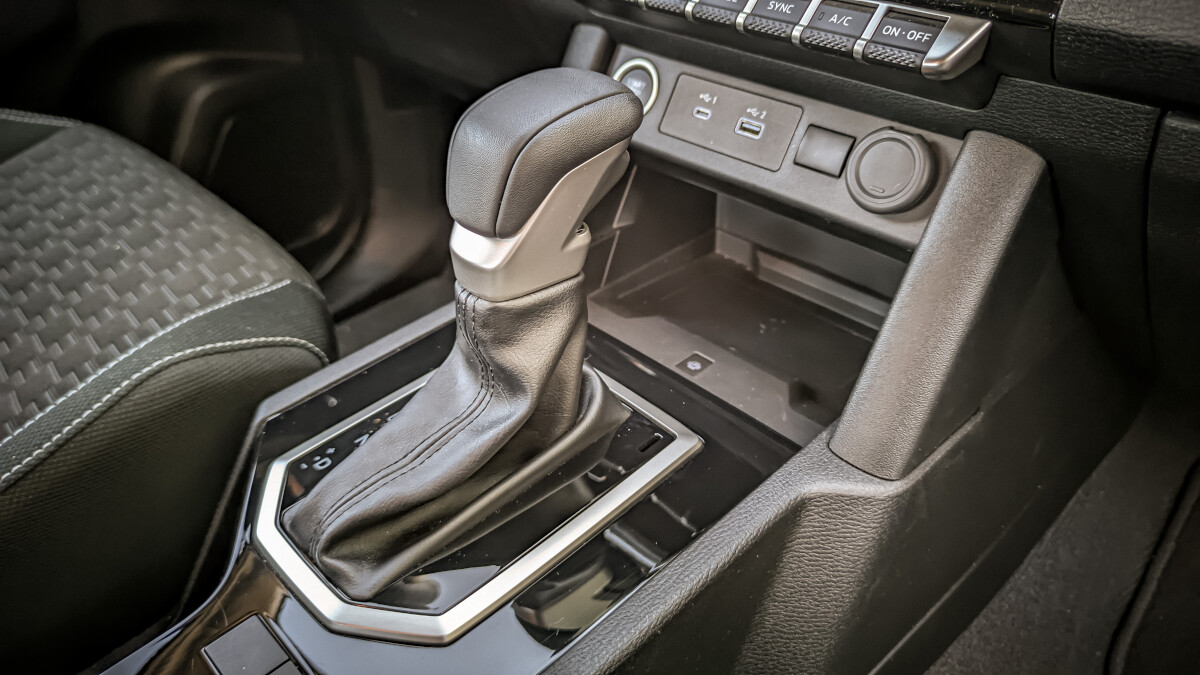
Granted, it isn’t as torquey as either, but it puts down its power more cleanly. Acceleration only tapers off appreciably past the highway limit. The six-speed shifts smoothly enough, though it could use an extra gear or two between first and third. A +/- gate on the shifter allows for manual shifting. It isn’t any faster, but it allows you to lock into lower gears for hill descents and light off-roading.
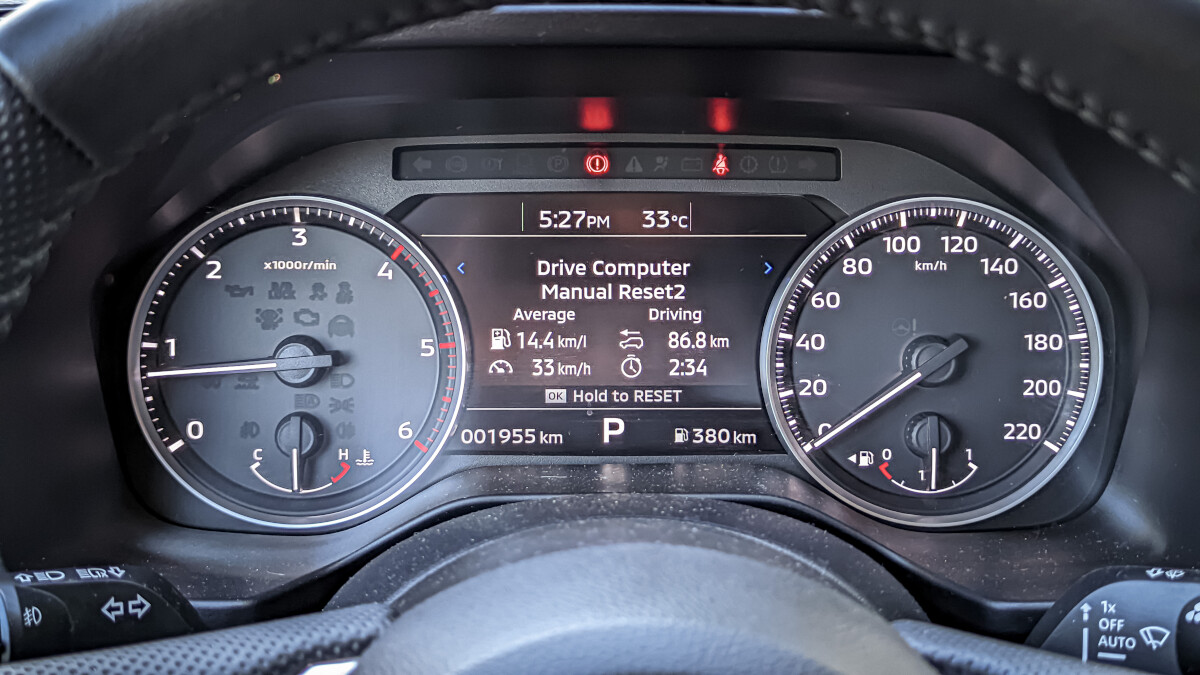
In terms of fuel economy, we saw an average of 12-14km/L in mixed driving, never going below 7-8 km/L in traffic, with peaks of 19-20km/L on the highway at modest speeds.
Ride and handling
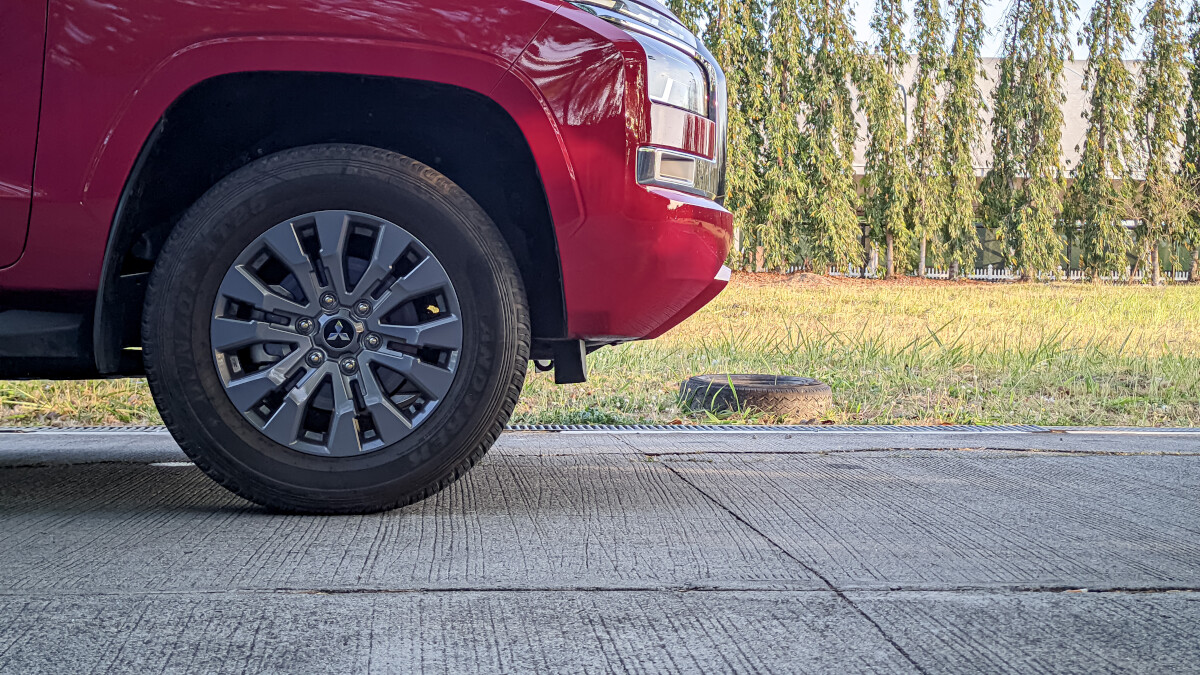
You will find yourself driving at modest speeds most of the time. The ride is definitely pickup-ish—closer to the D-Max and the Hilux than the Ranger or the Navara. It’s not particularly hard-edged, but it is very busy over expansion joints and ruts. I guess some blame should fall on the 265/60 R18 Dunlop Grand Trek AT25 tires, which are a bit too off-road-oriented for a 4x2 truck.
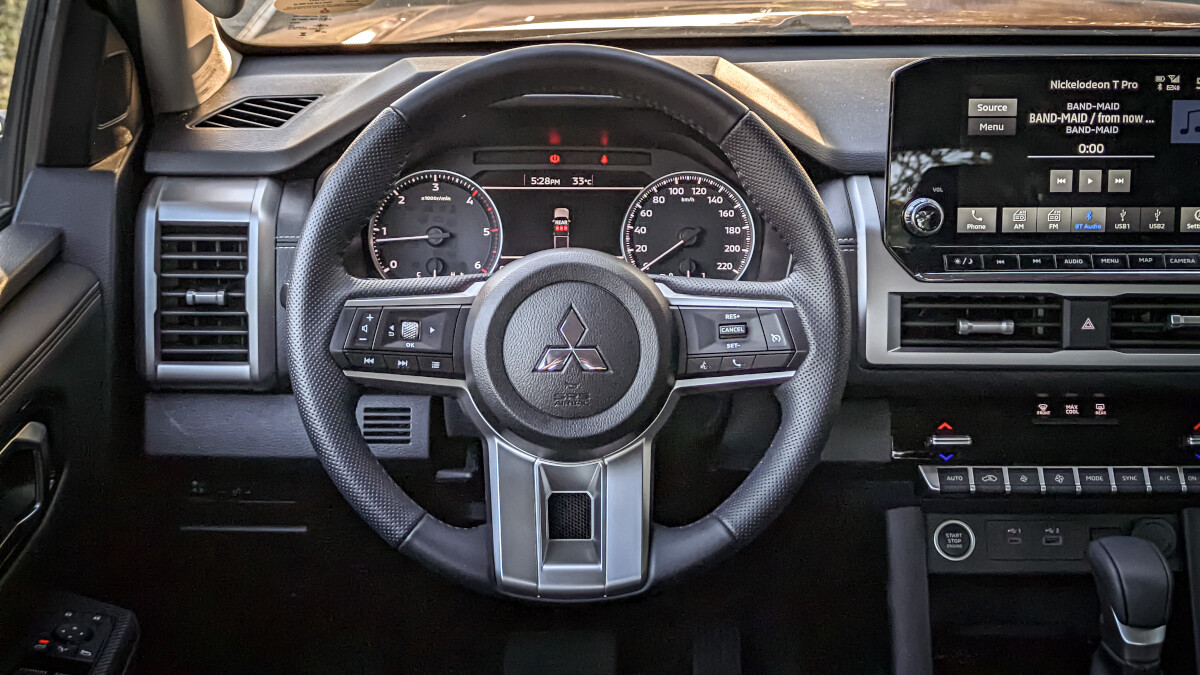
Beyond that, the rear suspension also feels quite stiffly sprung, which tracks, given the high load rating. The steering on our GLS tester is rather heavy, inspiring confidence on winding roads, but requires a bit of muscle to twirl around while parking. It’s not as heavy as some, but this isn’t a truck you drive with your fingertips.
Out on the highway, the Triton is remarkably quiet, the 4N16 whispering almost like a turbocharged gasoline engine. Even at full chat, it doesn’t sound as raspy or harsh as some competitors. Stability control is decent, keeping things tidy when you goose the go-pedal on gravel-strewn grades, but beyond that and the blind-spot-slash-forward-collision alert system, there isn’t much else in the way of active driver safety.
Extra features
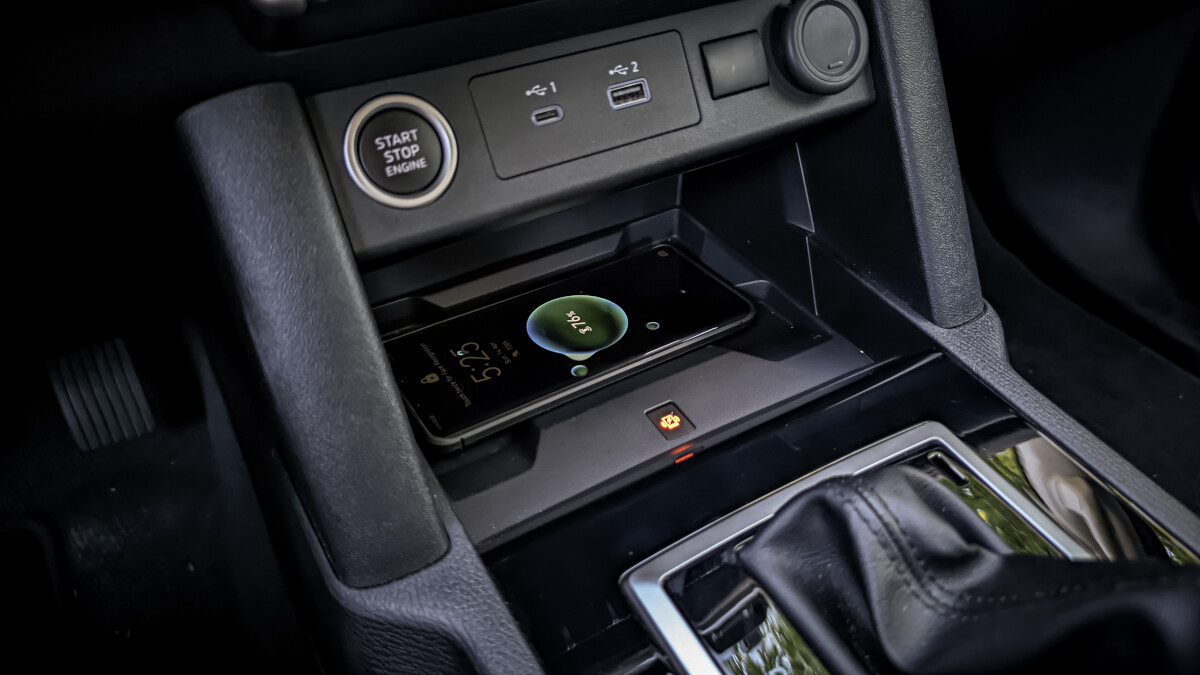
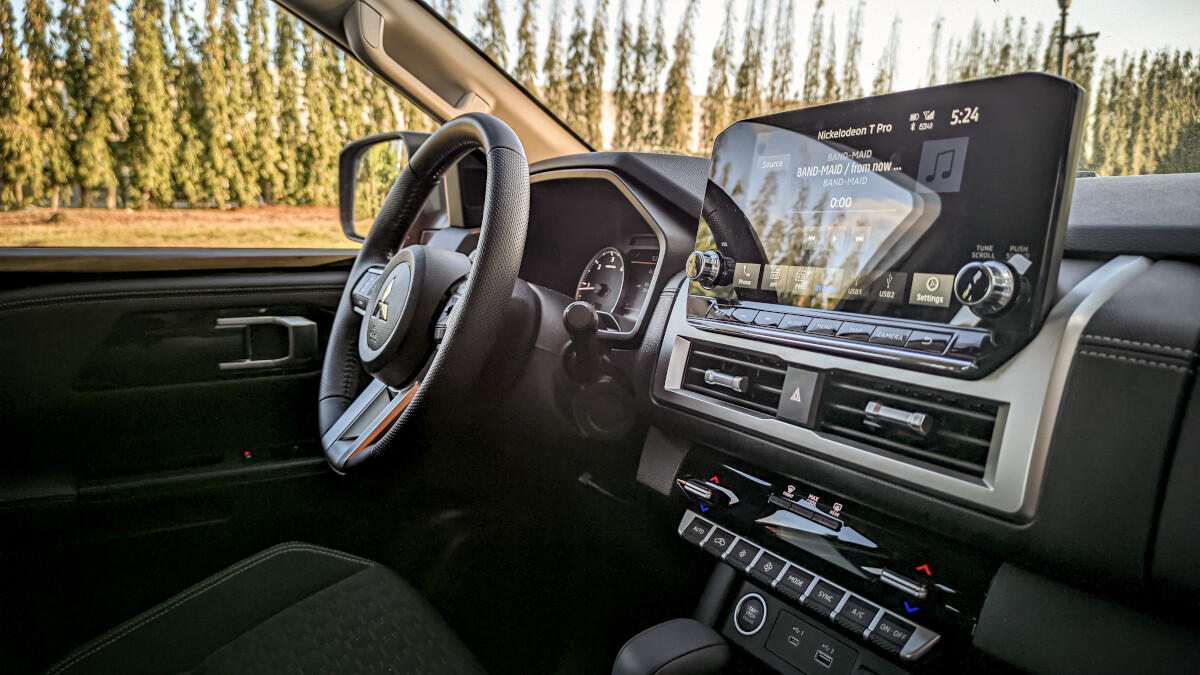
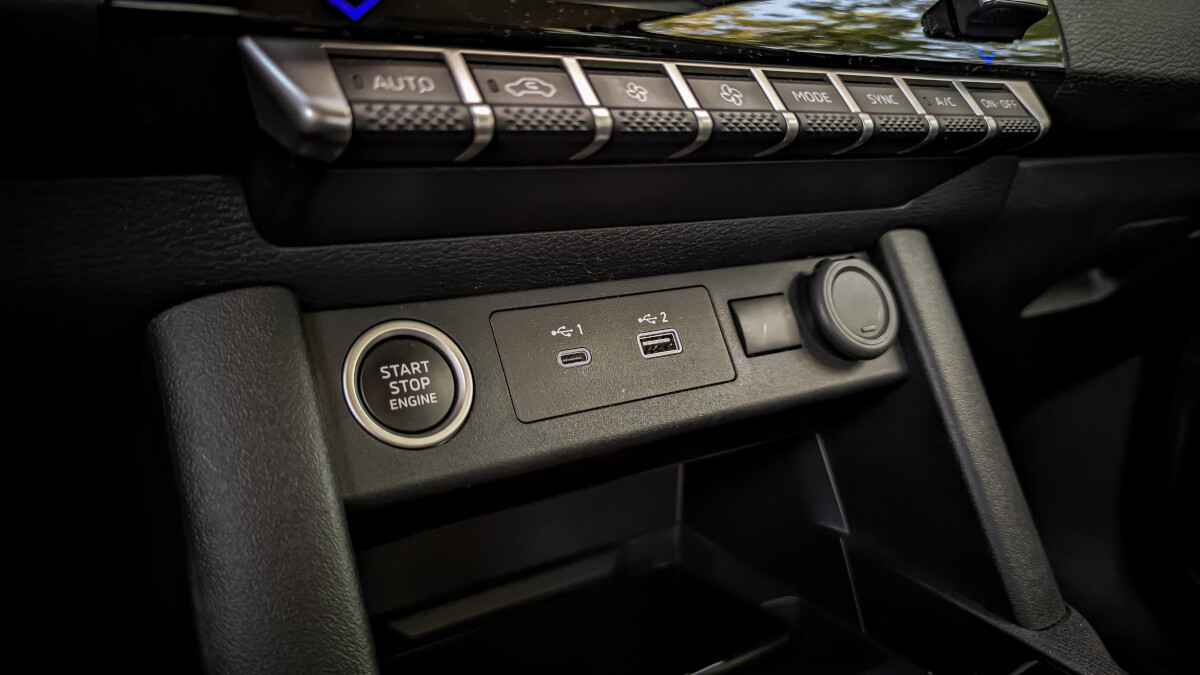
That means no lane-keeping assist, no active cruise control—though you get regular cruise—and none of the camera-based wizardry we’ve come to expect of modern cars. And in terms of other toys, it does feel a step behind. You do get multiple charging points, with USB-C and wireless charging available, but also a rather mildly sized nine-inch infotainment screen.
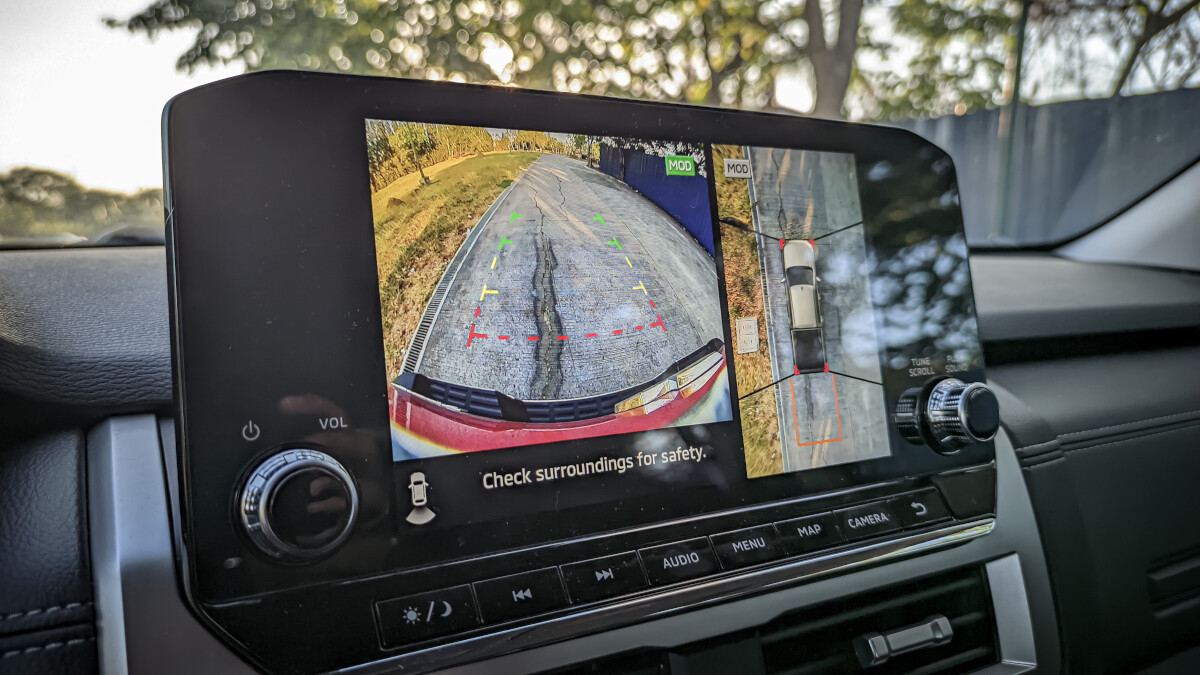
On the upside, while the monochrome interface looks rather old-fashioned, once you’ve booted CarPlay or Android Auto, the picture is crisp and bright. There’s a 360-degree camera, but no 3D mode, and the video output is grainy, with inconsistent white balance. The package tops out with remote locking, push-button start, and the GLS cosmetic package, including stepboards, those wheels, and that rollbar. It looks good, but there are better loaded competitors at this price.
Verdict
And therein lies the rub: The Triton is a solid car, with a massively refined diesel, good performance, and great economy, but in this premium 4x2 segment, it lacks some of the niceties that its competitors bring to the table. Despite that, it’s a massively attractive package, and while the styling and the form factor may not be to everyone’s tastes, Mitsubishi is hoping that the changes bring it closer to the tastes of those who actually buy pickups.
Even in its last year, the previous model was not a giant seller in the Philippines, despite its success elsewhere. More ‘manly’ pick-ups simply stole its thunder. Now, the Triton is hitting back with a package that’s manlier and more practical than ever. Whether that’s enough to propel it into the sales spotlight, however, only time can tell.
SPECS: 2024 Mitsubishi Triton GLS 4x2
Price: P1,582,000
Engine: 2.4-liter turbodiesel straight-four
Power: 181hp @ 3,500rpm
Torque: 430Nm @ 2,250-2,500rpm
Transmission: 6-speed automatic
Layout: RWD
Seating: 5
Score: 7.5/10
More photos of the 2024 Mitsubishi Triton GLS 4x2: