
It’s been nearly a decade since the last Mitsubishi Lancer Evolution rolled out. Given the current state of the brand, it’s unlikely we’ll ever see a rally-ready car from them. Still, it left behind a legacy that’s firmly imprinted in the history books.
Born in 1992, the Lancer Evolution succeeded the Galant VR-4 to be Mitsubishi’s entry in the world’s rally stages. Initially, it had the drivetrain straight from the VR-4, but eventually came into its own.
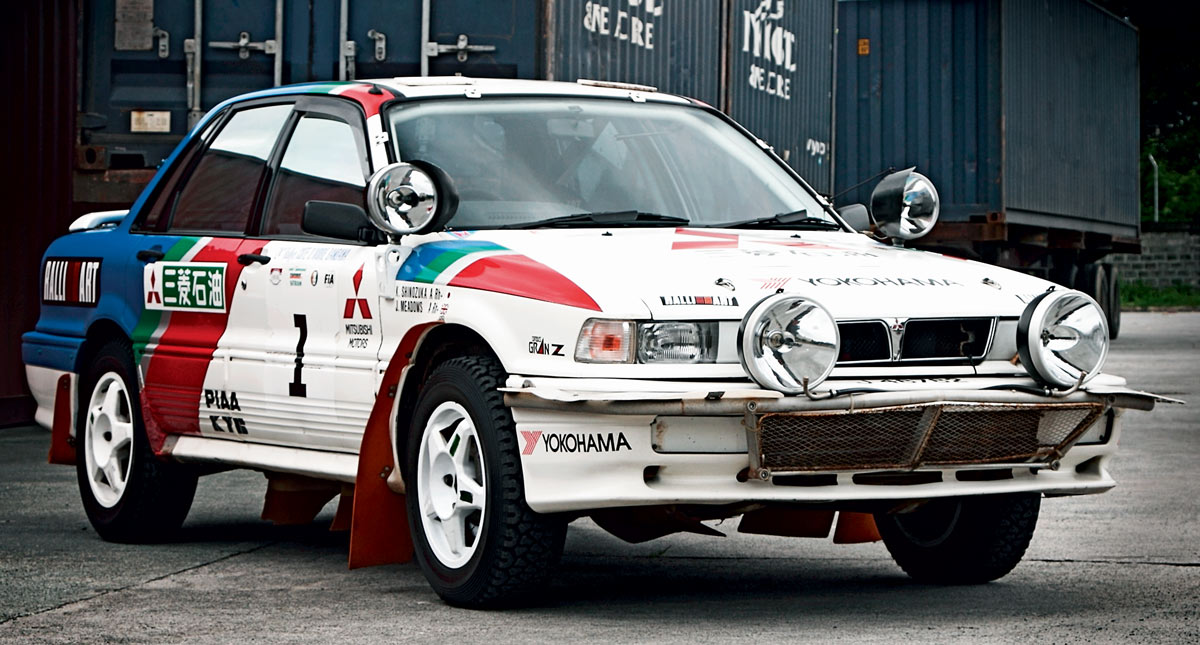
With that, the VR-4 is often credited as the predecessor of the Lancer Evolution. Of course, Mitsubishi had previous exploits in rallying, but the VR-4 and Evolution laid down the foundations for success.
OTHER STORIES YOU MIGHT HAVE MISSED:
The Hyundai Santa Fe is a triumph of function over form
This might be what the new Ford Territory will look like in PH
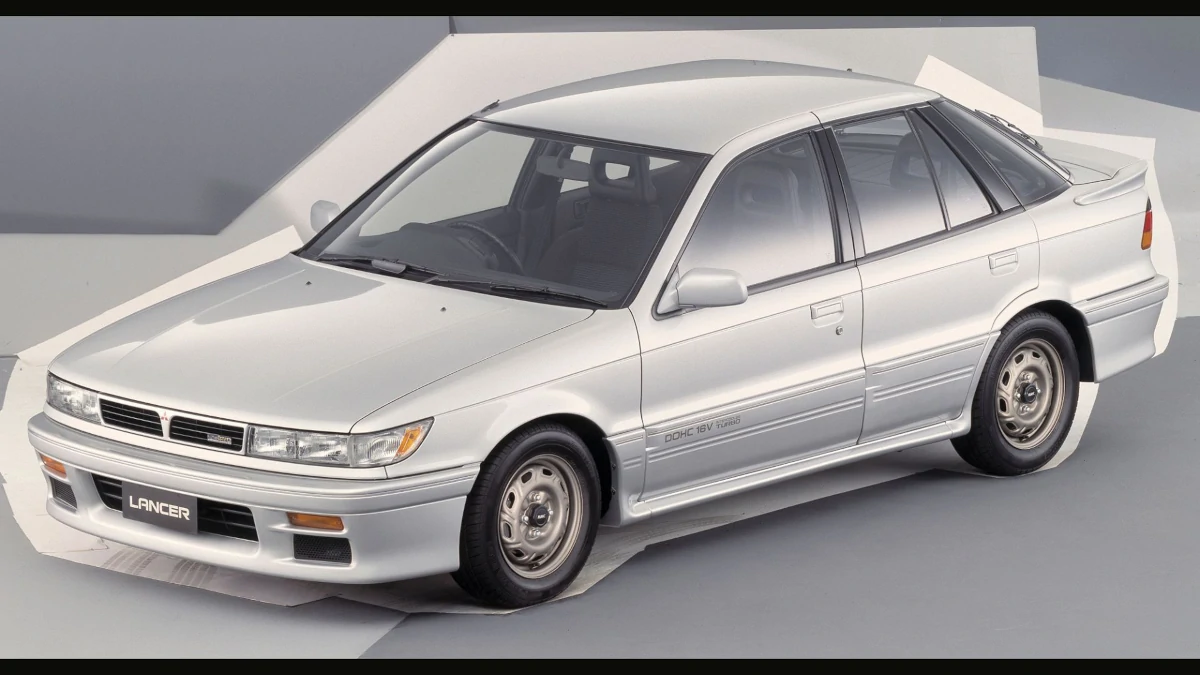
But between Galant VR-4 and Lancer Evolution, there was actually a model that sat in between. It was the 1988 Lancer GSR 4WD, and it’s effectively the missing link of the VR-4 and Evo.
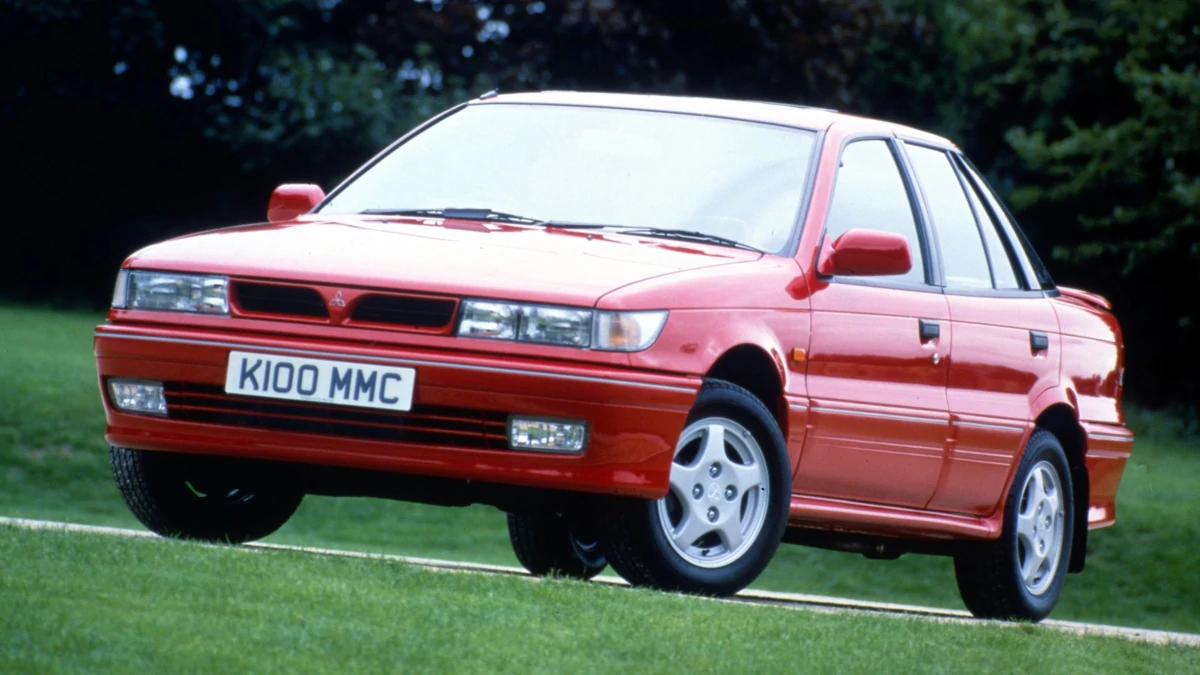
Yes, the singkit version of the Mitsubishi Lancer had a performance derivative that sat above the GTi. For us, at least, we think this generation is unfairly overlooked, as it was the first true modern Lancer that introduced a heap of advances over its predecessors. Granted, there were all-wheel drive models before, and there were also turbocharged options, but they were never combined in one package.
Unsurprisingly, this model was only sold in Japan, which probably explains why the rest of the world isn’t fully aware of it…at least until now.
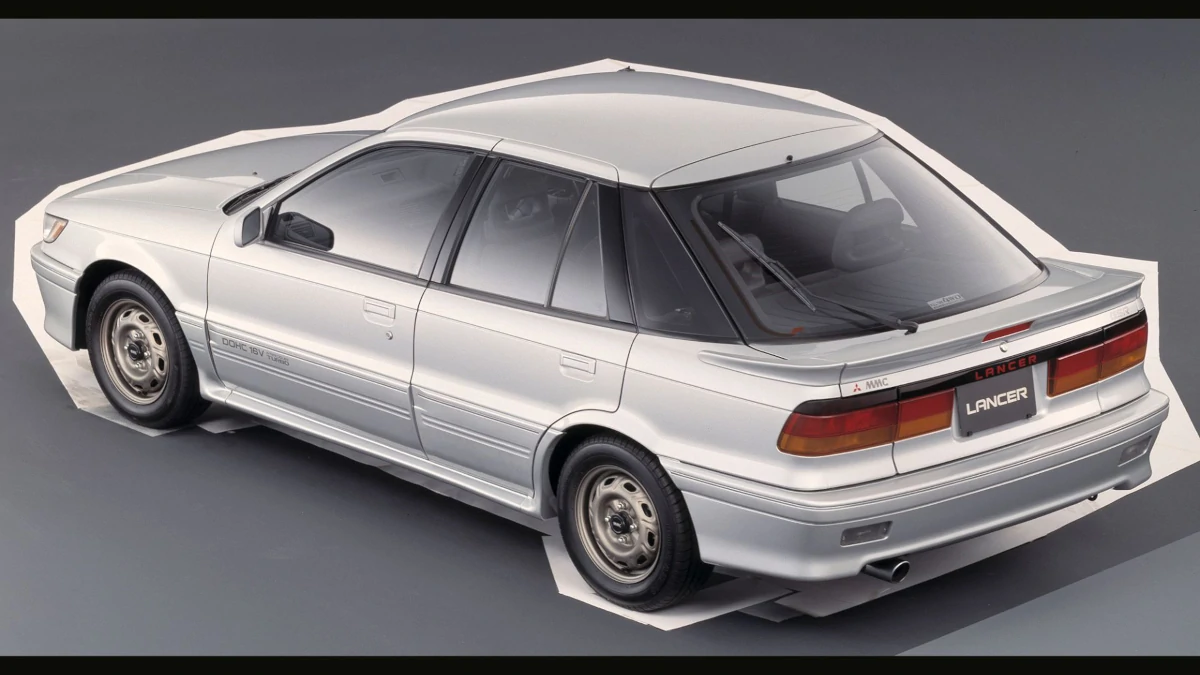
So, what are the specs? It was available in two body styles, either as a sedan or a five-door liftback. Under the hood was a 1.6-liter turbo that made 143hp and 206Nm. and you can only have it with a five-speed manual. That was thanks to a compact turbo, 16-valves, and twin-cams, which was cutting-edge stuff to put in a compact car at the time.
Okay, it’s not a fire-breathing amount of power, but remember that it was the late-‘80s. Your average compact sedan barely mustered 110hp, and larger 2.0-liter engines were lucky to make 150hp. Official performance figures weren’t given, but it’s a relatively light car with a good shove of torque. It’s possible that it could do the 0 to 100kph sprint in the eight-second range, properly quick for the late-‘80s.
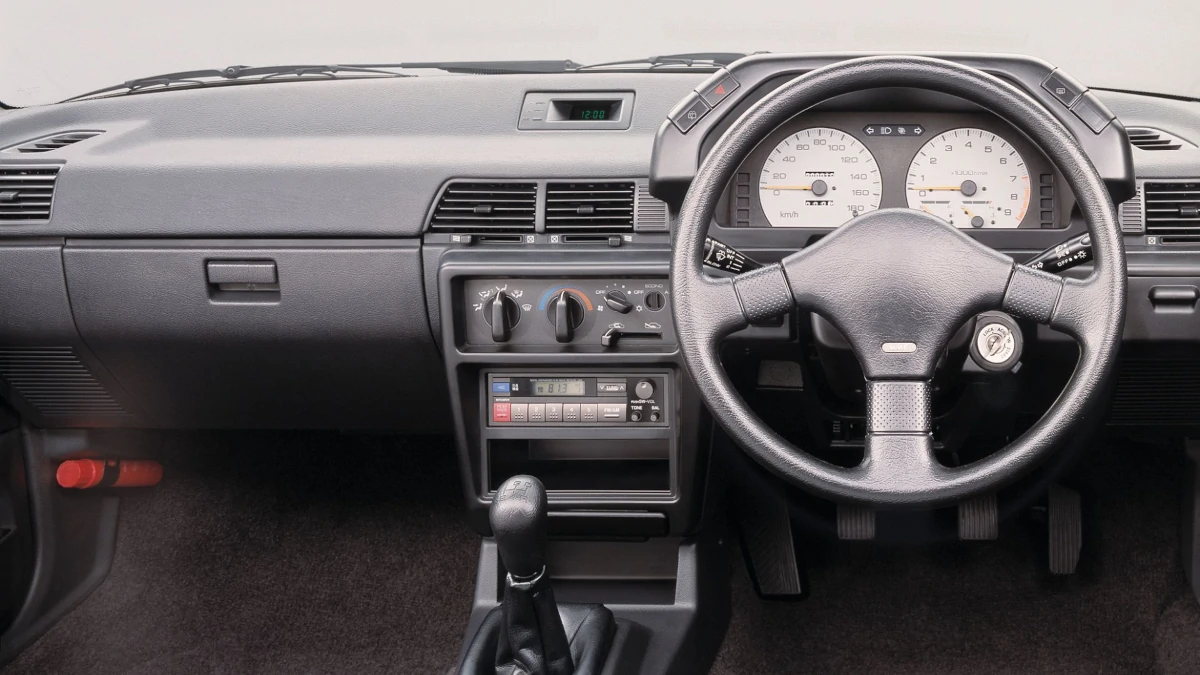
There were other neat bits added to the car, too. It came with an aero kit with a generous amount of body cladding, a rear spoiler, deeper bucket seats, and a sportier steering wheel. But the piece de resistance was its all-wheel drive system as it came with a viscous center differential, meaning it had permanent all-wheel drive.
In 1988, the GSR 4WD sold for ¥2,048,000 or about ¥2,620,197 adjusted for inflation. Converted to local currency, that’s around P1,026,182 in today’s money, astonishing value for a sporty sedan with all-wheel drive. It was relatively affordable for its time, the Japanese economy was at its peak, and consumers had great buying power. Japan was riding a wave and the economic bubble had yet to burst, and the cars certainly reflected that.
Sadly, automakers don’t have the same amount of freedom to build such cars. Greater competition, successive recessions, and environmental regulations make it a huge challenge. Still, it’s always a good time to celebrate some of the best cars to come out of Japan, even if a good chunk of them flew under the radar.