The BMW 330e is a car that’s alien to most Filipino consumers. So, when we had the chance to take one out for a spin in our recent trip to Buriram, Thailand, we were genuinely curious about it. After all, it was going to be our first try of a plug-in hybrid from BMW, so we had very high expectations for it.
We spent a whole day at the Chang International Circuit with the 330e, along with other BMW models including the M340i (that we had nothing but praises for), the iX, the X4M, and the feisty M2. Even though the 330e was the ‘slowest’ car of the day, we can tell you that it’s one that deserves to be sold in the Philippines. We’ll explain.
OTHER STORIES YOU MIGHT HAVE MISSED:
Respect your elders: 1971 Range Rover vs 2023 Range Rover
The Volkswagen California concept is, quite literally, a house on wheels
BMW 330e: A quick background
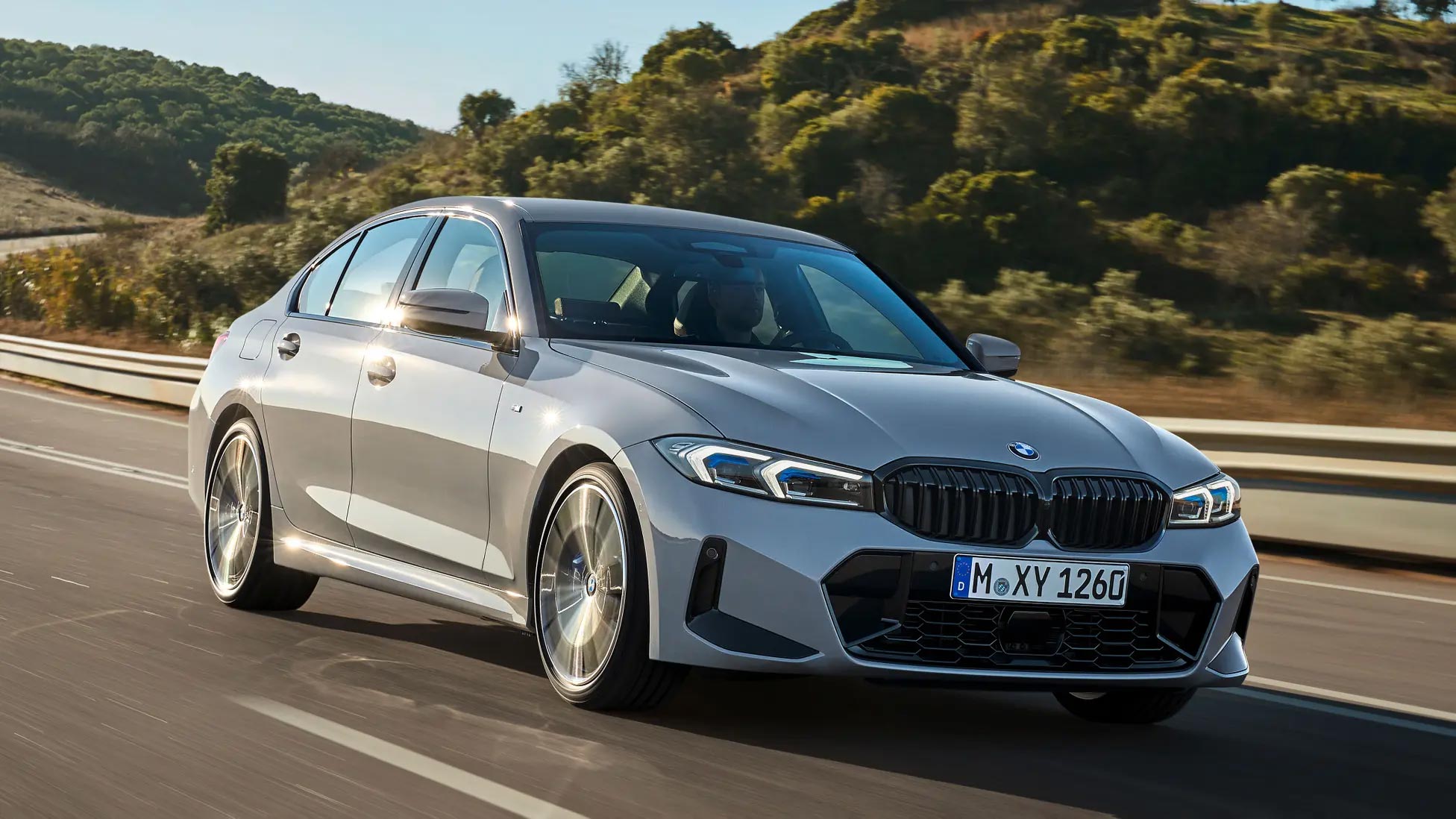
The 330e isn’t the first plug-in hybrid from BMW. In fact, the one we drove isn’t even the first 330e. The previous generation 3-Series was already available with a plug-in hybrid arrangement, but the current one packs more power and a greater electric range.
The basics? It’s powered by a 2.0-liter turbo engine and mated to an 11.15 kWh battery and an electric motor. That gives the 330e a total system output of 288hp and 420Nm of torque, proper sport sedan numbers. It’s even more powerful than the 330i, the conventional gas-powered version of the same car. For reference, that one makes 255hp and 400Nm of torque.
Now, on to the reasons why it should be sold in our country.
1) It looks like a normal 3-Series
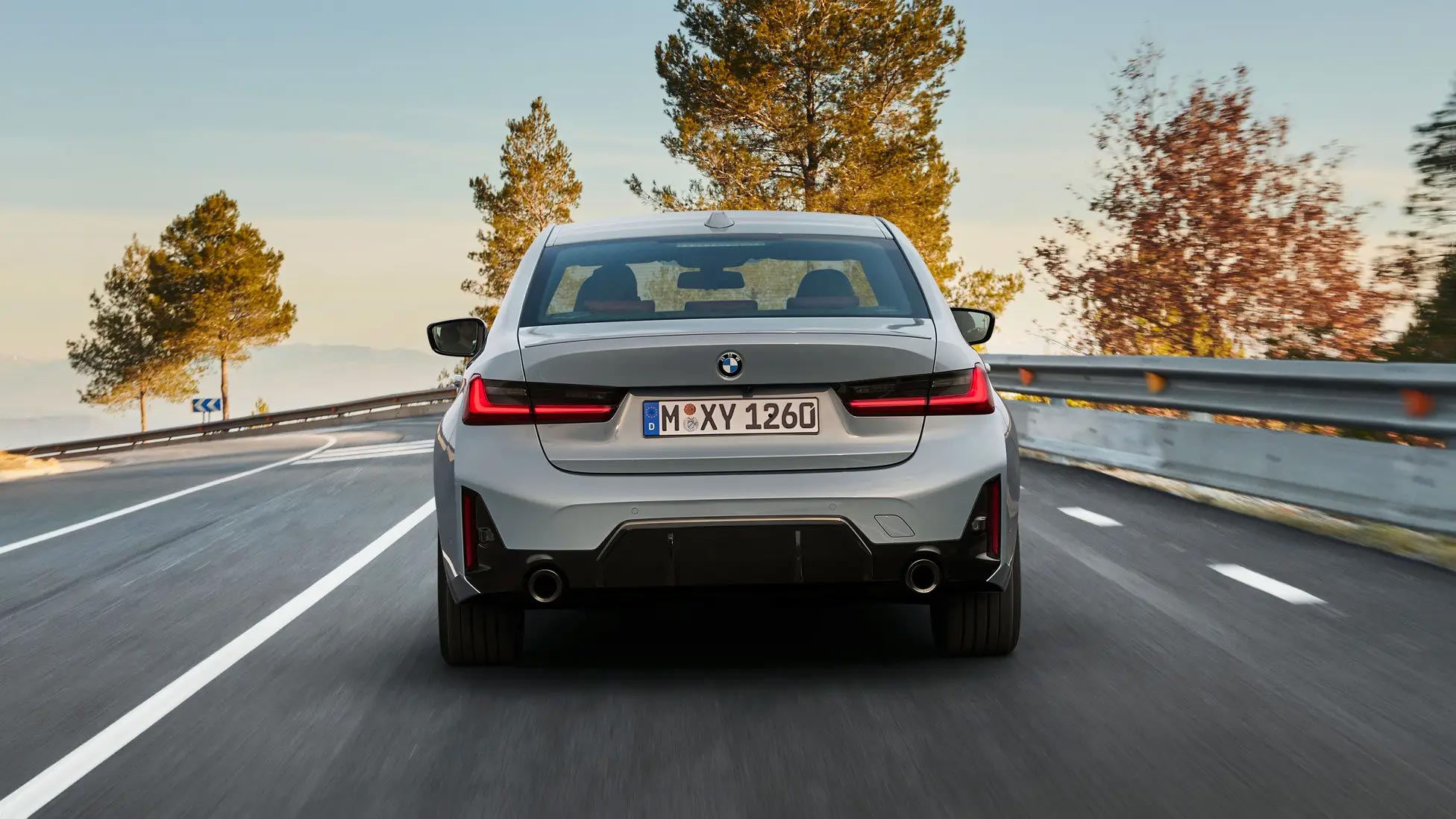
Some folks like their electrified vehicles to look like science experiments on wheels. However, there are also those who prefer to show their eco credentials in a more subtle way. The 330e does exactly that by looking like a regular 3-Series. At first glance, you won’t find much differences between the gas-powered models and this electrified version. The only indicator here is a charging port flap on the left front fender.
2) It feels like a normal 3-Series, too
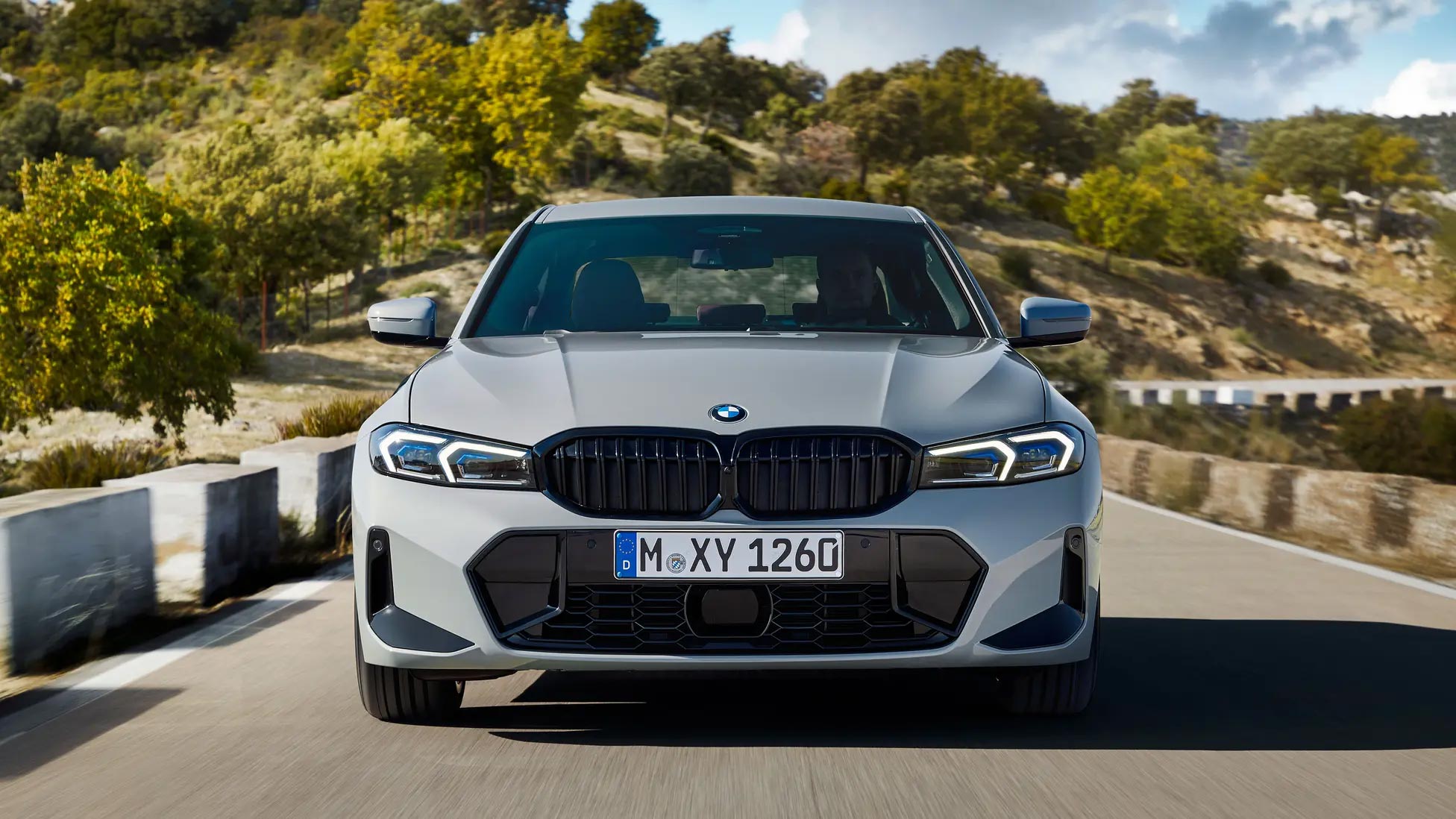
At low speeds, it felt largely like the 318i Sport we reviewed a few months ago. The steering is light in comfort mode, while the ride is supple, if a little on the firm side. The throttle response is immediate, and the brakes are well modulated. While that doesn’t sound like a huge deal, we can tell you that BMW took out most of the compromises that usually affect hybrids and plug-in hybrids.
Because these cars need to carry the extra weight of the battery pack and electric motors, they usually end up with stiffer suspension. As we all know, stiffer springs and shocks will make the ride harsh, but that wasn’t the case at all with the 330e. Props to BMW for fine-tuning the chassis and suspension to eliminate that common fault. The brake pedal feel isn’t numb or grabby in the 330e, which is typical in most hybrids because of the regenerative braking system that harvests energy from deceleration.
The fact that it feels like a normal 3-Series means there’s no need to adjust your driving style or habits. Sounds like a win for us.
3) It’s incredibly dynamic
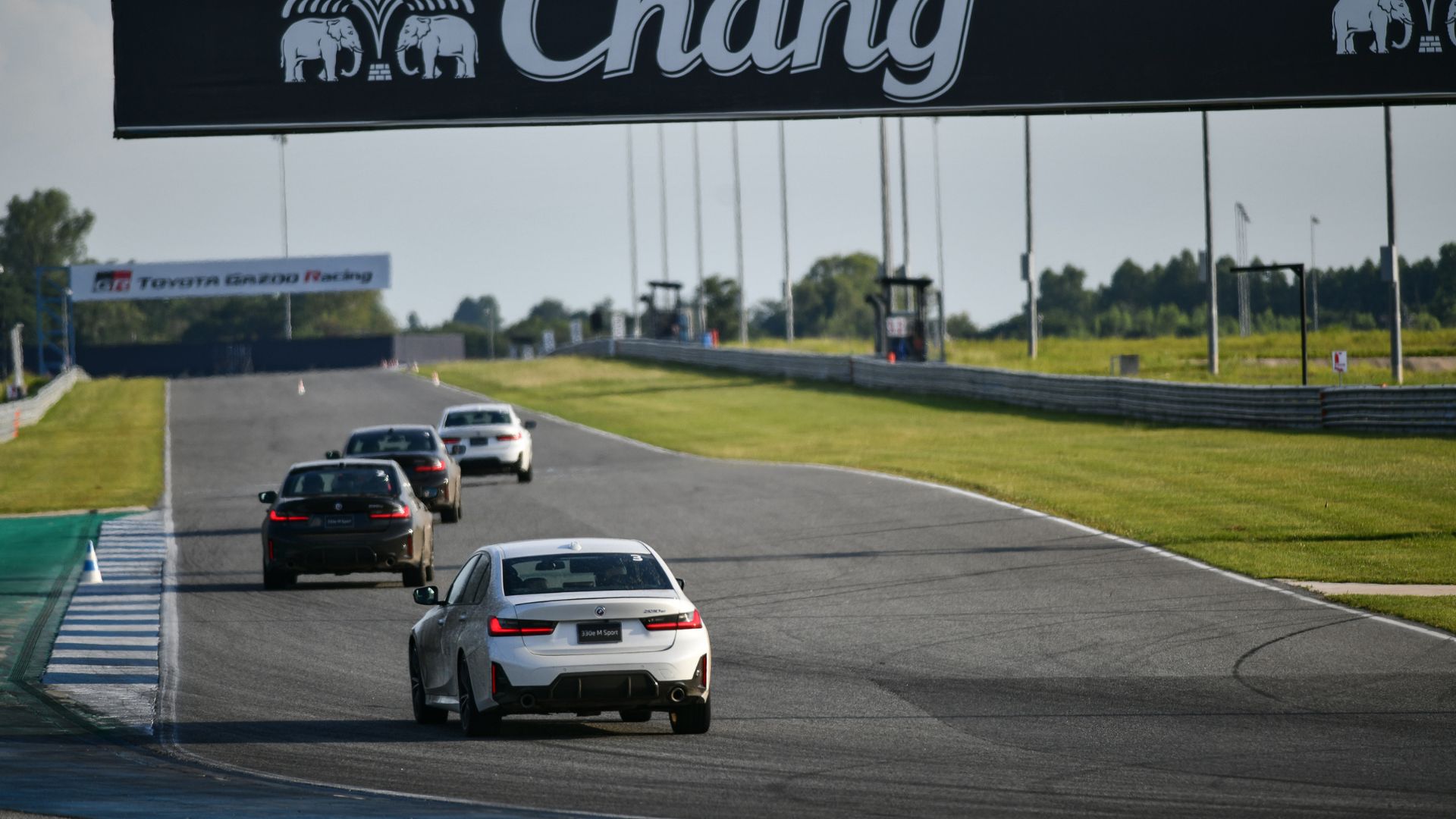
Keen to prove that the 330e doesn’t compromise on driving dynamics, BMW let us do a couple of laps with it around the Chang International Circuit. Sure, it’s not as exciting as the much faster M340i, but the 330e can hold its own. Set the car’s steering mode to sport to give it a little more feel and feedback, and the 330e can be a joy around the track.
Yes, there is pitch and roll, but it’s the kind of body movement that tells you what the car is doing. It never feels sloppy when it takes on sweeping bends and hairpin corners. We’ve said it before and we’ll say it again, the current BMW 3-Series platform is brilliant from its most pedestrian form (318i) to its sportiest (M340i). That said, we’d like a little more steering feel, but the chassis is communicative.
4) You can have fun with it
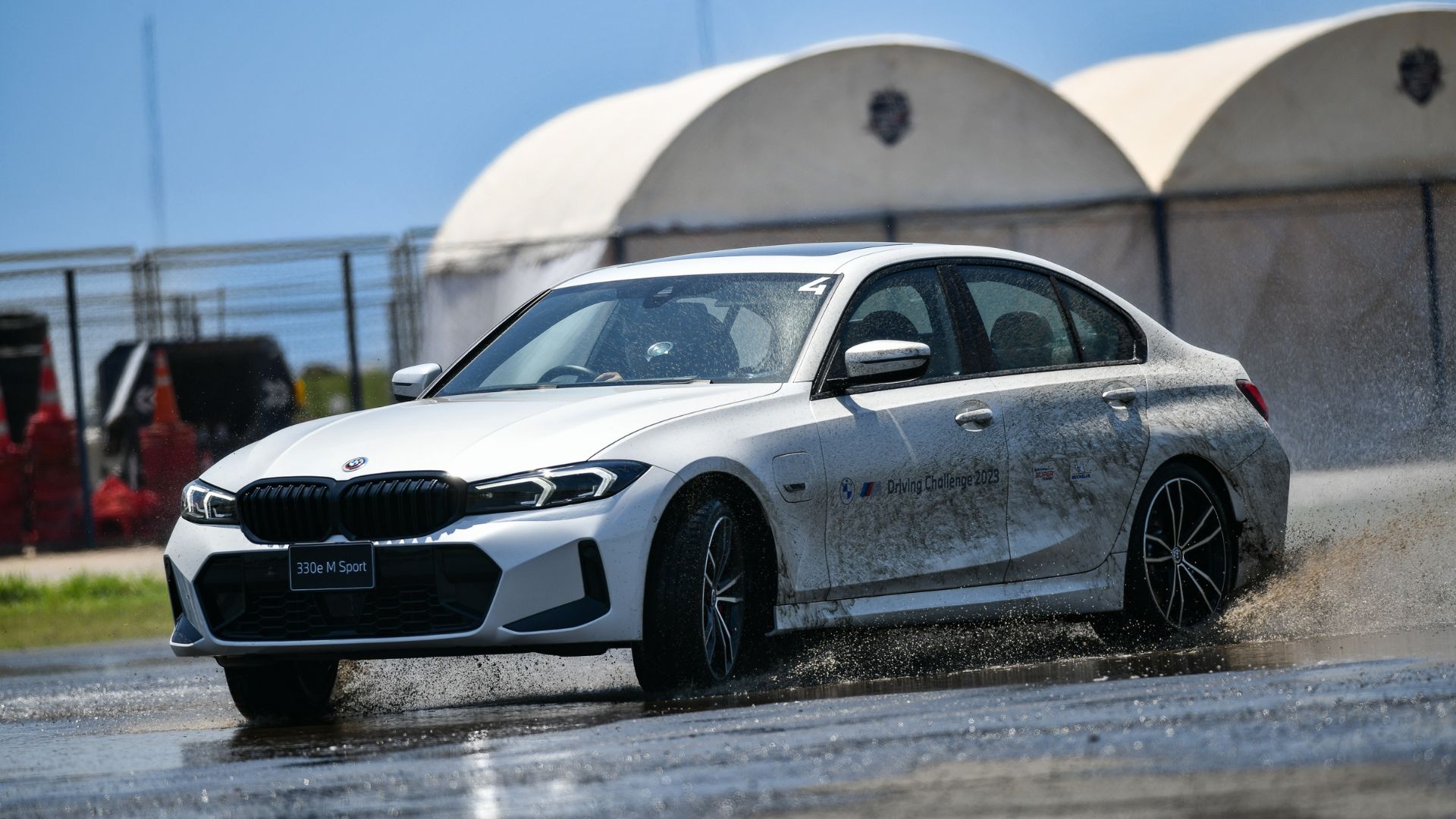
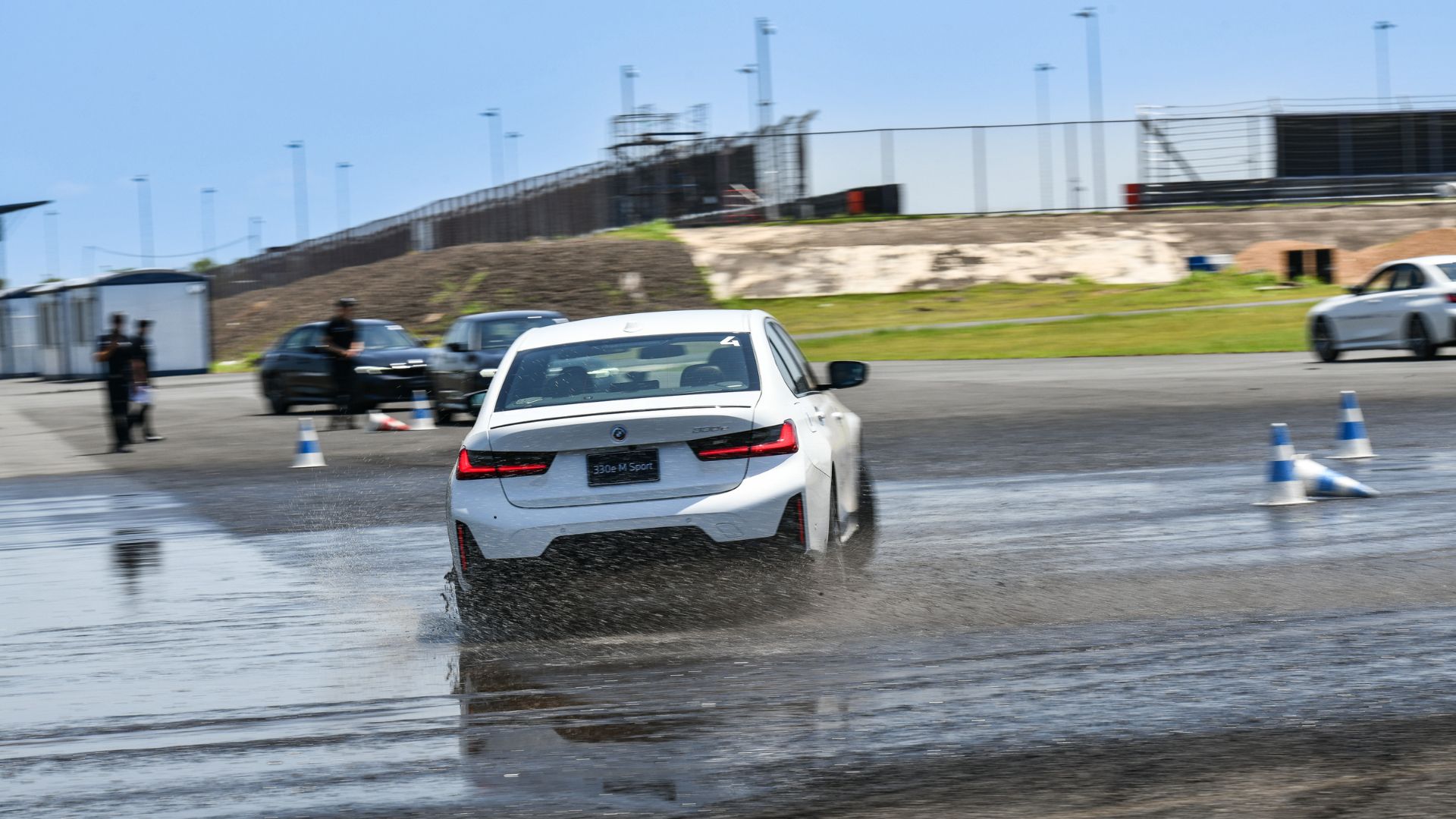
If laps around the track weren’t enough, BMW let us, or rather, made us turn off the 330e’s stability control system. What for, you ask? To go sideways. Yup, BMW let us do skids in their junior executive sedan. Tires be damned.
If anyone asks you if a plug-in hybrid executive car can be fun, point them directly to the 330e. With the electronic safety nets turned off, the car can easily pull skids by hoofing the accelerator. The best part is, sliding the electrified 3-Series is easy, and you can effortlessly do greater drift angles with minor pedal adjustments. Of course, we wouldn’t recommend doing this on public roads, but the drifting exercises showed electrified motoring doesn’t have to be boring.
5) It’s a fuel sipper...obviously
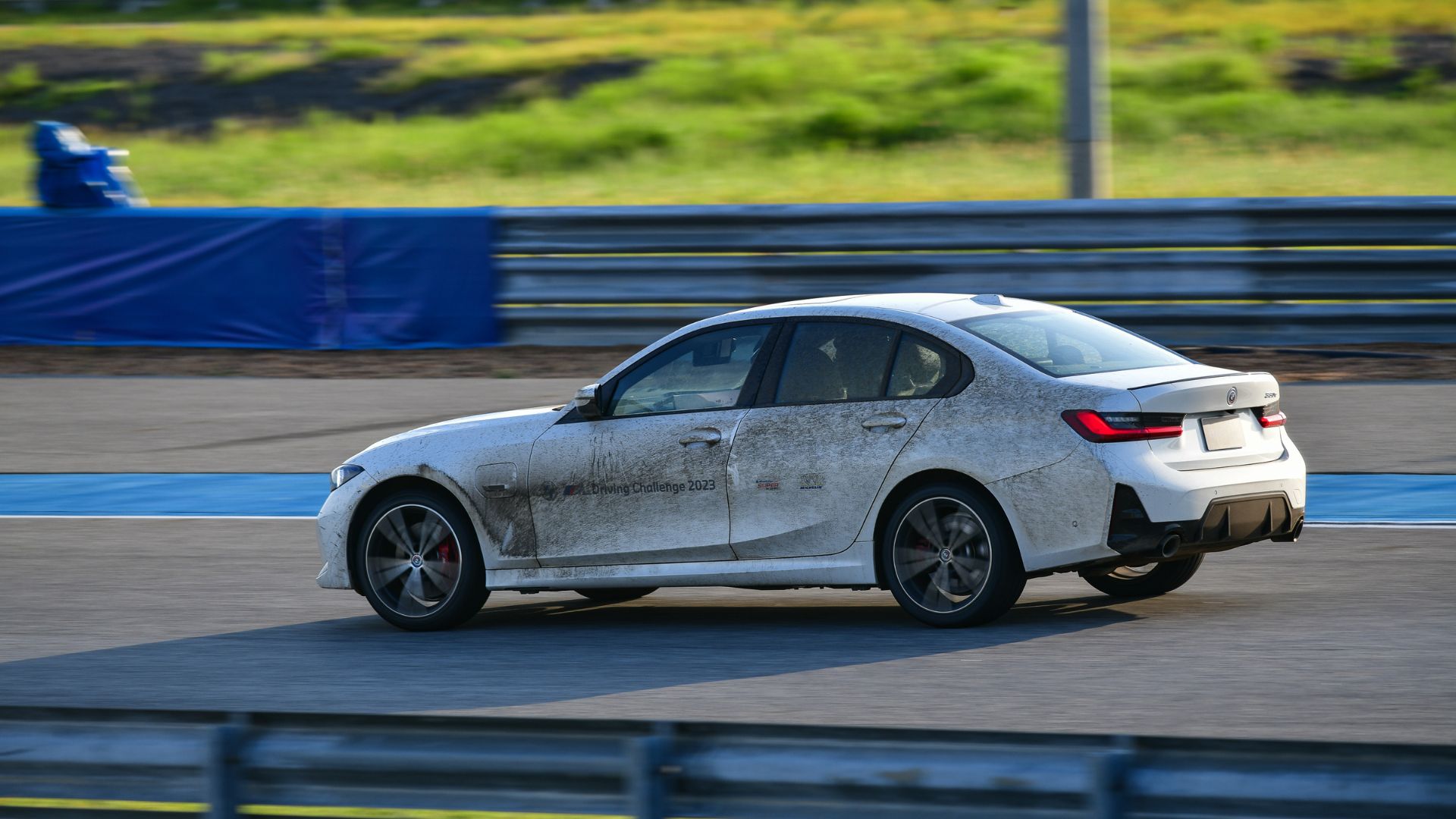
Unsurprisingly, the main attraction of any plug-in hybrid is its promise of outstanding fuel efficiency. According to BMW, it can do up to 47.6 kilometers per liter (km/L), but we all know that’s nearly impossible to achieve unless your foot is lighter than a feather.
Still, we won’t complain if the car even does half of its fuel consumption claim, and it’s EV-only range of about 60 kilometers make it suited for rush hour traffic in the country. Besides, who wants to use fuel while idling in a gridlock for hours on end? In real-world driving, we can expect about 15km/L in city driving and approximately 18 km/L on the highway, depending on conditions.
Okay, so a track day isn’t the most reliable way to gauge economy, but the 330e returned 7.2 km/L. It sounds terrible for a plug-in hybrid, but if you consider everything we did to those cars that day, it’s actually pretty good. We wouldn’t complain about 7.2km/L after several hot laps and a drifting session at all.
The ultimate all-rounded 3-Series? Maybe
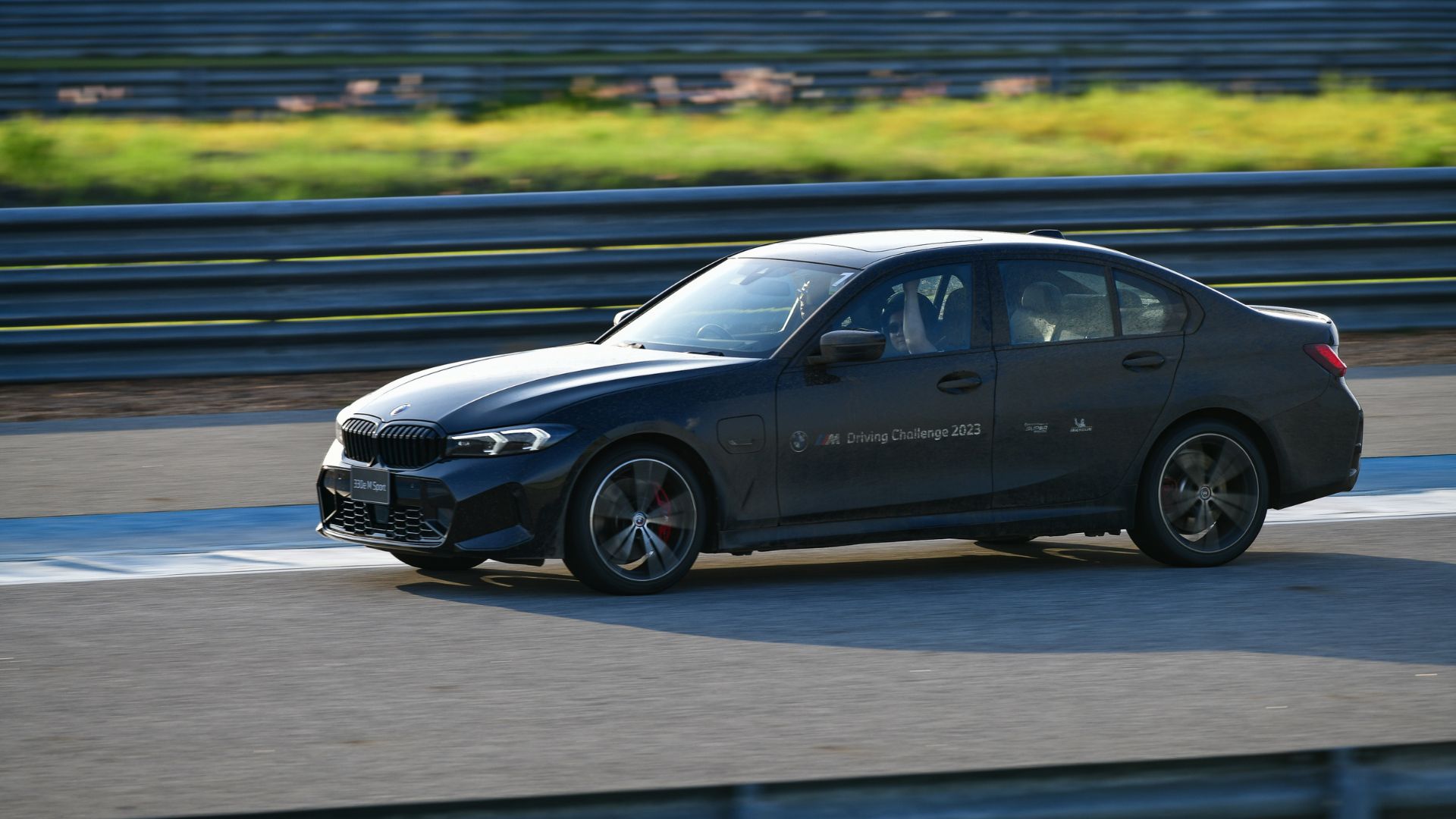
The BMW 330e has all the ingredients to make it a solid all-rounded car. It’s fast, fun, and incredibly efficient, so it ticks all the boxes for those looking for sensible sedan that’s also an involving drive. On the other hand, this plug-in hybrid is big enough for most families, spacious, and practical. With that, you could say it’s a car that one can buy with one’s head and heart.
So, how much will it be should BMW Philippines bring it here? Based on pricing in Thailand, the 330e M Sport (the only version available there) retails for 2,909,000 baht. In local currency, that’s approximately P4.7 million, over a million more than the 318i Business sold here and quite a lot of money for a 3-Series. That said, car prices in Thailand are much higher than that in the Philippines, so there is a chance it could be much less if sold here.
If that’s the case, we say bring it here, BMW Philippines.