One of my teachers once spent a while appealing for the class to make his evening paper grading less boring by enlisting an assignment of ‘revisionist’ history. Basically, the academic dark art of challenging a long-held assumption.
Someone argued that maybe Britain’s World War One generals weren’t unlucky donkeys leading the lions. Perhaps they were applying tried and tested tactics to a world where new inventions like the machine gun, and poison gas suddenly existed.
Another argued that the captain of the Titanic wasn’t a foolhardy speed merchant toying with thousands of lives for the sake of newspaper headlines, but an experienced sailor following accepted protocol, when he steamed into an ice field at top speed.
OTHER STORIES YOU MIGHT HAVE MISSED:
BMW Motorrad breaks its 2023 record with 210,408 bikes sold in 2024
Review: 2025 BMW X5 xDrive50e M Sport
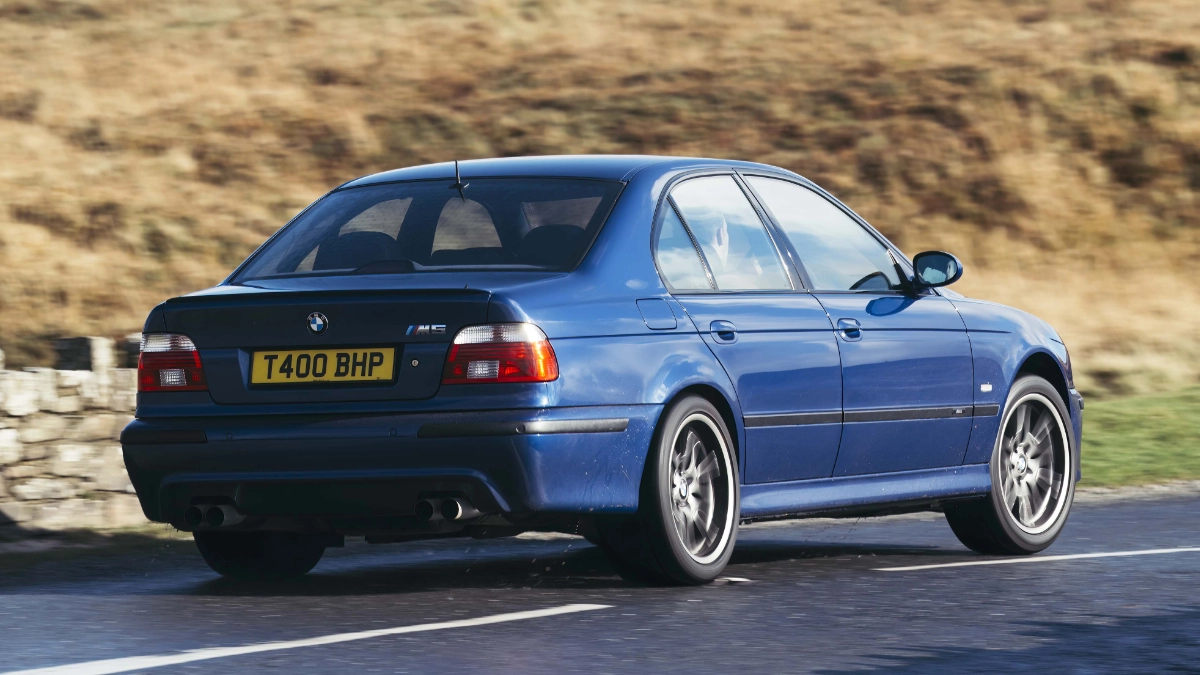
See, it’s fun to be a contrarian. To rip up the vested interests and entrenched cliches. To point out everyone is, in fact, wrong. Possibly also saying that the BMW M5 E39 isn’t the greatest super sedan of all time. Never meet your heroes and all that.
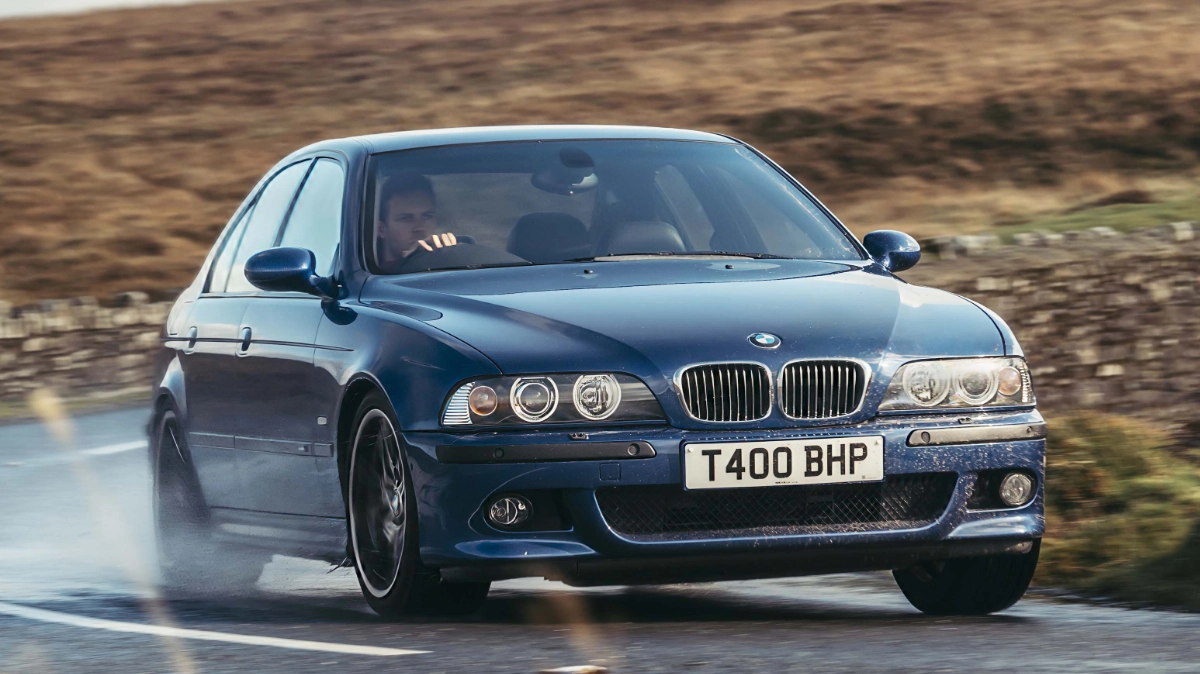
The third car to ever be called M5 was launched in 1999. I was eight. So I didn’t really notice at the time, being preoccupied with Pokémon cards. It didn’t register when it went out of production in 2004 either. But somewhere along the way, I began to notice that any of the E39 family was deified as some sort of four-door sedan god. The GOAT destroyed the competition when it was launched, was still best in class when it was retired, and (embarrassingly for Munich) roundly preferred to the pointier-looking 5-Series that replaced it.
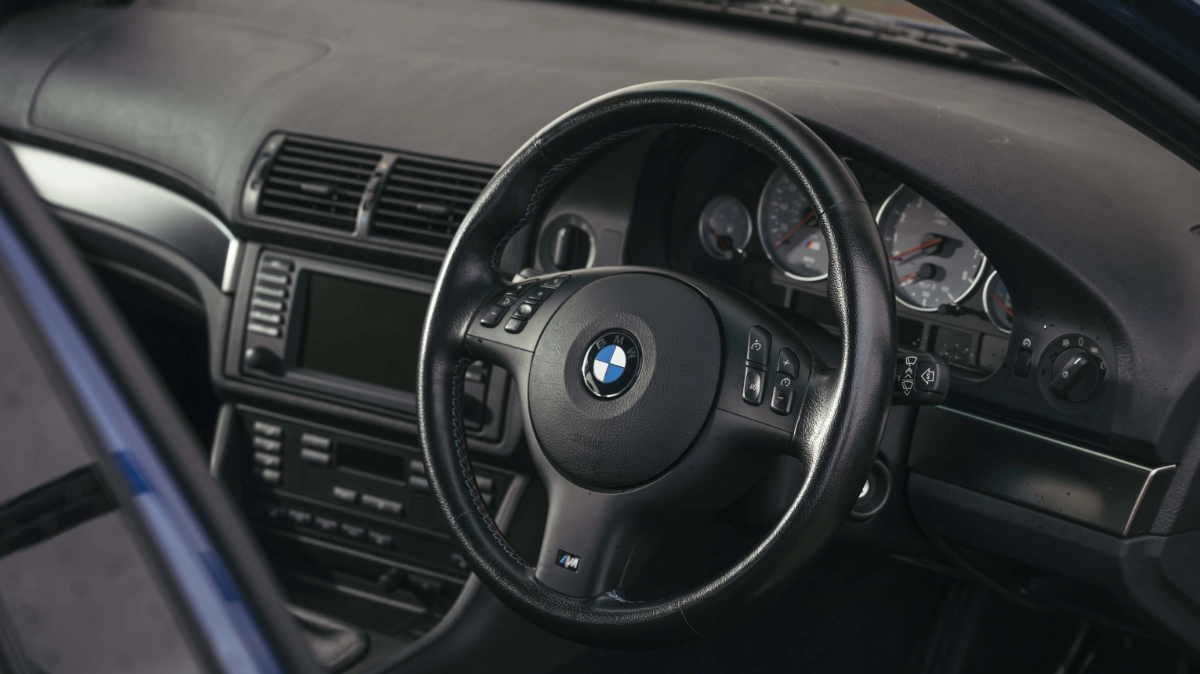
It’s late 2024 when I finally get to meet it. It should feel hopelessly out of date, only 400hp in a super sedan, as Audi and Mercedes hatchbacks have more these days. A manual gearbox, no adaptive dampers, and no Apple WhatPlay? Nestled in the armrest, a tiny flip-phone cradle—Hello Moto.
Charmingly primitive then. But there’s innovation too. To stop you from losing the key, or having it rattle around in the console, there’s a clever holder built into the steering column. Twist it, and it even starts the V8. Genius.
And what a V8 it is. M’s first, revving to 7,500rpm (when the iconic clear dials’ yellow warmup lights extinguish), making an expensive, malevolent rumble, and so much torque you can depart junctions in fourth. At 1,800kg, this M5 is not a light car even by today’s standards. But did I miss turbos? Or a hybrid boost strategy? Not at all. Oh, and during our dreamy week together it never averages less than 8.5km/L.
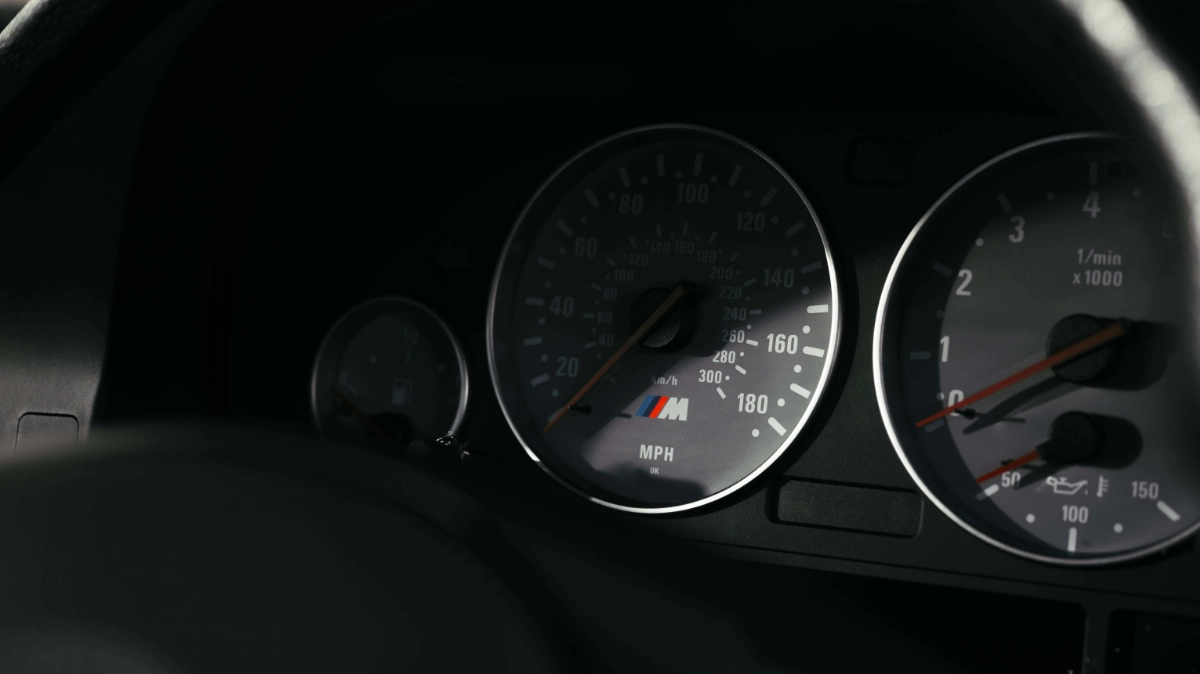
So I loved the engine and the slightly leggy gearshift with its illuminated top, but what I’ve been yearning for since is a performance car that rides this well. This is the last German performance car to exist before the pre-eminence of drive modes. The beautifully balanced, endlessly friendly, gorgeously supple E39 demonstrates in a few hundred meters how one sorted setup usually trumps a menu of argumentative options.
Is it BMW insecurity, or car buying society’s taste for extreme status symbols that means M can’t build a car like this today? Something so elegantly discreet but deeply well engineered? People who write about cars long to find the missing link between cars of yesterday and today. I couldn’t honestly say I found much that relates a modern M car to this peak. Slightly dead steering, albeit via a steering wheel design for the human hand aside, it’s a car built to an entirely different set of principles.
Dammit. I’ve become once of those nostalgists. “Everything was better in the old days.” I think that’s a given, and I’m fond of modern Ms like the M3 Touring and M2. But it leaves me a little bereft that now I’ve met the E39, it’ll go down as the best super sedan I’ve ever driven. Hopefully, something will challenge that assumption one day.
NOTE: This story first appeared on TopGear.com. Minor edits have been made.