BYD is hell bent on becoming the country’s top electrified automaker. Not only did it roll out a barrage of new models this year, it also expanded its electrification range by offering both pure EVs and range extender EVs.
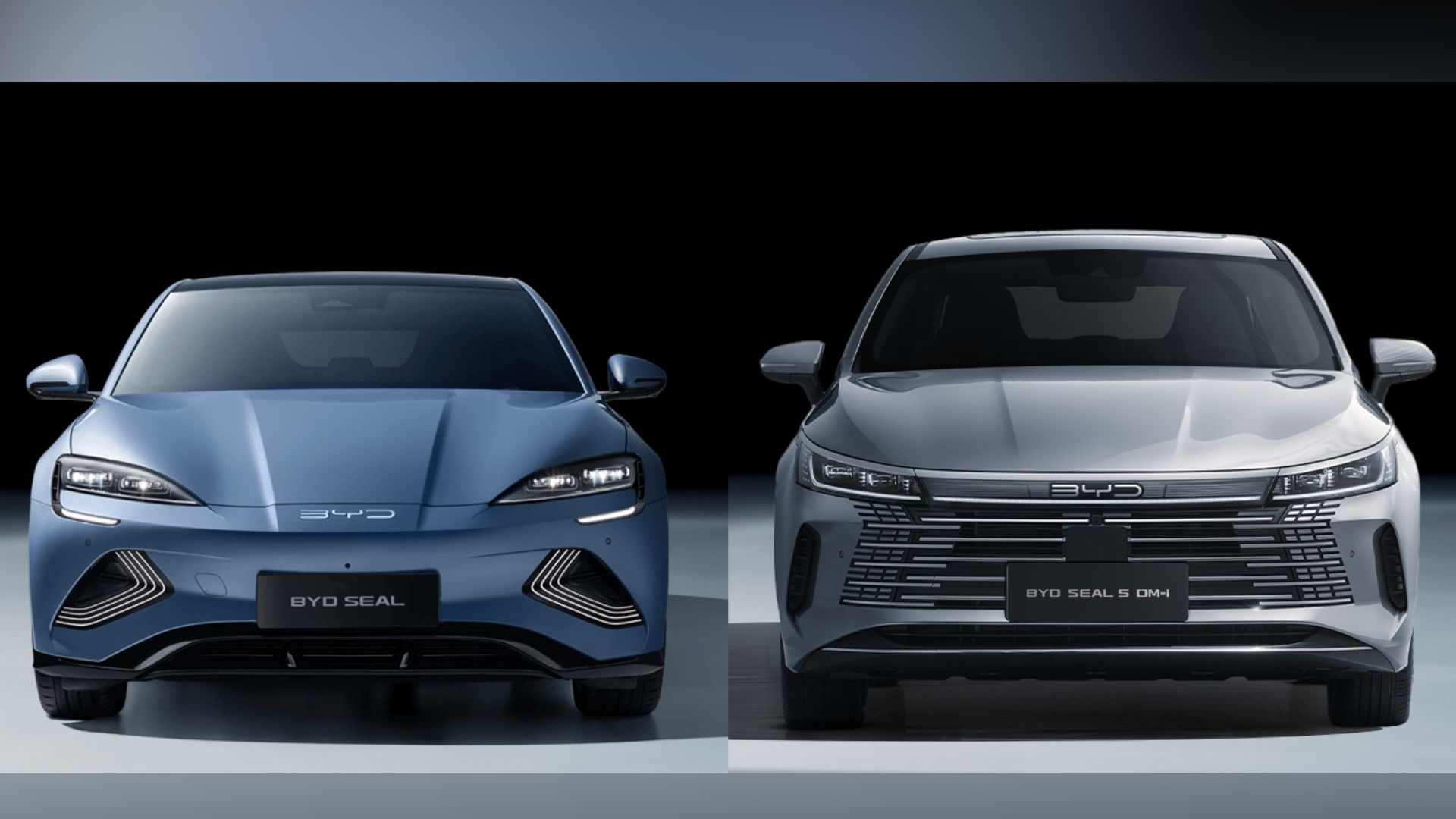
That point was driven home clearly when the company launched two cars that launched the same name but with completely different philosophies: The BYD Seal and Seal 5 DM-i. How different, you ask? Read on.
OTHER STORIES YOU MIGHT HAVE MISSED:
Kia has just debuted its rugged 2026 Sportage at the 2024 LA Auto Show
BMW updates F900 R, F900 XR for 2025 with new visuals, optimized tech, better ergonomics
Platform and layout
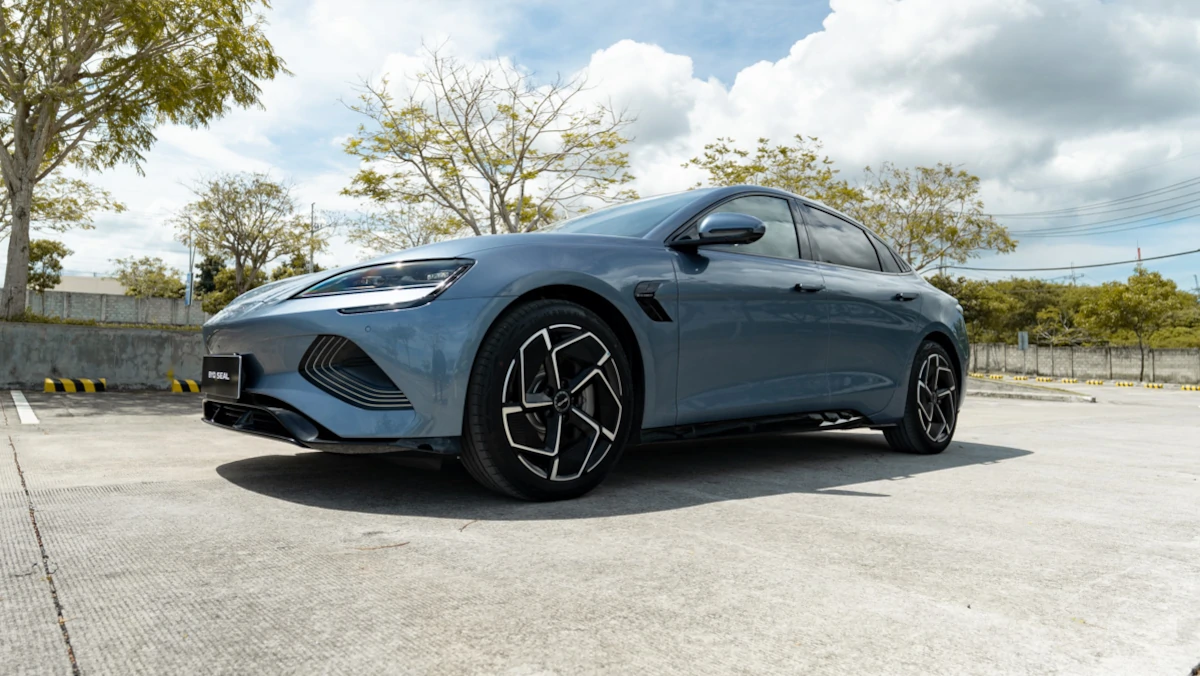
One is a dedicated EV, while the other is adapted from an ICE-powered (Internal Combustion Engine) model. The Seal EV was intended to be pure electric from the get go, and the way the chassis is designed shows that. Its batteries are integrated in the body.
It’s also engineered in a way that an engine won’t fit at the front. BYD placed a frunk (front trunk) to make the most of the free space created by its drivetrain. All the electric motor and battery auxiliaries are packaged close to the drive system, so there’s also no way of mounting a driveshaft to power the rear wheels.
Depending on the spec chosen, the Seal can get up to 580km on a single charge thanks to its 82.6kWh battery pack. Power is rated at 529hp and 570Nm.
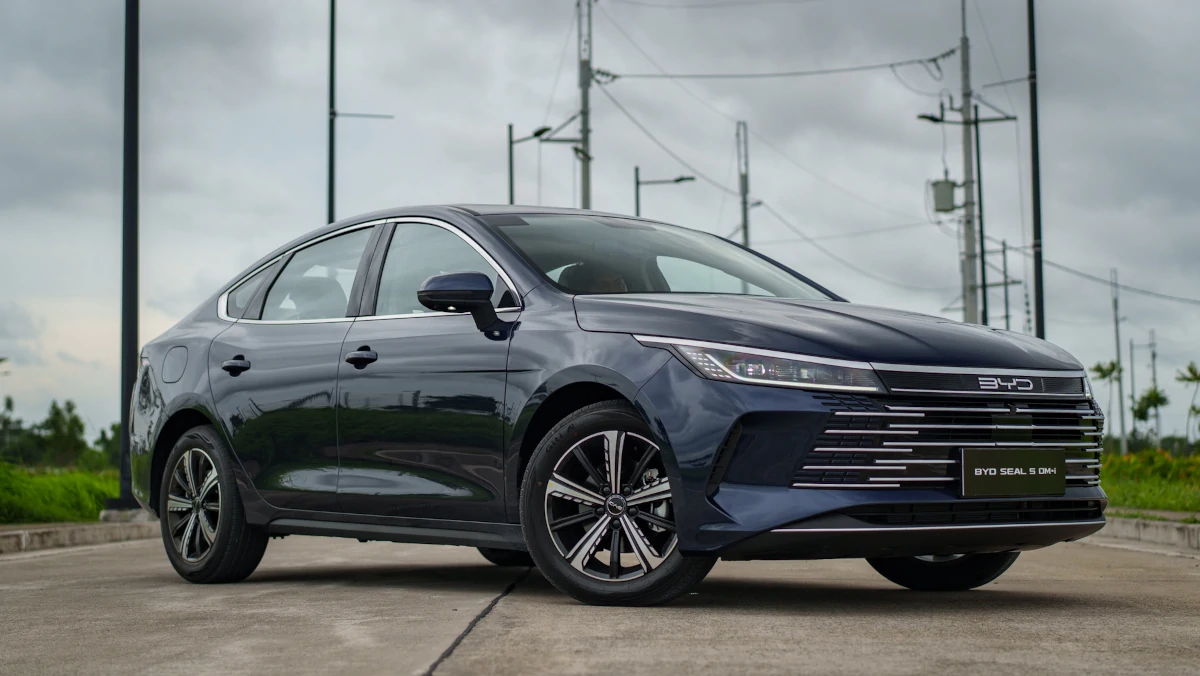
As for the Seal 5 DM-i, it’s based on a model called the Qin. The Qin has been available in its home market since 2018 and BYD simply adapted a range extender system for electrification. As it was primarily an ICE-powered vehicle, it allows the Seal 5 DM-i to come with an engine.
In this case, it’s a 1.5-liter engine with the sole purpose of charging up either an 8.3kWh (Dynamic) or 18.3kWh (Premium) battery pack. The engine isn’t connected to the wheels. Instead, it’s the electric motor that does all the motivating. The Dynamic makes 177hp and 316Nm of torque and promising a maximum extended range of 1,175km. Move up to the Premium and those numbers go up to 194hp, 325Nm, and a range of up to 1,240km.
Design
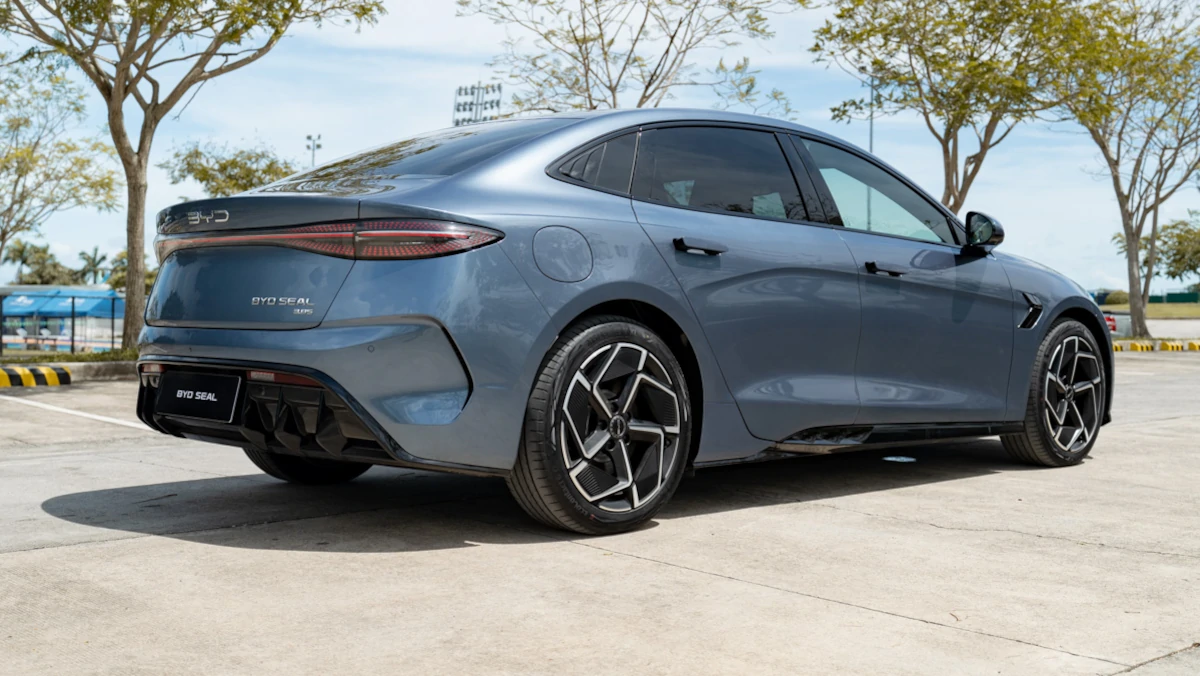
As mentioned, the Seal 5 DM-i is based on an existing model and it shows. It appears unchanged from the Qin, and the only differences we can see are the grille and a few trim details. We have to admit, it’s a handsome-looking design even if it has been a familiar sight in China for the last six years.
Designers tend to have more creative freedom when it comes to EVs. They’re unbound by the fact that they don’t have to consider an engine at the front, for starters. It allows these vehicles to have a lower and sleeker front end, making them more aerodynamic; vital in squeezing every bit of range out of those batteries.
Interior
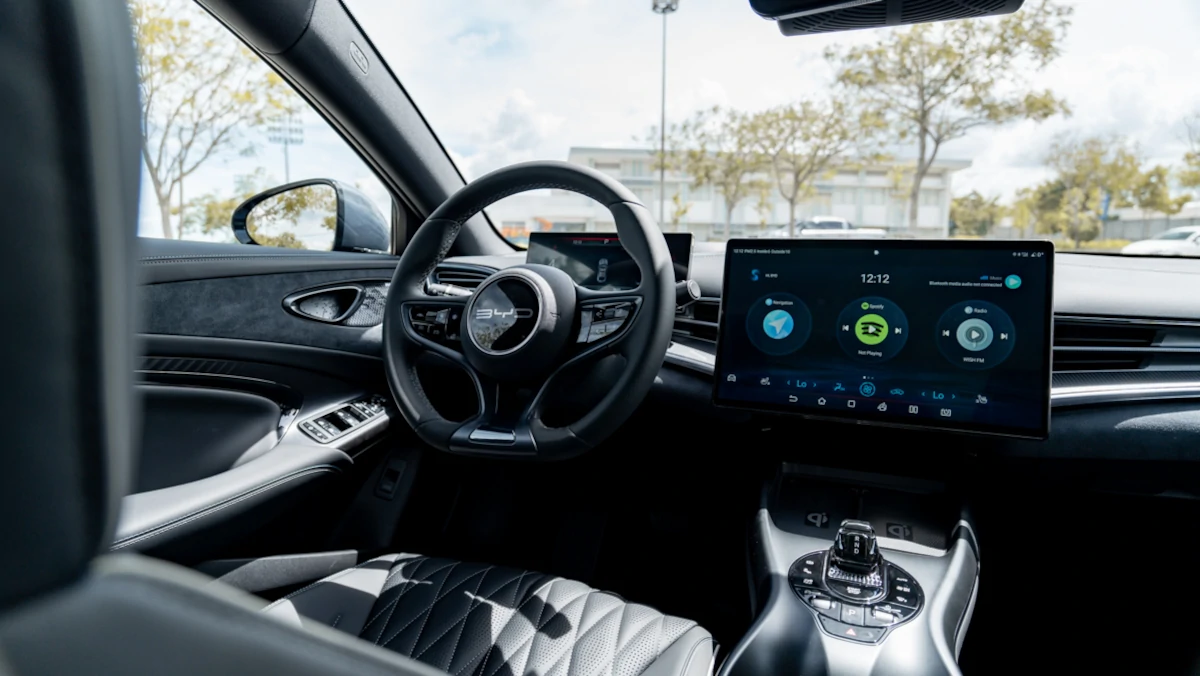
It’s not just the design that’s worlds apart between the Seal and Seal 5 DM-i when it comes to the interior. Packaging is another key difference, mainly due to their respective platforms and layout.
With no engine at the front, the Seal adapts a cab-forward philosophy that pushes the wheels as far away from the passenger area. The result is a long wheelbase, a flat floor, and acres of legroom. Of course, the general ambiance feels futuristic, plush, and upmarket. That shouldn’t be much of a surprise as it’s a far newer vehicle compared to the Seal 5 DM-i and its premium positioning in the market.
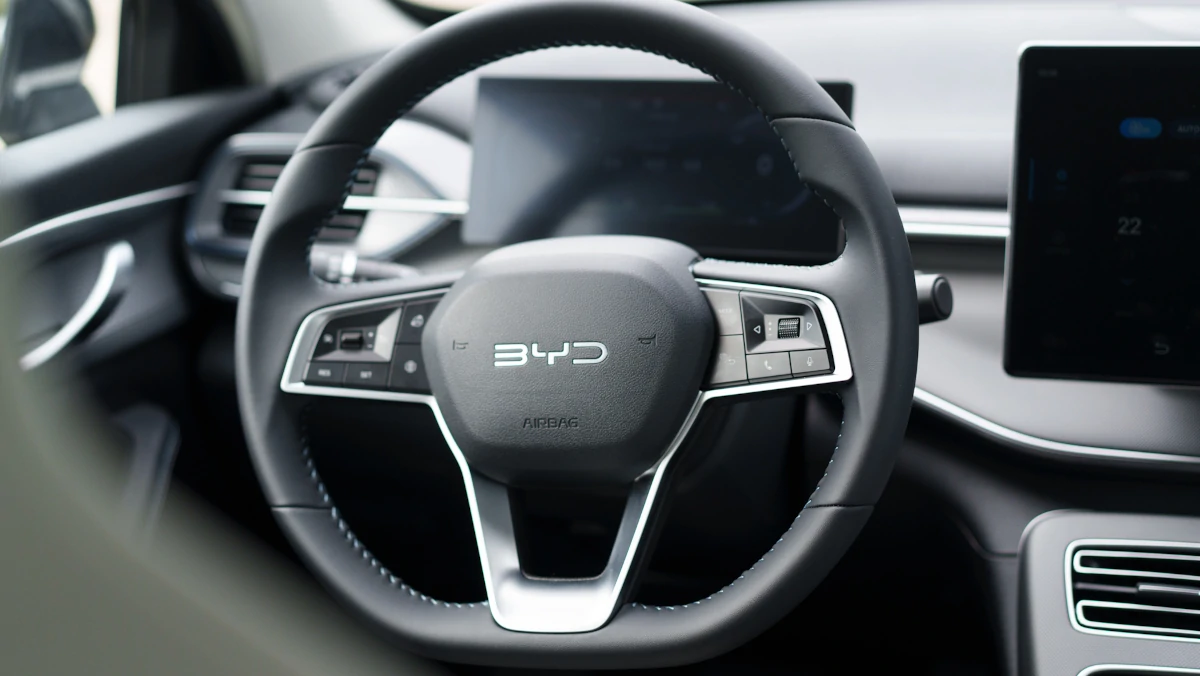
Speaking of market positioning, the Seal 5 DM-i is aimed at the more budget-conscious end of the spectrum. It starts at under P1 million, so it doesn’t have the same vibe as its pure electric stablemate. Also, its ICE roots mean it’s not as spacious inside, either. The limitations of its platform meant BYD can’t apply the same tricks it made to the Seal to give it more room. Granted, the Seal 5 is slightly smaller than the Seal, but only by a mere 20mm, but the difference in room is night and day.
Get the BYD Seal if…
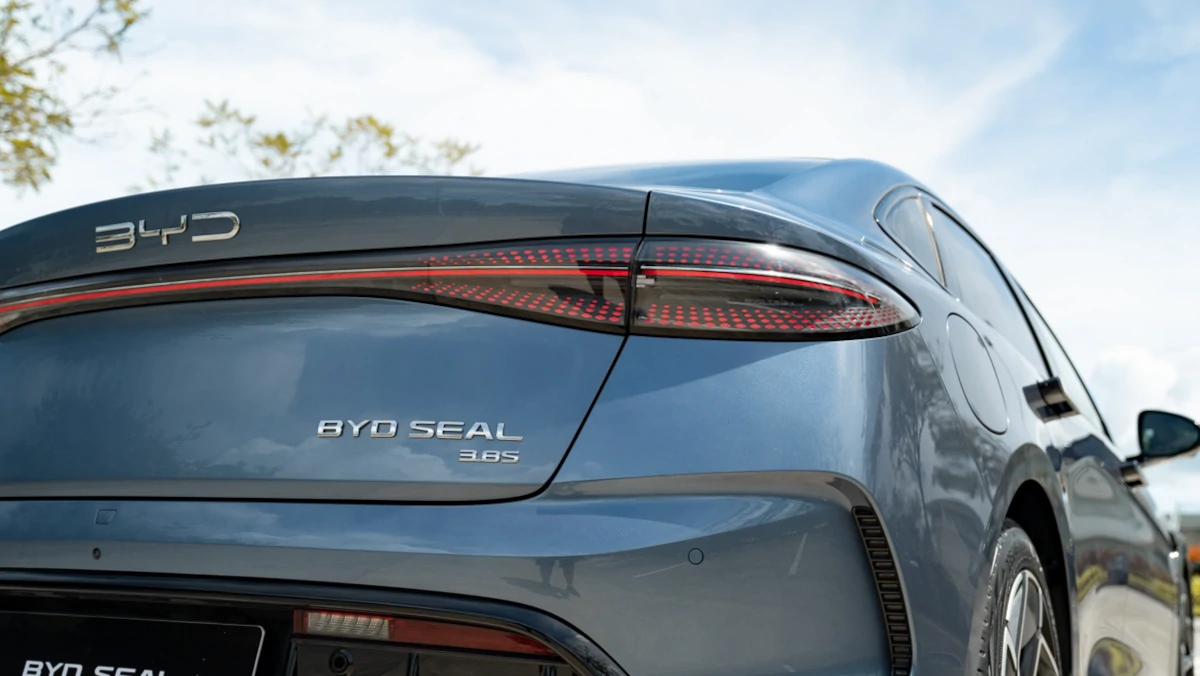
If you’ve fully embraced and are ready for the pure electric vehicle life, we say jump straight to the Seal. Yes, it’s more expensive compared to the Seal 5 DM-i at double the price of the top-spec variant, but given the way it feels, drives, and rides, it has all the potential to be one of the best sport sedans out there.
Besides, having over 500hp in a car that’s in the region of P2.5-M sounds like a performance bargain. Simply put, the Seal isn't merely a battery-powered version of the Seal 5 DM-i.
Get the BYD Seal 5 DM-i if…
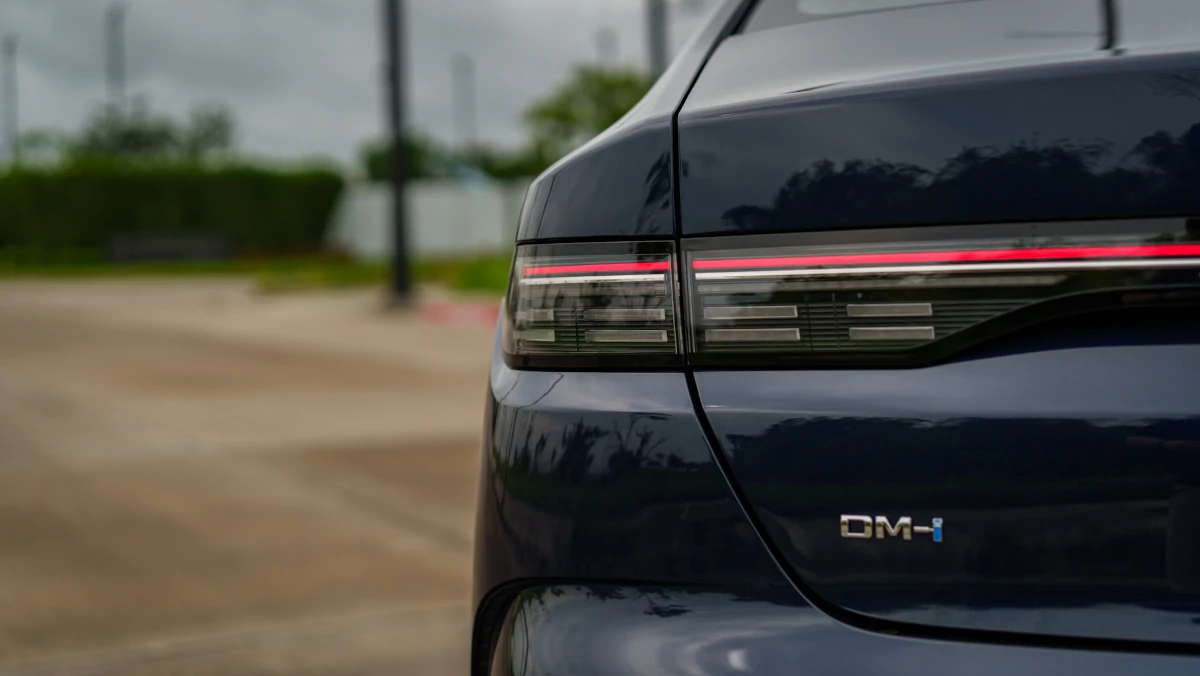
Not all of us are blessed with P2.5-M to spare for a car. But for those who want a taste of EV motoring for not too much money, the Seal 5 DM-i should fit the bill nicely. It’s a little bit more conventional, and range anxiety is practically non-existent thanks to its powertrain. It’s also far larger than other sedans in its price range, and we reckon it will be one of the biggest disruptors in the local automotive scene.