For years, when traveling by car, small children usually just sat on a parent’s or sibling’s lap. But with the increasing number of road accidents worldwide, that’s just not going to cut it these days. To ensure safety among children, new laws requiring car seats have been enacted in different countries around the world, including in the Philippines.
While our country’s Child Car Seat Law was signed four years ago, it’s understandable that public attention and enforcement were both lackluster during the pandemic-era lockdowns.
But in case you have kids but still haven’t gotten around to buying a child car seat for your vehicle yet, now might be a good time to pay attention.
The Metro Manila Traffic Code of 2023 lists “Failure to use Child Restraint System (CRS)” and “Use of Substandard CRS” among the most common traffic violations in Metro Manila. These violations now come with steep fines and penalties under the new single ticketing system which began implementation on May 2, 2023.
ALSO READ:
Experts: Kids under 4 should travel in rear-facing child seats
Here’s why ‘traffic naman dito’ isn’t an excuse to do away with child seats
What is the Child Car Seat Law?
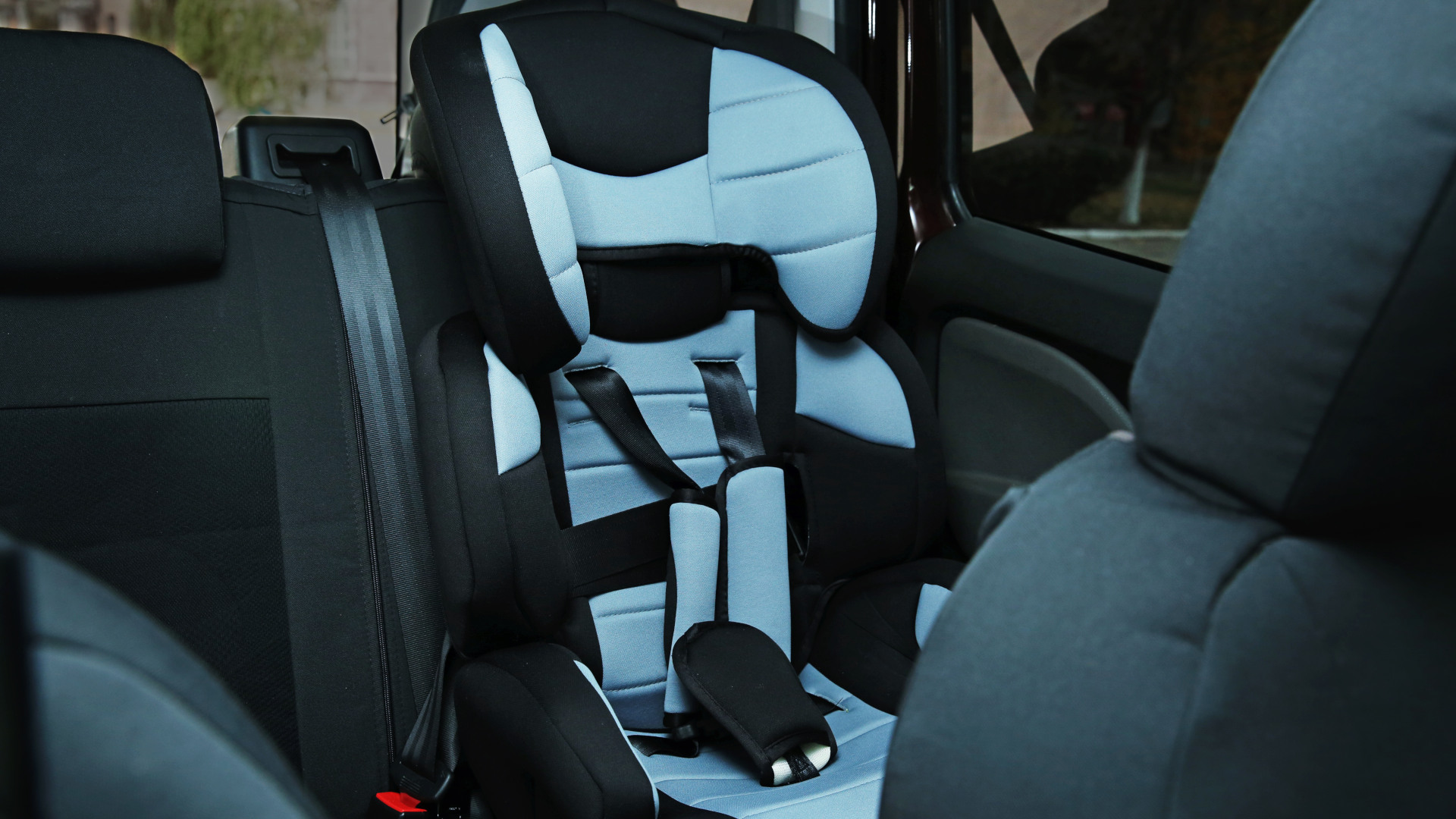
Republic Act No. 11229 or the Child Safety in Motor Vehicles Act provides the special protection for child passengers in motor vehicles by requiring the use of child restraint systems (CRS) in the Philippines. The mandatory use of CRS applies to children who are 12 years and below with a height of 4’11” (150cm) and below.
The law states that: “It shall be unlawful for the driver of a covered vehicle not to properly secure at all times a child, in a child restraint system while the engine is running or transporting such child on any road, street, or highway unless the child is at least 150 centimeters or 59 inches in height and is properly secured using the regular seat belt. The child restraint system shall be appropriate to the child’s age, height, and weight.”
Why all the fuss about child car seats anyway?
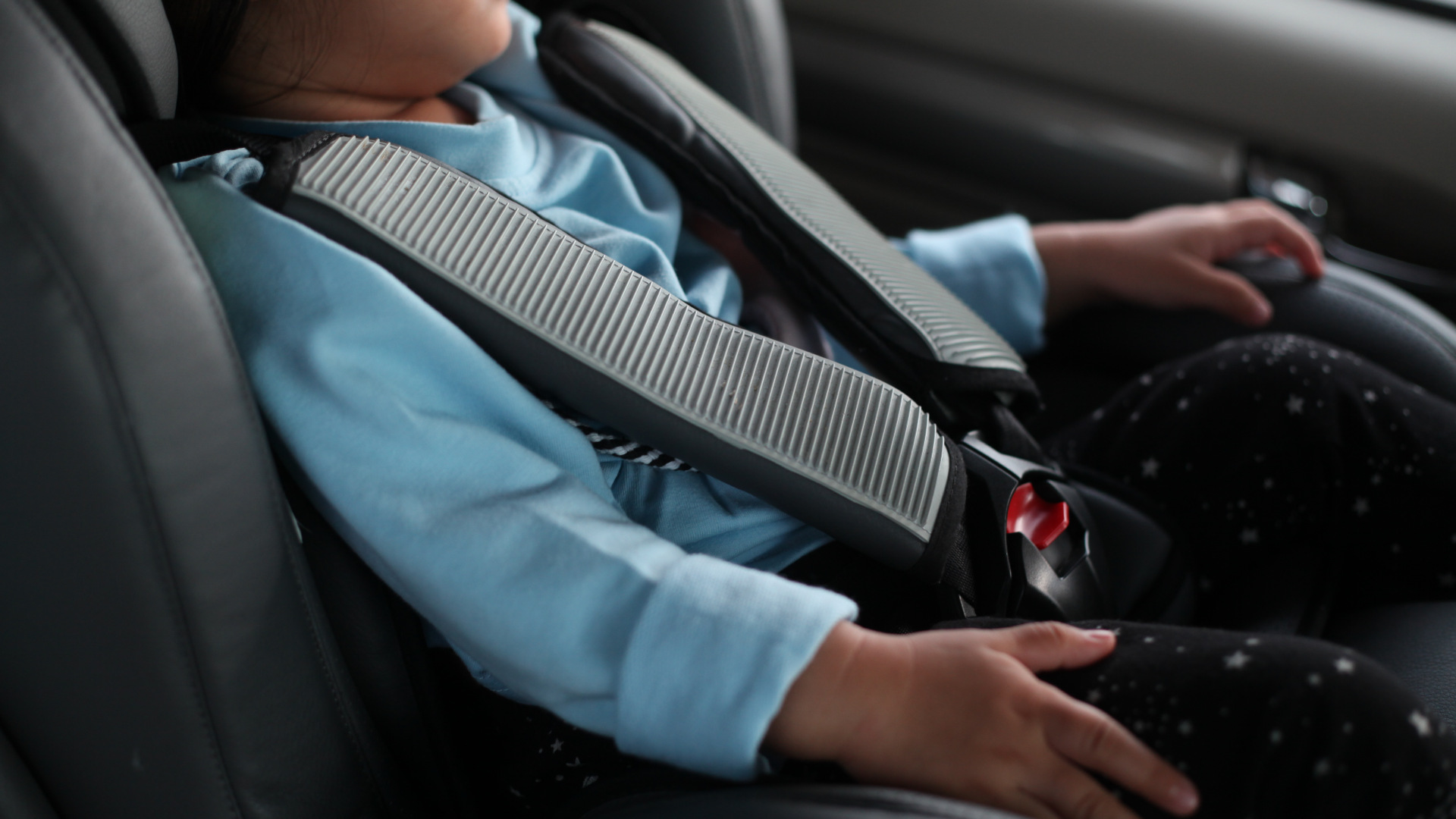
In case you were wondering why such a law needed to be passed in the first place, there’s a good basis to ensure the safety and welfare of child passengers and prevent traffic-related deaths and injuries.
According to the World Health Organization’s (WHO) Global Status Report on Road Safety, road crash accidents are the leading cause of death for children and young adults. Data from the Philippine Statistics Authority (PSA) also shows that road traffic deaths are on the rise.
“Road traffic deaths increased by 39% from 7,938 deaths in 2011 to 11,096 deaths in 2021. Road traffic injuries are the leading cause of death among Filipinos 15-29 years old, and a major killer among children,” according the WHO report, citing PSA figures.
According to the WHO, the use of child car seats lowers the risk of death or injury by 80%, while using a seat belt only reduces the risk by just 32%.
Currently, 96 out of 176 countries, including the Philippines have some existing national laws that specify the need for car seats for children, though not all countries have adopted the same standards.
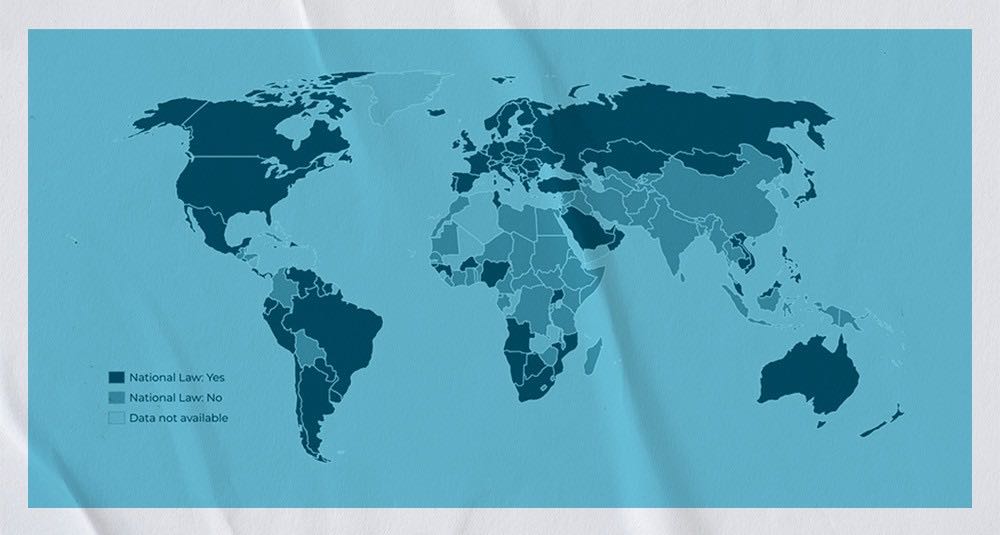
Interestingly, national laws are more prevalent in highly developed nations such as Australia, European countries, Japan, the United Kingdom, and the United States.
Notably, many countries in other developing nations do not have car seat laws. While some of our neighboring ASEAN countries like Thailand and Indonesia don’t have specific laws, others have less restrictive ones.
For instance, in Cambodia, children under 10 are banned from riding in front seats, but child restraint systems are only required for those under 4 years of age. In Singapore, booster cushions can be used for those up to 8 years old or those 135 cm (roughly 4’5) in height.
So in case you’re planning to go on a holiday and drive around other countries with young kids, it’s best to check out how car seat laws differ in different countries.
ALSO READ:
Why a 4’11” child needs a booster seat and a 4’11” adult doesn’t
The Child Car Seats law brouhaha: A post-scandal postmortem
When did the Child Car Seat Law take effect in the Philippines?

RA 11229 was passed by the Senate and the House of Representatives on December 11, 2018 and was officially signed into law by former President Rodrigo Duterte on Februrary 22, 2019.
After the implementing rules and regulations (IRR) were published and signed on December 23, 2019, the full implementation was supposed to take effect on February 2, 2021.
However, this was deferred due to the economic situation in the country amid the COVID-19 pandemic. At the time, the Department of Transportation (DOTr) rolled out an information, education, and communications (IEC) campaign with the help of other government agencies and the media to publicize the law.
Actual apprehensions and ticketing of violators only started three to six months after the law took effect to give agencies more time to publicize the law and inform the driving public.
Under the Metro Manila Traffic Code of 2023 and the single ticketing system, mandatory compliance is now expected with regard to the use of child restraint systems. Expect more enforcers to crack down on motorists for any traffic violations including failure to use CRS, especially when the ‘ber’ months arrive.
What are the penalties for violating the Child Car Seat Law?
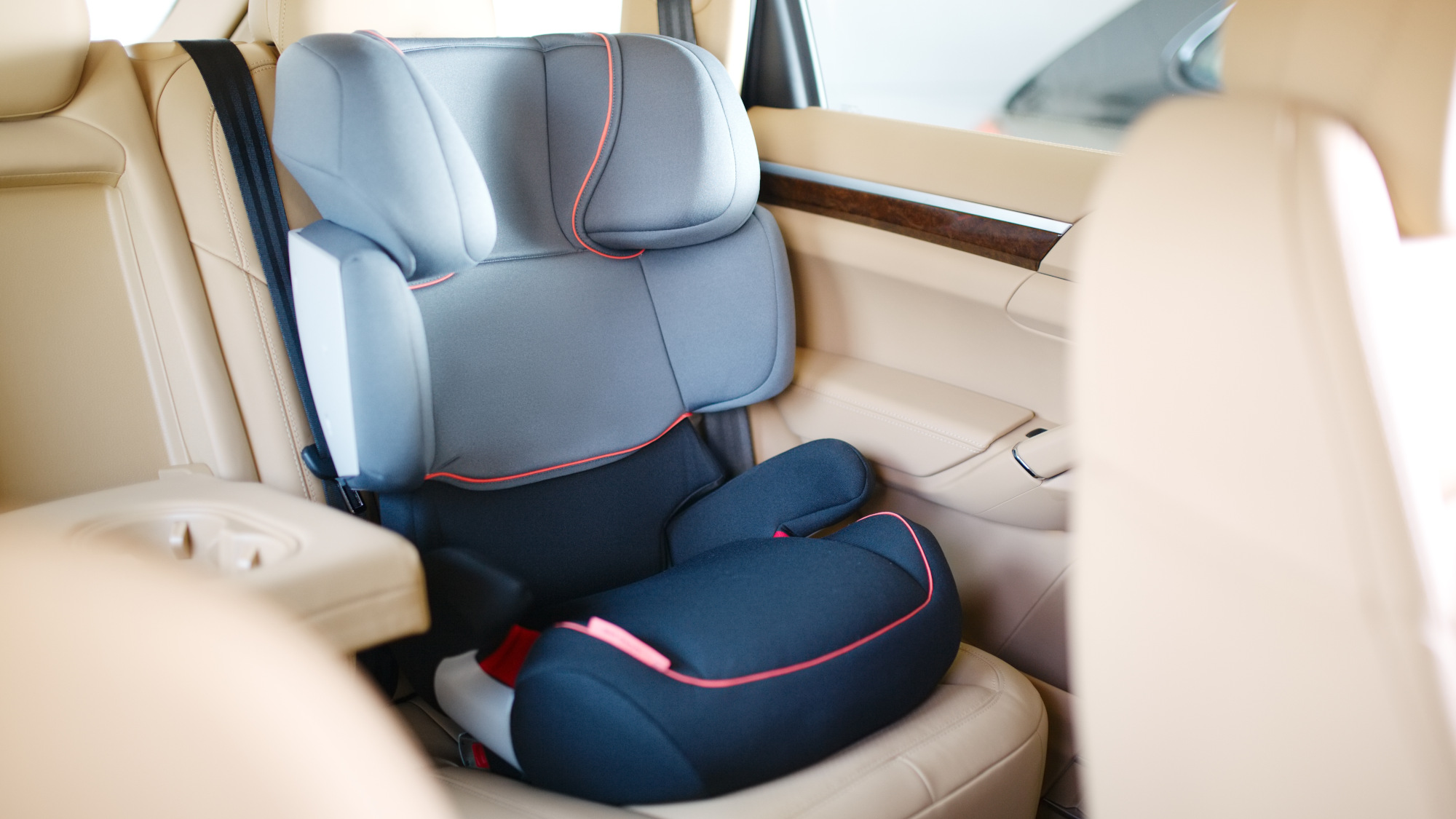
Under the single ticketing system, parents can face up to a P5,000 fine if repeatedly caught with kids not using a child restraint system.
Under the new system, a motorist’s failure to strap his or her kid in a child restraint system carries the following penalties:
Penalties for failing to comply with the Child Car Seat Law
- First offense –P1,000
- Second offense –P2,000
- Third and succeeding offenses –P5,000 and a one-year suspension of driver’s license
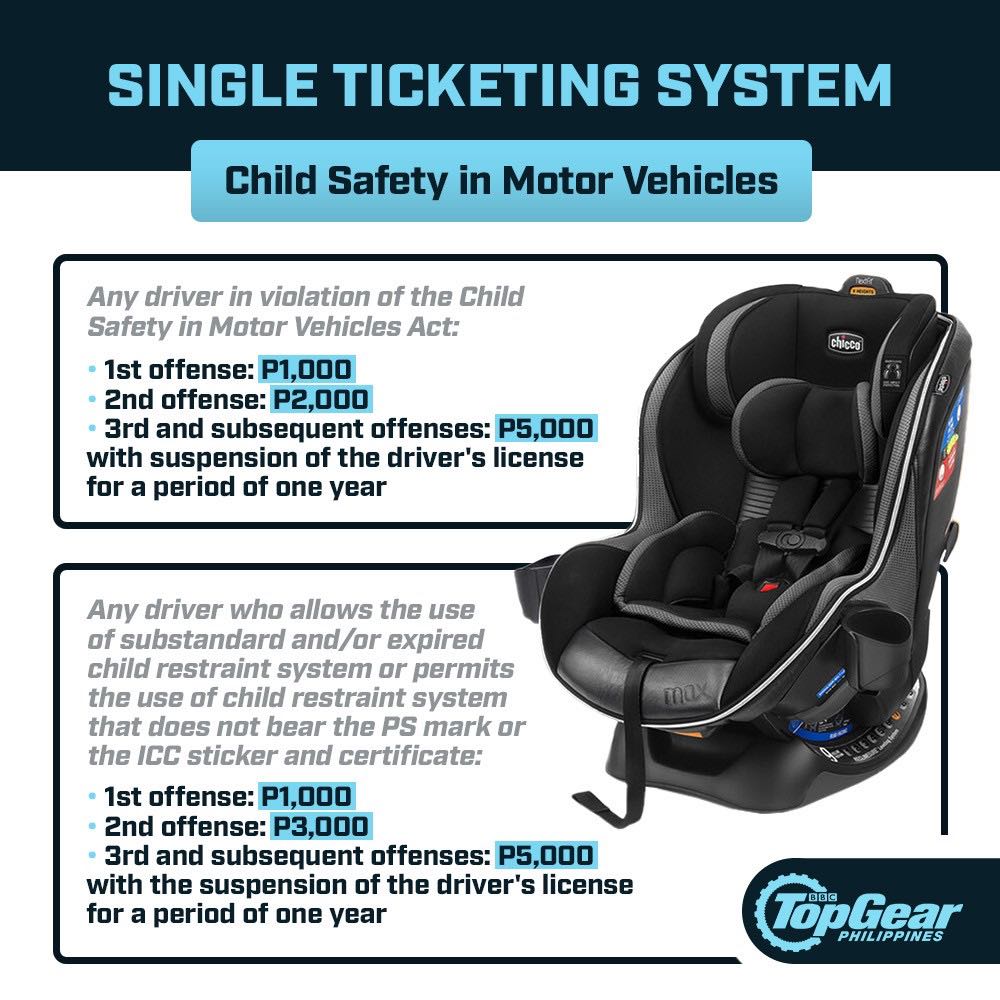
But that’s not all. Aside from failing to secure a child properly in an appropriate car seat, other prohibited acts under the law include allowing a child to sit in the front seat of a vehicle, leaving a child unattended in a motor vehicle, and the use of substandard or expired child seats.
Nope, it’s not enough just to buy just any old car seat. The seats should meet the standards set by the Department of Trade and Industry (DTI) and follow the CRS standards under United Nations Regulations 44 and 129.
For Philippine drivers, the most basic thing you need to ensure is that your CRS has a Philippine Standards (PS) seal and an Import Clearance Certificate (ICC) sticker.
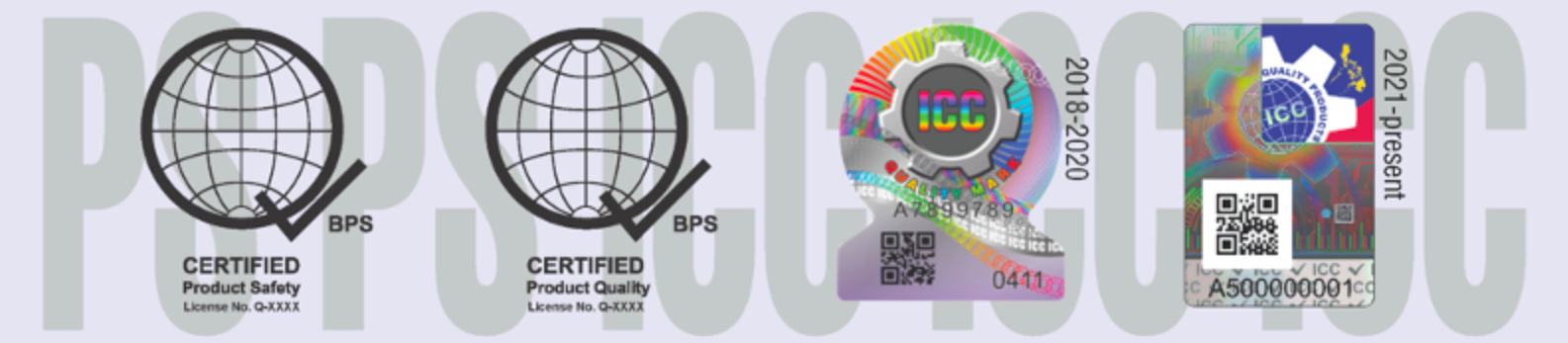
Unfortunately, not all seats bear the proper PS Marks and ICC stickers and traffic enforcers must physically check seats to see if it is up to the set standards. Parents now have to think twice buying secondhand car seats from surplus shops or using old car seats from relatives, which may have “expired.”
Here are the fines if you are found using substandard seats or don’t have the proper stickers:
Penalties for using a substandard child restraint system
- First offense – P1,000
- Second offense – P3,000
- Third and succeeding offenses – P5,000 and a one-year suspension of driver’s license
Additionally, companies that manufacture, distribute, import, and retail substandard or tampered car seats will have to pay a fine between PHP 50,000 and PHP 100,000.
How do you know if an old car seat is still good?
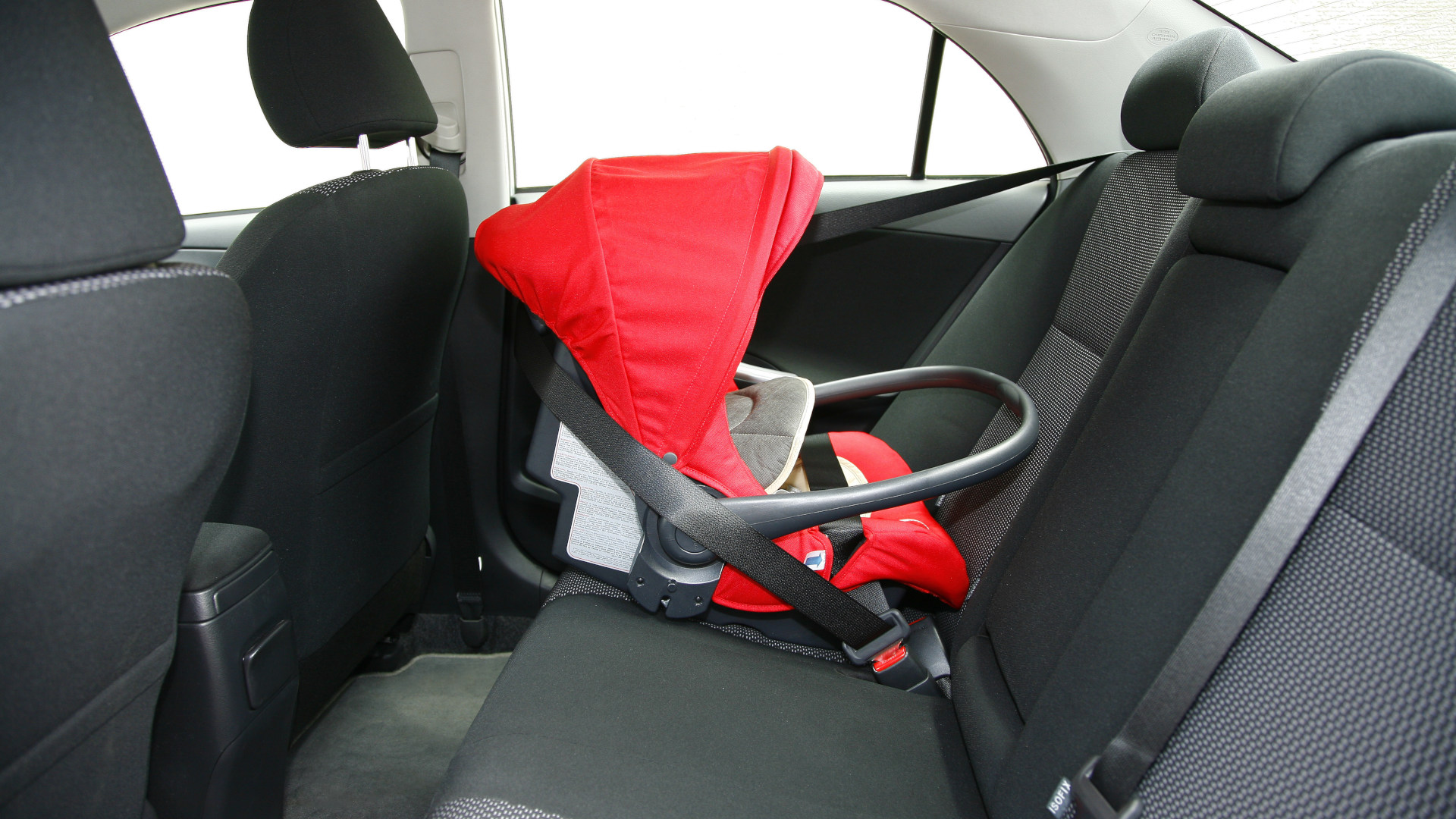
According to LTO, parents who acquired child car seats prior to the full implementation may choose to have their seats inspected by LTO. Seats that pass the inspection will be given a certificate of compliance.
While inspecting the seats, these are the specific things that the LTO officials will be taking note of, so it’s best to inspect the seats for yourselves before heading to LTO just to be safe:
- CRS should not be expired, for child restraint systems with expiration dates
- CRS does not show any of the following upon visual inspection:
- A cracked or damaged plastic shell and/or metal component/s
- A frayed harness or tether strap, or broken stitching along the harness or tether strap
- A twisted, torn, or abraded webbing strap
- A quick release buckle that does not engage or disengage smoothly
- One or more missing parts
- Other substantial damage visible to the eye.
What are the exceptions for using a car seat?
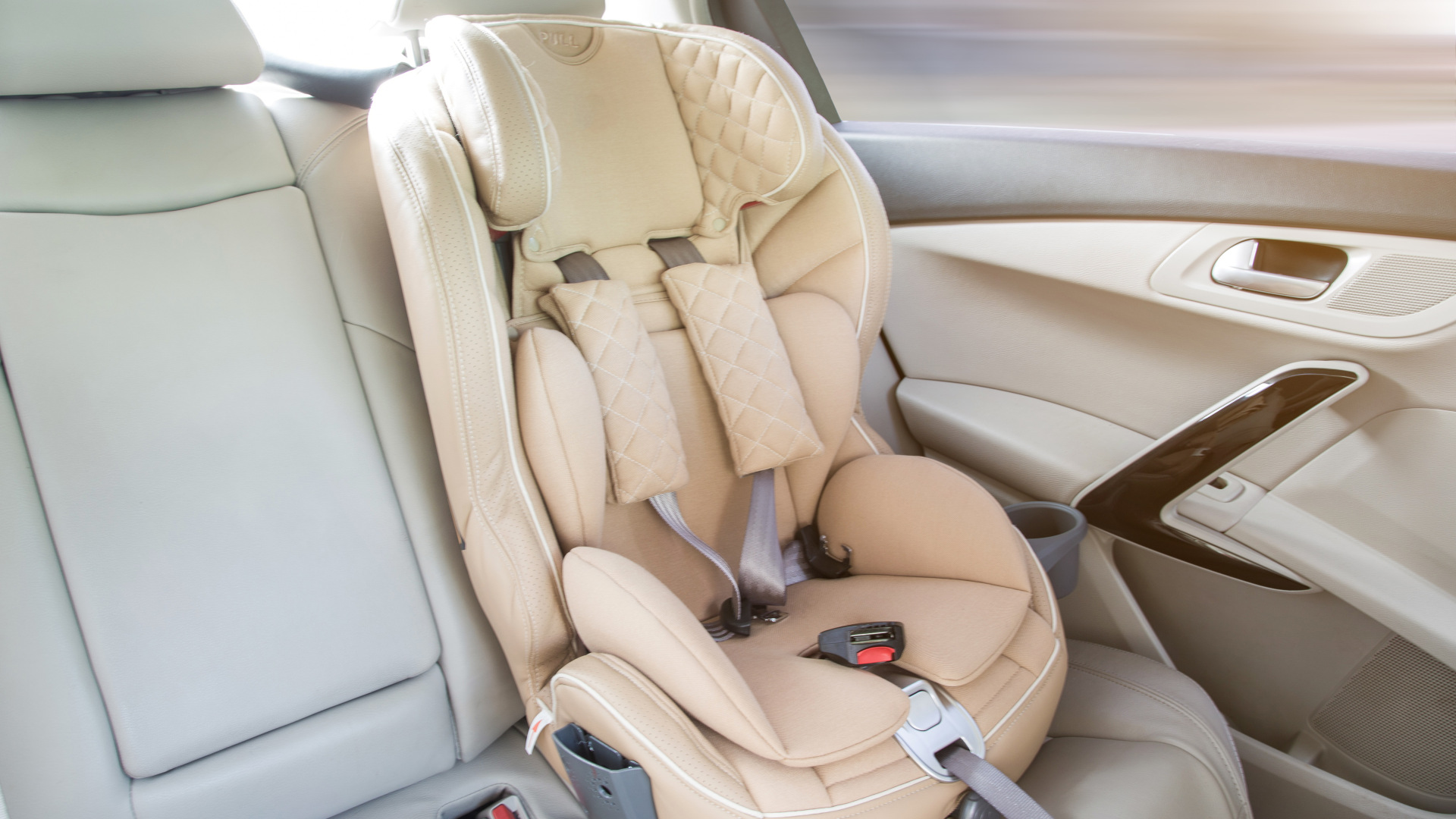
Children are exempt from being secured in a restraint system if it is during a medical emergency, or if the child has a medical or mental disability that makes the use of such a system hazardous.
In the event of the latter, the child’s condition must be certified by a licensed physician. They should also be provided with a customized system that will fit their needs.
Which vehicles are covered by the Child Safety Act?
Currently, only private vehicles are required to use a child seat. This law does cover bicycles, tricycles, and motorcycles. Likewise, public utility vehicles (PUVs), such as jeepneys, taxis, and buses, are not affected by the said law—for now.
However, based on LTO’s IRR, the DOTr is still studying to determine the feasibility of CRS in public utility vehicles and subsequently recommend to Congress whether the use of CRS is feasible.
Otherwise, other necessary legislative measures for the safe and secure transportation of children in PUVs shall be recommended.
While having to shell out thousands of pesos to buy a new car seat may seem painful with the increasing cost of living and expenses in the metro, at the end of the day, the objective of the law is to ensure the safety of children. That in itself should be priceless.
For more tips on what car seat to buy, check out this handy buyer’s guide.