There’s no denying Honda’s lofty position as one of Japan’s automotive big three. In fact, Honda sold around 3.8 million cars and crossovers in 2022, and nearly a million of that was in the US alone. But Honda’s automotive empire wouldn’t be where it is today if it weren’t for one model.
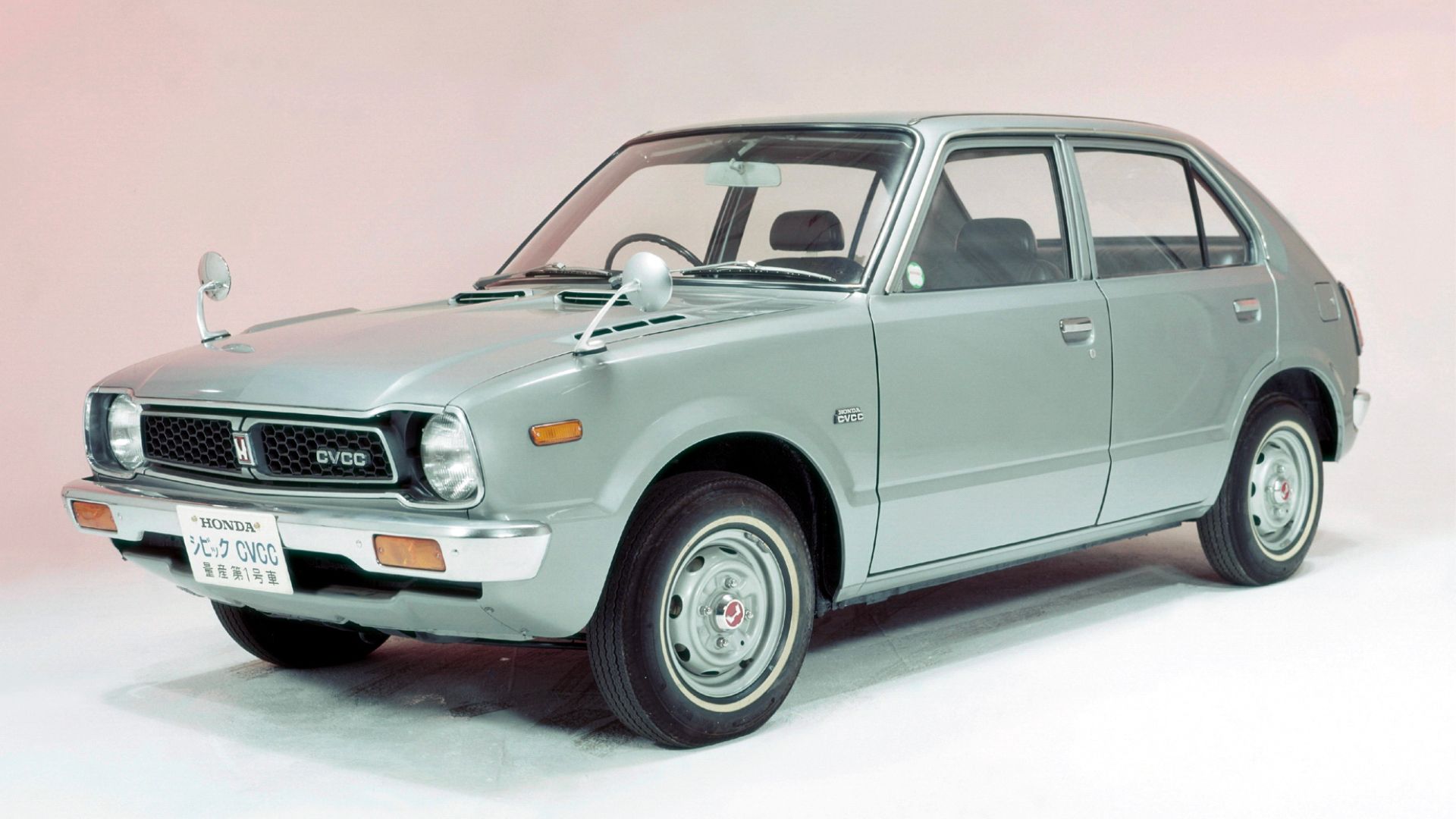
Of course, the car we’re talking about is the Civic, and if you’re reading this on July 11, it’s a good time to greet the evergreen model a happy birthday. More specifically, Honda launched the first Civic on July 11, 1972.
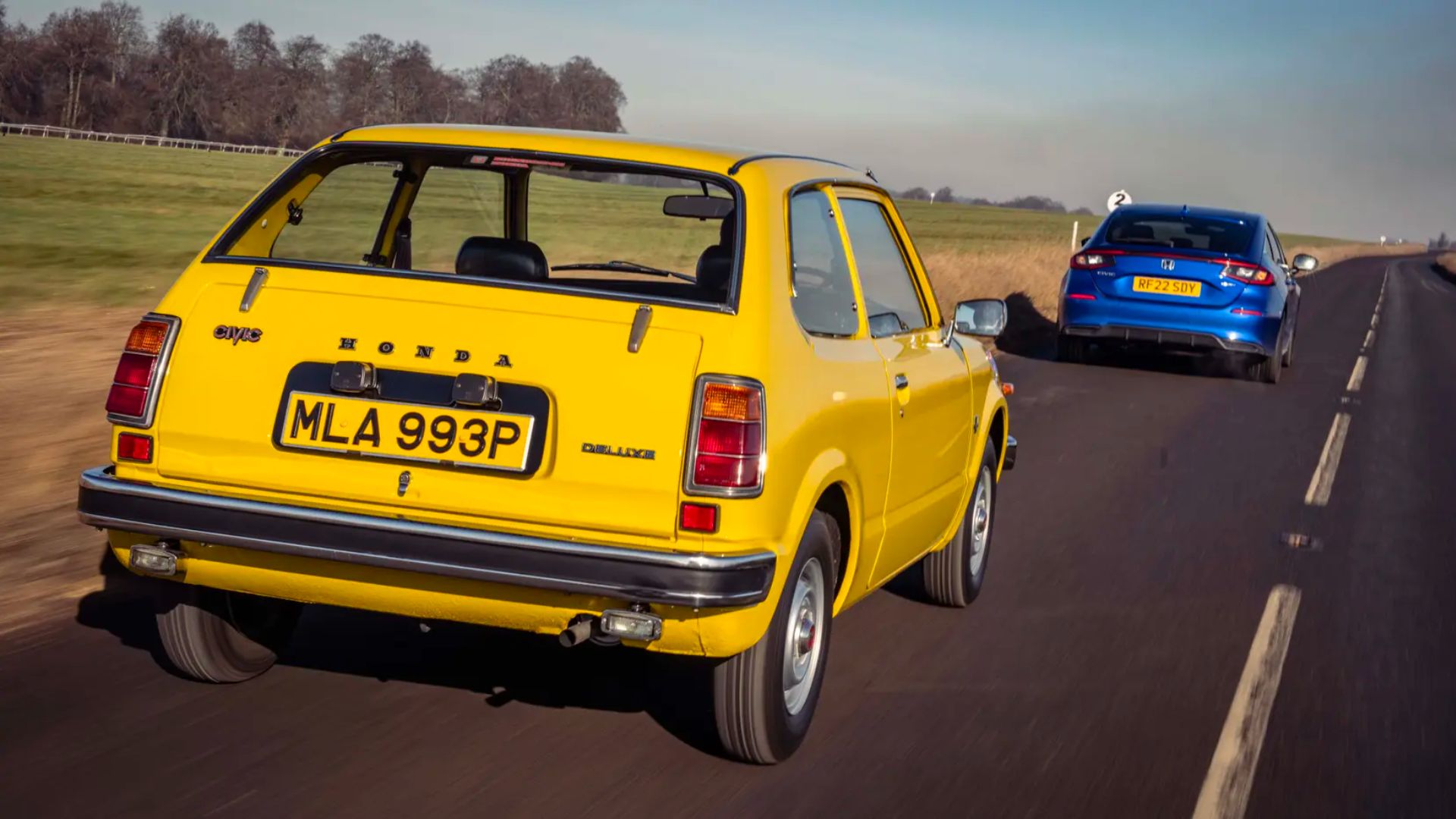
While the Civic isn’t Honda’s first car, it was the brand’s breakthrough in the global market. It arrived just in time too as the first oil crisis hit the world and the demand for a small, fuel efficient vehicle spiked in the West. The first-generation Civic became a massive success in the US and helped the brand penetrate the largest car market at the time. The rest, they say, is history.
OTHER STORIES YOU MIGHT HAVE MISSED:
Specs, prices, features: Everything you need to know about the 2024 Nissan Almera
Report: Here's what one of the Metro Manila Subway tunnels look like so far
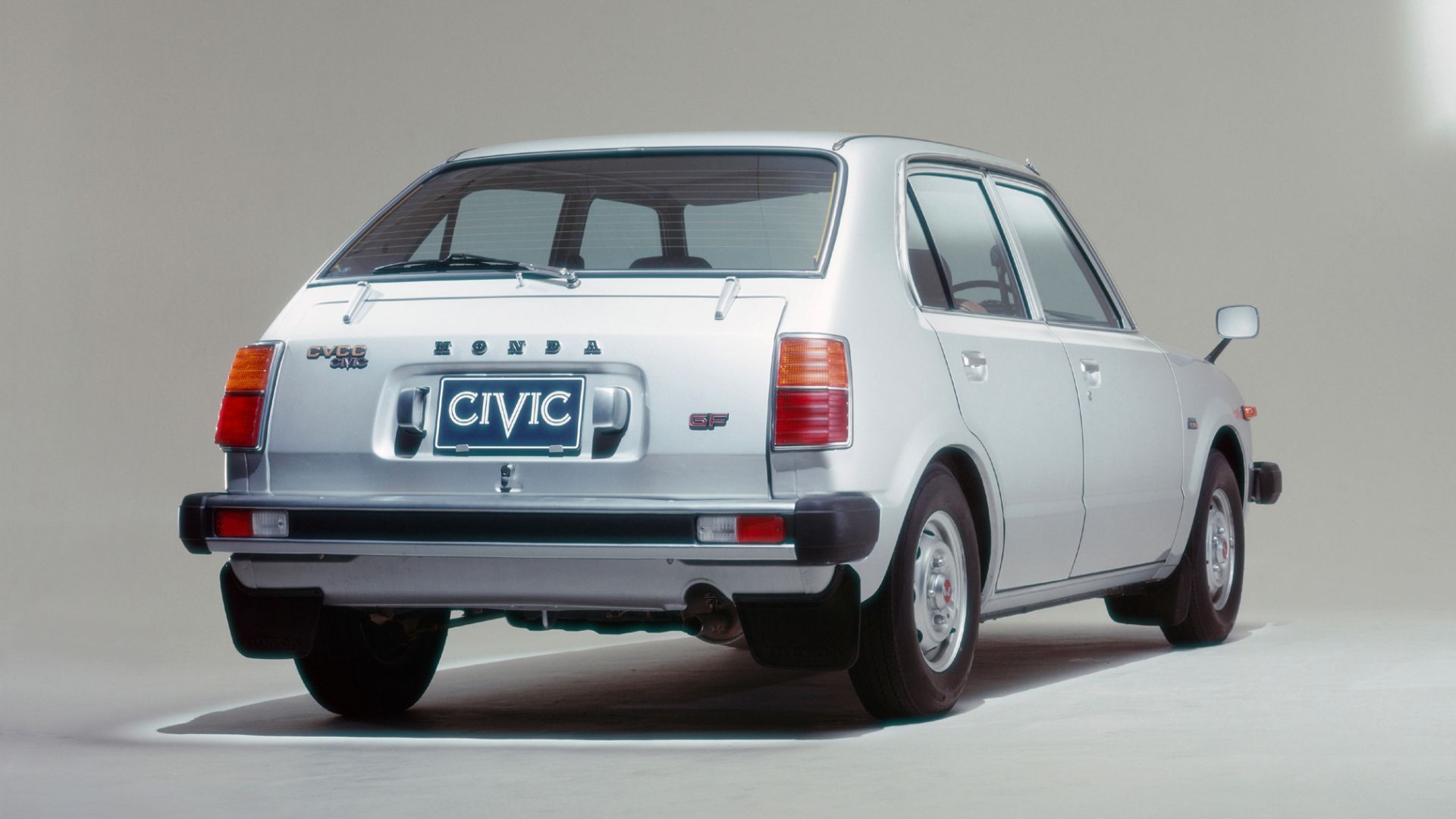
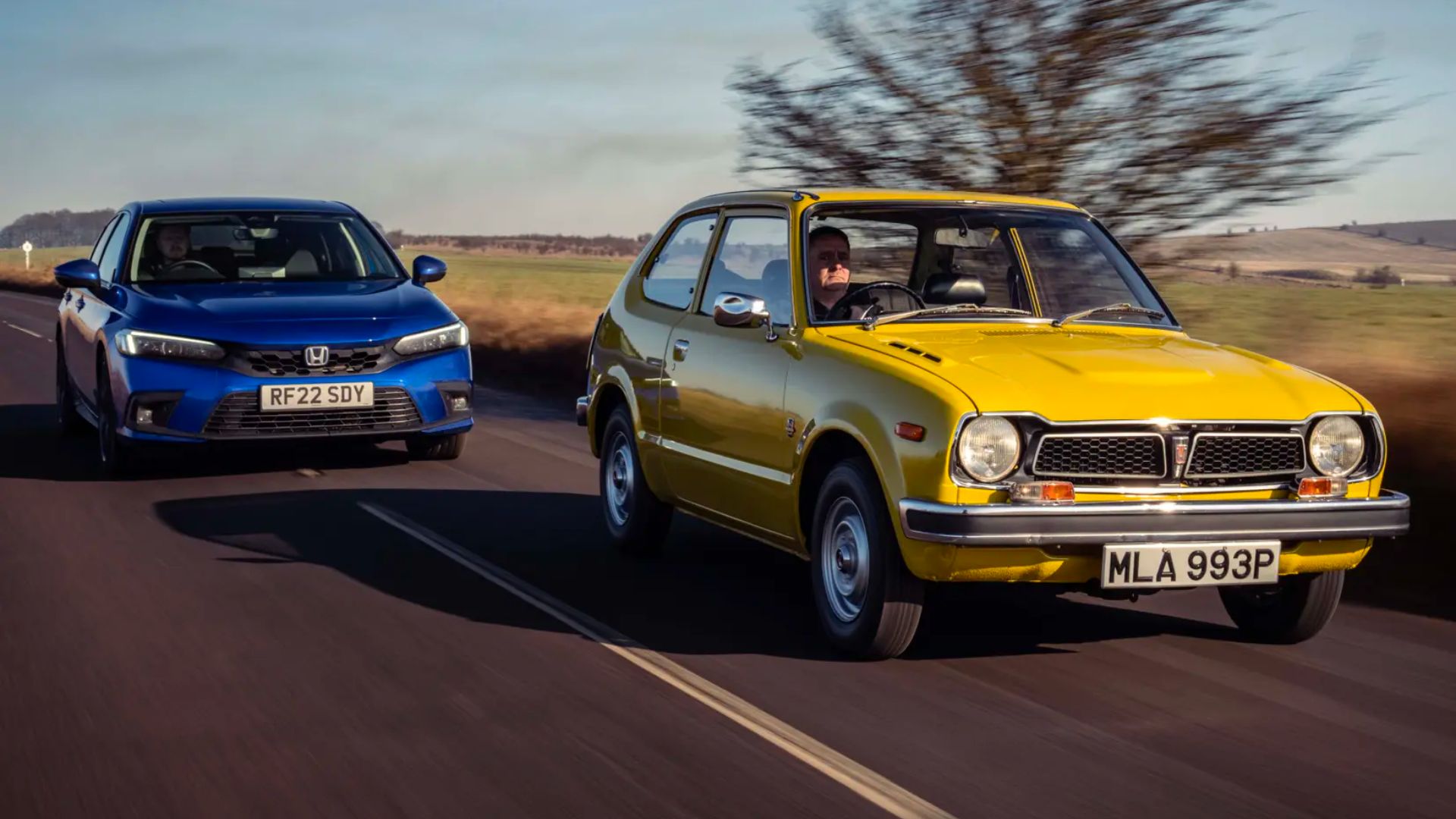
So, what was the first-generation Civic like? Well, it’s nothing like the Civics of today. Touted as the successor of the N600, it was only available as a hatchback, although calling it a hatch was a bit of a misnomer. It actually had a ‘boot chute’ and not a tailgate, so it was technically still a sedan. That said, it did gain a hatch later on in its life.
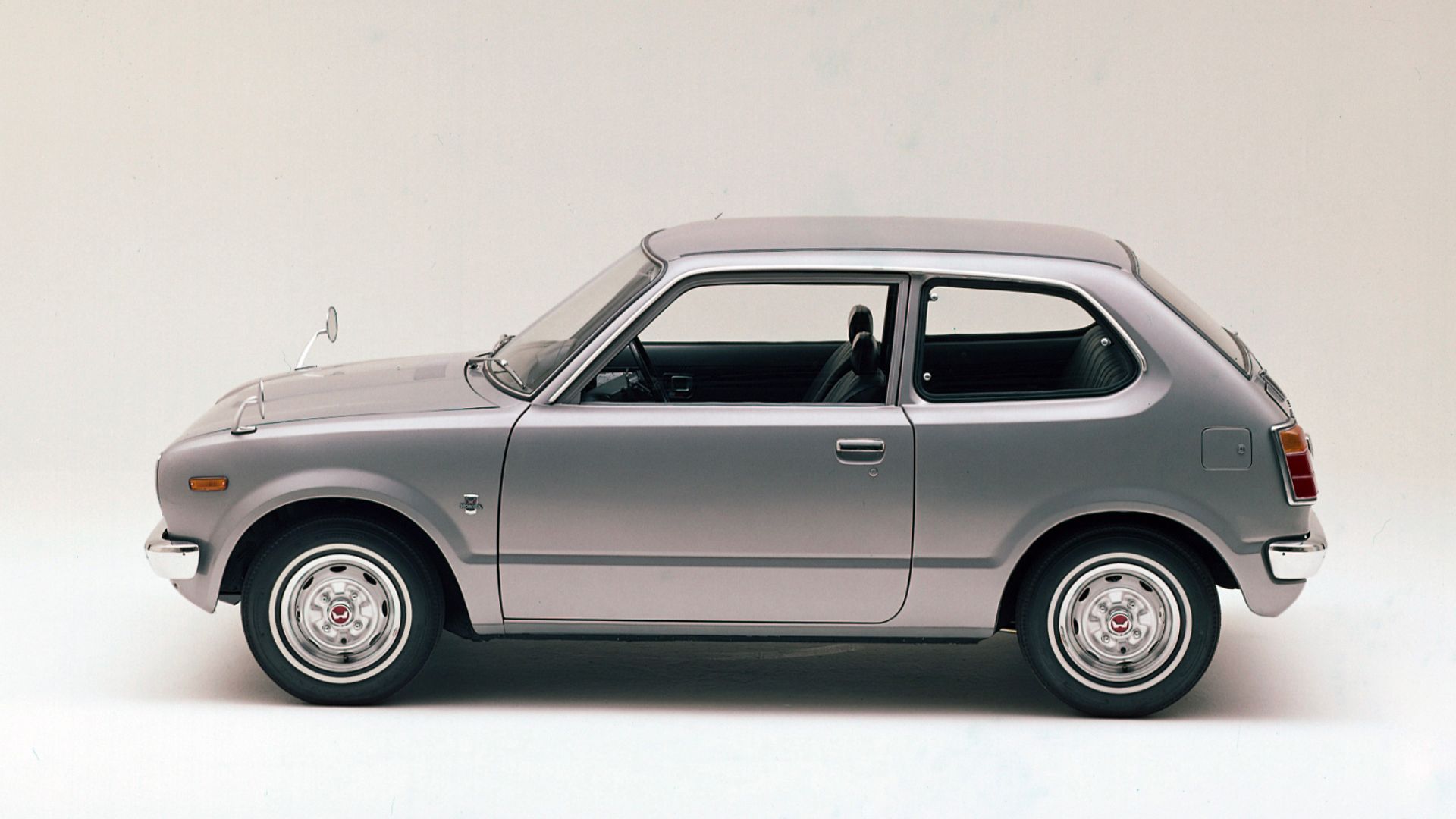
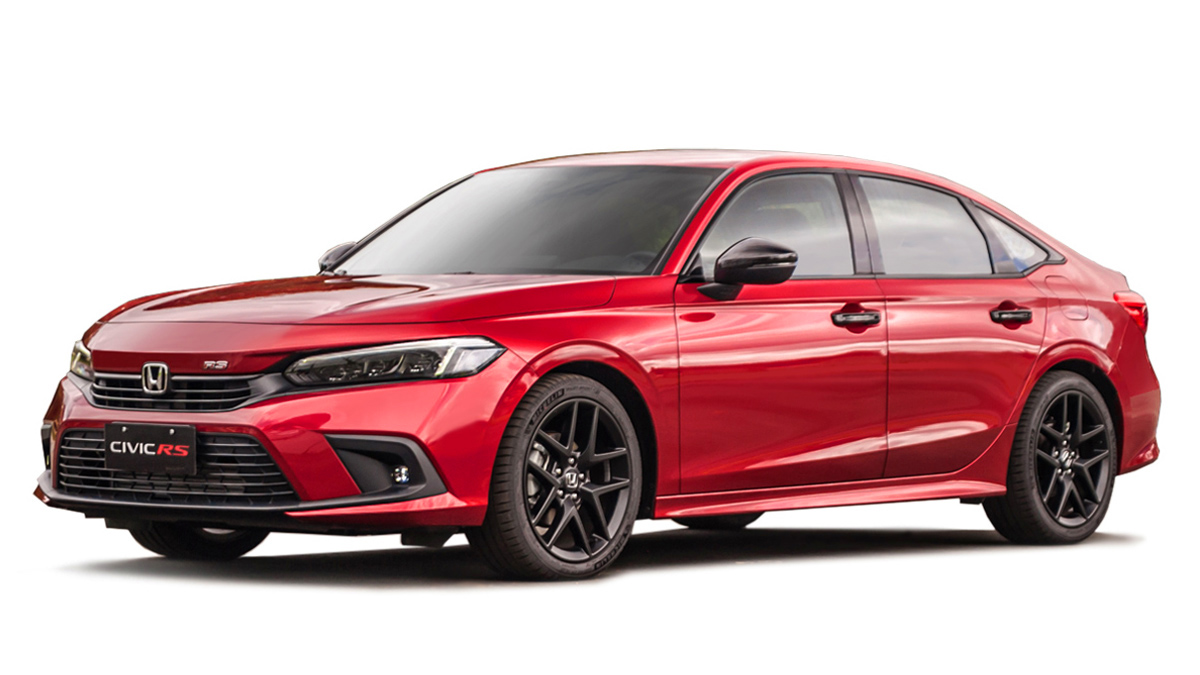
It was a tiny car, too, even by the standard of the ‘70s. It just measured 3,560mm long (in four-door guise), 1,505mm wide, and 1,330mm tall. In comparison, the modern Honda Civic sedan is a whopping 4,674mm long, 1,801mm wide, and 1,415mm tall. The first-gen Civic is even smaller than a Brio.
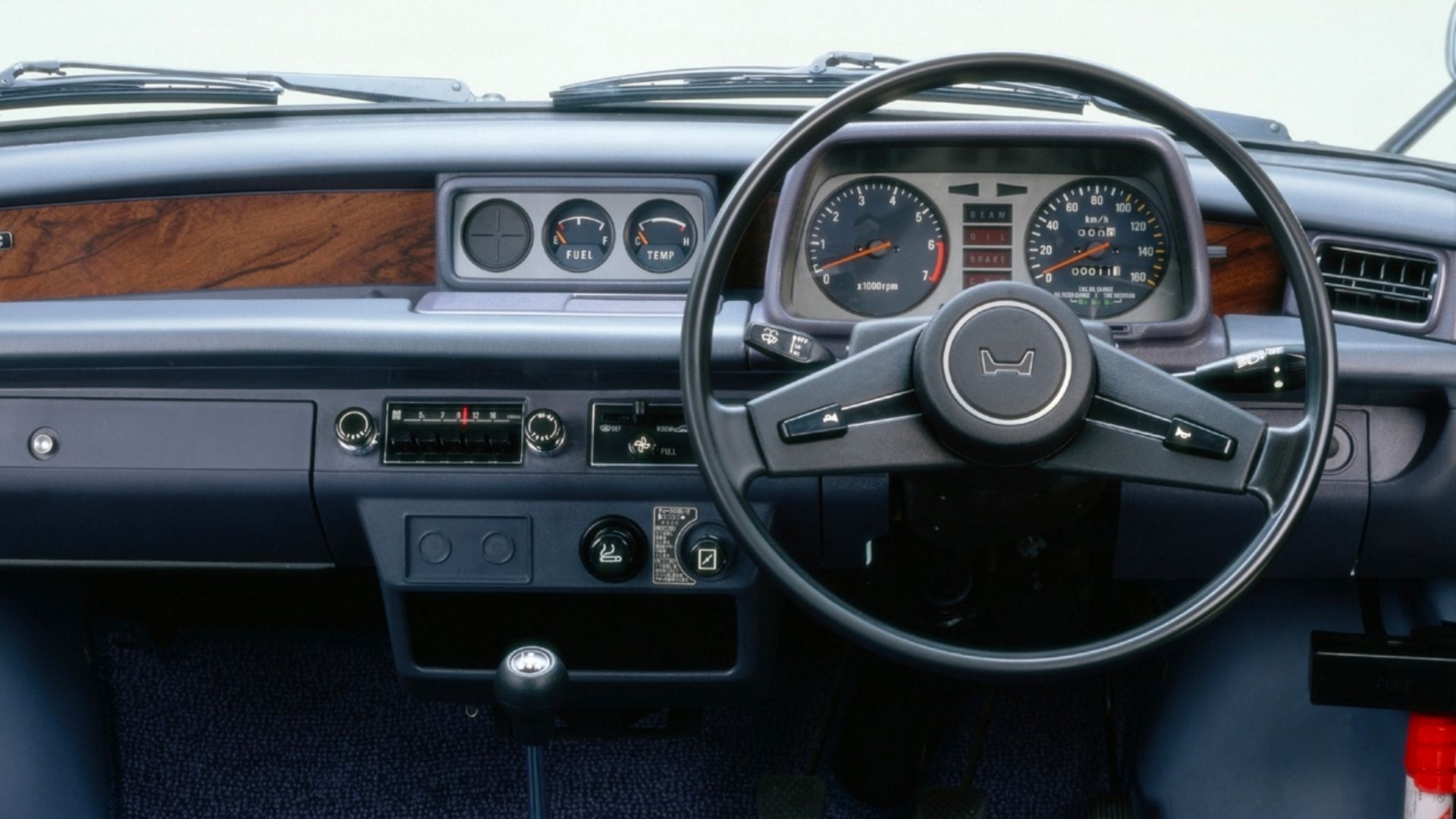
As for the engine, customers had a choice of 1.1-liter, 1.2-liter, 1.3-liter, and 1.5-liter engines throughout its production run, all with a carburetor. Initially, the Civic only mustered 59hp and 95Nm of torque, and it was available with either a four-speed manual or two-speed automatic dubbed the Hondamatic. Power eventually rose to 52hp and 53hp, and the 1.1-liter was eventually replaced by the larger 1.3 and 1.5-liter engines.
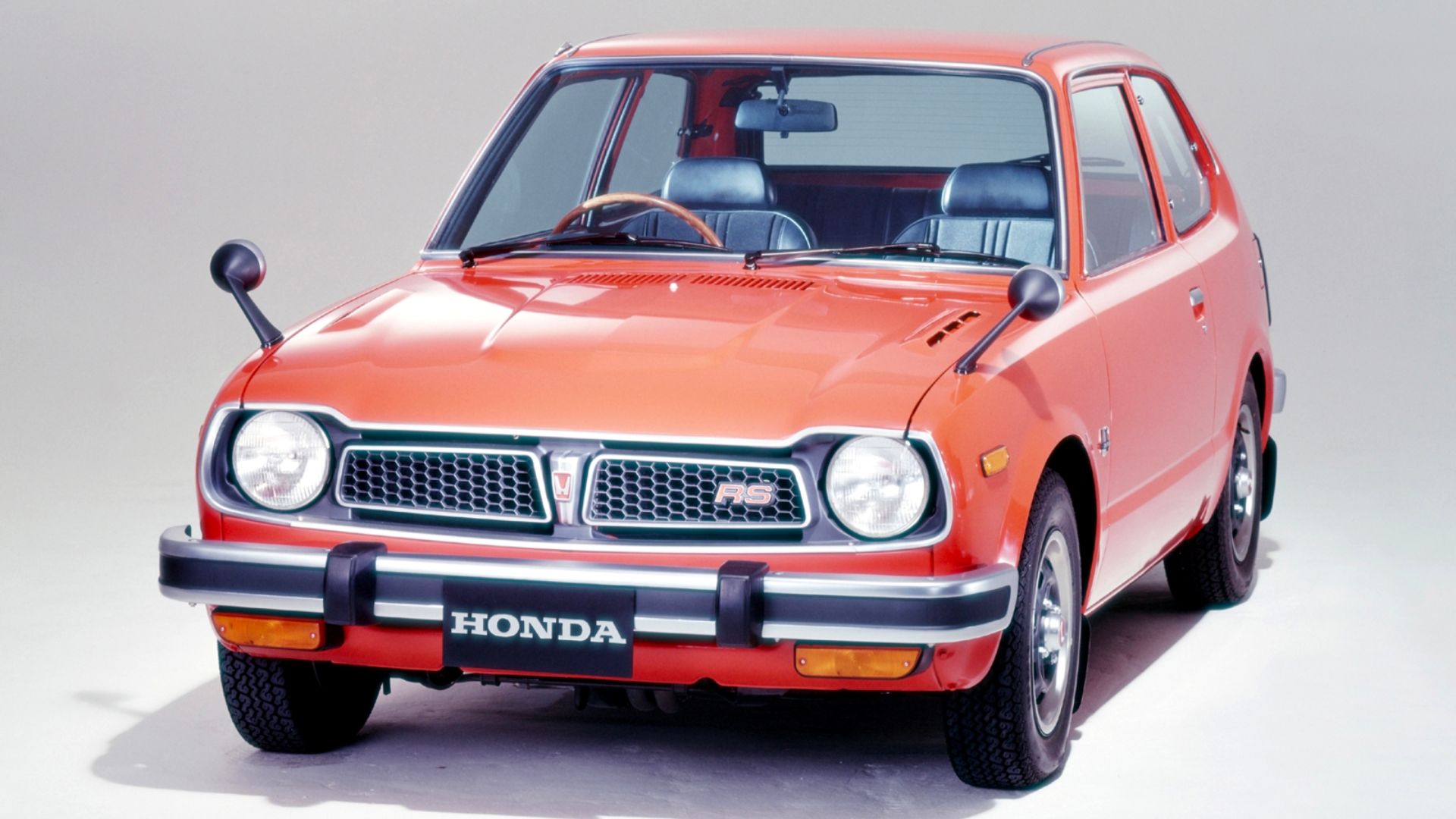
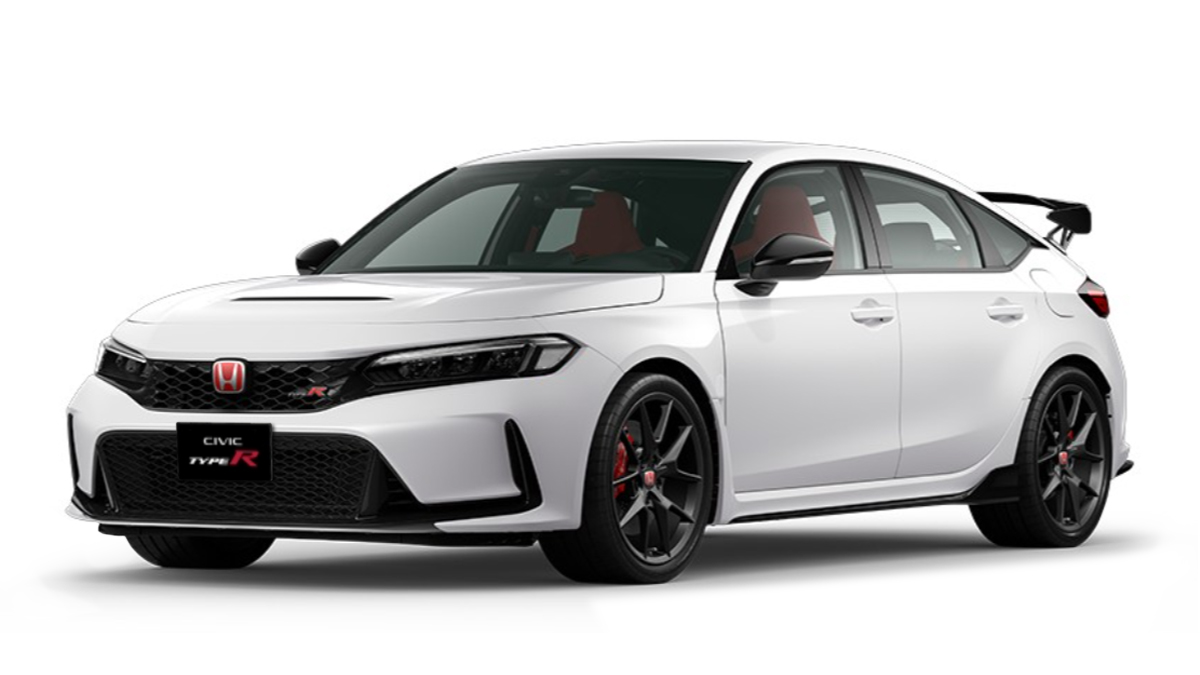
But even from the start, Honda injected some sportiness to the Civic with the Japan market-only RS. Yes, as far back as the ‘70s, Honda has been putting the RS badge on this model. The first Civic RS rolled out in 1974 featuring a dual carburettors, a free-flowing intake manifold, more aggressive cam profiles, high-compression pistons, and unique headers. The result was 75hp and 101Nm of torque, and the RS gained a five-speed manual instead of the standard model’s four-speed transmission. In some ways, the first Civic RS would lead to the creation of the Civic Type R launched in the '90s.
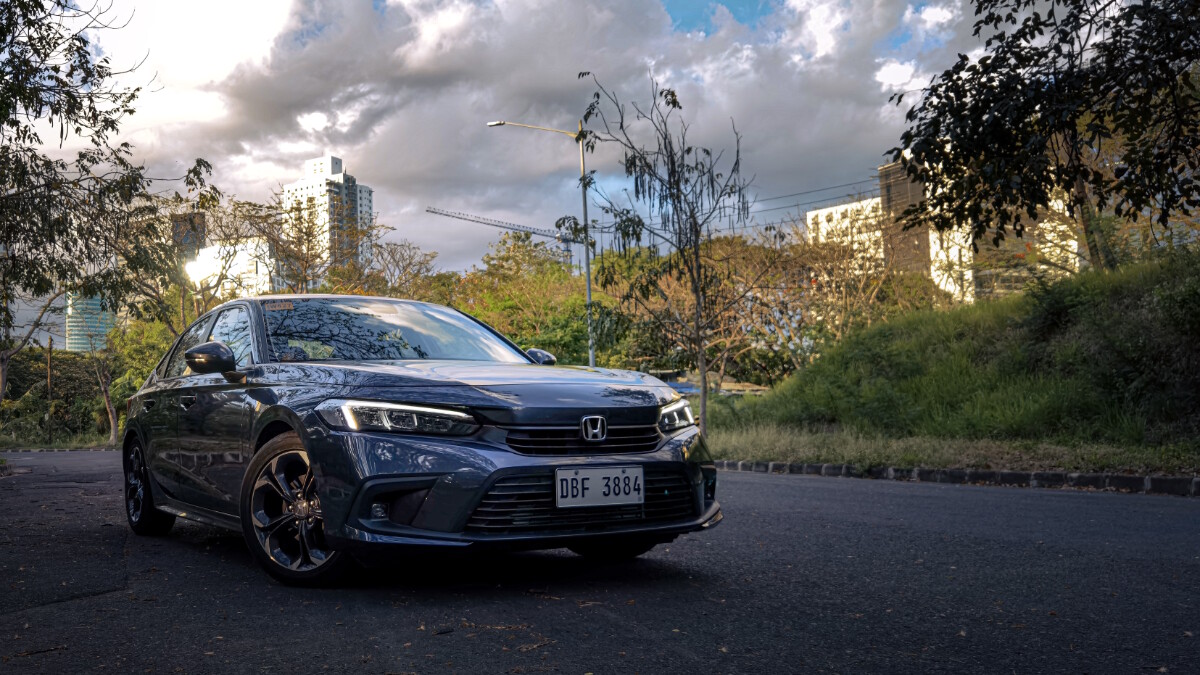
Over the decades, the Civic grew in size, got larger and more powerful engines, and received more tech and safety innovations. The Civic of today has over 100hp and heaps more torque over the first generation model, along with features previously unimaginable from over 50 years ago. Today, the Civic comes standard with six airbags, adaptive cruise control, autonomous emergency braking, and lane keeping assist, just to name a few.
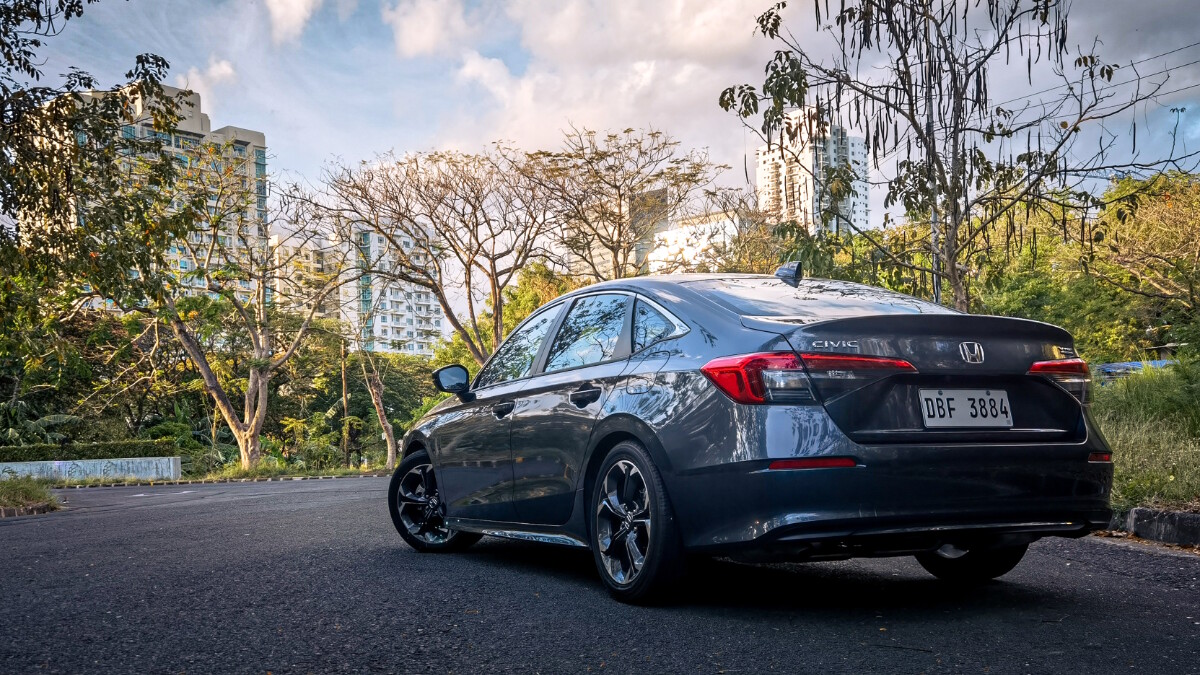
But today’s Civic wouldn’t be where it is today had Honda not launched it on that fateful day over 50 years ago. Honda also wouldn’t be the giant it is now thanks to a tiny hatchback that was launched on July 11, 1972.