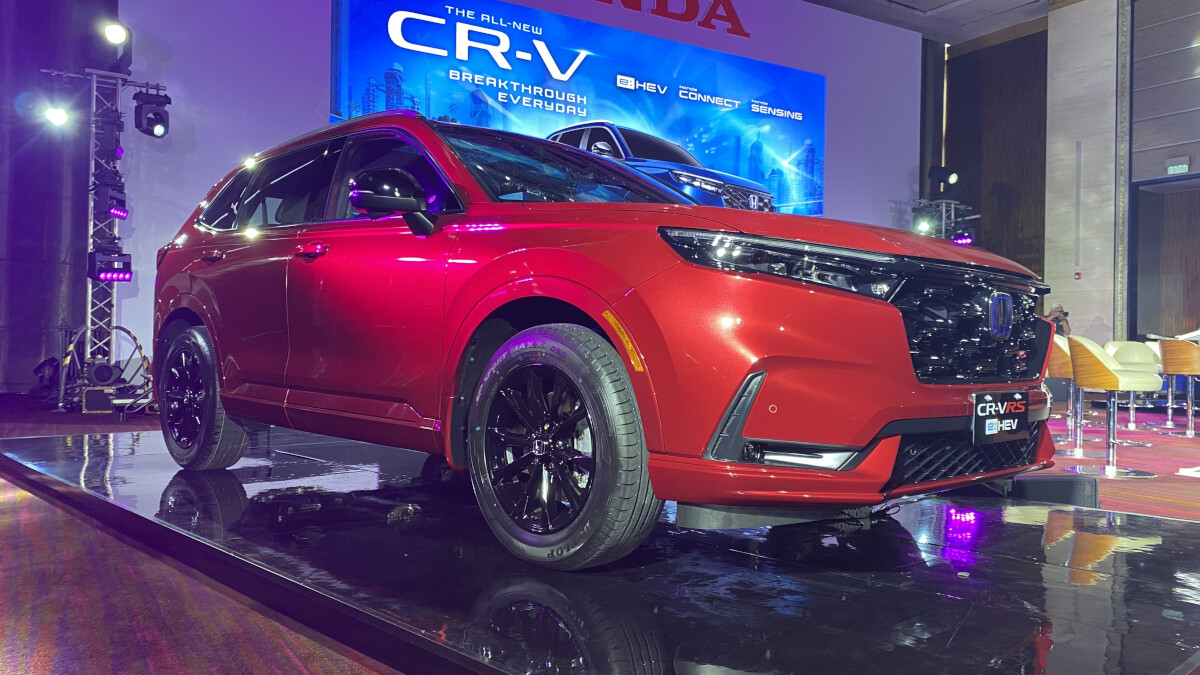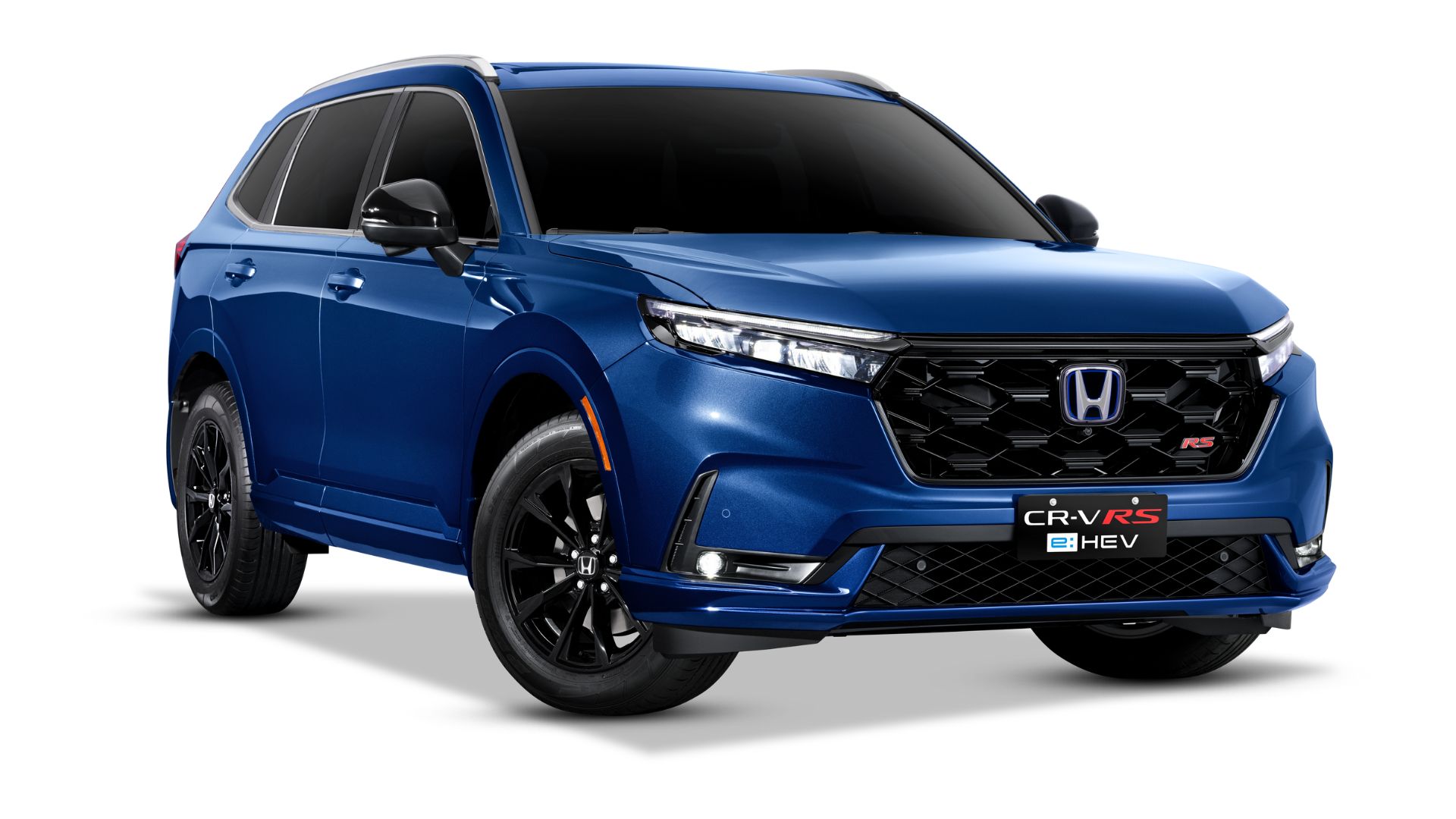

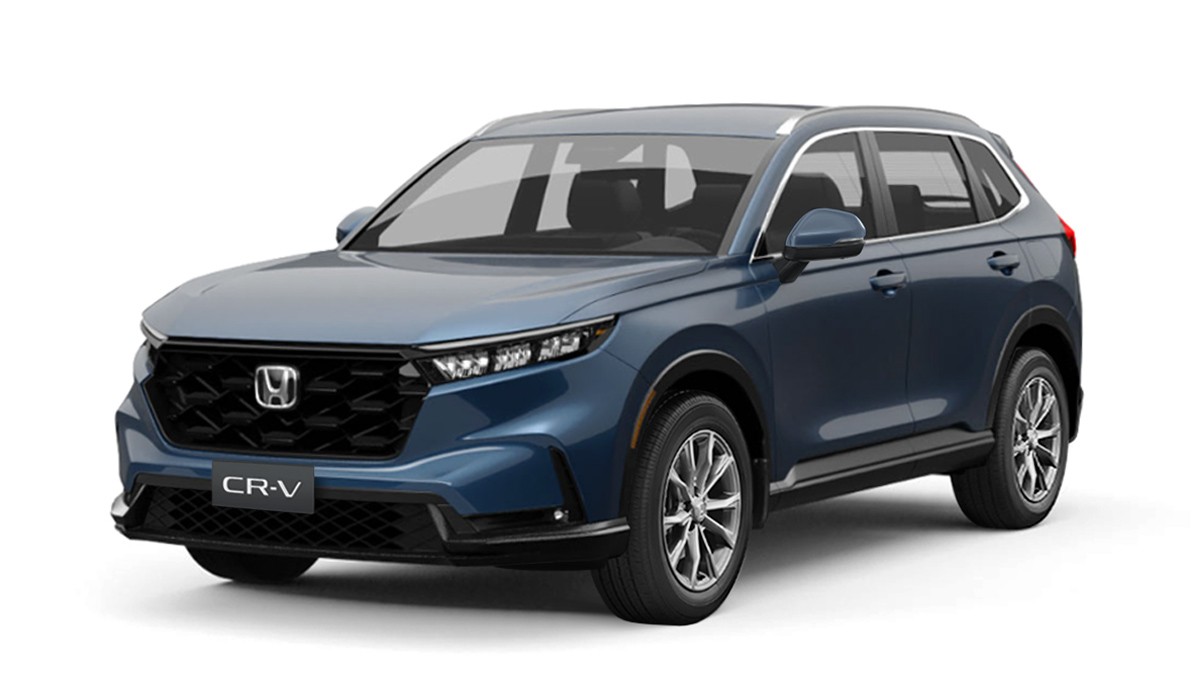
Everyone knows that electricity and water don’t mix. But in the case of the first-ever Honda CR-V e:HEV, the brand reassures any prospective buyer that its latest crossover can handle floods. That's good to know given that some roads turn into rivers during the rainy season.
Of course, Honda gave a deeper explanation as to how the CR-V e:HEV does it. Not only that, it was Eisuke Satoh, the large project leader for the sixth-gen Honda CR-V, who said it too.
OTHER STORIES YOU MIGHT HAVE MISSED:
2024 Mazda 3 gets tech updates, starts at P1.510-M
The Ford F-150 gets major updates, coming soon to PH?
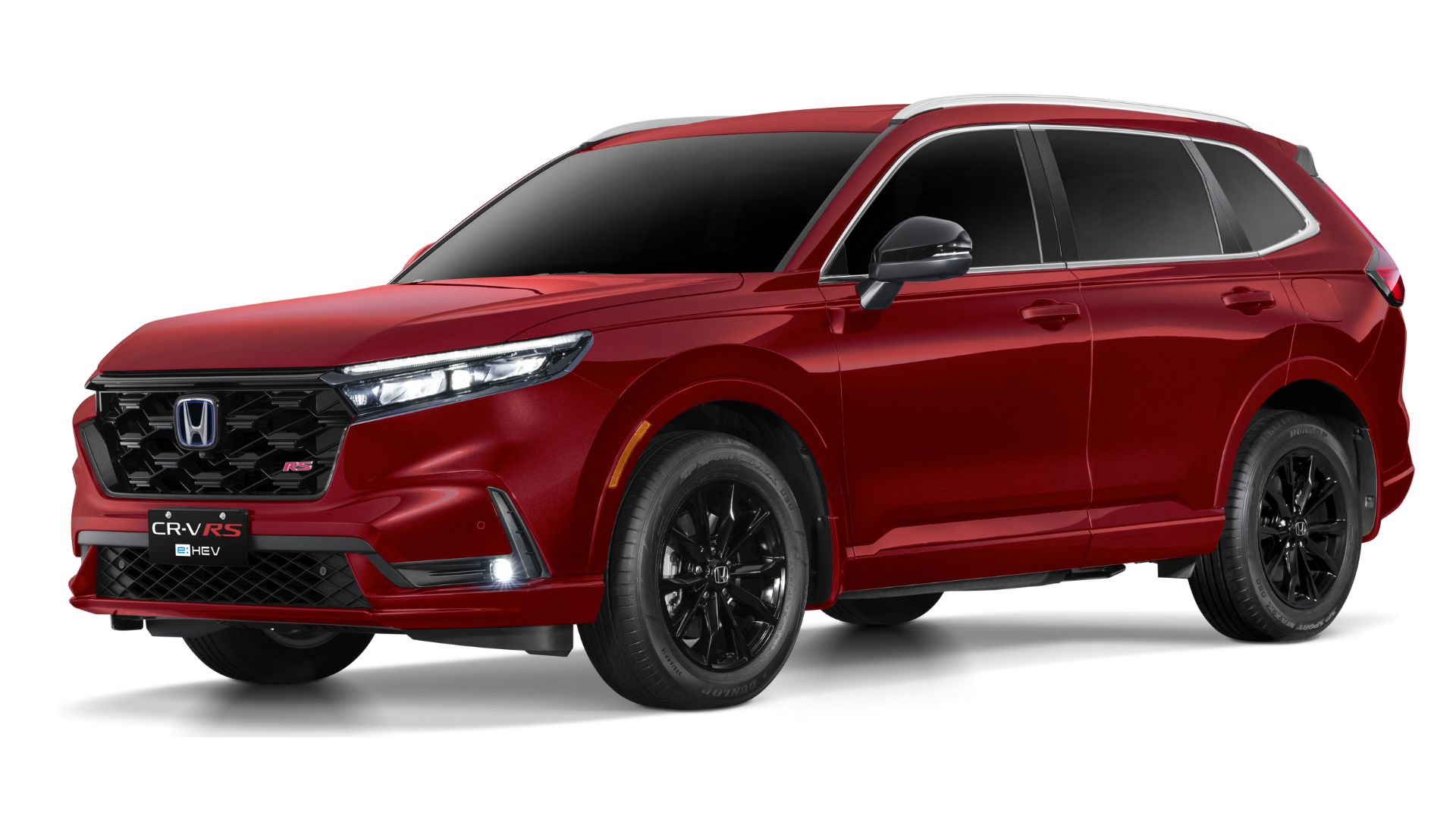
According to Satoh, the CR-V RS e:HEV (the only full-hybrid version available locally) has a ground clearance of 198mm. Satoh also said that all front-wheel drive models have the same numbers, meaning the entry-level V Turbo variant is also at 198mm. If you’re curious about the VX Turbo AWD’s ground clearance, it’s 208mm.
So, how does it fare against the other full hybrid crossover in its class? The CR-V RS e:HEV is directly against the Toyota RAV4 LTD HEV. The full-hybrid version of the CR-V's long-time rival has a clearance of 176mm. That said, it’s worth pointing out that ground clearance is measured from the lower point of the underchassis and not from the door sills. A possible explanation for the RAV4’s much lower rating is that its suspension arms dangle lower compared to the CR-V.
But say we compare the CR-V against a similarly sized, non-hybrid crossover. For reference, let’s use the Mazda CX-5. The two-wheel drive version has a clearance of 185mm, while the AWD and turbo AWD models have 193mm. Both CX-5 variants are higher than the RAV4, but a little behind the recently introduced all-new CR-V.
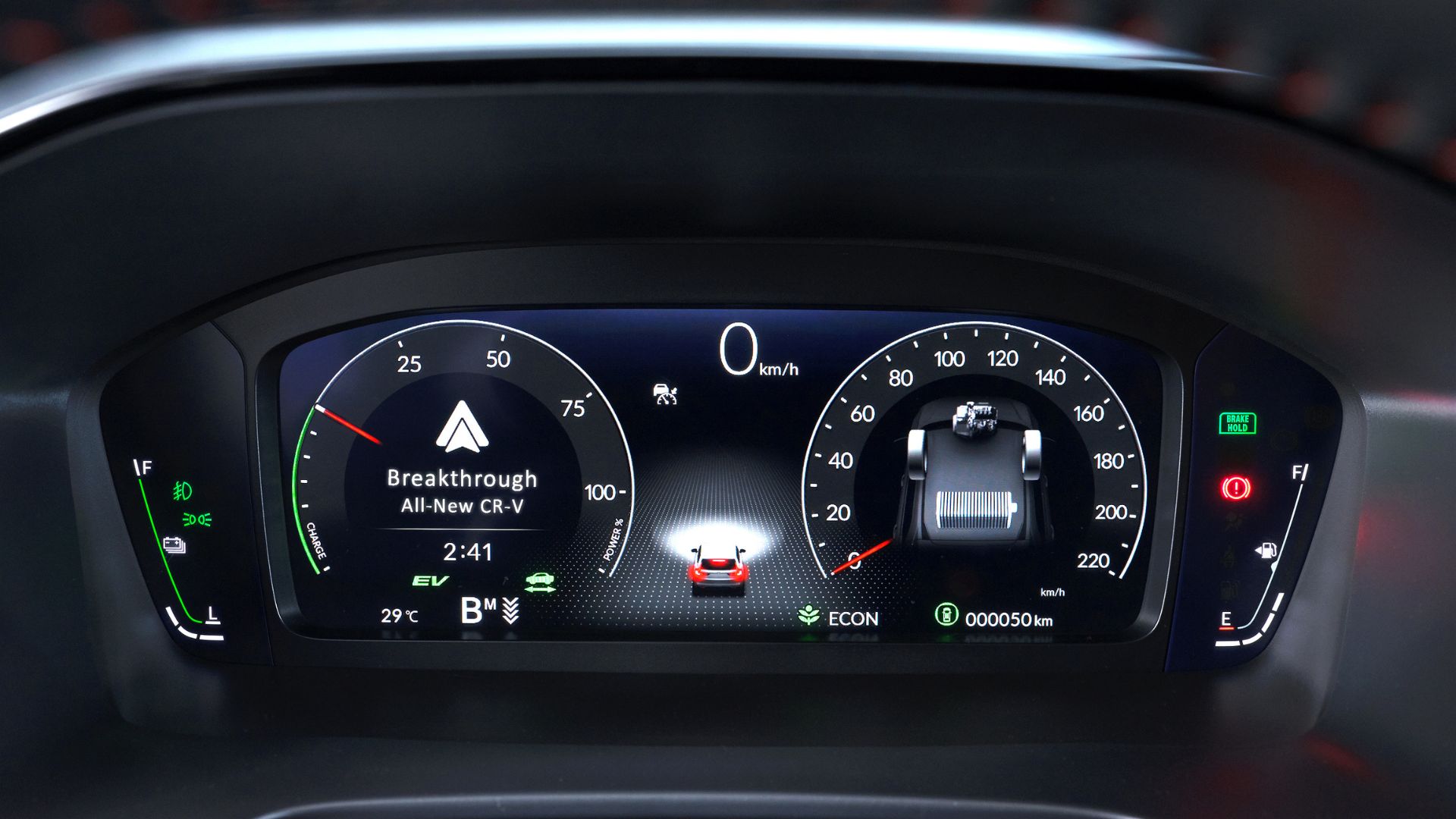
But beyond ground clearance, there are other things that make the hybrid CR-V resilient in bad weather. For starters, the batteries and electrical components are well sealed to keep water firmly away from the hybrid drive components. At the same time, there are also systems in place that shut down the electric drive system if a certain water level is reached. This kind of setup and arrangement isn’t exclusive to Honda or the CR-V. It’s pretty much the norm for all automakers.
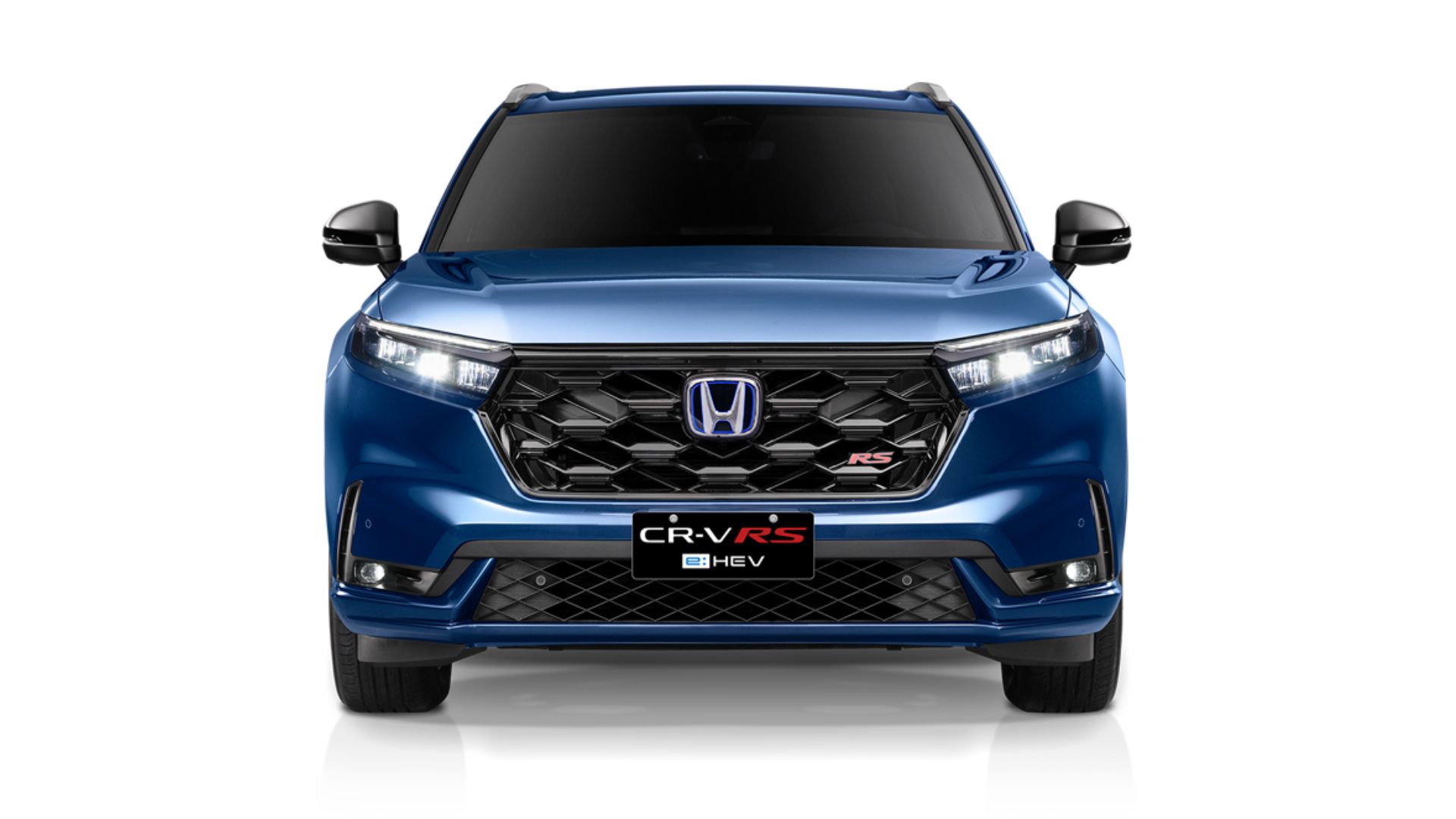
To sum up, yes, the hybrid CR-V is just as weather-resistant as the non-hybrid variants. It might not have the same ground clearance or wading capacity as truck-based pickups and SUVs, but every extra millimeter of clearance counts these days, especially during the rainy season.