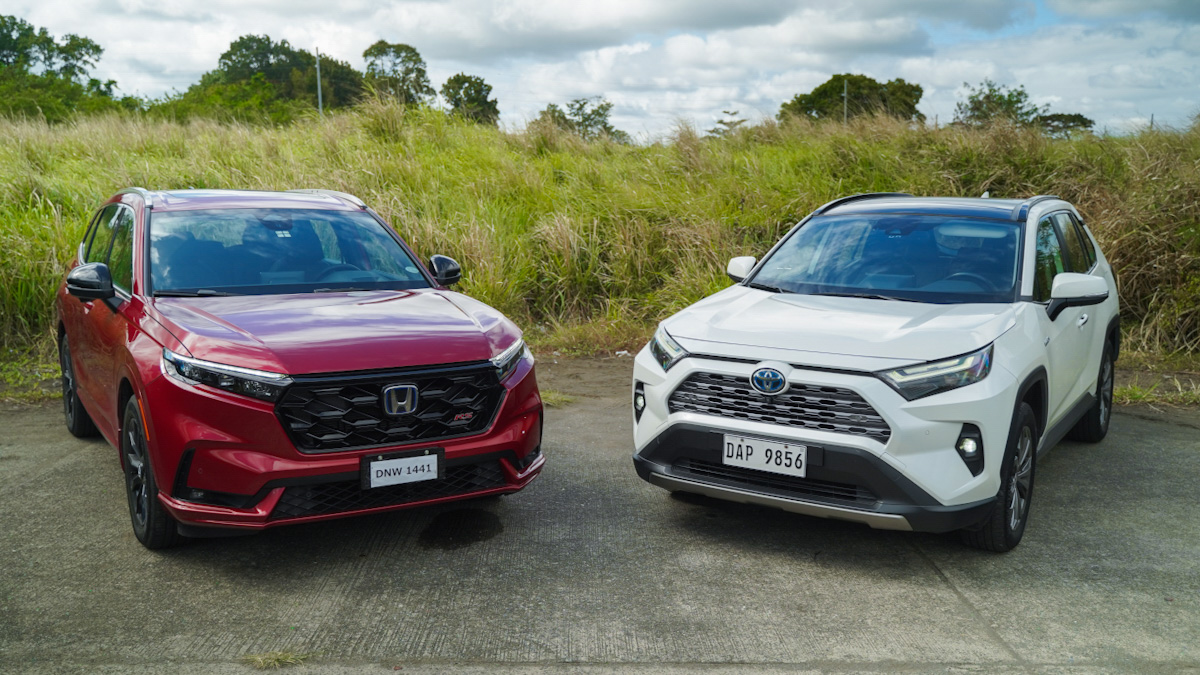
By now you’ve heard that President Ferdinand Marcos Jr. has approved the move to put zero tariffs on hybrids and plug-in hybrids. The tariff exemption on these electrified vehicles could potentially shake up the industry and make the idea of purchasing such vehicles even more enticing.
Under the changes made to Executive Order No. 12 (EO 12), the 30% import duty taxes on hybrids and plug-in hybrids will no longer be applied, at least until 2028. Previously, it was only full electric vehicles that enjoyed the zero tariff benefit that has made more of these accessible to the buying public.
At this point, we probably know what you’re thinking. By how much will hybrids and plug-in hybrids be cheaper with this order in place? After speaking to folks within the industry, we can give you several answers through their insights.
OTHER STORIES YOU MIGHT HAVE MISSED:
Tales from the inbox: Should the 400cc limit for motorcycles on expressways be re-examined?
More ‘Spoliarium’ beep cards will be available in the coming months
Change doesn’t happen overnight
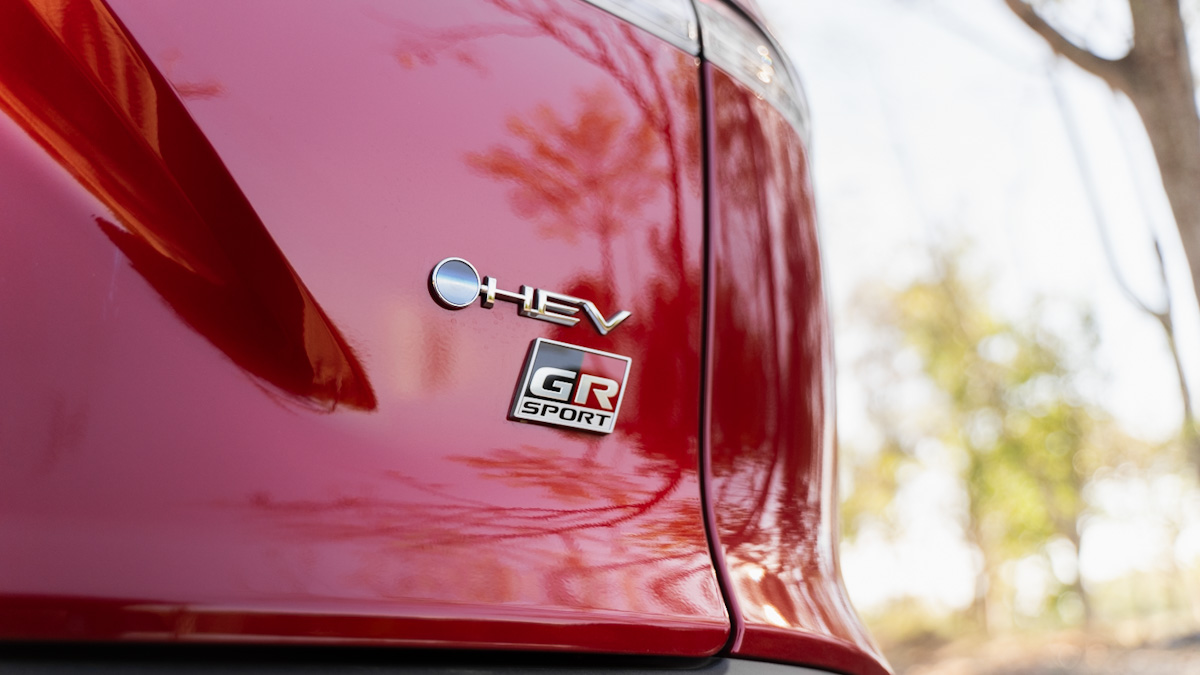
If you’re wondering why the prices haven’t been adjusted yet, hold your horses. For starters, marketing teams and product planners have to sort everything out at the moment. Studying major rule changes like these takes time and it’s not as simple as ‘let’s slash prices now!’ because there are fewer tariffs involved.
The cars currently sitting in inventory lots were acquired under previous EO 12 rules. That means those units still have the 30% tariff applied to their respective costs. Slashing prices now will cut into the manufacturer’s gross profits, profits that will cover other expenses such as operations, marketing, and other expenditures the company needs to stay afloat.
It’s not an automatic 30% discount
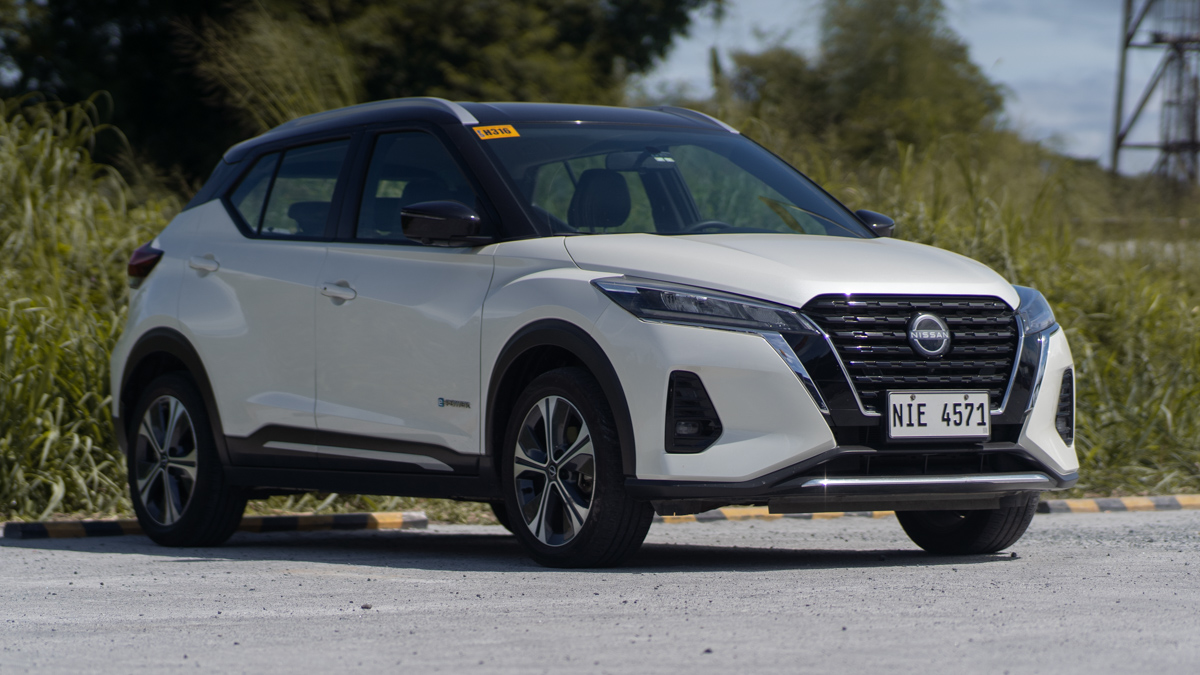
The removal of the 30% tariff sure grabs attention. It’s a huge chunk off the price if you factor that in and sounds like sweet deals are on the way. If it sounds too good to be true, that’s because it is.
If every automaker in the country hacked 30% off the prices of their hybrids and plug-in hybrids, many of them will undercut their non-hybrid counterparts. Let’s use the Toyota Yaris Cross as an example. The hybrid variant retails for P1,604,000, but if you take out 30% of that, it drops to P1,122,800. That makes it even less than the entry-level gas-fed variant’s price, which is currently at P1,204,000.
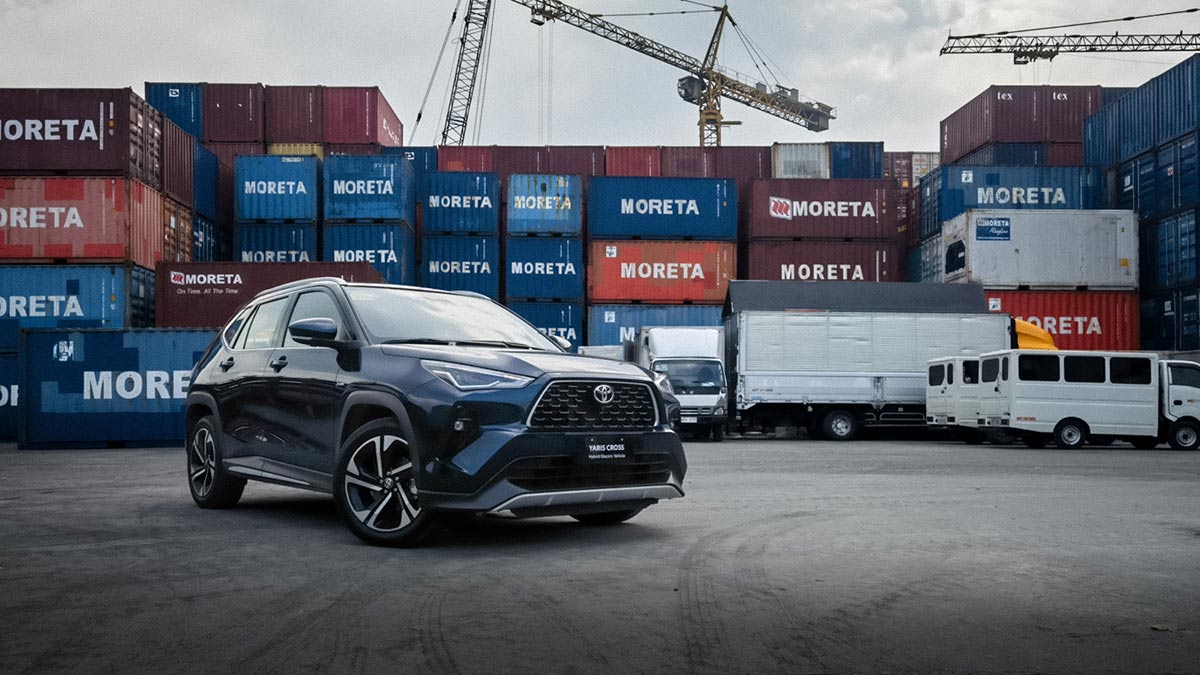
This means a car brand with hybrid models will have to re-evaluate its model range and positioning. A high-spec hybrid that sits at the top of the variant list has traditionally been the most expensive, but the removal of the tariff means manufacturers have more wiggle room to reduce its prices.
Will we see hybrid cars with bare equipment, priced to penetrate the market better? Will petrol cars get more features to make them more competitive? We imagine a lot of product planners are doing the math now.
Forex and trade agreements
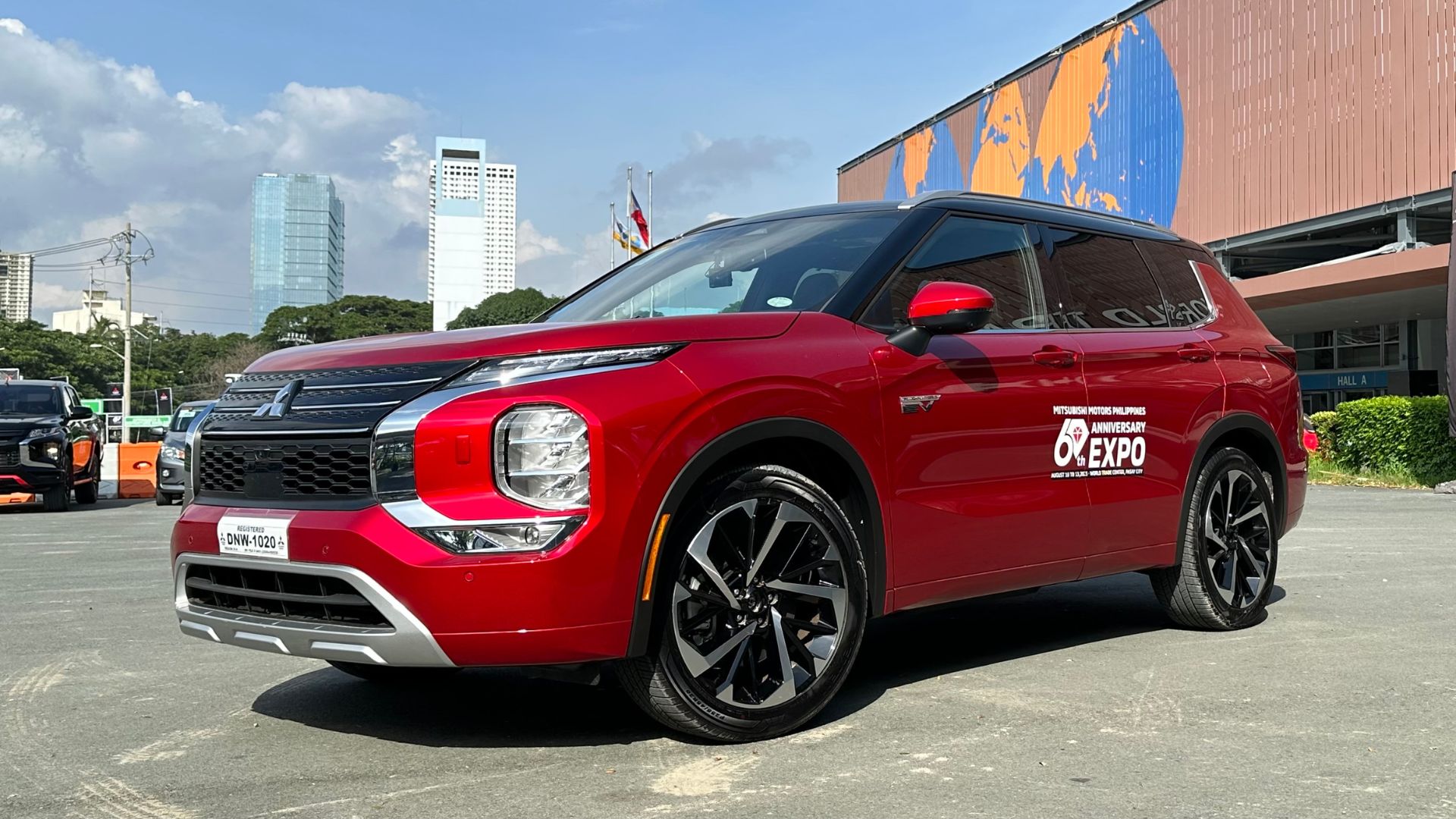
A major factor in pricing is, of course, the foreign exchange rate. As all of these hybrids and plug-in hybrids are imports, their SRPs are determined by the strength or weakness of the peso. Any change in valuation can increase prices, but the tariff exemption could, at the very least, soften the blow.
Then there’s the matter of trade agreements. Currently, the country has free trade agreements with ASEAN, China, Japan, and South Korea, to name a few. If the source of the vehicle comes from a country with a free trade agreement, then a significant chunk of tariffs have been covered by that. The impact of that 30% exemption might not be as big.
Prices to be determined
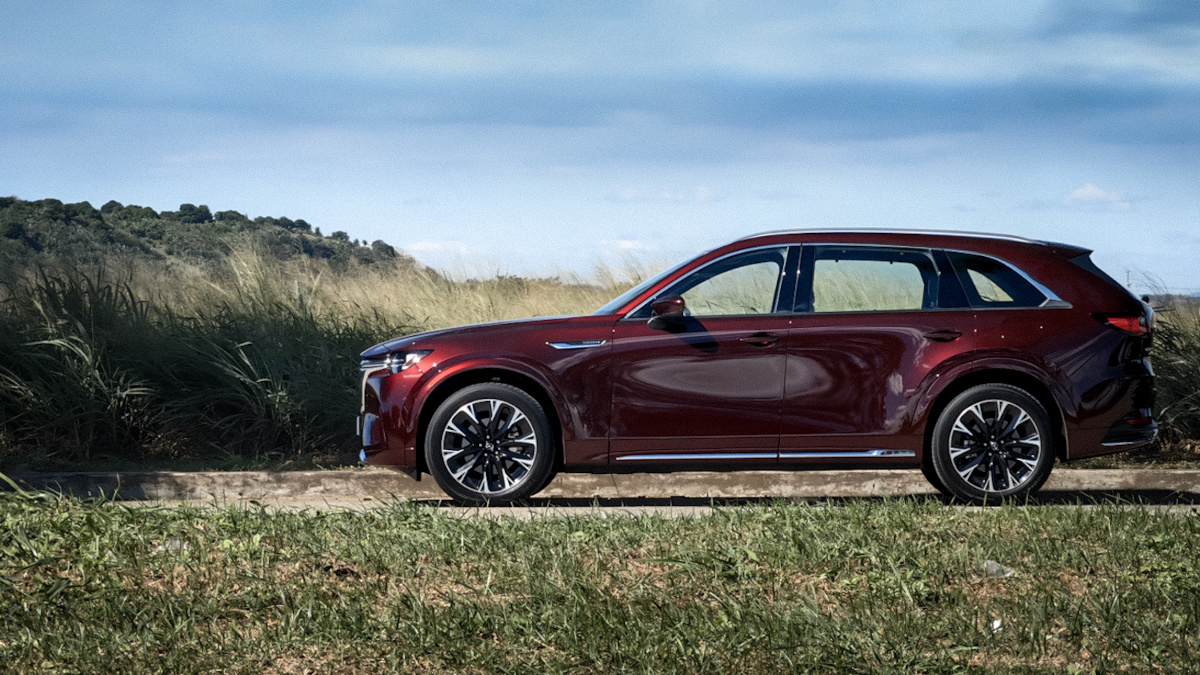
So, how much of a price difference can we expect? It may sound like a vague answer, but it will all depend on the manufacturer, as well as other external factors. Some may give a massive discount from the get-go to lure in more buyers, while others could give smaller ones to retain healthy profit margins. The latter might sound greedy, but the automotive business is exactly that—a business.
There is no fixed amount or percentage that can calculate the new adjusted prices for hybrid and plug-in hybrid vehicles in the Philippines following this new rule expansion. Nonetheless, any possibility of price reductions is welcome news. For the government that wants to boost its drive toward electrification, making the prospect of buying one more attainable is a way forward.
Manufacturers can also boost their respective sales of electrified models for consumers, as well as consider bringing in more electrified models at lower prices. Who knows? This new ruling might even be the catalyst to make hybrid and plug-in hybrid cars even more mainstream in the country.