Automotive design has constantly changed and evolved over the decades, and for the most part, it’s been for the better. A lot of car manufacturers have designed cars to not only look better but also to be safer and aerodynamic.
We’ll need to do an absolute deep dive into that if we want to truly understand how the trends have changed through the years—in a future podcast episode, perhaps—so instead I’ll shift your focus towards the now, and that involves futuristic-looking vehicles made apt for this era of electrification.
OTHER STORIES YOU MIGHT HAVE MISSED:
Senate: ‘Final push’ to amend ‘doble plaka’ law now underway
Will the new Hyundai Alcazar make sense in PH?
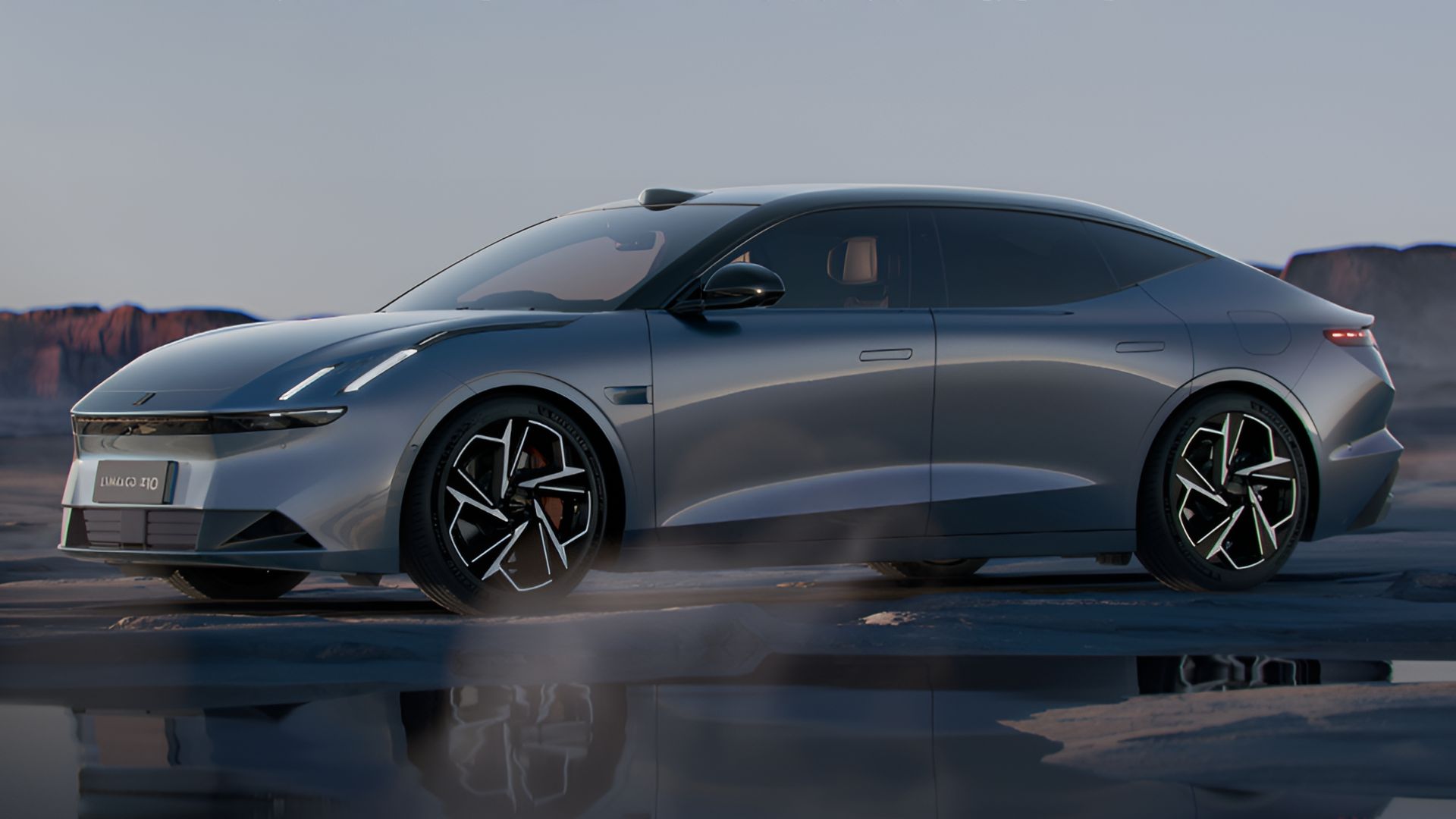
I’ve always wondered, however, how the futuristic design of today can further transform in the years to come. If the road-going vehicles we have now already look like the cars we only used to see in the movies, then what’s next?
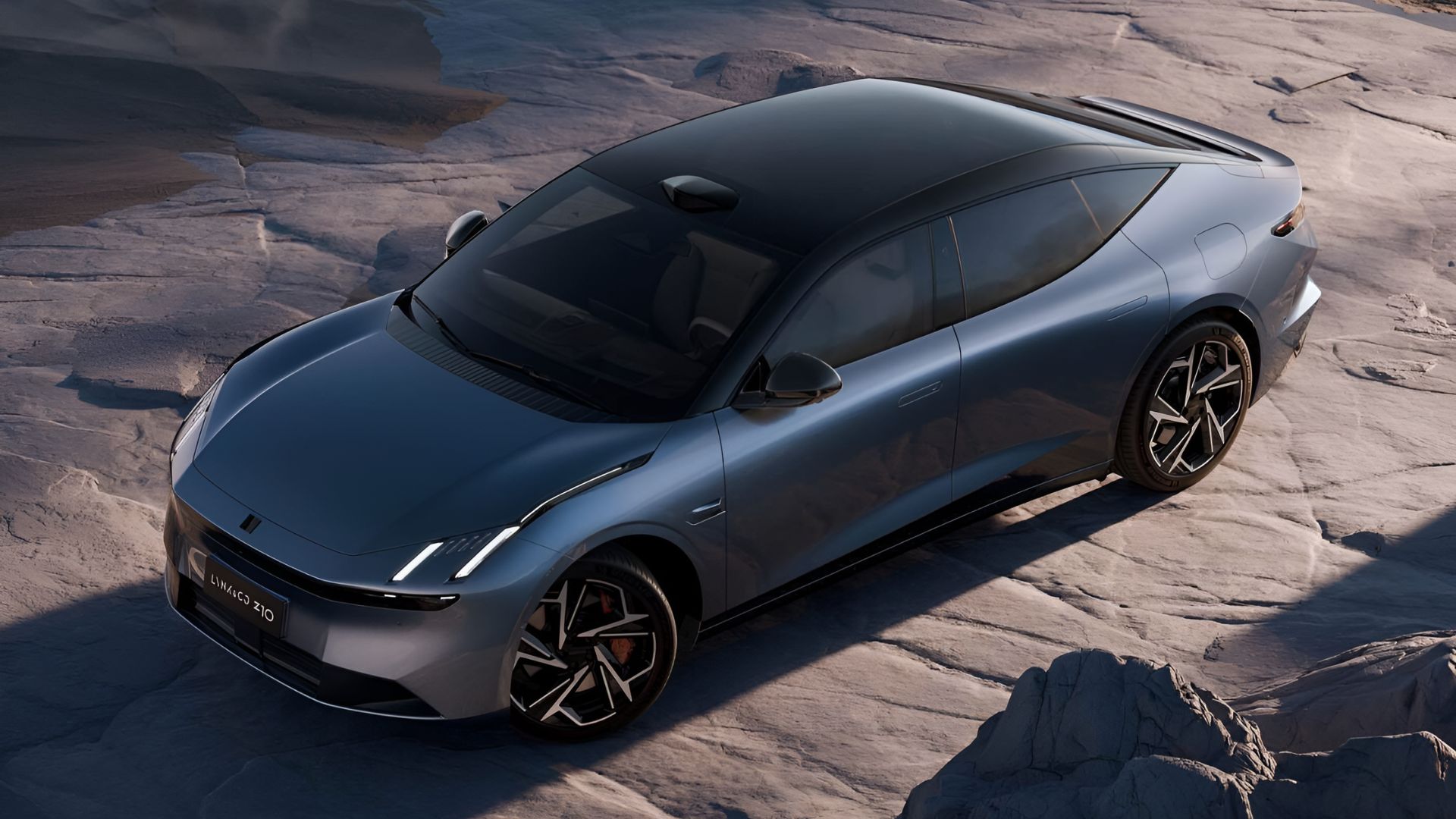
I recently got to join a quick session with Lynk & Co.’s president of design, Stefan Rosen, and I was able to get his insights on this particular matter. If you’re not familiar, Lynk & Co. is an car company under the Geely umbrella, and it recently made its way into the local market. The carmaker has a few models in its portfolio, all of which have striking looks of their own.
Rosen highlighted how the trend of electrification has influenced automotive design in this generation, and it’s been a driver for how manufacturers build their cars. The proportions of EVs have to be bigger to accommodate their respective platforms and make room for EV batteries, for example, and that has drastically affected design.
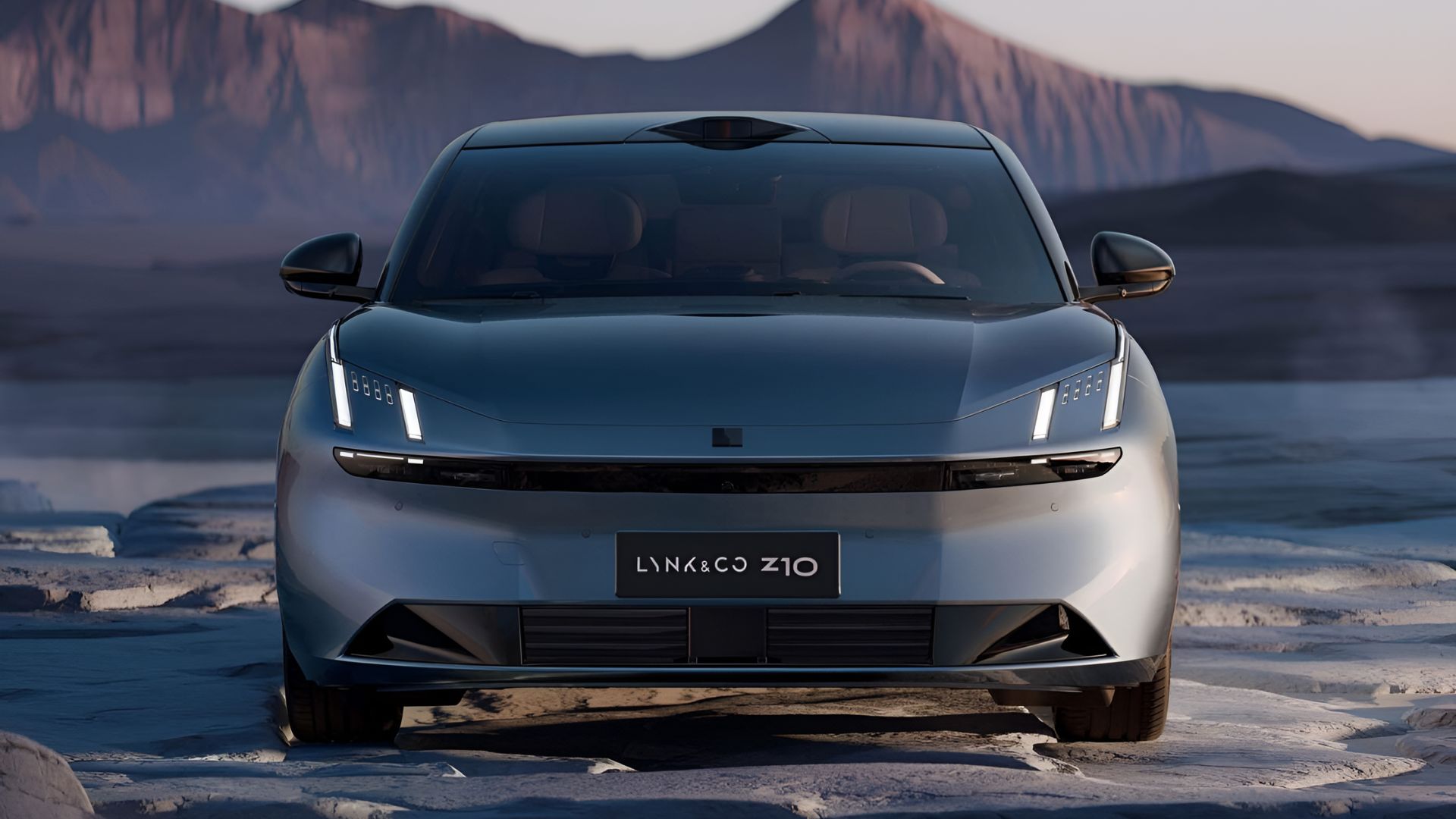
Rosen says that since electrification is already in full swing, the next step for automakers is “fighting size and weight.” As technology will eventually allow EVs to be lighter and smaller, that will again lead to changes in design trends.
Interestingly, Rosen also notes that there could also be a “possible divergence” in design alongside these trends, specifically due to autonomy. He mentioned how the electric and eventually driverless cars of tomorrow can look boxy and have that sort of generic physique. At that point, cars will become more of a commodity or appliance that people won’t exactly need to drive or enjoy. “It’ll be like a refrigerator,” he said.
That’s not exactly a bad thing. If anything, Rosen thinks it could allow manufacturers to make the cars that “people will actually buy” be more expressive. Brands could try to be more unique and incorporate more of their own identities in their creations.
Wouldn’t that be something? In this day and age where it seems copy-pasting has become the actual trend for automotive design, it would be refreshing to think that we’ll see more dynamic-looking and distinguishable cars in the future.